

Boyana Church, Sofia Region Travel Guide
A UNESCO World Heritage Site on the outskirts of Sofia, famed for its stunningly preserved medieval frescoes and rich history.
Nestled on the outskirts of Sofia, the Boyana Church is a UNESCO World Heritage site famed for its remarkably preserved medieval frescoes dating back to 1259. These vibrant paintings, adorning the walls of this Bulgarian Orthodox church, represent a pinnacle of Balkan artistic achievement.
A brief summary to Boyana Church
- ul. Boyansko ezero 3, Sofia, BoyanaVitosha, 1616, BG
- Click to display
- Click to display
- Monday 9 am-5:30 pm
- Tuesday 9 am-5:30 pm
- Wednesday 9 am-5:30 pm
- Thursday 9 am-5:30 pm
- Friday 9 am-5:30 pm
- Saturday 9 am-5:30 pm
- Sunday 9 am-5:30 pm

Know before you go
Hi, I'm Eve. Here are a few practical things to know before exploring Boyana Church.
- Book your visit in advance, especially during peak season, as entry is limited to small groups.
- Photography is not allowed inside the church to protect the frescoes.
- Visits are limited to 10 minutes to preserve the delicate frescoes.
- Combine your visit with a trip to the nearby National Museum of History.
- Consider visiting on the last Monday of the month for free entry, but be prepared for potential crowds.
Do you manage this location?
Take control to get all the benefits, like improved information, better appearance, and stronger visibility across AI-powered discovery. Learn more about listing your business on Evendo
Activate your presenceOther nearby places you may find interesting
The closest places of the same kind, if this one is not quite what you had in mind.
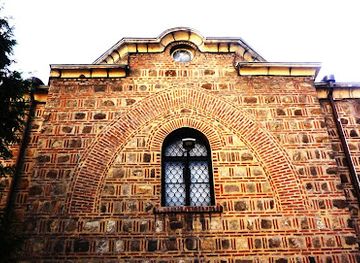
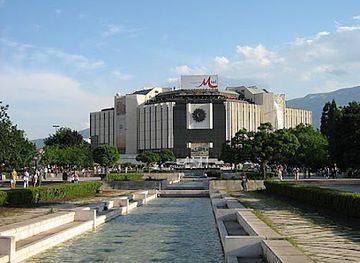
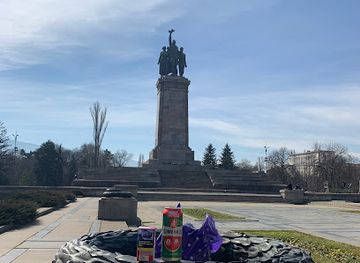
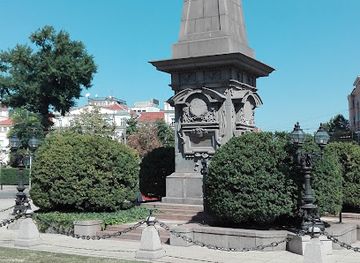
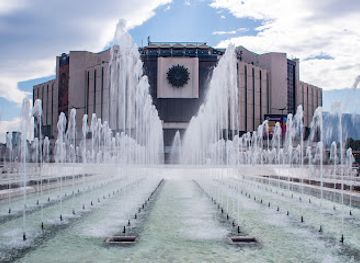
Explore Boyana Church on the Map
A handpicked selection of must-see spots near Boyana Church, mapped for you.
Unlock the Best of Boyana Church
Buy tickets
-
No tickets available
Book tours with entry


Getting There
-
Public Transport
From the center of Sofia, take bus line 64 from the Bulgaria Bulevard Metro Station. The bus trip takes approximately 26 minutes to the Boyana stop. From the bus stop, it's a short walk to the church. A single ticket costs 1.60 BGN. A day pass for unlimited travel on public transport is available for 4 BGN.
-
Taxi
A taxi from downtown Sofia to Boyana Church takes around 9 minutes and typically costs between 7 and 9 BGN. Consider using a taxi app like Yellow Taxi for reliable service.
Discover more about Boyana Church













Your all‑in‑one travel companion app
Explore expert travel guides, compare and book tours, experiences, hotels, and more—all from the palm of your hand. Download now for seamless trip planning wherever your wanderlust takes you.


Explore More of Sofia Region
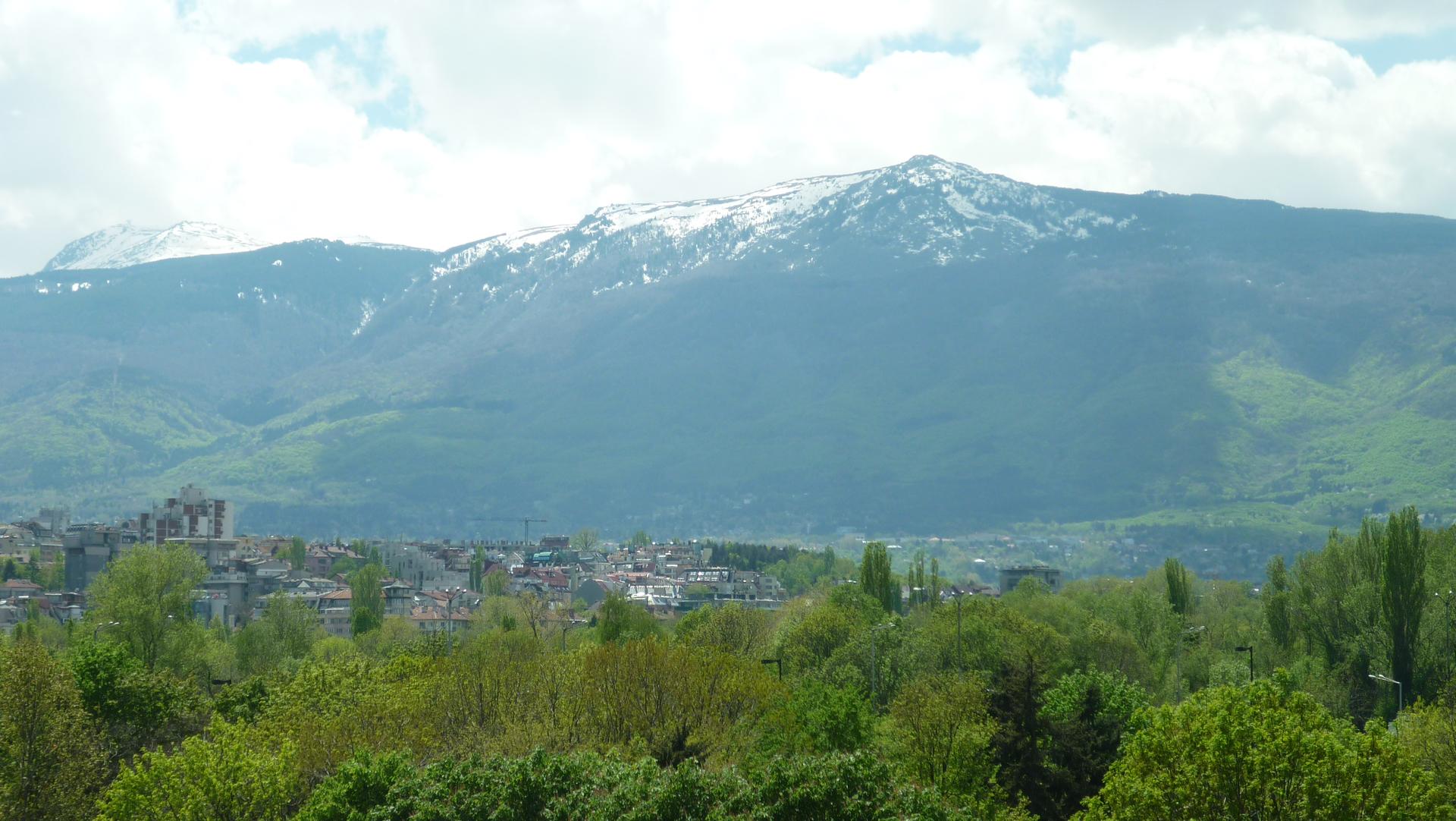
Looking beyond Boyana Church? Discover Sofia Region for broader travel guides, local hot-spots, and regional highlights.
Explore Sofia Region
Discover Momina Skala: Breathtaking Vitosha Mountain hiking trails, stunning views, and a touch of Bulgarian legend near Sofia.
Experience the natural beauty of Boyana Waterfall, a must-visit hiking destination near Sofia, renowned for its stunning scenery and tranquil atmosphere.
