

Free Stara Planina Travel Guide & Mobile App
Explore Stara Planina with free travel guides. Discover regional history, expert tips, proposed trips, and audio guides on web or mobile app.


Explore Stara Planina in Bulgaria for high mountain trails, historic passes, forested valleys, traditional villages and Central Balkan scenery.
Read more about Stara Planina
When is the best time to visit Stara Planina?
Best: June–August · 21–23°C| Month | High (°C) | Rainfall (mm) |
|---|---|---|
| January | 2 | 40 |
| February | 3 | 40 |
| March | 9 | 50 |
| April | 14 | 60 |
| May | 18 | 70 |
| June (best) | 21 | 60 |
| July (best) | 23 | 50 |
| August (best) | 23 | 50 |
| September | 19 | 50 |
| October | 14 | 50 |
| November | 7 | 50 |
| December | 3 | 50 |
Getting to and around Stara Planina
How to get there
Transportation
Top city travel guides in Stara Planina
The cities of Stara Planina, and the easiest places to base yourself.
-
-

-

-


Swipe for more cities
Destinations in Stara Planina
Resorts, valleys and scenic spots worth a trip of their own.
-

-

-


Swipe for more destinations
Best attractions in Stara Planina
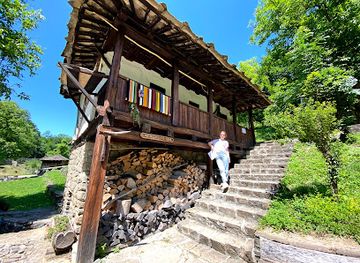
Stara Planina’s attractions range from demanding high-mountain routes to accessible cultural sites in its valleys and foothills. The Central Balkan National Park is the principal destination for long-distance hiking, with routes through beech forests, open upland pastures, gorges and waterfalls, while Botev Peak and the surrounding ridges appeal to experienced walkers. Vratsa Balkan Nature Park offers limestone cliffs, caves, climbing areas and views above Vratsa, and the Belogradchik Rocks in the western Balkan provide a distinctive landscape of tall reddish formations. Historic journeys can include Shipka Pass and its memorial, Troyan Monastery, the traditional craft displays at the Ethnographic Museum Etar near Gabrovo, and the monasteries and old quarters scattered around the mountain margins. Smaller museums in towns such as Kalofer, Karlovo, Berkovitsa and Gabrovo explain the National Revival, local crafts and industrial development. In summer, visitors can combine walking, cycling, caving and wildlife observation; in winter, snow conditions support limited resort and mountaineering activities but demand proper equipment and local advice.
-
Ethnographic museum
Ethno village Etar
Experience the vibrant culture of Bulgaria at Ethno Village Etar, an open-air museum showcasing traditional crafts, architecture, and local heritage.
-
Monastery
Troyan Monastery
Discover Bulgaria's rich history and artistry at the Troyan Monastery, a stunning spiritual and cultural landmark in the Balkan Mountains.
-
Tourist attraction
Covered Bridge
Experience the beauty and history of Bulgaria at the Covered Bridge in Lovech, a unique tourist attraction that captivates every visitor.
-
Tourist attraction
Damascena Ethnographic Complex
Discover the enchanting blend of culture, cuisine, and wildlife at the Damascena Ethnographic Complex in Skobelevo, Bulgaria.


Best landmarks in Stara Planina
The Shipka Memorial is Stara Planina’s most recognisable historic landmark, rising above the pass where Russian troops and Bulgarian volunteers defended a crucial position in 1877. Its elevated setting gives it both commemorative and geographical significance. Botev Peak, the highest summit in the Balkan Mountains, is the defining natural landmark of the central range, while the surrounding Central Balkan ridges show the scale of Bulgaria’s protected mountain landscape. In the west, the Belogradchik Rocks form an extraordinary group of weathered sandstone and limestone pillars, and the cliffs of Vratsa Balkan create a dramatic edge above the town. Troyan Monastery, with its church, murals and mountain setting, represents the religious and cultural importance of the range’s southern valleys. The Etar complex near Gabrovo preserves traditional workshops, water-powered structures and vernacular architecture, illustrating how mountain communities used streams, wood and craft skills. Together these places express the range’s principal identities: strategic passage, protected wilderness, religious continuity and working mountain culture.
-
Eastern Orthodox Church
Patriarchal Cathedral of St. Alexander Nevsky
Discover Sofia's iconic St. Alexander Nevsky Cathedral: a stunning monument to liberation, adorned with gold domes, mosaics, and historical significance.
-
 Monastery
Rila Monastery
Explore Rila Monastery, a UNESCO World Heritage site in Bulgaria, known for its stunning architecture, rich history, and serene surroundings in the Rila Mountains.
-
Ethnographic museum
Ethno village Etar
Discover Bulgaria's heritage at Ethno Village Etar: traditional crafts, architecture, and a journey back in time.
-
Fortress
Tsarevets Fortress
Explore the medieval heart of Bulgaria at Tsarevets Fortress, a symbol of the Second Bulgarian Empire in Veliko Tarnovo.


Explore Stara Planina on the map
Plan your trip on one map. See where the top cities, national parks and sights are, and book hotels and experiences in a few clicks.
Best hotels in Stara Planina
Best restaurants in Stara Planina
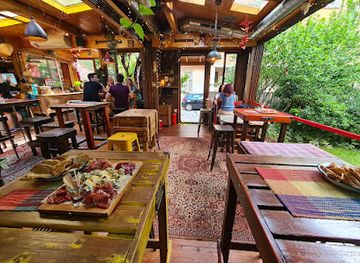
Food in Stara Planina is rooted in Bulgarian mountain and foothill cooking rather than a single narrowly defined regional cuisine. Village inns, family restaurants and guesthouses commonly serve bean stews, soups, grilled meats, stuffed vegetables, fresh salads, yoghurt, white brined cheese and savoury pastries. Potatoes, mushrooms, mountain herbs, honey, fruit preserves and home-produced rakia feature widely in rural food traditions, while the Troyan area is associated with a long-established pottery culture and the broader region is known for practical, hearty cooking suited to a colder climate. Around Gabrovo, Vratsa, Troyan, Karlovo and the larger resort settlements, visitors will find cafés and contemporary restaurants alongside traditional mehanas. Menus and opening patterns can be limited in high villages and near remote trailheads, so a packed lunch is sensible for longer walks. Farmers’ stalls and village shops are useful for bread, cheese, seasonal fruit and preserves, but product availability varies by season.
-
Restaurant
Restaurant Djanny
Discover Restaurant Djanny - A culinary delight in Sunny Beach offering diverse flavors in a vibrant atmosphere.
-
Bulgarian
Hadjidraganov's Houses Restaurant
Experience authentic Bulgarian cuisine and vibrant live music at Hadjidraganov's Houses Restaurant in Sofia.
-
Bulgarian
Restaurant "Staria Chinar"
Experience authentic Bulgarian cuisine at Staria Chinar in Sofia—where tradition meets taste in every delightful dish.
-
Restaurant
Skapto Burgers, Beers and Fries Iskar
Savor gourmet burgers and craft beers at Skapto Burgers in Sofia – where flavor meets casual dining.


Best bars in Stara Planina
Evening life in Stara Planina is generally low-key and concentrated in foothill towns, resort settlements and traditional restaurants rather than in a continuous nightlife circuit. Gabrovo, Vratsa, Berkovitsa, Troyan, Karlovo and Sliven provide the broadest choice of cafés, beer bars, restaurants and occasional live-music venues, while smaller villages tend to centre on a family-run inn or guesthouse dining room. Mountain resorts and spa-oriented settlements may have livelier evenings during winter weekends and summer holidays, but opening patterns are seasonal. Traditional mehanas often combine food with local drinks and music without functioning as nightclubs. Visitors staying in remote huts should expect quiet after dinner, early starts and limited connectivity rather than entertainment facilities. Drink-driving is a serious risk on winding mountain roads, and travellers should arrange walking or taxi transport if alcohol is consumed.
-
European
Happy Bar & Grill
Experience the perfect blend of European and sushi cuisine at Happy Bar & Grill in Ruse, a delightful dining experience for every traveler.
-
Bar
Raketa Rakia Bar
Discover the authentic taste of Bulgaria at Raketa Rakia Bar, featuring traditional dishes and a unique selection of local rakia in a vibrant setting.
-
Cocktail bar
The Cocktail Bar
Discover Sofia's vibrant nightlife at The Cocktail Bar, a must-visit destination for expertly crafted cocktails and a lively atmosphere.
-
Cocktail bar
65 Fireflies
Experience the vibrant nightlife of Sofia at 65 Fireflies, a cocktail bar renowned for its innovative drinks and inviting ambiance.


Best nightclubs in Stara Planina
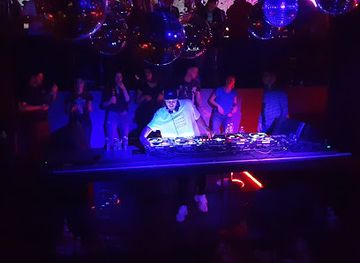
Evening life in Stara Planina is generally low-key and concentrated in foothill towns, resort settlements and traditional restaurants rather than in a continuous nightlife circuit. Gabrovo, Vratsa, Berkovitsa, Troyan, Karlovo and Sliven provide the broadest choice of cafés, beer bars, restaurants and occasional live-music venues, while smaller villages tend to centre on a family-run inn or guesthouse dining room. Mountain resorts and spa-oriented settlements may have livelier evenings during winter weekends and summer holidays, but opening patterns are seasonal. Traditional mehanas often combine food with local drinks and music without functioning as nightclubs. Visitors staying in remote huts should expect quiet after dinner, early starts and limited connectivity rather than entertainment facilities. Drink-driving is a serious risk on winding mountain roads, and travellers should arrange walking or taxi transport if alcohol is consumed.
-
Disco club
Plaza dance center
Discover Sofia's vibrant nightlife at Plaza Dance Center, the ultimate disco club for unforgettable dancing and entertainment experiences.
-
Night club
Carrusel Club
Discover the heart of Sofia's nightlife at Carrusel Club, where electrifying music and a vibrant atmosphere await every night.
-
Night club
EXE Club
Experience the electrifying nightlife at EXE Club, a premier disco destination in Sofia Center, where music and energy collide.
-
Disco club
Yalta
Discover the electrifying nightlife at Yalta, Sofia's iconic disco club, where music and energy collide for an unforgettable experience.


Best shops in Stara Planina
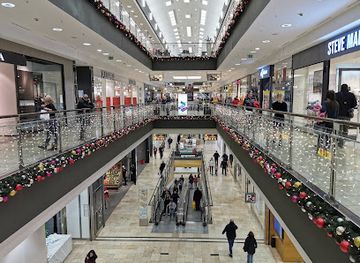
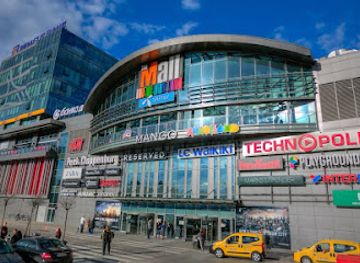
Shopping in Stara Planina is strongest in foothill towns and local markets rather than in large retail districts. Gabrovo, Vratsa, Troyan, Karlovo, Kalofer and Berkovitsa have everyday high-street shops, cafés and small independent businesses, while craft outlets and museum shops provide more regionally relevant purchases. Troyan pottery is especially associated with the mountain area, and visitors may also find carved wooden objects, woven textiles, embroidered goods, honey, herbal products, fruit preserves, dried foods and bottles of rakia. The Ethnographic Museum Etar near Gabrovo is useful for seeing traditional crafts in context, although individual products and workshops vary. Village stalls are seasonal and may operate only on particular days, so cash and flexible expectations are advisable. In larger towns, supermarkets are practical for provisions before a hike; in remote areas, shops may close early or stock only a narrow range of goods. Choose local crafts and food products with clear provenance rather than assuming every mountain-themed souvenir was made in the region.
-
Shopping mall
Serdika Center
Explore Sofia's Serdika Center, a vibrant shopping mall offering a mix of international brands, local boutiques, and diverse dining options in a modern setting.
-
Shopping mall
The Mall
Explore The Mall in Sofia: Your ultimate shopping, dining, and entertainment destination in Bulgaria's capital.
-
Shopping mall
Mall of Sofia
Discover the Mall of Sofia, Bulgaria's ultimate shopping destination with diverse stores, dining, and entertainment for an unforgettable experience.
-
Shopping mall
Bulgaria Mall
Experience the ultimate shopping and dining adventure at Bulgaria Mall, Sofia's top destination for locals and tourists alike.

Get your free copy of our complete guide to Stara Planina, delivered straight to you.
Everything on this page, from attractions and restaurants to essentials and local phrases, in one PDF you can read offline, print or share.
Already have an account? Sign in
Your Stara Planina guide is ready.
We'll send it to · Not you? Sign out

Getting your guide ready…
We are putting together a fresh copy of the Stara Planina guide. This can take up to a minute.
This can take a few moments. If your browser asks, choose Allow so the download can start. You'll find the guide in your Downloads folder.
Nothing happened? Download it again
Sorry, the guide is taking longer than usual. Please try again in a minute, or get it by email instead.
Stara Planina essentials
Currency and Payment
Safety
Emergency Situations
Do's and Don'ts
Local Tips
From Eve
Local phrases worth knowing
You don't need to get them perfect. A few words go a long way, and locals appreciate the effort.
Basics
| English | Local | Say it |
|---|---|---|
| Hello | Здравейте | [Zdraveyte] |
| Goodbye | Довиждане | [Dovizhdane] |
| Yes | Да | [Da] |
| No | Не | [Ne] |
| Please/You're welcome | Моля/Няма защо | [Molya/Nyama zashto] |
| Thank you | Благодаря | [Blagodarya] |
| Excuse me/Sorry | Извинете | [Izvinete] |
| How are you? | Как сте? | [Kak ste?] |
| Fine. And you? | Добре. А вие? | [Dobre. A vie?] |
| Do you speak English? | Говорите ли английски? | [Govorite li angliyski?] |
| I don't understand | Не разбирам | [Ne razbiram] |
Eating & Drinking
| English | Local | Say it |
|---|---|---|
| I'd like to see the menu, please | Искам да видя менюто, моля | [Iskam da vidya menyuto, molya] |
| I don't eat meat | Не ям месо | [Ne yam meso] |
| Cheers! | Наздраве! | [Nazdrave!] |
| I would like to pay, please | Искам да платя, моля | [Iskam da platya, molya] |
Emergencies
| English | Local | Say it |
|---|---|---|
| Help! | Помощ! | [Pomoshch!] |
| Go away! | Изчезнете! | [Izcheznete!] |
| Call the Police! | Викайте полиция! | [Vikayte politsiya!] |
| Call a doctor! | Викайте доктор! | [Vikayte doktor!] |
| I'm lost | Загубих се | [Zagubih se] |
| I'm ill | Болен съм | [Bolen sŭm] |
Shopping
| English | Local | Say it |
|---|---|---|
| I'd like to buy... | Искам да купя... | [Iskam da kupya...] |
| I'm just looking | Просто разглеждам | [Prosto razglezhdam] |
| How much is it? | Колко струва? | [Kolko struva?] |
| That's too expensive | Това е твърде скъпо | [Tova e tvarde skŭpo] |
| Can you lower the price? | Можете ли да намалите цената? | [Mozhete li da namalite tsenata?] |
Time & Numbers
| English | Local | Say it |
|---|---|---|
| What time is it? | Колко е часа? | [Kolko e chasa?] |
| It's one o'clock | Часът е един | [Chasŭt e edin] |
| Half past (10) | Половин час (10) | [Polovin chas (10)] |
| Morning | Сутрин | [Sutrin] |
| Afternoon | Следобед | [Sledobed] |
| Evening | Вечер | [Vecher] |
| Yesterday | Вчера | [Vchera] |
| Today | Днес | [Dnes] |
| Tomorrow | Утре | [Utre] |
| 1 | 1 | [1] |
| 2 | 2 | [2] |
| 3 | 3 | [3] |
| 4 | 4 | [4] |
| 5 | 5 | [5] |
| 6 | 6 | [6] |
| 7 | 7 | [7] |
| 8 | 8 | [8] |
| 9 | 9 | [9] |
| 10 | 10 | [10] |
Transport & Directions
| English | Local | Say it |
|---|---|---|
| Where's a/the...? | Къде е ...? | [Kŭde e ...?] |
| What's the address? | Какъв е адресът? | [Kakav e adresŭt?] |
| Can you show me (on the map)? | Можете ли да ми покажете (на картата)? | [Mozhete li da mi pokazhete (na kartata)?] |
| When's the next (bus)? | Кога е следващият (автобус)? | [Koga e sledvashtiyat (avtobus)?] |
| A ticket (to ....) | Билет (до ...) | [Bilet (do ...)] |
History of Stara Planina
Thracian and Roman Mountain Corridors
The Balkan Mountains have long been a barrier and a route between the Danubian and Thracian worlds. Thracian communities occupied valleys and foothills, while Roman authorities developed roads and settlements to connect the provinces of Moesia and Thrace. Passes through the range, including routes later associated with Shipka and Troyan, became strategically important for movement, trade and military control. Archaeological remains are less concentrated than in Bulgaria’s major lowland cities, but the enduring pattern is clear: settlements grew where valleys opened and roads crossed the mountains.
Medieval Passes and the Second Bulgarian Empire
During the medieval period, Stara Planina formed a powerful geographical framework for Bulgarian states. Mountain strongholds and fortified approaches guarded routes between northern and southern Bulgaria, while monasteries preserved religious and literary traditions. The region’s valleys connected important centres of the First and Second Bulgarian Empires, although political control varied over time. Medieval defensive remains and monastery traditions around the range reflect the importance of mountains as both refuge and frontier rather than as an isolated wilderness.
Ottoman Rule and Mountain Communities
After the Ottoman conquest of the Bulgarian lands in the late fourteenth century, Stara Planina remained a zone of movement, settlement and local economic activity. Villages in the valleys combined farming, livestock keeping, forestry and craft production, while monasteries continued to serve religious and cultural roles. Mountain passes linked Ottoman administrative and commercial centres, and communities developed distinctive building traditions adapted to steep terrain and harsh winters. Many present-day towns and villages preserve this layered landscape of Ottoman-era routes, Orthodox institutions and later Bulgarian cultural revival.
The National Revival and Craft Prosperity
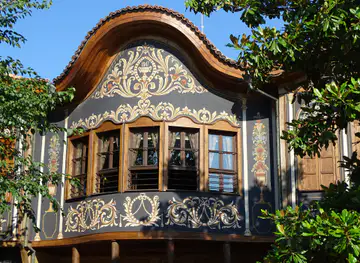
During the eighteenth and nineteenth centuries, settlements on the southern and northern margins of Stara Planina became important centres of trade, education and craft production. Gabrovo developed a strong commercial and manufacturing reputation, while Kalofer, Karlovo, Troyan and other towns nurtured teachers, merchants and revolutionary figures. Woodcarving, pottery, weaving, metalwork and domestic crafts flourished in mountain communities. The period’s architecture and workshop traditions are interpreted today at sites such as the Ethnographic Museum Etar and in the historic quarters of several foothill towns.
The Shipka Pass and the Russo-Turkish War
Shipka Pass became the decisive battlefield of the Russo-Turkish War of 1877–78. Russian forces and Bulgarian volunteers defended the strategic crossing against repeated Ottoman attacks, including the severe fighting of August 1877. The defence prevented the pass from falling and helped shape the military course of the war, which led to the re-establishment of an autonomous Bulgarian state. The Shipka Memorial, standing on the summit above the pass, commemorates the dead and remains one of the country’s most important national monuments.
Industrialisation, Railways and Changing Mountain Economies
From the late nineteenth century onwards, railways and improved roads connected Stara Planina’s valleys more closely with Sofia, northern Bulgaria, the Thracian Plain and the Black Sea. Gabrovo became a notable industrial centre, while timber, livestock, textiles, rose products and small-scale manufacturing supported other communities. Transport reduced the isolation of mountain settlements but also encouraged migration towards cities. The present landscape combines traditional villages and craft practices with depopulated upland areas, working towns and tourism based on hiking, heritage and winter recreation.
Protected Landscapes and Modern Outdoor Tourism
Modern conservation has recognised the ecological importance of the range’s forests, alpine grasslands, gorges and wildlife corridors. Vratsa Balkan Nature Park, Central Balkan National Park and other protected areas safeguard substantial parts of the mountain environment, while reserves within and around the range protect old-growth beech forests and rare species. Hiking, mountaineering, caving, cycling and nature study now complement agriculture and forestry. This shift has created new economic opportunities, although rural services, maintenance of trails and the balance between access and conservation remain continuing concerns.
Stara Planina in Photos
Browse through our photo collection highlighting the charm and character of the destination.
Neighbouring regions of Stara Planina
The closest regions to Stara Planina, if you have time for more than one.
-

-

-

-
-


Swipe for more regions
Explore more

Explore more of Bulgaria
Explore Bulgaria: From Sofia's bustling streets to the serene mountains and stunning Black Sea beaches, discover the rich history, culture, and natural beauty of Bulgaria.
Explore Bulgaria