

Free Moesia Travel Guide & Mobile App
Explore Moesia with free travel guides. Discover regional history, expert tips, proposed trips, and audio guides on web or mobile app.


Explore Moesia in northern Bulgaria for Danube landscapes, Roman ruins, medieval capitals, fortress towns and distinctive rural traditions.
Read more about Moesia
When is the best time to visit Moesia?
Best: June, August–September · 23–28°C| Month | High (°C) | Rainfall (mm) |
|---|---|---|
| January | 5 | 40 |
| February | 7 | 40 |
| March | 12 | 50 |
| April | 18 | 50 |
| May | 23 | 60 |
| June (best) | 26 | 60 |
| July | 28 | 50 |
| August (best) | 28 | 50 |
| September (best) | 23 | 40 |
| October | 17 | 40 |
| November | 10 | 50 |
| December | 6 | 50 |
Getting to and around Moesia
How to get there
Transportation
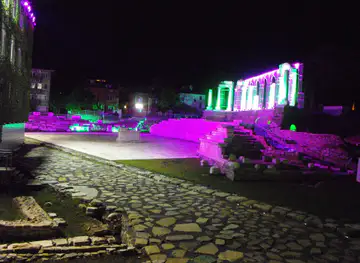
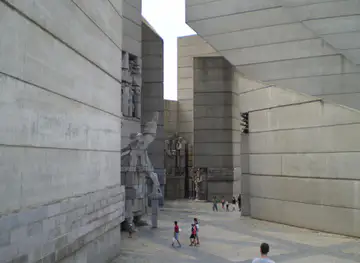
Top city travel guides in Moesia
The cities of Moesia, and the easiest places to base yourself.
-

-

-

-
-
-


Swipe for more cities
Destinations in Moesia
Resorts, valleys and scenic spots worth a trip of their own.
-

-

-

-

-

-


Swipe for more destinations
Best attractions in Moesia
Moesia’s attractions range from Roman frontier archaeology to river landscapes and medieval capitals. Novae near Svishtov reveals the remains of a major Roman legionary base, while Nicopolis ad Istrum presents the plan of an inland Roman city with streets, public buildings and inscriptions. Around Shumen, the former capitals of Pliska and Preslav and the Madara Rider form a particularly important concentration of early Bulgarian heritage. Veliko Tarnovo’s Tsarevets hill and historic churches recall the Second Bulgarian Empire, while Pleven’s museums and memorial sites interpret the battles of 1877–78. Nature-based visits include the wooded limestone valleys of Rusenski Lom, the river environment around the Danube and the dramatic rock formations near Belogradchik. Walking, birdwatching, cycling and photography are possible, although rural attractions are dispersed and facilities can be limited. The region’s appeal lies in the way archaeological sites, historic towns and open agricultural country form a connected frontier landscape rather than a single sightseeing circuit.
-
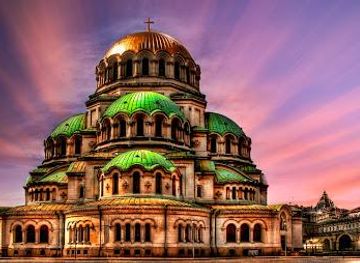
Patriarchal Cathedral of St. Alexander Nevsky
Discover Sofia's iconic landmark: a stunning cathedral, a symbol of gratitude, and a treasure trove of Orthodox art and history.
-
Nature preserve
Hotnitsa Waterfall
Immerse yourself in the natural beauty of Hotnitsa Waterfall, a serene escape in Bulgaria's picturesque landscape, perfect for nature lovers and adventure seekers.
-
Park
Park "Sveta Gora"
Experience the breathtaking views and serene beauty of Park Sveta Gora, a must-visit park in Veliko Tarnovo, Bulgaria.
-
Museum
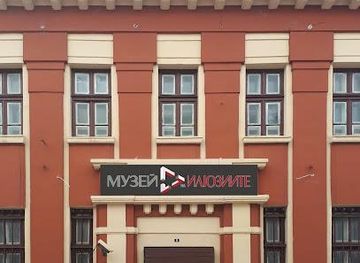
Museum of Illusions
Explore the extraordinary at the Museum of Illusions in Veliko Tarnovo – a captivating experience that challenges your perception and ignites your imagination.


Best landmarks in Moesia
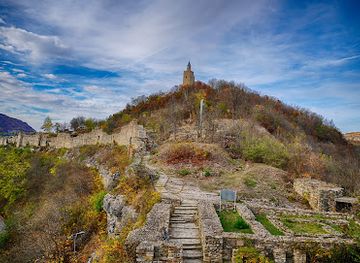
The strongest landmarks of Moesia express its position between the Danube frontier and the Bulgarian interior. Baba Vida in Vidin is a substantial medieval fortress beside the river and one of the clearest surviving symbols of the region’s military history. The Belogradchik Rocks, near the north-western edge of the region, form a striking natural tableau around the historic fortress, combining geology with defensive architecture. At Madara, the celebrated rock relief of a mounted horseman is an internationally recognised monument of early Bulgarian history. The hilltop fortress of Tsarevets in Veliko Tarnovo remains the defining silhouette of the former imperial capital, rising above the Yantra River. The covered bridge at Lovech, rebuilt in the nineteenth century, reflects the town’s commercial and craft traditions, while the Roman ruins at Nicopolis ad Istrum and Novae mark the older imperial frontier. Together these places show that Moesia’s visual identity is built from fortifications, river settings, monumental rocks and archaeological layers rather than from one uniform architectural style.
-
 Monastery
Rila Monastery
Discover Bulgaria's spiritual heart at the Rila Monastery, a UNESCO World Heritage site of stunning beauty and rich history.
-
Fortress
Tsarevets Fortress
Explore Tsarevets Fortress in Veliko Tarnovo: a medieval stronghold with royal palaces, panoramic views, and captivating Sound and Light shows.
-
Fortress
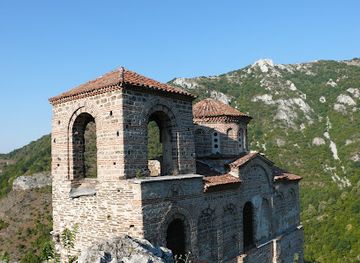
Asen's Fortress
Explore Asen's Fortress, a stunning medieval stronghold in Bulgaria's Rhodope Mountains, combining breathtaking views and rich history for an unforgettable experience.
-
Tourist attraction
Devetashka Cave
Explore Devetashka Cave: A historic Bulgarian landmark with stunning natural beauty, ancient human history, and unique cave ecosystems.

Explore Moesia on the map
Plan your trip on one map. See where the top cities, national parks and sights are, and book hotels and experiences in a few clicks.
Best hotels in Moesia
Best restaurants in Moesia
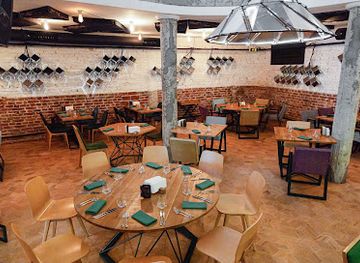
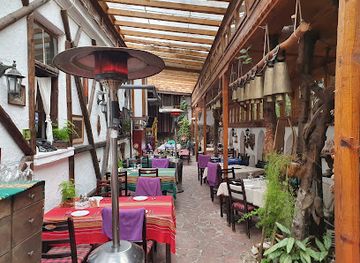
Dining in Moesia reflects northern Bulgaria’s agricultural hinterland, Danubian trade and the cuisines shared across the wider country. Restaurants and family-run eateries commonly serve shopska salad, banitsa, grilled meats, bean dishes, stuffed vegetables and yoghurt-based specialities, while seasonal produce from the fertile plain appears in salads, preserves and home-style cooking. Along the Danube, freshwater fish may feature on menus, although availability and preparation vary by town and season. Ruse and Veliko Tarnovo offer the broadest choice of contemporary restaurants, cafés and international food, while smaller towns tend to centre on traditional Bulgarian cooking, bakeries and straightforward grills. Local wines and Bulgarian beers are widely available, and village inns can provide regional dishes in a more informal setting. Farmers’ markets and food shops are useful for fruit, vegetables, cheese, honey and bread, but visitors should distinguish genuinely local produce from goods marketed simply as Bulgarian souvenirs.
-
Bulgarian
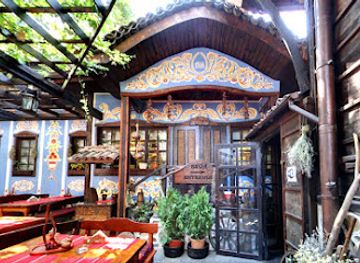
Hadjidraganov's Houses Restaurant
Savor authentic Bulgarian cuisine and vibrant live music at Hadjidraganov's Houses Restaurant in Sofia.
-
Bulgarian
Moma Bulgarian Food and Wine
Savor authentic Bulgarian cuisine at Moma Food and Wine, where tradition meets fine dining in the heart of Sofia.
-
Restaurant
Cosmos Restaurant / Космос
Discover a fusion of tradition and innovation at Cosmos Restaurant in Sofia, where every dish tells a story of Bulgarian culinary excellence.
-
Bulgarian
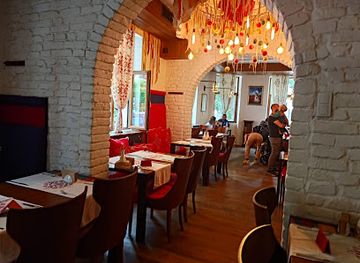
Manastirska Magernitsa Restaurant
Experience authentic Bulgarian cuisine at Manastirska Magernitsa Restaurant in Sofia - where tradition meets taste.
Best bars in Moesia
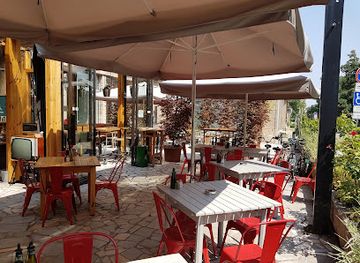
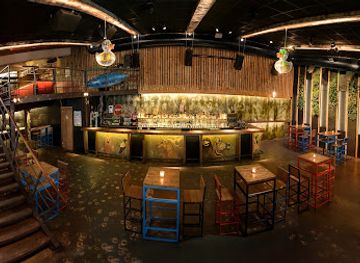
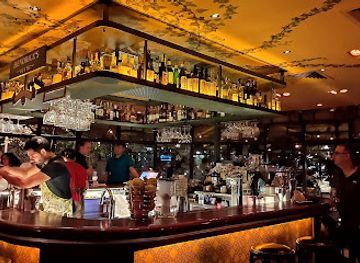
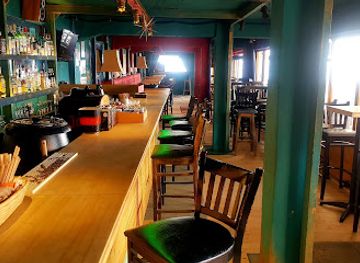
Evening life in Moesia is concentrated in larger towns rather than spread across the countryside. Ruse has the most urban mix of cafés, wine bars, restaurants and occasional live-music venues, with its nineteenth-century centre providing a setting for a relaxed evening. Veliko Tarnovo attracts a younger and more international crowd around its restaurants, cafés and bars, while Pleven, Shumen and Vidin offer local dining, beer gardens and modest late-night options. In smaller Danube settlements, traditional pubs and restaurant terraces are more typical than nightclubs, and activity can be seasonal. Cultural programmes, theatre and concerts may be more significant than dedicated clubbing, particularly in the historic towns. Opening arrangements change, so rely on current local information rather than expecting nightlife districts or late services in rural areas.
-
Restaurant
Raketa Rakia Bar
Experience the vibrant flavors of Bulgaria at Raketa Rakia Bar, a unique restaurant and bar in the heart of Sofia.
-
Bar
Bar Friday
Experience the lively atmosphere of Bar Friday in Sofia, where vibrant nightlife meets expertly crafted cocktails and live music.
-
Cocktail bar
The Cocktail Bar
Experience Sofia's nightlife at The Cocktail Bar, where innovative drinks and a vibrant atmosphere await you in the heart of the city.
-
Bar
Beach Bar Menthol
Discover the vibrant atmosphere and stunning sea views at Beach Bar Menthol, a must-visit spot in Varna, Bulgaria.
Best nightclubs in Moesia
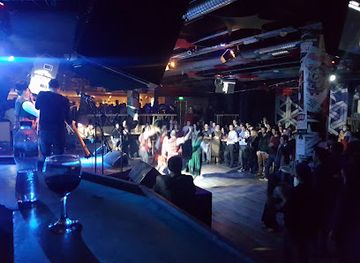
Evening life in Moesia is concentrated in larger towns rather than spread across the countryside. Ruse has the most urban mix of cafés, wine bars, restaurants and occasional live-music venues, with its nineteenth-century centre providing a setting for a relaxed evening. Veliko Tarnovo attracts a younger and more international crowd around its restaurants, cafés and bars, while Pleven, Shumen and Vidin offer local dining, beer gardens and modest late-night options. In smaller Danube settlements, traditional pubs and restaurant terraces are more typical than nightclubs, and activity can be seasonal. Cultural programmes, theatre and concerts may be more significant than dedicated clubbing, particularly in the historic towns. Opening arrangements change, so rely on current local information rather than expecting nightlife districts or late services in rural areas.
-
Disco club
club *MIXTAPE 5*
Dive into Sofia's nightlife at Club *MIXTAPE 5*, where the beats are infectious and the atmosphere electric, creating unforgettable dance experiences.
-
Bar
Cacao Beach Club
Experience the ultimate beach party at Cacao Beach Club, where sun, sand, and electrifying nightlife come together in Sunny Beach, Bulgaria.
-
Night club
Bedroom Beach
Discover Bedroom Beach: A premier nightlife hotspot on Sunny Beach, offering vibrant music, exquisite cocktails, and unforgettable experiences.
-
Night club
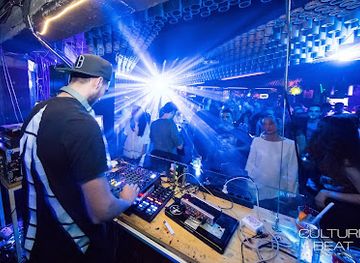
Culture Beat Club
Dive into Sofia's vibrant nightlife at Culture Beat Club, where electrifying beats and refreshing cocktails create an unforgettable experience.


Best shops in Moesia
Shopping in Moesia is strongest in the historic centres and market towns rather than in large destination malls. Ruse offers the broadest urban choice, including everyday retail, independent shops, cafés and galleries, while Veliko Tarnovo has outlets aimed at visitors seeking ceramics, textiles, paintings, woodwork and Bulgarian-themed gifts. Pleven, Shumen, Vidin and Lovech provide practical high-street shopping alongside local markets whose produce changes with the season. Good regional purchases include honey, preserves, dried herbs, cheese, wine, pottery, woven items and packaged Bulgarian foods, provided that food is bought from reputable sellers and can legally be carried across borders. Markets are useful for experiencing local commerce, but their days and scale vary. At archaeological monuments, souvenir stalls tend to be small and focused on books, replicas and nationally themed crafts, so specialised shopping is best done in the larger towns rather than expected at every historic site.
-
Shopping mall
Serdika Center
Explore the Serdika Center in Sofia for an unforgettable shopping experience with international brands and delightful dining options.
-
Shopping mall
Mall of Sofia
Discover the Mall of Sofia, your ultimate shopping destination in Bulgaria, featuring a wide array of stores, dining options, and entertainment for all ages.
-
Shopping mall
The Mall
Discover The Mall Sofia – a shopping haven with diverse stores, dining, and entertainment for an unforgettable experience in Bulgaria's capital.
-
Shopping mall
Mall of Sofia
Discover the Mall of Sofia, a dynamic shopping paradise featuring international brands, local delights, and endless entertainment options in the heart of Bulgaria.

Get your free copy of our complete guide to Moesia, delivered straight to you.
Everything on this page, from attractions and restaurants to essentials and local phrases, in one PDF you can read offline, print or share.
Already have an account? Sign in
Your Moesia guide is ready.
We'll send it to · Not you? Sign out

Getting your guide ready…
We are putting together a fresh copy of the Moesia guide. This can take up to a minute.
This can take a few moments. If your browser asks, choose Allow so the download can start. You'll find the guide in your Downloads folder.
Nothing happened? Download it again
Sorry, the guide is taking longer than usual. Please try again in a minute, or get it by email instead.
Moesia essentials
Currency and Payment
Safety
Emergency Situations
Do's and Don'ts
Local Tips
From Eve
Local phrases worth knowing
You don't need to get them perfect. A few words go a long way, and locals appreciate the effort.
Basics
| English | Local | Say it |
|---|---|---|
| Hello | Здравейте | [Zdraveyte] |
| Goodbye | Довиждане | [Dovizhdane] |
| Yes | Да | [Da] |
| No | Не | [Ne] |
| Please/You're welcome | Моля/Няма за какво | [Molya/Nyama za kakvo] |
| Thank you | Благодаря | [Blagodarya] |
| Excuse me/Sorry | Извинете/Съжалявам | [Izvinete/Sazhalyavam] |
| How are you? | Как сте? | [Kak ste?] |
| Fine. And you? | Добре. А вие? | [Dobre. A vie?] |
| Do you speak English? | Говорите ли английски? | [Govorite li angliyski?] |
| I don't understand | Не разбирам | [Ne razbiram] |
Eating & Drinking
| English | Local | Say it |
|---|---|---|
| I'd like to see the menu, please | Искам да видя менюто, моля | [Iskam da vidya menyuto, molya] |
| I don't eat meat | Не ям месо | [Ne yam meso] |
| Cheers! | Наздраве! | [Nazdrave!] |
| I would like to pay, please | Искам да платя, моля | [Iskam da platya, molya] |
Emergencies
| English | Local | Say it |
|---|---|---|
| Help! | Помощ! | [Pomoshch!] |
| Go away! | Отиди си! | [Otidi si!] |
| Call the Police! | Повикайте полицията! | [Povikayte politsiyata!] |
| Call a doctor! | Повикайте лекар! | [Povikayte lekar!] |
| I'm lost | Загубен съм | [Zaguben sŭm] |
| I'm ill | Болен съм | [Bolen sŭm] |
Shopping
| English | Local | Say it |
|---|---|---|
| I'd like to buy... | Искам да купя... | [Iskam da kupya...] |
| I'm just looking | Само разглеждам | [Samo razglezhdam] |
| How much is it? | Колко струва? | [Kolko struva?] |
| That's too expensive | Това е твърде скъпо | [Tova e tvarde skŭpo] |
| Can you lower the price? | Можете ли да намалите цената? | [Mozhete li da namalite tsenata?] |
Time & Numbers
| English | Local | Say it |
|---|---|---|
| What time is it? | Колко е часа? | [Kolko e chasa?] |
| It's one o'clock | Часът е един | [Chasŭt e edin] |
| Half past (10) | Половин на (10) | [Polovin na (10)] |
| Morning | Сутрин | [Sutrin] |
| Afternoon | Следобед | [Sledobed] |
| Evening | Вечер | [Vecher] |
| Yesterday | Вчера | [Vchera] |
| Today | Днес | [Dnes] |
| Tomorrow | Утре | [Utre] |
| 1 | 1 | [1] |
| 2 | 2 | [2] |
| 3 | 3 | [3] |
| 4 | 4 | [4] |
| 5 | 5 | [5] |
| 6 | 6 | [6] |
| 7 | 7 | [7] |
| 8 | 8 | [8] |
| 9 | 9 | [9] |
| 10 | 10 | [10] |
Transport & Directions
| English | Local | Say it |
|---|---|---|
| Where's a/the...? | Къде е ...? | [Kŭde e ...?] |
| What's the address? | Какъв е адресът? | [Kakav e adresŭt?] |
| Can you show me (on the map)? | Можете ли да ми покажете (на картата)? | [Mozhete li da mi pokazhete (na kartata)?] |
| When's the next (bus)? | Кога е следващият (автобус)? | [Koga e sledvashtiyat (avtobus)?] |
| A ticket (to ....) | Билет (до ....) | [Bilet (do ....)] |
History of Moesia
Thracian Settlement and the Danubian Frontier
Before Roman rule, northern Bulgaria was inhabited by Thracian communities whose settlements and burial monuments formed part of the wider cultural world of the lower Danube and Balkan interior. The river was not simply a boundary: it served as a route for movement, trade and military contact. Archaeological remains across the Danubian Plain, including fortified sites, tombs and settlements, testify to long occupation in a region shaped by fertile soils and access to waterways. Much of this early heritage is less visually monumental than the later Roman and medieval remains, but it provides the foundation for understanding why the area repeatedly attracted rival powers.
Roman Moesia and the Lower Danube Limes
Rome organised the region as Moesia during the late first century BC and first century AD, eventually dividing it into administrative provinces. The Danube became a major military frontier, protected by forts, roads, ports and settlements. Novae near Svishtov developed into an important legionary base, while Nicopolis ad Istrum became a substantial urban centre inland. Roman infrastructure connected the river frontier with the Balkans and the Black Sea hinterland. Although later invasions and political changes transformed the landscape, surviving ruins, roads and archaeological collections preserve the scale of Roman military administration and urban life.
Late Antiquity and Byzantine Borderlands
From the third to the sixth centuries, the Danubian provinces faced repeated incursions and political instability, prompting the rebuilding and strengthening of settlements. Fortified towns and military stations became more prominent, while Christianity established an enduring presence through churches and ecclesiastical centres. The region remained strategically important to the Eastern Roman, or Byzantine, Empire, but control fluctuated as Goths, Huns, Avars and Slavic groups moved through or settled in the wider Danubian zone. The archaeological record shows a frontier society repeatedly adapting to warfare, migration and changing imperial authority.
The First Bulgarian Empire at Pliska and Preslav
The formation of the Bulgarian state in the late seventh century transformed northern Bulgaria into a political centre of European significance. Pliska, the first capital, developed from a large early Bulgarian political and ceremonial complex, while nearby Madara preserves a celebrated monument associated with the early Bulgarian rulers. Preslav later became the capital and an important centre of architecture, literature and religious culture after Bulgaria adopted Christianity in the ninth century. The spread of the Cyrillic literary tradition during this period helped shape the cultural history of Bulgaria and the wider Slavic world.
The Second Bulgarian Empire and Tarnovo
After the uprising of 1185, the restored Bulgarian state established its capital at Tarnovo, now Veliko Tarnovo. The city occupied a naturally defended position above the Yantra River and became the political, religious and artistic centre of the Second Bulgarian Empire. The ruling Asen dynasty expanded Bulgarian influence across parts of the Balkans, while churches, monasteries and court culture flourished. Tarnovo’s hilltop ruins and surviving medieval churches remain among the clearest physical expressions of this period, although the empire’s power declined before the Ottoman conquest in the late fourteenth century.
Ottoman Rule and Danubian Commerce
For almost five centuries, northern Bulgaria formed part of the Ottoman Empire. Towns along the Danube served as ports, markets and military points, while inland communities remained closely linked to agriculture, craft production and regional trade. Ottoman rule left architectural and social traces, although later urban rebuilding often obscured earlier layers. The river’s strategic importance increased during conflicts between the Ottoman and Russian empires, and fortresses such as Vidin became focal points in military and political struggles. This period also shaped the multicultural commercial character of several Danubian settlements.
National Revival and the Russo-Turkish War
During the nineteenth century, Bulgarian education, publishing, church initiatives and commercial activity contributed to the National Revival. Towns such as Ruse, Lovech and Veliko Tarnovo became associated with intellectual, religious or political developments that challenged Ottoman authority. The Russo-Turkish War of 1877–78 brought decisive fighting to northern Bulgaria, including the major siege at Pleven and battles around the Shipka Pass farther south. The conflict led to the restoration of Bulgarian statehood in 1878. Memorials, museums and military parks across the region preserve the memory of this formative but devastating period.
Modern River Cities and Industrial Change
After 1878, northern Bulgaria’s towns developed within the new Bulgarian state, with railways, river shipping, factories, schools and civic institutions reshaping the urban landscape. Ruse became particularly associated with Danubian trade and cosmopolitan architecture, while ports such as Svishtov and Lom connected inland production with wider markets. The twentieth century brought industrialisation, collectivised agriculture and major political changes, followed after 1989 by economic restructuring. Today, the region’s historic centres coexist with working ports, agricultural communities and heritage sites seeking new roles in cultural tourism.
Moesia in Photos
Browse through our photo collection highlighting the charm and character of the destination.
Neighbouring regions of Moesia
The closest regions to Moesia, if you have time for more than one.
-

-

-

-

-


Swipe for more regions
Explore more

Explore more of Bulgaria
Explore Bulgaria: From Sofia's bustling streets to the serene mountains and stunning Black Sea beaches, discover the rich history, culture, and natural beauty of Bulgaria.
Explore Bulgaria