

Free Danubian Plain Travel Guide & Mobile App
Explore Danubian Plain with free travel guides. Discover regional history, expert tips, proposed trips, and audio guides on web or mobile app.


Explore Bulgaria’s Danubian Plain for river towns, Roman ruins, medieval forts, wetlands, vineyards and wide agricultural landscapes.
Read more about Danubian Plain
When is the best time to visit Danubian Plain?
Best: May–June, September · 24–28°C| Month | High (°C) | Rainfall (mm) |
|---|---|---|
| January | 5 | 40 |
| February | 6 | 40 |
| March | 14 | 45 |
| April | 19 | 50 |
| May (best) | 24 | 55 |
| June (best) | 28 | 55 |
| July | 31 | 45 |
| August | 30 | 40 |
| September (best) | 25 | 35 |
| October | 19 | 40 |
| November | 11 | 45 |
| December | 5 | 50 |
Getting to and around Danubian Plain
How to get there
Transportation
Top city travel guides in Danubian Plain
The cities of Danubian Plain, and the easiest places to base yourself.
-

-

-
-
-

-


Swipe for more cities
Destinations in Danubian Plain
Resorts, valleys and scenic spots worth a trip of their own.
-

-

-

-

-

-


Swipe for more destinations
Best attractions in Danubian Plain
Attractions across the Danubian Plain range from Roman archaeology and medieval fortifications to wetlands, river landscapes and museums devoted to Bulgaria’s modern history. Vidin’s Baba Vida fortress is the region’s most substantial medieval stronghold, while the Roman remains of Novae near Svishtov reveal the scale of the Danube frontier. Ruse combines museums and nineteenth-century civic architecture with access to the wooded ravines of Rusenski Lom, where the Ivanovo Rock-Hewn Churches form a remarkable medieval religious complex. Pleven’s museums and battlefield memorials focus on the Russo-Turkish War, particularly the siege of 1877. Around Silistra, Srebarna Nature Reserve offers a contrasting experience of reed beds, open water and bird habitats, while the Roman heritage of ancient Durostorum adds historical depth. The Danube itself supports boating views, riverside walks, fishing traditions and leisurely cycling, although formal visitor facilities vary. Rural vineyards, agricultural scenery and small historic settlements complete an attraction landscape better suited to linked excursions than to a single concentrated resort.
-
Tourist attraction
Devetashka Cave
Explore Bulgaria's Devetashka Cave: A prehistoric dwelling with stunning natural beauty and rich biodiversity, offering a unique glimpse into the past.
-
Tourist attraction
Zarapovo Waterfall - Vishovgrad
Explore the breathtaking Zarapovo Waterfall in Vishovgrad, a serene natural wonder perfect for nature lovers and adventure seekers.
-
Community garden
Geocomplex "Zarapovo"
Discover the serene beauty of Geocomplex Zarapovo: a community garden with a stunning waterfall near Vishovgrad, Bulgaria. A perfect nature escape.
-
Tourist attraction
The bench of Love
Discover romance and breathtaking views at the Bench of Love near Dryanovo Monastery, a hidden gem in the Bulgarian countryside.


Best landmarks in Danubian Plain
The Danubian Plain’s most recognisable landmarks express its role as a river frontier. Baba Vida in Vidin rises directly beside the Danube and remains one of Bulgaria’s strongest medieval defensive monuments, its towers and walls shaped by centuries of control over the river crossing. In Ruse, the Monument of Freedom and the ornate nineteenth-century buildings around the central square represent the city’s commercial growth during the late Ottoman and post-Liberation periods. Pleven is marked by the Pleven Panorama, whose circular structure commemorates the 1877 siege and dominates the city’s battlefield landscape. The Ivanovo Rock-Hewn Churches, carved into cliffs above the Rusenski Lom valleys, are both architectural and natural landmarks, combining monastic art with a dramatic ravine setting. At Srebarna, reed-fringed water and open wetland create a landscape landmark of ecological importance, while the Danube itself provides the region’s defining geographical backdrop from Vidin to Silistra.
-
Eastern Orthodox Church
Patriarchal Cathedral of St. Alexander Nevsky
Discover Sofia's iconic St. Alexander Nevsky Cathedral: a stunning architectural masterpiece, a symbol of gratitude, and a spiritual sanctuary.
-
 Monastery
Rila Monastery
Discover Bulgaria's spiritual heart: the Rila Monastery, a UNESCO World Heritage Site with stunning architecture and rich history.
-
Fortress
Tsarevets Fortress
Discover the breathtaking Tsarevets Fortress in Veliko Tarnovo, a historical gem showcasing the rich medieval heritage of Bulgaria with stunning views.
-
National park
Rila National Park
Discover Bulgaria's natural crown jewel: Rila National Park, home to majestic peaks, glacial lakes, and diverse wildlife. A haven for outdoor adventures.


Explore Danubian Plain on the map
Plan your trip on one map. See where the top cities, national parks and sights are, and book hotels and experiences in a few clicks.
Best hotels in Danubian Plain
Best restaurants in Danubian Plain
Food in the Danubian Plain reflects Bulgaria’s wider culinary traditions while drawing on fertile farmland, river fishing and the produce of market gardens and vineyards. Menus commonly include shopska salad, grilled meats, bean dishes, stuffed peppers, pastries and yoghurt-based preparations, served in family restaurants, traditional mehanas, cafés and town-centre dining rooms. Along the Danube, fish may feature seasonally, although availability depends on the town and the catch rather than on a fixed regional menu. Ruse and Pleven offer the broadest choice, from modern restaurants to bakeries and inexpensive lunch venues, while smaller towns tend towards straightforward Bulgarian cooking and grill houses. Local markets are useful for fruit, vegetables, honey, pickles and home-produced dairy goods. The plain’s vineyards are especially associated with northern Bulgarian grape-growing, and regional wines are often available in restaurants and specialist shops. Expect service and opening patterns to be more limited in rural areas than in the larger centres.
-
Restaurant
Shtastliveca
Discover authentic Bulgarian cuisine with stunning views at Shtastliveca in Veliko Tarnovo – a culinary delight for every traveler.
-
Restaurant
Restaurant Djanny
Experience the best of Bulgarian cuisine at Restaurant Djanny in Sunny Beach – where flavor meets hospitality in a stunning seaside setting.
-
Bulgarian
Hadjidraganov's Houses Restaurant
Discover the heart of Bulgarian gastronomy at Hadjidraganov's Houses, where tradition meets taste in an unforgettable dining experience.
-
Bulgarian
"Yuzhen Polah Pri Malak Bunardzhik" Restaurant
Savor traditional Bulgarian flavors at Yuzhen Polah Pri Malak Bunardzhik in Plovdiv – a culinary gem blending history and taste.


Best bars in Danubian Plain
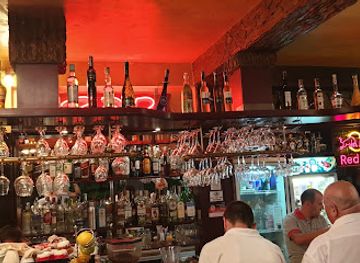
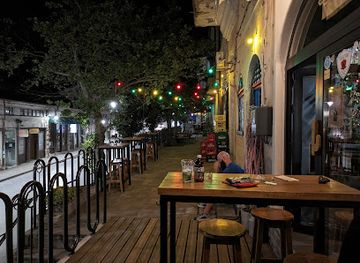
Evening life on the Danubian Plain is concentrated in the larger towns rather than spread across the countryside. Ruse has the broadest selection of cafés, wine bars, restaurants, live-music venues and late-opening establishments, supported by its university and cultural institutions. Pleven and Vidin also offer town-centre bars, cafés and occasional live entertainment, while Silistra and Svishtov have a smaller, more local evening scene. In villages and riverside settlements, the traditional pub or restaurant is generally more important than a nightclub. Bulgarian beer, Rakia and local wine are commonly available, but drink-driving is a serious risk on rural roads and should be avoided. Nightlife can be seasonal and may be quieter outside the principal towns, particularly during winter or on weeknights.
-
Brewpub
Tryavna Beer House Luc's
Discover the flavors of Bulgaria at Tryavna Beer House Luc's, where craft beer meets heartwarming cuisine in a cozy setting.
-
Bar
Lino Bar
Experience the vibrant nightlife of Veliko Tarnovo at Lino Bar, a perfect blend of local charm and modern ambiance.
-
Bar
Condor Bar
Discover the vibrant nightlife at Condor Bar, Sunny Beach's favorite spot for cocktails, entertainment, and unforgettable memories.
-
Cocktail bar
Tequila Bar Funky Monkey
Discover the vibrant nightlife at Tequila Bar Funky Monkey in Veliko Tarnovo, where unique cocktails and a lively atmosphere await.


Best nightclubs in Danubian Plain
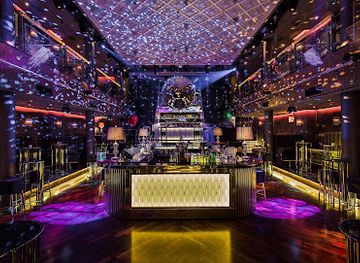
Evening life on the Danubian Plain is concentrated in the larger towns rather than spread across the countryside. Ruse has the broadest selection of cafés, wine bars, restaurants, live-music venues and late-opening establishments, supported by its university and cultural institutions. Pleven and Vidin also offer town-centre bars, cafés and occasional live entertainment, while Silistra and Svishtov have a smaller, more local evening scene. In villages and riverside settlements, the traditional pub or restaurant is generally more important than a nightclub. Bulgarian beer, Rakia and local wine are commonly available, but drink-driving is a serious risk on rural roads and should be avoided. Nightlife can be seasonal and may be quieter outside the principal towns, particularly during winter or on weeknights.
-
Night club
Carrusel Club
Dive into Sofia's nightlife at Carrusel Club, a premier destination for unforgettable music, dancing, and vibrant atmosphere.
-
Night club
Zangador
Discover the electrifying nightlife at Zangador in Kiten, where music, dance, and the beauty of the Black Sea unite for an unforgettable experience.
-
Disco club
Yalta
Experience the electrifying nightlife of Yalta, Sofia's premier disco club, where music and dance create unforgettable memories.
-
Disco club
Secrets Nightclub
Discover the energetic nightlife at Secrets Nightclub in Stara Zagora, where music and dance create unforgettable moments until dawn.



Best shops in Danubian Plain
Shopping in the Danubian Plain is centred on ordinary Bulgarian high streets, covered markets, supermarkets and independent shops rather than destination-scale retail districts. Ruse provides the widest urban choice, including fashion, books, household goods, cafés and specialist food shops, while Pleven, Vidin, Silistra and Svishtov serve as practical markets for their surrounding districts. Open-air markets are useful places to look for seasonal fruit and vegetables, honey, preserves, cheese, herbs and inexpensive everyday goods. Wine from northern Bulgarian vineyards, locally produced spirits, jars of preserves and regional confectionery make more useful souvenirs than generic tourist items. In smaller settlements, opening hours can be limited and card payment is not universal, so carry lev. Craft and antique shopping exists but is modest; examine provenance carefully and never remove archaeological objects or historic fragments from sites. Cross-border shopping in Romania is a separate excursion, not a defining feature of the Bulgarian plain itself.
-
Shopping mall
Serdika Center
Discover Serdika Center: Sofia's premier shopping mall featuring a wide range of stores, dining options, and vibrant entertainment for every visitor.
-
Gift shop
Gifted - Urban Art & Culture Hub
Discover the heart of Sofia's creative spirit at Gifted, an urban art & culture hub featuring unique gifts and local craftsmanship.
-
Souvenir store
Top Gifts Ltd
Explore Top Gifts Ltd for unique Bulgarian souvenirs, from handcrafted crafts to traditional treats, in the heart of Sofia.
-
Supermarket
Supermarket Absolut+ Stadium
Discover local flavors and everyday essentials at Supermarket Absolut+ Stadium in Pavlikeni.


Get your free copy of our complete guide to Danubian Plain, delivered straight to you.
Everything on this page, from attractions and restaurants to essentials and local phrases, in one PDF you can read offline, print or share.
Already have an account? Sign in
Your Danubian Plain guide is ready.
We'll send it to · Not you? Sign out

Getting your guide ready…
We are putting together a fresh copy of the Danubian Plain guide. This can take up to a minute.
This can take a few moments. If your browser asks, choose Allow so the download can start. You'll find the guide in your Downloads folder.
Nothing happened? Download it again
Sorry, the guide is taking longer than usual. Please try again in a minute, or get it by email instead.
Danubian Plain essentials
Currency and Payment
Safety
Emergency Situations
Do's and Don'ts
Local Tips
From Eve
Local phrases worth knowing
You don't need to get them perfect. A few words go a long way, and locals appreciate the effort.
Basics
| English | Local | Say it |
|---|---|---|
| Hello | Здравейте | [Zdraveyte] |
| Goodbye | Довиждане | [Dovijdane] |
| Yes | Да | [Da] |
| No | Не | [Ne] |
| Please/You're welcome | Моля/Няма за какво | [Molya/Nyama za kakvo] |
| Thank you | Благодаря | [Blagodarya] |
| Excuse me/Sorry | Извинете/Съжалявам | [Izvinete/Sazhalyavam] |
| How are you? | Как сте? | [Kak ste?] |
| Fine. And you? | Добре. А вие? | [Dobre. A vie?] |
| Do you speak English? | Говорите ли английски? | [Govorite li angliyski?] |
| I don't understand | Не разбирам | [Ne razbiram] |
Eating & Drinking
| English | Local | Say it |
|---|---|---|
| I'd like to see the menu, please | Бих искал да видя менюто, моля | [Bikh iskал da vidя menyuto, molya] |
| I don't eat meat | Не ям месо | [Ne yam meso] |
| Cheers! | Наздраве! | [Nazdrave!] |
| I would like to pay, please | Бих искал да платя, моля | [Bikh iskал da platя, molya] |
Emergencies
| English | Local | Say it |
|---|---|---|
| Help! | Помощ! | [Pomoshch!] |
| Go away! | Отиди си! | [Otidi si!] |
| Call the Police! | Поведете полиция! | [Povedete politsiya!] |
| Call a doctor! | Повикайте лекар! | [Povikayte lekar!] |
| I'm lost | Загубен съм | [Zaguben sъm] |
| I'm ill | Болен съм | [Bolen sъm] |
Shopping
| English | Local | Say it |
|---|---|---|
| I'd like to buy... | Бих искал да купя... | [Bikh iskал da kupя...] |
| I'm just looking | Просто разглеждам | [Prosto razglezhdam] |
| How much is it? | Колко струва? | [Kolko struva?] |
| That's too expensive | Това е твърде скъпо | [Tova e tvърde skъpo] |
| Can you lower the price? | Можете ли да намалите цената? | [Mozhete li da namalite tsenata?] |
Time & Numbers
| English | Local | Say it |
|---|---|---|
| What time is it? | Колко е часа? | [Kolko e chasa?] |
| It's one o'clock | Часът е един | [Chasŭt e edin] |
| Half past (10) | Половин на (10) | [Polovin na (10)] |
| Morning | Сутрин | [Sutrin] |
| Afternoon | Следобед | [Sledobed] |
| Evening | Вечер | [Vecher] |
| Yesterday | Вчера | [Vchera] |
| Today | Днес | [Dnes] |
| Tomorrow | Утре | [Utre] |
| 1 | 1 | [1] |
| 2 | 2 | [2] |
| 3 | 3 | [3] |
| 4 | 4 | [4] |
| 5 | 5 | [5] |
| 6 | 6 | [6] |
| 7 | 7 | [7] |
| 8 | 8 | [8] |
| 9 | 9 | [9] |
| 10 | 10 | [10] |
Transport & Directions
| English | Local | Say it |
|---|---|---|
| Where's a/the...? | Къде е...? | [Kъde e...?] |
| What's the address? | Какъв е адресът? | [Kakŭv e adresŭt?] |
| Can you show me (on the map)? | Можете ли да ми покажете (на картата)? | [Mozhete li da mi pokazhete (na kartata)?] |
| When's the next (bus)? | Кога е следващият (автобус)? | [Koga e sledvashtiyat (avtobus)?] |
| A ticket (to ....) | Билет (до ....) | [Bilet (do ....)] |
History of Danubian Plain
Prehistoric Farming and River Settlement
The Danube corridor and the fertile terraces of northern Bulgaria supported settled communities from prehistoric times. Neolithic and Chalcolithic groups cultivated grain, kept animals and established villages in a landscape shaped by river access and rich soils. Archaeological evidence from northern Bulgaria demonstrates long episodes of settlement, craft production and exchange, although individual sites vary considerably in preservation and accessibility. The plain’s open terrain later encouraged movement by armies and traders, but its first importance lay in agriculture and the dependable resources of the Danube and its tributaries.
The Roman Danube Frontier
From the first centuries BCE and especially after the Roman conquest of the Balkans, the Danube became a major imperial frontier. Roman forts, roads, ports and settlements guarded crossings and connected the river to the interior. Durostorum, at modern Silistra, became an important military and administrative centre, while Novae near Svishtov developed as a substantial legionary fortress and later an urban settlement. The remains of this frontier reveal how soldiers, merchants and local populations interacted along one of Europe’s great waterways.
Medieval Bulgarian Fortresses and River Towns
During the First and Second Bulgarian Empires, the northern plain formed a strategic zone between the Danube, the lower Danube routes and the political centres farther south. Vidin emerged as a powerful medieval stronghold and later the seat of the Vidin Tsardom, while fortifications and settlements across the region protected river crossings and commercial routes. The rock-hewn churches of the Ivanovo area, associated with a medieval monastic tradition, preserve another aspect of the period: religious communities using the ravines of the Rusenski Lom as secluded centres of worship.
Ottoman Rule and Frontier Commerce
After the Ottoman conquest of the Bulgarian lands in the late fourteenth century, the Danubian Plain became part of a large imperial system linking the Balkans to Wallachia and the wider Danube basin. Towns such as Ruse, Vidin and Silistra developed as garrison, administrative and trading centres. Agriculture remained fundamental, while river transport supported the movement of grain, livestock and manufactured goods. Mosques, baths, bridges, market quarters and altered fortifications formed part of the Ottoman urban landscape, although many structures have since disappeared or been substantially changed.
The Russo-Turkish War and Bulgaria’s Liberation
The northern plain was a principal theatre of the Russo-Turkish War of 1877–78, the conflict that led to the restoration of an autonomous Bulgarian state. Pleven was the central battlefield: the prolonged siege and the Ottoman surrender there became decisive moments in the campaign. Fighting and military movement also affected Danube crossings, river ports and roads across the region. Memorials, museums and the Pleven Panorama preserve the memory of the conflict, which remains central to Bulgaria’s nineteenth-century national history.
Ports, Railways and Modern Agricultural Change
After the establishment of modern Bulgaria, Danubian towns were reshaped by railways, river navigation, grain exports and expanding municipal institutions. Ruse became an important industrial and transport centre, while ports at Vidin, Svishtov, Silistra and other riverside settlements connected the national economy to the wider Danube network. During the socialist period, large agricultural cooperatives and industrial enterprises transformed employment and land use. Since 1989, agriculture, logistics and cross-border trade have remained important, but rural depopulation and uneven investment have also altered the social geography of the plain.
Danubian Plain in Photos
Browse through our photo collection highlighting the charm and character of the destination.
Neighbouring regions of Danubian Plain
The closest regions to Danubian Plain, if you have time for more than one.
-

-

-

-

-


Swipe for more regions
Explore more

Explore more of Bulgaria
Explore Bulgaria: From Sofia's bustling streets to the serene mountains and stunning Black Sea beaches, discover the rich history, culture, and natural beauty of Bulgaria.
Explore Bulgaria