Surfrider Beach: Malibu's Iconic Surf Spot
Experience the thrill of surfing at the iconic Surfrider Beach in Malibu, where surf culture meets natural beauty and history, offering a quintessential California experience for all.
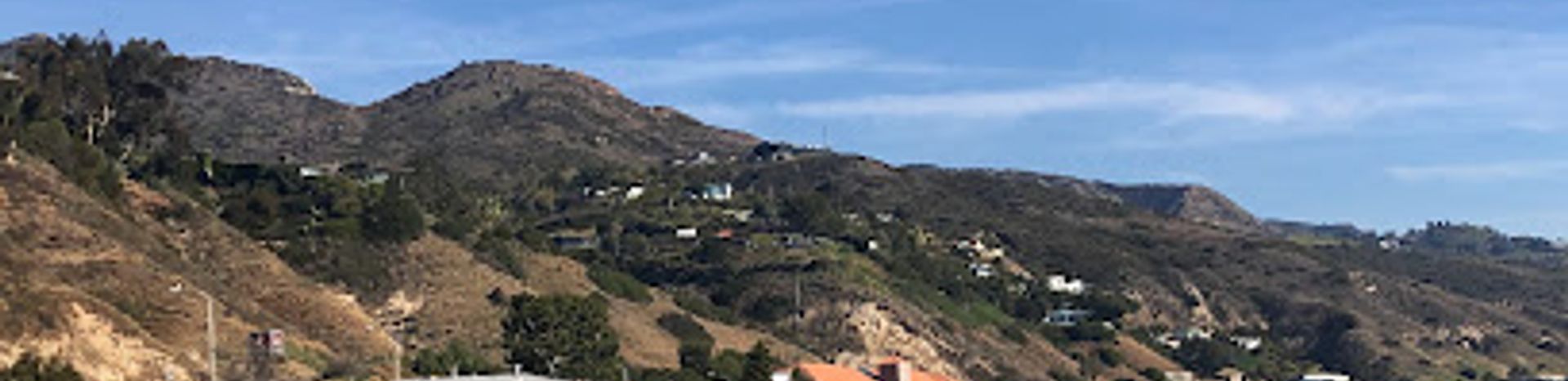
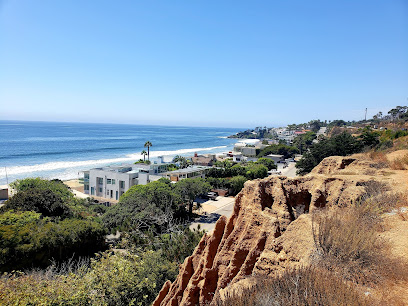
Surfrider Beach, synonymous with California surfing culture, offers a blend of history, recreation, and natural beauty. Situated where Malibu Creek meets the Pacific Ocean, this legendary point break boasts a rich heritage, having shaped the sport since the 1950s. Today, surfers of all levels flock to its consistent waves, while beachgoers enjoy the scenic coastline and vibrant atmosphere. Beyond the surf, the adjacent Malibu Lagoon provides a haven for birdwatchers and nature enthusiasts, making Surfrider Beach a diverse destination for all to enjoy. With its historical significance, consistent waves, and beautiful setting, Surfrider Beach remains a must-visit destination for anyone seeking the quintessential Southern California experience. The beach is also adjacent to the Malibu Pier, where visitors can enjoy restaurants and shops.
A brief summary to Surfrider Beach
- 23050 Pacific Coast Hwy, Malibu, Eastern Malibu, California, 90265, US
Local tips
- Parking can be challenging, especially on weekends; arrive early or consider using public transportation.
- Check surf conditions before heading out; summer and fall offer the most consistent swells.
- Explore the Malibu Lagoon for birdwatching and a peaceful escape from the crowds.
- Visit the Adamson House and Malibu Lagoon Museum to learn about the area's history and culture.
- Be aware of potential beach closures after heavy rains due to runoff from the Malibu Lagoon.

Getting There
-
Driving
From the Pacific Coast Highway (PCH), look for signs directing you to Surfrider Beach or Malibu Lagoon State Beach. Parking is available along PCH and in the lot adjacent to the Adamson House, located at 23200 Pacific Coast Highway. Parking fees vary, expect to pay around $3 per hour, with a daily maximum of $12. Be aware that parking fills up quickly, especially during peak season and on weekends. Limited free parking can be found further away from the beach, requiring a longer walk.
-
Public Transport
The Metro Express 534 bus runs along the PCH and stops near Surfrider Beach. From Santa Monica, the bus ride takes approximately 30-40 minutes. A one-way fare is $1.75. Check the Metro website or app for the most up-to-date schedules and information. The nearest bus station to Malibu beach is Pacific Coast Highway / Rambla Pacifico. It's a 4 min walk away.
-
Taxi/Ride-Share
Ride-sharing services like Uber and Lyft are readily available in the Malibu area. A ride from central Malibu to Surfrider Beach will cost approximately $15-$25, depending on traffic and demand. Be sure to confirm the fare before you start your trip.
Discover more about Surfrider Beach
Iconic landmarks you can’t miss

Former Home of Stan Laurel
4.6 km
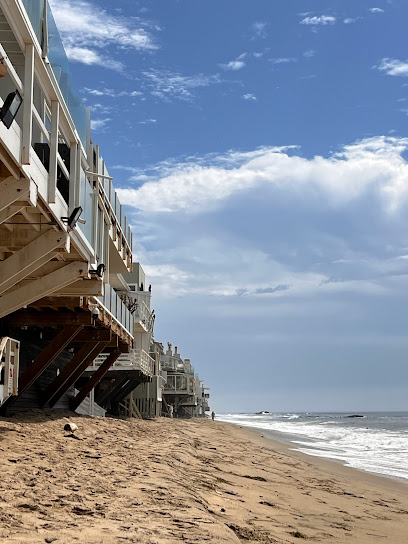
Explore the Former Home of Stan Laurel in Malibu, where classic comedy meets stunning coastal views and rich Hollywood history.
Escondido Falls
9.3 km
Experience the captivating beauty of Escondido Falls, a must-visit natural wonder in Malibu offering stunning views and serene hiking trails.
Little Dume Beach
11.0 km
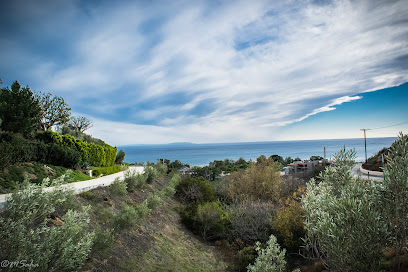
Explore the tranquil beauty of Little Dume Beach, a serene public beach in Malibu, perfect for sunbathing, swimming, and enjoying coastal views.
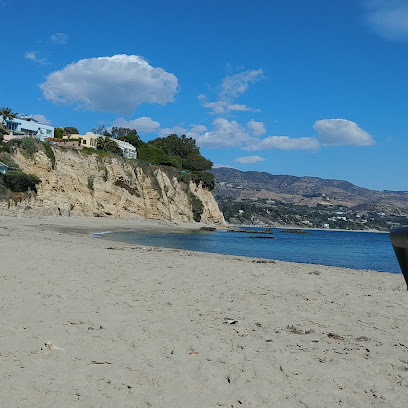
Point Dume
12.4 km
Experience the breathtaking views, scenic hikes, and serene beaches of Point Dume in Malibu, a coastal paradise for outdoor enthusiasts and nature lovers.
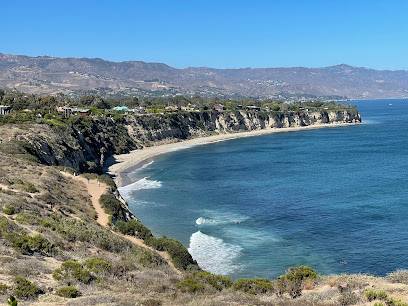
Zuma Beach
13.4 km
Explore Zuma Beach, Malibu's gem known for its stunning sands, scenic views, and vibrant beach culture. A perfect family-friendly getaway.
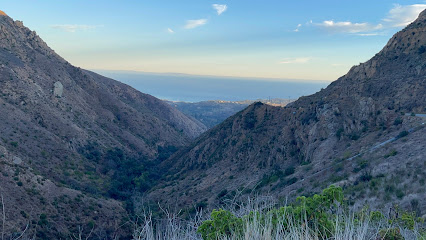
Ocean Pacific Coast Stairs
14.9 km
Ascend to breathtaking Pacific Ocean views on Santa Monica's iconic Ocean Pacific Coast Stairs, a scenic workout blending history and coastal charm in Pacific Palisades.

Old Santa Monica Forestry Station
15.1 km
Discover California's first experimental forestry station in Santa Monica's Rustic Canyon, a peaceful retreat with historic eucalyptus groves and access to scenic hiking trails.
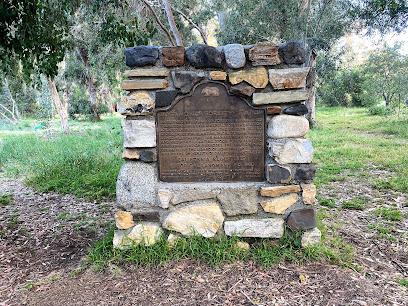
Ocean Ave Stairs of Santa Monica
15.2 km
Experience the beauty and history of the Ocean Ave Stairs in Santa Monica, where stunning ocean views meet a charming coastal atmosphere.
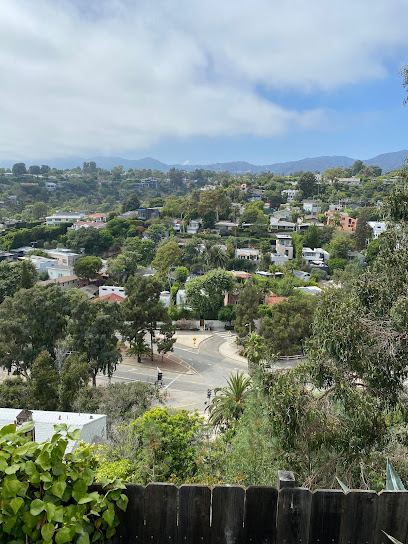
Annenberg Community Beach House
15.3 km
Discover Santa Monica's iconic Annenberg Community Beach House: a historic Gold Coast estate transformed into a vibrant public space with a pool, art, events, and stunning ocean views.
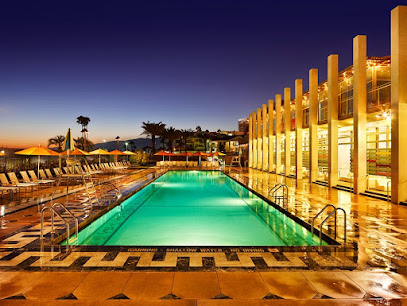
Will Rogers State Historic Park
15.4 km
Explore the stunning landscapes and rich history at Will Rogers State Historic Park, a serene retreat in Pacific Palisades, California.
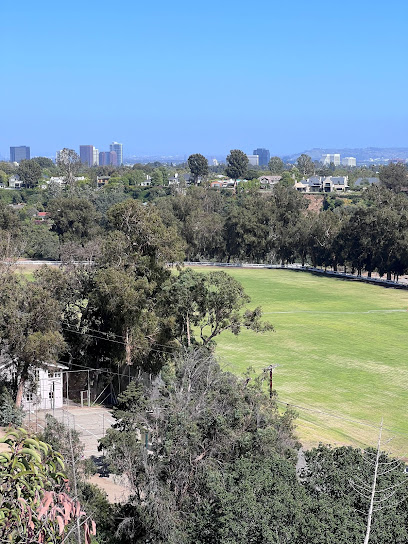
Palisades Park
15.6 km
Discover breathtaking ocean views, public art, and a tranquil escape at Palisades Park, Santa Monica's iconic bluff-top park with a rich history and vibrant community spirit.
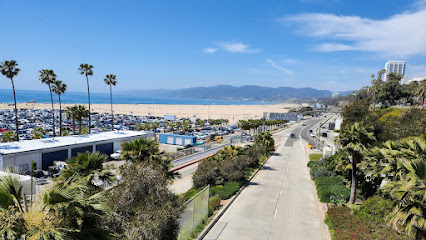
Malibu – 21 Miles of Scenic Beauty
15.9 km
Experience the stunning beauty and vibrant culture of Malibu, California's iconic coastal paradise with 21 miles of scenic beaches and adventure.
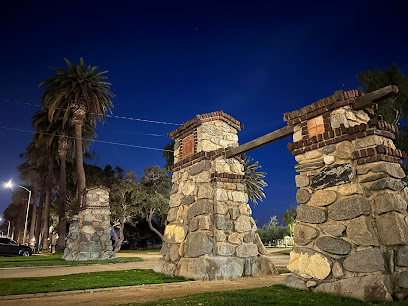
Idaho Gate
16.0 km
Explore Idaho Gate, a historic landmark in Santa Monica, showcasing the city's rich history and stunning coastal views.
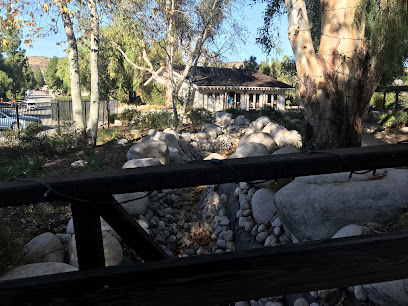
Reyes Adobe Historical Site
16.0 km
Discover California's Rancho past at the Reyes Adobe Historical Site in Agoura Hills, where history comes alive through tours, exhibits, and vibrant community events.
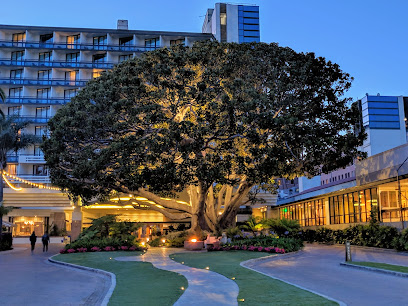
Miramar Moreton Bay Fig Tree
16.4 km
Discover Santa Monica's iconic Miramar Moreton Bay Fig Tree, a majestic landmark with a rich history and stunning natural beauty, offering a tranquil escape in the heart of the city.
Unmissable attractions to see

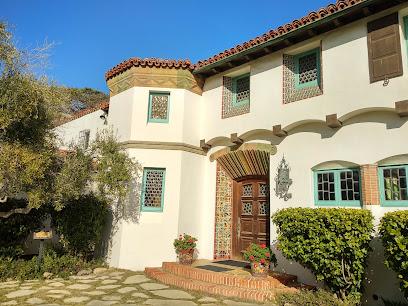
Adamson House Museum
0.2 km
Explore the architectural beauty and historical significance of Adamson House Museum, a landmark on Malibu's scenic Pacific Coast Highway.
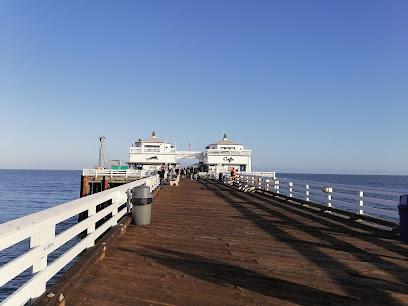
Malibu Pier
0.2 km
Discover the beauty and charm of Malibu Pier, a must-visit tourist attraction on California's stunning coastline, perfect for relaxation and adventure.
Malibu Lagoon State Beach
0.3 km
Discover the beauty of Malibu Lagoon State Beach, where golden sands meet serene lagoons and vibrant wildlife thrives along California's picturesque coastline.
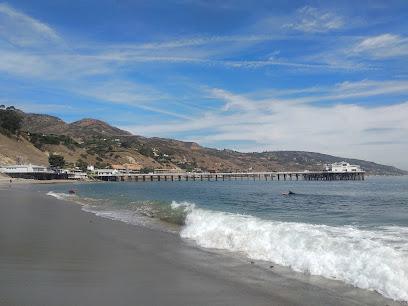
Malibu Point
0.6 km
Discover breathtaking views, tide pools teeming with life, and renowned surf breaks at Malibu Point, a coastal gem on the iconic Pacific Coast Highway.
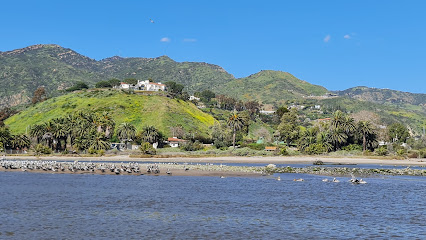
Legacy Park
0.9 km
Experience the natural beauty and tranquility of Legacy Park in Malibu, a perfect destination for relaxation and outdoor activities.
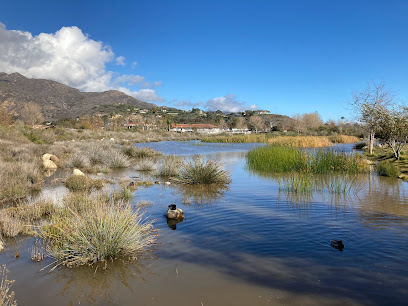
Malibu
1.3 km
Discover the beauty of Malibu, California: sun-soaked beaches, breathtaking views, and a vibrant culture await you on this iconic coastline.

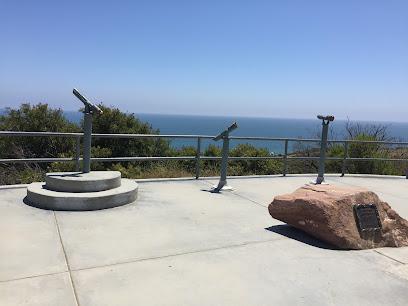
Malibu Bluffs Park
2.3 km
Experience the breathtaking landscapes and ocean views at Malibu Bluffs Park, a must-visit destination for nature lovers and outdoor enthusiasts.
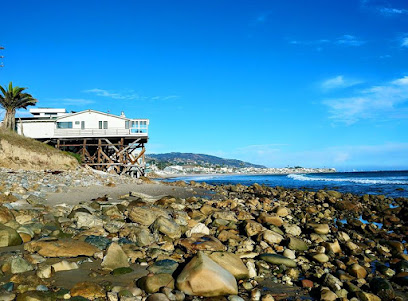
Public Beach Access
2.8 km
Discover a secluded Malibu escape at Amarillo Beach: Hike scenic trails, explore diverse marine life, and soak up the California sun in this hidden coastal gem.
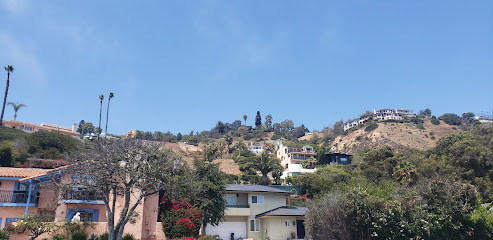
Carbon - La Costa Beach Access
2.9 km
Discover La Costa Beach via Carbon - La Costa Beach Access in Malibu, a scenic coastal escape offering sun, sand, and stunning views of the Pacific Ocean and luxurious beachfront homes.
Pepperdine University
2.9 km
Explore the breathtaking campus of Pepperdine University in Malibu, where stunning ocean views meet academic excellence amidst lush landscapes.
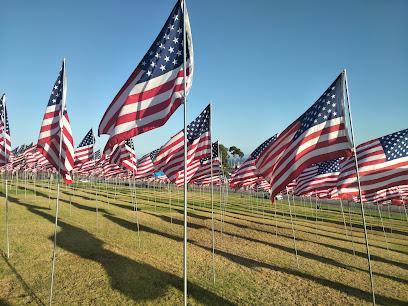
Las Flores Creek Park
3.8 km
Discover a tranquil oasis in Eastern Malibu at Las Flores Creek Park, where natural beauty meets community spirit, offering walking trails, playgrounds, and serene picnic spots.
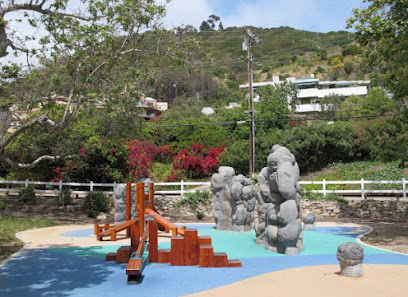
Public Beach Access Point
4.0 km
Discover Puerco Beach in Malibu: A serene coastal escape with stunning views, perfect for swimming, surfing, and breathtaking sunsets, offering a tranquil retreat from crowded beaches.
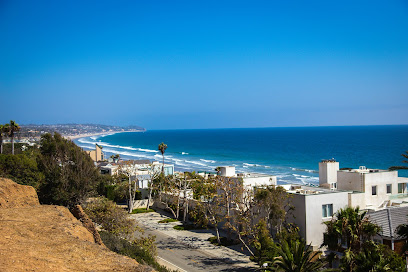
Corral Canyon Park
4.8 km
Discover Malibu's natural beauty at Corral Canyon Park: Hike scenic trails, explore diverse ecosystems, and soak in breathtaking ocean views in this coastal paradise.
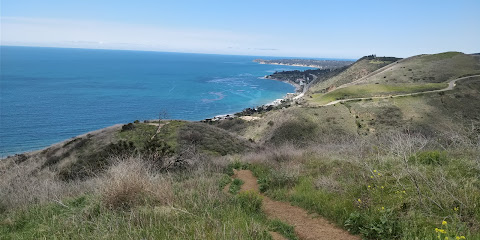
Corral State Beach
5.7 km
Discover Malibu's hidden gem: Corral State Beach, where stunning ocean views, soft sands, and diverse activities create the perfect coastal escape along the Pacific Coast Highway.

Dan Blocker Beach Malibu
6.0 km
Discover a tranquil Malibu escape at Dan Blocker Beach, offering stunning ocean views, diverse activities, and a rich history along the iconic Pacific Coast Highway.

Essential places to dine

Malibu Farm Restaurant at the Pier
0.3 km
Discover fresh farm-to-table cuisine with stunning ocean views at Malibu Farm Restaurant on the iconic Malibu Pier.
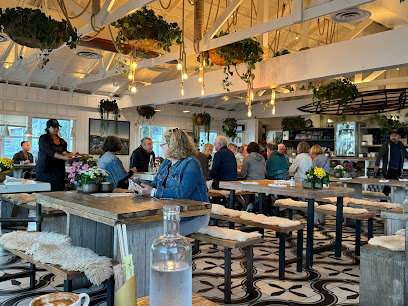
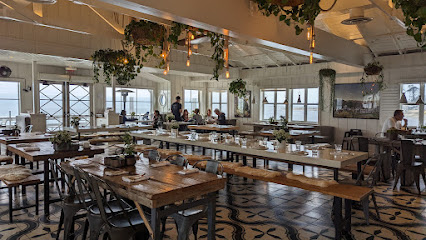
Malibu Farm Pier Cafe
0.3 km
Experience fresh organic flavors at Malibu Farm Pier Cafe while enjoying breathtaking ocean views on the iconic Malibu Pier.
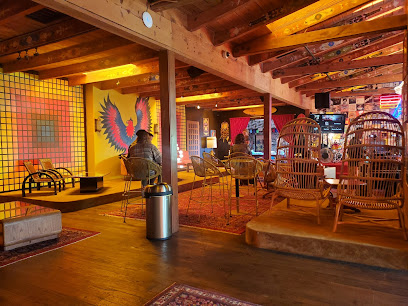
Aviator Nation Dreamland
0.3 km
Experience vibrant dining at Aviator Nation Dreamland - where culinary excellence meets live music along Malibu's stunning coast.
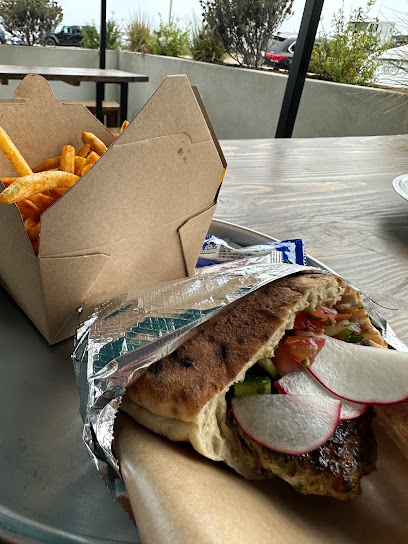
Pita Bu
0.4 km
Discover authentic kosher Mediterranean cuisine at Pita Bu in Malibu – where flavor meets breathtaking coastal views.
Carbon Beach Club Restaurant | Malibu Beach Inn
0.5 km
Experience exquisite American cuisine at Carbon Beach Club Restaurant while enjoying breathtaking ocean views in Malibu.
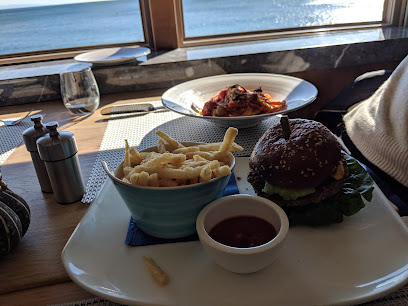
Broad Street Oyster Company
0.5 km
Discover fresh seafood delights at Broad Street Oyster Company in Malibu - where ocean flavors meet coastal charm.
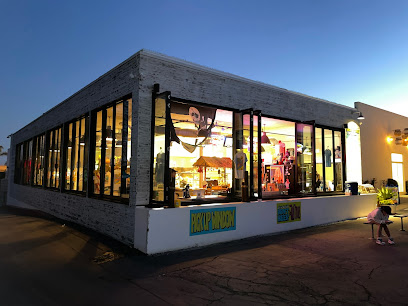
Marmalade Cafe
0.5 km
Experience the best of Californian cuisine at Marmalade Cafe in Malibu – where delicious dishes meet stunning coastal views.
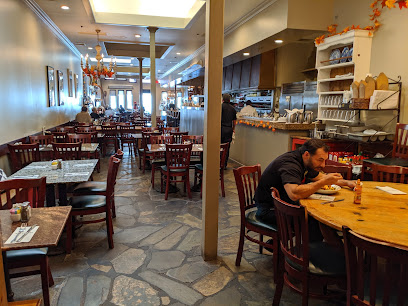
V's restaurant + bar
0.7 km
Experience exquisite Californian-Italian cuisine with stunning ocean views at V's Restaurant + Bar in Malibu.
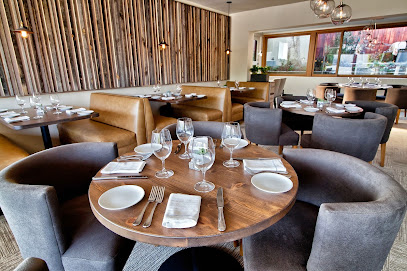
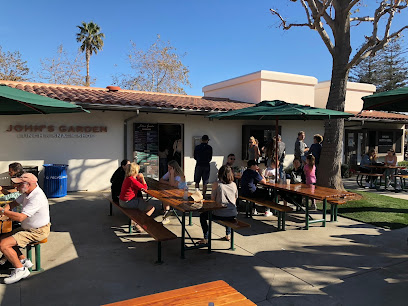
John's Garden
0.7 km
Experience gourmet sandwiches crafted with fresh ingredients at John's Garden in Malibu – where flavor meets stunning coastal views.
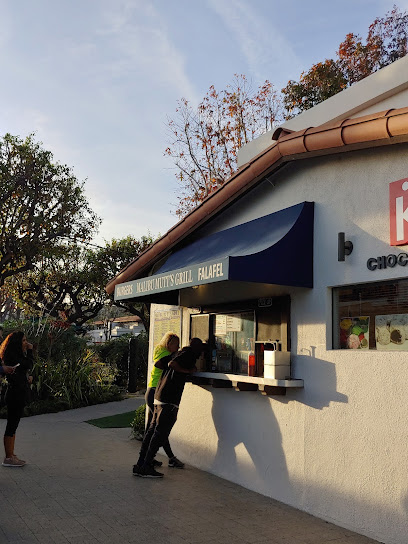
Malibu Mutts Grill
0.7 km
Discover delightful American cuisine at Malibu Mutts Grill – where every meal is paired with stunning ocean views.
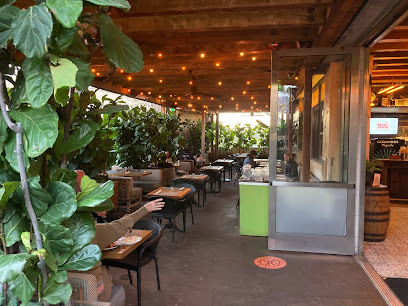
Cafe Habana
0.7 km
Experience authentic Mexican flavors at Cafe Habana in Malibu - where vibrant cuisine meets stunning coastal views.
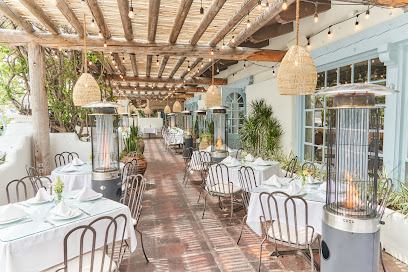
Taverna Tony
0.7 km
Experience authentic Greek cuisine at Taverna Tony in Malibu - where Mediterranean flavors meet stunning coastal views.
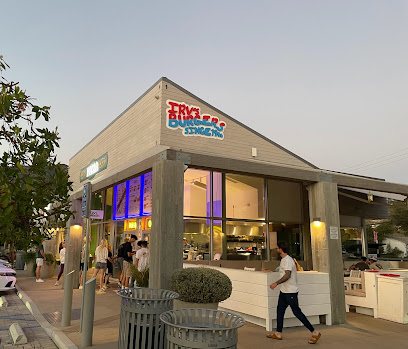
Irv's Burgers
0.7 km
Experience mouthwatering burgers in Malibu at Irv's Burgers – where quality meets casual dining along California's stunning coast.
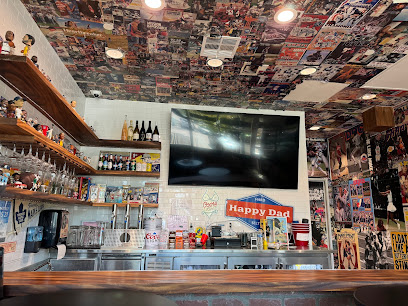
Prince Street Pizza Malibu
0.7 km
Discover the iconic square-cut pizzas at Prince Street Pizza Malibu – a must-visit destination for food lovers exploring California's coast.
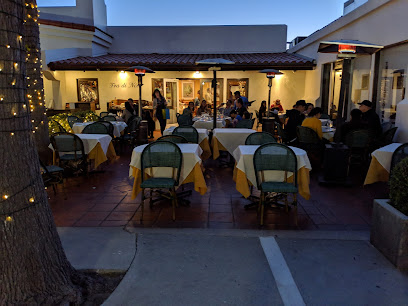
Tra di Noi
0.7 km
Experience authentic Italian cuisine amidst breathtaking views at Tra di Noi in Malibu.
Markets, malls and hidden boutiques

Ranch At The Pier
0.3 km
Explore the unique charm of Ranch At The Pier, a delightful general store in Malibu showcasing local treasures and quality products.
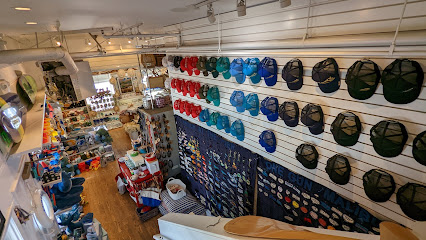
J-home Malibu
0.4 km
Discover unique handmade gifts and local artistry at J-home Malibu, a charming gift shop along California's stunning coastline.
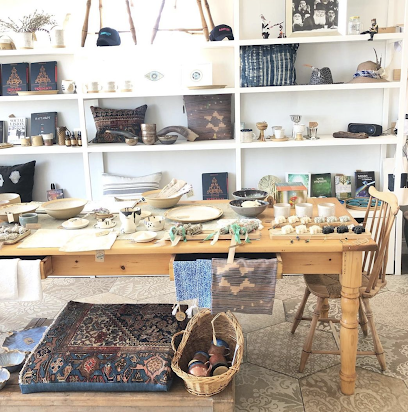
Marine Layer
0.5 km
Shop eco-friendly clothing at Marine Layer in Malibu for stylish basics that embody comfort and sustainability.
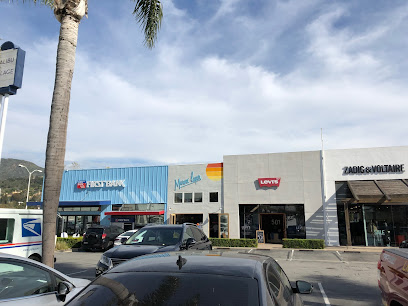
The Alcove
0.6 km
Discover unique women's fashion at The Alcove in Malibu, where style meets elegance in a picturesque boutique setting.
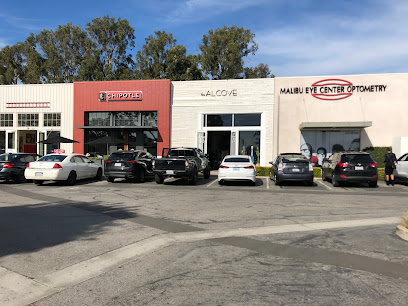
SUNROOM
0.6 km
Explore SUNROOM in Malibu, where unique jewelry and women's fashion meet the idyllic California coastal charm.
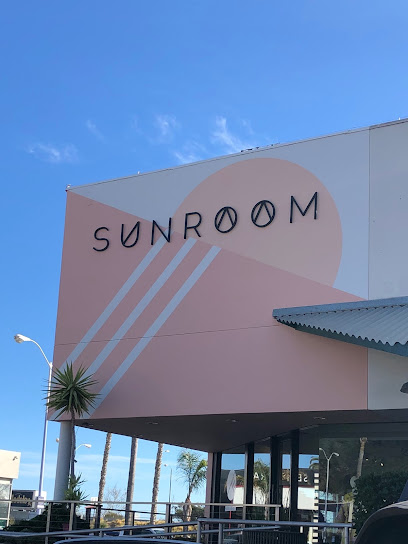
Malibu Village
0.6 km
Explore Malibu Village, a premier shopping destination where luxury meets coastal charm in the heart of Malibu, California.
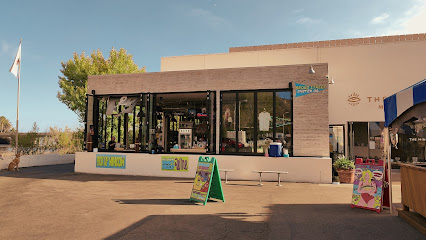
Magnolia Pearl - Malibu
0.6 km
Discover unique women's clothing at Magnolia Pearl in Malibu, where artistic designs meet California's laid-back charm.

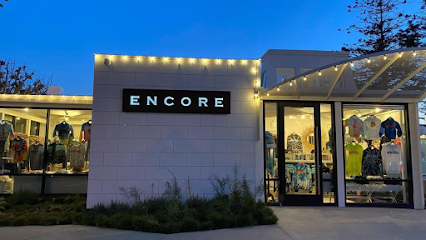
Encore
0.6 km
Discover Encore in Malibu: Your one-stop gift shop for beach clothing, children's wear, and unique souvenirs that capture the spirit of coastal California.
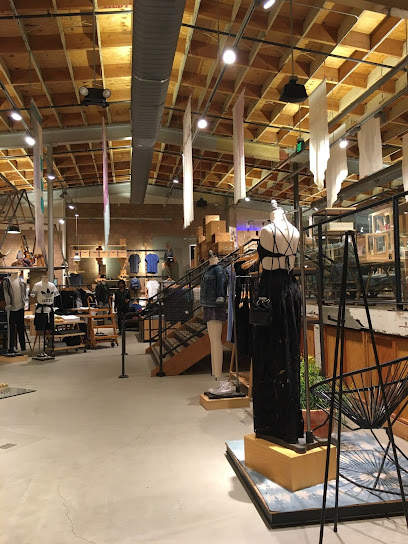
Urban Outfitters
0.6 km
Discover trendy apparel, beauty supplies, and unique home goods at Urban Outfitters in Malibu, a must-visit for fashion-savvy travelers.
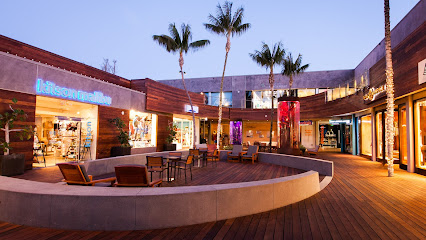
Malibu Lumber Yard
0.6 km
Discover the perfect blend of shopping and dining at Malibu Lumber Yard, your gateway to Malibu's coastal charm and vibrant atmosphere.
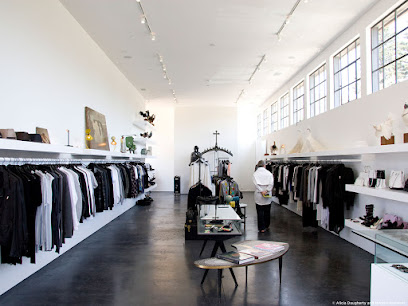
Maxfield Malibu
0.6 km
Discover luxury fashion at Maxfield Malibu, featuring exclusive designer pieces for men and women in a stunning coastal setting.
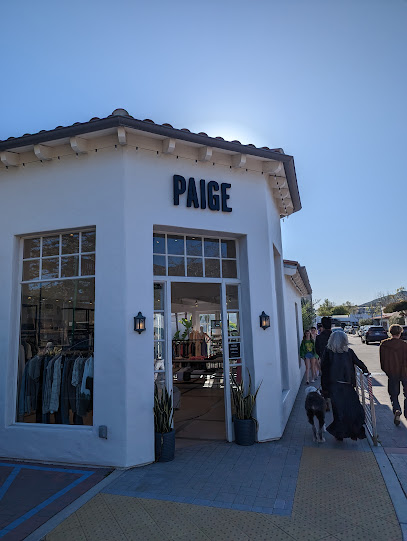
PAIGE Malibu
0.7 km
Explore luxury and style at PAIGE Malibu, where premium denim meets chic fashion in a stunning coastal setting.
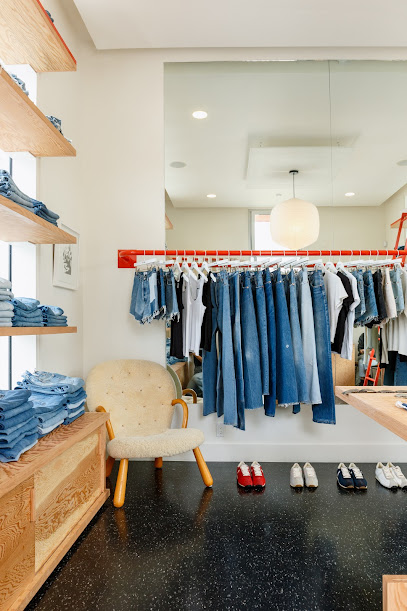
Re/Done
0.7 km
Explore Re/Done in Malibu for a unique blend of sustainable fashion and timeless style, where every piece tells a story.
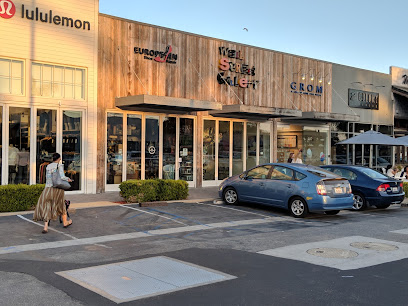
Malibu Country Mart
0.7 km
Explore Malibu Country Mart, where boutique shopping meets coastal dining in a picturesque outdoor setting, perfect for a leisurely day out.
Canvas . Malibu
0.7 km
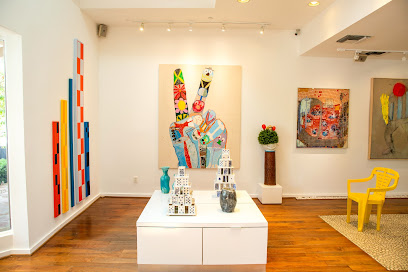
Discover the artistic synergy of fashion and contemporary art at Canvas . Malibu, where creativity flourishes in a stunning coastal atmosphere.
Essential bars & hidden hideouts

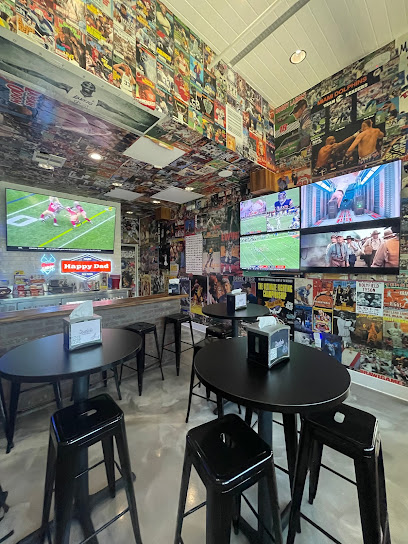
Sparky’s Sports Bar
0.7 km
Experience the thrill of live sports, delicious food, and great drinks at Sparky's Sports Bar in Malibu, the ultimate destination for sports enthusiasts.
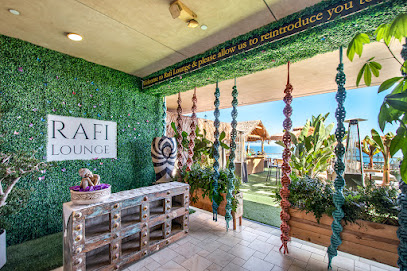
Rafi Lounge
0.9 km
Discover the perfect blend of relaxation and productivity at Rafi Lounge in Malibu, where wellness meets creativity along the beautiful coast.
Santosh kumar
1.4 km
Discover the vibrant atmosphere of Santosh Kumar in Malibu, where exquisite drinks meet breathtaking ocean views for an unforgettable experience.
Barefoot Bar
4.0 km
Discover the laid-back charm of Barefoot Bar in Malibu, where refreshing drinks meet stunning ocean views in a vibrant coastal atmosphere.
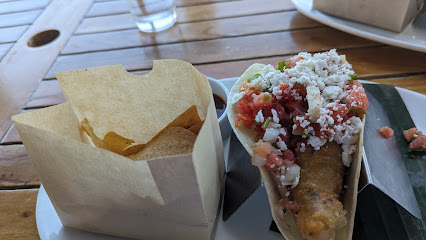
Calamigos Beach Club Restaurant & Lounge
5.9 km
Experience the allure of Malibu at Calamigos Beach Club, where exquisite dining meets breathtaking ocean views.
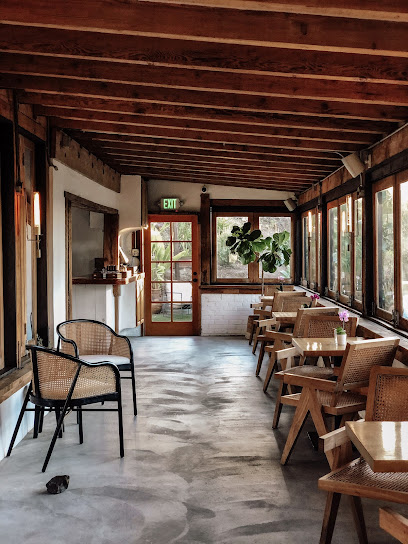
Rosenthal Wine Bar & Patio
8.8 km
Experience the essence of Malibu at Rosenthal Wine Bar & Patio, where fine wines meet stunning ocean views in a welcoming atmosphere.
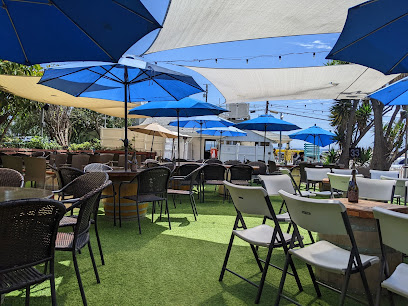
THE BUNGALOW
16.4 km
Discover The Bungalow, a stylish bar and restaurant in Santa Monica offering a unique blend of relaxation, vibrant nightlife, and coastal charm.
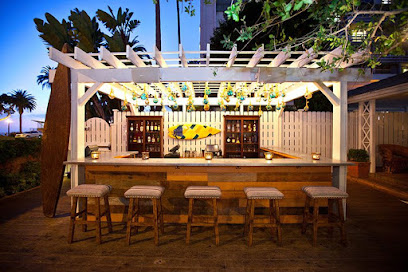
The Coco Club
16.7 km
Experience the vibrant nightlife at The Coco Club, Santa Monica's premier rooftop bar and lounge with stunning ocean views and crafted cocktails.
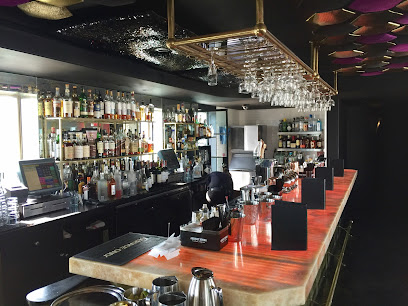
Ye Olde King's Head
16.9 km
Discover the charm of British cuisine at Ye Olde King's Head in Santa Monica, a brewpub and tea house offering a delightful culinary experience.
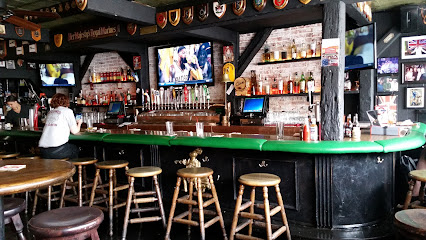
Bar Chloe
17.0 km
Experience the vibrant atmosphere and unique cocktails at Bar Chloe, Santa Monica's trendy bar perfect for unwinding after a day of exploration.
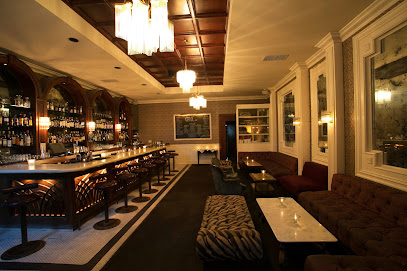
Lanea
17.1 km
Experience the vibrant atmosphere of Lanea, a Santa Monica cocktail bar offering delicious Mexican cuisine and live music in a chic beach setting.
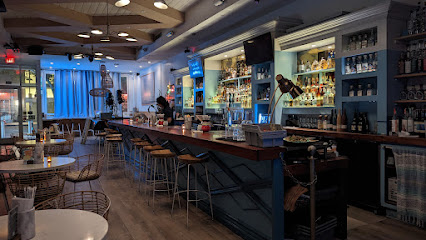
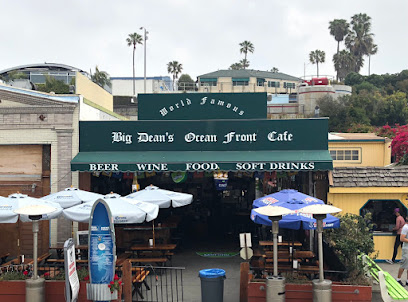
Big Dean's Ocean Front Cafe
17.1 km
Experience the best of Santa Monica dining at Big Dean's Ocean Front Cafe, where fresh seafood and stunning ocean views come together.
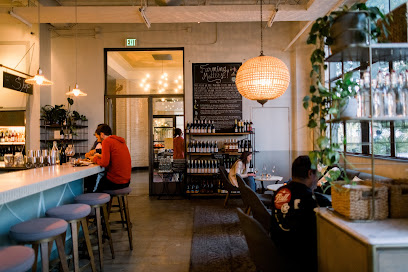
Esters Wine Shop & Bar
17.1 km
Experience the finest selection of wines and gourmet bites at Esters Wine Shop & Bar in Santa Monica, where every sip tells a story.
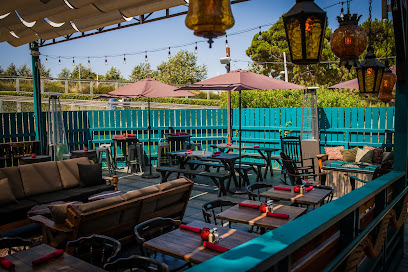
The Backyard
17.3 km
Discover the vibrant flavors of The Backyard in Santa Monica, where crafted cocktails and coastal cuisine meet in a stunning outdoor oasis.
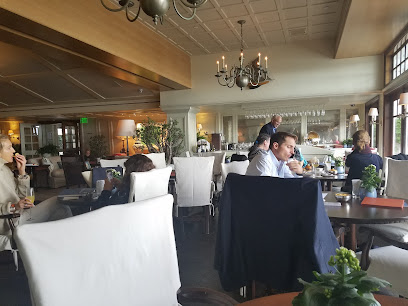
The Living Room
17.5 km
Experience the elegance of The Living Room in Santa Monica, where coastal charm meets culinary excellence and breathtaking ocean views.
Nightclubs & after hour spots

Rock n roll
1.0 km
Discover the electrifying atmosphere of the Rock n Roll Club in Malibu, a vibrant hub for music lovers and unforgettable live performances.
Club malibu
1.0 km
Discover the captivating nightlife and stunning coastal views at Club Malibu, the ultimate event venue on the Pacific Coast Highway.
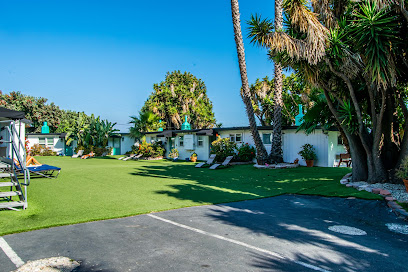
Malibu La Costa Beach Club
3.4 km
Experience the tranquil beauty of Malibu La Costa Beach Club, where community meets the stunning Pacific coastline for a perfect getaway.

thelma todd's sidewalk cafe
10.9 km
Experience the charm of Thelma Todd's Sidewalk Café, a historic gem where delicious food meets stunning ocean views in Pacific Palisades, California.
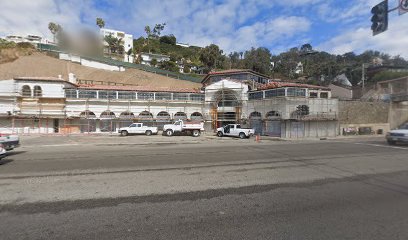
Malibu West Beach Club
15.2 km
Escape to Malibu West Beach Club, where ocean views and romantic vibes create unforgettable memories for your special day.
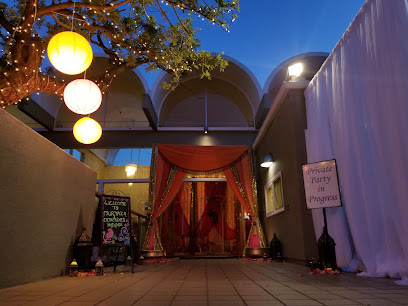
Harvelle's
17.1 km
Experience the vibrant nightlife of Santa Monica at Harvelle's, where live music and classic cocktails create unforgettable evenings.
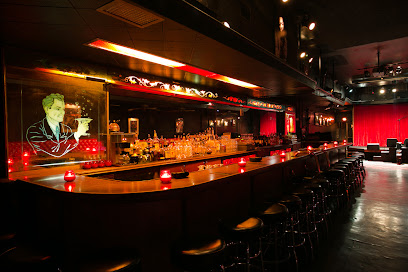
Senator Jones
18.1 km
Discover the electrifying nightlife of Santa Monica at Senator Jones, where music and vibrant energy come alive every weekend.

Gas Lite
18.1 km
Experience the ultimate karaoke and cocktail scene at Gas Lite, a vibrant bar in Santa Monica offering music, laughter, and unforgettable nights.
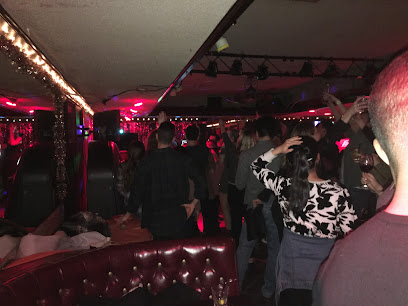
Jame’s’ smoothies
18.2 km
Discover the vibrant nightlife at Jame's Smoothies, the perfect night club in Santa Monica for unique smoothies and great atmosphere.
TR!P Santa Monica
18.4 km
Discover the lively atmosphere of TR!P Santa Monica, where great drinks and live music create unforgettable memories in California.
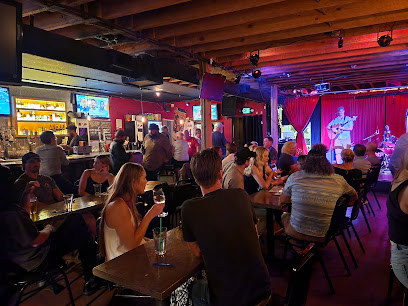
Nameless Santa Monica
18.6 km
Experience the electrifying nightlife at Nameless Santa Monica, where music, dance, and unforgettable moments await in the heart of California.
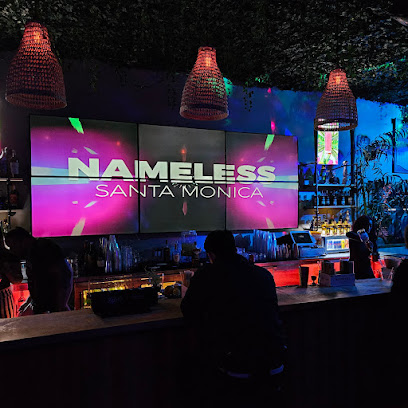
Busby's West
19.3 km
Experience the vibrant atmosphere of Busby's West in Santa Monica, where delicious grill cuisine meets lively nightlife for an unforgettable outing.
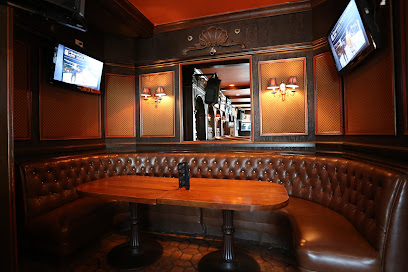
Vive Night Club
19.7 km
Experience the electrifying nightlife at Vive Night Club, where music, dance, and vibrant energy await in Canoga Park.
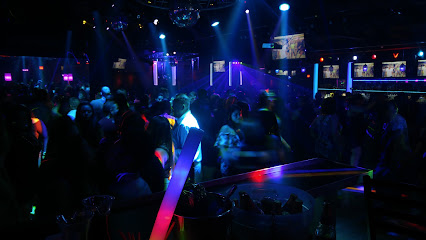
Acts Of Service Sounds
20.0 km
Discover the heartbeat of Venice nightlife at Acts Of Service Sounds, where music and energy collide for an unforgettable evening.
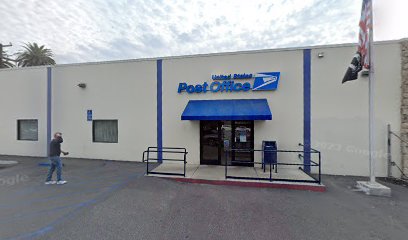
The Venice West
20.8 km
Experience the vibrant nightlife of Venice, CA at The Venice West, where delicious food meets live music in a lively bar atmosphere.