

Surfrider Beach, Malibu Travel Guide
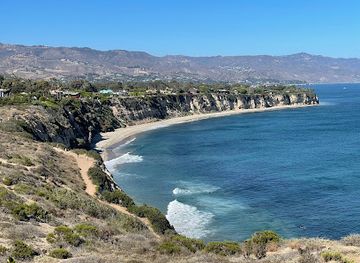
Experience the quintessential Southern California surf scene at Malibu's Surfrider Beach, a legendary spot where surfing history meets stunning coastal beauty, offering iconic waves and a vibrant beach culture.
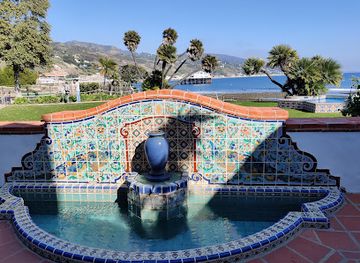
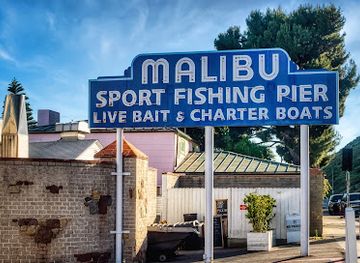
Surfrider Beach, synonymous with California's surf culture, offers a classic beach experience. Located adjacent to the historic Malibu Pier and Malibu Lagoon, this world-renowned surfing reserve boasts three distinct point breaks, attracting surfers of all skill levels. Beyond the waves, visitors can explore the Adamson House and Malibu Lagoon Museum, immersing themselves in local history. While the beach can get crowded, especially during peak season, the allure of riding the waves at this legendary spot, combined with the beautiful coastal scenery, makes it a must-visit destination in Malibu. Limited parking is available, so arrive early or consider alternative transportation.
A brief summary to Surfrider Beach
- 23050 Pacific Coast Hwy, Malibu, Eastern Malibu, California, 90265, US

Know before you go
Hi, I'm Eve. Here are a few practical things to know before exploring Surfrider Beach.
- Arrive early, especially on weekends and during summer, to secure parking as spaces are limited and fill up quickly.
- Visit the Adamson House and Malibu Lagoon Museum for a glimpse into Malibu's rich history and cultural heritage.
- Check the surf report before heading out to ensure optimal surfing conditions for your skill level.
- Bring sunscreen, a hat, and plenty of water, as the California sun can be intense, even on cloudy days.
- Consider taking a surf lesson from a local instructor to experience the thrill of riding the waves at this legendary surf spot.
Do you manage this location?
Take control to get all the benefits, like improved information, better appearance, and stronger visibility across AI-powered discovery. Learn more about listing your business on Evendo
Activate your presenceOther nearby places you may find interesting
The closest places of the same kind, if this one is not quite what you had in mind.
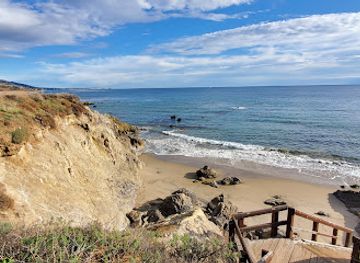
Explore Surfrider Beach on the Map
A handpicked selection of must-see spots near Surfrider Beach, mapped for you.
Unlock the Best of Surfrider Beach
Buy tickets
-
No tickets available
Book tours with entry
-
No tours available
Book tours without entry

Getting There
-
Driving
If driving from elsewhere in Malibu or the surrounding area, navigate to Pacific Coast Highway (PCH/Highway 1). Surfrider Beach is located directly adjacent to the Malibu Pier, making it easily identifiable. Parking is available along PCH and in nearby lots, including the Malibu Beach Parking Lot (22967 Pacific Coast Hwy) and the lot near Adamson House (23200 Pacific Coast Highway). Parking rates vary, with hourly and daily options available. Expect to pay around $12 for all-day parking at Malibu Lagoon State Beach. Be aware that parking fills up quickly, especially during peak season. Consider arriving early or using a ride-sharing service. Limited street parking may be available, but be sure to observe all posted restrictions to avoid tickets.
-
Public Transport
The Metro 534 bus runs along Pacific Coast Highway (PCH) and stops near Surfrider Beach. From Santa Monica or other points along the PCH, take the 534 bus and disembark at a stop near the Malibu Pier. From the bus stop, it's a short walk to Surfrider Beach. A single ride on the Metro bus costs $1.75 and requires a TAP card, which can be purchased and loaded at Metro stations or online. Check the Metro website or app for schedules and real-time arrival information. Keep in mind that bus schedules may be less frequent on weekends and holidays.
-
Taxi/Ride-Share
From locations in Malibu or nearby cities like Santa Monica or Los Angeles, using a taxi or ride-sharing service (Uber/Lyft) is a convenient option. Simply enter 'Surfrider Beach' or 'Malibu Pier' as your destination. The drop-off point is typically along Pacific Coast Highway (PCH), a short walk from the beach entrance. Fares vary depending on distance, time of day, and demand, but expect to pay approximately $20-$50 for a ride from Santa Monica, and significantly more from Los Angeles. Be aware that surge pricing may apply during peak hours.
Discover more about Surfrider Beach













Your all‑in‑one travel companion app
Explore expert travel guides, compare and book tours, experiences, hotels, and more—all from the palm of your hand. Download now for seamless trip planning wherever your wanderlust takes you.


Explore More of Malibu
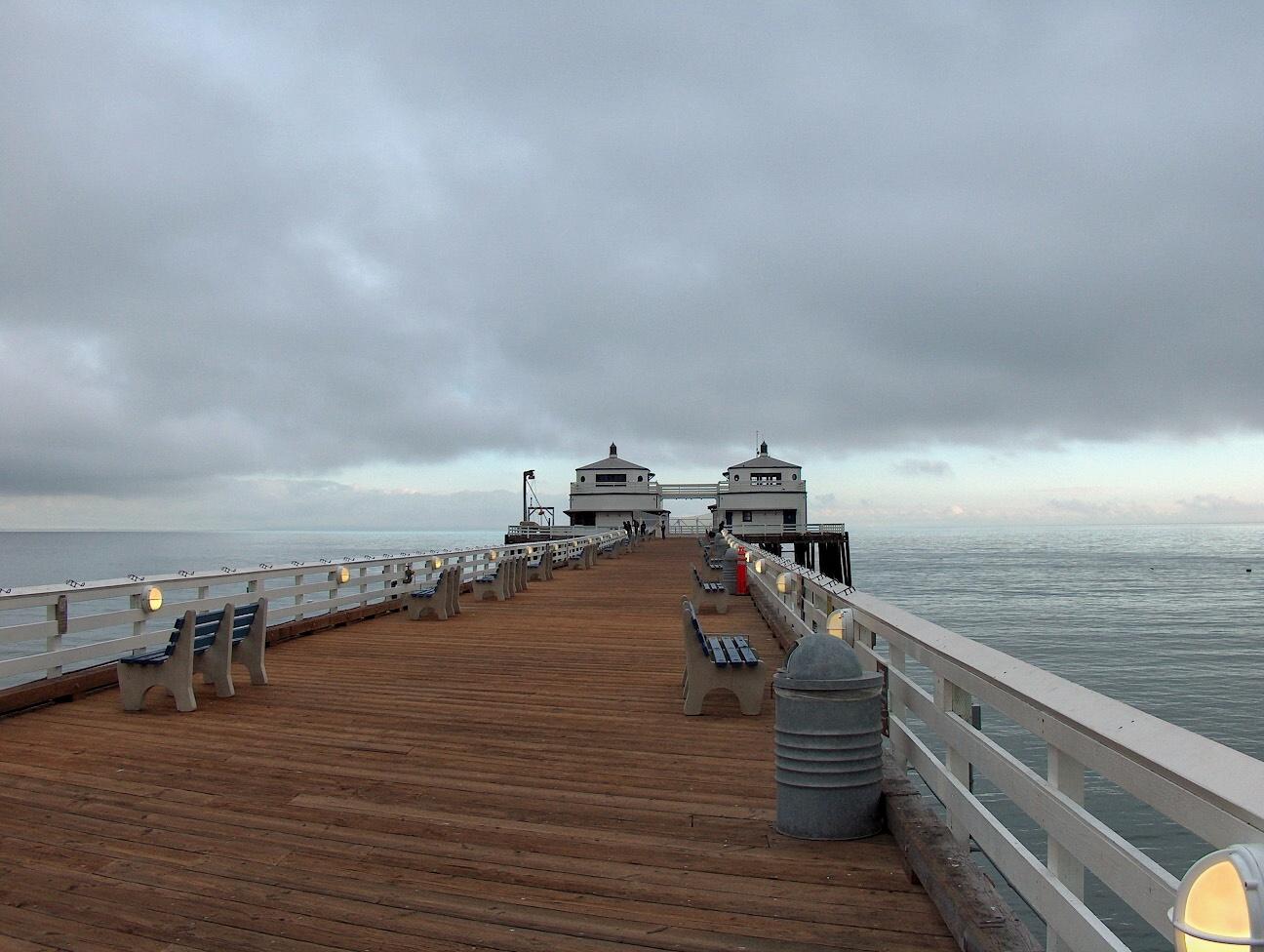
Looking beyond Surfrider Beach? Discover Malibu for broader travel guides, local hot-spots, and regional highlights.
Explore Malibu
Discover Pepperdine University: A stunning Malibu campus where academic excellence meets Christian values, offering a unique educational experience.

Discover the breathtaking beauty and luxurious lifestyle of Malibu, California's premier coastal destination for sun, surf, and scenic adventures.
