
North Coast, California Travel Guide
Discover the serene beauty of California's North Coast, where ancient redwoods meet rugged coastlines, offering a perfect blend of outdoor adventures, culture, and history.
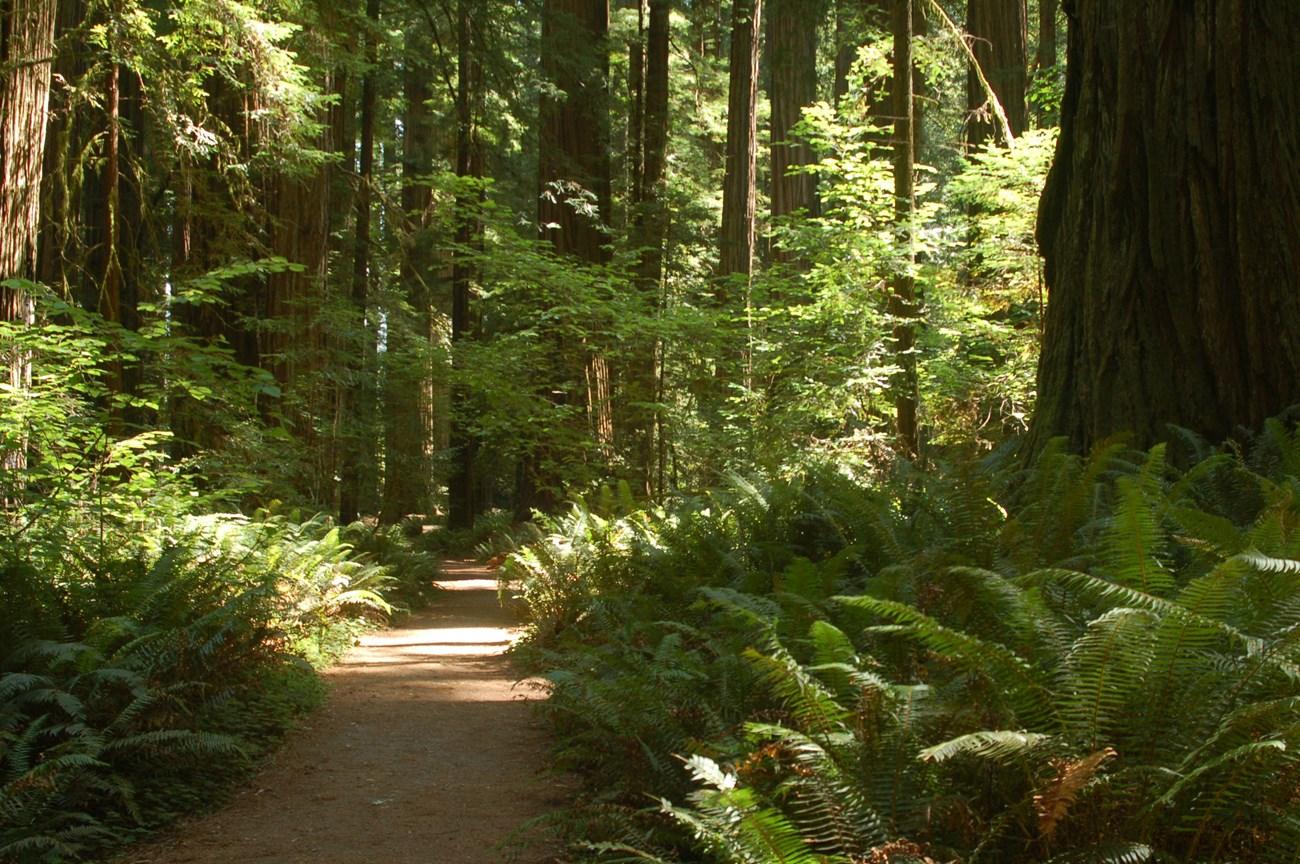
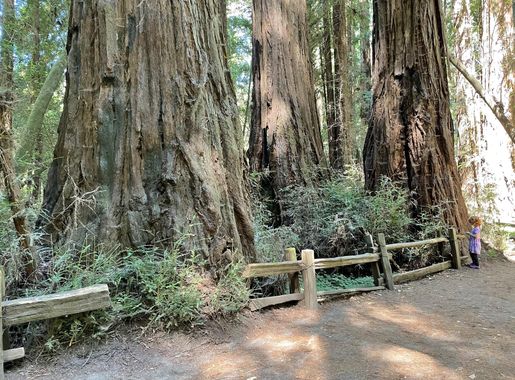
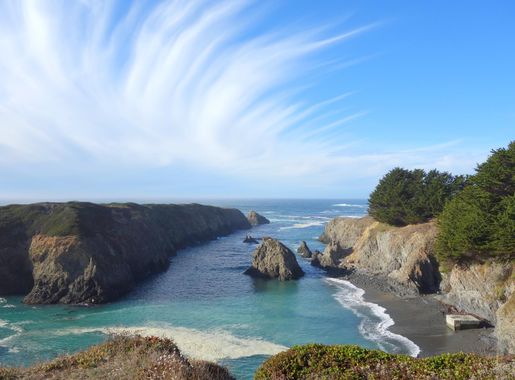
The North Coast of California is a hidden gem waiting to be discovered. Stretching from San Francisco to the Oregon border, this region offers stunning coastal views, ancient redwood forests, and charming seaside towns. The rugged coastline is dotted with picturesque lighthouses and secluded beaches, perfect for a peaceful escape from the hustle and bustle of city life. Outdoor enthusiasts will find plenty to do on the North Coast. Hiking trails wind through towering redwoods in national and state parks, such as the famous Redwood National and State Parks. Wildlife lovers can spot sea lions, otters, and even whales off the coast. The region's rivers and streams are also popular for fishing and kayaking. For those who appreciate culture and history, the North Coast does not disappoint. The small towns along the coast, like Mendocino and Fort Bragg, boast a rich history and vibrant arts scene. Visitors can explore local galleries, historic sites, and enjoy delicious fresh seafood at quaint restaurants. The North Coast is also home to many wineries and breweries, offering tastings and tours for those who enjoy a good glass of wine or craft beer.

Know before you go
Hi, I'm Eve. Here are a few practical things to know before exploring North Coast.
- Pack layers as the weather can be unpredictable, with foggy mornings and cool evenings.
- Visit during the off-season, from late fall to early spring, for fewer crowds and lower prices.
- Make sure to bring a good pair of hiking boots for exploring the extensive trail systems.
- Stop by local visitor centers to get maps and information on the best spots for whale watching.
- Check tide schedules if you plan to visit the beaches, as some areas can be inaccessible during high tide.
- Don't miss the opportunity to drive along the scenic Highway 1 for breathtaking coastal views.
Top City Travel Guides in North Coast
The cities of North Coast, and the easiest places to base yourself.
Destinations in North Coast
Resorts, valleys and scenic spots worth a trip of their own.


Explore North Coast: Things to Do, Places to Eat, Hotels & More
Handpicked recommendations for top attractions, local dining, accommodations, and more

Top Attractions & Sightseeing in North Coast
Top-rated picks
Best Attractions

Sea Lion Viewing Area
Observe playful California sea lions in their urban sanctuary at Pier 39, a unique and unforgettable San Francisco experience.

Ripley's Believe It or Not!
Explore the bizarre and unbelievable at Ripley's Believe It or Not! San Francisco, a must-see odditorium in Fisherman's Wharf.

Knowland Park
Explore Oakland's Knowland Park: Hike scenic trails, enjoy panoramic bay views, and discover diverse wildlife habitats in this expansive natural escape.

Fischer Hanlon House
Explore 19th-century life at Benicia's Fischer-Hanlon House, a Gold Rush-era gem with period furnishings and a beautiful Victorian garden.

Best landmarks in North Coast
Top-rated picks
Best Landmarks

Alcatraz Island
Explore Alcatraz Island, a historical landmark with a rich past, stunning views, and intriguing stories of infamous inmates.

The Painted Ladies
Discover the iconic Painted Ladies of San Francisco, a stunning collection of Victorian homes showcasing rich history and breathtaking architecture.

Hearst Castle
Explore the grandeur of Hearst Castle, a historic monument that reflects the opulent lifestyle of the early 20th century elite, set against breathtaking coastal views.

San Francisco Maritime National Historical Park
Discover the captivating maritime history at San Francisco Maritime National Historical Park, featuring historic ships, engaging exhibits, and stunning waterfront views.

Best restaurants in North Coast
Top-rated picks
Best Restaurants

Fog Harbor Fish House
Experience exquisite seafood dining at Fog Harbor Fish House with breathtaking views of San Francisco Bay.

Sotto Mare
Discover Sotto Mare: A top-rated seafood restaurant in San Francisco's North Beach offering fresh Italian-inspired dishes.

La Mar Cocina Peruana
Experience authentic Peruvian cuisine at La Mar Cocina Peruana, where fresh seafood meets breathtaking bay views in San Francisco.

Burma Superstar
Experience authentic Burmese cuisine at Burma Superstar in San Francisco's Richmond District—where every dish tells a story.

Best bars in North Coast
Top-rated picks
Best Bars

Smuggler's Cove
Dive into exotic cocktails and vibrant ambiance at Smuggler's Cove, a must-visit bar in San Francisco's Fillmore District.

Local Edition
Experience the charm and creativity of Local Edition, a unique cocktail bar in San Francisco's SoMa district, where history meets mixology.
Dive Bar
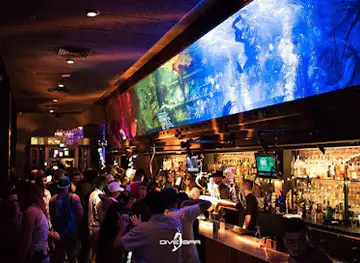
Experience the vibrant nightlife of Sacramento at Dive Bar, where innovative cocktails and a lively atmosphere await you.

False Idol
Discover the tropical allure of False Idol, a vibrant tiki bar in Downtown San Diego, offering creative cocktails and a lively atmosphere for all.

Best nightclubs in North Coast
Top-rated picks
Best Nightclubs

Forbidden Island
Discover the tropical oasis of Forbidden Island, Alameda's premier tiki bar with exotic cocktails and a lively atmosphere for unforgettable nights.

Monroe SF
Discover Monroe SF, the ultimate nightclub experience in San Francisco's vibrant North Beach, offering cocktails, music, and unforgettable nights.

The Press Club
The Press Club: A lively nightlife hub in Sacramento, offering a unique blend of dance, cocktails, and live music for an unforgettable experience.

Opal By Arena
Experience the vibrant nightlife at Opal By Arena, Mountain View's premier club with dancing, drinks, and unforgettable events.

Best shops in North Coast
Top-rated picks
Best Shops

Ghirardelli Chocolate Experience
Discover the iconic Ghirardelli Chocolate Experience, a haven for chocolate lovers in San Francisco, offering delicious treats and a rich history.

City Lights Booksellers & Publishers
Explore the iconic City Lights Booksellers & Publishers, a cultural landmark in San Francisco's Chinatown, celebrating literature and independent publishing.

Barbary Coast
Explore the vibrant Barbary Coast in San Francisco, a unique cannabis store and historical landmark offering an engaging lounge experience and exciting events.

Games of Berkeley
Explore the ultimate gaming destination in Berkeley, CA, featuring a wide selection of board games, miniatures, and collectibles for all ages.

Explore North Coast on the Map
A handpicked selection of must-see spots in North Coast, mapped for you.
North Coast Essentials
-
The North Coast of California is accessible by multiple means of transportation. The nearest major airport is San Francisco International Airport (SFO), approximately 120 miles south of the region. From San Francisco, you can rent a car and take the scenic drive along Highway 101, which runs through the heart of the North Coast. Alternatively, you can fly into Charles M. Schulz-Sonoma County Airport (STS) in Santa Rosa, which offers limited regional flights. Public transportation options include Greyhound buses and Amtrak trains that connect to major towns in the area.
-
Once you arrive, renting a car is the most convenient way to explore the North Coast, as public transportation options are limited and many attractions are spread out. If you prefer not to drive, local bus services such as Mendocino Transit Authority (MTA) and Redwood Coast Transit provide routes between towns. Biking is also a popular option, particularly in more rural and scenic areas. Be sure to check local schedules as services may vary, especially in remote areas.
-
The official currency is the United States Dollar (USD). Credit and debit cards are widely accepted in most establishments, though some small businesses and rural areas may prefer cash. ATMs are readily available in larger towns but may be sparse in remote regions. It is advisable to carry some cash for emergencies and small purchases.
-
The North Coast is generally considered safe for tourists. However, it is wise to take standard precautions such as not leaving valuables in your car and avoiding isolated areas at night. Eureka and Crescent City have higher crime rates compared to other towns in the region; it is advisable to stay alert and avoid walking alone at night in these areas. Always keep an eye on your belongings in crowded places.
-
In case of an emergency, dial 911 for immediate assistance. Medical facilities are available in larger towns such as Eureka and Santa Rosa. It is advisable to have travel insurance that covers medical emergencies. For minor health issues, there are pharmacies available in most towns. Keep a list of emergency contact numbers, including your country's embassy or consulate if you are an international traveler.
-
Fashion: Do dress in layers as the weather can change rapidly. Comfortable walking shoes are a must for exploring natural attractions. Religion: Do respect local customs and traditions if visiting religious sites. Public Transport: Do be punctual and respectful when using public transport. Don't eat or drink on buses and trains. Greetings: Do greet people with a friendly 'hello' or 'hi.' Handshakes are common in more formal settings. Eating & Drinking: Do try local seafood and wines. Don't forget to tip around 15-20% in restaurants and cafes.
-
To experience the North Coast like a local, visit the many farmers' markets held in towns like Fort Bragg and Mendocino, where you can buy fresh produce and artisanal goods. Engage with locals at community events and festivals, which often feature live music and local crafts. Don't miss the opportunity to hike in the Redwoods National and State Parks, and explore hidden beaches and coves. For a unique experience, take a guided tour of the historic lighthouses along the coast.
When is the best time to visit North Coast?
Useful Local Phrases for North Coast
You don't need to speak the language perfectly. Even learning a few simple words can make conversations warmer—and locals usually appreciate the effort.
— Eve

Here are the phrases I use most often in North Coast. Try a few—you'll be surprised how far they go! 😊
❤️
-
- HelloHey there
[Hey thair] - GoodbyeCatch you later
[Katch yu layter] - YesYup
[Yup] - NoNah
[Nah] - Please/You're welcomeNo problem
[No prob-lum] - Thank youThanks a lot
[Thangs a lot] - Excuse me/SorrySorry about that
[Sorry abowt that] - How are you?How's it going?
[How's it goin'?] - Fine. And you?I'm good. You?
[I'm good. Yu?] - Do you speak English?Do you know English?
[Do yu no English?] - I don't understandI'm not getting it
[I'm not gettin' it]
- HelloHey there
-
- I'd like to see the menu, pleaseCan I check out the menu?
[Can I chek out the menu?] - I don't eat meatI'm vegetarian
[I'm vege-tarian] - Cheers!Cheers!
[Cheers!] - I would like to pay, pleaseCan I settle the bill?
[Can I set-tle the bill?]
- I'd like to see the menu, pleaseCan I check out the menu?
-
- Help!Help!
[Help!] - Go away!Leave me alone!
[Leav me alone!] - Call the Police!Call the cops!
[Call the cops!] - Call a doctor!Get a doctor!
[Get a doctor!] - I'm lostI'm kinda lost
[I'm kinda lost] - I'm illI'm not feeling well
[I'm not feelin' well]
- Help!Help!
-
- I'd like to buy...I'm looking to buy...
[I'm lookin' to buy...] - I'm just lookingJust browsing, thanks
[Just browsin', thangs] - How much is it?What's the price?
[What's the price?] - That's too expensiveThat's a bit pricey
[That's a bit pricy] - Can you lower the price?Can you cut me a deal?
[Can you cut me a deal?]
- I'd like to buy...I'm looking to buy...
-
- What time is it?What time we got?
[What time we got?] - It's one o'clockIt's one
[It's one] - Half past (10)Half past ten
[Half past ten] - MorningMorning
[Morning] - AfternoonAfternoon
[Afternoon] - EveningEvening
[Evening] - YesterdayYesterday
[Yesterday] - TodayToday
[Today] - TomorrowTomorrow
[Tomorrow] - 1One
[One] - 2Two
[Two] - 3Three
[Three] - 4Four
[Four] - 5Five
[Five] - 6Six
[Six] - 7Seven
[Seven] - 8Eight
[Eight] - 9Nine
[Nine] - 10Ten
[Ten]
- What time is it?What time we got?
-
- Where's a/the...?Where's the nearest...?
[Where's the nearest...?] - What's the address?What's the address?
[What's the address?] - Can you show me (on the map)?Can you point it out?
[Can you point it out?] - When's the next (bus)?When's the next bus?
[When's the next bus?] - A ticket (to ....)One ticket to... please
[One ticket to... pleez]
- Where's a/the...?Where's the nearest...?
History of North Coast
-
Long before European settlers arrived, the North Coast of California was home to a variety of indigenous tribes, including the Yurok, Hupa, and Pomo peoples. These tribes thrived in the region's diverse ecosystems, from the dense redwood forests to the bountiful coastal waters. They developed rich cultures with intricate basketry, fishing techniques, and spiritual traditions deeply connected to the land and sea.
-
In the late 16th and early 17th centuries, Spanish explorers began to chart the North Coast of California. The Spanish expeditions, led by figures like Sebastián Vizcaíno, aimed to map the coastline and claim the territory for Spain. Although the Spanish did not establish permanent settlements in the North Coast, their presence marked the beginning of European interest in the region.
-
In 1812, the Russian-American Company established Fort Ross, a trading post and agricultural base on the North Coast. This settlement was part of Russia's efforts to expand its fur trading operations and supply its Alaskan colonies. Fort Ross became a hub of cultural exchange, where Russian settlers, native Alaskans, and local indigenous tribes interacted. The fort's legacy remains a significant part of the area's history, preserved as a state historic park.
-
The mid-19th century brought an influx of settlers to the North Coast, spurred by the California Gold Rush. While gold was less abundant in this region, the booming economy led to the development of towns and infrastructure. Simultaneously, the North Coast's vast redwood forests attracted loggers and entrepreneurs. The logging industry became a cornerstone of the local economy, leading to the establishment of sawmills and the construction of railroads to transport timber.
-
In the 1960s and 1970s, the North Coast became a haven for the counterculture movement. Drawn by the region's natural beauty and relative isolation, hippies and back-to-the-land enthusiasts established communes and alternative communities. This era left a lasting impact on the area's culture, fostering a spirit of environmental activism and artistic expression that continues to thrive today.
-
The latter half of the 20th century saw growing efforts to protect the North Coast's ancient redwood forests. Conservationists and environmentalists rallied to establish protected areas, resulting in the creation of numerous state and national parks, including the Redwood National and State Parks. These efforts have preserved some of the world's tallest trees and ensured that future generations can experience the awe-inspiring beauty of these ancient forests.
-
In recent decades, the North Coast has gained recognition as a premier wine-producing region. The area's unique climate and fertile soil have made it ideal for cultivating grapevines. Vineyards and wineries now dot the landscape, attracting tourists and connoisseurs alike. The wine industry has become an essential part of the local economy and culture, contributing to the North Coast's reputation as a destination for fine dining and scenic beauty.
Neighbouring Regions of North Coast
The closest regions to North Coast, if you have time for more than one.



Your all‑in‑one travel companion app
Explore expert travel guides, compare and book tours, experiences, hotels, and more—all from the palm of your hand. Download now for seamless trip planning wherever your wanderlust takes you.


Explore More of California
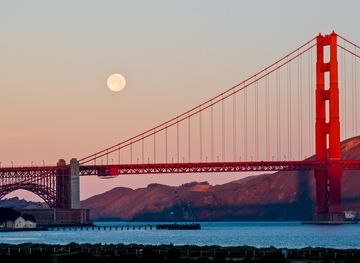
Looking beyond North Coast? Discover California for broader travel guides, local hot-spots, and regional highlights.
Explore CaliforniaNorth Coast in Photos
Browse through our photo collection highlighting the charm and character of the destination.

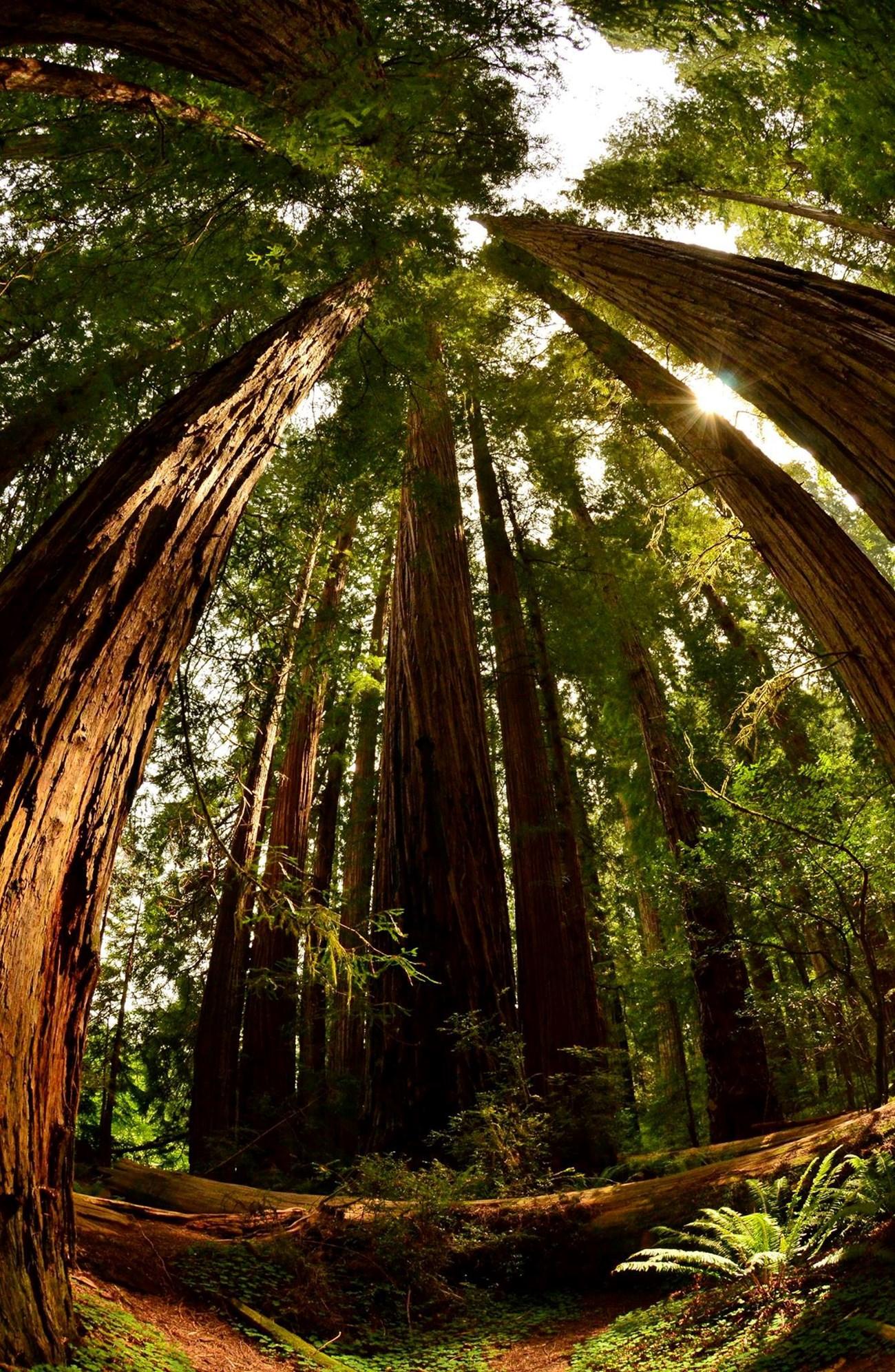


The Enchanting North Coast of California
The North Coast of California is a hidden gem waiting to be discovered. Stretching from San Francisco to the Oregon border, this region offers stunning coastal views, ancient redwood forests, and charming seaside towns. The rugged coastline is dotted with picturesque lighthouses and secluded beaches, perfect for a peaceful escape from the hustle and bustle of city life. Outdoor enthusiasts will find plenty to do on the North Coast. Hiking trails wind through towering redwoods in national and state parks, such as the famous Redwood National and State Parks. Wildlife lovers can spot sea lions, otters, and even whales off the coast. The region's rivers and streams are also popular for fishing and kayaking. For those who appreciate culture and history, the North Coast does not disappoint. The small towns along the coast, like Mendocino and Fort Bragg, boast a rich history and vibrant arts scene. Visitors can explore local galleries, historic sites, and enjoy delicious fresh seafood at quaint restaurants. The North Coast is also home to many wineries and breweries, offering tastings and tours for those who enjoy a good glass of wine or craft beer.