

Free Redding Travel Guide & Mobile App
Plan your Redding trip with Evendo. Get free guides to top attractions, restaurants, hotels, and bars. Web access or download the mobile app.


Redding, California combines the Sundial Bridge, Sacramento River trails, Shasta landscapes, outdoor adventure and accessible Northern California culture.
River City in the Cascade Foothills
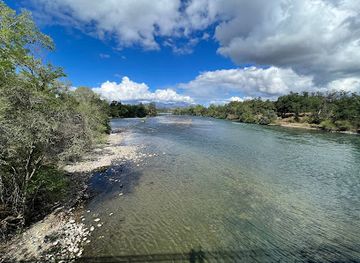
Redding lies in Shasta County at the northern end of California’s Sacramento Valley, where the Sacramento River passes between forested foothills and the volcanic landscapes of the southern Cascades. The city is shaped by its setting: warm, dry summers, broad skies, nearby reservoirs and a network of trails that make outdoor recreation part of everyday life. The Sacramento River runs through the urban area, while Mount Shasta, Lassen Volcanic National Park and Shasta Lake extend the possibilities for longer excursions beyond the city.Read more about Redding
Landmarks, Culture and Open Space
Gateway to Northern California
When is the best time to visit Redding?
Best: May, September–October · 24–31°C| Month | High (°C) | Rainfall (mm) |
|---|---|---|
| January | 11 | 150 |
| February | 14 | 130 |
| March | 17 | 110 |
| April | 21 | 70 |
| May (best) | 26 | 30 |
| June | 32 | 10 |
| July | 36 | 2 |
| August | 35 | 3 |
| September (best) | 31 | 10 |
| October (best) | 24 | 30 |
| November | 16 | 100 |
| December | 11 | 140 |
Getting to and around Redding
How to get there
Transportation
Best attractions in Redding
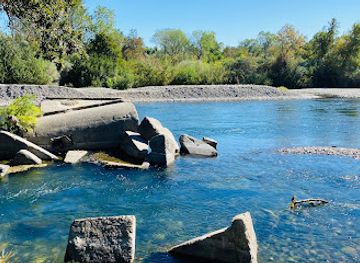
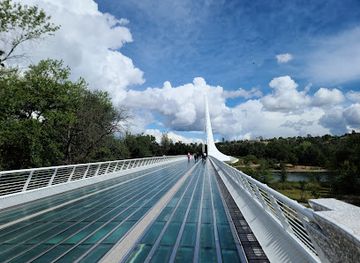
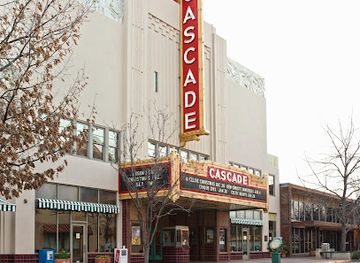
Redding’s principal attractions centre on the Sacramento River and the landscapes beyond it. The Sundial Bridge, designed for pedestrians and cyclists, crosses the river beside Turtle Bay Exploration Park, where gardens, wildlife interpretation and science-focused exhibits introduce the ecology of the North State. The Sacramento River Trail extends the riverfront experience through open landscapes and wooded sections, offering an accessible way to explore the city outdoors. Downtown adds the Cascade Theatre, a restored historic venue for performances and community events, together with galleries, public art and independent businesses. For a wider sense of the region, Shasta State Historic Park lies near the remains of the former mining town of Shasta, while Whiskeytown National Recreation Area and Shasta Lake provide separate excursions for boating, hiking and scenic exploration outside the city. The contrast between urban riverfront spaces, volcanic mountain country and Gold Rush-era heritage defines Redding’s sightseeing character.
-
Bridge
Sundial Bridge
Experience the architectural wonder of the Sundial Bridge in Redding, California, a fusion of art, engineering, and nature.
17 min walk · 1.4 km from city centre
-
Tourist attraction
Turtle Bay Exploration Park
Explore art, science, and nature at Turtle Bay Exploration Park in Redding, CA, home to the iconic Sundial Bridge and diverse attractions.
17 min walk · 1.4 km from city centre
-
Tourist attraction
Turtle Bay Exploration Park
Explore art, science, and nature at this 300-acre park in Redding, CA, featuring a museum, gardens, wildlife exhibits, and the iconic Sundial Bridge.
17 min walk · 1.4 km from city centre
-
Tourist attraction
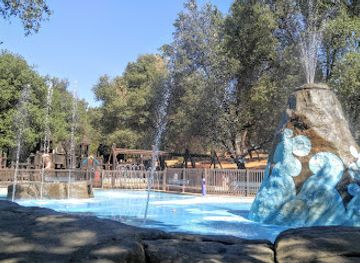
Enterprise Park
Redding's Enterprise Park: Fun for all ages with playgrounds, sports, and a refreshing splash park!
19 min drive · 6.3 km from city centre

Best landmarks in Redding
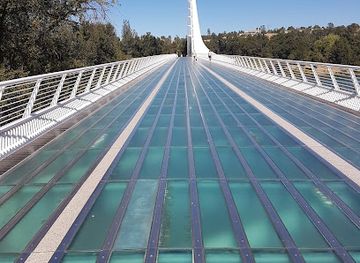
The Sundial Bridge is Redding’s best-known contemporary landmark, its tall white pylon and cable-supported span forming a prominent gateway over the Sacramento River. It was designed by Santiago Calatrava and serves pedestrians and cyclists rather than general road traffic. Nearby Turtle Bay Exploration Park connects the structure with gardens, educational facilities and riverfront paths. Downtown’s Cascade Theatre represents a different layer of the city’s built heritage: the historic venue has been restored as a setting for concerts, performances and community events. The Sacramento River itself is a defining natural landmark, shaping Redding’s public spaces, trails and civic identity. Beyond the city, Shasta Dam and the remains of the former settlement at Shasta State Historic Park are important regional landmarks associated with water engineering and Gold Rush-era history, but both require separate travel from central Redding.
-
Bridge
Sundial Bridge
Explore the breathtaking Sundial Bridge in Redding, CA, where stunning architecture meets the serene beauty of nature along the Sacramento River.
17 min walk · 1.4 km from city centre
-
Cultural center
Turtle Bay Exploration Park
Explore the beauty of nature and culture at Turtle Bay Exploration Park in Redding, California - a perfect spot for families and nature lovers!
17 min walk · 1.4 km from city centre
-
 Hotel
HotelAmericana Modern Hotel
Discover the perfect blend of modern comfort and convenience at Americana Modern Hotel in downtown Redding, California.
1 min walk · 0.1 km from city centre
-
Auditorium
Cascade Theatre
Discover the Cascade Theatre, a historic auditorium in Redding, CA, where captivating performances and rich cultural experiences await every visitor.
7 min walk · 0.5 km from city centre
Explore Redding on the map
Plan your Redding trip on one map. See where the top attractions, landmarks, restaurants, bars and hotels are, find what's near where you're staying, and book hotels and experiences in a few clicks.
Best hotels in Redding
Best restaurants in Redding
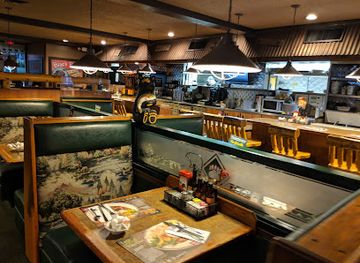
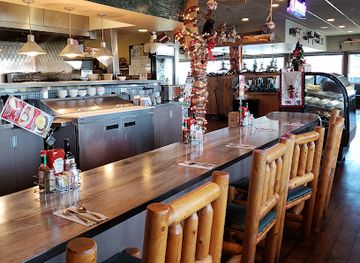
Redding’s dining scene reflects its role as a regional centre in Northern California, with everyday Californian cooking joined by Mexican, Asian and American influences. Independent restaurants and cafés are concentrated around central Redding and downtown, while neighbourhood shopping areas provide casual dining and familiar national options. The city’s agricultural surroundings appear in seasonal produce, craft beverages and menus shaped by the wider Sacramento Valley, although the local food culture is less defined by one canonical dish than by variety and accessibility. Visitors will find breakfast cafés, bakeries, breweries, family-run restaurants and places suited to a relaxed evening meal, alongside opportunities to sample regional wines and products from the North State. Farmers’ markets and seasonal community events can offer a closer connection to local growers and makers, but schedules vary. Dining tends to be informal, and reservations are most relevant for popular venues or performances at the Cascade Theatre.
-
American
Black Bear Diner Redding
Experience comfort food at its finest at Black Bear Diner Redding – where family-friendly dining meets hearty American flavors.
10 min drive · 3.4 km from city centre
-
American
Lumberjacks Redding
Experience hearty American comfort food at Lumberjacks Redding - a family-friendly diner known for its delicious breakfasts and welcoming atmosphere.
9 min drive · 3.0 km from city centre
-
Steak
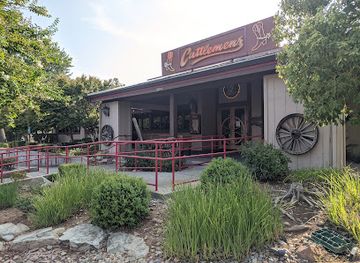
Cattlemens Restaurants: Redding
Indulge in mouthwatering steaks at Cattlemens Restaurants in Redding - where flavor meets hospitality.
9 min drive · 3.0 km from city centre
-
Pizza
MOD Pizza
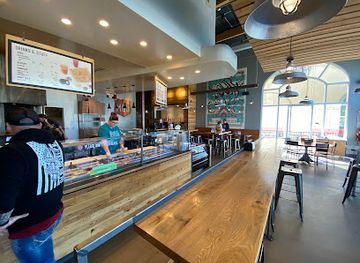
Discover customizable pizzas at MOD Pizza in Redding – where every bite is tailored just for you!
9 min drive · 3.0 km from city centre
Best bars in Redding
Redding’s evening scene is modest and locally oriented rather than dominated by large nightclubs. Downtown and nearby commercial districts offer bars, breweries, pubs and restaurants where residents gather for drinks, conversation and occasional live music. Regional craft beer and Northern California wine feature in the social landscape, while some venues provide trivia, performances or other community events. The Cascade Theatre brings concerts, touring productions and film or cultural programming to the centre, creating an alternative to bar-based nightlife. Evening activity generally winds down earlier than in California’s largest cities, and the atmosphere varies according to performances, weekends and seasonal events. Visitors should check current programme and venue information rather than assume regular schedules, particularly for live entertainment. Outside central areas, nightlife becomes more dispersed, making taxis, app-based transport or a designated driver useful when moving between venues.
-
Breakfast
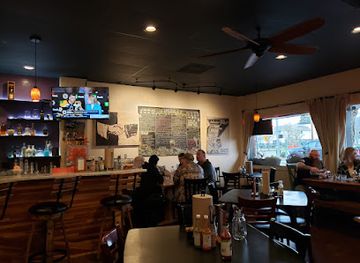
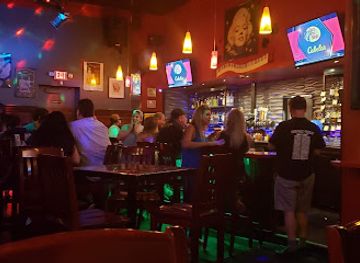
Lulu's Eating & Drinking
Discover the vibrant flavors and welcoming atmosphere at Lulu's Eating & Drinking, your go-to spot for breakfast and social gatherings in Redding, California.
14 min walk · 1.1 km from city centre
-
Lounge
Castle Lounge
Experience the inviting ambiance of Castle Lounge in Redding, CA, where great drinks and relaxation await every visitor.
15 min drive · 4.9 km from city centre
-
Sports bar
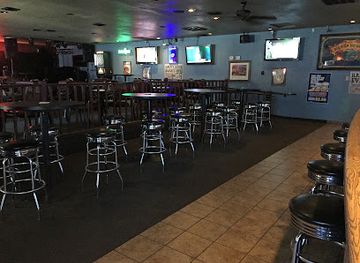
Riddick's Sports Pub
Experience the ultimate sports bar atmosphere at Riddick's Sports Pub in Redding, CA, where delicious food and live games create unforgettable moments.
8 min drive · 2.8 km from city centre
-
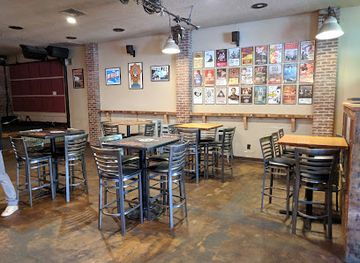
Live Music
The Dip
Discover the vibrant live music scene at The Dip in Redding, CA, where great drinks and unforgettable performances await.
7 min walk · 0.6 km from city centre

Best nightclubs in Redding
Redding’s evening scene is modest and locally oriented rather than dominated by large nightclubs. Downtown and nearby commercial districts offer bars, breweries, pubs and restaurants where residents gather for drinks, conversation and occasional live music. Regional craft beer and Northern California wine feature in the social landscape, while some venues provide trivia, performances or other community events. The Cascade Theatre brings concerts, touring productions and film or cultural programming to the centre, creating an alternative to bar-based nightlife. Evening activity generally winds down earlier than in California’s largest cities, and the atmosphere varies according to performances, weekends and seasonal events. Visitors should check current programme and venue information rather than assume regular schedules, particularly for live entertainment. Outside central areas, nightlife becomes more dispersed, making taxis, app-based transport or a designated driver useful when moving between venues.
-
Lounge
Castle Lounge
Discover the vibrant atmosphere of Castle Lounge in Redding, CA, where great drinks and live entertainment create unforgettable evenings.
15 min drive · 4.9 km from city centre
-
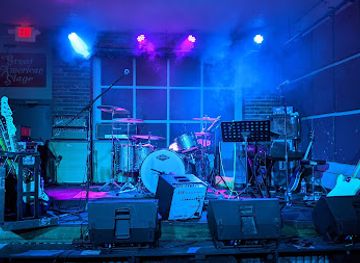
Bar
The Dip
Discover vibrant live music and a lively bar scene at The Dip in Redding, California - the ultimate destination for music lovers and nightlife enthusiasts.
7 min walk · 0.6 km from city centre
-
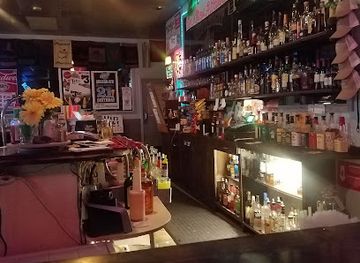
Cocktail bar
Showboat Lounge
Discover the lively atmosphere of Showboat Lounge in Redding, CA, where cocktails, sports, and great food come together for an unforgettable experience.
8 min drive · 2.7 km from city centre
-
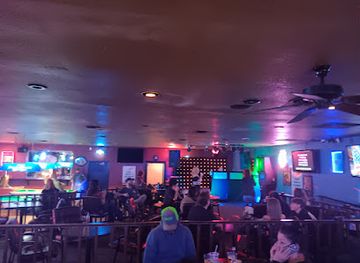
Karaoke bar
Monroe's Nightclub & Karaoke
Discover the ultimate nightlife experience at Monroe's Nightclub & Karaoke in Redding, CA, where fun, singing, and dancing come together.
9 min drive · 3.0 km from city centre
Best shops in Redding
Shopping in Redding is practical and regional, with downtown streets offering independent shops, galleries, cafés and locally oriented businesses alongside larger commercial areas elsewhere in the city. Visitors looking for souvenirs may find Northern Californian food products, outdoor equipment, artwork, books and crafts that reflect the surrounding forests, rivers and mountain culture. Farmers’ markets and seasonal community markets can provide locally grown produce, baked goods and handmade items, though their locations and operating calendars vary. Central Redding is the most characterful setting for combining browsing with cafés, restaurants and cultural venues, while conventional retail is spread along major roads and shopping corridors. The city is not primarily a luxury-shopping destination; its appeal lies in useful outdoor goods, regional products and small businesses connected to everyday life in Shasta County. Check local listings for market days and temporary artisan events before planning a dedicated shopping visit.
-
Shopping mall
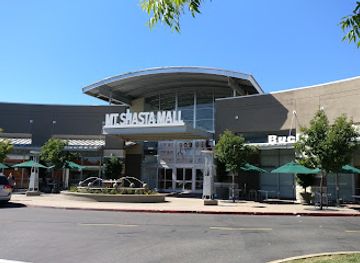
Mt. Shasta Mall
Discover the ultimate shopping experience at Mt. Shasta Mall in Redding, California, featuring a blend of popular retailers, dining, and entertainment.
9 min drive · 3.1 km from city centre
-
Craft store
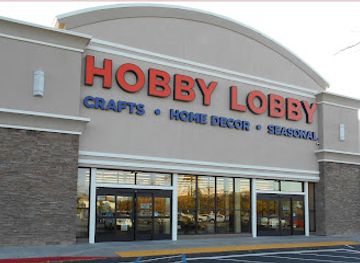
Hobby Lobby
Discover an artistic haven in Redding, California, at Hobby Lobby, your one-stop destination for all things crafts and home decor.
11 min drive · 3.7 km from city centre
-
Department store
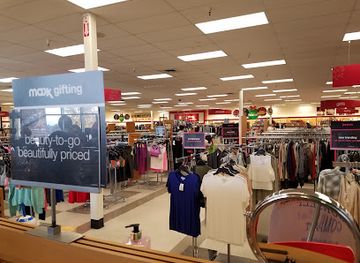
T.J. Maxx
Explore T.J. Maxx in Redding, California, for unbeatable fashion finds at affordable prices, perfect for the whole family.
8 min drive · 2.7 km from city centre
-
Gift shop
The Beadman & Gifts
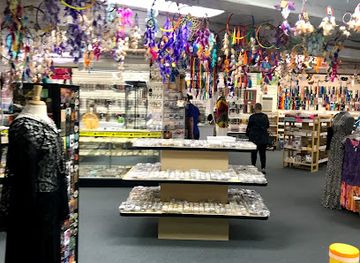
Explore The Beadman & Gifts in Redding, CA, for unique handcrafted beads, exquisite jewelry, and one-of-a-kind gifts that celebrate local artistry.
6 min drive · 2.1 km from city centre
Get your free copy of our complete guide to Redding, delivered straight to you.
Everything on this page, from attractions and restaurants to essentials and local phrases, in one PDF you can read offline, print or share.
Already have an account? Sign in
Your Redding guide is ready.
We'll send it to · Not you? Sign out

Getting your guide ready…
We are putting together a fresh copy of the Redding guide. This can take up to a minute.
This can take a few moments. If your browser asks, choose Allow so the download can start. You'll find the guide in your Downloads folder.
Nothing happened? Download it again
Sorry, the guide is taking longer than usual. Please try again in a minute, or get it by email instead.
Redding essentials
Currency and Payment
Safety
Emergency Situations
Do's and Don'ts
Local Tips
From Eve
Local phrases worth knowing
You don't need to get them perfect. A few words go a long way, and locals appreciate the effort.
Basics
| English | Local | Say it |
|---|---|---|
| Hello | Howdy | [haw-dee] |
| Goodbye | See ya | [see yah] |
| Yes | Yep | [yep] |
| No | Nah | [nah] |
| Please/You're welcome | Please | [pleez] |
| Thank you | Thanks | [thanks] |
| Excuse me/Sorry | Pardon me | [par-dn me] |
| How are you? | How's it goin'? | [hows it goin] |
| Fine. And you? | Fine. How 'bout you? | [fine. how 'bout yah] |
| Do you speak English? | Ya speak English? | [yah speak ing-glish] |
| I don't understand | I'm lost | [I'm lost] |
Eating & Drinking
| English | Local | Say it |
|---|---|---|
| I'd like to see the menu, please | Can I see the menu, please | [kan eye see the menu, please] |
| I don't eat meat | I don't eat meat | [I don't eat meat] |
| Cheers! | Cheers! | [cheers] |
| I would like to pay, please | Can I pay, please | [kan eye pay, please] |
Emergencies
| English | Local | Say it |
|---|---|---|
| Help! | Help! | [help] |
| Go away! | Get outta here! | [get outta here] |
| Call the Police! | Call the cops! | [call the cops] |
| Call a doctor! | Get a doc! | [get a doc] |
| I'm lost | I'm lost | [I'm lost] |
| I'm ill | I'm sick | [I'm sick] |
Shopping
| English | Local | Say it |
|---|---|---|
| I'd like to buy... | I wanna buy... | [I wanna buy] |
| I'm just looking | Just lookin' | [just lookin] |
| How much is it? | How much? | [how much] |
| That's too expensive | Too pricey | [too pricey] |
| Can you lower the price? | Can ya drop the price? | [kan yah drop the price] |
Time & Numbers
| English | Local | Say it |
|---|---|---|
| What time is it? | What's the time? | [whats the time] |
| It's one o'clock | It's one | [its one] |
| Half past (10) | Ten-thirty | [ten-thur-tee] |
| Morning | Morning | [morning] |
| Afternoon | Afternoon | [afternoon] |
| Evening | Evening | [evening] |
| Yesterday | Yesterday | [yester-day] |
| Today | Today | [to-day] |
| Tomorrow | Tomorrow | [to-mor-row] |
| 1 | One | [wun] |
| 2 | Two | [too] |
| 3 | Three | [three] |
| 4 | Four | [four] |
| 5 | Five | [five] |
| 6 | Six | [six] |
| 7 | Seven | [seven] |
| 8 | Eight | [ate] |
| 9 | Nine | [nine] |
| 10 | Ten | [ten] |
Transport & Directions
| English | Local | Say it |
|---|---|---|
| Where's a/the...? | Where's the...? | [wheres the] |
| What's the address? | What's the address? | [whats the address] |
| Can you show me (on the map)? | Can you show me? | [can yah show me] |
| When's the next (bus)? | When's the next (bus)? | [whens the next bus] |
| A ticket (to ....) | A ticket (to ....) | [a ticket to] |
History of Redding
Wintu Homeland and Sacramento River Country
The Redding area lies within the traditional homeland of the Wintu, a Native Californian people whose communities used the Sacramento River, surrounding valleys and uplands for fishing, gathering, hunting and trade. The river was a major source of food and movement, while seasonal knowledge shaped relationships with the region’s varied habitats. European-American settlement later disrupted Wintu life through disease, displacement, violence and the loss of access to ancestral lands. Contemporary interpretation in the region increasingly acknowledges this history, placing Redding within a much older cultural landscape than the city’s nineteenth-century origins suggest.
Settlement and the Coming of the Railroad
The modern settlement developed in the nineteenth century as transport routes and commercial activity expanded through the northern Sacramento Valley. The community was named for Benjamin B. Redding, an agent of the Central Pacific Railroad, and the arrival of the railroad in the 1870s helped establish the town as a service and shipping centre. Redding was incorporated in 1887. Rail connections linked the area with California’s larger markets and supported the movement of agricultural goods, timber and other regional products. The town’s location beside the Sacramento River and near important routes into the mountains reinforced its role as a North State crossroads.
Timber, Agriculture and Regional Commerce
During the late nineteenth and early twentieth centuries, Redding grew through a mixture of agriculture, timber, transport and trade. Orchards, ranching and farming benefited from the valley floor, while forests and mineral resources drew economic activity towards the surrounding foothills. The city served residents of a wide hinterland rather than functioning only as a self-contained urban centre. Its streets, commercial buildings and civic institutions developed alongside this regional role. Economic life was affected by changing extraction industries, improved roads and the gradual expansion of public infrastructure, creating the dispersed, service-oriented city visible today.
Water Engineering and Shasta Dam
The construction of Shasta Dam during the 1930s and 1940s transformed the Sacramento River system and the wider Redding region. Built by the United States Bureau of Reclamation as part of the Central Valley Project, the dam was completed in 1945 and created Shasta Lake upstream. It regulates water supplies, generates hydroelectric power and provides flood-control benefits, although dam-building also submerged landscapes and altered river ecology. Shasta Dam is outside Redding, but its presence has shaped the city’s economy, recreation and identity, helping make the surrounding reservoirs and waterways central to contemporary life.
A Modern Riverfront City
Redding’s recent development has increasingly connected civic life with the Sacramento River and the region’s natural environment. The Sundial Bridge, opened in 2004, became a visible symbol of riverfront renewal and a gateway to Turtle Bay Exploration Park. Trails, gardens, ecological interpretation and public spaces have strengthened the relationship between the built city and its waterways. At the same time, Redding remains a regional centre for health, education, retail and services, while its cultural identity is influenced by the outdoor landscapes of Shasta County. The result is a city whose modern profile combines practical regional functions with recreation and environmental awareness.
Redding in Photos
Browse through our photo collection highlighting the charm and character of the destination.
Cities near Redding
The closest cities to Redding, if you have time for more than one stop.
-

-

-

-

-


Swipe for more cities
Explore more
Explore more of California
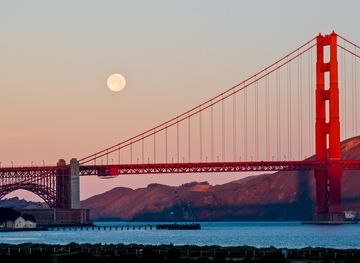
Discover California: A land of diverse landscapes, iconic cities, and endless adventures, from sun-soaked beaches to towering redwoods and vibrant cultural experiences.
Explore California