Flood Building: A San Francisco Icon
A historic San Francisco landmark in Union Square, the Flood Building offers stunning architecture and a vibrant mix of businesses, embodying the city's enduring spirit and resilience.
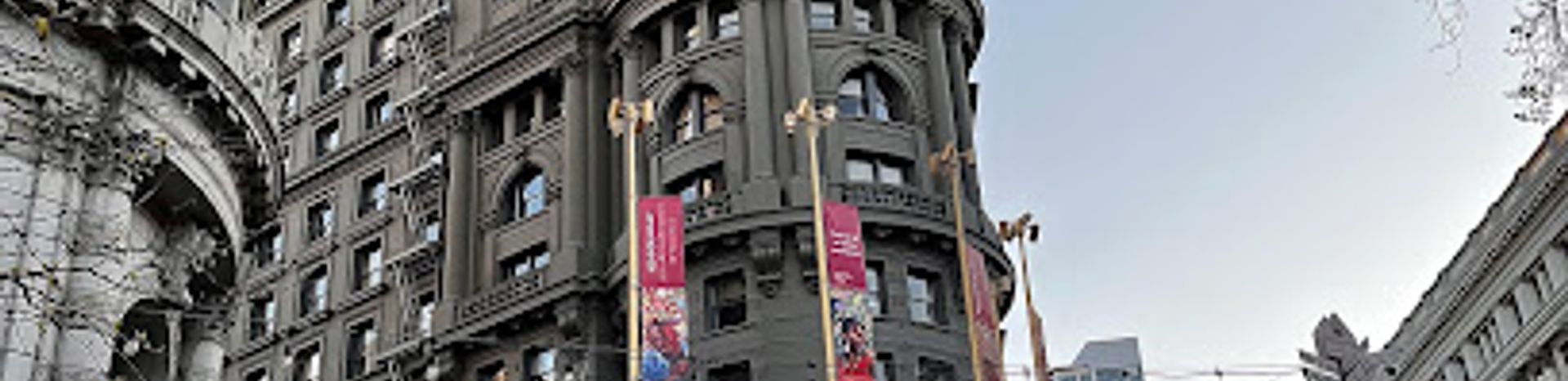
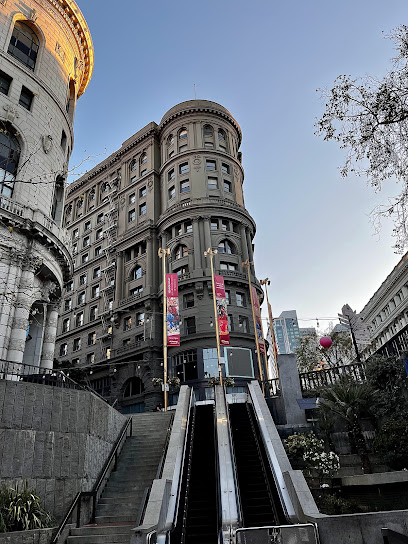
The Flood Building, a Beaux-Arts landmark at the bustling intersection of Market and Powell Streets, stands as a testament to San Francisco's resilience and architectural grandeur. Completed in 1904, it was once the city's tallest building and remarkably survived the devastating 1906 earthquake and fire. Today, it remains a vibrant hub, housing diverse businesses and retail spaces. Its prime location, adjacent to the Powell Street cable car turnaround and BART station, makes it easily accessible and a popular spot for tourists and locals alike. The Flood Building is more than just an office building; it's a symbol of San Francisco's enduring spirit and a beautiful example of early 20th-century architecture, offering a glimpse into the city's rich history.
A brief summary to Flood Building
- 870 Market St, San Francisco, Union Square, California, 94102, US
- +1415-982-3298
- Visit website
Local tips
- Explore the building's lobby to admire its original marble floors, walls, and columns, showcasing the elegance of early 20th-century architecture.
- Visit the Flood Building as part of a walking tour of Union Square to experience the heart of San Francisco's shopping, dining, and cultural scene.
- Take a ride on the Powell Street cable car, which stops right outside the Flood Building, for a quintessential San Francisco experience.

Getting There
-
Public Transport
The Flood Building is directly adjacent to the Powell Street BART (Bay Area Rapid Transit) station. Exit the station at the Powell Street exit, and the Flood Building is immediately visible. BART fares vary depending on your origin station, but a typical short trip within San Francisco costs around $1.95-$2.10. The Flood Building is also served by several Muni bus lines. Check the Muni website or app for specific routes and schedules. A single Muni bus fare is $3.00.
-
Cable Car
The Powell-Hyde and Powell-Mason cable car lines both terminate at the Powell Street turntable, right in front of the Flood Building. A single ride on the cable car costs $8.00. Tickets can be purchased at the cable car terminals or from the conductor. Consider purchasing a Muni Passport for unlimited rides on cable cars, buses and metro.
-
Walking
From Union Square, walk south along Powell Street for one block. The Flood Building will be on your left, at the corner of Powell and Market Streets. The walk is short and flat, taking only a few minutes.
-
Taxi/Ride-Share
Taxis and ride-sharing services (Uber/Lyft) are readily available throughout San Francisco. A short ride from Fisherman's Wharf or downtown hotels to the Flood Building will typically cost between $15-$25, depending on traffic and demand.
-
Driving
Driving directly to the Flood Building is possible, but parking in the immediate area can be challenging and expensive. There is no on-site parking at the Flood Building. Several parking garages are located within a few blocks, including the Ellis-O'Farrell Garage and the Fifth & Mission/Yerba Buena Garage. Expect to pay $20-$40 for a few hours of parking. Consider using a parking app like SpotHero to find and reserve a spot in advance.
Discover more about Flood Building
Iconic landmarks you can’t miss

Flood Building
0.0 km
Experience San Francisco history at the Flood Building, a Beaux-Arts landmark in Union Square, offering stunning architecture and a glimpse into the city's vibrant past.
The Samuels Clock
0.0 km
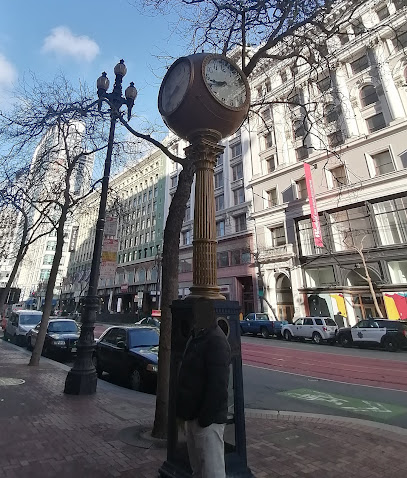
A historic San Francisco landmark on Market Street, the Samuels Clock has stood since 1915, witnessing the city's evolution and embodying its enduring spirit.
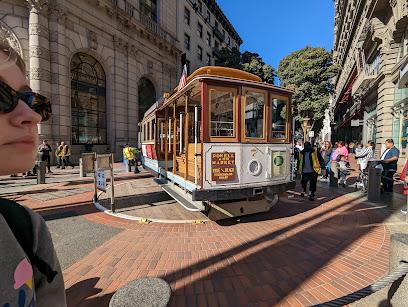
Cable Car Turnaround Powell St.
0.1 km
Discover the iconic Cable Car Turnaround at Powell Street, a historical landmark that showcases San Francisco's rich transportation heritage and vibrant urban culture.
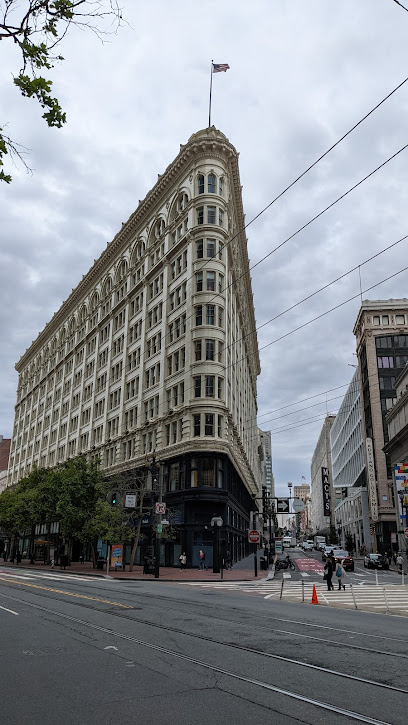
Phelan Building
0.2 km
Discover the historic Phelan Building in San Francisco's Union Square, a stunning architectural masterpiece steeped in rich culture and history.
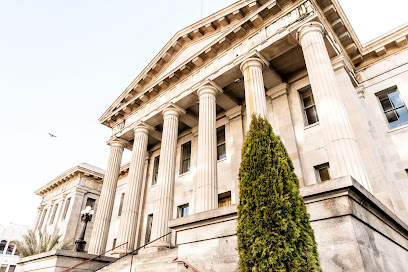
The San Francisco Mint
0.2 km
Discover San Francisco's 'Granite Lady,' a historic mint transformed into a premier event venue, offering a glimpse into the Gold Rush era and a unique space for unforgettable gatherings.
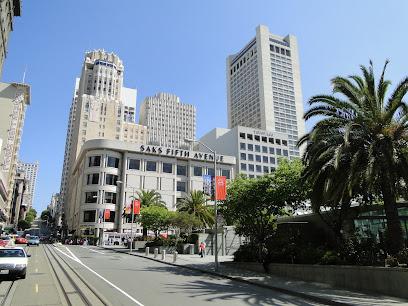
Powell St & Geary St
0.3 km
Discover the vibrant intersection of Powell and Geary in San Francisco, a hub for shopping, dining, and urban culture.
Dewey Monument
0.3 km
Explore the Dewey Monument in Union Square, a historical sculpture honoring valor and offering a vibrant backdrop to San Francisco's bustling city life.
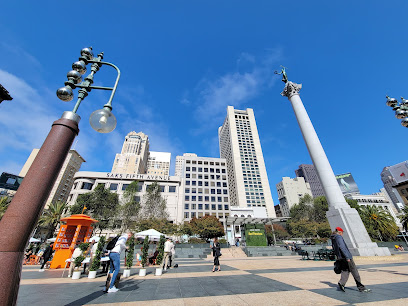
Monument to American Squadron, Manila Bay
0.3 km
A historic landmark in Union Square, San Francisco, commemorating Admiral Dewey's victory at Manila Bay and offering a glimpse into a pivotal moment in American and Philippine history.
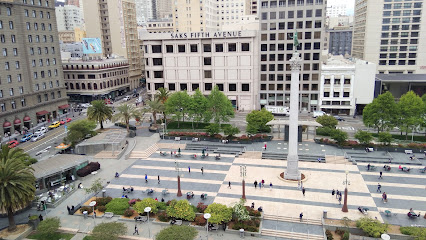
Frank Lloyd Wright Spiral Interior
0.4 km
Discover the stunning Frank Lloyd Wright Spiral Interior in San Francisco—a historical landmark showcasing architectural innovation and artistic beauty.
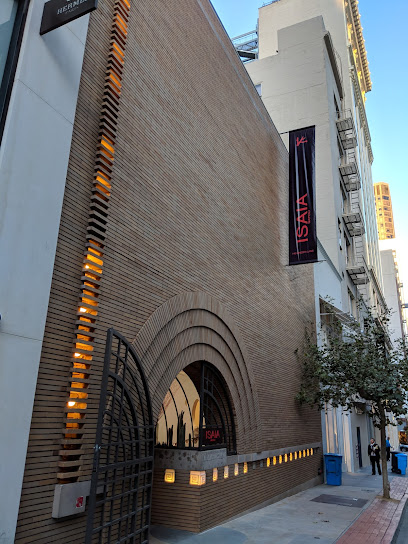
San Francisco Ghosts
0.4 km
Explore the haunted history of San Francisco with engaging ghost tours offering thrilling stories and chilling experiences at the city's most famous haunted sites.
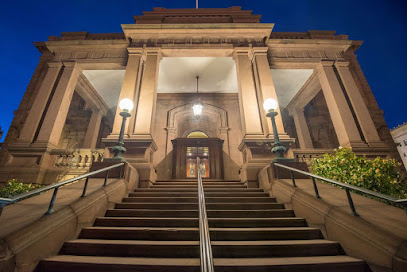
Old Chronicle building (Historical Landmark)
0.5 km
Discover the historic Old Chronicle Building in San Francisco's Union Square, a beautiful landmark symbolizing resilience and architectural elegance.
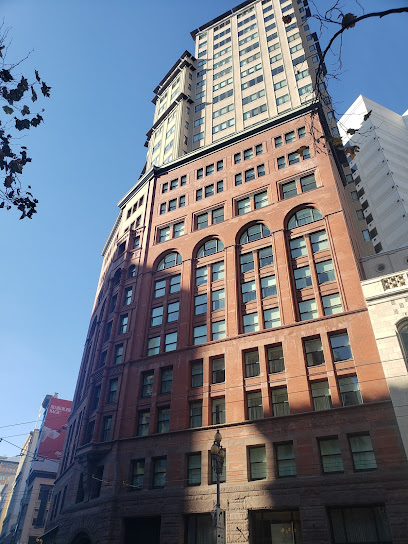
450 Sutter Street
0.5 km
Explore the historic charm of 450 Sutter Street, a stunning architectural gem in the heart of San Francisco's vibrant Union Square, surrounded by shopping and dining.
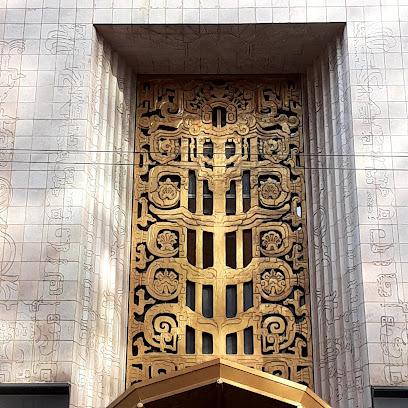
Stockton Street Tunnel (1914)
0.5 km
Experience a historic passage connecting Union Square and Chinatown, a testament to San Francisco's engineering and cultural diversity, offering a unique journey beneath Nob Hill.
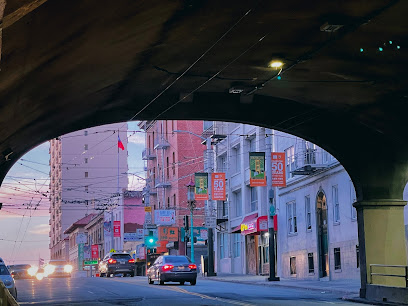
Tenderloin Museum
0.6 km
Explore the Tenderloin Museum for an insightful journey through San Francisco's vibrant cultural and historical landscape, revealing the stories that shape the city.
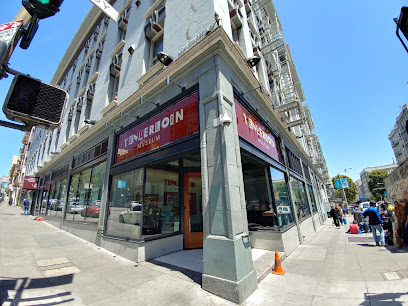
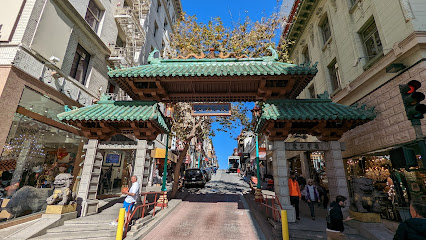
Chinatown Landmark
0.6 km
Explore the vibrant heart of Chinese culture in North America's oldest Chinatown, San Francisco, where history, traditions, and culinary delights await around every corner.
Unmissable attractions to see

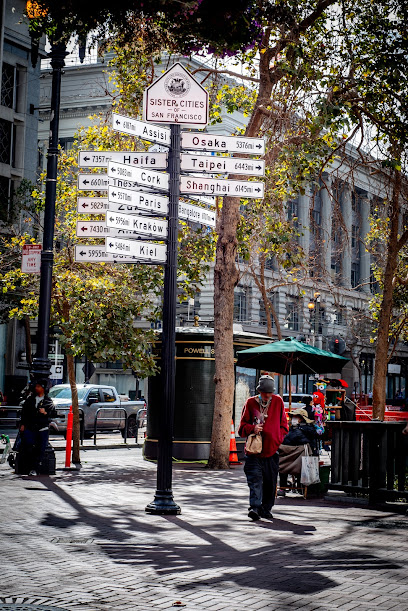
Sister Cities of San Francisco Sign
0.1 km
A colorful landmark in Union Square celebrating San Francisco's global connections and international friendships.
The Selfie Market
0.2 km
Explore The Selfie Market in San Francisco – the ultimate museum for selfie lovers featuring vibrant installations and interactive experiences.

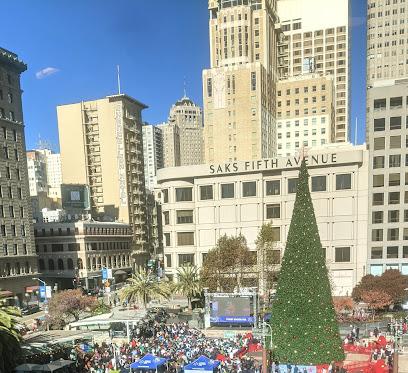
Union Square
0.3 km
Explore the vibrant atmosphere of Union Square, San Francisco's premier destination for shopping, dining, and cultural experiences.
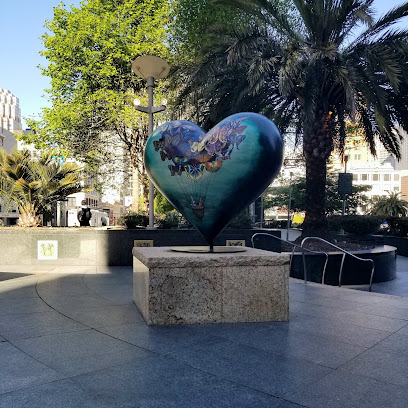
Hearts of San Francico Art Sculpture
0.3 km
Explore the vibrant Hearts of San Francisco Art Sculpture in Union Square, a captivating tribute to the city's creativity and love.
The Contemporary Jewish Museum
0.3 km
Explore contemporary perspectives on Jewish culture, history, and art at San Francisco's dynamic Contemporary Jewish Museum.
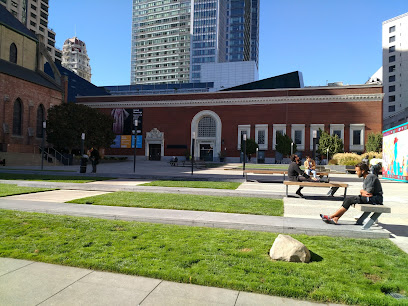
American Conservatory Theater
0.3 km
Experience the best of live theater at the American Conservatory Theater, a cultural landmark in San Francisco's vibrant Tenderloin district.
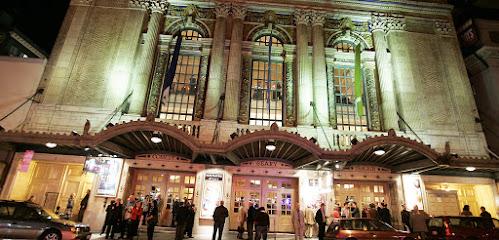
Heart of San Francisco Series
0.4 km
Experience the energy of San Francisco at the Heart of SF: Union Square, a vibrant hub for shopping, culture, and unforgettable city moments.
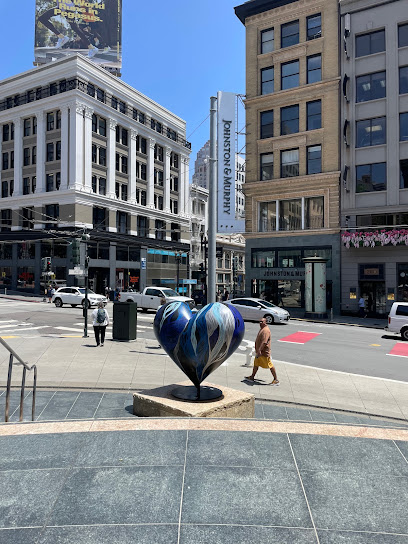
San Francisco Magic Theater (w/Jay Alexander) at the Marrakech
0.4 km
Discover the magic of performances and dining at the San Francisco Magic Theater, where enchantment awaits in every show.
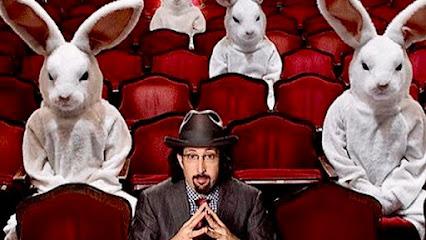
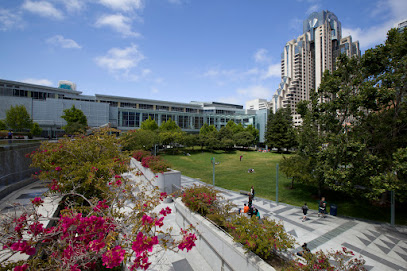
Yerba Buena Gardens
0.4 km
Discover art, culture, and recreation in the heart of San Francisco at Yerba Buena Gardens, a vibrant urban oasis for all ages.
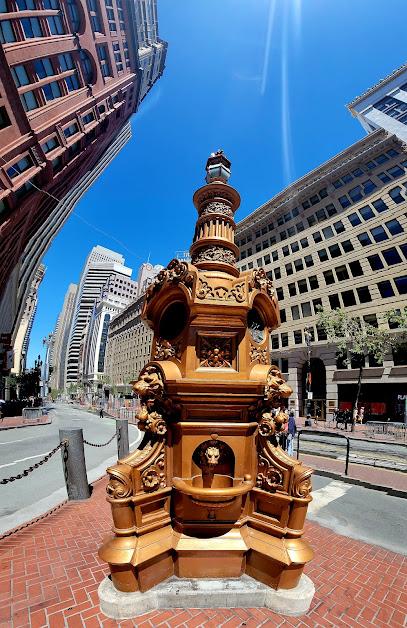
Lotta's Fountain
0.5 km
Discover the beauty and history of Lotta's Fountain, a charming landmark in San Francisco's Union Square, perfect for a leisurely visit.
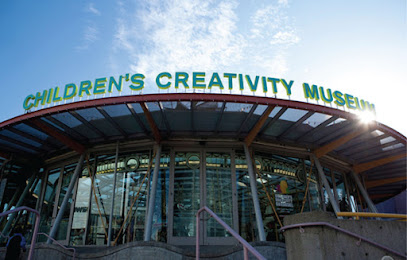
Children's Creativity Museum
0.5 km
Inspiring creativity and collaboration in children through hands-on art, technology, and multimedia experiences in the heart of San Francisco.
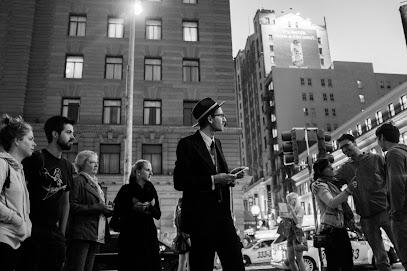
The Haunt SF Ghost Tours
0.5 km
Discover the chilling tales and haunted history of San Francisco with The Haunt SF Ghost Tours, an unforgettable adventure through the city's eerie past.
White Wolf Private Tours
0.5 km
Explore California's stunning landscapes with White Wolf Private Tours, your gateway to unforgettable adventures in nature and personalized experiences.
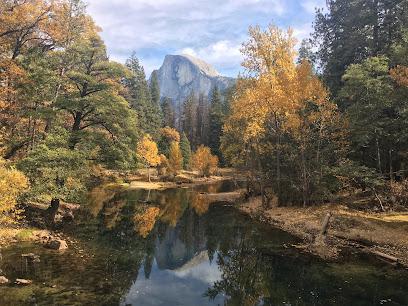
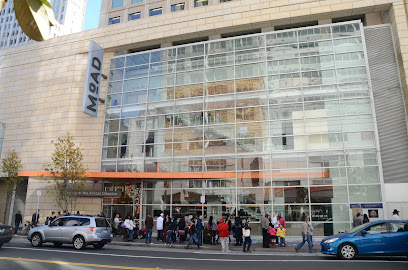
Museum of the African Diaspora
0.5 km
Immerse yourself in the vibrant art and history of the African diaspora at San Francisco's Museum of the African Diaspora.
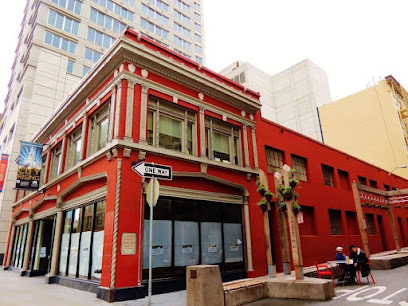
California Historical Society
0.5 km
Discover California's vibrant history at the California Historical Society, where stories of the past come to life through engaging exhibits and rich archives.
Essential places to dine

ONE65 San Francisco
0.1 km
Experience the best of French cuisine at ONE65 in San Francisco's Union Square – a delightful blend of fine dining and charming bistro atmosphere.
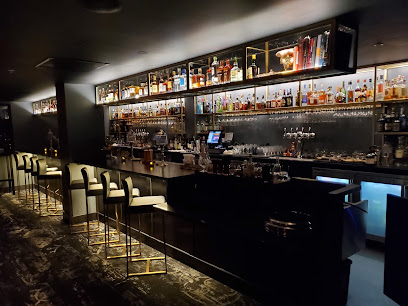
Kin Khao
0.2 km
Experience authentic Thai flavors at Kin Khao in San Francisco's Union Square – where tradition meets innovation in every dish.
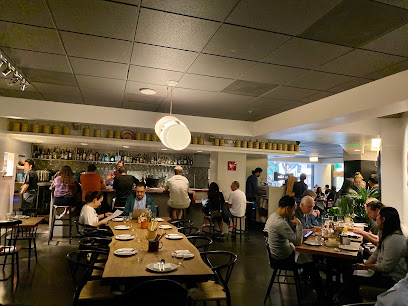
The Rotunda
0.3 km
Experience upscale American dining at The Rotunda in San Francisco's Union Square with stunning views and an exquisite menu.
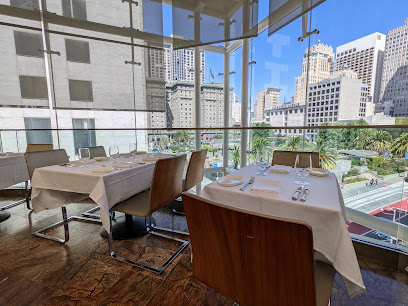
MKT Restaurant and Bar
0.3 km
Discover the culinary delights at MKT Restaurant and Bar in San Francisco—where New American cuisine meets sophisticated dining.

LUCE
0.4 km
Discover culinary artistry at LUCE - a Modern European gem in San Francisco's SoMa district offering exquisite dishes and fine wines.
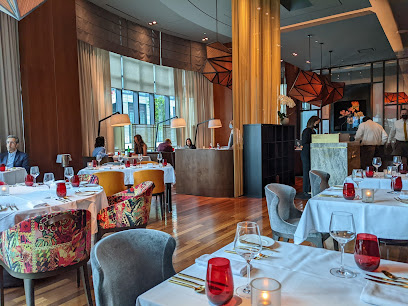
Ula Restaurant & Tapas Bar
0.4 km
Experience the vibrant flavors of Mediterranean cuisine at Ula Restaurant & Tapas Bar in Union Square, San Francisco - where every meal is a celebration.
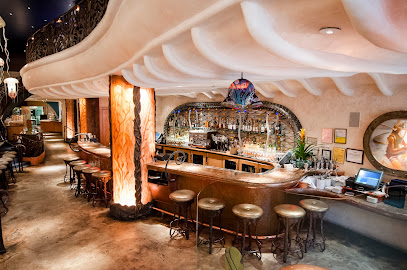
Sears Fine Food
0.4 km
Experience the best of American comfort food and authentic Swedish cuisine at Sears Fine Food in San Francisco's vibrant Union Square.
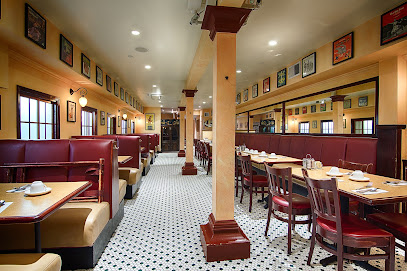
Cesario's
0.5 km
Experience the essence of Italy at Cesario's in San Francisco - where every meal is a celebration of authentic flavors and warm hospitality.
E&O Kitchen and Bar
0.5 km
Experience the vibrant flavors of Southeast Asia at E&O Kitchen and Bar in San Francisco's Union Square – where tradition meets innovation.
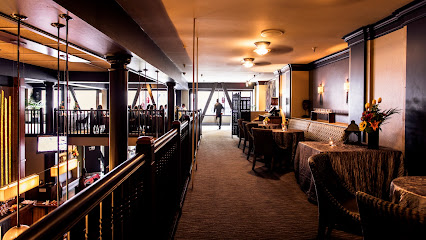
Roxanne Cafe
0.6 km
Discover delicious American comfort food at Roxanne Cafe in San Francisco's Union Square—where every meal is a delightful experience.
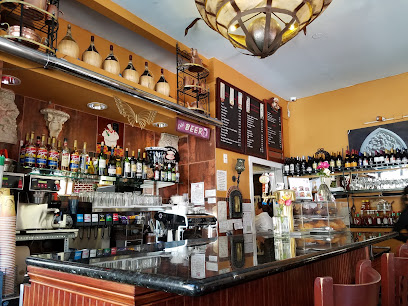
Restaurant Jeanne D'Arc
0.6 km
Experience authentic French cuisine at Restaurant Jeanne D'Arc in San Francisco's Union Square - where every dish tells a story.
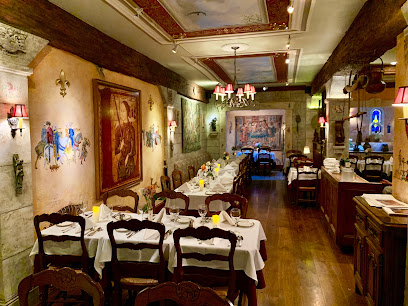
Bouche
0.6 km
Discover the essence of French fine dining at Bouche in San Francisco—where culinary artistry meets elegant ambiance.
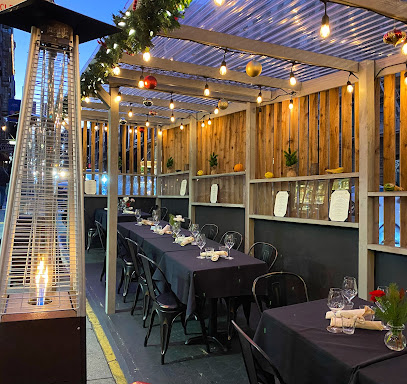
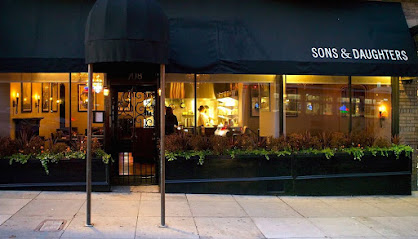
Sons & Daughters
0.6 km
Discover fine dining at Sons & Daughters in Nob Hill, San Francisco - where Californian cuisine meets elegance.
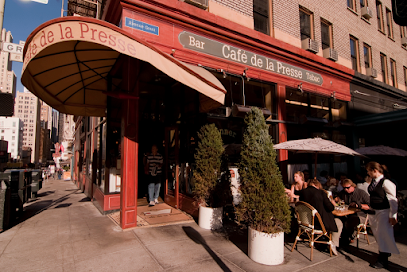
Café de la Presse
0.6 km
Discover authentic French cuisine at Café de la Presse in San Francisco's Union Square - your cozy bistro for brunch, lunch, and delightful desserts.
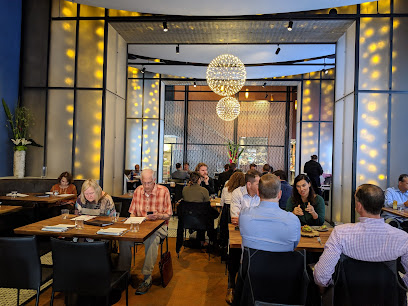
Mourad
0.7 km
Experience exquisite Californian cuisine with Moroccan flair at Mourad, San Francisco's premier fine dining destination.
Markets, malls and hidden boutiques

Urban Outfitters
0.1 km
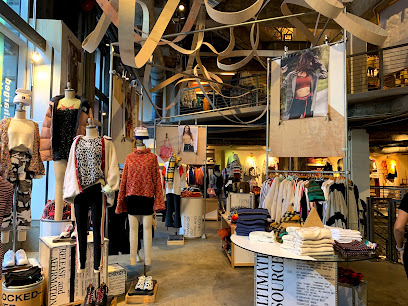
Discover Urban Outfitters in San Francisco's Union Square, a trendy hub for fashion-forward clothing, unique home decor, and stylish accessories.
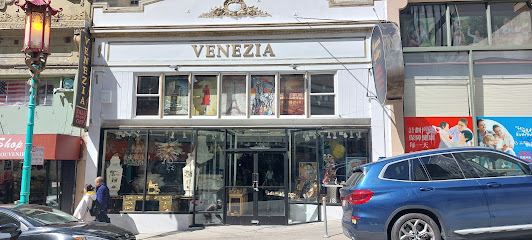
Gift Shop
0.2 km
Explore a delightful gift shop in Union Square, San Francisco, offering unique souvenirs and local treasures perfect for every traveler.
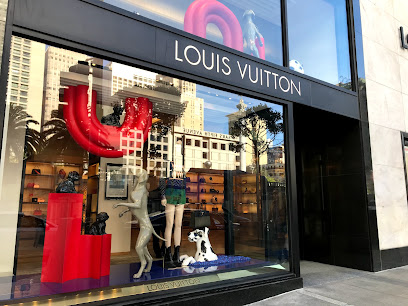
Louis Vuitton San Francisco Union Square
0.2 km
Explore the luxury of Louis Vuitton in San Francisco's Union Square, where timeless elegance meets modern sophistication in leather goods.
Cuyana
0.2 km
Explore Cuyana in San Francisco's Union Square: where elegance meets sustainability in women's fashion.
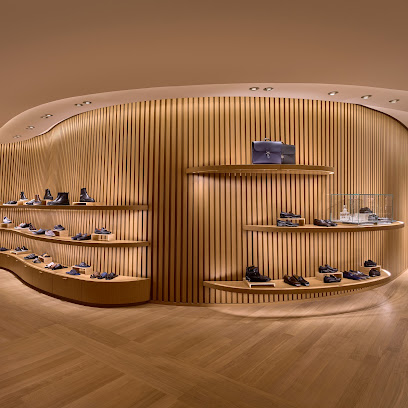
Hermes San Francisco Store
0.4 km
Discover unparalleled luxury at Hermes San Francisco, where elegant leather goods and fashion accessories await in the heart of Union Square.
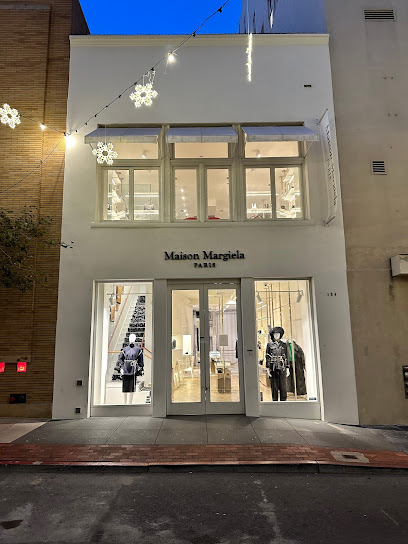
Maison Margiela San Francisco
0.4 km
Experience the cutting-edge of fashion at Maison Margiela San Francisco, where luxury meets artistic expression in an unforgettable shopping experience.
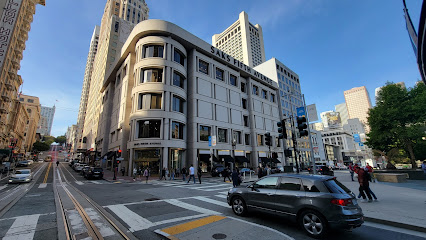
Saks Fifth Avenue
0.4 km
Discover the ultimate luxury shopping experience at Saks Fifth Avenue in San Francisco's Union Square, featuring top designer brands and exquisite accessories.
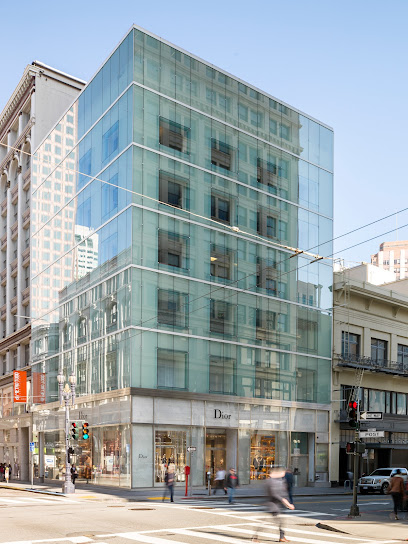
DIOR San Francisco Post Street
0.4 km
Discover the elegance of DIOR San Francisco, where luxury women's fashion meets artistry in the heart of Union Square.
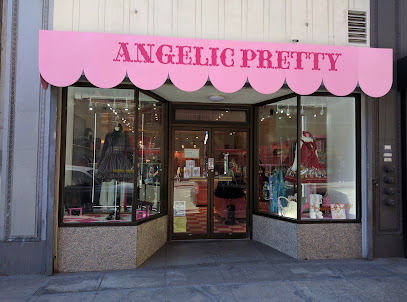
Angelic Pretty San Francisco
0.5 km
Discover whimsical women's fashion at Angelic Pretty San Francisco, where chic elegance meets unique Japanese-inspired designs in the heart of the city.
Secret Shop
0.5 km
Explore the eclectic treasures of Secret Shop in San Francisco's Union Square for unique gifts and local art that perfectly capture the city's spirit.
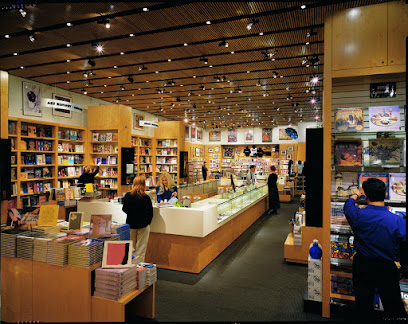
SFMOMa Museum Store
0.5 km
Explore art-inspired gifts, books, and jewelry at SFMOMA Museum Store in San Francisco's vibrant SoMa district, perfect for unique souvenirs.
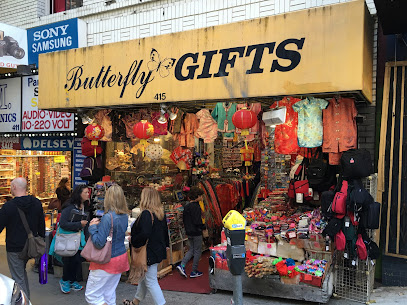
Butterfly's Gift Shop Inc
0.6 km
Explore Butterfly's Gift Shop Inc in San Francisco's Chinatown for unique gifts and unforgettable souvenirs that reflect the city's vibrant culture.
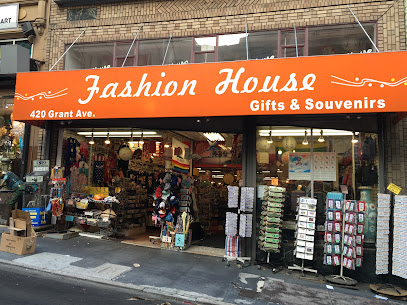
Fashion House & Gifts
0.7 km
Explore the vibrant treasures of Fashion House & Gifts in San Francisco's Chinatown—unique gifts and souvenirs that celebrate the city's culture.
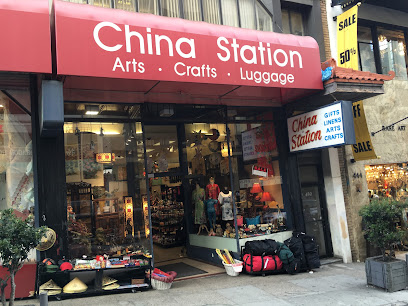
China Station
0.7 km
Explore the authentic treasures of Chinatown at China Station, your go-to gift shop for traditional crafts and unique home goods.
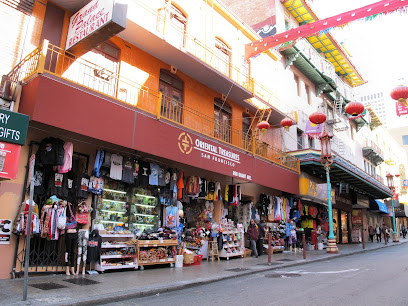
Oriental Treasures San Francisco
0.8 km
Explore a treasure trove of Asian artifacts and unique gifts at Oriental Treasures in San Francisco's enchanting Chinatown.
Essential bars & hidden hideouts

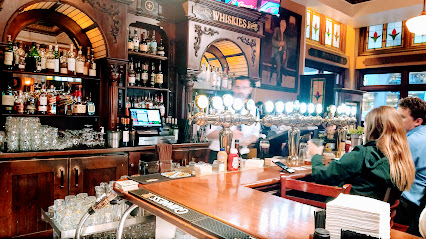
Johnny Foley's Irish House
0.2 km
Discover the heart of Ireland in San Francisco at Johnny Foley's Irish House, where lively music and delicious food create unforgettable moments.
Clock Bar
0.3 km
Discover Clock Bar in Union Square: A chic lounge and restaurant offering exquisite cocktails and delectable bites in the heart of San Francisco.
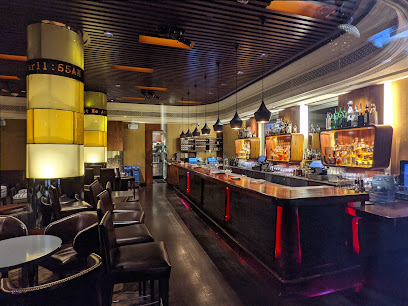
Cityscape
0.3 km
Experience the vibrant nightlife at Cityscape, where stunning views and craft cocktails create an unforgettable bar experience in San Francisco.
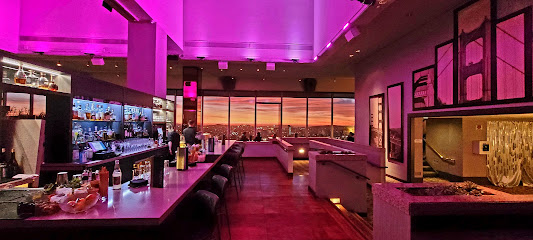
Local Edition
0.5 km
Discover Local Edition, San Francisco's stylish cocktail bar blending innovative drinks and vibrant ambiance for an unforgettable night out.
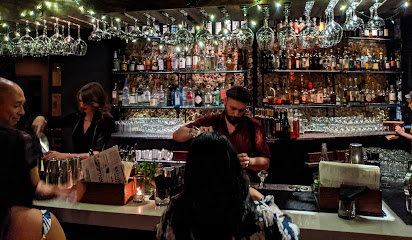
Iron Horse Cocktails
0.5 km
Discover the vibrant atmosphere and innovative cocktails at Iron Horse Cocktails in San Francisco's lively Union Square.
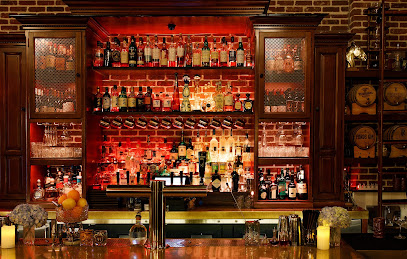
Owl Tree
0.5 km
Discover Owl Tree, San Francisco's cocktail gem known for its cozy ambiance and innovative drinks perfect for any night out.
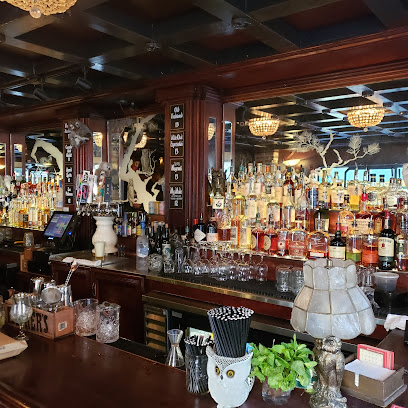
Pacific Cocktail Haven
0.5 km
Discover San Francisco's premier cocktail experience at Pacific Cocktail Haven, where innovative drinks and a vibrant atmosphere await every visitor.
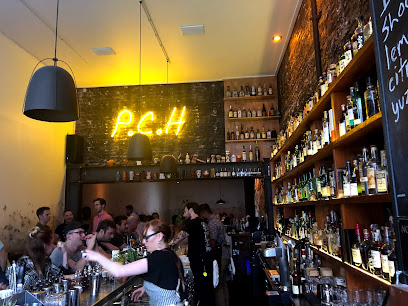
Bourbon & Branch
0.5 km
Discover the speakeasy charm of Bourbon & Branch, where expertly crafted cocktails meet a vibrant San Francisco atmosphere.
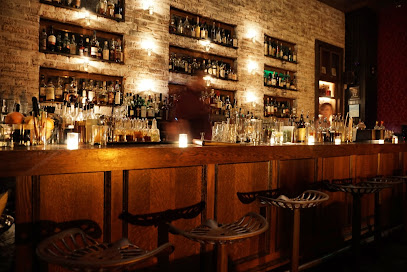
Persona
0.5 km
Discover Persona, San Francisco's stylish cocktail bar offering innovative drinks and a vibrant atmosphere in the heart of Lower Nob Hill.
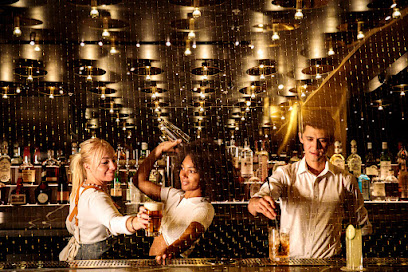
Last Drop Tavern
0.6 km
Discover Last Drop Tavern in San Francisco's Union Square, where delicious New American cuisine meets creative cocktails in a vibrant atmosphere.
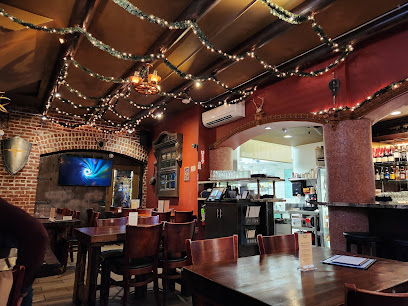
Tunnel Top Lounge and Bar
0.6 km
Discover the vibrant atmosphere of Tunnel Top Lounge and Bar in San Francisco, combining art, cocktails, and a unique lounge experience in Union Square.
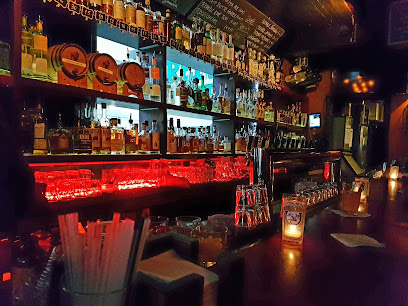
Harlan Records
0.6 km
Discover Harlan Records, the ultimate cocktail bar in San Francisco's Union Square, where exquisite drinks meet an unforgettable vinyl experience.
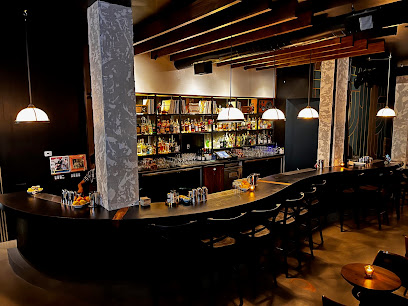
The House Of Shields
0.6 km
Experience the blend of history and vibrant nightlife at The House Of Shields, a must-visit bar in San Francisco's Financial District.
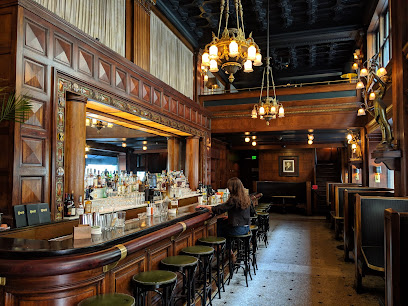
Rickhouse
0.7 km
Experience the vibrant cocktail culture of San Francisco at Rickhouse, where craft meets creativity in a chic bar ambiance.
Rye Cocktail Bar
0.7 km
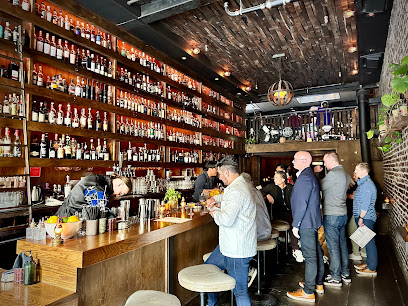
Discover Rye Cocktail Bar in San Francisco, a cocktail haven with expertly mixed drinks and a lively atmosphere perfect for any evening out.