Background

The Flood Building: A San Francisco Icon

Experience San Francisco history at the Flood Building, a Beaux-Arts landmark in Union Square, offering stunning architecture and a glimpse into the city's vibrant past.

4.4

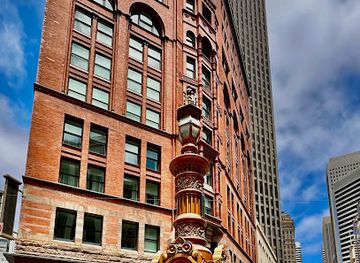
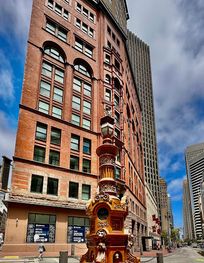
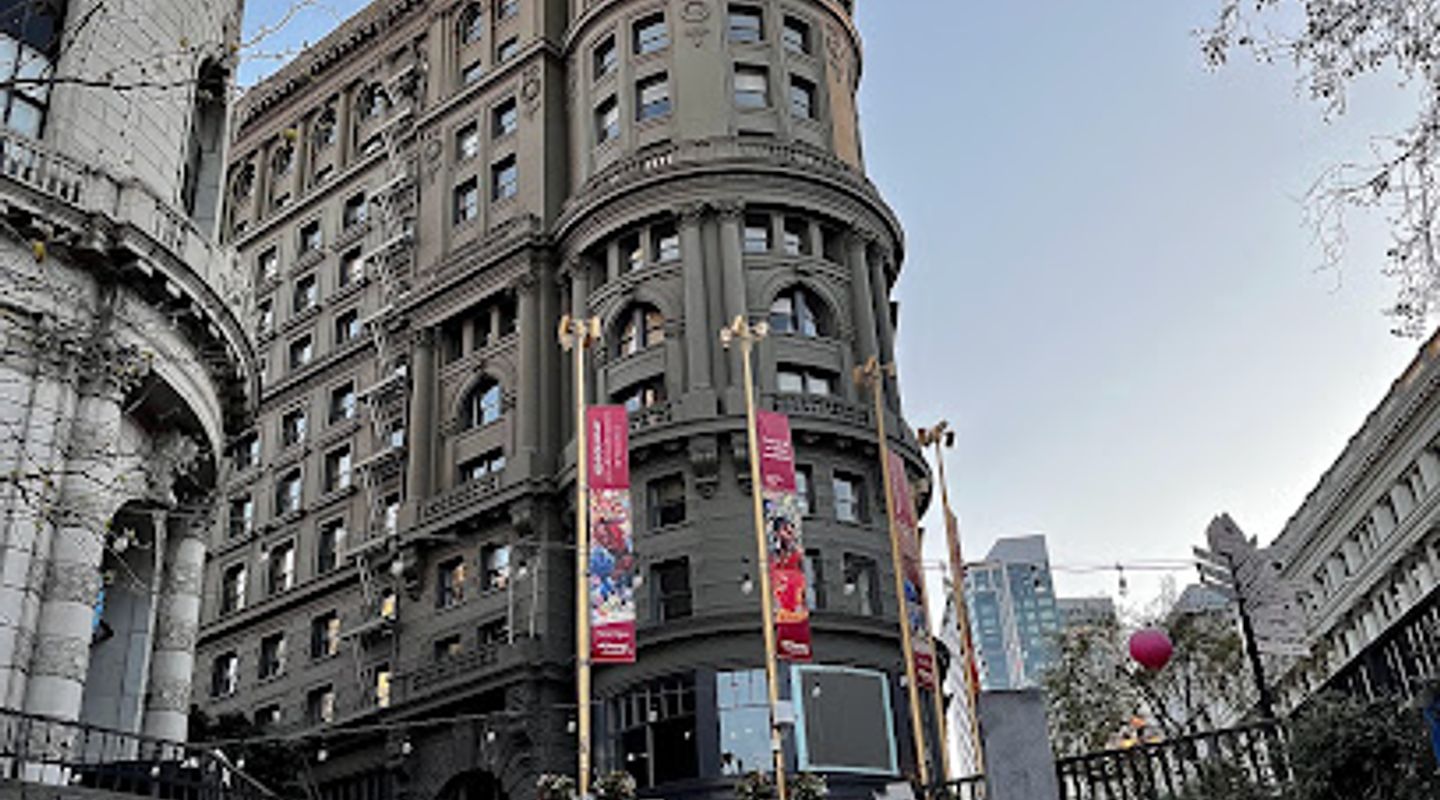
The Flood Building, a Beaux-Arts masterpiece, stands proudly at the bustling intersection of Market and Powell Streets in San Francisco's Union Square. Completed in 1904, it was commissioned by James L. Flood as a tribute to his father, a Comstock Lode millionaire. Designed by architect Albert Pissis, the building remarkably survived the 1906 earthquake and fire, becoming a symbol of the city's resilience. Its elegant sandstone facade, intricate ornamentation, and prime location make it a captivating landmark. Today, the Flood Building continues to serve as a prestigious address for diverse businesses and retail, blending historic charm with modern functionality, offering a glimpse into San Francisco's vibrant past and present.

A brief summary to Flood Building

Local tips

  • Explore the lobby's architectural details, including the marble floors, walls, and carved wood stair rails, for a glimpse into early San Francisco elegance.
  • Visit during the holiday season to see the lobby's festive decorations, including a large Christmas tree and twinkling lights.
  • Take a ride in the old-fashioned elevators and imagine the building's history as you ascend to the upper floors.
widget icon

Getting There

  • Public Transport

    The Flood Building is directly adjacent to the Powell Street BART and MUNI station, making it easily accessible from anywhere in the city. From the station, exit onto Market Street and the building is right there. A single ride on BART within San Francisco costs between $2.10 and $4.05 depending on the distance. MUNI fares are $2.50 per ride.

  • Walking

    From Union Square, walk south along Powell Street towards Market Street. The Flood Building is located on the southeast corner of the intersection, a short walk from the square. The walk is mostly flat and takes only a few minutes.

  • Taxi/Ride-Share

    Taxis and ride-sharing services can drop you off directly in front of the Flood Building on Market Street. Be aware that Market Street can be congested, especially during peak hours. A short ride from Fisherman's Wharf will typically cost $15-$25, depending on traffic.

  • Driving

    Driving directly to the Flood Building is possible, but parking in the immediate vicinity is limited and can be expensive. There is no on-site parking. The Ellis-O'Farrell Garage is nearby and offers paid hourly parking. Rates typically range from $4-$8 per hour. Consider parking in a nearby garage and walking the final few blocks.

Unlock the Best of Flood Building

Buy tickets

    No tickets available

Book tours with entry

    No tours available

Book tours without entry

    No tours available

Discover more about Flood Building

The Flood Building, a registered San Francisco Landmark, commands attention at the corner of Powell and Market Streets, a vibrant hub in the heart of Union Square. This Beaux-Arts structure, completed in 1904, is more than just a building; it's a testament to San Francisco's history, resilience, and architectural grandeur. Commissioned by James L. Flood, son of Comstock Lode magnate James Clair Flood, the building was designed by renowned architect Albert Pissis. Pissis, known for his contributions to San Francisco's skyline, created a twelve-story masterpiece that originally cost $1.5 million. At the time of its completion, it was the largest building in San Francisco, a symbol of the city's burgeoning prosperity. The Flood Building's location is steeped in history. Prior to its construction, the site was occupied by Baldwin's Hotel and Theatre, a lavish establishment that tragically burned down in 1898. James L. Flood acquired the property and envisioned a grand structure that would not only serve as a commercial hub but also stand as a tribute to his father's legacy. The building's most remarkable feat is its survival of the devastating 1906 earthquake and subsequent fire. While much of San Francisco was reduced to rubble, the Flood Building stood firm, a beacon of hope amidst the destruction. This resilience solidified its place in the city's collective memory and cemented its status as an icon. The Flood Building's architectural details are a feast for the eyes. The Colusa sandstone facade exudes elegance, while the intricate windows and ornamentation add to its grandeur. The building's design reflects the Beaux-Arts style, characterized by its symmetry, classical elements, and opulent detailing. The lobby, with its imported marble floors, walls, columns, and carved wood stair rails, evokes the early San Francisco elegance. Over the years, the Flood Building has served various purposes. From 1907 to 1917, it housed the headquarters of the Southern Pacific Railroad. Later, it transitioned into a medical center until the 1940s. Longtime San Franciscans fondly remember it as the home of Woolworths Department Store, a beloved five-and-dime that occupied the basement and first two floors until 1996. Today, the Flood Building continues its original function as an elegant address for businesses of all kinds. It houses over 225 diverse tenants, including major retail brands, professional service firms, nonprofits, and consulates. The building's blend of historic charm and modern amenities makes it an ideal environment for a wide range of users. Stepping inside the Flood Building is like stepping back in time. The bank of old-fashioned elevators, with their indicator lights, adds to the building's unique character. The hallways, though slightly austere, whisper tales of the past. It's easy to imagine the Pinkerton detectives, including Dashiell Hammett, who once had their offices on the third floor. The Flood Building's location in Union Square places it at the heart of San Francisco's shopping, theater, and hotel district. The area is a bustling mix of locals and tourists, creating a vibrant and dynamic atmosphere. Its proximity to public transportation, including BART, MUNI, and the Powell Street cable car line, makes it easily accessible from all parts of the city. The Flood Building stands as a testament to San Francisco's enduring spirit. It has witnessed the city's growth, survived its trials, and continues to thrive as a vital part of its urban fabric. Whether you're admiring its architecture, exploring its shops, or simply passing by, the Flood Building is sure to leave a lasting impression. The Flood Building remains in the ownership of the Flood family, a testament to their enduring legacy in San Francisco. The building has undergone renovations to maintain its structural integrity and aesthetic appeal. These renovations have carefully preserved the building's historic character while incorporating modern amenities. The Flood Building is more than just a building; it's a living piece of San Francisco history. Its story is intertwined with the city's own, reflecting its triumphs and tribulations. It's a place where the past and present converge, creating a unique and unforgettable experience for all who encounter it. Visiting the Flood Building is a must for anyone interested in San Francisco's history, architecture, or culture. It's a place where you can step back in time, admire the craftsmanship of a bygone era, and appreciate the enduring spirit of the city. The Flood Building's architectural significance has been recognized with awards of merit from San Francisco Heritage and the California Chapter of the AIA. These awards acknowledge the careful restoration and preservation of the building's historic features. The Flood Building's location near Union Square makes it a convenient starting point for exploring other San Francisco attractions. Nearby landmarks include the cable car turnaround, the Westfield San Francisco Centre, and numerous theaters, restaurants, and shops. The Flood Building is a microcosm of San Francisco, housing diverse tenants from all over the globe. This diversity reflects the city's own multicultural character and adds to the building's vibrant atmosphere. The Flood Building's story is a reminder of the importance of preserving our architectural heritage. It's a testament to the vision of its creators and the resilience of the city it calls home. It stands as a symbol of San Francisco's past, present, and future.

Popular Experiences near Flood Building

Popular Hotels near Flood Building

Select Currency