743 Washington Street: A Chinatown Landmark
Explore the historic 743 Washington Street in San Francisco's Chinatown, once the Chinese Telephone Exchange, a landmark blending Eastern architecture and community heritage.
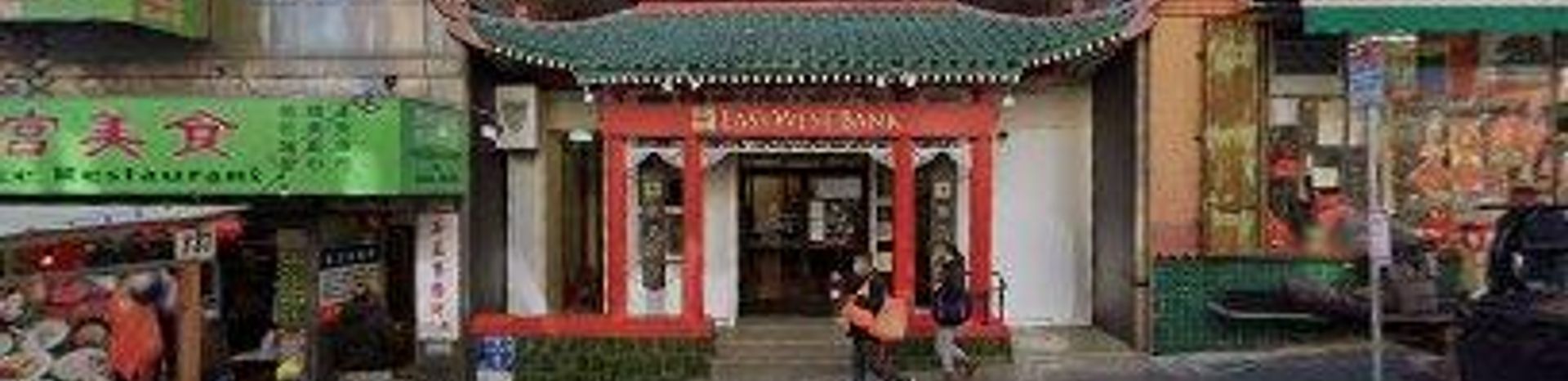
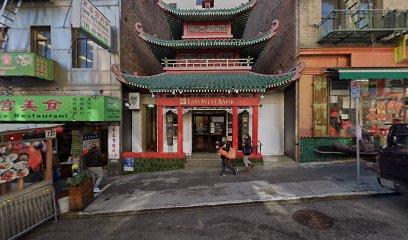
743 Washington Street in San Francisco's Chinatown is more than just an address; it's a journey through time. Originally the site of San Francisco's first newspaper, the California Star, it transformed into the Chinese Telephone Exchange in 1909, a vital communication hub for the community. The pagoda-style building, now home to a bank, stands as a testament to Chinatown's resilience and architectural ingenuity. It represents a blend of Eastern and Western styles, reflecting the neighborhood's unique cultural identity. A visit offers a glimpse into the history of Chinese Americans and the evolution of San Francisco itself. Explore this iconic structure and discover the stories etched into its walls, connecting you to the past and present of this vibrant neighborhood.
A brief summary to 743 Washington St
- 743 Washington St, San Francisco, Chinatown, California, 94108, US
Local tips
- Admire the building's pagoda-style architecture, a unique blend of Eastern and Western design, reflecting Chinatown's cultural identity.
- Visit the Chinese Historical Society of America Museum nearby to learn more about the history of Chinese Americans in San Francisco.
- Explore Portsmouth Square, known as "Chinatown's Living Room," to witness the daily life and community spirit of the neighborhood.

Getting There
-
Public Transport
The Chinatown-Rose Pak Station, served by the Muni Metro T Third Street line, is conveniently located at the southwest corner of Stockton and Washington streets, a short walk from 743 Washington Street. Several bus lines, including the 1, 8, 30, and 45, also stop near the intersection of Washington and Stockton Streets. A single ride on Muni costs $2.50, payable with a Clipper card or the MuniMobile app.
-
Cable Car
Take the California Street Cable Car line to the California and Grant stop. From there, walk one block north on Grant Avenue to Washington Street, then turn right. 743 Washington Street will be on your left. A single ride on the cable car costs $8.
-
Walking
From the Dragon Gate at Grant Avenue and Bush Street, walk north on Grant Avenue for approximately four blocks to Washington Street. Turn right onto Washington Street, and 743 Washington Street will be immediately on your left. This is a relatively flat walk and takes about 5-10 minutes.
-
Taxi/Ride-Share
Request a taxi or ride-share to 743 Washington Street, San Francisco. Be aware that traffic in Chinatown can be congested, especially during peak hours. A short ride from Union Square or the Financial District will typically cost between $15-$20, depending on traffic and surge pricing.
-
Driving
Driving directly to 743 Washington Street is possible, but parking in Chinatown can be challenging and expensive. Street parking is limited to 2 hours and metered parking rates vary. Several parking garages are located nearby, including the Portsmouth Square Garage (733 Kearny Street) and the Sutter Stockton Garage (444 Stockton Street). Hourly rates typically range from $4-$6, with daily maximums around $30-$36. Be aware of residential parking restrictions in the area.
Discover more about 743 Washington St
Iconic landmarks you can’t miss

743 Washington St
0.0 km
Explore the unique architectural beauty and cultural richness of 743 Washington St in San Francisco's vibrant Chinatown district.
Chinatown Flags Street
0.1 km
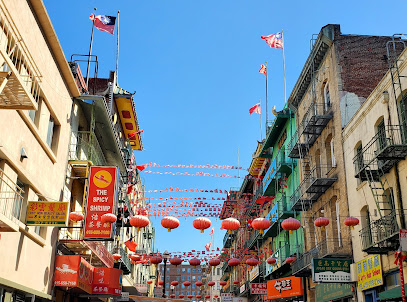
Discover the soul of San Francisco's Chinatown on Waverly Place, the 'Street of Painted Balconies,' a vibrant alleyway steeped in history, culture, and the enduring spirit of its community.
Chinatown Hero's Mural
0.1 km
Discover the Chinatown Hero's Mural in San Francisco, a vibrant tribute to Asian American leaders and a powerful symbol of community resilience and advocacy in historic Chinatown.
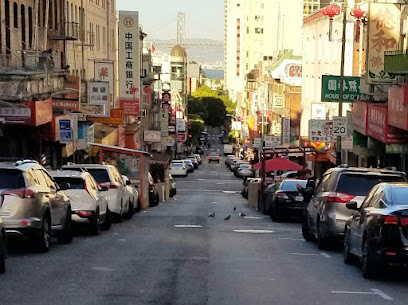
California Historical Landmark 192: Site of the Jenny Lind Theatre and San Francisco City Hall
0.2 km
Discover the site of San Francisco's first grand theatre and early City Hall, a landmark that echoes the city's Gold Rush ambition and resilience in the heart of the Financial District.
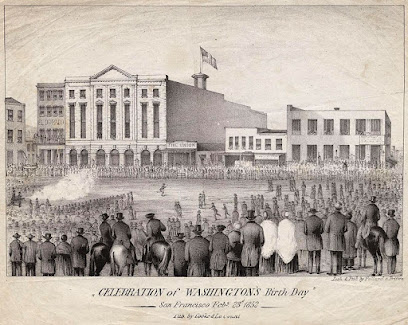
751 Commercial St
0.2 km
Explore the vibrant culture and rich history of San Francisco's Chinatown at 751 Commercial Street, a must-visit destination for every traveler.
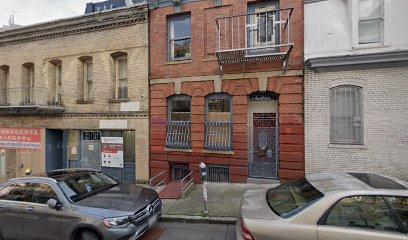
Stockton St
0.2 km
Discover the cultural richness and culinary delights of Stockton Street in San Francisco, a vibrant thoroughfare that captures the city's diverse spirit.
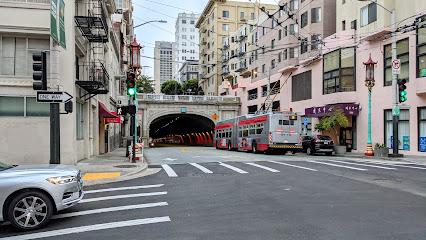
Sentinel Building
0.2 km
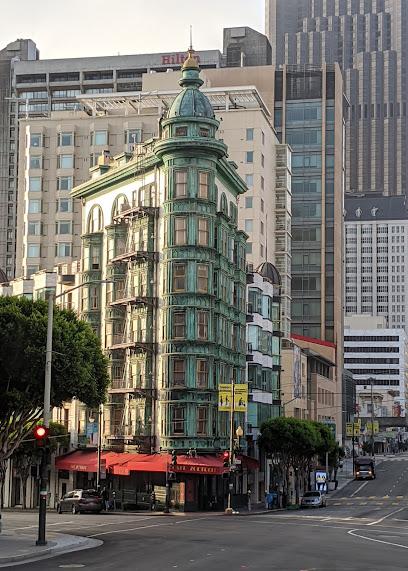
Discover the Sentinel Building, a historic landmark in San Francisco's North Beach, blending architectural beauty with rich cultural history.
Viewpoint
0.3 km
Discover the historic Old St. Mary's Cathedral in San Francisco's Chinatown: a resilient landmark blending Gothic Revival architecture with a vibrant cultural legacy since 1854.
Chinese Historical Society of America Museum
0.3 km
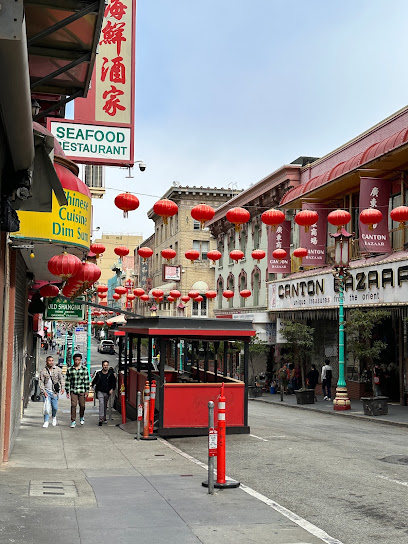
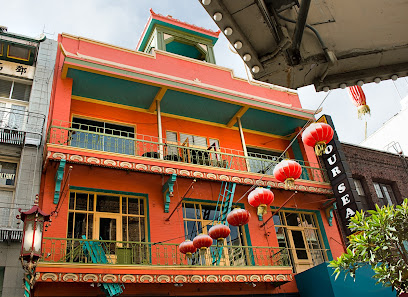
Discover the vibrant history and cultural legacy of Chinese Americans at the Chinese Historical Society of America Museum in San Francisco.
California Historical Landmark 87: Site of First United States Mint in California
0.3 km
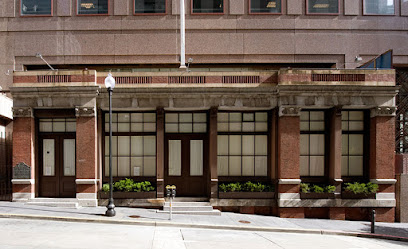
Explore the historical significance of California's First United States Mint site, a cornerstone of America's financial heritage in vibrant San Francisco.
San Francisco Historical Society
0.3 km
Explore San Francisco's captivating past at the San Francisco Historical Society: exhibits, walking tours, and publications bring the city's rich history to life in the heart of downtown.
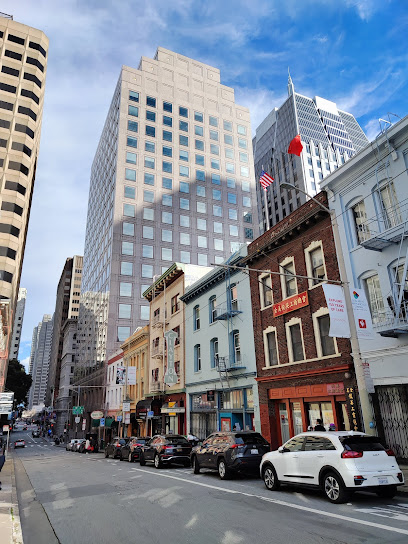
California Historical Landmark 819: Hudson's Bay Company
0.3 km
Discover the rich history of Hudson's Bay Company, a pivotal landmark in San Francisco's Chinatown, reflecting the city's vibrant past and cultural diversity.
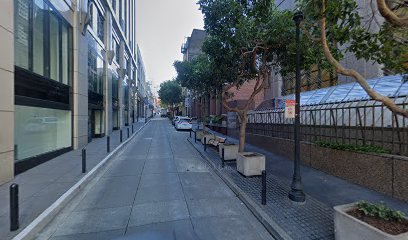
0 Jack Kerouac Alley
0.3 km
Explore Jack Kerouac Alley, a vibrant tribute to the Beat Generation in San Francisco's Chinatown, filled with art and literary history.
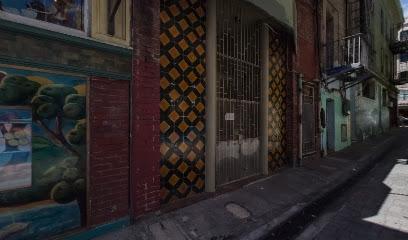
Chinatown view point
0.3 km
Discover panoramic views of San Francisco's historic Chinatown from this unique vantage point, offering a glimpse into the heart of this vibrant cultural enclave.
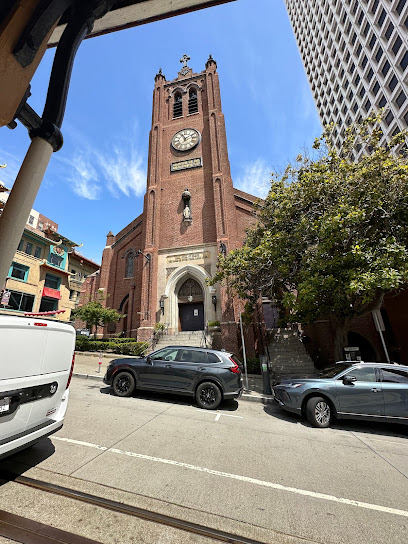
California Historical Landmark 81: Landing Place of Captain J. B. Montgomery
0.3 km
Discover the historic landing site of Captain J. B. Montgomery in San Francisco, a key location in the Gold Rush narrative at California Historical Landmark 81.
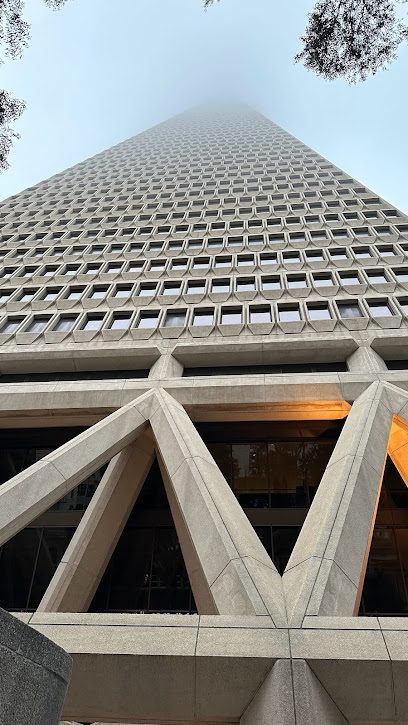
Unmissable attractions to see

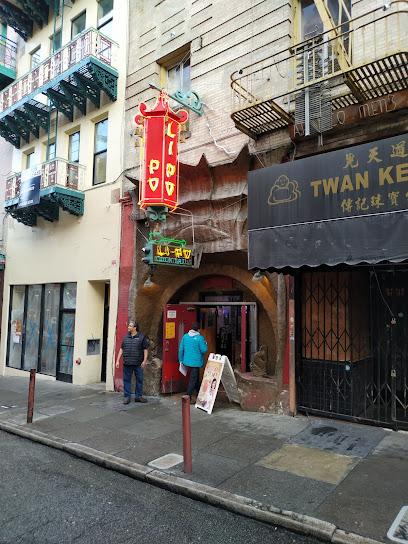
Li Po Cocktail Lounge
0.0 km
Discover the iconic Li Po Cocktail Lounge in San Francisco's Chinatown, famous for its Chinese Mai Tai and vibrant nightlife.
Tin How Temple
0.1 km
Discover tranquility at Tin How Temple, the oldest Taoist temple in San Francisco's vibrant Chinatown, and immerse yourself in rich cultural traditions.

Portsmouth Square
0.1 km
Explore the historical charm of Portsmouth Square, a serene park nestled in the heart of San Francisco's vibrant Chinatown.

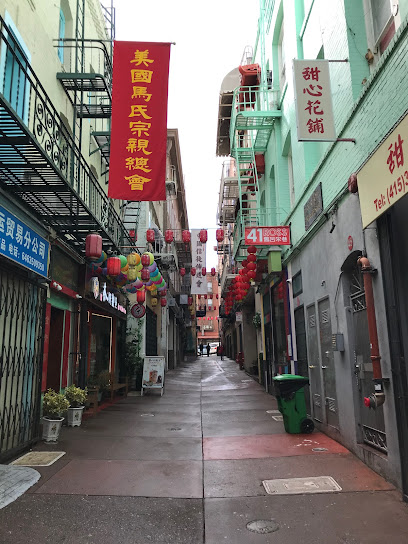
Ross Alley Lanterns
0.1 km
Discover the enchanting glow of colorful lanterns in San Francisco's Chinatown, a cultural gem offering a peaceful escape.
Terracotta Warriors Mural
0.1 km
Discover the rich history and artistry of the Terracotta Warriors Mural, a vibrant cultural gem in San Francisco's Chinatown.

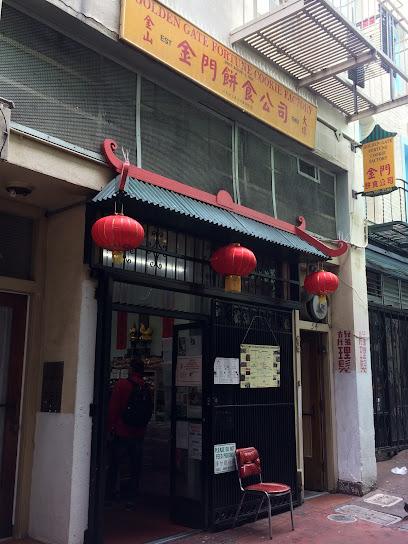
Golden Gate Fortune Cookie Factory
0.1 km
Explore the Golden Gate Fortune Cookie Factory in Chinatown, a delightful experience of making and tasting fortune cookies in San Francisco.
Chinatown
0.1 km
Discover the rich culture, authentic cuisine, and vibrant atmosphere of San Francisco's historic Chinatown, a unique blend of tradition and modernity.
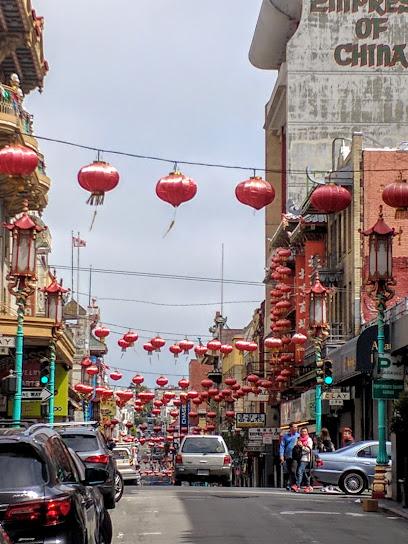
Hang Ah Lanterns
0.2 km
Experience the vibrant artistry of Hang Ah Lanterns in San Francisco's Chinatown, where colorful traditions illuminate a historic neighborhood.
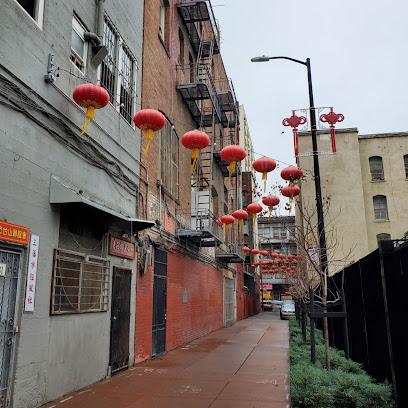
Journey To The West Mural
0.2 km
Explore the captivating Journey to the West Mural in San Francisco's Chinatown, a vibrant celebration of Chinese folklore and artistry.
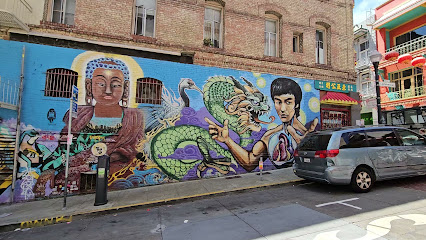
Chinatown San Francisco
0.2 km
Explore North America's oldest Chinatown in San Francisco: a vibrant cultural hub with historic temples, bustling markets, and authentic cuisine.
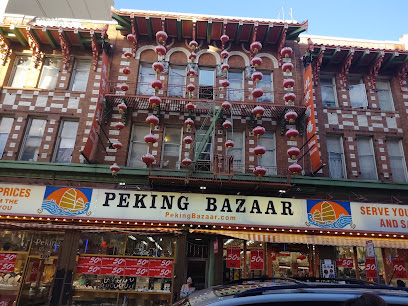
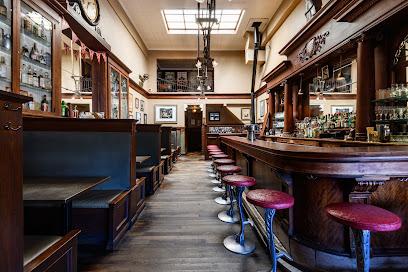
Comstock Saloon
0.2 km
Discover the charm of Comstock Saloon, a historic cocktail bar and restaurant in San Francisco's vibrant Chinatown, offering classic drinks and delectable cuisine.
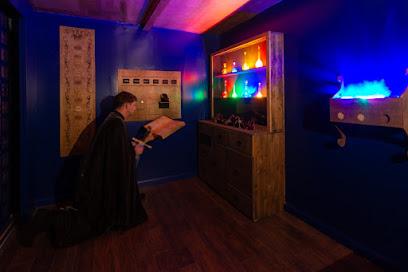
EscapeSF
0.2 km
Experience the thrill of adventure at EscapeSF, San Francisco's top escape room center, where teams solve puzzles and unravel mysteries in immersive settings.
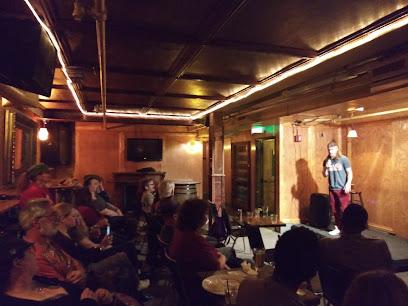
The Purple Onion at Kells
0.3 km
Discover San Francisco's vibrant performing arts scene at The Purple Onion at Kells, a historic venue offering captivating live performances.
Essential places to dine

Empress by Boon
0.0 km
Experience authentic Cantonese cuisine at Empress by Boon in San Francisco's vibrant Chinatown—where tradition meets culinary excellence.
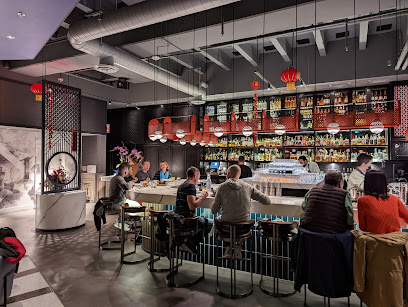
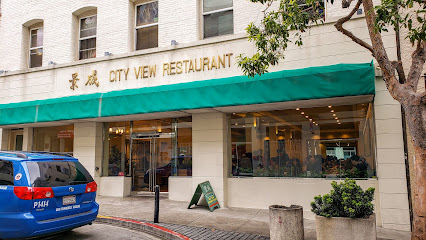
City View Restaurant
0.0 km
Experience authentic Cantonese cuisine at City View Restaurant in San Francisco's vibrant Chinatown with stunning city views.
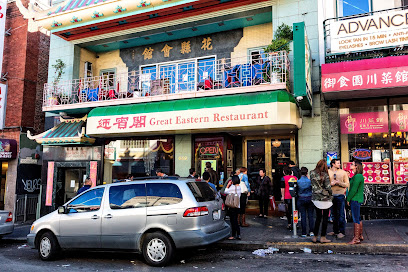
Great Eastern Restaurant
0.1 km
Experience authentic Chinese cuisine at Great Eastern Restaurant in San Francisco's vibrant Chinatown—home to exquisite dim sum and fresh seafood delights.
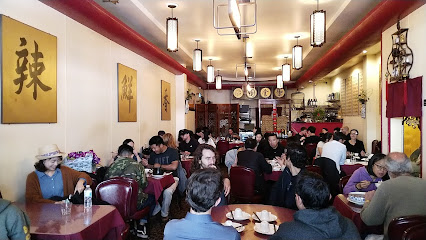
Z & Y Restaurant
0.1 km
Experience authentic Chinese flavors at Z & Y Restaurant in San Francisco's vibrant Chinatown—delicious dishes await every food lover.
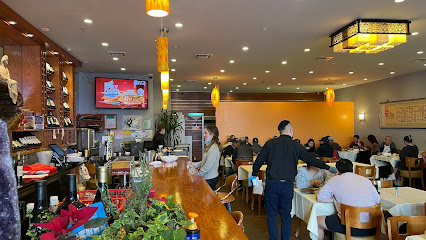
Begoni Bistro
0.1 km
Experience authentic Chinese cuisine at Begoni Bistro in San Francisco's historic Chinatown - a delightful culinary journey awaits!
New Lun Ting Cafe
0.1 km
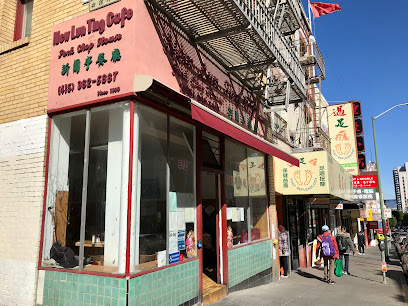
Discover New Lun Ting Cafe: A Hidden Gem in San Francisco's Chinatown Offering Authentic Chinese Cuisine at Affordable Prices.
Bund Shanghai Restaurant
0.1 km
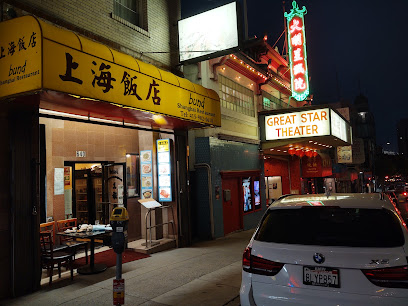
Experience authentic Shanghainese cuisine in San Francisco's vibrant Chinatown at Bund Shanghai Restaurant.
FUSION DUMPLING
0.1 km
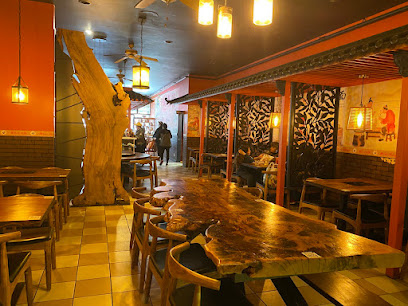
Discover authentic flavors at Fusion Dumpling in San Francisco's Chinatown—your destination for exquisite dim sum, hot pot, and noodle dishes.
Mister Jiu's
0.1 km
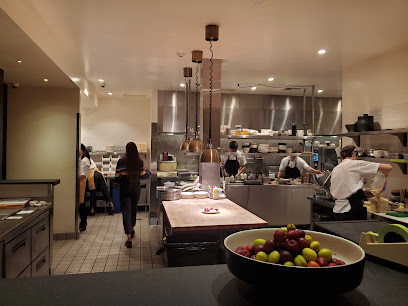
Discover Mister Jiu's in Chinatown: Where traditional Chinese flavors meet modern culinary artistry in an unforgettable dining experience.
House of Nanking
0.2 km
Discover authentic Chinese flavors at House of Nanking in San Francisco's vibrant Chinatown—a family-friendly dining experience not to be missed!
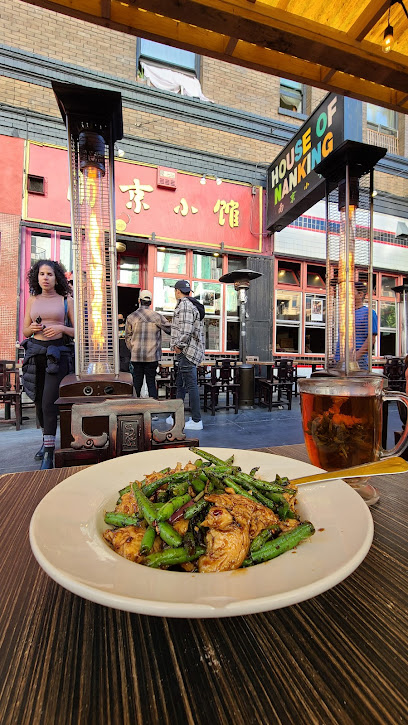
Trestle Restaurant
0.2 km
Experience the best of American and Italian cuisine at Trestle Restaurant in the heart of San Francisco's iconic Chinatown.
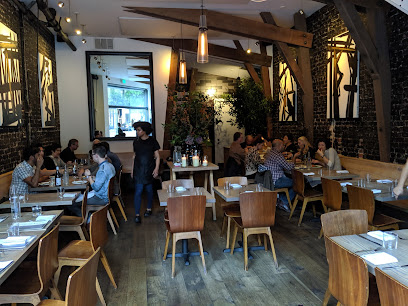
Tosca Cafe
0.3 km
Experience the rich flavors of Italy at Tosca Cafe in San Francisco's historic North Beach district—where tradition meets modern dining.
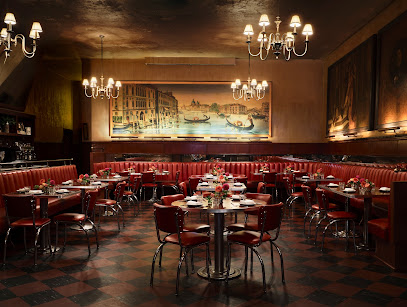
Bix
0.4 km
Experience exquisite American cuisine paired with live jazz in San Francisco's elegant Bix restaurant - where fine dining meets vibrant nightlife.
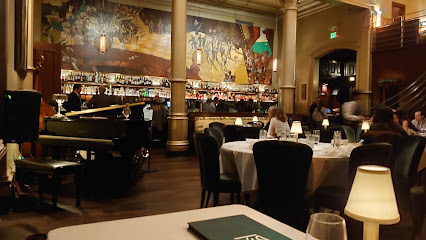
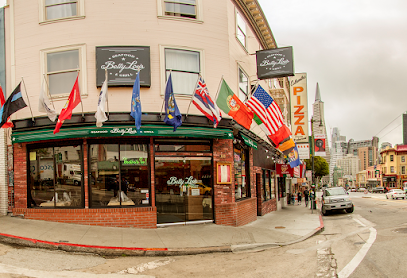
Betty Lou's Seafood & Grill
0.4 km
Experience culinary delight at Betty Lou's Seafood & Grill - where fresh seafood meets Italian flair in San Francisco’s North Beach.
Quince
0.4 km
Experience the pinnacle of Italian fine dining at Quince in San Francisco's historic Jackson Square with exquisite dishes and exceptional service.

Markets, malls and hidden boutiques

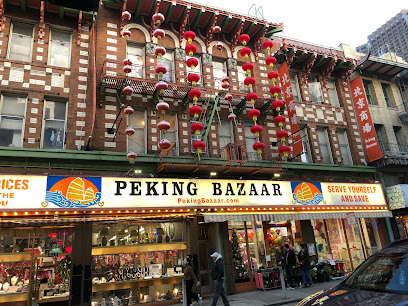
Peking Bazaar
0.1 km
Explore the charm of Chinatown with unique gifts and authentic souvenirs at Peking Bazaar, a must-visit destination in San Francisco.
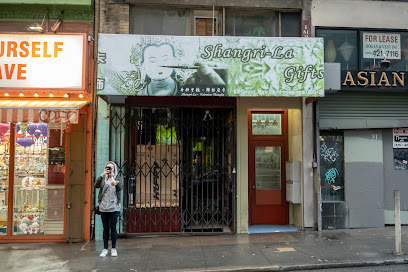
Shangri La Gifts
0.1 km
Explore Shangri La Gifts in San Francisco's Chinatown for unique treasures and a taste of local craftsmanship that captures the city's vibrant culture.
Yat On Gift Shop
0.1 km
Explore the vibrant Yat On Gift Shop in San Francisco's Chinatown for unique gifts and authentic Asian treasures that celebrate the city's rich cultural heritage.
Souvenir Shop
0.1 km
Discover unique treasures in Chinatown's Souvenir Shop, offering a blend of traditional and modern keepsakes for every traveler.
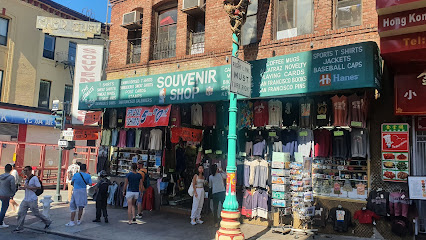
Jing Ying Gift Shop inc
0.1 km
Explore Jing Ying Gift Shop in San Francisco's Chinatown for unique gifts and authentic souvenirs that capture the essence of Chinese culture.
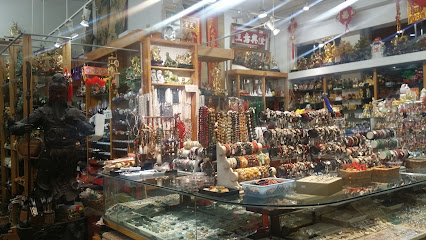
Up & Up Gift Shop
0.1 km
Explore Up & Up Gift Shop in San Francisco's Chinatown for unique gifts and souvenirs that embody the city's rich culture and charm.
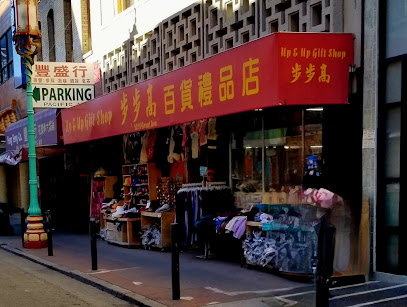
Unique Variety
0.2 km
Explore Unique Variety in San Francisco's Chinatown for authentic souvenirs and cultural treasures that embody the city's vibrant spirit.
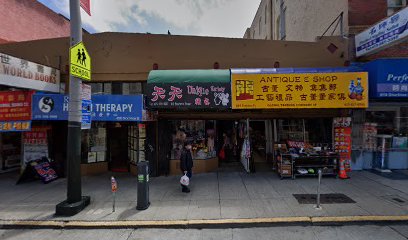
Canton Bazaar
0.2 km
Discover unique treasures at Canton Bazaar, a vibrant gift shop in San Francisco's Chinatown, perfect for authentic souvenirs and cultural finds.
Old Shanghai
0.2 km
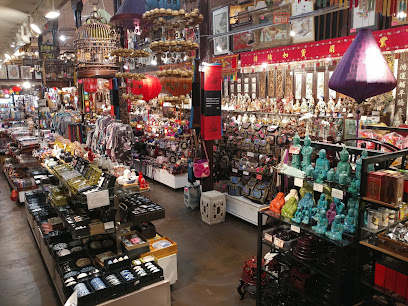
Explore Old Shanghai in San Francisco's Chinatown for unique gifts and authentic decor that capture the essence of the exotic Orient.
Good View Trading Co
0.4 km
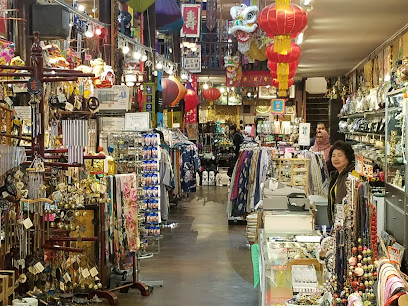
Explore the eclectic and unique offerings at Good View Trading Co, an essential stop for tourists in San Francisco's North Beach.
Oriental Treasures San Francisco
0.4 km
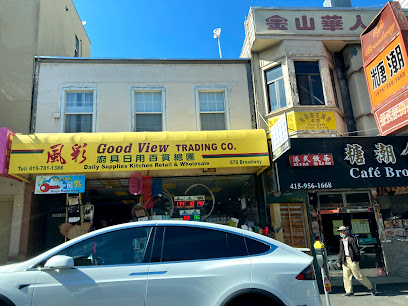
Explore a treasure trove of Asian artifacts and unique gifts at Oriental Treasures in San Francisco's enchanting Chinatown.
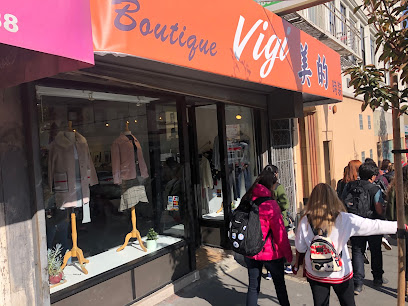
Vigi Boutique
0.4 km
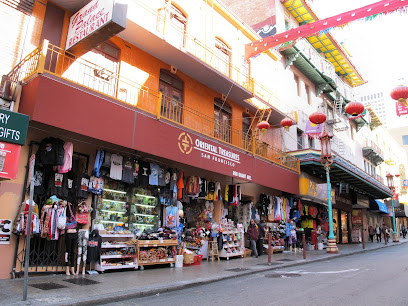
Explore Vigi Boutique in San Francisco's North Beach for unique gifts and stylish apparel that capture the city's vibrant spirit.
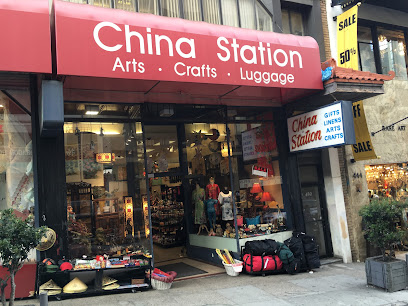
China Station
0.4 km
Explore the authentic treasures of Chinatown at China Station, your go-to gift shop for traditional crafts and unique home goods.
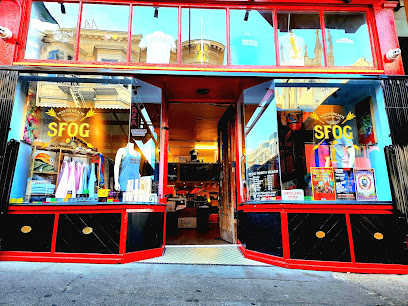
SFOG North Beach
0.5 km
Explore SFOG North Beach for unique clothing styles that embody the vibrant culture of San Francisco's North Beach district.
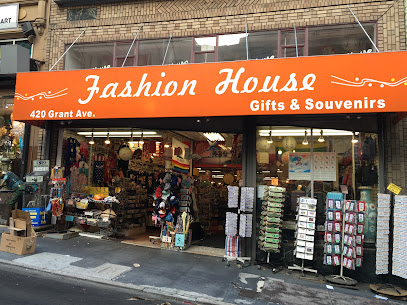
Fashion House & Gifts
0.5 km
Explore the vibrant treasures of Fashion House & Gifts in San Francisco's Chinatown—unique gifts and souvenirs that celebrate the city's culture.
Essential bars & hidden hideouts

CHI Lounge
0.1 km
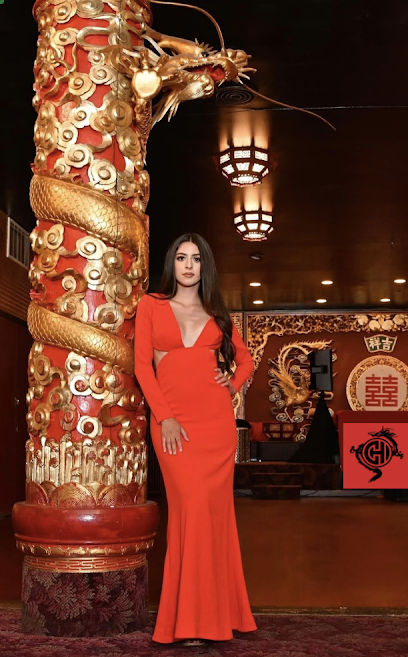
Discover CHI Lounge in San Francisco's Chinatown for an unforgettable night of live music, dancing, and vibrant cocktails.
Lion's Den Lounge and Bar
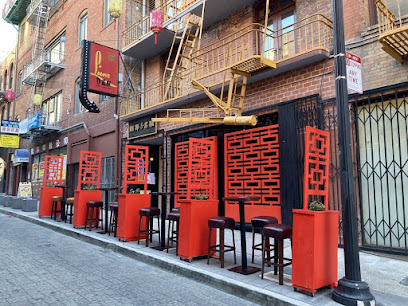
0.1 km
Discover the pulse of San Francisco's nightlife at Lion's Den Lounge and Bar, where live music and DJ services create unforgettable evenings.
Red's Place
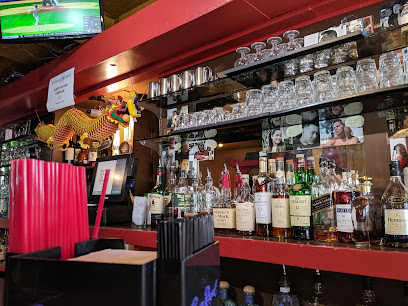
0.1 km
Discover Red's Place in San Francisco's Chinatown - a cocktail bar with a welcoming vibe and innovative drinks to elevate your nightlife experience.
Moongate Lounge
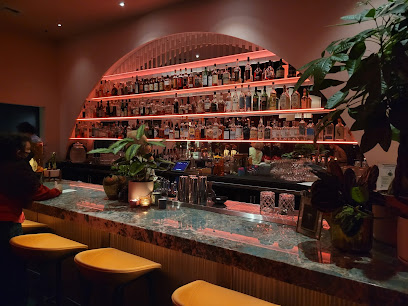
0.2 km
Discover the vibrant atmosphere of Moongate Lounge in San Francisco's Chinatown, where cocktails and Chinese cuisine blend seamlessly for a unique experience.
Mr Bing's
0.2 km
Experience the vibrant cocktail culture at Mr Bing's, a must-visit bar in the heart of San Francisco's Chinatown.
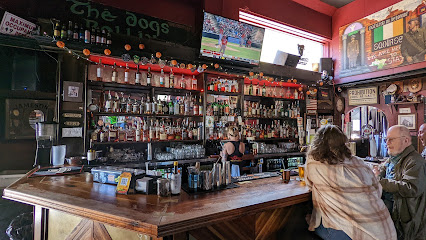
Bow Bow Cocktail Lounge
0.3 km
Discover Bow Bow Cocktail Lounge in Chinatown, where creative cocktails meet a cozy atmosphere for an unforgettable night out in San Francisco.
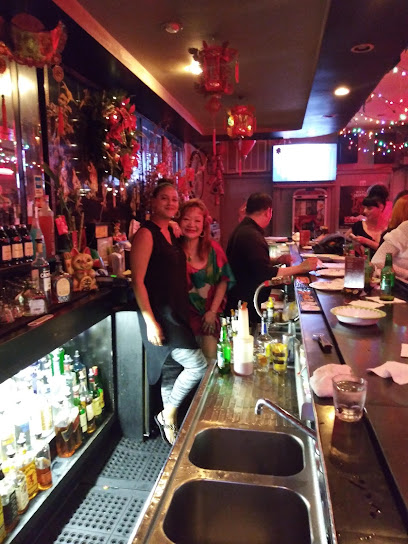
718
0.3 km
Discover the unique flavors and vibrant atmosphere at 718 Lounge in San Francisco's historic Chinatown, where craft cocktails and Asian cuisine meet.
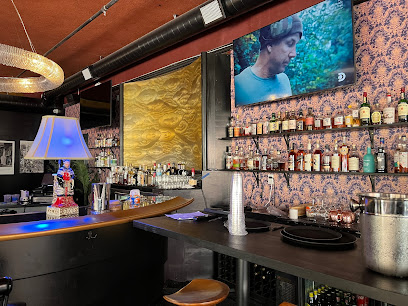
The Devil's Acre
0.3 km
Discover the charm of The Devil's Acre, a cocktail bar in North Beach, San Francisco, where exquisite drinks meet a vintage-inspired atmosphere.
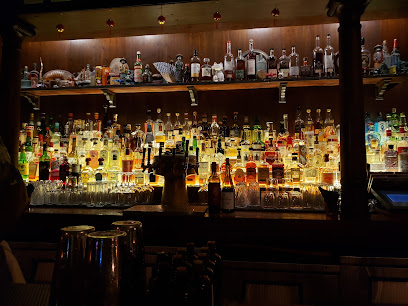
Cold Drinks Bar
0.3 km
Experience the best cocktails in North Beach at Cold Drinks Bar, where creativity meets flavor in a stylish atmosphere.
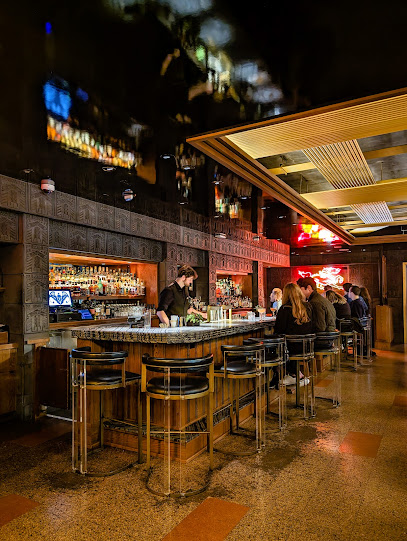
15 Romolo
0.4 km
Experience the best of San Francisco's cocktail culture at 15 Romolo, a cozy bar offering innovative drinks and delicious tapas in North Beach.
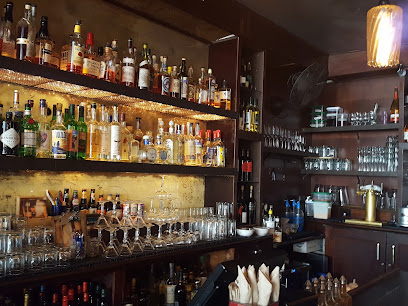
The Saloon
0.4 km
Experience the lively spirit of San Francisco at The Saloon, North Beach's oldest bar, featuring live music and a welcoming atmosphere.
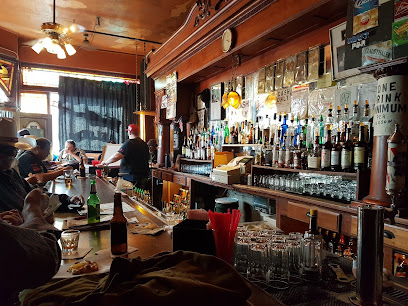
The Showdown
0.4 km
Discover the vibrant nightlife at The Showdown, a perfect blend of beer hall and casual dive bar in San Francisco’s North Beach.
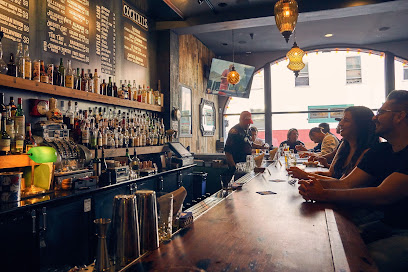
Maggie McGarry's
0.5 km
Discover the vibrant spirit of Irish culture at Maggie McGarry's, a beloved pub in San Francisco's North Beach, offering delicious food and lively entertainment.
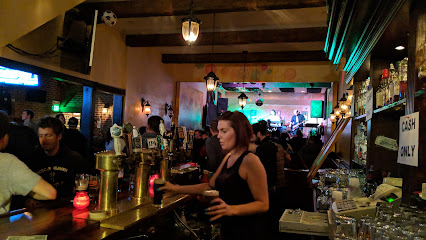
Gino & Carlo
0.5 km
Experience the lively spirit of San Francisco at Gino & Carlo, a sports bar in North Beach known for its friendly atmosphere and diverse drink selection.
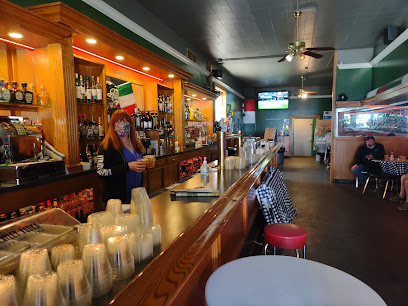
Rickhouse
0.5 km
Experience the vibrant cocktail culture of San Francisco at Rickhouse, where craft meets creativity in a chic bar ambiance.
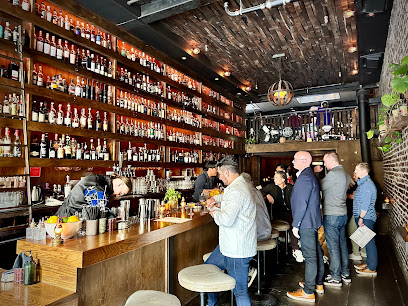
Nightclubs & after hour spots

Monroe SF
0.3 km
Discover the electrifying nightlife of Monroe SF, where handcrafted cocktails and vibrant music create unforgettable evenings in San Francisco's North Beach.
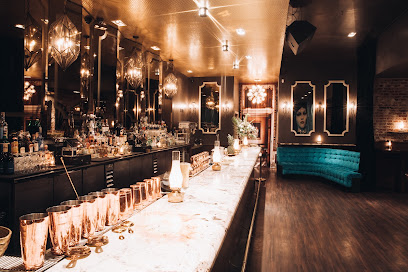
Vanity San Francisco
0.4 km
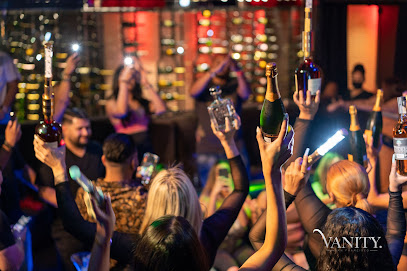
Discover the allure of Vanity San Francisco - a premier night club featuring live performances, cabaret shows, and an electric nightlife atmosphere.
Club Fugazi Experiences
0.6 km
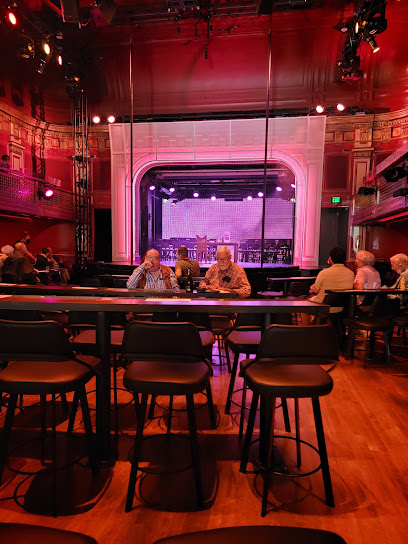
Discover the vibrant fusion of circus, live music, and dining at Club Fugazi in San Francisco's North Beach, where unforgettable experiences await.
Hawthorn SF Nightclub and Lounge
0.8 km
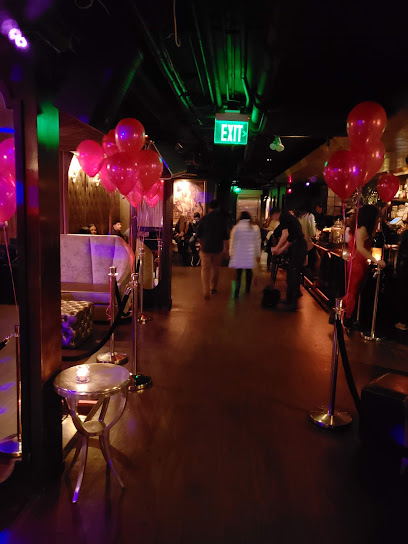
Discover Hawthorn SF Nightclub and Lounge - the premier nightlife destination in Union Square, San Francisco, where unforgettable nights await.
Sam's Cable Car Lounge
0.9 km
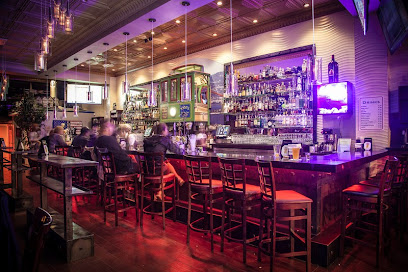
Experience the vibrant atmosphere of Sam's Cable Car Lounge - your perfect getaway in San Francisco's Union Square for drinks, food, and fun.
Harlot
1.0 km
Experience the chic ambiance of Harlot in SoMa, San Francisco's premier lounge and cocktail bar, perfect for any occasion.
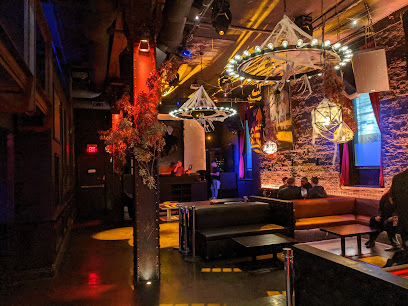
Temple Nightclub San Francisco
1.1 km
Discover the electrifying atmosphere of Temple Nightclub in San Francisco - a premier destination for nightlife, dancing, and unforgettable memories.
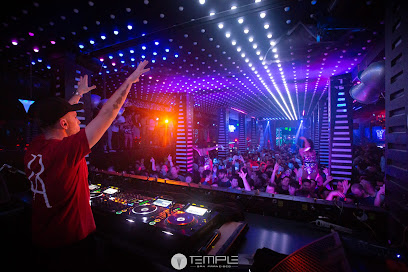
Carbon
1.3 km
Discover the vibrant nightlife at Carbon Lounge in San Francisco’s North Beach, offering stylish ambiance and a diverse drink selection.
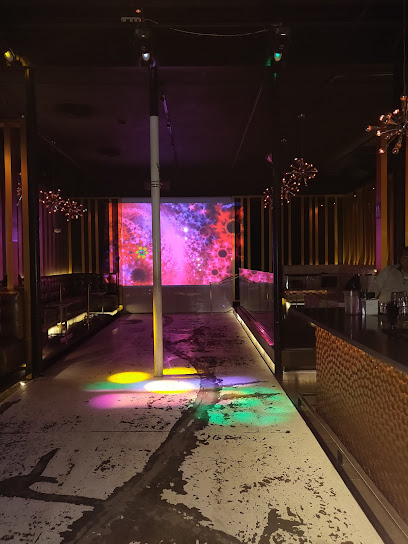
Rouge Night Club
1.4 km
Discover the pulsating nightlife at Rouge Night Club in San Francisco's Polk Gulch, where music, dance, and fun collide in a vibrant atmosphere.
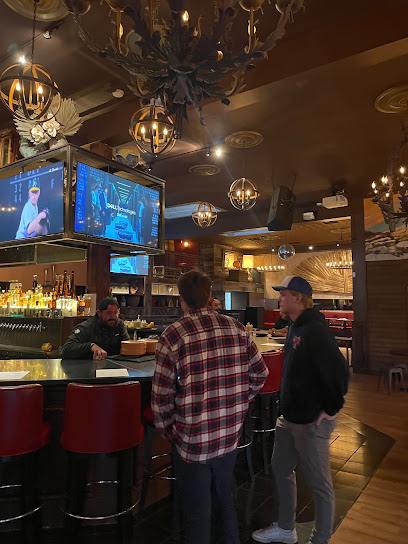
Providence Night Club
1.4 km
Dive into San Francisco's nightlife at Providence Night Club, where live music meets vibrant energy for an unforgettable evening.
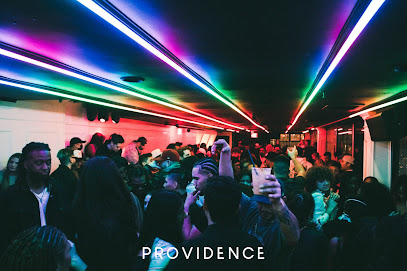
Club Six
1.6 km
Discover the pulse of San Francisco at Club Six, where art meets nightlife in a dynamic celebration of music and cocktails.
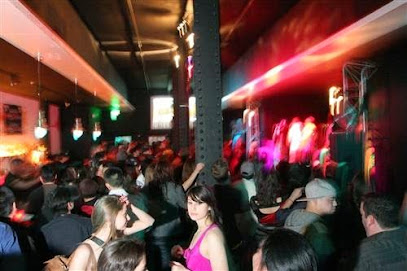
Monarch
1.6 km
Experience the vibrant nightlife at Monarch, San Francisco's premier night club and live music venue with electrifying performances and creative cocktails.
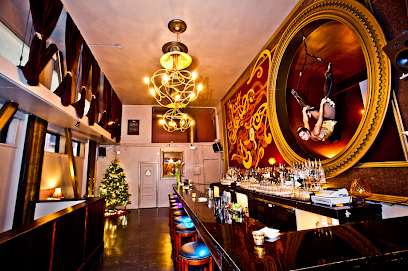
City Nights
1.6 km
Discover the electrifying nightlife of City Nights, a premier San Francisco night club that promises unforgettable moments and vibrant energy.
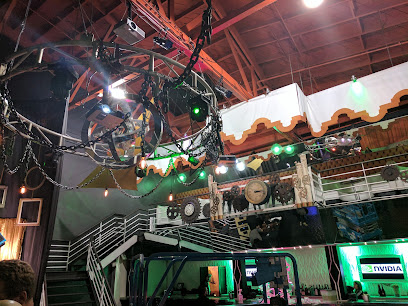
Club X
1.6 km
Discover the pulse of San Francisco nightlife at Club X, a dynamic night club in SoMa with electrifying music and vibrant atmosphere.
Pura Club
1.9 km
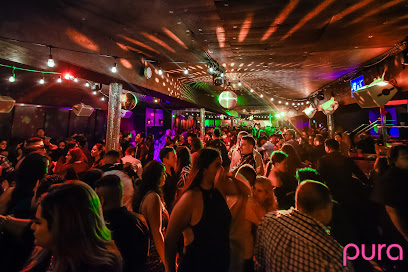
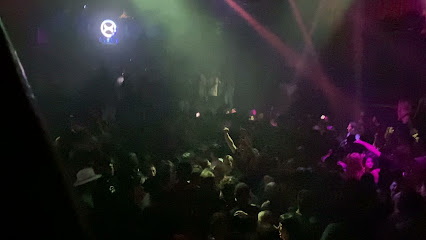
Dive into San Francisco's nightlife at Pura Club, where electrifying live music meets a vibrant dance atmosphere in the heart of SoMa.