Tao House: Eugene O'Neill's Literary Sanctuary
Discover the secluded Tao House in Danville, California, where America's only Nobel Prize-winning playwright, Eugene O'Neill, penned his greatest works. Explore his life and legacy.
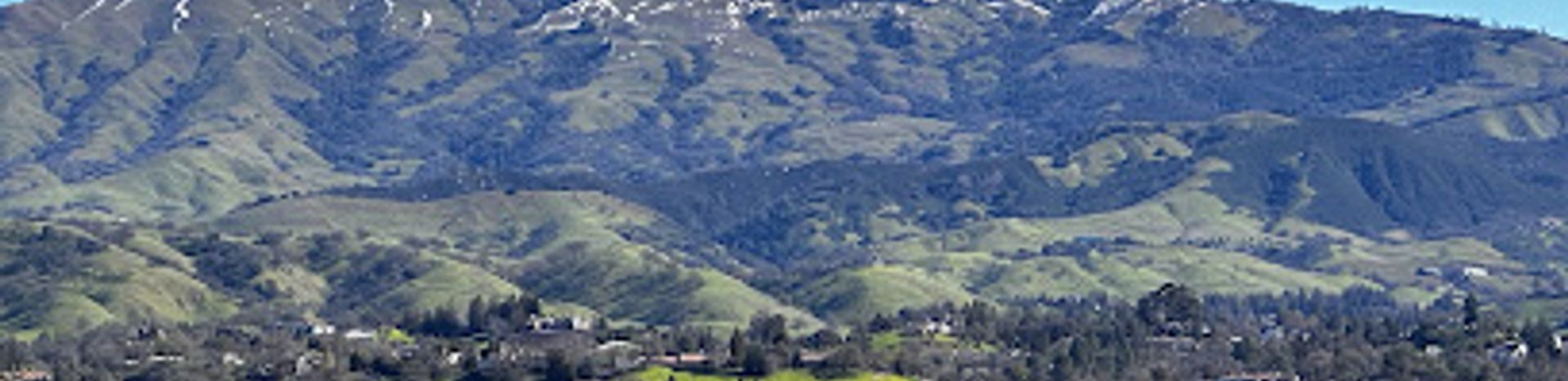
Nestled in the serene hills of Danville, California, the Eugene O'Neill National Historic Site, also known as Tao House, offers a unique glimpse into the life and work of America's only Nobel Prize-winning playwright. This Spanish Colonial Revival home served as O'Neill's refuge from 1937 to 1944, a period of intense creativity during which he penned some of his most enduring masterpieces, including *Long Day's Journey Into Night* and *The Iceman Cometh*. Visitors can explore the meticulously preserved rooms, stroll through the tranquil gardens, and immerse themselves in the atmosphere that fostered O'Neill's literary genius. Access to the site is exclusively via a free National Park Service shuttle from downtown Danville, ensuring a peaceful and intimate experience. Reservations are essential, adding to the sense of stepping back in time to a place where artistic inspiration thrived. The site provides a profound connection to American theatrical history and the intensely private world of a literary giant.
A brief summary to Eugene O'Neill National Historic Site
- 1000 Kuss Rd, Danville, California, 94526, US
- +1925-228-8860
- Visit website
Local tips
- Reservations are essential and should be made well in advance due to limited tour availability.
- Wear comfortable shoes for walking around the gardens and grounds.
- Check the weather forecast, as the site is primarily outdoors, and dress accordingly.
- Arrive at the Museum of the San Ramon Valley in downtown Danville at least 15 minutes before your scheduled shuttle departure.
- Consider visiting during the annual Eugene O'Neill Festival in September for a deeper immersion into his works.

Getting There
-
Public Transport
From the Walnut Creek BART station, transfer to the County Connection bus Route 21. This bus makes several stops in Danville, including one at the Museum of the San Ramon Valley (205 Railroad Avenue), where the free National Park Service shuttle departs for Tao House. Check 511.org for the most up-to-date bus schedules and fares. The bus fare is approximately $2.50. From the bus stop, it is a short walk to the Museum of the San Ramon Valley.
-
Taxi/Ride-Share
From anywhere in Danville, a taxi or ride-sharing service (Uber/Lyft) to the Museum of the San Ramon Valley (205 Railroad Avenue) is a convenient option. The ride typically costs between $10 and $20, depending on the distance and demand. From there, board the free National Park Service shuttle to the Eugene O'Neill National Historic Site.
-
Driving
If driving to the Museum of the San Ramon Valley (205 Railroad Avenue) in Danville, use I-680 and exit at Diablo Road toward Danville. Merge onto Diablo Road, then turn left onto Front Street. Take the first right onto E. Prospect Avenue, then turn left onto Railroad Avenue. Free parking is available next to the museum. From there, board the free National Park Service shuttle to the Eugene O'Neill National Historic Site.
Discover more about Eugene O'Neill National Historic Site
Iconic landmarks you can’t miss

Captain Pedro Fages Trail
1.3 km
Commemorating the first European exploration of Contra Costa County led by Captain Pedro Fages in 1772, a California historical landmark.
Danville Oak Tree
2.7 km
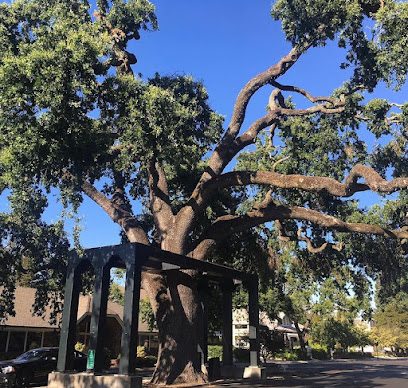
Discover the captivating history and beauty of the Danville Oak Tree, a centuries-old landmark in California that inspires awe and appreciation.
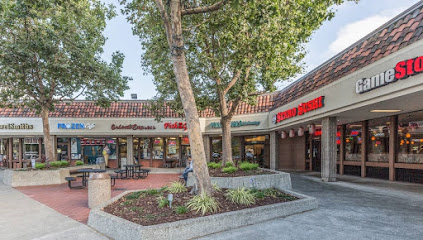
Diablo Plaza
7.2 km
Experience premier shopping and dining at Diablo Plaza in San Ramon, a vibrant community hub with diverse stores, eateries, and year-round events, easily accessible near Bishop Ranch and I-680.
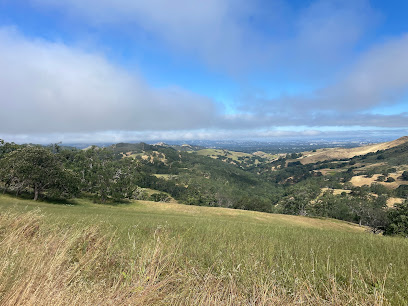
Mt Diablo HG/PG LZ
7.8 km
A designated landing zone for hang gliding and paragliding in Mt. Diablo State Park, offering a safe and scenic end to aerial adventures.
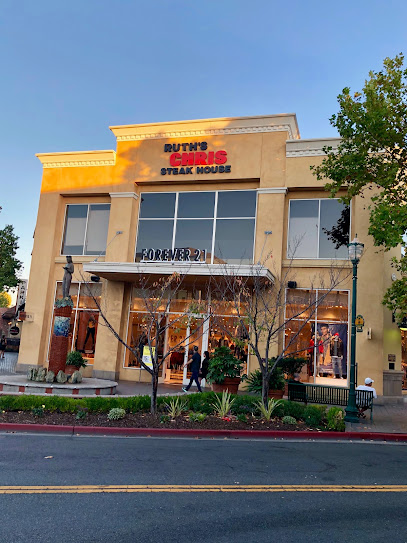
Ruth's Chris Steak House
8.3 km
Savor USDA Prime steaks and New Orleans-inspired cuisine in an upscale setting, perfect for celebrations and memorable dining experiences in Walnut Creek.
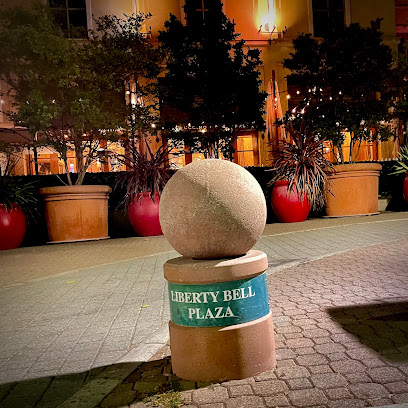
Liberty Bell Plaza
8.5 km
Visit Liberty Bell Plaza in Walnut Creek, a historical landmark symbolizing freedom and community, marking the birthplace of Walnut Creek.
Lakeside BR 2600
8.7 km
Experience the perfect blend of nature and professionalism at Lakeside BR 2600, your ultimate business retreat in San Ramon, California.
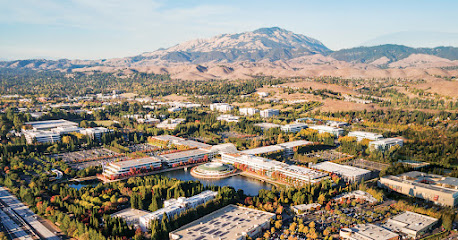
Color Me Mine
8.7 km
Unleash your creativity at Color Me Mine in Walnut Creek, a vibrant paint-your-own-pottery studio for a fun and memorable experience.
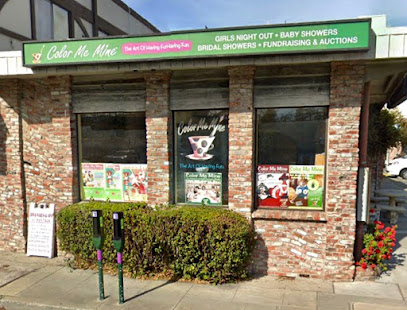
Landmark Site 150 Walnut Creek Meat Market
8.7 km
Explore Walnut Creek's past at the Landmark Site 150 Walnut Creek Meat Market, a historic brick building on the Walnut Creek Heritage Walk.
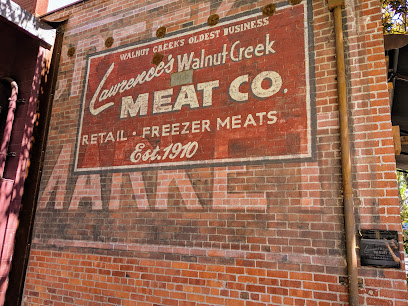
Walnut Creek Town
8.9 km
Experience the vibrant heart of Walnut Creek: upscale shopping, diverse dining, arts, and events in a pedestrian-friendly setting.
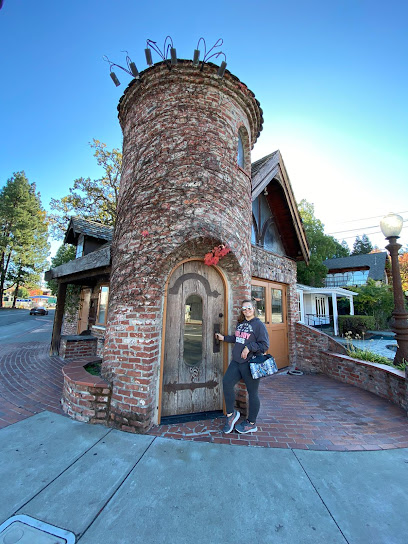
Walnut Creek Farmers' Market (by CCCFM)
9.1 km
Experience the vibrant Walnut Creek Farmers' Market: fresh produce, artisan goods, and community spirit every Sunday in downtown Walnut Creek.
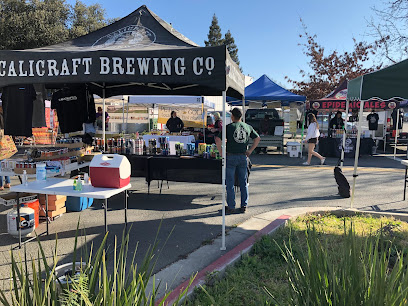
Shops At Bishop Ranch
9.1 km
Discover a vibrant open-air destination in San Ramon with upscale shopping, diverse dining, entertainment, and community events at the architecturally stunning Shops at Bishop Ranch.
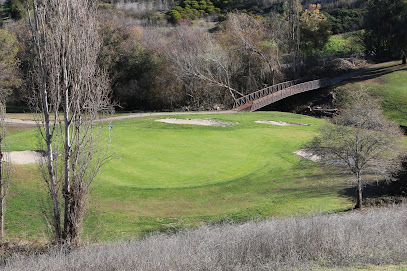
Canyon Lakes Golf Course
9.2 km
Experience the perfect blend of golf and craft beer at Canyon Lakes Golf Course & Brewery in San Ramon, offering scenic views, challenging play, and award-winning brews.
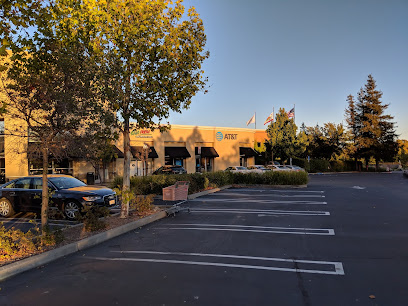
Walnut Creek Convention & Visitors Bureau
9.2 km
Your central hub for exploring Walnut Creek and the East Bay: attractions, events, hotels, and visitor information all in one place.

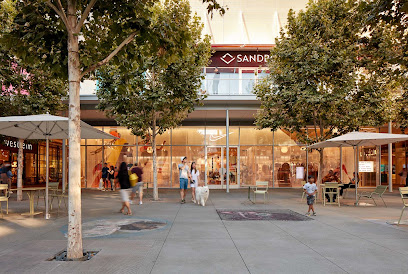
City Center Bishop Ranch
9.2 km
Discover City Center Bishop Ranch in San Ramon: A vibrant destination for shopping, dining, and entertainment, designed by Renzo Piano, offering a unique community experience.
Unmissable attractions to see

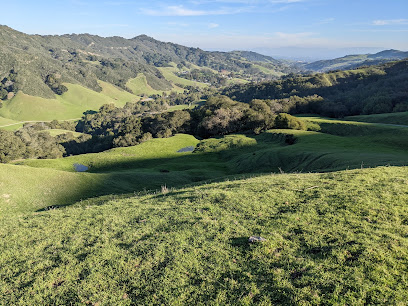
Las Trampas Regional Wilderness Park
1.7 km
Experience the natural beauty and outdoor adventures at Las Trampas Regional Wilderness Park, a perfect retreat for nature lovers in California.
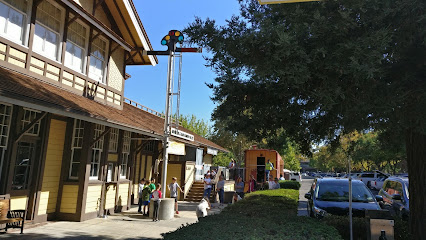
Museum of the San Ramon Valley
2.4 km
Explore the vibrant history and artistic heritage of Danville at the Museum of the San Ramon Valley, a must-visit cultural attraction.
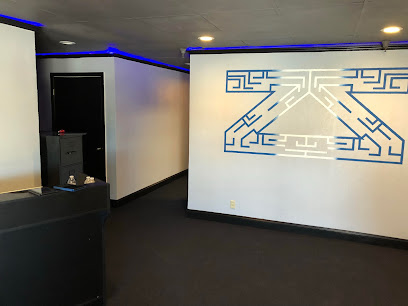
Zscape Games
6.3 km
Experience thrilling adventures and unique puzzles at Zscape Games, the ultimate escape room destination in San Ramon, California.
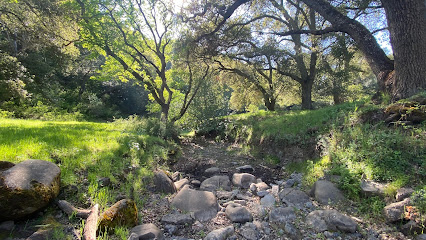
Diablo Foothills Regional Park
7.1 km
Explore scenic trails, panoramic views, and the natural beauty of this gateway to Mount Diablo and Walnut Creek Open Space in Walnut Creek.
Old Borges Ranch
7.3 km
Discover the rich history and scenic trails of Old Borges Ranch in Walnut Creek, a perfect blend of culture and nature for every traveler.
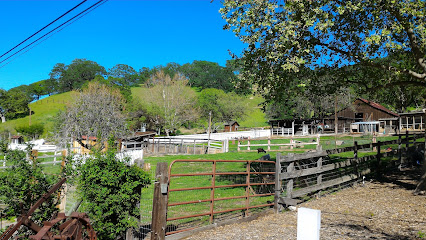
Memorial bench
7.8 km
Discover tranquility at the Memorial Bench in Walnut Creek, a serene spot for reflection and stunning views in the heart of nature.
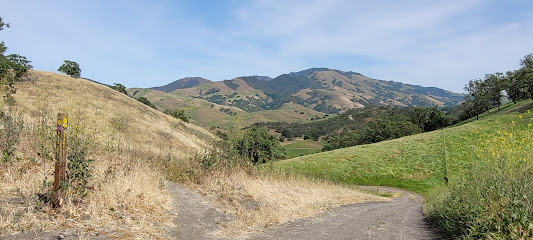
Castle Rock Regional Recreation Area
7.9 km
Immerse yourself in California's natural beauty at Castle Rock Regional Recreation Area, offering breathtaking views, diverse trails, and serene picnic spots.
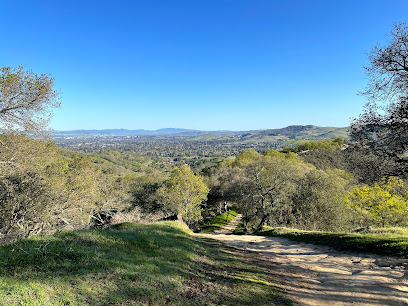
Shell Ridge Open Space
8.4 km
Explore Walnut Creek's natural beauty: hiking, biking, and stunning views await at Shell Ridge Open Space, a 1,420-acre haven for outdoor adventures.
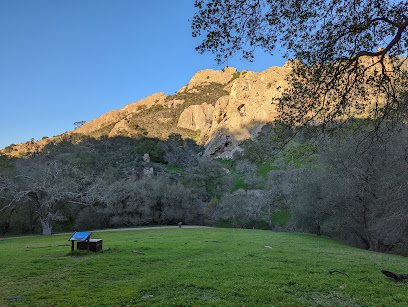
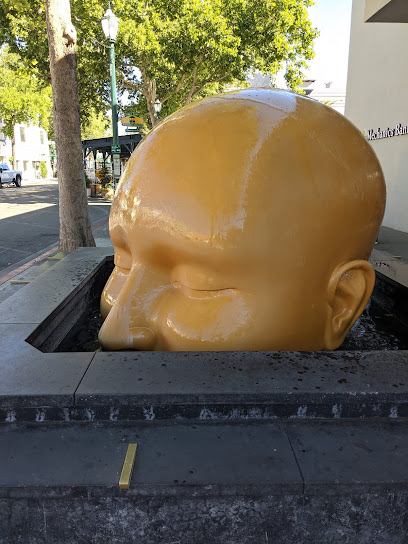
Fountain Head
8.5 km
Explore the tranquil beauty of Fountain Head in Walnut Creek, a stunning public art installation that enchants visitors with its artistic elegance.
Diablo Escapes
8.8 km
Experience cutting-edge virtual reality escape rooms in Walnut Creek, offering immersive adventures for groups of all ages and skill levels.

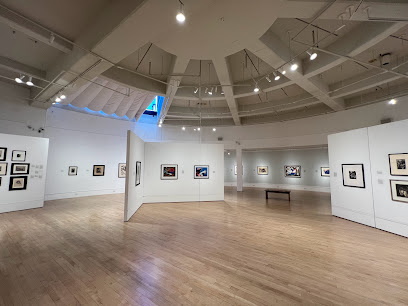
Bedford Gallery at Lesher Center for the Arts
8.9 km
Discover the captivating world of contemporary art at Bedford Gallery, a vibrant cultural hub in Walnut Creek, CA.
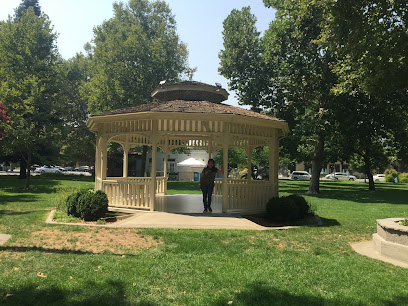
Civic Park
9.1 km
Discover the tranquil beauty of Civic Park in Walnut Creek, a perfect blend of nature and recreation for tourists seeking relaxation and outdoor fun.
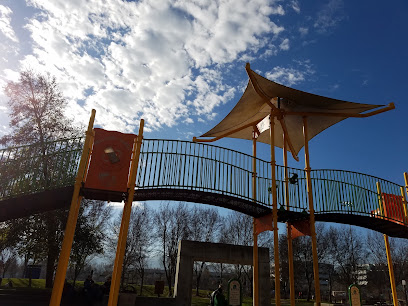
Central Park
9.2 km
San Ramon's Central Park: A vibrant community hub with recreation, events, and natural beauty for all ages to enjoy.
Bishop Ranch Regional Preserve
9.4 km
Escape to nature in San Ramon's Bishop Ranch Regional Preserve: Hike scenic trails, spot wildlife, and enjoy panoramic views.
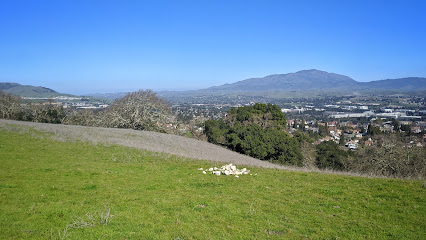
Waterfall Park
9.6 km
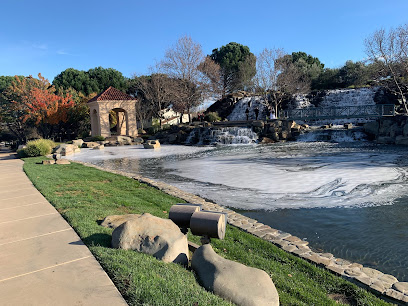
Explore Waterfall Park in San Ramon, CA: A serene escape featuring breathtaking waterfalls, lush trails, and a perfect picnic spot.
Essential places to dine

Esin Restaurant & Bar
3.7 km
Experience exquisite American cuisine at Esin Restaurant & Bar in Danville – where flavor meets sophistication.
Creekside Grill
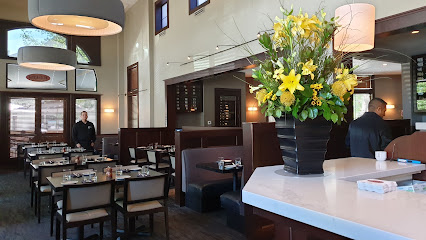
5.5 km
Experience delightful American cuisine at Creekside Grill in Walnut Creek - where comfort food meets scenic views.
Gianni's Italian Bistro
6.2 km
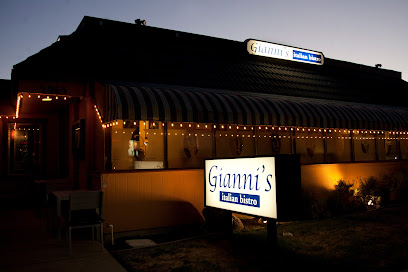
Discover authentic Italian cuisine at Gianni's Italian Bistro in San Ramon—where every meal feels like a trip to Italy.
Brass Door
6.5 km
Discover Brass Door: A premier steakhouse in San Ramon offering fine dining, vibrant atmosphere & sports entertainment.
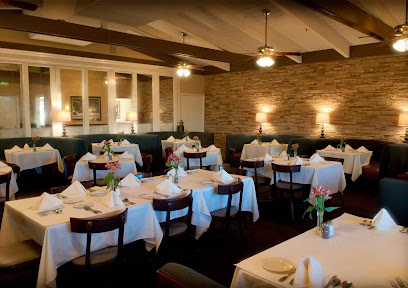
Origami
6.5 km
Discover the flavors of Japan at Origami - where fresh sushi meets warm hospitality in San Ramon.
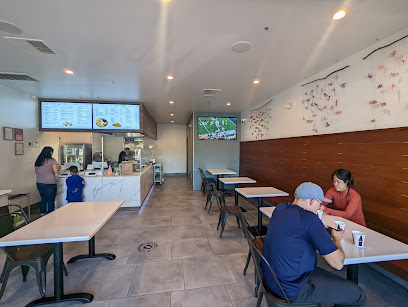
In-N-Out Burger
6.8 km
Discover In-N-Out Burger in San Ramon: iconic burgers crafted with fresh ingredients in a nostalgic diner setting.
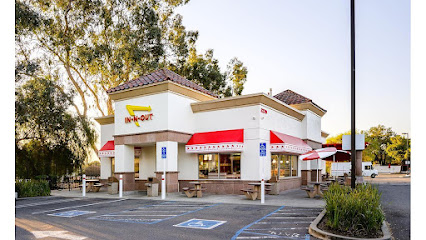
Sakura Japanese Cuisine
6.9 km
Experience authentic Japanese cuisine with fresh sushi and delicious ramen at Sakura Japanese Cuisine in San Ramon.
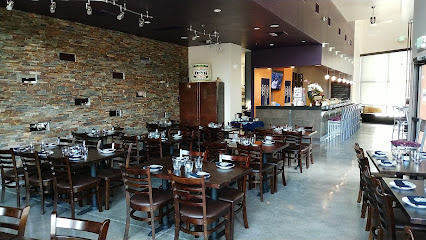
Sandwicheez
7.0 km
Discover delicious sandwiches crafted with fresh ingredients at Sandwicheez in San Ramon – where flavor meets convenience.
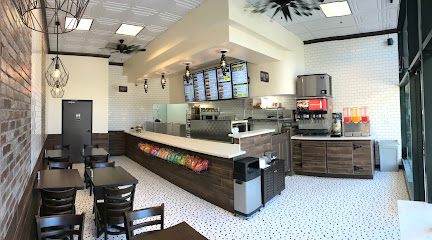
Fat Maddie's Grille
7.0 km
Discover the heart of American cuisine at Fat Maddie's Grille in San Ramon – where comfort food meets great company.
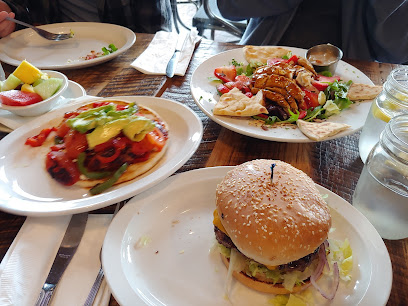
Kabila Restaurant
7.1 km
Discover the rich flavors of India at Kabila Restaurant in San Ramon - where every dish tells a story.
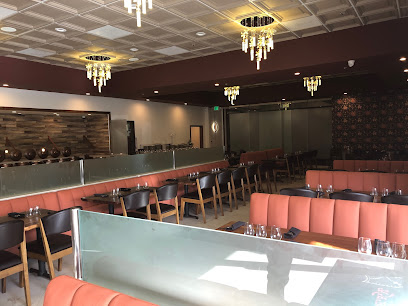
Pairfield Pizza & Pints
7.1 km
Discover delicious artisanal pizzas and craft beers at Pairfield Pizza & Pints in San Ramon – where flavor meets fun.
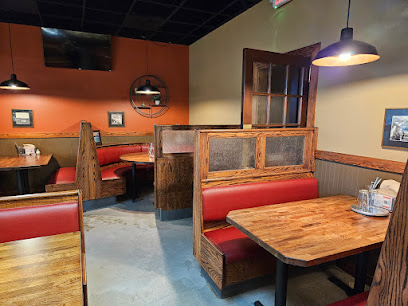
Gaucho Brazilian Steakhouse n Nightclub
7.2 km
Savor authentic Brazilian flavors at Gaucho Brazilian Steakhouse & Nightclub while enjoying a vibrant nightlife experience in San Ramon.
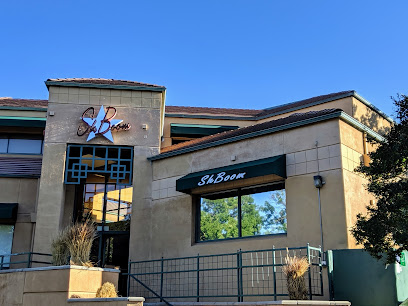
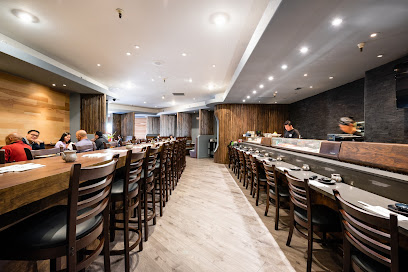
Ukai Japanese Bistro
7.3 km
Discover authentic Japanese cuisine at Ukai Japanese Bistro in San Ramon - a perfect blend of tradition and modern dining experiences.
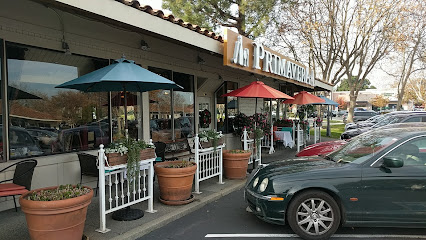
Primavera Ristorante
7.3 km
Discover authentic Italian flavors at Primavera Ristorante in San Ramon—where every meal feels like a celebration.
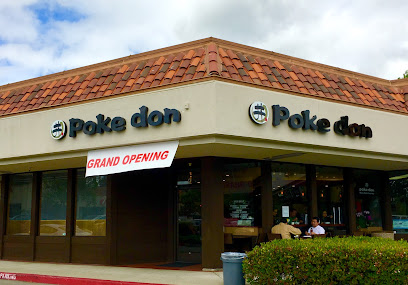
Poke Don
7.3 km
Discover fresh and flavorful poke bowls at Poke Don in San Ramon – where Hawaiian tradition meets Asian flair in every bite.
Markets, malls and hidden boutiques

Magnolia Square S.C.
7.1 km
Discover Magnolia Square S.C. in San Ramon, a vibrant shopping mall with diverse retail options and delightful dining experiences for every visitor.
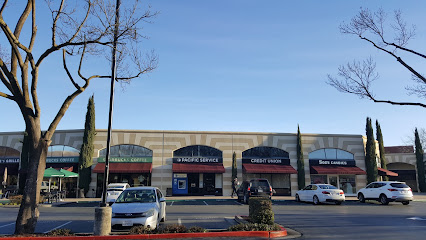
See's Candies
7.1 km
Discover the delightful world of artisan chocolates and gifts at See's Candies, a San Ramon treasure that sweetens every visit.
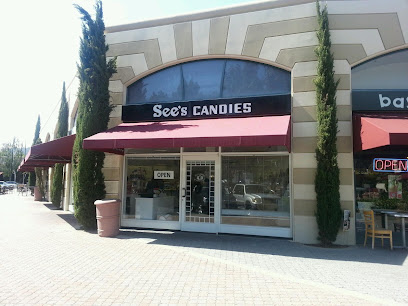
Blue Cave Smokeshop
7.4 km
Explore Blue Cave Smokeshop in San Ramon - your destination for premium tobacco products and exceptional customer service.
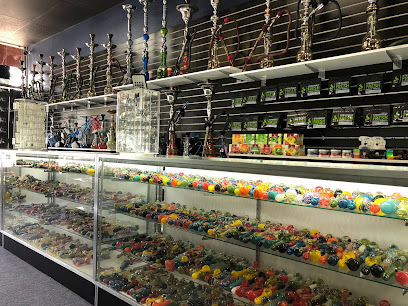
Crow Canyon Commons
7.4 km
Discover Crow Canyon Commons in San Ramon for a vibrant shopping experience, delightful dining, and community events that capture local culture.
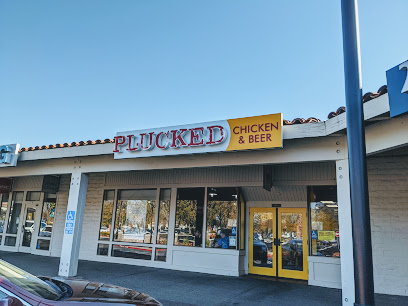
Sprouts Farmers Market
7.4 km
Explore the vibrant flavors of health and organic living at Sprouts Farmers Market in San Ramon, your go-to destination for fresh produce and wholesome groceries.
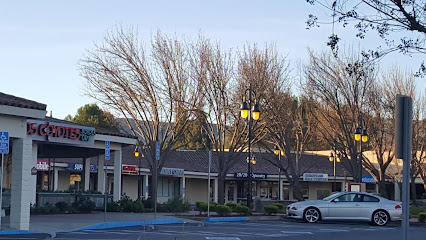
Bricks & Minifigs San Ramon
7.5 km
Explore Bricks & Minifigs San Ramon, a LEGO wonderland with new and used sets, minifigures, and creative community events in the heart of California.
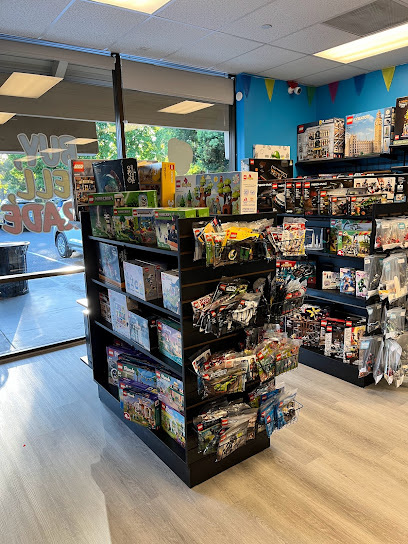
Twin Canyon Shopping Center
7.6 km
Explore the vibrant Twin Canyon Shopping Center in San Ramon, California, a shopping haven with delightful eateries and diverse retail options.
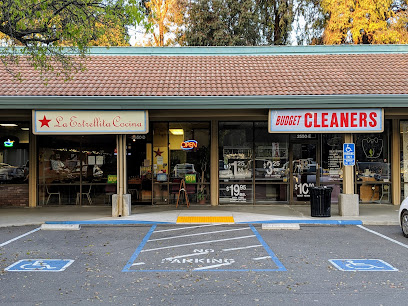
Recycle Bridal Boutique
7.7 km
Explore a sustainable and stylish selection of wedding gowns at Recycle Bridal Boutique, where every bride can find her dream dress.
EILEEN FISHER
8.2 km
Explore EILEEN FISHER in Walnut Creek for sustainable women's clothing, accessories, and shoes, merging style with eco-consciousness.
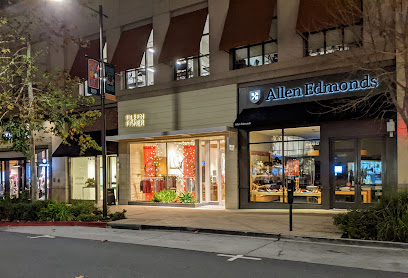
White House Black Market
8.2 km
Explore the elegance of White House Black Market in Walnut Creek, CA, for unique women's clothing and fashionable accessories that elevate your style.
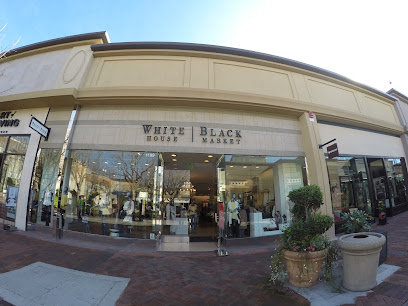
Broadway Plaza
8.2 km
Discover Broadway Plaza: Walnut Creek's premier shopping destination with a blend of fashion, culinary delights, and community events.
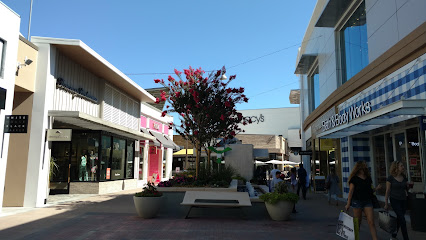
Aritzia
8.2 km
Discover Aritzia in Walnut Creek for stylish women's clothing and accessories in a chic shopping environment.
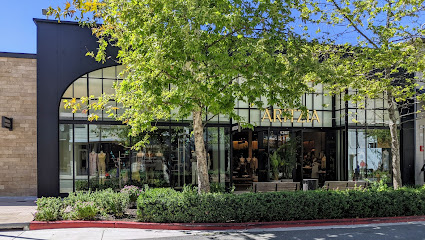
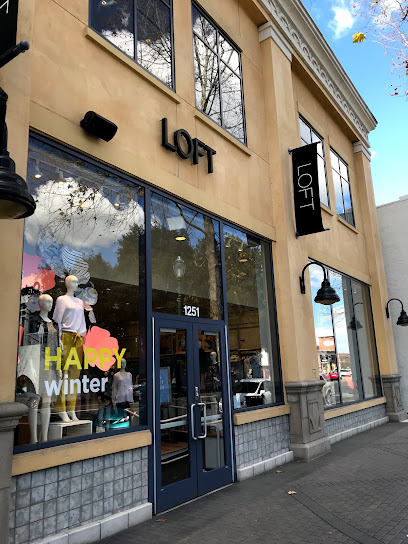
LOFT
8.2 km
Discover chic women's fashion and stylish accessories at LOFT in Walnut Creek, your go-to destination for modern apparel and footwear.
ThirdLove Walnut Creek - Comfortable Bras & Underwear For All Sizes
8.2 km
Explore stylish, comfortable lingerie for all sizes at ThirdLove Walnut Creek, where every shopping experience is tailored to you.

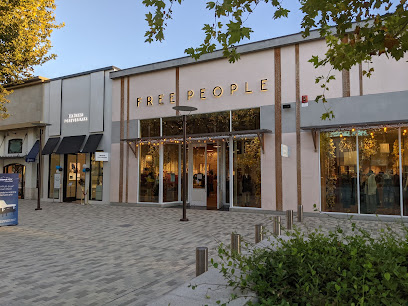
Free People
8.3 km
Explore Free People in Walnut Creek for unique women's fashion, vintage styles, and chic accessories in a vibrant shopping atmosphere.
Essential bars & hidden hideouts

Auburn Lounge
2.4 km
Experience the vibrant nightlife at Auburn Lounge in Danville, where live music meets a cozy bar atmosphere, perfect for relaxation and enjoyment.
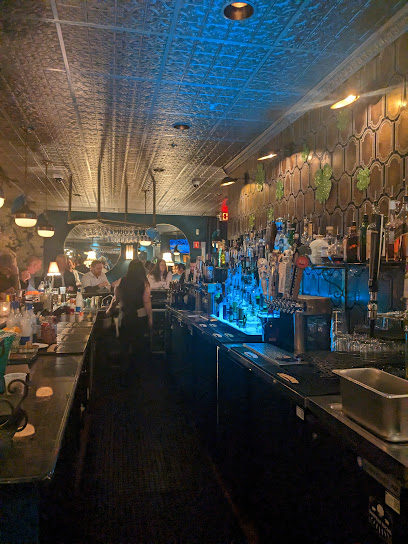
The Growler
2.8 km
Discover the vibrant craft beer scene at The Growler, a cozy restaurant in Danville offering unique brews and delightful cuisine for every palate.
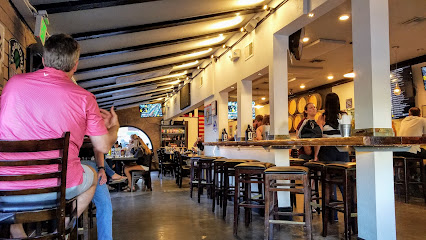
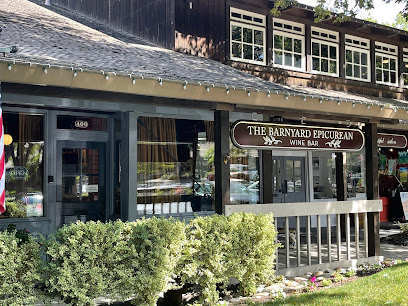
The Barnyard Epicurean Wine Bar
3.0 km
Experience the charm of The Barnyard Epicurean Wine Bar, where exquisite wines meet gourmet cuisine in a cozy setting.
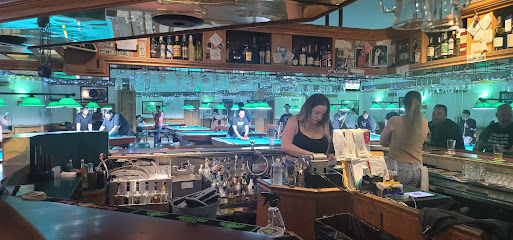
Crown Billiards
7.3 km
Experience the vibrant nightlife at Crown Billiards, a premier pool hall in San Ramon offering fun, affordable games, and a lively bar atmosphere.
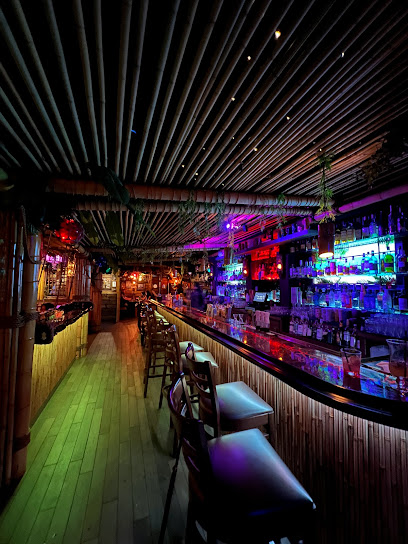
Tiki Tom's
8.3 km
Discover Tiki Tom's in Walnut Creek for a tropical dining experience with fusion flavors and exotic cocktails in a vibrant atmosphere.
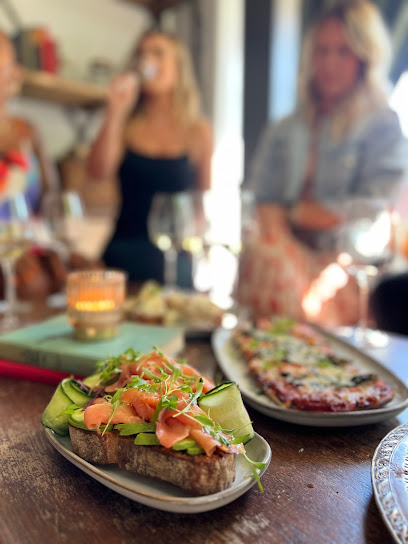
The Library Social Club | Wine Bar
8.8 km
Experience the charm of The Library Social Club, a premier wine bar in Walnut Creek, offering an exquisite selection and an inviting atmosphere for all wine lovers.
Stadium Pub
8.8 km
Experience the thrill of sports in an inviting atmosphere at Stadium Pub, Walnut Creek’s premier destination for food, drinks, and game day excitement.
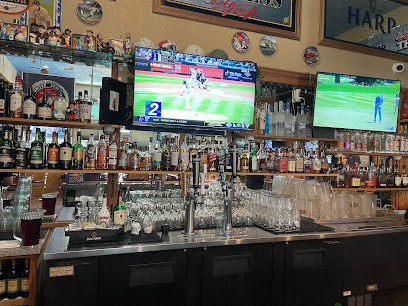
Mr Lucky's
8.8 km
Discover Mr. Lucky's Bar - a charming dive bar in Walnut Creek that offers affordable drinks and a welcoming atmosphere for all visitors.
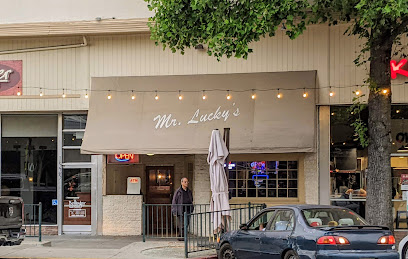
Dan's Irish Sports Bar
9.0 km
Discover the lively spirit of Dan's Irish Sports Bar, where sports, cocktails, and live music create a unique experience in Walnut Creek.
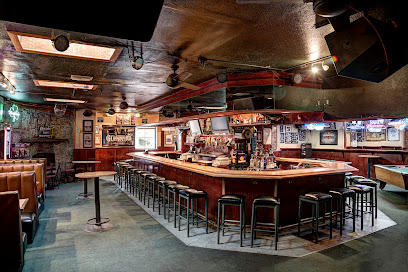
Bourbon Highway Country Bar & Kitchen
9.0 km
Experience the vibrant ambiance and delicious flavors of Bourbon Highway Country Bar & Kitchen, a local gem in Walnut Creek, California.
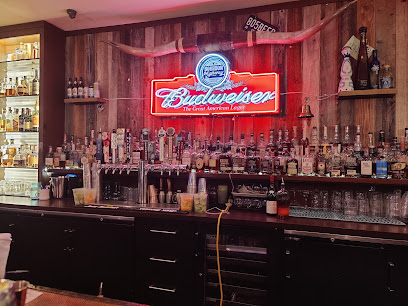
Residual Sugar Wine Bar
9.0 km
Discover the perfect wine escape at Residual Sugar Wine Bar in Walnut Creek, where exquisite wines and a warm atmosphere await you.
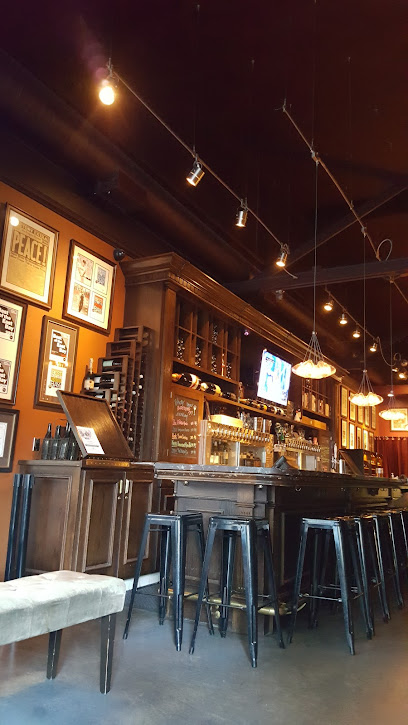
Bamboo Sushi
9.1 km
Discover Bamboo Sushi, where exquisite sushi meets innovative Asian fusion in a chic dining atmosphere in San Ramon.
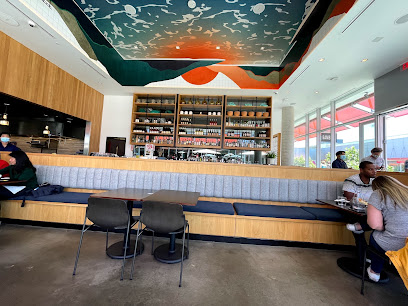
Mortar & Pestle Bar
9.2 km
Discover the vibrant ambiance of Mortar & Pestle Bar in San Ramon, CA, where great food, drinks, and lively sports events come together.
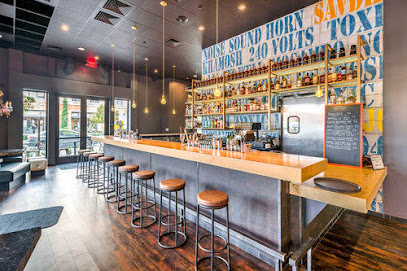
Social Affair Bar & Lounge
9.2 km
Experience the perfect blend of innovative cocktails and exquisite wines at Social Affair Bar & Lounge in San Ramon.
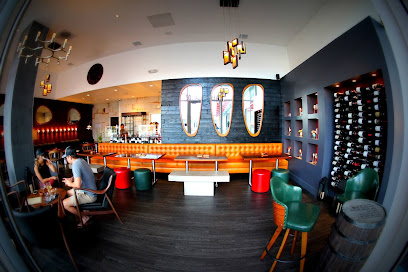
Luna Sea Lounge
9.7 km
Experience the vibrant nightlife at Luna Sea Lounge in Walnut Creek, where delicious cocktails and live entertainment create unforgettable moments.
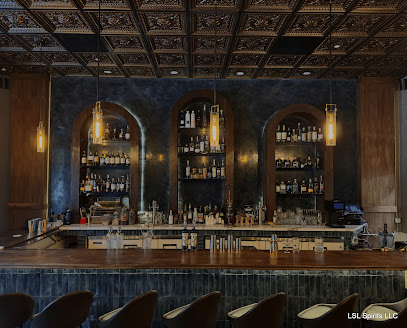
Nightclubs & after hour spots

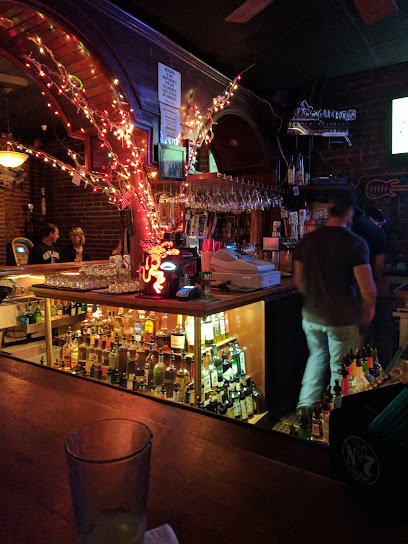
Meenar Music Club
2.4 km
Discover the pulsating nightlife of Danville at Meenar Music Club, where live music and vibrant energy create unforgettable nights.
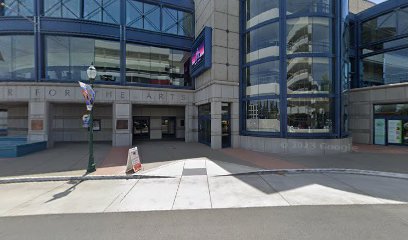
jazz at lesher center
8.9 km
Discover the heart and soul of jazz music at the Lesher Center, Walnut Creek's premier venue for live performances and unforgettable experiences.
Aura
9.0 km
Discover the electrifying nightlife experience at Aura Nightclub in Walnut Creek, California, where music, dancing, and fun await.
Clubsport San Ramon
9.4 km
Experience top-notch fitness and wellness at Clubsport San Ramon; a premier destination for health enthusiasts and relaxation seekers alike.
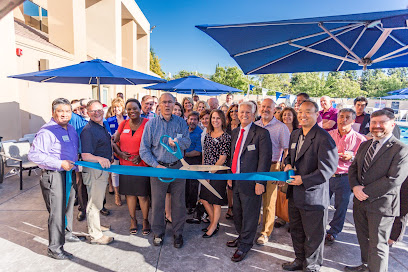
C4 Enrichment Organization
9.6 km
Experience creativity and community at C4 Enrichment Organization, a vibrant hub for dance, education, and artistic expression in Walnut Creek, CA.
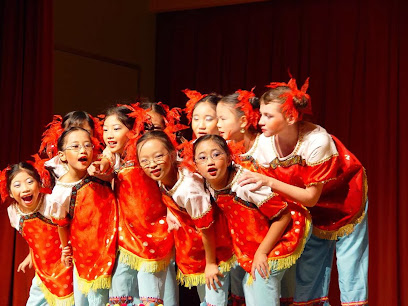
La Cabaña Nightclub Bar & Grill
14.2 km
Immerse yourself in the lively atmosphere of La Cabaña Nightclub Bar & Grill, where delicious barbecue meets energetic dancing in Concord, CA.
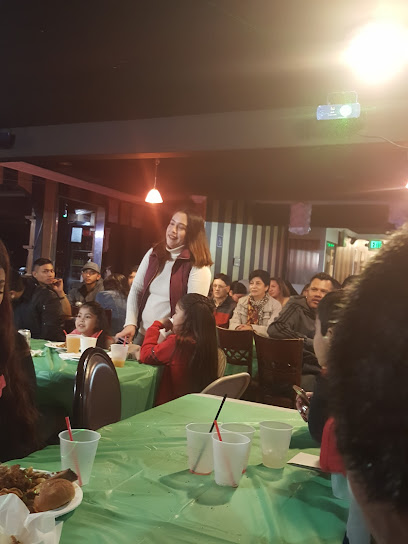
Lounge 3411
15.7 km
Discover the vibrant nightlife at Lounge 3411 in Oakland's Dimond District, featuring live Blues music and a cozy atmosphere for all.
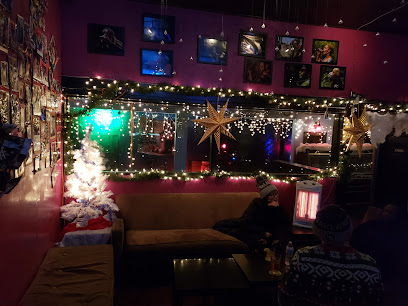
VIP Studios
15.8 km
Discover the electrifying nightlife at VIP Studios, a premier night club in San Leandro offering unforgettable music, dancing, and social experiences.
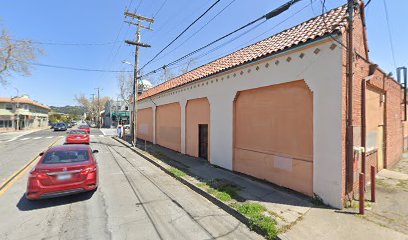
K1 Paddock Lounge - Sports Bar & Restaurant - Dublin, CA
16.5 km
Experience the thrill of sports and gourmet dining at K1 Paddock Lounge, Dublin's top sports bar and grill.

Nica Lounge
16.8 km
Discover Nica Lounge in Concord, CA - where vibrant nightlife, delicious cocktails, and dancing come together for an unforgettable evening.
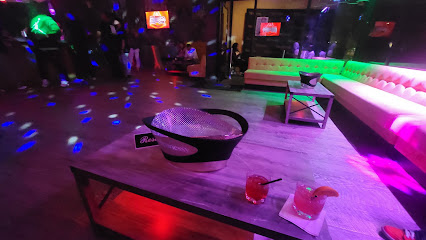
CJ's Saloon
17.4 km
Discover the vibrant atmosphere and eclectic cocktails at CJ's Saloon, the perfect lounge spot for relaxation and socializing in Pleasant Hill.
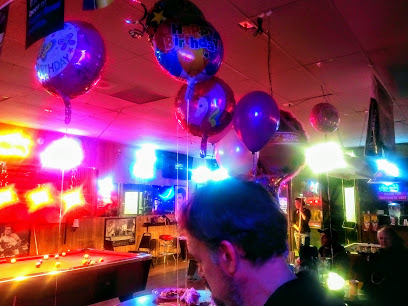
La Frontera Night Club
17.4 km
Experience the vibrant nightlife at La Frontera Night Club in Oakland, featuring live music, delicious food, and a lively atmosphere.
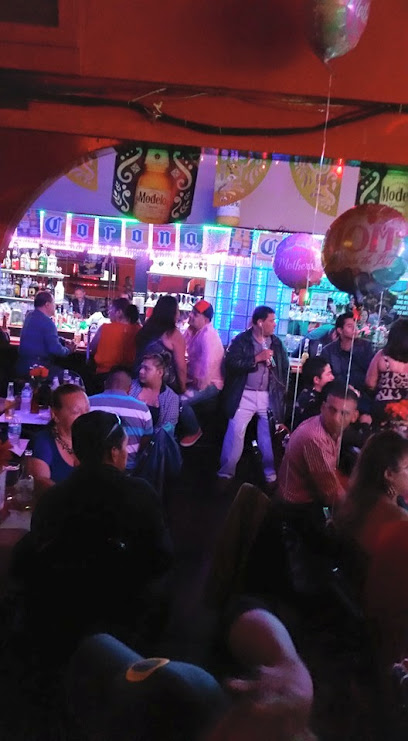
Tommy T's Comedy Club
17.8 km
Discover the perfect blend of laughter and fine dining at Tommy T's Comedy Club in Pleasanton, CA - where comedy and cuisine unite for an unforgettable night out.
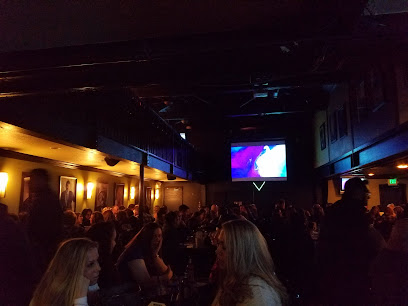
Ryan's
18.6 km
Discover Ryan's, a lively cocktail bar in San Leandro, offering creative drinks, karaoke nights, and an inviting atmosphere for all visitors.
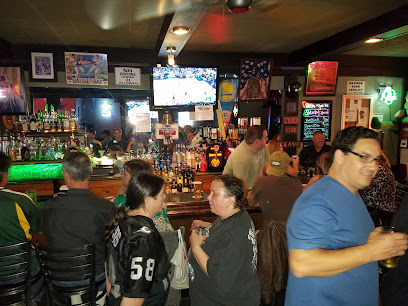
Wet lounge
19.0 km
Experience the vibrant nightlife at Wet Lounge, where eclectic drinks and a lively atmosphere await in San Lorenzo, California.