

San Diego Beaches, California Travel Guide
Discover San Diego's pristine beaches: where golden sands meet turquoise waters, offering the perfect blend of relaxation, adventure, and coastal charm.
San Diego's beaches are a sun-lover's paradise, offering a perfect blend of golden sands, turquoise waters, and idyllic weather. Stretching over 70 miles of coastline, these beaches are famous for their beauty and variety, making them a top destination for tourists seeking relaxation and adventure alike. La Jolla Cove is a must-visit, renowned for its marine life and stunning sunsets. It's a haven for snorkelers and scuba divers, eager to explore the vibrant underwater world. Families will appreciate the calm waters and scenic picnic spots at Coronado Beach, where the historic Hotel del Coronado adds a touch of Victorian charm to the backdrop. For those looking for a more laid-back vibe, Mission Beach offers a classic Californian beach experience. Here, you can enjoy a stroll along the boardwalk, rent a bike, or simply soak up the sun. Surfers will find their haven at Pacific Beach, where the waves are perfect for both beginners and seasoned surfers. San Diego's beaches aren't just about the sand and sea; they're about the lifestyle. From beachside cafes and seafood shacks to vibrant nightlife and local festivals, there's always something happening along this picturesque coastline.

Know before you go
Hi, I'm Eve. Here are a few practical things to know before exploring San Diego Beaches.
- Visit La Jolla Cove early in the morning to avoid crowds and get the best snorkeling conditions.
- Parking can be tricky, especially on weekends. Consider using public transport or ride-sharing services.
- Check the tide schedules before heading to the beach to ensure the best experience, especially for tide pooling and surfing.
- Don't miss the local seafood - try fish tacos from a beachside eatery for an authentic taste of San Diego.
- Always carry sunscreen and stay hydrated, as the sun can be very strong, even on cloudy days.
Explore San Diego Beaches: Things to Do, Places to Eat, Hotels & More
Handpicked recommendations for top attractions, local dining, accommodations, and more

Best attractions in San Diego Beaches
Top-rated picks
Best Attractions

SeaWorld San Diego
Discover amazing marine life, thrilling rides, and inspiring conservation efforts at San Diego's premier ocean adventure park.

Children's Pool La Jolla
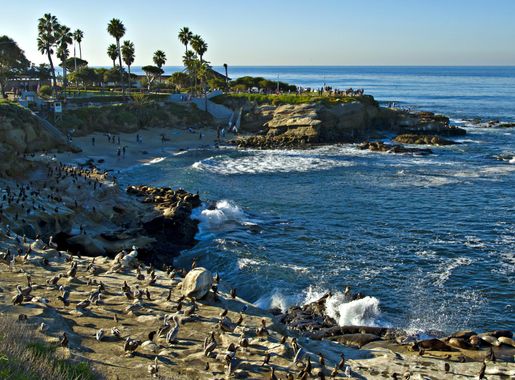
Observe seals in their natural habitat at this La Jolla cove, a place of scenic beauty and ongoing conservation debate.

Mission Beach Park
Experience the classic California beach vibe with amusement park thrills, oceanfront activities, and a lively boardwalk at Mission Beach Park.

Mission Beach Boardwalk
Experience the vibrant energy of San Diego's iconic Mission Beach Boardwalk: a classic blend of sun, sand, amusement, and beachside fun!

Best landmarks in San Diego Beaches
Top-rated picks
Best Landmarks

SeaWorld San Diego
Explore the wonders of marine life and thrill-seeking rides at SeaWorld San Diego, a premier destination for family fun and education.

Ocean Beach Pier
Discover the stunning Ocean Beach Pier in San Diego, a perfect blend of scenic views, fishing fun, and vibrant beach culture.

Mission Beach Park
Discover the beauty of Mission Beach Park, a lively coastal park in San Diego offering sun, surf, and endless fun for all ages.

Mission Beach Boardwalk
Explore the vibrant Mission Beach Boardwalk in San Diego – where sun, surf, and seaside fun await you along a picturesque promenade.

Best restaurants in San Diego Beaches
Top-rated picks
Best Restaurants

Hodad's Ocean Beach
Discover Hodad's Ocean Beach: A Burger Haven in San Diego Serving Up Deliciousness Amidst Coastal Charm.

South Beach Bar & Grille
Discover South Beach Bar & Grille: A vibrant seaside eatery in San Diego offering delicious American grill and seafood dishes with stunning ocean views.

World Famous
Experience delicious Californian cuisine with breathtaking ocean views at World Famous in San Diego's vibrant Pacific Beach.

C Level Lounge
Experience fine dining at C Level Lounge with stunning bay views and exquisite seafood dishes in San Diego's vibrant atmosphere.

Best bars in San Diego Beaches
Top-rated picks
Best Bars

South Beach Bar & Grille
Experience delicious American cuisine and fresh seafood with stunning ocean views at South Beach Bar & Grille in San Diego.

Pacific Beach AleHouse
Discover the flavors of coastal California at Pacific Beach AleHouse, where delicious American cuisine meets stunning ocean views.

PB Shore Club
Discover the best of American cuisine with breathtaking ocean views at PB Shore Club, the ultimate grill experience in San Diego.

Wonderland Ocean Pub
Experience the vibrant flavors and stunning ocean views at Wonderland Ocean Pub, a top gastropub in San Diego's scenic Point Loma.

Best nightclubs in San Diego Beaches
Top-rated picks
Best Nightclubs

PB Shore Club
Experience the best of coastal dining at PB Shore Club in San Diego, where delicious American cuisine meets breathtaking ocean views.

Winstons Beach Club
Experience the vibrant nightlife of San Diego at Winstons Beach Club, where live music, comedy, and karaoke create unforgettable moments.

710 Beach Club
Experience the vibrant atmosphere and delicious offerings at 710 Beach Club, your go-to spot for brunch, live music, and unforgettable karaoke nights in San Diego.

Moonshine Beach
Discover the lively nightlife and live music scene at Moonshine Beach in San Diego's Pacific Beach neighborhood.

Best shops in San Diego Beaches
Top-rated picks
Best Shops

Old Town Market
Experience the charm of Old Town Market, a cultural gem in San Diego with unique shops, delicious food, and rich history.

Pangaea Outpost
Explore a treasure trove of unique gifts, art, and local crafts at Pangaea Outpost, the heart of Pacific Beach shopping.

Promenade At Pacific Beach
Discover the lively atmosphere, diverse shops, and beachside charm at the Promenade at Pacific Beach, a premier shopping destination in San Diego.

The Black
Explore The Black, a unique department store in San Diego's Point Loma, offering an eclectic mix of local treasures and unforgettable shopping experiences.

Explore San Diego Beaches on the Map
A handpicked selection of must-see spots in San Diego Beaches, mapped for you.
San Diego Beaches Essentials
-
San Diego is serviced by the San Diego International Airport (SAN), located just a few miles from downtown. Direct flights are available from many major cities across the U.S. and internationally. Alternatively, you can drive to San Diego via Interstate 5 if coming from the north or south, or Interstate 8 if coming from the east. Amtrak's Pacific Surfliner route also connects San Diego to other California coastal cities.
-
San Diego offers various transportation options. The Metropolitan Transit System (MTS) provides buses and trolleys that cover most parts of the city, including beach areas. Ride-sharing services like Uber and Lyft are widely available. Renting a car is a convenient option, especially if you plan to visit multiple beaches or explore areas outside the city. Biking is also popular, with many rental shops available and bike-friendly paths along the coast.
-
The official currency is the United States Dollar (USD). Credit and debit cards are widely accepted in San Diego, including at most beachside shops, restaurants, and attractions. ATMs are readily available. It's advisable to carry some cash for smaller establishments or street vendors.
-
San Diego is generally a safe city, but like any urban area, it's important to stay vigilant. Areas such as certain parts of downtown and the neighborhoods of City Heights and Barrio Logan have higher crime rates, so exercise caution if visiting these areas. Keep your belongings secure, don't leave valuables in your car, and avoid walking alone at night in unfamiliar or poorly lit areas.
-
In case of an emergency, dial 911 for immediate assistance. San Diego has numerous hospitals and urgent care centers. Lifeguards are stationed at most beaches and can provide first aid. It's recommended to have travel insurance that covers medical emergencies. For minor health issues, pharmacies are widely available.
-
Fashion: Do wear comfortable beachwear and bring sunscreen. Don't wear overly revealing clothing away from the beach. Religion: While San Diego is diverse and generally liberal, respect any religious sites you may visit. Public Transport: Do respect fellow passengers and give up your seat to those in need. Don't eat or drink on trolleys and buses. Greetings: Do greet people with a friendly 'hello' or a handshake. Californians are generally casual. Eating & Drinking: Do try local seafood and Mexican cuisine. Don't leave a small tip; 15-20% is standard in restaurants.
-
To experience San Diego Beaches like a local, visit during weekdays to avoid weekend crowds. Explore lesser-known beaches like Windansea Beach in La Jolla or Sunset Cliffs Natural Park. Enjoy local fish tacos from beachside food trucks. Attend a sunset bonfire at Mission Beach or Ocean Beach. Take part in activities like paddleboarding, surfing, or beach volleyball to engage with the local community.
When is the best time to visit San Diego Beaches?
Useful Local Phrases for San Diego Beaches
You don't need to speak the language perfectly. Even learning a few simple words can make conversations warmer—and locals usually appreciate the effort.
— Eve

Here are the phrases I use most often in San Diego Beaches. Try a few—you'll be surprised how far they go! 😊
❤️
-
- HelloHey
[hey] - GoodbyeLater
[ley-ter] - YesYeah
[yah] - NoNah
[nah] - Please/You're welcomePlease/No worries
[pleez/no wor-eez] - Thank youThanks
[th-anks] - Excuse me/SorryExcuse me/My bad
[ex-kyooz mee/my bad] - How are you?What's up?
[wuts up] - Fine. And you?Good. You?
[gud. yoo] - Do you speak English?Speak English?
[speek ing-lish] - I don't understandI'm lost
[im lost]
- HelloHey
-
- I'd like to see the menu, pleaseMenu, please
[men-yoo, pleez] - I don't eat meatNo meat
[no meet] - Cheers!Cheers!
[cheers] - I would like to pay, pleaseCheck, please
[chek, pleez]
- I'd like to see the menu, pleaseMenu, please
-
- Help!Help!
[help] - Go away!Go away!
[go away] - Call the Police!Call the cops!
[call the cops] - Call a doctor!Doctor!
[doc-ter] - I'm lostLost
[lost] - I'm illSick
[sick]
- Help!Help!
-
- I'd like to buy...I'll get...
[ill get] - I'm just lookingJust looking
[just look-ing] - How much is it?Price?
[price] - That's too expensiveToo pricey
[too pry-see] - Can you lower the price?Lower price?
[lo-er price]
- I'd like to buy...I'll get...
-
- What time is it?Time?
[time] - It's one o'clockOne o'clock
[wun o-klok] - Half past (10)Half ten
[haff ten] - MorningMorning
[mor-ning] - AfternoonAfternoon
[af-ter-noon] - EveningEvening
[eve-ning] - YesterdayYesterday
[yes-ter-day] - TodayToday
[to-day] - TomorrowTomorrow
[to-mor-row] - 1One
[wun] - 2Two
[too] - 3Three
[three] - 4Four
[for] - 5Five
[five] - 6Six
[siks] - 7Seven
[sev-en] - 8Eight
[ate] - 9Nine
[nine] - 10Ten
[ten]
- What time is it?Time?
-
- Where's a/the...?Where's the...?
[wheres the] - What's the address?Address?
[address] - Can you show me (on the map)?Show me (on map)?
[show me on map] - When's the next (bus)?Next (bus)?
[next bus] - A ticket (to ....)Ticket (to ...)
[ticket to]
- Where's a/the...?Where's the...?
History of San Diego Beaches
-
Long before European settlers arrived, the San Diego coast was home to the Kumeyaay people. These indigenous inhabitants thrived along the beaches, utilizing the ocean's resources for food, tools, and trade. Their ancient village sites can still be found in areas such as La Jolla and Mission Bay.
-
In 1542, Portuguese explorer Juan Rodríguez Cabrillo led the first European expedition to what is now the West Coast of the United States. He landed at San Diego Bay on September 28, claiming the area for Spain. Cabrillo's expedition marked the beginning of European interest in the region.
-
In 1769, Spanish settlers established the Presidio of San Diego and Mission San Diego de Alcalá, the first of California's 21 missions. These institutions served as the focal point for Spanish colonization, spreading Christianity and European culture to the native population. The mission's influence extended to the coastal areas, impacting local trade and development.
-
In the early 19th century, San Diego's beaches became integral to the hide trade, a major economic activity in California. Richard Henry Dana, Jr., an American seaman, documented his experiences in his 1840 book 'Two Years Before the Mast.' His vivid descriptions of San Diego's coastline and the hide trade era provide valuable historical insights.
-
During World War II, San Diego's beaches played a crucial role in military training and operations. Coronado Beach, for instance, was used for amphibious landing exercises. The presence of military bases and facilities along the coast underscored the strategic importance of San Diego in the Pacific Theater.
-
By the mid-20th century, San Diego's beaches had become a hub for surf culture. Pioneers like Woody Brown and the Simmons brothers helped popularize the sport in the region. Beaches such as Swami's, Windansea, and Pacific Beach gained fame as prime surfing spots, attracting enthusiasts from around the world and contributing to the area's unique cultural landscape.
-
Efforts to preserve San Diego's natural coastal beauty led to the establishment of several state parks and protected areas. Torrey Pines State Natural Reserve, established in 1959, is a prime example. These conservation efforts have helped maintain the ecological integrity of the coastline while providing recreational opportunities for visitors.
-
San Diego's beach communities, such as La Jolla, Ocean Beach, and Del Mar, have evolved from quiet seaside villages to vibrant neighborhoods. Each community boasts its own unique history, architectural styles, and cultural heritage, reflecting the diverse influences that have shaped the region over the decades.
Cities in San Diego Beaches
Browse our curated selection of top destinations, scenic points, and must-visit spots in the area.

Neighbouring destination travel guides
Browse our curated selection of top destinations, scenic points, and must-visit spots in the area.


Your all‑in‑one travel companion app
Explore expert travel guides, compare and book tours, experiences, hotels, and more—all from the palm of your hand. Download now for seamless trip planning wherever your wanderlust takes you.


Explore More of San Diego County

Looking beyond San Diego Beaches? Discover San Diego County for broader travel guides, local hot-spots, and regional highlights.
Explore San Diego CountyExplore More of California
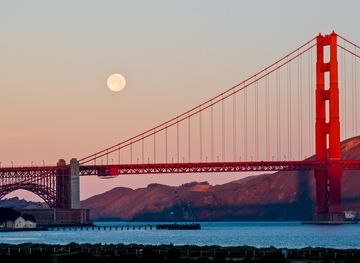
Looking beyond San Diego Beaches? Discover California for broader travel guides, local hot-spots, and regional highlights.
Explore CaliforniaSan Diego Beaches in Photos
Browse through our photo collection highlighting the charm and character of the destination.


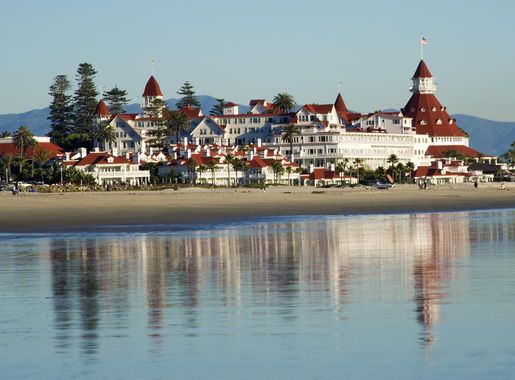


Sun-Kissed Shores of San Diego
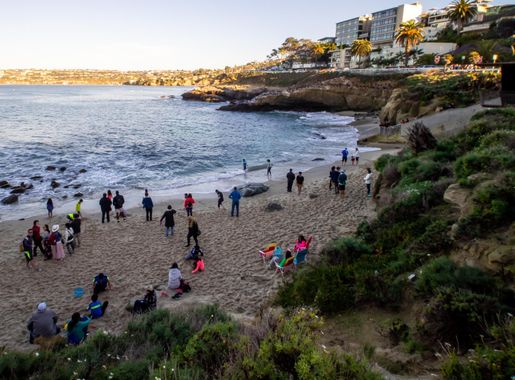
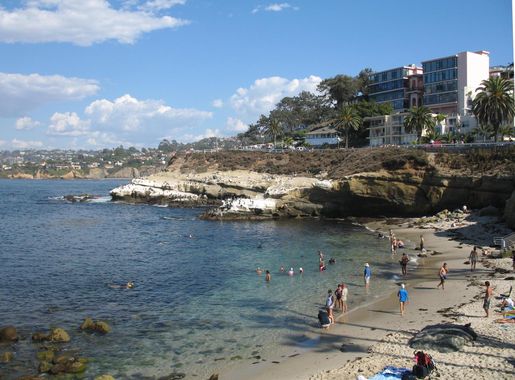
San Diego's beaches are a sun-lover's paradise, offering a perfect blend of golden sands, turquoise waters, and idyllic weather. Stretching over 70 miles of coastline, these beaches are famous for their beauty and variety, making them a top destination for tourists seeking relaxation and adventure alike. La Jolla Cove is a must-visit, renowned for its marine life and stunning sunsets. It's a haven for snorkelers and scuba divers, eager to explore the vibrant underwater world. Families will appreciate the calm waters and scenic picnic spots at Coronado Beach, where the historic Hotel del Coronado adds a touch of Victorian charm to the backdrop. For those looking for a more laid-back vibe, Mission Beach offers a classic Californian beach experience. Here, you can enjoy a stroll along the boardwalk, rent a bike, or simply soak up the sun. Surfers will find their haven at Pacific Beach, where the waves are perfect for both beginners and seasoned surfers. San Diego's beaches aren't just about the sand and sea; they're about the lifestyle. From beachside cafes and seafood shacks to vibrant nightlife and local festivals, there's always something happening along this picturesque coastline.