Joshua Tree National Park: Where Two Deserts Meet
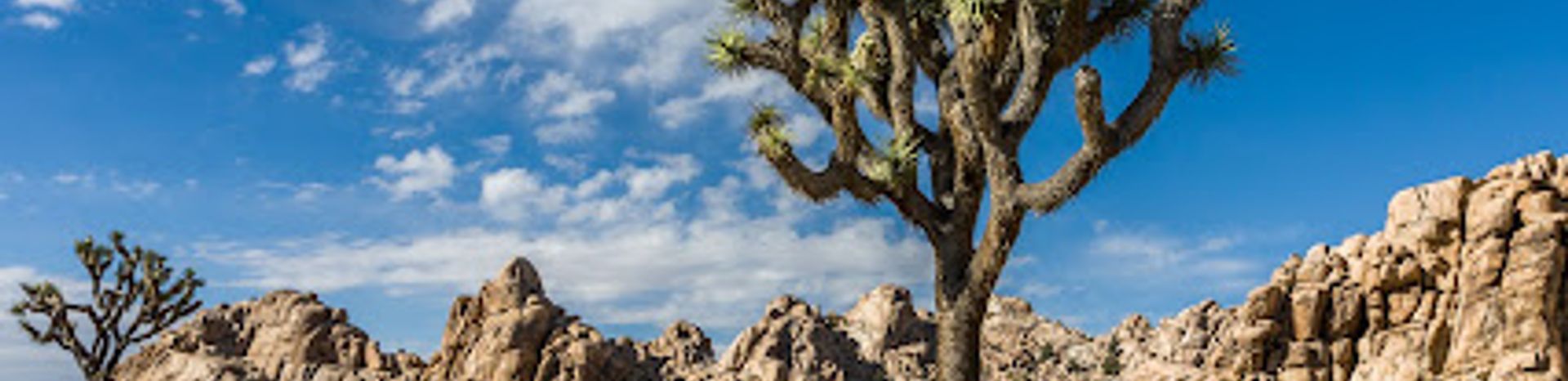
Explore the unique beauty of Joshua Tree National Park, where the Mojave and Colorado deserts converge in a landscape of rugged mountains and iconic Joshua trees.
Joshua Tree National Park, a vast protected area in Southern California, showcases the unique beauty of the Mojave and Colorado deserts. Named for its distinctive Joshua trees, the park offers a diverse landscape of rugged mountains, hidden canyons, and iconic rock formations, attracting hikers, climbers, and nature enthusiasts alike.
A brief summary to Joshua Tree National Park
- California, US
- +1760-367-5500
- Visit website
Local tips
- Visit during the late fall to early spring to avoid extreme temperatures.
- Bring plenty of water, food, and supplies, as there are no services inside the park.
- Purchase your park pass online in advance to save time at the entrance.
- Check the park's website for the latest updates on road closures and weather conditions.
- Be aware that cell phone reception is limited, and GPS navigation can be unreliable.

Getting There
-
Driving
Most visitors arrive at Joshua Tree National Park by car. The park has three entrances: the West Entrance near Joshua Tree Village, the North Entrance in Twentynine Palms, and the South Entrance off Interstate 10. From Los Angeles, take I-10 East to CA-62 (Twentynine Palms Highway) for the West Entrance. From the Palm Springs Airport (PSP), it's about a 50-minute drive. Be aware that GPS may be unreliable within the park. The standard entrance fee for a private vehicle is $30, valid for 7 days. Alternatively, you can purchase an annual Joshua Tree National Park pass for $55 or an 'America the Beautiful' pass for $80, which grants access to all national parks and federal recreation sites for a year. Payment can be made with cash, check, debit, or credit card at the entrance stations or visitor centers. Parking is available at most trailheads and attractions throughout the park. However, parking lots can fill up quickly, especially during peak season. If a parking lot is full, consider visiting another nearby attraction and returning later. There is day use parking throughout the park.
-
Public Transport
Limited public transportation options are available to Joshua Tree National Park. The Morongo Basin Transit Authority (MBTA) offers bus service to the towns near the park entrances. However, there is no public transportation within the park itself. In the past, a shuttle service operated within the park, with stops at popular locations like Jumbo Rocks Campground and Hidden Valley. However, it's essential to check the National Park Service website or visitor centers for current information on shuttle availability and schedules, as services may be limited or seasonal. From the nearest bus stops, ride-sharing services like Uber and Lyft are unreliable due to the park's remote location. Consider renting a car for convenient access to the park's attractions. Alternatively, some private shuttle companies offer transportation to and around Joshua Tree.
Discover more about Joshua Tree National Park
Iconic landmarks you can’t miss

Ryan Ranch
26.0 km
Explore the captivating history and stunning desert landscapes at Ryan Ranch, a must-visit landmark in Twentynine Palms, California.
Key's Ranch
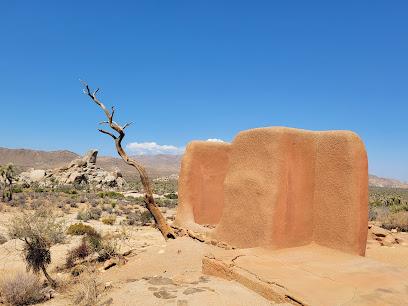
31.1 km
Explore Key's Ranch in Joshua Tree National Park, a historical landmark revealing the pioneering spirit of early desert settlers amidst stunning natural beauty.
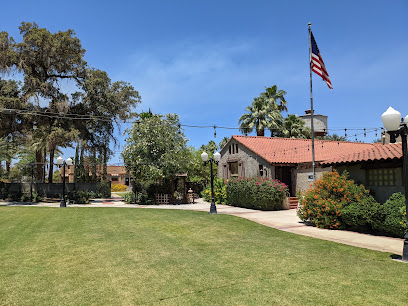
Coachella Valley History Museum
34.2 km
Discover the captivating history of the Coachella Valley at the History Museum, a gateway to the region's rich cultural heritage and historical narratives.
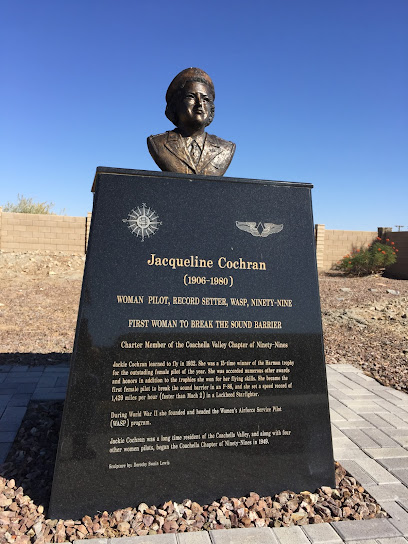
Jacqueline Cochran Memorial
35.8 km
Explore the Jacqueline Cochran Memorial, a historical landmark celebrating the incredible achievements of aviation pioneer Jacqueline Cochran in Thermal, California.
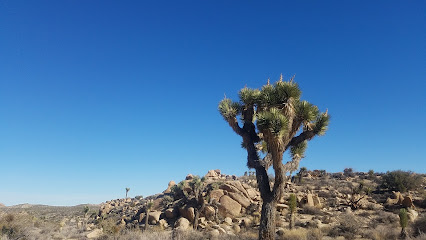
Maze Loop Trail
37.2 km
Explore the Maze Loop Trail in Joshua Tree National Park - a stunning hiking area filled with breathtaking views and unique rock formations.
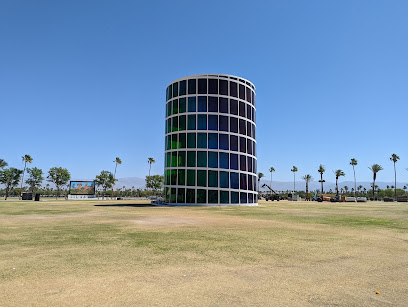
Spectra Tower
37.9 km
Experience the breathtaking views of Indio, California, from the stunning observation deck of Spectra Tower, your gateway to the Coachella Valley.
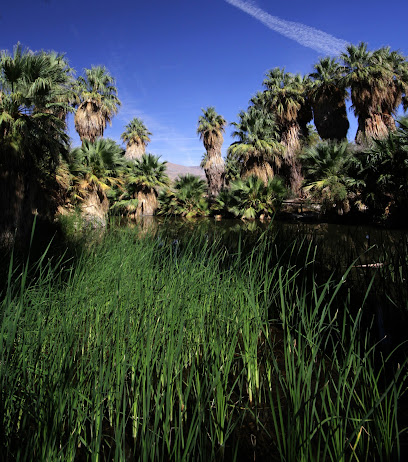
Coachella Valley Preserve - Thousand Palms Oasis Preserve
38.0 km
Explore the stunning desert landscapes and rich biodiversity of Coachella Valley Preserve, home to the serene Thousand Palms Oasis.
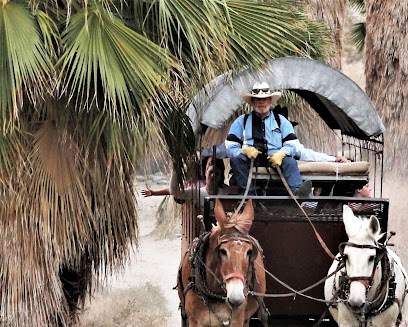
Covered Wagon Tours
38.2 km
Experience the enchanting beauty of the California desert with Covered Wagon Tours, a unique blend of adventure and education for all ages.
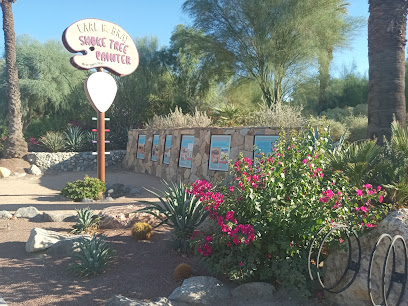
Carl G. Bray Smoke Tree Painter Monument
41.5 km
Explore the Carl G. Bray Smoke Tree Painter Monument, a historical landmark celebrating the artistic heritage of California's Indian Wells.
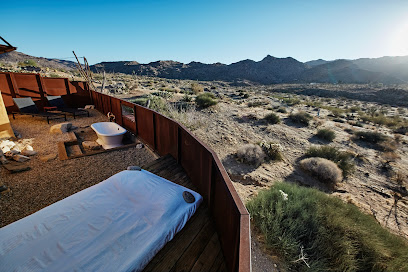
Sacred Sands
43.2 km
Discover the tranquility of Sacred Sands Inn in Joshua Tree, where luxury meets the breathtaking beauty of the California desert.
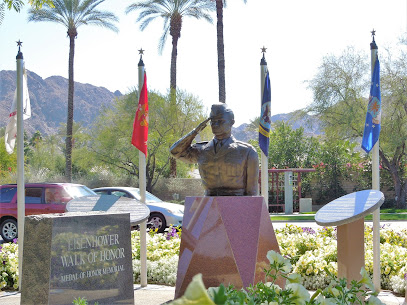
Eisenhower Walk of Honor
43.8 km
Explore the Eisenhower Walk of Honor in Indian Wells, CA - a serene tribute to President Eisenhower's remarkable life and enduring legacy.
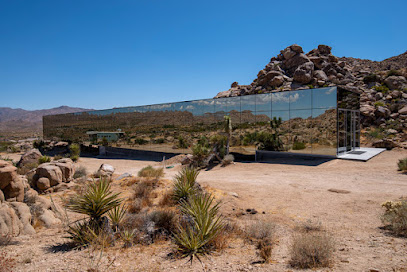
The Invisible House
43.8 km
Experience the magic of Joshua Tree at The Invisible House, a unique mirrored holiday rental blending luxury with breathtaking desert landscapes.
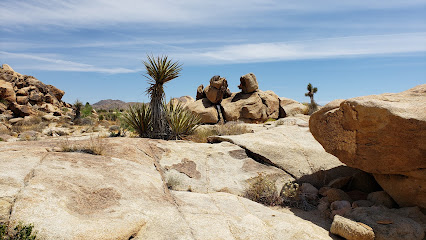
Desert View Conservation Area
44.4 km
Explore the stunning landscapes and diverse wildlife of Desert View Conservation Area in Joshua Tree, California, a paradise for nature lovers and adventurers.
North Joshua Tree BLM
44.7 km
Discover the breathtaking vistas and tranquil camping experience at North Joshua Tree BLM, your gateway to California's stunning desert landscapes.
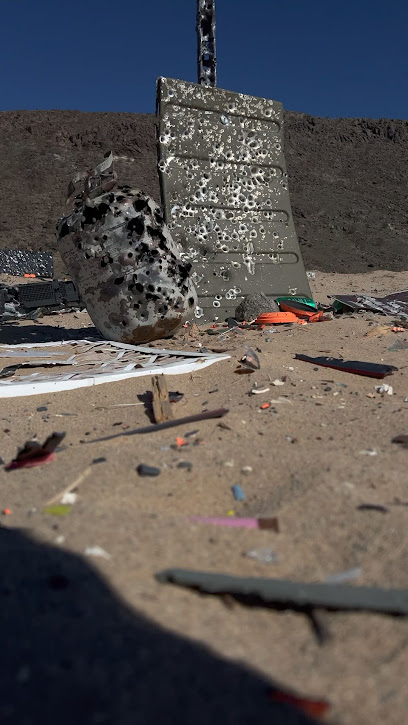
The Desert Lily Vacation Home
45.2 km
Experience the tranquility of Joshua Tree at The Desert Lily Vacation Home, where desert beauty meets modern comfort for the perfect getaway.
Unmissable attractions to see

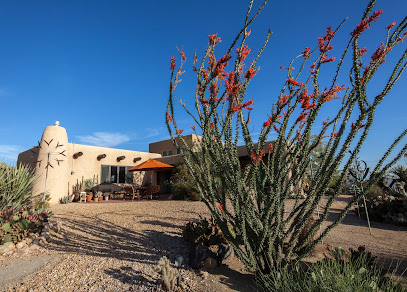
Ocotillo Patch
6.0 km
Experience the vibrant blooms and serene beauty of the Ocotillo Patch, a stunning nature preserve in California's desert landscape.
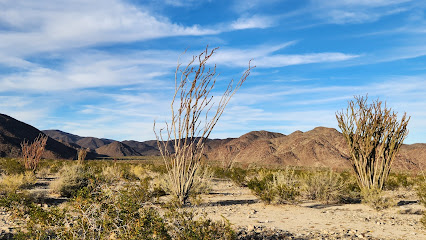
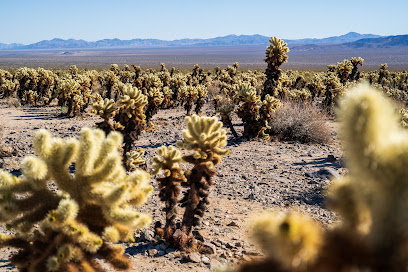
Cholla Cactus Garden
6.3 km
Discover the enchanting Cholla Cactus Garden in California, a stunning desert landscape filled with thousands of unique cholla cacti, perfect for nature lovers and photographers.
Cottonwood Visitor Center
15.6 km
Explore the wonders of Joshua Tree National Park at the Cottonwood Visitor Center, your starting point for adventure in California's breathtaking desert landscapes.
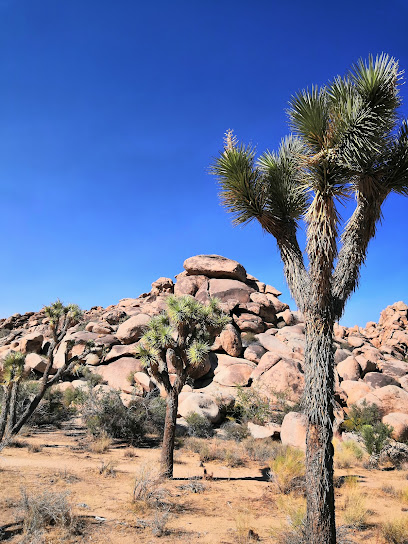
Arch Rock
16.4 km
Explore the breathtaking beauty of Arch Rock, a stunning natural formation in California's desert landscape, perfect for hiking and photography.
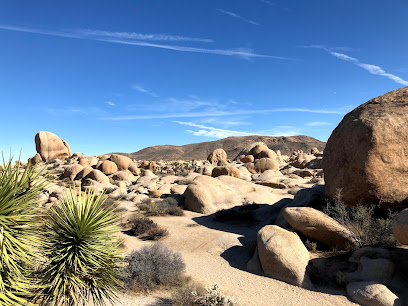
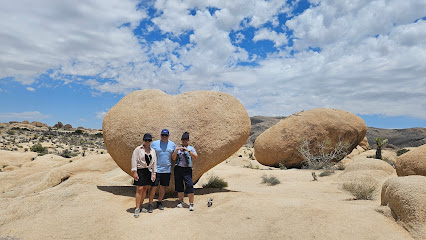
Heart Rock
16.4 km
Explore Heart Rock in Pinto Wye, California – a stunning natural formation that's perfect for photography and outdoor adventures.
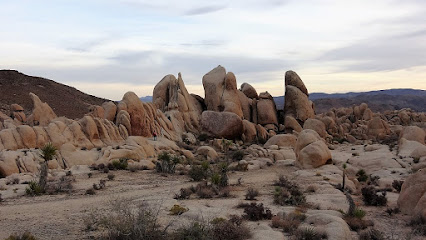
Arch Rock Nature Trail
17.1 km
Explore the scenic beauty and unique rock formations of Arch Rock Nature Trail in Twentynine Palms, California, a true gem of Joshua Tree National Park.
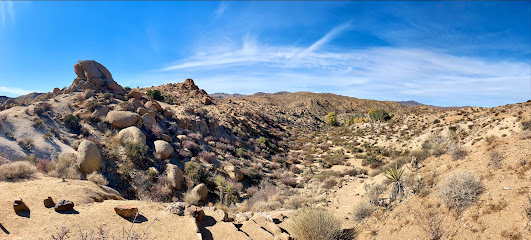
Cottonwood Spring
17.3 km
Explore the stunning oasis of Cottonwood Spring in Joshua Tree National Park, a unique destination for nature lovers and outdoor enthusiasts.
Skull Rock
20.1 km
Explore the iconic Skull Rock in California, a unique natural wonder ideal for hiking, photography, and enjoying the serene desert landscape.
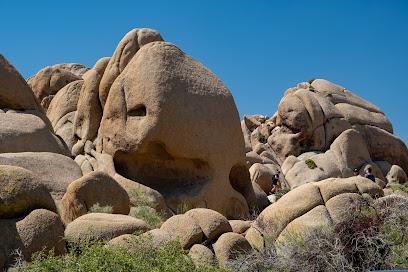
Skull Rock Trail
20.2 km
Explore the breathtaking Skull Rock Trail in Joshua Tree National Park, where stunning rock formations and desert beauty await every adventurer.
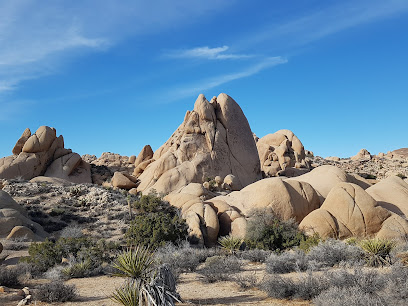
Discovery Trail
20.2 km
Explore the Discovery Trail in Joshua Tree National Park, a hiker's paradise showcasing stunning desert landscapes and unique rock formations.
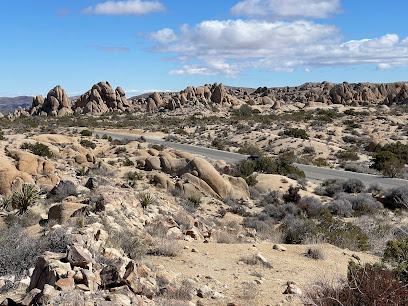
Split Rock Loop Trail
20.8 km
Explore the scenic wonders of Split Rock Loop Trail in Twentynine Palms, CA, a captivating hiking destination for nature lovers and adventure seekers.
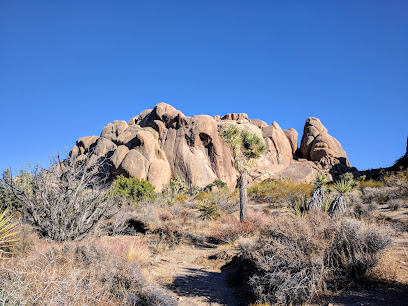
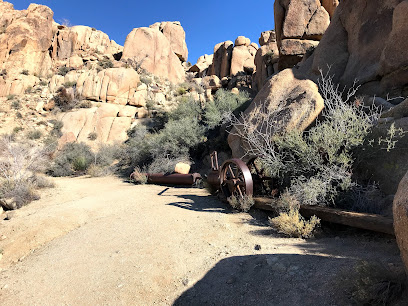
Desert Queen Mine
23.0 km
Discover the rich history and breathtaking landscapes of Desert Queen Mine, a hidden gem in Twentynine Palms, California.
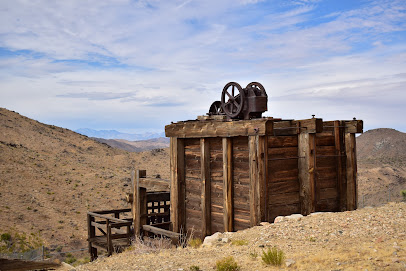
Lost Horse Mine
23.0 km
Discover the historic Lost Horse Mine, a captivating landmark in California's desert showcasing the rich mining heritage and stunning natural beauty.
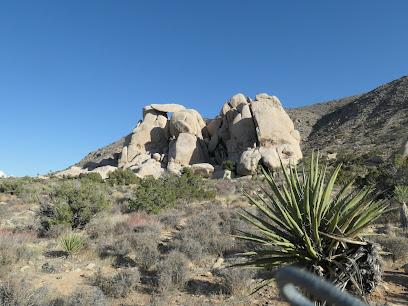
Ryan Mountain
24.9 km
Discover the breathtaking views and natural beauty of Ryan Mountain, a must-visit peak in California's Joshua Tree National Park.
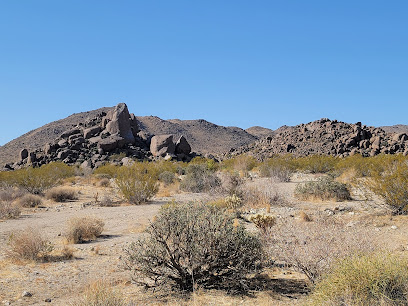
Contact Mine Trail
25.2 km
Explore the breathtaking beauty of Contact Mine Trail in Twentynine Palms, CA, where stunning landscapes and adventure await every hiker.
Essential places to dine

29 Palms Inn
31.6 km
Discover serenity at 29 Palms Inn - your gateway to Joshua Tree National Park with cozy accommodations and delicious dining options.
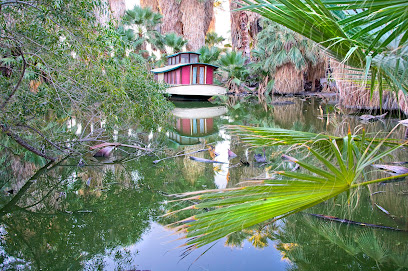
Kitchen in the Desert
32.4 km
Experience exquisite New American and Caribbean cuisine at Kitchen in the Desert, where culinary creativity meets stunning desert views.
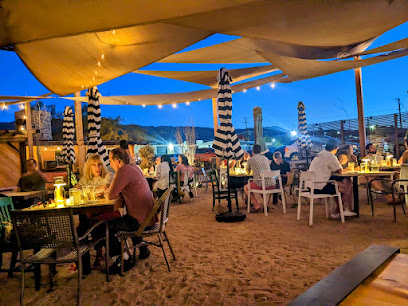
Palms Restaurant
32.8 km
Experience delightful American grill cuisine at Palms Restaurant in Twentynine Palms—where good food meets great ambiance in California's desert.
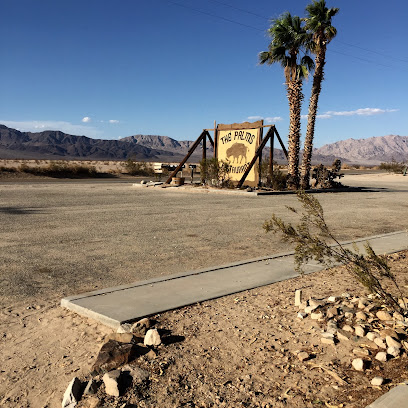
The Rib Co
33.8 km
Experience authentic barbecue at The Rib Co in Twentynine Palms—home to mouthwatering ribs and friendly service.
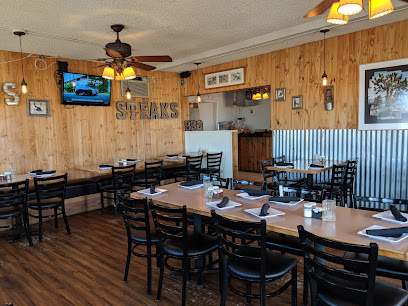
John's Place
33.9 km
Discover authentic American breakfast at John's Place in Twentynine Palms - where hearty meals meet warm hospitality.
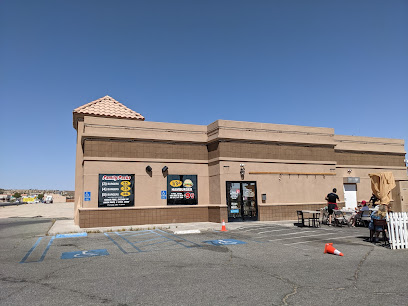
Oceana Restaurant
39.4 km
Experience fine dining at Oceana Restaurant in Palm Desert – where fresh seafood meets exquisite flavors and stunning ambiance.
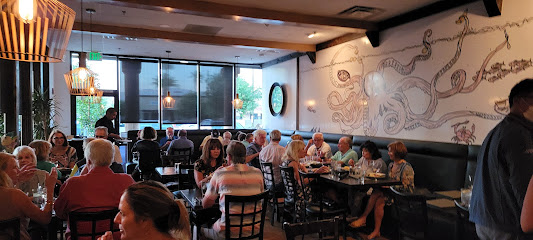
Alps Village
39.7 km
Experience authentic German, Croatian & Serbian cuisine at Alps Village in Palm Desert – where every meal tells a story.
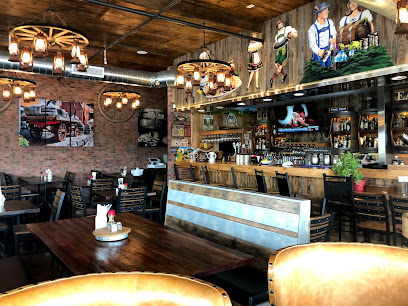
Más o Menos
41.5 km
Discover Más o Menos: A charming cocktail bar and coffee shop in Joshua Tree offering delicious drinks and vibrant ambiance for every traveler.
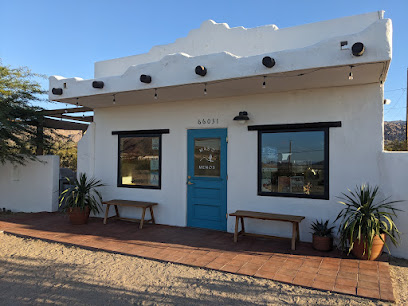
JT's Diner
43.4 km
Experience classic American dining at JT's Diner in Palm Desert – where hearty meals meet nostalgic charm.
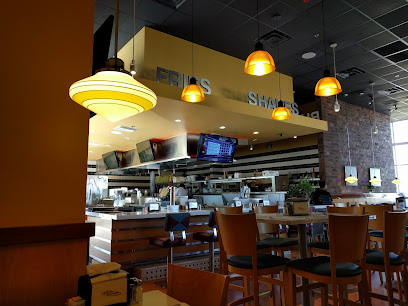
Desert Hideaway Food, Snack, and Drink Bar
43.7 km
Discover refreshing drinks and delightful snacks at Desert Hideaway in Joshua Tree - your perfect retreat after exploring stunning desert landscapes.

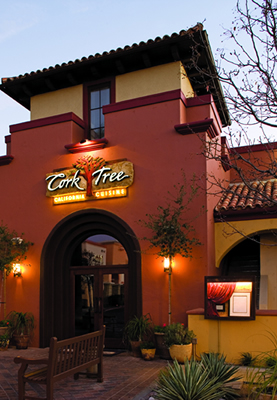
Cork Tree restaurant
44.0 km
Experience exquisite Californian cuisine at Cork Tree Restaurant in Palm Desert, where every dish tells a story of flavor and freshness.
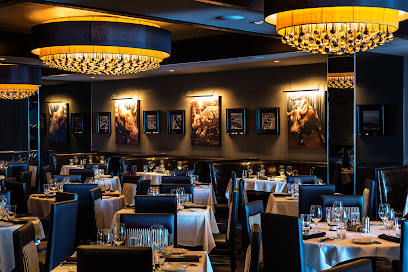
Morton's The Steakhouse
44.1 km
Experience culinary excellence at Morton's The Steakhouse in Palm Desert - where premium steaks meet sophisticated ambiance.
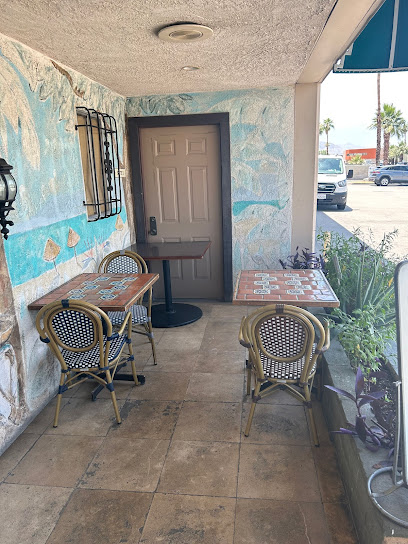
La Cocina de Mama Margarita
44.6 km
Experience authentic Mexican cuisine at La Cocina de Mama Margarita in Palm Desert – a local favorite for delicious food and warm hospitality.
Rockwood Grill
44.6 km
Experience exquisite dining at Rockwood Grill in Palm Desert - where local flavors meet elegant ambiance.
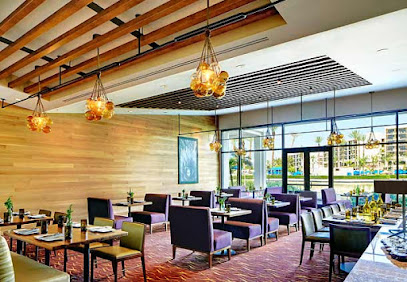
CJ's Diner
44.6 km
Experience classic American comfort food at CJ's Diner in Palm Desert - where every meal feels like home.
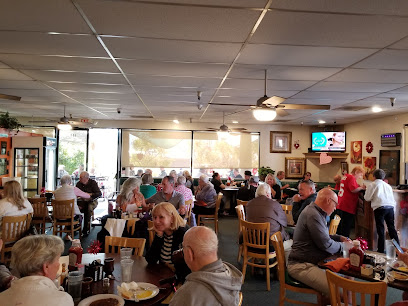
Markets, malls and hidden boutiques

Tribal traditions
42.8 km
Discover authentic Native American culture through handcrafted goods and art at this unique store, celebrating tribal traditions.
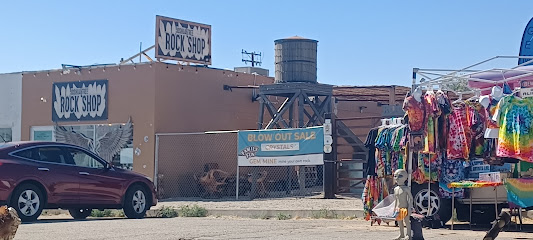
Thriftology
46.5 km
Explore Thriftology in Palm Desert for unique treasures and sustainable shopping experiences that cater to every budget.
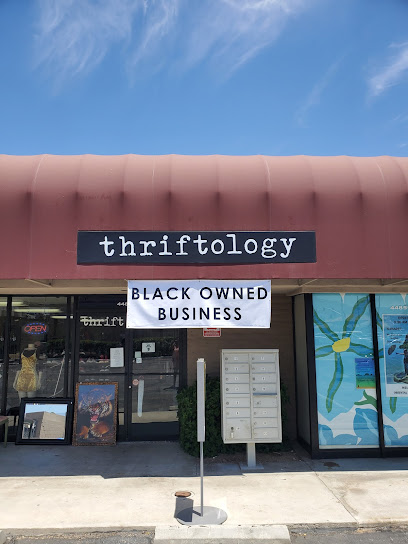
Plaza de Monterey Shopping Center
46.9 km
Explore the Plaza de Monterey Shopping Center for a unique Palm Desert shopping experience with diverse shops and delightful eateries.
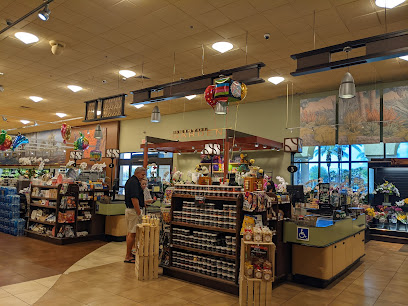
Maison Felice
47.0 km
Explore a world of vintage charm at Maison Felice, Palm Desert's premier antique store featuring unique treasures and local artistry.
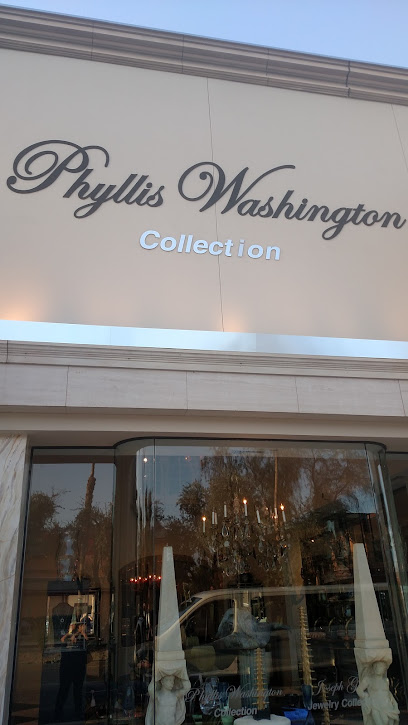
Phyllis Washington Antiques
47.0 km
Explore a captivating collection of unique antiques and vintage treasures at Phyllis Washington Antiques in Palm Desert.
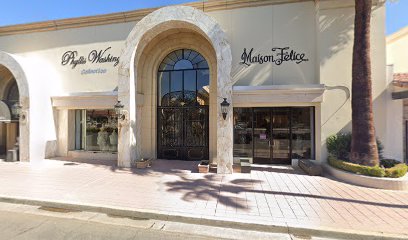
Marga's Repeat Boutique
47.1 km
Explore Marga's Repeat Boutique in Palm Desert: Your go-to consignment shop for stylish women's clothing and unique fashion accessories.

Patriot Store
47.2 km
Explore the Patriot Store in Palm Desert for unique clothing and accessories that embody American culture and style.
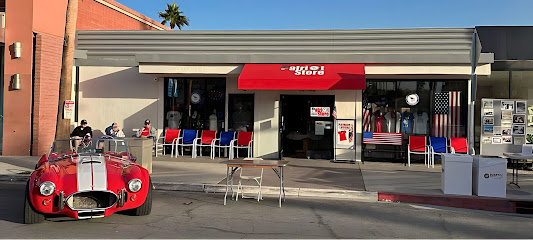
Earth Spirits
47.3 km
Explore Earth Spirits in Palm Desert for unique clothing and accessories that capture the essence of California's vibrant desert lifestyle.
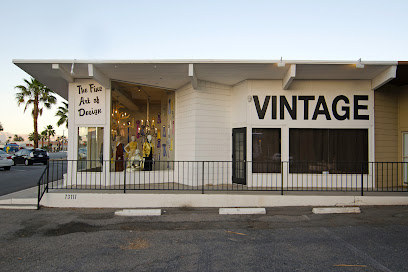
The Fine Art of Design
47.3 km
Explore a curated collection of vintage clothing and unique consignment finds at The Fine Art of Design in Palm Desert.
ALEXANDER ON El PASEO
47.3 km
Explore the elegance of Alexander on El Paseo, a high-end women's clothing store in Palm Desert, showcasing the latest fashion trends and luxury designs.

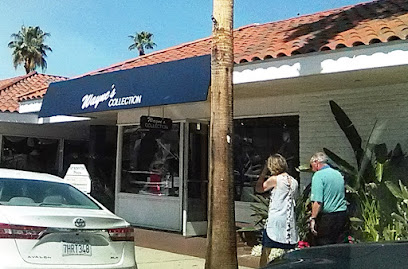
Wayne's Collection
47.4 km
Explore Wayne's Collection in Palm Desert for chic women's fashion that combines style and personal service in a charming boutique setting.
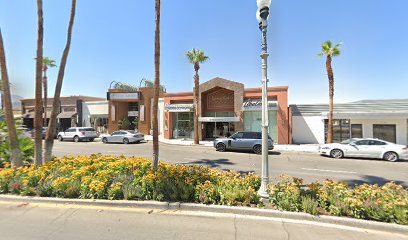
Jensen's Shopping Center
47.5 km
Experience the charm of Jensen's Shopping Center, a premier shopping destination in Palm Desert offering local flavors and unique finds.
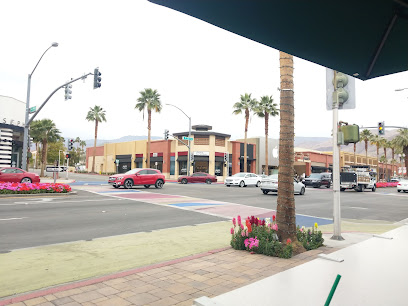
The Shops on San Pablo - Venus Fashion Boutique
47.5 km
Explore unique fashion at Venus Fashion Boutique, a chic women's clothing store in Palm Desert that offers a personalized shopping experience.
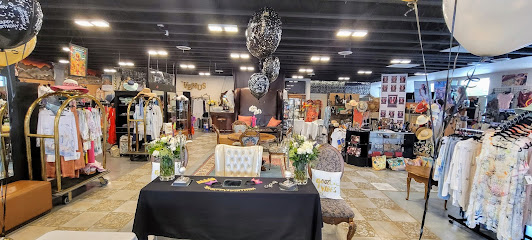
Sunny Days Retail
47.5 km
Discover stylish women's clothing and accessories at Sunny Days Retail, a must-visit fashion destination in Palm Desert, California.
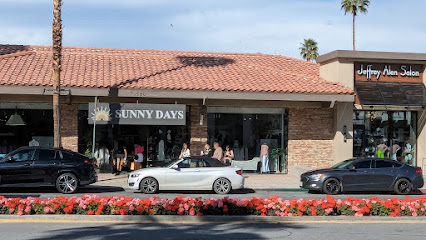
Peach Whiskers Goods
47.5 km
Explore the eclectic vintage treasures at Peach Whiskers Goods in Palm Desert, California—where retro fashion meets unique style.
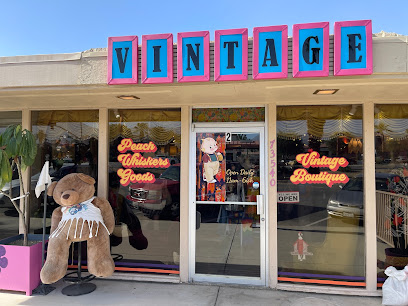
Essential bars & hidden hideouts

Out There Bar
32.3 km
Discover the lively spirit of Twentynine Palms at Out There Bar, where craft cocktails and local culture meet under the desert stars.
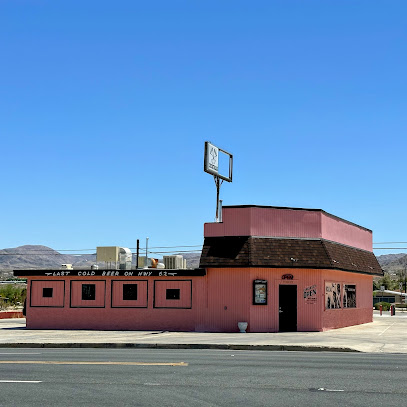
Virginian Cocktails
32.4 km
Virginian Cocktails in Twentynine Palms offers a vibrant bar experience with exquisite cocktails in a welcoming atmosphere, perfect for relaxation after exploring.
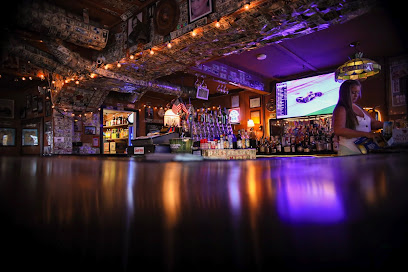
The Cactus bar
33.9 km
Experience authentic Mediterranean cuisine at The Cactus Bar in Twentynine Palms, where flavor and atmosphere meet at great prices.
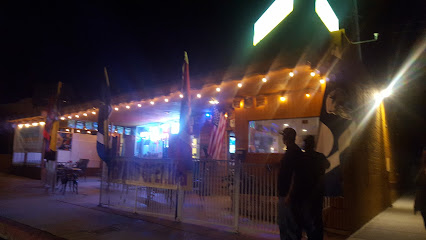
The 19th Hole
40.2 km
Experience the best of American cuisine and sports entertainment at The 19th Hole in Palm Desert, perfect for tourists seeking fun and relaxation.
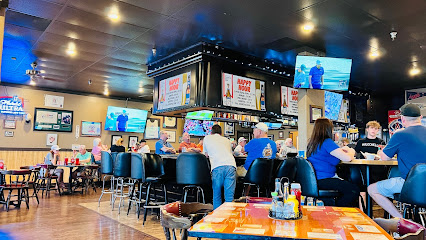
La Quinta Cliffhouse
40.7 km
Experience exquisite dining with a stunning view at La Quinta Cliffhouse, the perfect blend of culinary delight and scenic beauty.
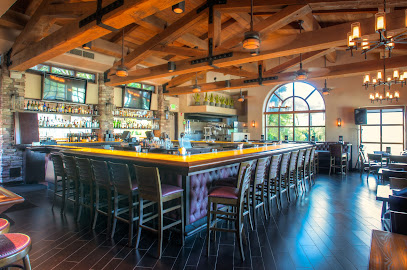
Spin and Margies Desert Hideaway
43.7 km
Experience the serene beauty of Joshua Tree from the comfort of Spin and Margies Desert Hideaway, your cozy desert retreat.
Plan B Live Entertainment & Cocktails
45.5 km
Discover a lively cocktail bar experience at Plan B Live Entertainment & Cocktails, where affordable drinks and vibrant entertainment await in Thousand Palms.
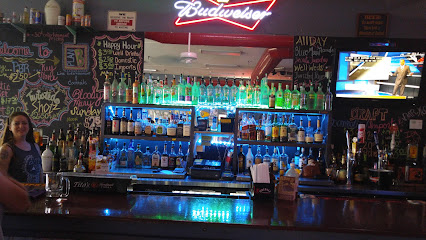
La Fe Wine Bar
47.1 km
Experience the essence of wine culture at La Fe Wine Bar in Palm Desert, where exquisite wines and gourmet small plates await.
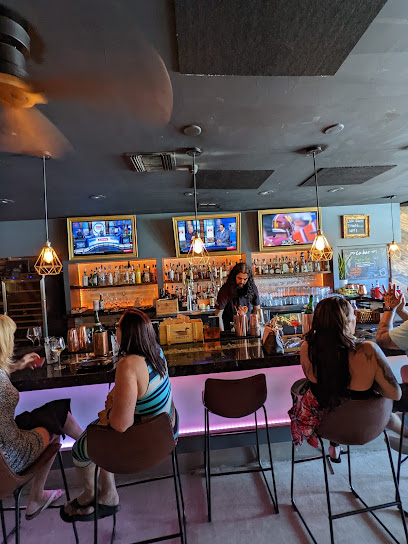
BaBaLoo Lounge
47.1 km
Discover the vibrant BaBaLoo Lounge in Palm Desert, where delicious grill cuisine meets an energetic nightlife experience.
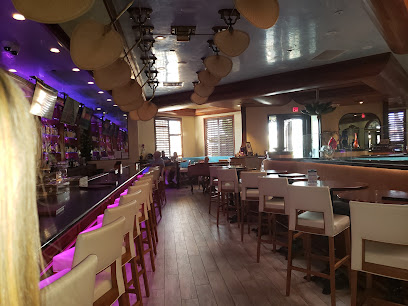
Libation Room
47.3 km
Discover the lively Libation Room, a trendy bar in Palm Desert offering craft cocktails and a vibrant nightlife experience.
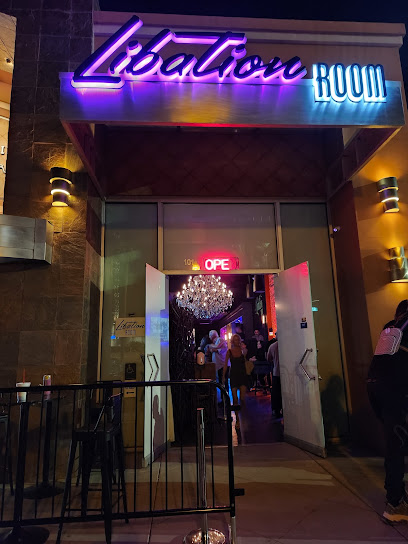
Little Bar
47.5 km
Explore Little Bar in Palm Desert for a unique blend of delicious grilled dishes and refreshing drinks in a vibrant atmosphere.
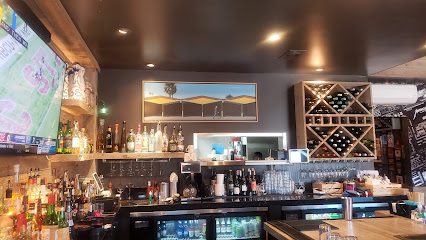
Desert Fox Bar
47.5 km
Discover Desert Fox Bar, Palm Desert's vibrant cocktail haven, where innovative drinks and a lively atmosphere await every visitor.
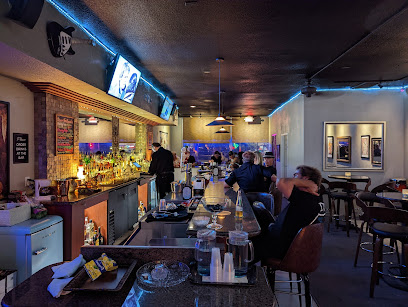
Z Club
47.9 km
Discover the electrifying nightlife at Z Club, a premier night club in Joshua Tree, California, where music and fun come alive under the desert sky.
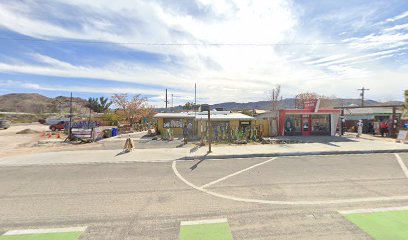
Joshua Tree Bottle Shop
48.1 km
Explore an exceptional selection of wines and craft beers at Joshua Tree Bottle Shop, your go-to destination for local and international beverages.
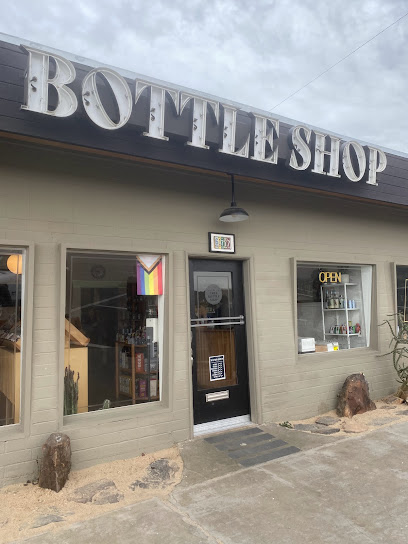
Brewja Elixir
48.2 km
Discover Brewja Elixir in Joshua Tree, a serene tea store offering exquisite herbal brews and wellness remedies in a cozy environment.
Nightclubs & after hour spots

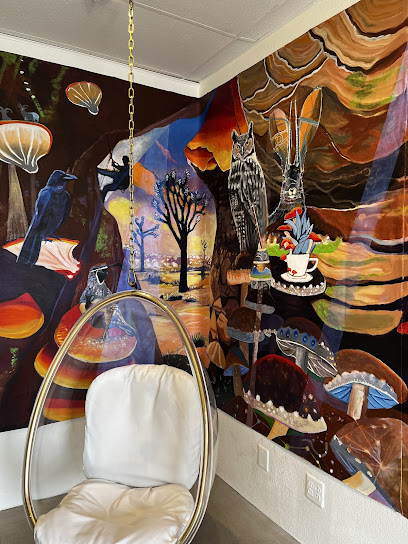
Frank's Hideout
47.9 km
Experience the vibrant social scene of Palm Desert at Frank's Hideout, where relaxation meets entertainment in a stylish lounge and bar.
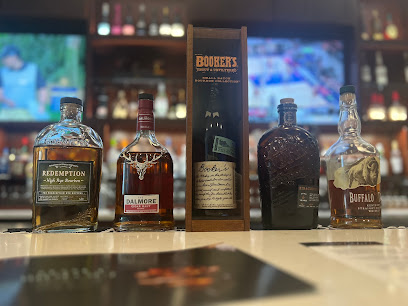
Bart Lounge
54.5 km
Experience the vibrant nightlife at Bart Lounge, combining art, live music, and a stylish atmosphere in the heart of Cathedral City.
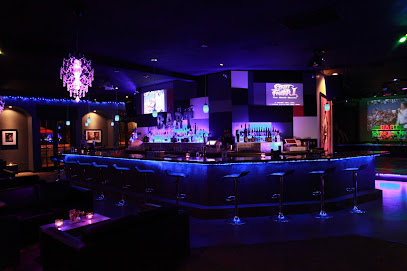
Purple Room Supper Club
58.3 km
Discover the lively charm of the Purple Room Supper Club in Palm Springs, where exquisite dining meets unforgettable live entertainment.
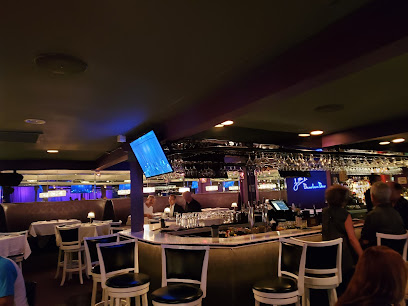
Rocks
59.1 km
Discover the vibrant nightlife of Palm Springs at Rocks, a stylish lounge offering exquisite cocktails and lively entertainment under the stars.
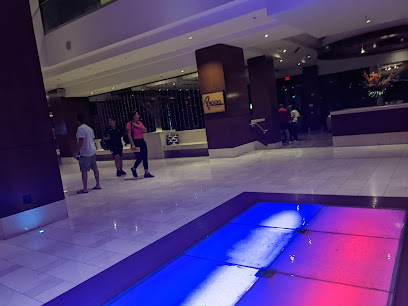
Copa Nightclub
59.6 km
Discover the lively Copa Nightclub, Palm Springs’ premier nightlife destination offering live music, DJs, and unforgettable nights filled with fun and excitement.
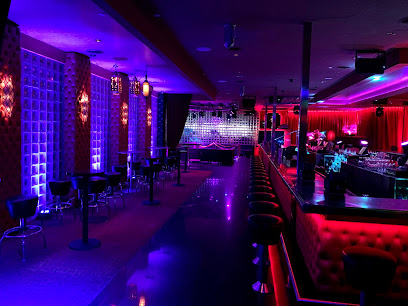
Club 541
59.7 km
Dive into the vibrant nightlife of Palm Springs at Club 541, a premier gay nightclub offering an inclusive and energetic atmosphere for all.
The Club Downtown Palm Springs at Hotel Zoso
59.7 km
Discover the lively nightlife at The Club Downtown Palm Springs, a premier destination for music, dancing, and unforgettable entertainment.
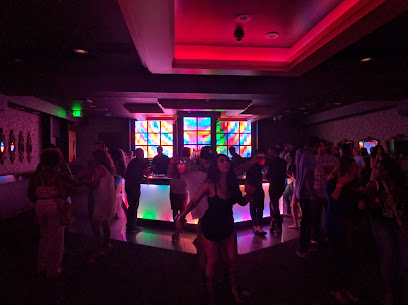
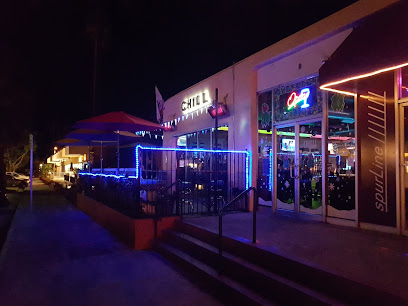
Chill Bar
59.7 km
Chill Bar: A lively night club and lounge in Downtown Palm Springs that embraces inclusivity and offers a fantastic nightlife experience.
Pretty Faces Nightclub
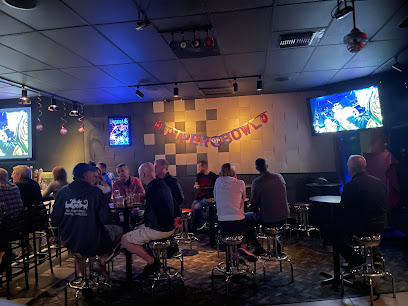
59.8 km
Pretty Faces Nightclub in Palm Springs: A hub of vibrant nightlife, electrifying music, and unforgettable dance experiences.

QUADZ
59.8 km
Discover the vibrant nightlife at QUADZ in Downtown Palm Springs, a premier gay bar and night club with unforgettable entertainment and inclusive atmosphere.
Privado Palm Springs
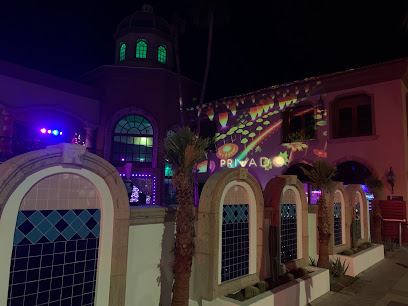
59.8 km
Discover the ultimate nightlife experience at Privado Palm Springs, a chic venue combining lounge, bar, and club vibes in the heart of California.
RetroRoom Lounge
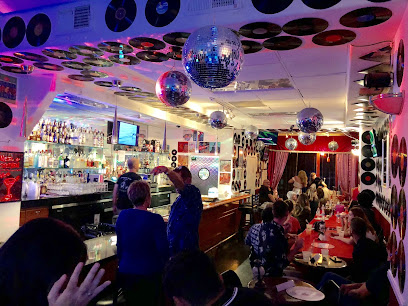
59.8 km
Experience the vibrant nightlife at RetroRoom Lounge, where eclectic cocktails and retro vibes create the perfect Palm Springs escape.
The Alibi
59.9 km
Experience the vibrant cocktail culture and lively music scene at The Alibi in Downtown Palm Springs, a must-visit destination for nightlife enthusiasts.
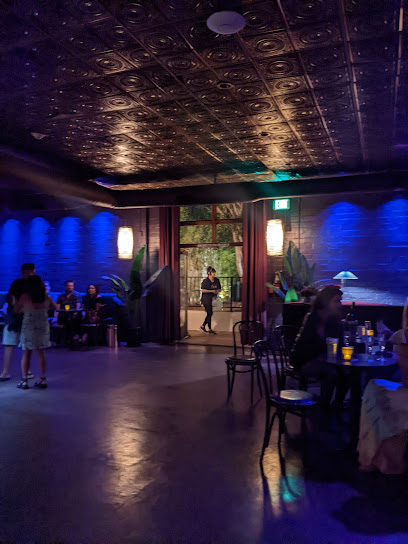
Reforma Palm Springs
60.0 km
Experience the vibrant nightlife and exquisite Pan-Latin cuisine at Reforma Palm Springs, the ultimate destination for dining and dancing.
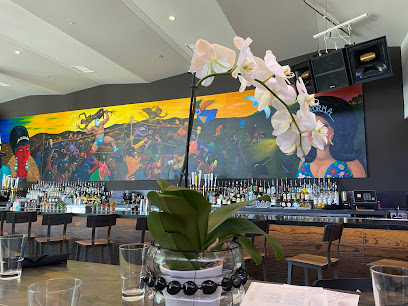
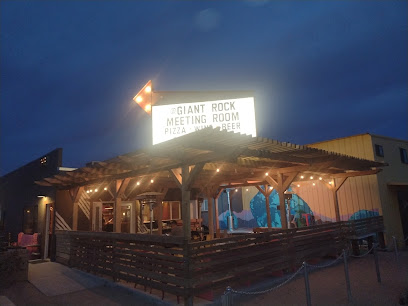
Giant Rock Meeting Room
63.6 km
Experience the vibrant culture of Yucca Valley at Giant Rock Meeting Room, where gourmet pizza meets live music and local art.