

Free Centre Region Travel Guide & Mobile App
Explore Centre Region with free travel guides. Discover regional history, expert tips, proposed trips, and audio guides on web or mobile app.


Explore Cameroon’s Centre Region for Yaoundé’s museums, civic history, forest sanctuaries, river landscapes and richly varied central-Cameroonian cuisine.
Read more about Centre Region
When is the best time to visit Centre Region?
Best: December–February · 27–28°C| Month | High (°C) | Rainfall (mm) |
|---|---|---|
| January (best) | 27 | 19 |
| February (best) | 28 | 28 |
| March | 29 | 70 |
| April | 30 | 140 |
| May | 29 | 160 |
| June | 28 | 170 |
| July | 27 | 190 |
| August | 27 | 200 |
| September | 27 | 180 |
| October | 27 | 140 |
| November | 27 | 70 |
| December (best) | 27 | 20 |
Getting to and around Centre Region
How to get there
Transportation
Top city travel guides in Centre Region
The cities of Centre Region, and the easiest places to base yourself.
-
-

-

-

-

-


Swipe for more cities
Destinations in Centre Region
Resorts, valleys and scenic spots worth a trip of their own.
-

-

-

-

-

-


Swipe for more destinations
Best attractions in Centre Region
The Centre Region’s attractions are concentrated in and around Yaoundé but extend into a broad rural landscape. In the capital, the National Museum introduces Cameroon’s political and cultural history through objects, artworks and displays, while markets such as Mokolo offer a vivid sense of contemporary commerce. Civic monuments, churches, galleries and cultural institutions add depth to an urban itinerary. Near the city, the Mefou Wildlife Sanctuary provides an opportunity to learn about the protection and rehabilitation of primates in a forested setting. Outside Yaoundé, the pace becomes slower and attractions are often landscape-based: river valleys, agricultural districts, forest margins and market towns reward travellers with time and reliable transport. The Sanaga and Nyong systems are important geographical features, although access to river sites and waterfalls should be checked locally rather than assumed from a map. Nature-focused trips may include birdwatching, forest walks and environmental education, while rural journeys reveal the region’s farming traditions and changing settlement patterns. The Centre is not a conventional resort destination; its appeal lies in combining a national capital’s museums and institutions with excursions into central Cameroon’s wooded, cultivated hinterland.
-
Historical landmark
Rond-Point Deido
Discover the vibrant heart of Douala at Rond-Point Deido, a historical landmark where culture and community converge in a picturesque setting.
-
Tourist attraction
Parcours Vita
Discover the tranquil beauty of Parcours Vita, a lush park in Douala perfect for relaxation, recreation, and enjoying nature's serenity.
-
Zoo
Mvog-Betsi Botanical Zoological Garden
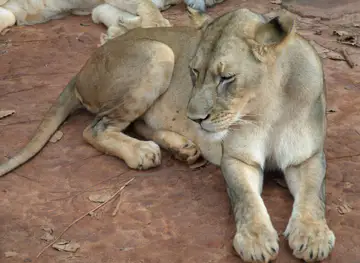
Explore the Mvog-Betsi Botanical Zoological Garden in Yaoundé, a serene oasis showcasing diverse wildlife and lush botanical beauty.
-
Tourist attraction
Cameroon Reunification Monument
Explore the Cameroon Reunification Monument, a stunning symbol of unity and cultural heritage in the heart of Yaoundé, offering a glimpse into the nation's history.


Best landmarks in Centre Region
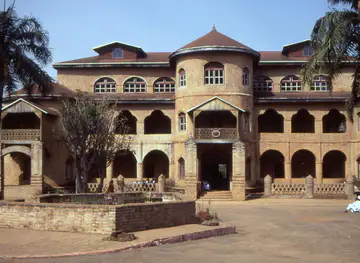
Yaoundé’s most recognisable landmarks express the Centre Region’s role as Cameroon’s political capital. The National Museum, housed in the former presidential palace, is significant both for its collections and for its connection with the country’s modern state history. The Monument de la Réunification, on a hill in the capital, commemorates the creation of a united Cameroon and has strong national symbolism. The city’s Basilica of Our Lady of Victories is a prominent religious building and an important feature of Yaoundé’s civic landscape, while the Cathedral of Our Lady of Victories represents another strand of the capital’s religious and architectural history. Government avenues, ministry buildings and elevated viewpoints across Yaoundé reveal the city’s spread over wooded hills. Beyond the capital, the Sanaga and Nyong rivers are geographical landmarks rather than conventional monuments, shaping settlement, agriculture and movement across the region. Forested ridges and river valleys provide the broader visual setting in which the Centre’s urban and historic landmarks should be understood.
-
 Hotel
Hôtel Mont Fébé
Experience panoramic views and historic charm at Hôtel Mont Fébé, Yaoundé's hilltop landmark since 1968.
-
Museum
National Museum
Discover Cameroon's rich history and cultural heritage at the National Museum in Yaoundé, showcasing diverse artifacts and traditions.
-
Restaurant
Bois Sainte Anastasie
Escape to nature in the city center at Bois Sainte Anastasie, Yaoundé's charming park with art, river views, and relaxation.
-
Cultural landmark
Cameroon Reunification Monument
A landmark in Yaoundé symbolizing Cameroon's reunification and national identity, celebrating the country's rich history and cultural heritage.


Explore Centre Region on the map
Plan your trip on one map. See where the top cities, national parks and sights are, and book hotels and experiences in a few clicks.
Best hotels in Centre Region
Best restaurants in Centre Region
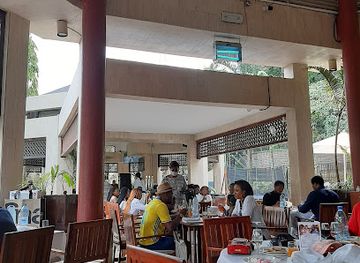
Dining in the Centre Region is most varied in Yaoundé, where restaurants and informal eateries reflect the national diversity of Cameroon alongside central forest-region ingredients. Plantain, cassava, cocoyam, maize, rice, groundnuts, leafy vegetables, fish and chicken appear in many forms, often accompanied by sauces with chilli, tomato or groundnut flavours. Grilled fish and meat, stewed dishes and fried plantain are widely available, while local snacks and fruit are common at markets and roadside stalls. The capital offers everything from modest neighbourhood cooking to hotel dining and restaurants serving food influenced by Cameroon’s Francophone, Anglophone and international communities. In rural areas, choices are simpler and opening arrangements less predictable, so travellers should carry water and avoid assuming that every town has a broad evening menu. Markets can be useful places to encounter seasonal produce, but visitors should choose busy, hygienic stalls and eat food that is thoroughly cooked.
-
Restaurant
Le Safoutier Restaurant
Experience the exquisite flavors of Cameroon at Le Safoutier Restaurant, located within Hilton Hotel, Yaoundé – where elegance meets culinary artistry.
-
Restaurant
Boukarou Lounge
Experience authentic Cameroonian flavors at Boukarou Lounge in Yaoundé—where delicious cuisine meets vibrant live music.
-
Turkish
Istanbul Turkish Restaurant
Savor authentic Turkish cuisine at Istanbul Turkish Restaurant in Yaoundé – where every bite takes you on a flavorful journey.
-
Restaurant
Restaurant "Le Colisée", Yaoundé
Discover the vibrant flavors of Yaoundé at Restaurant Le Colisée - where delicious pizzas meet delightful sundaes in a cozy atmosphere.


Best bars in Centre Region
Evening life in the Centre Region is centred on Yaoundé, where neighbourhood bars, hotel lounges, restaurants, live-music venues and small clubs provide the widest choice. The city’s nightlife is dispersed rather than confined to one universally defined district, and the atmosphere changes between central commercial areas, residential quarters and larger hotel zones. Music may include Cameroonian popular styles, makossa, bikutsi and contemporary African sounds, reflecting the capital’s nationally mixed population. Traditional bars and beer gardens remain important social spaces, while cafés and restaurants offer quieter alternatives. Outside Yaoundé, nightlife is generally modest and focused on local bars, eateries and community gatherings rather than late-running clubs. Visitors should arrange their return transport before going out, avoid displaying valuables and follow local advice about which areas are appropriate after dark. Alcohol is not necessary to experience the region’s evening culture, and cultural performances or food-focused outings may be better suited to many travellers.
-
Restaurant
Boukarou Lounge
Discover the vibrant flavors of Cameroon at Boukarou Lounge, a top-rated restaurant in Yaoundé serving local and international cuisine.
-
Lounge
Black & White Sensation (Bastos)
Discover the stylish ambiance and lively spirit of Black & White Sensation in Yaoundé's Quartier Bastos, where cocktails and culture collide.
-
Night club
Sanza Night Club, Yaoundé
Discover the electrifying nightlife at Sanza Night Club in Yaoundé, where vibrant music and a lively crowd create unforgettable moments.
-
Lounge
Cubana Lounge, Yaoundé
Discover the vibrant nightlife of Yaoundé at Cubana Lounge, where cocktails, music, and culture come together for an unforgettable experience.


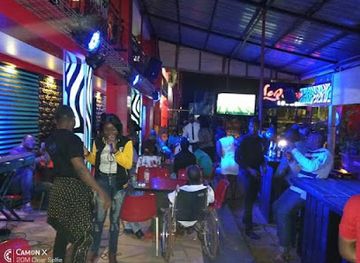
Best nightclubs in Centre Region
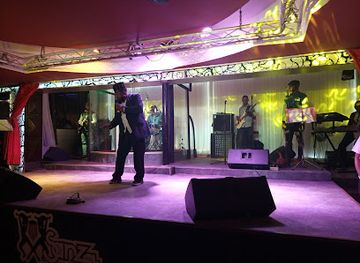
Evening life in the Centre Region is centred on Yaoundé, where neighbourhood bars, hotel lounges, restaurants, live-music venues and small clubs provide the widest choice. The city’s nightlife is dispersed rather than confined to one universally defined district, and the atmosphere changes between central commercial areas, residential quarters and larger hotel zones. Music may include Cameroonian popular styles, makossa, bikutsi and contemporary African sounds, reflecting the capital’s nationally mixed population. Traditional bars and beer gardens remain important social spaces, while cafés and restaurants offer quieter alternatives. Outside Yaoundé, nightlife is generally modest and focused on local bars, eateries and community gatherings rather than late-running clubs. Visitors should arrange their return transport before going out, avoid displaying valuables and follow local advice about which areas are appropriate after dark. Alcohol is not necessary to experience the region’s evening culture, and cultural performances or food-focused outings may be better suited to many travellers.
-
Night club
Sanza Night Club, Yaoundé
Discover the vibrant nightlife of Yaoundé at Sanza Night Club, where the beats are infectious and the atmosphere is electrifying.
-
Disco club
Le Penalty Lounge
Experience the vibrant nightlife at Le Penalty Lounge, a premier disco club and lounge in Yaoundé, perfect for dancing and socializing.
-
Lounge
Circle Club
Experience the vibrant nightlife at Circle Club, Yaoundé's premier lounge for cocktails and live entertainment amidst a lively atmosphere.
-
Restaurant
Bambou Lounge
Discover the lively Bambou Lounge in Yaoundé, a perfect blend of delicious cuisine and vibrant nightlife.


Best shops in Centre Region
Shopping in the Centre Region is most extensive in Yaoundé, where large markets, neighbourhood stalls, supermarkets, craft outlets and independent shops serve both residents and visitors. Mokolo is one of the capital’s best-known market areas, with clothing, household goods, food and practical items, although it can be crowded and requires careful attention to belongings. Smaller markets and roadside sellers offer fruit, plantains, spices, woven goods and locally made products, while specialist craft shops may stock carvings, textiles, jewellery and artworks from different parts of Cameroon. Prices in informal markets are often negotiable, but bargaining should remain courteous and realistic. Visitors looking for regional food products can buy packaged spices, coffee, cocoa products and other goods in established shops, subject to customs rules for taking them home. Outside Yaoundé, shopping is mainly local and practical, centred on market towns rather than dedicated tourist retail precincts.
-
Market
Acacias Market
Explore the vibrant Acacias Market in Yaoundé, where local culture, unique crafts, and delicious street food come together in a bustling atmosphere.
-
Shopping mall
Santa Lucia Bakery
Experience the rich flavors of Cameroon at Santa Lucia Bakery, a delightful destination in Yaoundé for fresh pastries and local treats.
-
Park
Bois Sainte Anastasie
Experience the tranquil beauty of Bois Sainte Anastasie, a lush park in Yaoundé offering relaxation, dining, and scenic strolls amidst nature.
-
Shopping mall
ORCA Yaoundé
Discover the vibrant shopping experience at ORCA Yaoundé, where local culture meets modern retail in the heart of Cameroon.


Get your free copy of our complete guide to Centre Region, delivered straight to you.
Everything on this page, from attractions and restaurants to essentials and local phrases, in one PDF you can read offline, print or share.
Already have an account? Sign in
Your Centre Region guide is ready.
We'll send it to · Not you? Sign out

Getting your guide ready…
We are putting together a fresh copy of the Centre Region guide. This can take up to a minute.
This can take a few moments. If your browser asks, choose Allow so the download can start. You'll find the guide in your Downloads folder.
Nothing happened? Download it again
Sorry, the guide is taking longer than usual. Please try again in a minute, or get it by email instead.
Centre Region essentials
Currency and Payment
Safety
Emergency Situations
Do's and Don'ts
Local Tips
From Eve
Local phrases worth knowing
You don't need to get them perfect. A few words go a long way, and locals appreciate the effort.
Basics
| English | Local | Say it |
|---|---|---|
| Hello | Ndewo | [N-deh-woh] |
| Goodbye | Ka omesia | [Kah oh-meh-see-ah] |
| Yes | Ee | [Eh] |
| No | Mba | [M-bah] |
| Please/You're welcome | Biko | [Bee-koh] |
| Thank you | Daalụ | [Dah-loo] |
| Excuse me/Sorry | Echegbula | [Eh-cheh-gboo-lah] |
| How are you? | Kedu? | [Keh-doo] |
| Fine. And you? | Adị mma. I呢? | [Ah-dee mah. Ee?] |
| Do you speak English? | Ị na-asụ Bekee? | [Ee nah-ah-soo Beh-keh?] |
| I don't understand | Anaghị m aghọta | [Ah-nah-hee m ah-ghoh-tah] |
Eating & Drinking
| English | Local | Say it |
|---|---|---|
| I'd like to see the menu, please | Achọrọ m ịhụ menu, biko | [Ah-choh-roh m ee-hu meh-noo, bee-koh] |
| I don't eat meat | Anaghị m eri anụ | [Ah-nah-hee m eh-ree ah-noo] |
| Cheers! | Nnọọ! | [Nn-oh] |
| I would like to pay, please | Achọrọ m ịkwụ ụgwọ, biko | [Ah-choh-roh m ee-kwoo oo-goh, bee-koh] |
Emergencies
| English | Local | Say it |
|---|---|---|
| Help! | Enyemaka! | [Eh-nyah-mah-kah] |
| Go away! | Pụọ! | [Poo-oh] |
| Call the Police! | Kpọọ ndị uweojii! | [Kpo-oh ee-ndee oo-veh-oh-ji] |
| Call a doctor! | Kpọọ dọkịta! | [Kpo-oh doh-kee-tah] |
| I'm lost | Echere m | [Eh-cheh-reh m] |
| I'm ill | Anaghị m ahụhụ | [Ah-nah-hee m ah-hoo-hoo] |
Shopping
| English | Local | Say it |
|---|---|---|
| I'd like to buy... | Achọrọ m ịzụta... | [Ah-choh-roh m ee-zoo-tah] |
| I'm just looking | Na m na-ele anya | [Nah m nah-eh-leh ah-nyah] |
| How much is it? | Ole ego ka ọ bụ? | [Oh-leh eh-goh kah oh boo?] |
| That's too expensive | Ọ dị oke ọnụ | [Oh dee oh-kay oh-noo] |
| Can you lower the price? | Ị nwere ike belata ọnụ? | [Ee nwee-ree ee-keh beh-lah-tah oh-noo?] |
Time & Numbers
| English | Local | Say it |
|---|---|---|
| What time is it? | Kedu oge ka ọ bụ? | [Keh-doo oh-geh kah oh boo?] |
| It's one o'clock | Ọ bụ elekere otu | [Oh boo eh-leh-keh-reh oh-too] |
| Half past (10) | Ọkara elekere (iri) | [Oh-kah-rah eh-leh-keh-reh (ee-ree)] |
| Morning | Ụtụtụ | [Oo-too-too] |
| Afternoon | Ehihie | [Eh-hee-heh] |
| Evening | Mgbede | [M-gbeh-deh] |
| Yesterday | ụnyaahụ | [Oo-nyah-hoo] |
| Today | Taa | [Tah] |
| Tomorrow | Echi | [Eh-chee] |
| 1 | Otu | [Oh-too] |
| 2 | Abụọ | [Ah-boo-ah] |
| 3 | Atọ | [Ah-toh] |
| 4 | Anọ | [Ah-noh] |
| 5 | Ise | [Ee-seh] |
| 6 | Isii | [Ee-see] |
| 7 | Asaa | [Ah-sah] |
| 8 | Asatọ | [Ah-sah-toh] |
| 9 | Itolu | [Ee-toh-loo] |
| 10 | Iri | [Ee-ree] |
Transport & Directions
| English | Local | Say it |
|---|---|---|
| Where's a/the...? | Ebee ka ...? | [Eh-beh-kah ...?] |
| What's the address? | Kedu adreesị? | [Keh-doo ah-dree-see?] |
| Can you show me (on the map)? | Ị nwere ike igosi m (na mpempe akwụkwọ)? | [Ee nwee-ree ee-keh ee-goh-see m (nah m-peh-m-peh ah-kwa)] |
| When's the next (bus)? | Kedu mgbe nke na-abịa? | [Keh-doo mm-beh nke nah-ah-bee-ah?] |
| A ticket (to ....) | Tiketi (ga ...) | [Tee-keh-tee (gah ...)] |
History of Centre Region
Early communities and central forest cultures
The Centre Region has long been inhabited by communities whose livelihoods combined farming, forest use, hunting, fishing and regional exchange. Beti-speaking peoples, including the Ewondo and Eton, became especially associated with the area around present-day Yaoundé, while other communities occupy the region’s western and northern districts. Local histories preserve traditions of migration, settlement and relationships between clans and villages. Archaeological evidence and oral traditions should be understood alongside the continuing cultural importance of land, kinship and agricultural practice rather than treated only as a pre-colonial past.
German colonial expansion and the founding of Yaoundé
German colonial expansion into the interior of Kamerun during the late nineteenth century brought military, commercial and administrative stations to the area. Yaoundé developed from a German colonial station established in the late 1880s, in a location connected to routes between the coast and the interior. The town’s growth altered existing political and trading networks and introduced new forms of taxation, labour and administration. Although little of the original colonial settlement survives intact, the capital’s location and early institutional role shaped the later development of the Centre Region.
The French mandate and the growth of the capital
After Germany’s defeat in the First World War, Cameroon was divided into League of Nations mandates administered by France and Britain, with most of the territory, including Yaoundé, governed by France. French rule expanded roads, administrative offices, schools and commercial agriculture while also enforcing colonial labour and taxation systems. Yaoundé became increasingly important as an administrative centre, and its population and built environment grew. The period left lasting marks on official architecture, education, language use and the region’s transport connections.
Nationalism and independence, 1950s–1960
The Centre Region played a decisive role in the political history of modern Cameroon because Yaoundé became a major setting for constitutional debate, administration and nationalist activity. The end of the French mandate led to the independence of the Republic of Cameroon in 1960, with Yaoundé serving as the national capital. Political institutions, ministries and diplomatic missions subsequently concentrated in the city, drawing residents from every part of the country and giving the region an unusually diverse national character.
The federal and unitary state
Cameroon became a federal republic in 1961 after the former British Southern Cameroons joined the independent state, and Yaoundé remained the federal capital. Constitutional change later created a unitary republic, consolidating national institutions in the capital. These transitions affected the Centre Region through the expansion of government, education, transport and public-sector employment. The capital’s civic buildings, ceremonial avenues and administrative quarters reflect this period of state formation, while its population continues to include communities with origins well beyond the Centre.
Urban expansion and contemporary transformation
Since independence, Yaoundé has expanded across surrounding hills and along major transport corridors, absorbing villages and agricultural land into a large metropolitan area. The city now combines ministries, universities, diplomatic institutions, informal commerce, manufacturing and rapidly growing residential districts. Elsewhere in the Centre Region, market towns and rural communities remain closely linked to farming, forestry and regional trade. This contrast between a dense political capital and a broad rural hinterland is one of the defining historical and contemporary features of the region.
Centre Region in Photos
Browse through our photo collection highlighting the charm and character of the destination.
Neighbouring regions of Centre Region
The closest regions to Centre Region, if you have time for more than one.
-

-

-

-

-


Swipe for more regions
Explore more

Explore more of Cameroon
Discover Cameroon: A Land of Diverse Landscapes, Rich Cultural Heritage, and Unforgettable Adventures in the Heart of Africa.
Explore Cameroon