

Free Forest Region Travel Guide & Mobile App
Explore Forest Region with free travel guides. Discover regional history, expert tips, proposed trips, and audio guides on web or mobile app.


Explore Cameroon’s Forest Region for rainforest reserves, river journeys, Indigenous cultures and wildlife across the South and East.
Read more about Forest Region
When is the best time to visit Forest Region?
Best: December–February · 30–31°C| Month | High (°C) | Rainfall (mm) |
|---|---|---|
| January (best) | 30 | 100 |
| February (best) | 31 | 110 |
| March | 31 | 120 |
| April | 32 | 130 |
| May | 32 | 140 |
| June | 31 | 150 |
| July | 31 | 160 |
| August | 31 | 170 |
| September | 31 | 160 |
| October | 30 | 150 |
| November | 30 | 140 |
| December (best) | 30 | 130 |
Getting to and around Forest Region
How to get there
Transportation
Top city travel guides in Forest Region
The cities of Forest Region, and the easiest places to base yourself.
-
-

-

-

-

-


Swipe for more cities
Destinations in Forest Region
Resorts, valleys and scenic spots worth a trip of their own.
-

-

-
-


Swipe for more destinations
Best attractions in Forest Region
Attractions in Cameroon’s Forest Region are primarily ecological and experiential. The Dja Faunal Reserve offers guided forest exploration in one of the country’s largest protected rainforest landscapes, with opportunities for tracking primates, observing birds and learning about riverine ecosystems, although wildlife encounters depend on season, conditions and local expertise. Lobéké National Park in the East Region is associated with forest clearings known as bais, where animals may gather, while Campo Ma’an National Park in the south combines rainforest, rivers and access towards the Atlantic coast. Forest-edge towns such as Ebolowa, Sangmélima, Bertoua and Yokadouma provide markets, local food and preparation points rather than large concentrations of formal museums. Activities may include birdwatching, guided walks, canoe or river excursions, conservation visits and carefully arranged community encounters. Roads are long and facilities can be basic, so protected-area travel is best treated as a planned field journey rather than a casual day trip. The region’s appeal lies in its scale, biodiversity and living forest cultures, not in a dense succession of conventional attractions.
-
National park
Cross River National Park
Explore the stunning biodiversity and rich landscapes of Cross River National Park, a premier destination for nature lovers in Nigeria.
-
Catholic church
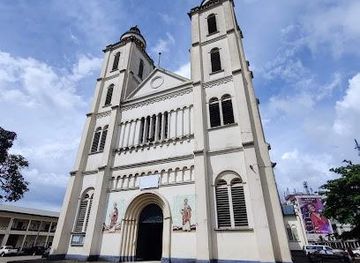
Cathedral of St Peter and Paul Bonadibong
Discover the architectural splendor and spiritual essence of the Cathedral of St Peter and Paul Bonadibong in Douala, an essential stop for every traveler.
-
Museum
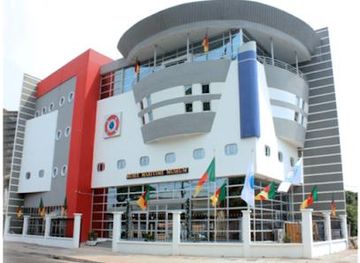
Maritime Museum Of Douala
Explore the Maritime Museum of Douala, where history meets the sea, showcasing Cameroon’s rich maritime heritage through engaging exhibits.
-
Museum
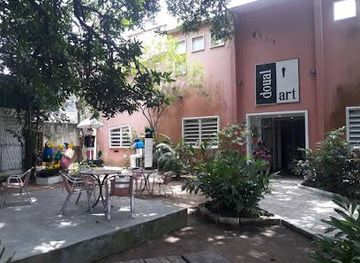
Doual'art
Explore contemporary African art and culture at Doual'art, Douala's leading art museum and cultural center, where creativity thrives.
Best landmarks in Forest Region
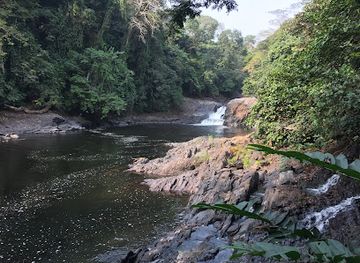
The Dja River and the surrounding Dja Faunal Reserve are the Forest Region’s most internationally recognised natural landmarks. The reserve’s sweeping rainforest forms a largely enclosed arc around the river and is protected for its exceptional biodiversity; its UNESCO World Heritage status reflects global conservation importance rather than the presence of monumental buildings. In the eastern forest, Lobéké National Park is notable for its bais, open forest clearings that provide important observation points for wildlife and illustrate the relationship between geology, vegetation and animal movement. Campo Ma’an National Park is distinguished by the meeting of rainforest, rivers and the Atlantic-facing landscape of southern Cameroon. The Sangha River system and the wider Sangha Trinational landscape give the far east a powerful geographical identity, although the transboundary conservation area also extends beyond Cameroon. Forest towns themselves are less defined by grand architecture than by markets, roads, administrative buildings and the everyday meeting of agricultural and commercial cultures. These natural landmarks are fragile environments, so access, photography and movement should follow park regulations and local guidance.
-
 Hotel
HotelHôtel Mont Fébé
Experience history and luxury at Hôtel Mont Fébé, Yaoundé: panoramic views, elegant accommodations, and a tranquil hillside escape.
-
Sundae restaurant
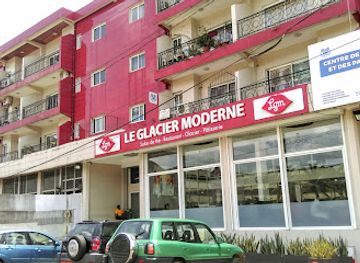
LGM Le Glacier Moderne Bonamoussadi
Enjoy delightful ice cream, pastries, and savory dishes in a modern and cozy setting at Douala's popular LGM Le Glacier Moderne Bonamoussadi.
-
Restaurant
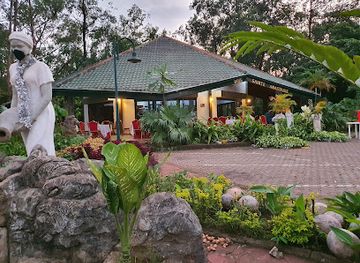
Bois Sainte Anastasie
Escape to Yaoundé's serene Bois Sainte Anastasie: A green oasis with art, nature, and local cuisine, perfect for a peaceful retreat.
-
National park
Cross River National Park
Explore Nigeria's largest rainforest, a biodiversity hotspot with rare primates and stunning landscapes in Cross River National Park.
Explore Forest Region on the map
Plan your trip on one map. See where the top cities, national parks and sights are, and book hotels and experiences in a few clicks.
Best hotels in Forest Region
Best restaurants in Forest Region
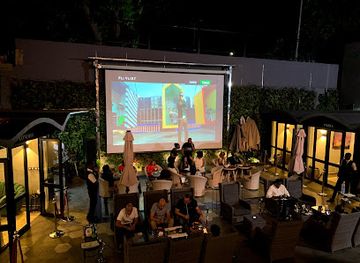
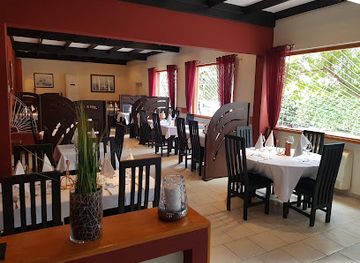
Dining in the Forest Region reflects the foodways of southern and eastern Cameroon: plantain, cassava, maize, rice, beans, leafy vegetables, groundnuts, freshwater fish and chicken are common components of everyday meals. Forest-edge markets may offer seasonal fruits, including mangoes, pineapples and bananas, while cocoa is an important crop in parts of the southern belt. Traditional dishes vary between communities, but visitors may encounter preparations such as ndolé, often associated with Cameroon nationally, as well as regional soups, stews and grilled or smoked fish; association with the wider country should not be mistaken for exclusive local origin. In larger towns, restaurants and hotel dining rooms provide a broader choice, while smaller settlements rely on modest cafés, roadside food stalls and family-run eateries. In remote reserves, meals are usually arranged through the camp or expedition operator, and advance discussion of dietary requirements is essential. Bottled or treated water is advisable throughout the region.
-
Restaurant
Le Safoutier Restaurant
Experience luxury dining at Le Safoutier Restaurant in Yaoundé, where exquisite flavors meet exceptional service amidst elegant surroundings.
-
Restaurant
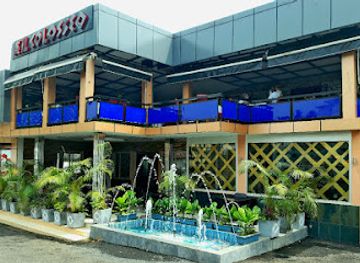
Restaurant "Le Colisée", Yaoundé
Experience the flavors of Yaoundé at Restaurant Le Colisée - your go-to spot for delicious pizzas and delightful sundaes.
-
Restaurant
The Famous
Experience the vibrant flavors of Cameroon at The Famous in Yaoundé—where tradition meets modern cuisine in an elegant dining atmosphere.
-
Restaurant
La Fourchette
Experience the essence of Douala's culinary scene at La Fourchette, where exquisite flavors meet exceptional service.

Best bars in Forest Region
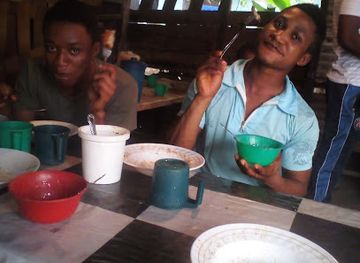
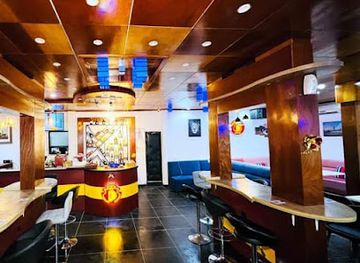
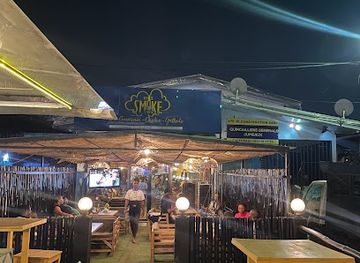
Nightlife in the Forest Region is modest and concentrated in towns rather than protected landscapes. Bertoua, Ebolowa and other regional centres have hotel bars, local bars, cafés and restaurants where residents meet, while smaller settlements generally offer a quieter evening atmosphere centred on conversation, music and food. Travellers may find locally brewed drinks and bottled beer, but should choose reputable premises, keep personal belongings secure and arrange transport back to accommodation before late evening. There is no continuous nightclub circuit comparable with Yaoundé or Douala, and remote forest camps normally close their day around meals, wildlife activities and rest rather than organised entertainment. Occasional live music, dancing or community events may take place, but these are local and changeable. Evening walks outside accommodation are unsuitable in remote areas because of darkness, limited lighting, animals and poor roads.
-
Bar
Forest Bar
Experience the vibrant atmosphere of Forest Bar in Bonabéri, where local flavors meet an enjoyable nightlife scene.
-
Lounge
Panamera Lounge
Experience the vibrant atmosphere and exquisite menu at Panamera Lounge in Douala, perfect for relaxation and socializing.
-
Lounge
White Smoke Bar 237
Discover Douala's nightlife at White Smoke Bar 237, a vibrant lounge offering live music, delicious drinks, and an inviting atmosphere.
-
Bar
Area Code Bar
Discover the vibrant nightlife at Area Code Bar in Limbe, where local brews and lively atmosphere await every traveler.
Best nightclubs in Forest Region
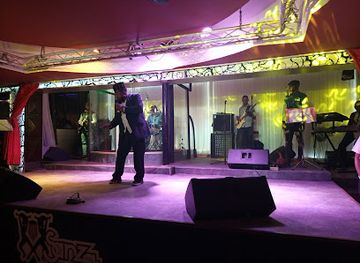
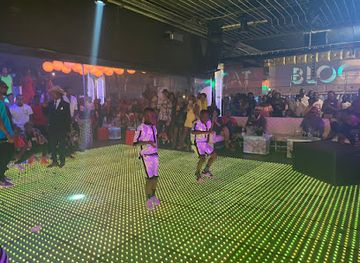
Nightlife in the Forest Region is modest and concentrated in towns rather than protected landscapes. Bertoua, Ebolowa and other regional centres have hotel bars, local bars, cafés and restaurants where residents meet, while smaller settlements generally offer a quieter evening atmosphere centred on conversation, music and food. Travellers may find locally brewed drinks and bottled beer, but should choose reputable premises, keep personal belongings secure and arrange transport back to accommodation before late evening. There is no continuous nightclub circuit comparable with Yaoundé or Douala, and remote forest camps normally close their day around meals, wildlife activities and rest rather than organised entertainment. Occasional live music, dancing or community events may take place, but these are local and changeable. Evening walks outside accommodation are unsuitable in remote areas because of darkness, limited lighting, animals and poor roads.
-
Night club
Sanza Night Club, Yaoundé
Sanza Night Club in Yaoundé offers an unforgettable nightlife experience with vibrant music, delicious cocktails, and a lively atmosphere.
-
Disco club
Katios Night Club Yaoundé
Discover the electrifying atmosphere at Katios Night Club Yaoundé, where vibrant music and unforgettable nightlife experiences await.
-
Disco club
Byblos Nightclub
Immerse yourself in Douala's vibrant nightlife at Byblos Nightclub, where eclectic music and electric atmosphere create unforgettable nights.
-
Disco club
XO NIGHT CLUB
Discover the lively ambiance, pulsating beats, and vibrant crowd at XO Night Club, the ultimate disco destination in Yaoundé.

Best shops in Forest Region
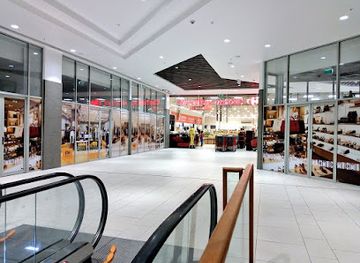
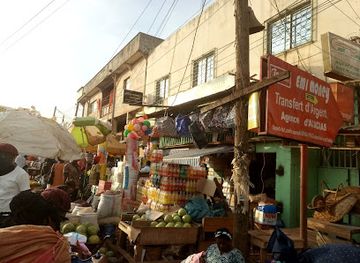
Shopping in the Forest Region is centred on open markets, town high streets and small independent traders rather than large retail complexes. Bertoua, Ebolowa, Sangmélima and other sizeable towns are useful for food supplies, clothing, household goods and locally produced items before travelling into remote areas. Markets commonly sell plantain, cassava, fruit, spices, smoked fish and other regional foods, while cocoa is an important agricultural product in parts of the southern forest belt. Visitors may find carved wooden objects, baskets, woven goods and other craftwork, but should ask about provenance and avoid purchasing items made from protected wildlife, rare timber or archaeological material. Community organisations and responsible cultural projects can provide more reliable opportunities to buy locally made crafts than informal wildlife-linked traders. Bargaining may occur in markets, but it should remain courteous; carry cash in small denominations and protect purchases from heavy rain during overland journeys.
-
Shopping mall
Douala Grand Mall
Explore Douala Grand Mall for an unforgettable shopping experience blending local culture with international brands in the heart of Cameroon.
-
Market
Acacias Market
Discover the heart of Cameroonian culture at Acacias Market in Yaoundé, a vibrant hub for fresh produce, crafts, and local delicacies.
-
Supermarket
Carrefour Market Douala Grand Mall
Experience the vibrant culture of Douala at Carrefour Market, where local flavors and international products come together for a unique shopping experience.
-
Supermarket
Dovv Mendong
Explore local and international products at Dovv Mendong, a vibrant supermarket in Yaoundé, perfect for all your shopping needs.

Get your free copy of our complete guide to Forest Region, delivered straight to you.
Everything on this page, from attractions and restaurants to essentials and local phrases, in one PDF you can read offline, print or share.
Already have an account? Sign in
Your Forest Region guide is ready.
We'll send it to · Not you? Sign out

Getting your guide ready…
We are putting together a fresh copy of the Forest Region guide. This can take up to a minute.
This can take a few moments. If your browser asks, choose Allow so the download can start. You'll find the guide in your Downloads folder.
Nothing happened? Download it again
Sorry, the guide is taking longer than usual. Please try again in a minute, or get it by email instead.
Forest Region essentials
Currency and Payment
Safety
Emergency Situations
Do's and Don'ts
Local Tips
From Eve
Local phrases worth knowing
You don't need to get them perfect. A few words go a long way, and locals appreciate the effort.
Basics
| English | Local | Say it |
|---|---|---|
| Hello | Bonjour | [Bohn-zhoor] |
| Goodbye | Au revoir | [Oh ruh-vwar] |
| Yes | Oui | [Wee] |
| No | Non | [Nohn] |
| Please/You're welcome | S'il vous plaît | [Seel voo pleh] |
| Thank you | Merci | [Mehr-see] |
| Excuse me/Sorry | Excusez-moi | [Ex-kew-zay mwah] |
| How are you? | Comment ça va? | [Koh-mohn sah vah] |
| Fine. And you? | Bien. Et vous? | [Byahn. Eh voo?] |
| Do you speak English? | Parlez-vous anglais? | [Par-lay voo ahn-glay?] |
| I don't understand | Je ne comprends pas | [Zhuh nuh kohm-prahn pah] |
Eating & Drinking
| English | Local | Say it |
|---|---|---|
| I'd like to see the menu, please | Je voudrais voir le menu, s'il vous plaît | [Zhuh voo-dray vwar luh meh-nu, seel voo pleh] |
| I don't eat meat | Je ne mange pas de viande | [Zhuh nuh mahnzh pah duh vyahnd] |
| Cheers! | Santé! | [Sahn-tay!] |
| I would like to pay, please | Je voudrais payer, s'il vous plaît | [Zhuh voo-dray pay-ay, seel voo pleh] |
Emergencies
| English | Local | Say it |
|---|---|---|
| Help! | À l'aide! | [Ah led!] |
| Go away! | Allez-vous-en! | [Ah-lay voo zahn!] |
| Call the Police! | Appelez la police! | [Ah-peh-lay lah poh-lees!] |
| Call a doctor! | Appelez un médecin! | [Ah-peh-lay uhn may-dseehn!] |
| I'm lost | Je suis perdu | [Zhuh swee pair-doo] |
| I'm ill | Je suis malade | [Zhuh swee mah-lahd] |
Shopping
| English | Local | Say it |
|---|---|---|
| I'd like to buy... | Je voudrais acheter... | [Zhuh voo-dray ah-sheh-tay...] |
| I'm just looking | Je regarde juste | [Zhuh ruh-gard zhust] |
| How much is it? | C'est combien? | [Say kohm-byen?] |
| That's too expensive | C'est trop cher | [Say troh shair] |
| Can you lower the price? | Pouvez-vous baisser le prix? | [Poo-vay voo beh-say luh pree?] |
Time & Numbers
| English | Local | Say it |
|---|---|---|
| What time is it? | Quelle heure est-il? | [Kell uhr eh-teel?] |
| It's one o'clock | Il est une heure | [Eel eh uhn uhr] |
| Half past (10) | Dix heures et demie | [Dee uhr eh duh-mee] |
| Morning | Matin | [Mah-tan] |
| Afternoon | Après-midi | [Ah-pray mee-dee] |
| Evening | Soir | [Swahr] |
| Yesterday | Hier | [Ee-air] |
| Today | Aujourd'hui | [Oh-zhoor dwee] |
| Tomorrow | Demain | [Duh-mahn] |
| 1 | Un | [Uhn] |
| 2 | Deux | [Duh] |
| 3 | Trois | [Trwah] |
| 4 | Quatre | [Kah-truh] |
| 5 | Cinq | [Sank] |
| 6 | Six | [Sees] |
| 7 | Sept | [Set] |
| 8 | Huit | [Wheet] |
| 9 | Neuf | [Nurf] |
| 10 | Dix | [Dee] |
Transport & Directions
| English | Local | Say it |
|---|---|---|
| Where's a/the...? | Où est un/une...? | [Oo eh uhn/oon...?] |
| What's the address? | Quelle est l'adresse? | [Kell eh la-dress?] |
| Can you show me (on the map)? | Pouvez-vous me montrer (sur la carte)? | [Poo-vay voo muh mohn-tray (sur lah kart)?] |
| When's the next (bus)? | Quand est le prochain (bus)? | [Kahn eh luh pro-shen (boos)?] |
| A ticket (to ....) | Un billet (pour ....) | [Uhn bee-yay (poor ....)] |
History of Forest Region
Early forest societies and Bantu expansion
The forests of southern and eastern Cameroon have long been occupied by communities with detailed knowledge of plants, animals, rivers and seasonal movements. Baka hunter-gatherers have maintained distinctive relationships with the forest, while Bantu-speaking farming societies expanded through the region over many centuries, establishing settlements and agricultural systems around forest clearings. These histories are not preserved primarily through monumental architecture; they remain visible in language, land use, oral traditions, foodways and knowledge of forest resources. Any account of the region’s past must therefore recognise both the antiquity of Indigenous forest cultures and the later migrations and political formations of neighbouring peoples.
Precolonial trade and regional kingdoms
Before European rule, the forest belt was connected to wider trading networks reaching towards the coast, the Congo Basin and the savannahs to the north. Local chiefs and political communities regulated access to land, rivers and trade routes, while products such as ivory, forest foods and other materials moved through regional exchanges. The exact political structures varied considerably across the South and East Regions, and the dense forest limited the development of the large, centralised states found elsewhere in Cameroon. Nevertheless, the area was not isolated: movement, trade, marriage and diplomacy linked forest communities with neighbouring peoples.
German colonial rule and the creation of forest frontiers
German control over Kamerun expanded during the late nineteenth and early twentieth centuries, bringing new administrative boundaries, forced labour systems, taxation and commercial extraction. Roads and trading stations were developed partly to move forest products, while colonial authorities sought to control land and labour. German rule was replaced after the First World War by French administration in most of present-day southern and eastern Cameroon, with a British-administered zone farther west. Colonial boundaries and economic priorities profoundly affected settlement patterns, transport routes and the later organisation of forest resources.
Rubber, timber and colonial exploitation
During the colonial period, commercial exploitation gave the forests increasing importance to outside authorities and companies. Rubber collection, timber extraction and other forms of resource gathering were often imposed through coercive systems, disrupting established livelihoods and causing severe hardship. Later forest roads and concessions extended the reach of commercial logging, particularly in the East and South Regions. The legacy is visible in the contrast between remote communities with limited public services and the global value of the timber and mineral resources around them. Contemporary conservation debates are inseparable from this history of unequal control over forest land.
Independence and the forest economy
Cameroon became independent in 1960, and the southern and eastern forests remained important to the national economy through timber, agriculture, transport and, later, conservation. Towns such as Bertoua and Ebolowa developed as administrative and commercial centres, while roads linked forest areas with markets and the coast. Cocoa, plantain, cassava and other crops became significant around settled areas, although remoteness and weak infrastructure continued to constrain local development. National policies sought to balance economic use with state control of forests, often creating tensions over customary access and the distribution of benefits.
Protected areas and international conservation
From the late twentieth century, Cameroon created and expanded major protected areas in the forest belt. The Dja Faunal Reserve, established in 1950 and later recognised as a UNESCO World Heritage Site, protects a vast, largely enclosed forest area around the Dja River. Campo Ma’an National Park and Lobéké National Park were also established to conserve ecosystems and wildlife while supporting international conservation programmes. Lobéké forms part of the Sangha Trinational, a transboundary conservation landscape shared by Cameroon, the Central African Republic and the Republic of the Congo. These initiatives have increased attention to wildlife protection, community rights and sustainable livelihoods.
Contemporary communities, conservation and development
Today the Forest Region is shaped by competing needs: protecting elephants, gorillas, chimpanzees and forest habitats; sustaining farming, fishing and forest livelihoods; improving roads and services; and managing logging and other resource extraction. Baka communities and other local populations continue to seek meaningful participation in decisions affecting customary lands and access to resources. Conservation tourism remains limited compared with East Africa, but carefully organised visits can support guides, communities and protected-area management. The region’s current identity is therefore not simply one of wilderness, but of a living landscape where environmental protection and social justice remain closely connected.
Forest Region in Photos
Browse through our photo collection highlighting the charm and character of the destination.
Neighbouring regions of Forest Region
The closest regions to Forest Region, if you have time for more than one.
-

-

-

-

-


Swipe for more regions
Explore more

Explore more of Cameroon
Discover Cameroon: A Land of Diverse Landscapes, Rich Cultural Heritage, and Unforgettable Adventures in the Heart of Africa.
Explore Cameroon