

South Region, Cameroon Travel Guide
Discover the South Region of Cameroon: where lush rainforests, stunning beaches, and vibrant cultures converge for an unforgettable adventure.
The South Region of Cameroon, known for its lush rainforests and pristine beaches, is a hidden gem for nature lovers and adventure seekers. The region boasts an impressive array of wildlife, including gorillas, elephants, and a myriad of bird species, making it a paradise for wildlife enthusiasts. The Campo Ma'an National Park is a must-visit, offering guided tours and the chance to see some of Africa's most iconic animals in their natural habitat. In addition to its natural beauty, the South Region is rich in culture and history. The local Bantu communities are known for their vibrant traditions and crafts, which visitors can experience first-hand at various cultural festivals throughout the year. The region's culinary scene is also a delight, with fresh seafood and traditional Cameroonian dishes that are sure to tantalize your taste buds. For those looking to relax, the beaches along the Atlantic coast are perfect for unwinding. Kribi, a popular coastal town, offers stunning beaches, fresh seafood, and the famous Lobe Waterfalls, where the river cascades directly into the sea. Whether you're exploring the dense rainforests, immersing yourself in local culture, or simply basking in the sun, the South Region of Cameroon offers an unforgettable experience.

Know before you go
Hi, I'm Eve. Here are a few practical things to know before exploring South Region.
- Hire a local guide for a more immersive experience in the Campo Ma'an National Park.
- Visit during the dry season (November to February) for the best weather.
- Respect local customs and traditions, especially in rural areas.
- Try the local seafood dishes; they are fresh and delicious.
- Bring insect repellent if you plan to spend time in the rainforests.
Top City Travel Guides in South Region
The cities of South Region, and the easiest places to base yourself.


Destinations in South Region
Resorts, valleys and scenic spots worth a trip of their own.


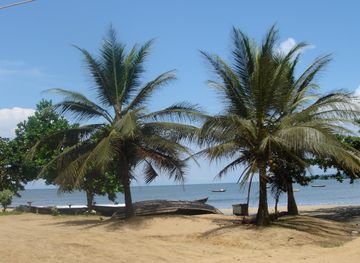
Explore South Region: Things to Do, Places to Eat, Hotels & More
Handpicked recommendations for top attractions, local dining, accommodations, and more

Top Attractions & Sightseeing in South Region
Top-rated picks
Best Attractions

Entrée Simbock
Explore the thrilling off-roading adventures at Entrée Simbock in Yaoundé, Cameroon, where nature and excitement collide for outdoor lovers.

Cathedral of St Peter and Paul Bonadibong
Explore the architectural beauty and serene spirituality of the Cathedral of St Peter and Paul Bonadibong in Douala, a must-visit spot for tourists seeking cultural immersion.

Eco Park.
Immerse yourself in the beauty of nature at Eco Park, a serene escape in Yaoundé perfect for family outings and outdoor adventures.

Presidential Palace's Grounds
Discover the heritage and beauty of the Presidential Palace's Grounds in Yaoundé, a symbol of Cameroon’s political history and cultural richness.

Best landmarks in South Region
Top-rated picks
Best Landmarks
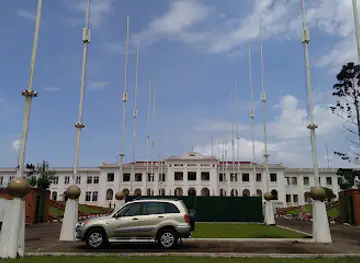
National Museum
Discover Cameroon's rich cultural heritage at the National Museum in Yaoundé, showcasing art, history, and traditions of its diverse ethnic groups.

Château d'eau Ngoa Ekelle1
Explore Château d'eau Ngoa Ekelle in Yaoundé: a blend of history and architecture offering serene escapes and cultural enrichment.

Mvog-Betsi Botanical Zoological Garden
Explore Cameroon's biodiversity at Yaoundé's Mvog-Betsi Botanical Zoological Garden, a sanctuary of local flora and fauna in the heart of the city.

Bois Sainte Anastasie
Discover a peaceful green escape in the heart of Yaoundé at Bois Sainte Anastasie, a charming park with art, nature, and local cuisine.

Best restaurants in South Region
Top-rated picks
Best Restaurants
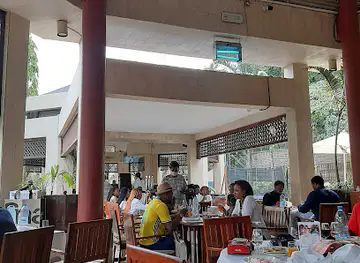
Le Safoutier Restaurant
Experience exquisite dining at Le Safoutier Restaurant in Yaoundé's Hilton Hotel—where local flavors meet international cuisine.

Boukarou Lounge
Experience the vibrant flavors and live music at Boukarou Lounge, a top culinary destination in Yaoundé.

Restaurant 5 Fourchettes
Discover authentic Cameroonian cuisine at Restaurant 5 Fourchettes in Douala - where local flavors meet exceptional dining experiences.

Restaurant "Le Colisée", Yaoundé
Discover the vibrant flavors of Yaoundé at Restaurant Le Colisée - where local meets international cuisine in a cozy atmosphere.

Best bars in South Region
Top-rated picks
Best Bars

CALCIO
Experience the vibrant nightlife at CALCIO, the lively bar in Sangmelima offering a perfect blend of local charm and modern entertainment.

Cote D'azur Annexe
Experience the lively atmosphere of Cote D'azur Annexe in Ebolowa, where local culture meets a diverse drink selection in a vibrant setting.

Macao Center
Experience the vibrant nightlife of Sangmelima at Macao Center, a lively bar offering a diverse drink menu and a welcoming atmosphere.

Carrefour Pays-Bas, BMM
Discover the local nightlife at Carrefour Pays-Bas, an inviting bar in Sangmelima with affordable drinks and a vibrant atmosphere.

Best nightclubs in South Region
Top-rated picks
Best Nightclubs

Sanza Night Club, Yaoundé
Discover the lively nightlife of Yaoundé at Sanza Night Club, where music, dancing, and an energetic atmosphere await you.

Le Penalty Lounge
Discover the best of Yaoundé's nightlife at Le Penalty Lounge, a lively disco club where music and dancing come alive in a vibrant atmosphere.

Katios Night Club Yaoundé
Discover the electrifying nightlife at Katios Night Club Yaoundé, where music, dance, and culture come alive in the heart of Cameroon.

Byblos Nightclub
Dive into Douala's nightlife at Byblos Nightclub, where vibrant music, energetic dancing, and unforgettable moments await.

Best shops in South Region
Top-rated picks
Best Shops

Douala Grand Mall
Discover Douala Grand Mall, a vibrant shopping paradise near the airport, blending local culture with global brands and delightful dining options.

Boutique Sol's a Douala - Cameroon
Discover unique fashion and vibrant styles at Boutique Sol's in Douala, your shopping destination for local and international trends.

ESKISS Mode
Explore ESKISS Mode in Douala for unique boutique shopping, showcasing the best of Cameroonian crafts and contemporary fashion.

ETS DOHO (DISTRIBUTEUR CANAL+) et (DISTRIBUTEUR STARTIMES)
Discover the dynamic shopping scene at ETS DOHO in Sangmelima, where local culture meets modern retail in a vibrant atmosphere.

Explore South Region on the Map
A handpicked selection of must-see spots in South Region, mapped for you.
South Region Essentials
-
The South Region of Cameroon can be accessed via the Nsimalen International Airport in Yaoundé, which is approximately 200 kilometers away from the region's capital, Ebolowa. From Yaoundé, travelers can take a bus, hire a taxi, or rent a car to get to the South Region. The road journey typically takes around 3 to 4 hours depending on traffic and road conditions. Domestic flights to smaller airstrips within the South Region are also available but less frequent.
-
Once in the South Region, transportation options include taxis, motorbikes (locally known as 'benskin'), and minibuses. For more flexibility, renting a car is also an option, though it's advisable to hire a local driver who is familiar with the roads. Public buses operate between major towns and villages but can be less reliable. For short distances, bicycles and walking are also common modes of transportation.
-
The official currency in Cameroon is the Central African CFA Franc (XAF). While credit cards are accepted in some hotels, restaurants, and larger shops in major towns, it is advisable to carry cash, especially in rural areas. ATMs are available in larger towns like Ebolowa, but may not be accessible in smaller villages. It is recommended to withdraw enough cash before traveling to remote areas.
-
The South Region is generally safe for tourists, but it is important to take standard precautions. Avoid isolated areas, especially at night, and be cautious with your belongings in crowded places. While there are no specific areas known for high crime rates targeting tourists, it is best to stay vigilant. Petty crimes like pickpocketing can occur, particularly in markets and bus stations.
-
In case of an emergency, dial 112 for immediate assistance. Medical facilities are available in major towns like Ebolowa, but they may be limited in rural areas. It's advisable to have travel insurance that covers medical emergencies. For minor health issues, local pharmacies can provide over-the-counter medications. It is also recommended to carry a basic first-aid kit.
-
Fashion: Do dress modestly, especially in rural areas and when visiting religious sites. Avoid wearing revealing clothing. Religion: Do respect local customs and traditions. Remove your shoes when entering a place of worship and dress conservatively. Public Transport: Do be respectful and give up your seat to elderly passengers. Don't eat or drink on public transport. Greetings: Do greet people with a handshake and a friendly smile. It's customary to ask about someone's well-being before engaging in conversation. Eating & Drinking: Do try local dishes and accept food offerings graciously. Don't refuse hospitality, as it is considered impolite.
-
To experience the South Region like a local, visit the bustling markets where you can buy fresh produce and traditional Cameroonian crafts. Engage with locals, who are often friendly and willing to share stories about their culture and traditions. Don't miss visiting the Dja Faunal Reserve, a UNESCO World Heritage Site known for its rich biodiversity. For a unique experience, participate in local festivals and ceremonies to get a deeper understanding of the region's cultural heritage.
When is the best time to visit South Region?
Useful Local Phrases for South Region
You don't need to speak the language perfectly. Even learning a few simple words can make conversations warmer—and locals usually appreciate the effort.
— Eve

Here are the phrases I use most often in South Region. Try a few—you'll be surprised how far they go! 😊
❤️
-
- HelloBok
[Bok] - GoodbyeNda
[Nda] - YesE
[Eh] - NoAla
[Ah-lah] - Please/You're welcomeMikɔ
[Mee-koh] - Thank youMede wʊ
[Meh-deh woo] - Excuse me/SorryKɔndɔ
[Kohn-doh] - How are you?Mɛŋɛ bɔ?
[Meng-eh boh?] - Fine. And you?Bɔɔ. Kɔndɔ?
[Boh. Kohn-doh?] - Do you speak English?Mɛŋɛ tɔk ɛnglɛsh?
[Meng-eh tohk eng-lish?] - I don't understandMi no fɛtɛ
[Mee noh feh-teh]
- HelloBok
-
- I'd like to see the menu, pleaseMi wan si dɛn mɛnu, mikɔ
[Mee wahn see den men-oo, mee-koh] - I don't eat meatMi no it mɛt
[Mee noh eet met] - Cheers!Kɔndɔ!
[Kohn-doh!] - I would like to pay, pleaseMi wan pe, mikɔ
[Mee wahn pay, mee-koh]
- I'd like to see the menu, pleaseMi wan si dɛn mɛnu, mikɔ
-
- Help!Hɛlp!
[Help!] - Go away!Gɔ awei!
[Goh ah-way!] - Call the Police!Kɔl dɛ pɔlis!
[Kohl deh poh-lees!] - Call a doctor!Kɔl ə dɔktɔ!
[Kohl ah dok-tor!] - I'm lostMi lɔst
[Mee lost] - I'm illMi sik
[Mee seek]
- Help!Hɛlp!
-
- I'd like to buy...Mi wan ba...
[Mee wahn bah...] - I'm just lookingMi jɔst lʊkɪŋ
[Mee johst loo-king] - How much is it?Hɔw mʌtʃ ɪt?
[How mutch it?] - That's too expensiveDat ɔvɛr prɪsi
[Dat oh-ver pree-see] - Can you lower the price?Kɛn yu lɔwɛ dɔ prɪs?
[Ken you loh-weh doh prees?]
- I'd like to buy...Mi wan ba...
-
- What time is it?Wɔt taɪm ɪt?
[Wot time it?] - It's one o'clockɪt ɪz wʌn ək'lɔk
[It is wun ah-clock] - Half past (10)Hæf pæst (10)
[Half past (ten)] - MorningMɔrnɪŋ
[Morn-ing] - AfternoonAftərnun
[Af-ter-noon] - EveningIvənɪŋ
[Eve-ning] - YesterdayJɛstərdeɪ
[Yes-ter-day] - TodayTədɛɪ
[To-day] - TomorrowTəmɔroʊ
[To-morrow] - 1Wʌn
[Wun] - 2Tu
[Too] - 3θri
[Three] - 4fɔr
[Four] - 5faɪv
[Five] - 6sɪks
[Six] - 7sɛvən
[Seven] - 8eɪt
[Eight] - 9naɪn
[Nine] - 10tɛn
[Ten]
- What time is it?Wɔt taɪm ɪt?
-
- Where's a/the...?Wɛr ɪz ə...?
[Where is a...?] - What's the address?Wɔts ðə ədrɛs?
[What's the ad-dress?] - Can you show me (on the map)?Kɛn yu ʃoʊ mi (ɑn ðə mæp)?
[Ken you show me (on the map)?] - When's the next (bus)?Wɛn ɪz ðə nɛkst (bʌs)?
[When is the next (bus)?] - A ticket (to ....)ə tɪkɪt (tu ...)
[A ticket (to ...)]
- Where's a/the...?Wɛr ɪz ə...?
History of South Region
-
The South Region of Cameroon is the ancestral homeland of the Bulu people, a subgroup of the larger Beti-Pahuin ethnic group. The Bulu migrated from the north several centuries ago, establishing themselves in the dense forests of the region. Their migration and settlement are significant events that shaped the cultural and social structure of the area.
-
In the late 19th century, the South Region came under German colonial rule. The Germans established administrative and economic centers, including the town of Ebolowa, which became a focal point for colonial activities. During this period, the region saw the construction of infrastructure such as roads and railways to facilitate the exploitation of its natural resources.
-
Following Germany's defeat in World War I, Cameroon was divided between the British and French under a League of Nations mandate. The South Region fell under French control, which continued until Cameroon gained independence in 1960. The French influence is still evident in the region's administrative practices and educational system.
-
The South Region is also home to the Baka people, one of the oldest indigenous groups in Central Africa. Known as 'pygmies,' the Baka have a rich cultural heritage that includes intricate music, dance, and oral traditions. Their deep knowledge of the forest and its resources is a testament to their long-standing coexistence with the natural environment.
-
The South Region is renowned for its biodiversity, hosting several national parks and wildlife reserves such as the Dja Faunal Reserve, a UNESCO World Heritage site. Efforts to conserve the region's unique flora and fauna have been ongoing, involving both local communities and international organizations. These conservation projects aim to protect endangered species and promote sustainable development.
-
The South Region is rich in cultural festivals and rituals that reflect its diverse heritage. Events such as the Nyem-Nyem Festival celebrate the region's history, traditional music, dance, and craftsmanship. These festivals provide a glimpse into the vibrant cultural life of the local communities and their efforts to preserve their traditions.
Neighbouring Regions of South Region
The closest regions to South Region, if you have time for more than one.


Your all‑in‑one travel companion app
Explore expert travel guides, compare and book tours, experiences, hotels, and more—all from the palm of your hand. Download now for seamless trip planning wherever your wanderlust takes you.


Explore More of Cameroon

Looking beyond South Region? Discover Cameroon for broader travel guides, local hot-spots, and regional highlights.
Explore CameroonSouth Region in Photos
Browse through our photo collection highlighting the charm and character of the destination.


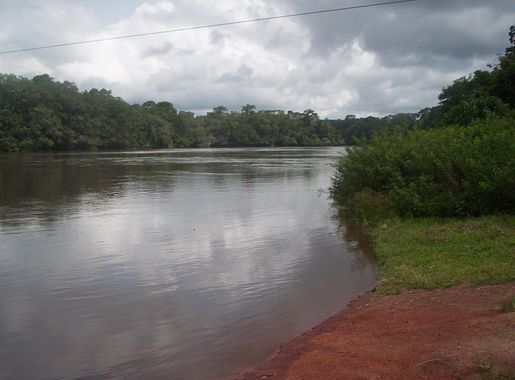
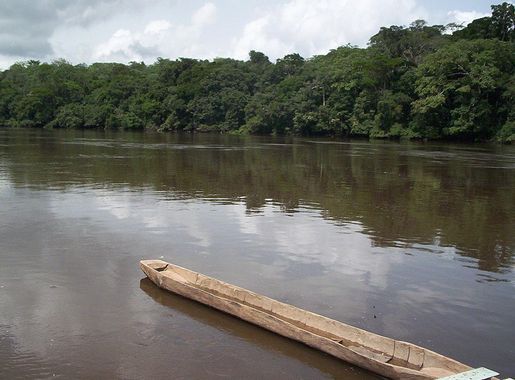
South Region of Cameroon - A Tropical Paradise
The South Region of Cameroon, known for its lush rainforests and pristine beaches, is a hidden gem for nature lovers and adventure seekers. The region boasts an impressive array of wildlife, including gorillas, elephants, and a myriad of bird species, making it a paradise for wildlife enthusiasts. The Campo Ma'an National Park is a must-visit, offering guided tours and the chance to see some of Africa's most iconic animals in their natural habitat. In addition to its natural beauty, the South Region is rich in culture and history. The local Bantu communities are known for their vibrant traditions and crafts, which visitors can experience first-hand at various cultural festivals throughout the year. The region's culinary scene is also a delight, with fresh seafood and traditional Cameroonian dishes that are sure to tantalize your taste buds. For those looking to relax, the beaches along the Atlantic coast are perfect for unwinding. Kribi, a popular coastal town, offers stunning beaches, fresh seafood, and the famous Lobe Waterfalls, where the river cascades directly into the sea. Whether you're exploring the dense rainforests, immersing yourself in local culture, or simply basking in the sun, the South Region of Cameroon offers an unforgettable experience.