

Free Dolly Beach Travel Guide & Mobile App
Explore Dolly Beach with free travel guides. Discover regional history, expert tips, proposed trips, and audio guides on web or mobile app.


Dolly Beach on Christmas Island pairs a secluded rainforest coast with turtle habitat, wildlife watching and a rewarding remote-island outing.
Read more about Dolly Beach
When is the best time to visit Dolly Beach?
Best: May–July · 31°C| Month | High (°C) | Rainfall (mm) |
|---|---|---|
| January | 30 | 250 |
| February | 30 | 200 |
| March | 31 | 150 |
| April | 31 | 100 |
| May (best) | 31 | 70 |
| June (best) | 31 | 60 |
| July (best) | 31 | 60 |
| August | 31 | 70 |
| September | 31 | 100 |
| October | 31 | 150 |
| November | 31 | 200 |
| December | 30 | 250 |
Getting to and around Dolly Beach
How to get there
Transportation
Top city travel guides in Dolly Beach
The cities of Dolly Beach, and the easiest places to base yourself.
-

-

-

-

-


Swipe for more cities
Destinations in Dolly Beach
Resorts, valleys and scenic spots worth a trip of their own.
-

-


Swipe for more destinations
Best attractions in Dolly Beach
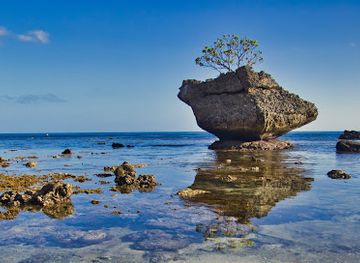
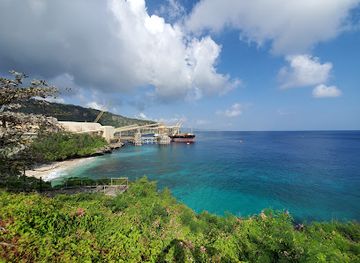
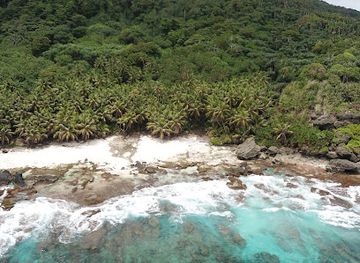
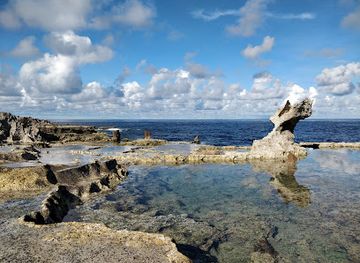
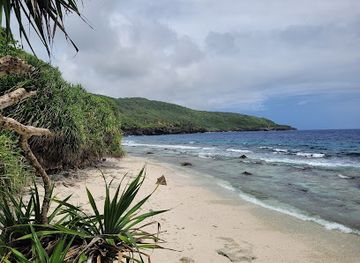
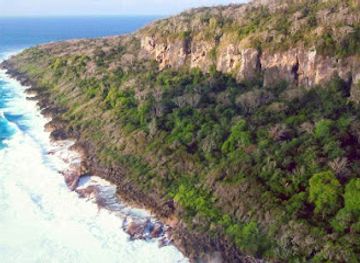
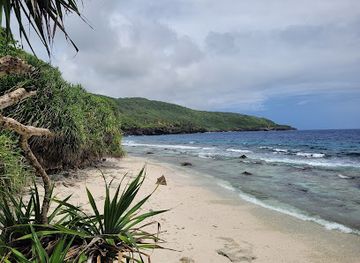
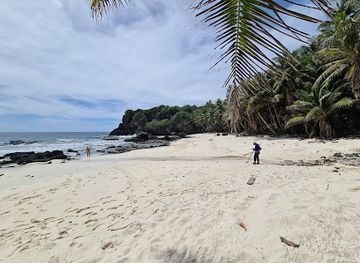
Dolly Beach’s principal attraction is its setting rather than a collection of built facilities. The rough approach passes through Christmas Island’s tropical interior before reaching a quiet south-eastern shore where rainforest, limestone terrain and the Indian Ocean meet. The beach is part of Christmas Island National Park and is valued as habitat for marine wildlife, including nesting turtles at appropriate times of year. Wildlife observation should be patient and non-intrusive, with no guarantee that animals will appear. The surrounding forest also offers opportunities to appreciate the island’s unusual ecology, although visitors should remain on authorised routes and avoid treating dense vegetation as an informal hiking area. The beach itself may suit a peaceful picnic and coastal pause, provided all provisions and rubbish are carried in and out. It is not a developed swimming centre, watersports base or family facility, and conditions can change quickly with rain, swell and wind. Visitors looking for museums, shops, accommodation and organised services must use settlements elsewhere on Christmas Island, particularly Flying Fish Cove, which is outside this destination. Dolly Beach is best understood as a low-impact nature outing within a protected island landscape.
-
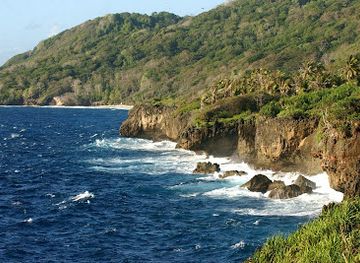
Tourist attraction
Dolly Beach
Experience the serene beauty of Dolly Beach, a hidden gem on Christmas Island, known for its stunning landscapes and rich marine life.
-
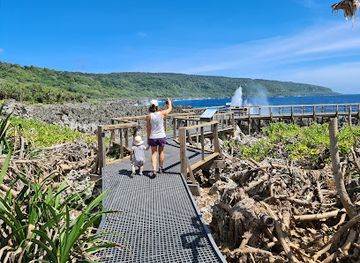
Tourist attraction
The Blowholes
Experience the awe-inspiring natural wonder of the Blowholes on Christmas Island, where ocean waves create breathtaking geysers against rugged cliffs.
-
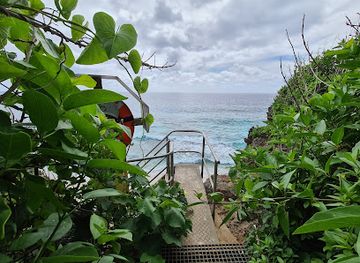
Tourist attraction
Greta Beach
Explore Greta Beach, a hidden tropical paradise on Christmas Island, offering stunning views, vibrant marine life, and tranquil relaxation.
-
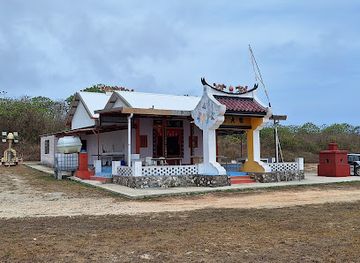
Taoist temple
Soon Tien Kong Temple
Explore the serene beauty and cultural heritage of Soon Tien Kong Temple in Christmas Island, a hidden gem for spiritual seekers and nature lovers.
Best landmarks in Dolly Beach
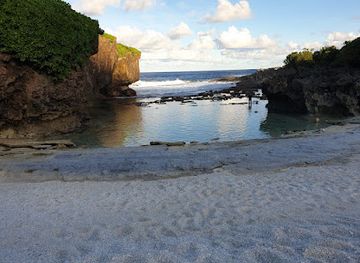
Dolly Beach is distinguished by natural rather than architectural landmarks. Its forest-backed sandy shore is a recognisable example of Christmas Island’s protected south-eastern coastline, where steep tropical terrain and ocean conditions have limited urban development. The surrounding National Park landscape is important for its combination of rainforest, limestone geology and marine habitat, while the beach’s association with turtle nesting gives it particular ecological significance. There are no historic buildings, monuments or civic structures at the beach itself. Its visual character comes from the meeting of dense vegetation, exposed coast and a narrow strip of sand, with weather and surf continually altering the shoreline. The broader island’s phosphate history, settlements and wartime heritage are found elsewhere and should not be confused with Dolly Beach’s natural identity. Visitors should treat the beach and access route as protected landscape, not as a place from which to collect geological or marine souvenirs.
-
National park
Christmas Island National Park
Explore the diverse ecosystems and breathtaking landscapes of Christmas Island National Park, a hidden gem in Australia known for its unique wildlife and stunning coastal views.
-
Visitor center
Christmas Island Visitor Centre
Explore the treasures of Christmas Island at the Visitor Centre, your essential resource for adventure, wildlife, and local culture.
-
Tourist attraction
Dolly Beach
Explore the serene beauty of Dolly Beach on Christmas Island, a tropical paradise perfect for relaxation and adventure in nature's embrace.
-
Tourist attraction
Ethel Beach
Discover the serene beauty of Ethel Beach, a hidden paradise on Christmas Island, perfect for relaxation and adventure in a breathtaking tropical setting.

Explore Dolly Beach on the map
Plan your trip on one map. See where the top cities, national parks and sights are, and book hotels and experiences in a few clicks.
Best hotels in Dolly Beach
Best restaurants in Dolly Beach
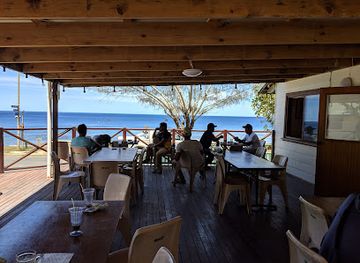
There are no restaurants, cafés, food stalls or refreshment facilities at Dolly Beach, so visitors must bring their own food and drinking water from the settled parts of Christmas Island. A packed meal is practical for a daytime visit, but all packaging and leftovers should be removed to prevent wildlife from becoming dependent on human food. The wider island’s dining options are concentrated outside the beach area, especially around Flying Fish Cove and other settled communities, where visitors may find home-style cooking, casual meals and food influenced by the island’s Chinese, Malay, Australian and other community traditions. Dolly Beach is not a place to expect fresh seafood sales, beach barbecues or serviceable catering, and cooking arrangements should only be used where local rules permit. Keep food securely stored, since Christmas Island’s wildlife can be inquisitive, and never feed crabs, birds or other animals.
-
Bar
The Golden Bosun
Discover The Golden Bosun, a tropical bar experience on Christmas Island offering refreshing drinks and stunning views for every traveler.
-
Chinese
Lucky Ho
Experience the rich flavors of authentic Chinese cuisine at Lucky Ho on Christmas Island – a must-visit dining destination.
-
Tourist attraction
Lily Beach
Explore Lily Beach on Christmas Island: A tranquil paradise with pristine sands and vibrant marine life awaits every traveler.
-
Tourist attraction
Ethel Beach
Discover Ethel Beach: A serene tropical haven on Christmas Island with stunning scenery and vibrant marine life perfect for relaxation and exploration.
Best bars in Dolly Beach
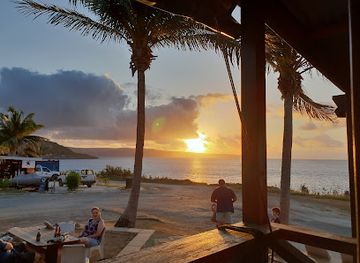
Dolly Beach has no bars, clubs, licensed premises or organised nightlife. Evening visits are primarily about the quiet coast and the possibility of observing nocturnal wildlife, particularly during periods when turtles may be nesting, but such visits require careful preparation and strict respect for National Park guidance. Bright lights, loud music, fires and movement around nesting areas can disturb animals and should be avoided. The island’s limited evening social life is found in settled communities elsewhere, particularly around Flying Fish Cove, rather than on remote beaches. Pubs, restaurants or informal gatherings may operate according to local circumstances, but visitors should not expect a major nightclub scene or late-night transport to and from Dolly Beach. Anyone travelling back after dusk should check road conditions, carry reliable lighting and avoid driving when tired or visibility is poor.
-
National park
Christmas Island National Park
Explore the breathtaking landscapes and unique wildlife of Christmas Island National Park, a hidden gem in the Indian Ocean for nature lovers.
-
International airport
Christmas Island International Airport
Explore the breathtaking beauty of Christmas Island after landing at its charming international airport, your gateway to adventure and nature.
-
Bar
The Golden Bosun
Experience the tropical charm of The Golden Bosun in Christmas Island, where great drinks and local culture come together for an unforgettable evening.
-
Chinese
Lucky Ho
Experience the authentic taste of Chinese cuisine at Lucky Ho on Christmas Island, where every dish is crafted with care and tradition.
Best nightclubs in Dolly Beach
Dolly Beach has no bars, clubs, licensed premises or organised nightlife. Evening visits are primarily about the quiet coast and the possibility of observing nocturnal wildlife, particularly during periods when turtles may be nesting, but such visits require careful preparation and strict respect for National Park guidance. Bright lights, loud music, fires and movement around nesting areas can disturb animals and should be avoided. The island’s limited evening social life is found in settled communities elsewhere, particularly around Flying Fish Cove, rather than on remote beaches. Pubs, restaurants or informal gatherings may operate according to local circumstances, but visitors should not expect a major nightclub scene or late-night transport to and from Dolly Beach. Anyone travelling back after dusk should check road conditions, carry reliable lighting and avoid driving when tired or visibility is poor.
-
Bar
The Golden Bosun
Experience the vibrant atmosphere of The Golden Bosun, the premier bar on Christmas Island offering refreshing drinks and local culture.
-
Chinese
Lucky Ho
Experience the vibrant flavors of authentic Chinese cuisine at Lucky Ho, a beloved gem on Christmas Island.
-
Tourist attraction
Ethel Beach
Discover the serene beauty of Ethel Beach on Christmas Island, where adventure meets tranquility in a breathtaking natural setting.
-
Restaurant
Idah Kitchen
Savor the flavors of Christmas Island at Idah Kitchen, where tropical charm meets culinary excellence in a delightful dining experience.

Best shops in Dolly Beach
Dolly Beach has no shops, market, gallery or visitor retail outlet. All purchases required for the visit, including water, food, fuel, sun protection, insect repellent and suitable outdoor equipment, should be made in Christmas Island’s settled areas before departure. Shopping elsewhere on the island is modest rather than extensive, with practical supplies and locally produced or nature-related souvenirs more relevant than large retail centres. Visitors may encounter island-themed crafts, books, artwork or food products through established local businesses, but availability can vary and should not be assumed at the beach. Do not remove coral, shells, stones, plants or other natural material from Dolly Beach; responsibly purchased local products are a better souvenir. Because remote access can involve changing road conditions and limited services, buying essentials in advance is more important than browsing for items after arrival.
-
National park
Christmas Island National Park
Explore the unique landscapes and diverse wildlife of Christmas Island National Park, a hidden gem in the Indian Ocean for nature lovers.
-
Visitor center
Christmas Island Visitor Centre
Explore Christmas Island's unparalleled natural beauty and rich cultural heritage at the Visitor Centre, your gateway to adventure.
-
Tourist attraction
Lily Beach
Lily Beach: A Serene Escape into Nature's Paradise on Christmas Island, Ideal for Relaxation and Exploration.
-
Tourist attraction
Dolly Beach
Explore the serene beauty of Dolly Beach, a tropical paradise on Christmas Island, renowned for its crystal-clear waters and vibrant marine life.

Get your free copy of our complete guide to Dolly Beach, delivered straight to you.
Everything on this page, from attractions and restaurants to essentials and local phrases, in one PDF you can read offline, print or share.
Already have an account? Sign in
Your Dolly Beach guide is ready.
We'll send it to · Not you? Sign out

Getting your guide ready…
We are putting together a fresh copy of the Dolly Beach guide. This can take up to a minute.
This can take a few moments. If your browser asks, choose Allow so the download can start. You'll find the guide in your Downloads folder.
Nothing happened? Download it again
Sorry, the guide is taking longer than usual. Please try again in a minute, or get it by email instead.
Dolly Beach essentials
Currency and Payment
Safety
Emergency Situations
Do's and Don'ts
Local Tips
From Eve
Local phrases worth knowing
You don't need to get them perfect. A few words go a long way, and locals appreciate the effort.
Basics
| English | Local | Say it |
|---|---|---|
| Hello | Salamat datang | [sah-lah-maht dah-tahng] |
| Goodbye | Selamat tinggal | [seh-lah-maht teen-gahl] |
| Yes | Ya | [yah] |
| No | Tidak | [tee-dahk] |
| Please/You're welcome | Silakan | [see-lah-kahn] |
| Thank you | Terima kasih | [teh-ree-mah kah-see] |
| Excuse me/Sorry | Maaf | [mah-ahf] |
| How are you? | Apa kabar? | [ah-pah kah-bar] |
| Fine. And you? | Baik. Dan kamu? | [bye-k. dahn kah-moo] |
| Do you speak English? | Apakah kamu bisa berbahasa Inggris? | [ah-pah-kah kah-moo bee-sah ber-bah-sah ing-gris] |
| I don't understand | Saya tidak mengerti | [sah-yah tee-dahk meng-er-tee] |
Eating & Drinking
| English | Local | Say it |
|---|---|---|
| I'd like to see the menu, please | Saya ingin melihat menu, silakan | [sah-yah een-gin meh-lih-hat meh-noo, see-lah-kahn] |
| I don't eat meat | Saya tidak makan daging | [sah-yah tee-dahk mah-kahn dah-ging] |
| Cheers! | Selamat! | [seh-lah-maht] |
| I would like to pay, please | Saya ingin membayar, silakan | [sah-yah een-gin mem-bah-yar, see-lah-kahn] |
Emergencies
| English | Local | Say it |
|---|---|---|
| Help! | Tolong! | [toh-long] |
| Go away! | Pergi! | [per-gee] |
| Call the Police! | Panggil Polisi! | [pahn-gil poh-lee-see] |
| Call a doctor! | Panggil dokter! | [pahn-gil dok-ter] |
| I'm lost | Saya tersesat | [sah-yah ter-seh-saht] |
| I'm ill | Saya sakit | [sah-yah sah-kit] |
Shopping
| English | Local | Say it |
|---|---|---|
| I'd like to buy... | Saya ingin membeli... | [sah-yah een-gin mem-beh-lee...] |
| I'm just looking | Saya hanya melihat | [sah-yah han-yah meh-lih-hat] |
| How much is it? | Berapa harganya? | [beh-rah-pah har-gah-nya] |
| That's too expensive | Itu terlalu mahal | [ee-too ter-lah-loo mah-hal] |
| Can you lower the price? | Bisakah kamu menurunkan harga? | [bee-sah-kah kah-moo meh-noo-run-kahn har-gah] |
Time & Numbers
| English | Local | Say it |
|---|---|---|
| What time is it? | Jam berapa? | [jahm beh-rah-pah] |
| It's one o'clock | Jam satu | [jahm sah-too] |
| Half past (10) | Setengah (10) | [seh-teng-ah (10)] |
| Morning | Pagi | [pah-gee] |
| Afternoon | Sore | [so-reh] |
| Evening | Malam | [mah-lahm] |
| Yesterday | Kemarin | [keh-mah-rin] |
| Today | Hari ini | [hah-ree ee-nee] |
| Tomorrow | Besok | [beh-sok] |
| 1 | Satu | [sah-too] |
| 2 | Dua | [doo-ah] |
| 3 | Tiga | [tee-gah] |
| 4 | Empat | [em-pat] |
| 5 | Lima | [lee-mah] |
| 6 | Enam | [eh-nahm] |
| 7 | Tujuh | [too-joo] |
| 8 | Delapan | [deh-lah-pahn] |
| 9 | Sembilan | [sem-bee-lahn] |
| 10 | Sepuluh | [seh-poo-looh] |
Transport & Directions
| English | Local | Say it |
|---|---|---|
| Where's a/the...? | Di mana ...? | [dee mah-nah ...?] |
| What's the address? | Apa alamatnya? | [ah-pah ah-lah-mat-nya] |
| Can you show me (on the map)? | Bisakah kamu tunjukkan (di peta)? | [bee-sah-kah kah-moo toon-jook-kahn (dee peh-tah)?] |
| When's the next (bus)? | Kapan bus berikutnya? | [kah-pahn boos beh-ree-koot-nya?] |
| A ticket (to ....) | Tiket (ke ....) | [tee-ket (keh ....)] |
History of Dolly Beach
Natural and Indigenous Context Before Modern Settlement
Christmas Island is an uplifted oceanic limestone island whose rainforest, cliffs and coastal ecosystems developed in relative isolation. Before permanent European settlement, the island was visited by seafarers from the wider Indian Ocean world, although its remoteness meant that it did not develop a large settled population. Dolly Beach’s natural character reflects this long geological and ecological history: its shore, forest and marine habitat are products of an island environment rather than a landscape extensively reshaped for tourism.
European Charting and British Possession, 17th–19th Centuries
European navigators recorded Christmas Island from the seventeenth century, and Britain formally annexed it in the late nineteenth century. For much of this period the island remained difficult to access and economically marginal. The south and east coasts, including the area around Dolly Beach, were not developed as urban settlements or agricultural districts. Their continuing forested character is partly a consequence of the island’s rugged terrain and the limited concentration of development around the northern settlements.
Phosphate Mining and Permanent Settlement, From the 1890s
The discovery of commercially valuable phosphate transformed Christmas Island from a remote possession into a mining territory. Extraction began in the late nineteenth century, and imported workers, particularly from Asia, formed the foundation of the island’s multicultural permanent community. Mining infrastructure and settlements were concentrated in the north, while much of the south-eastern coast remained forested. Dolly Beach therefore sits within a landscape shaped by the island’s mining economy but not dominated by mines or industrial structures itself.
Japanese Occupation During the Second World War
Japanese forces occupied Christmas Island from 1942 until 1945, disrupting mining operations and imposing severe hardship on the island’s population. The occupation forms an important part of Christmas Island’s modern history, alongside the broader wartime importance of the Indian Ocean. Dolly Beach is not principally a battlefield or memorial site, but its remote coastal position belongs to the same island landscape in which wartime movements, shortages and the interruption of phosphate production were experienced.
Australian Administration and Environmental Protection
Christmas Island was transferred to Australian administration in 1958, while phosphate mining continued to influence employment, settlement and infrastructure. Growing recognition of the island’s exceptional rainforest and wildlife led to the establishment of Christmas Island National Park in 1980. Dolly Beach is now protected within that national park, and its value is closely connected with the conservation of nesting turtles, seabirds, endemic species and coastal habitats. The modern visitor experience consequently depends on limiting disturbance rather than building extensive facilities.
Conservation, Wildlife Tourism and a Changing Economy
As phosphate mining became less dominant, conservation and carefully managed nature tourism gained greater importance in Christmas Island’s economy and public identity. The island is recognised for its unusual land crabs, endemic birds, rainforest and seasonal marine life. At Dolly Beach, this shift is visible in the emphasis on protected habitat, low-impact access and wildlife etiquette. The beach is valued as part of a living national-park landscape rather than as a conventional developed seaside attraction.
Dolly Beach in Photos
Browse through our photo collection highlighting the charm and character of the destination.
Neighbouring regions of Dolly Beach
The closest regions to Dolly Beach, if you have time for more than one.
-

-

-

-

-


Swipe for more regions
Explore more

Explore more of Christmas Island
Discover Christmas Island: A tropical paradise with stunning beaches, unique wildlife, and a rich cultural heritage. Perfect for nature lovers and adventure seekers.
Explore Christmas Island