

Free Pink House Research Station Travel Guide & Mobile App
Explore Pink House Research Station with free travel guides. Discover regional history, expert tips, proposed trips, and audio guides on web or mobile app.




Pink House Research Station offers a close view of Christmas Island’s rainforest science, endemic wildlife and conservation challenges in an isolated Australian territory.
Read more about Pink House Research Station
When is the best time to visit Pink House Research Station?
Best: October–December · 31°C| Month | High (°C) | Rainfall (mm) |
|---|---|---|
| January | 30 | 150 |
| February | 30 | 140 |
| March | 30 | 130 |
| April | 30 | 120 |
| May | 30 | 110 |
| June | 30 | 100 |
| July | 31 | 90 |
| August | 31 | 80 |
| September | 31 | 70 |
| October (best) | 31 | 60 |
| November (best) | 31 | 55 |
| December (best) | 31 | 65 |
Getting to and around Pink House Research Station
How to get there
Transportation
Top city travel guides in Pink House Research Station
The cities of Pink House Research Station, and the easiest places to base yourself.
-

-

-

-


Swipe for more cities
Destinations in Pink House Research Station
Resorts, valleys and scenic spots worth a trip of their own.
-

-


Swipe for more destinations
Best attractions in Pink House Research Station
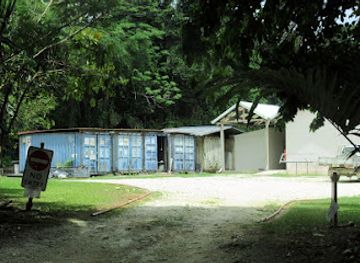
Pink House Research Station itself is a working scientific facility and should not be treated as an open-access attraction; its interest lies in the conservation and field research conducted in an exceptional island environment. For authorised visitors, the surrounding context includes Christmas Island’s tropical rainforest, limestone terrain and endemic wildlife, interpreted through the wider network of public roads, tracks and protected areas. Elsewhere on the island, Christmas Island National Park provides access to forest habitats, coastal scenery, seabird sites and viewpoints, subject to closures and local conditions. The red crab migration is the island’s most recognised natural spectacle, while former phosphate workings and historic settlements reveal the human transformation of the landscape. Publicly accessible sites such as the Territory’s coastal and forest attractions are separate from Pink House and should be planned as island excursions rather than assumed to form part of the station compound. Visitors interested in science can also look for approved interpretation, ranger information and guided experiences that explain habitat restoration, introduced species and marine ecology without disturbing active research.
-
National park
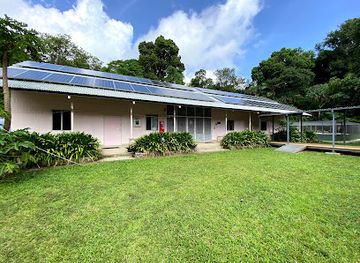
The Pink House Research Station
Discover the captivating Pink House Research Station, a national park on Christmas Island, where science meets stunning biodiversity.
Best landmarks in Pink House Research Station
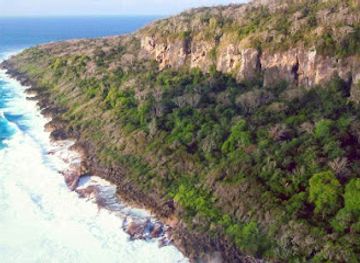
The principal landmark associated with Pink House is the research station itself, whose value is institutional and scientific rather than architectural; it represents the continuing effort to understand and protect Christmas Island’s isolated ecosystems. The surrounding island contains landmarks of several different kinds. Dense rainforest and the steep limestone coast show the geological foundations of the territory, while phosphate workings, roads and settlement buildings record the industry that brought permanent communities and imported labour to the island. Religious and civic buildings in the settled areas reflect the Chinese, Malay and Australian histories of Christmas Island. Natural landmarks in and around the national park include forested escarpments, seabird habitats, caves and coastal viewpoints, although access can be restricted for conservation or safety reasons. These places should be understood as wider Christmas Island landmarks near or beyond the research station, not as facilities contained within the Pink House site.
-
National park
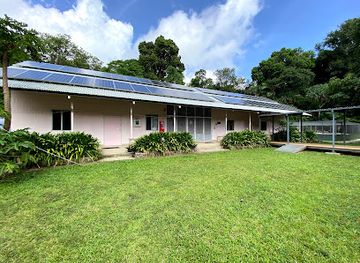
The Pink House Research Station
Discover the Pink House Research Station, an eco-friendly haven on Christmas Island, where nature and conservation come together in breathtaking harmony.
Explore Pink House Research Station on the map
Plan your trip on one map. See where the top cities, national parks and sights are, and book hotels and experiences in a few clicks.
Best hotels in Pink House Research Station
Best restaurants in Pink House Research Station
There is no restaurant scene at Pink House Research Station, so meals need to be arranged through accommodation, self-catering or food businesses in Christmas Island’s settlements. The island’s dining character reflects its multicultural population, with Australian staples alongside Chinese, Malay and Indonesian influences. Seafood may appear on local menus, but availability can be seasonal and should not be assumed; supplies arrive by air or sea and choice is more limited than in mainland Australian cities. Cafés, takeaway outlets and community-oriented eateries are concentrated around the settled areas, while visitors heading to field sites need to carry water and food for the day. Local produce, where available, is best treated as part of a small island supply chain rather than a guaranteed farm-to-table offering. Anyone staying for research should clarify kitchen access, meal arrangements, dietary requirements and provisions before arrival, particularly if work takes place away from the main settlements.
-
Bar
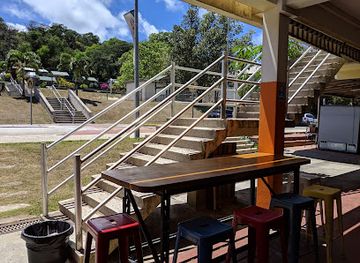
The Golden Bosun
Discover The Golden Bosun: A lively bar on Christmas Island offering refreshing drinks, vibrant atmosphere, and stunning views perfect for unwinding.
-
Chinese
Lucky Ho
Experience authentic Chinese cuisine at Lucky Ho on Christmas Island - where every dish tells a story.
-
Cafe
Smash Espresso Bar
Experience the best breakfast and coffee at Smash Espresso Bar on Christmas Island - where every sip tells a story.
-
Chinese
Le CLA Café and Restaurant
Experience authentic Chinese cuisine in a beautiful setting at Le CLA Café and Restaurant on Christmas Island.


Best bars in Pink House Research Station
Pink House Research Station has no public nightlife, and Christmas Island is not a destination for a large nightclub circuit. Evening social life is concentrated in the settlements and may involve licensed clubs, hotel or community venues, casual dining and gatherings shaped by local residents rather than a predictable programme for tourists. Small-island supply chains mean that opening arrangements and drink selections can vary, so current local advice is more useful than assuming mainland schedules. Visitors working at the station should make evening transport arrangements in advance, as roads outside settled areas are dark and public transport is limited. The more characteristic after-dark experience is quiet observation of the tropical environment, conversation with local hosts or participation in an organised wildlife activity, always following guidance about lighting, noise and protected species.
-
Bar
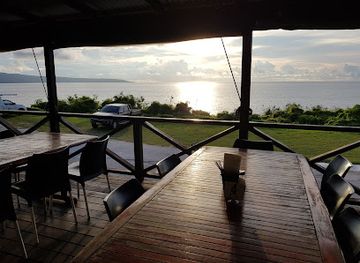
The Golden Bosun
Experience the vibrant atmosphere and stunning views at The Golden Bosun, the ultimate bar destination on Christmas Island.
-
Chinese
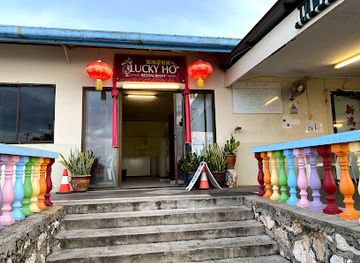
Lucky Ho
Discover authentic Chinese flavors at Lucky Ho, a must-visit restaurant on Christmas Island for tourists seeking culinary excellence.
-
Cafe
Smash Espresso Bar
Experience exceptional coffee and delicious breakfast at Smash Espresso Bar, a must-visit cafe on Christmas Island.
-
Chinese
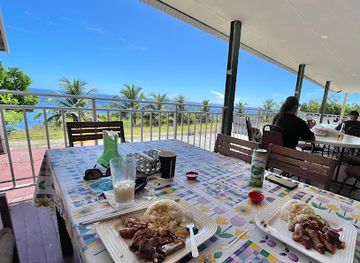
Le CLA Café and Restaurant
Experience the authentic flavors of China in a stunning seaside setting at Le CLA Café and Restaurant on Christmas Island.

Best nightclubs in Pink House Research Station
Pink House Research Station has no public nightlife, and Christmas Island is not a destination for a large nightclub circuit. Evening social life is concentrated in the settlements and may involve licensed clubs, hotel or community venues, casual dining and gatherings shaped by local residents rather than a predictable programme for tourists. Small-island supply chains mean that opening arrangements and drink selections can vary, so current local advice is more useful than assuming mainland schedules. Visitors working at the station should make evening transport arrangements in advance, as roads outside settled areas are dark and public transport is limited. The more characteristic after-dark experience is quiet observation of the tropical environment, conversation with local hosts or participation in an organised wildlife activity, always following guidance about lighting, noise and protected species.
-
National park
The Pink House Research Station
Explore The Pink House Research Station, a national park on Christmas Island, rich in biodiversity and a hub for conservation and research.
Best shops in Pink House Research Station
Pink House Research Station has no visitor shopping facilities. Retail activity is concentrated in Christmas Island’s settlements, where small general stores and other limited outlets supply everyday necessities rather than offering a large commercial district. Visitors can look for locally relevant souvenirs, books, crafts, food products and items connected with the island’s wildlife or phosphate history, but selection and restocking are constrained by the territory’s remote location. Purchase provisions, toiletries, medication and outdoor essentials before travelling to the station or remote field sites. Independent businesses and community organisations may offer culturally meaningful products, while locally produced goods should be distinguished from imported merchandise. Do not remove natural specimens, coral, shells, plants or wildlife as souvenirs, and check customs and biosecurity requirements before carrying food, plant material or other items away from Christmas Island.
-
National park
Christmas Island National Park
Discover the untouched beauty of Christmas Island National Park, a UNESCO Biosphere Reserve filled with unique wildlife and breathtaking landscapes.
-
Visitor center
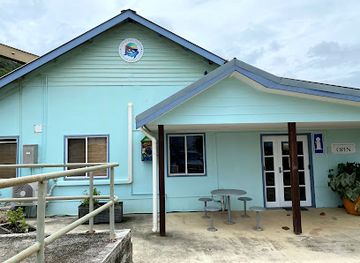
Christmas Island Visitor Centre
Explore the natural beauty and unique wildlife of Christmas Island at the Visitor Centre, your gateway to unforgettable adventures.
-
Tourist attraction
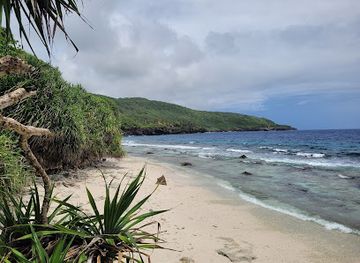
Dolly Beach
Explore Dolly Beach: A serene paradise on Christmas Island featuring stunning beaches, vibrant marine life, and breathtaking natural beauty.
-
Tourist attraction
Ethel Beach
Discover the enchanting Ethel Beach on Christmas Island, where sun, sea, and stunning natural beauty await.

Get your free copy of our complete guide to Pink House Research Station, delivered straight to you.
Everything on this page, from attractions and restaurants to essentials and local phrases, in one PDF you can read offline, print or share.
Already have an account? Sign in
Your Pink House Research Station guide is ready.
We'll send it to · Not you? Sign out

Getting your guide ready…
We are putting together a fresh copy of the Pink House Research Station guide. This can take up to a minute.
This can take a few moments. If your browser asks, choose Allow so the download can start. You'll find the guide in your Downloads folder.
Nothing happened? Download it again
Sorry, the guide is taking longer than usual. Please try again in a minute, or get it by email instead.
Pink House Research Station essentials
Currency and Payment
Safety
Emergency Situations
Do's and Don'ts
Local Tips
From Eve
Local phrases worth knowing
You don't need to get them perfect. A few words go a long way, and locals appreciate the effort.
Basics
| English | Local | Say it |
|---|---|---|
| Hello | Aloha | [ah-loh-hah] |
| Goodbye | A hui hou | [ah hoo-ee hoh] |
| Yes | Ioe | [ee-oh-eh] |
| No | Aole | [ah-oh-leh] |
| Please/You're welcome | E kala mai | [eh kah-lah mai] |
| Thank you | Mahalo | [mah-hah-loh] |
| Excuse me/Sorry | E kala mai | [eh kah-lah mai] |
| How are you? | Pehea oe? | [peh-heh-ah oh-eh] |
| Fine. And you? | Maika'i. A oe? | [mai-kah-ee. ah oh-eh] |
| Do you speak English? | Olelo ana o ia i ka 'olelo Pelekania? | [oh-leh-loh ah-nah oh ee-ah ee kah oh-leh-loh peh-leh-kah-nee-ah] |
| I don't understand | Aia au i ka 'ike | [ah-ee-ah ow ee kah ee-keh] |
Eating & Drinking
| English | Local | Say it |
|---|---|---|
| I'd like to see the menu, please | Makemake au e nānā i ka puke 'ai, e ʻoluʻolu | [mah-keh-mah-keh ow eh nah-nah ee kah poo-keh ai, eh oh-loo-oh-loo] |
| I don't eat meat | Aia au i ka mea 'ai i ke kanu | [ah-ee-ah ow ee kah meh-ah ai ee keh kah-noo] |
| Cheers! | Ono! | [oh-noh] |
| I would like to pay, please | Makemake au e uku, e ʻoluʻolu | [mah-keh-mah-keh ow eh oo-koo, eh oh-loo-oh-loo] |
Emergencies
| English | Local | Say it |
|---|---|---|
| Help! | Kōkua! | [koh-koo-ah] |
| Go away! | E hele aku! | [eh heh-leh ah-koo] |
| Call the Police! | Kipa i ka ʻaha kūʻokoʻa! | [kee-pah ee kah ah-hah koo-oh-kah] |
| Call a doctor! | Kipa i ka dokta! | [kee-pah ee kah dok-tah] |
| I'm lost | Aia au i ka nalowale | [ah-ee-ah ow ee kah nah-loh-wah-leh] |
| I'm ill | Aia au i ke ʻōpala | [ah-ee-ah ow ee keh oh-pah-lah] |
Shopping
| English | Local | Say it |
|---|---|---|
| I'd like to buy... | Makemake au e kūʻai... | [mah-keh-mah-keh ow eh koo-ee-eye] |
| I'm just looking | Ke nānā wale au | [keh nah-nah vah-leh ow] |
| How much is it? | Ehia ka mea? | [eh-hee-ah kah meh-ah] |
| That's too expensive | O ka mea, nui loa ka kumukūʻai | [oh kah meh-ah, noo-ee loh-ah kah koo-moo-koo-eye] |
| Can you lower the price? | E hiki anei e hoʻohaʻehaʻi i ke kumukūʻai? | [eh hee-kee ah-neh eh hoh-hah-eh-hah-ee ee keh koo-moo-koo-eye] |
Time & Numbers
| English | Local | Say it |
|---|---|---|
| What time is it? | He aha ka hora? | [heh ah-hah kah hoh-rah] |
| It's one o'clock | O ke kula ʻelima | [oh keh koo-lah eh-lee-mah] |
| Half past (10) | Hālua i ka hola ʻumi | [hah-loo-ah ee kah hoh-lah oo-mee] |
| Morning | Pō | [poh] |
| Afternoon | Awakea | [ah-wah-keh-ah] |
| Evening | Pō ʻau | [poh ow] |
| Yesterday | I nehinei | [ee neh-hee-neh] |
| Today | I kēia la | [ee keh-ee-ah lah] |
| Tomorrow | I ka lā ʻapōpō | [ee kah lah ah-poh-poh] |
| 1 | Kahi | [kah-hee] |
| 2 | Elua | [eh-loo-ah] |
| 3 | Ekolu | [eh-koh-loo] |
| 4 | Eha | [eh-hah] |
| 5 | Elima | [eh-lee-mah] |
| 6 | Eono | [eh-oh-noh] |
| 7 | Eha | [eh-hah] |
| 8 | Ewalu | [eh-wah-loo] |
| 9 | Eiwa | [eh-ee-wah] |
| 10 | Umi | [oo-mee] |
Transport & Directions
| English | Local | Say it |
|---|---|---|
| Where's a/the...? | O wai ka ...? | [oh why kah ...?] |
| What's the address? | He aha ka ʻāina? | [heh ah-hah kah ah-ee-nah] |
| Can you show me (on the map)? | E hiki anei e hōʻike mai iaʻu (ma ke kaʻina)? | [eh hee-kee ah-neh eh hoh-ee-kee mai ee-ah-oo (mah keh kah-ee-nah)?] |
| When's the next (bus)? | Kāhea ka bus aʻe? | [kah-heh-ah kah bus ah-eh?] |
| A ticket (to ....) | He pepa (i ...) | [heh peh-pah (ee ...)] |
History of Pink House Research Station
Oceanic Formation and Indigenous Knowledge
Christmas Island is an uplifted limestone island formed from an ancient seamount, and its isolation has allowed distinctive plants and animals to evolve. Before modern administration and mining, the island was known and visited by seafarers from the region, although permanent settlement developed much later. Knowledge of seasonal conditions, reefs and marine resources formed part of the wider history of movement through the Indian Ocean. The island’s natural isolation remains central to understanding places such as Pink House Research Station, where contemporary research focuses on ecological systems that developed with limited interchange with continental environments.
European Charting and British Possession
European navigators recorded Christmas Island during the seventeenth century, and the island was named for its sighting on Christmas Day in 1643. It was formally annexed by Britain in the late nineteenth century, during a period when imperial powers were surveying remote islands for strategic and commercial purposes. Permanent administration followed the discovery of phosphate, bringing officials, labourers and infrastructure to an island that had previously remained largely uninhabited. This transition established the administrative and economic foundations from which later conservation and research institutions developed.
Phosphate Mining and Imported Labour
Phosphate mining began in the late nineteenth century and became the dominant force in Christmas Island’s economy. Mining companies developed extraction areas, roads, housing and port facilities, while workers were recruited from China, Malaya and other parts of the region. The resulting communities gave Christmas Island a cultural character that remains visible in its food, religious buildings, festivals and family histories. Mining also altered substantial areas of forest and created the industrial landscapes that contrast with the island’s protected habitats. Scientific work today often considers both the ecological effects of extraction and the recovery of disturbed land.
Japanese Occupation during the Second World War
Japanese forces occupied Christmas Island from 1942 until 1945 after taking control of the island’s strategic facilities. Mining was disrupted, residents experienced shortages and coercion, and the island’s wartime history included resistance, forced labour and severe hardship. Military remains and wartime stories form part of Christmas Island’s historical landscape, although many sites require care and may not be publicly accessible. The occupation also interrupted the colonial systems that had governed the island’s mining economy, leaving a lasting mark on local memory and post-war reconstruction.
Transfer to Australian Administration
Christmas Island was transferred from British to Australian administration in 1958. This change linked the island more closely to Australian government services while preserving its distinctive Indian Ocean location and multicultural population. The phosphate industry continued to influence employment and settlement patterns, but its importance later declined as mining conditions and markets changed. Australian administration also provided the framework for the modern national park, environmental management and scientific programmes that support research into the island’s endemic biodiversity.
National Park and Conservation Science
Christmas Island National Park was declared in 1980, recognising the international importance of the island’s forests, cliffs, caves, seabird colonies and endemic wildlife. Conservation management has since faced complex challenges, including invasive species, habitat disturbance, disease and the protection of red crabs and other native animals. Research stations and field facilities, including Pink House Research Station, represent the practical side of this continuing work. Their role is to gather evidence that can guide species protection, ecological restoration and long-term management rather than simply to provide visitor interpretation.
Pink House Research Station in Photos
Browse through our photo collection highlighting the charm and character of the destination.
Neighbouring regions of Pink House Research Station
The closest regions to Pink House Research Station, if you have time for more than one.
-

-

-

-
-


Swipe for more regions
Explore more

Explore more of Christmas Island
Discover Christmas Island: A tropical paradise with stunning beaches, unique wildlife, and a rich cultural heritage. Perfect for nature lovers and adventure seekers.
Explore Christmas Island