

Free Amazonas Department Travel Guide & Mobile App
Explore Amazonas Department with free travel guides. Discover regional history, expert tips, proposed trips, and audio guides on web or mobile app.


Explore Amazonas Department through Leticia, Amazon River journeys, Indigenous-led forest experiences, wildlife and the wetlands of southern Colombia.
Read more about Amazonas Department
When is the best time to visit Amazonas Department?
Best: January–March · 31–32°C| Month | High (°C) | Rainfall (mm) |
|---|---|---|
| January (best) | 31 | 250 |
| February (best) | 31 | 200 |
| March (best) | 32 | 230 |
| April | 32 | 250 |
| May | 32 | 270 |
| June | 32 | 290 |
| July | 32 | 310 |
| August | 31 | 330 |
| September | 31 | 350 |
| October | 31 | 370 |
| November | 32 | 390 |
| December | 32 | 410 |
Getting to and around Amazonas Department
How to get there
Transportation
Destinations in Amazonas Department
Resorts, valleys and scenic spots worth a trip of their own.

Swipe for more destinations
Best attractions in Amazonas Department
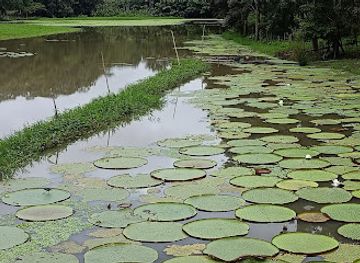
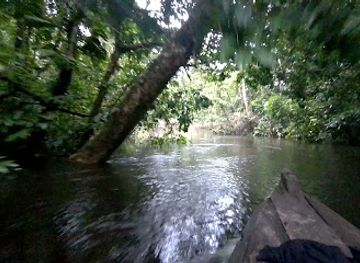
Amazonas Department’s attractions are primarily ecological, riverine and community-based rather than concentrated in conventional museums or monumental sites. Leticia provides access to the Amazon waterfront, the Mercado de Leticia, small cultural institutions and excursions to the Yahuarcaca lakes, where canoeing and birdwatching reveal a wetland landscape close to the city. Boat journeys lead to Puerto Nariño, forest trails, lakes and Indigenous communities including Mocagua, Macedonia and San Martín de Amacayacu, although access, permissions and available activities should be arranged locally. Amacayacu National Natural Park protects a substantial area of rainforest, flooded forest and waterways, with guided walks and river experiences subject to conservation rules and current operating conditions. Wildlife watching may include monkeys, sloths, parrots, macaws, caimans and river dolphins, but responsible guides will not bait animals or promise sightings. Cultural attractions are strongest when community-led: craft workshops, plant knowledge, food preparation and explanations of the river landscape offer context that a self-guided excursion cannot provide. The result is a destination whose appeal lies in moving through varied habitats and meeting people who understand them, rather than ticking off a sequence of isolated sights.
-
Park
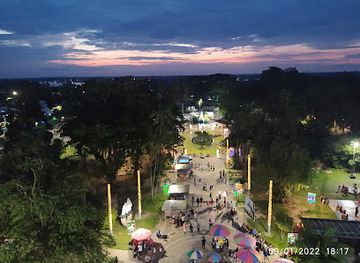
Parque Santander
Discover the enchanting beauty of Parque Santander, an urban park in Leticia, Amazonas, where nature and culture intertwine in the heart of the Amazon.
-
Tourist attraction
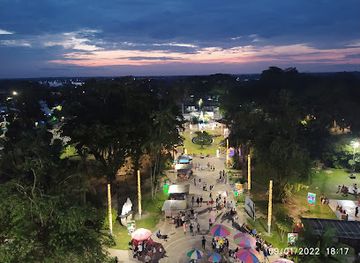
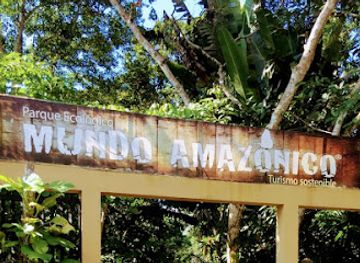
Parque Mundo Amazónico
Discover the Amazon's hidden treasures at Parque Mundo Amazónico, a tropical haven filled with wildlife, culture, and adventure in Leticia, Colombia.
-
National park
Parque Nacional Natural Río Puré
Explore the breathtaking landscapes of Parque Nacional Natural Río Puré, a national park rich in wildlife and natural beauty in the heart of Colombia's Amazonas.
-
National park
Cahuinarí National Natural Park
Explore Cahuinarí National Park: a biodiverse Amazonian paradise with rich indigenous culture and stunning natural beauty.
Best landmarks in Amazonas Department
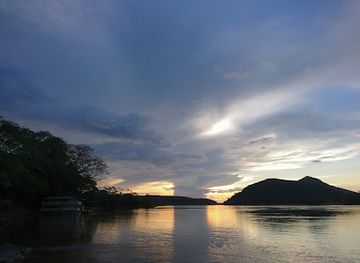
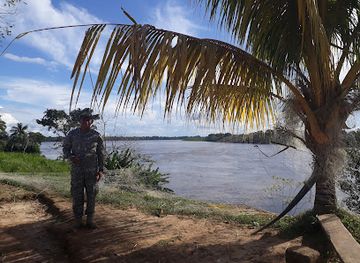
The Amazon River is Amazonas Department’s defining geographical landmark, forming the broad waterway along which Leticia, Puerto Nariño and numerous communities are connected. Leticia’s riverfront and port express the department’s role as a Colombian gateway to a binational and tri-border region, while the urban continuity with Tabatinga gives the landscape a distinctive international character. The Yahuarcaca lakes, just outside Leticia, are important wetland landmarks whose appearance changes with seasonal water levels and whose channels support fishing, transport and wildlife. Puerto Nariño’s lookout and compact settlement are recognisable human landmarks within the forest, reflecting a community shaped around river access and environmental management. In the wider department, the forest and waterways of Amacayacu National Natural Park are more significant as a living landscape than as a single monument. Traditional malocas, where present and open to visitors, can provide an architectural and cultural focus for Indigenous communities, but they should be approached as active community spaces rather than tourist props. Border markers, ports and river crossings also carry historical meaning in a region where national boundaries are experienced through everyday movement.
-
Park
Parque Santander
Discover the lush beauty of Parque Santander in Leticia, Amazonas, where nature and tranquility blend in a vibrant urban oasis.
-
National park
Amacayacu Natural National Park
Explore the breathtaking beauty and rich biodiversity of Amacayacu Natural National Park in the heart of Colombia's Amazon rainforest.
-
Tourist attraction
FAMILIA GUZMAN TABACO Y COCA manbe y ambil
Explore the rich cultural heritage of the Amazon at Familia Guzman Tabaco y Coca in Leticia, where tradition meets the lush beauty of nature.
Explore Amazonas Department on the map
Plan your trip on one map. See where the top cities, national parks and sights are, and book hotels and experiences in a few clicks.
Best hotels in Amazonas Department
Best restaurants in Amazonas Department
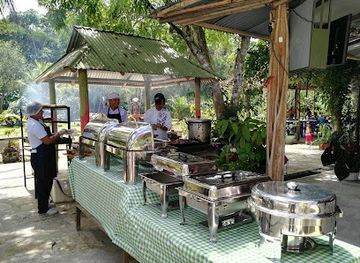
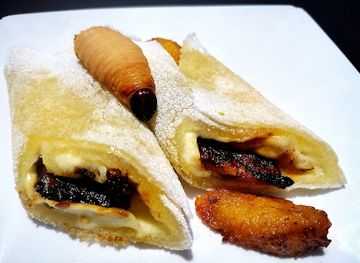
Dining in Amazonas Department reflects the river, forest and cross-border character of the region. Leticia has the broadest choice, from Colombian cafés and casual restaurants to places serving fish, rice, plantain, yuca, tropical fruit and preparations influenced by neighbouring Brazil and Peru. Freshwater fish is central to local food culture, with species and availability changing according to season and regulation; visitors should choose reputable establishments and avoid protected wildlife. Juane, a rice-and-meat or rice-and-fish preparation wrapped in leaves, is associated with Amazonian and wider Colombian food traditions, while cassava-based foods, including casabe in some communities, express Indigenous culinary knowledge. Around Puerto Nariño and community lodges, meals are often simpler and arranged in advance, using locally available fish, fruit and staple crops. Markets in Leticia are useful for seeing the variety of produce entering the regional food system, though hygiene standards and refrigeration may vary. Brazilian-style snacks and drinks are easy to encounter in the tri-border area, but the department’s strongest culinary experiences usually come through modest local kitchens rather than formal dining rooms.
-
Colombian
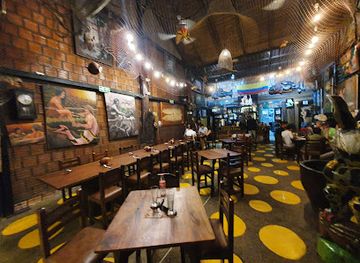
Bar Restaurante Tierras Amazónicas
Experience authentic Colombian cuisine at Bar Restaurante Tierras Amazónicas in Leticia - where local flavors meet vibrant atmosphere.
-
Restaurant
Las Amazonas Balneario-Restaurant
Discover authentic Amazonian flavors at Las Amazonas Balneario-Restaurant in Leticia—where every meal is a journey into nature's bounty.
-
Restaurant
Beijú Un Bocado del Amazonas
Discover authentic Amazonian cuisine at Beijú Un Bocado del Amazonas in Leticia, where local flavors meet traditional culinary artistry.
Best bars in Amazonas Department
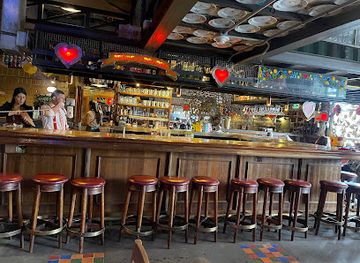
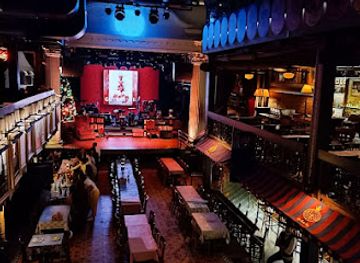
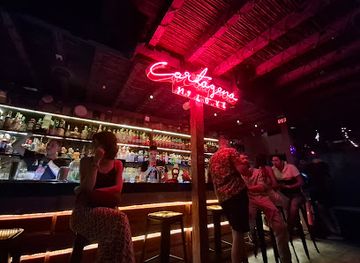
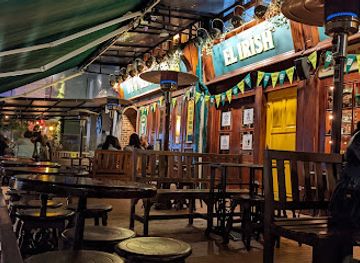
Evening life in Amazonas Department is concentrated in Leticia and is generally more social and informal than club-oriented. Restaurants, neighbourhood bars and establishments around the central area offer beer, rum-based drinks, fruit juices and music, while the waterfront can be pleasant before late-night activity begins. Brazilian influence is apparent in the tri-border nightlife of Leticia and nearby Tabatinga, although crossing the international border requires appropriate identification and attention to local rules. Puerto Nariño has a much quieter evening rhythm, with visitors usually returning from boat or forest excursions to lodge dinners and relaxed conversation rather than seeking nightclubs. Some venues in Leticia offer dancing or live music, but opening arrangements and popularity change, so local advice is more reliable than assuming a permanent nightlife circuit. Respect residents’ privacy and keep noise moderate, particularly near community accommodation and river settlements.
-
Bar
Andrés D.C. Bogotá
Experience the vibrant culinary and cultural scene at Andrés D.C. Bogotá, where exquisite dining meets lively entertainment in a unique setting.
-
Live music bar
Gaira Café Cumbia House
Experience the vibrant rhythms and flavors of Colombian culture at Gaira Café Cumbia House, Bogotá's premier live music venue and restaurant.
-
Bar
Alquimico
Discover Alquimico, Cartagena's premier bar offering innovative cocktails, vibrant atmosphere, and stunning views in the heart of the city.
-
Bar
Zona T
Experience Bogotá's vibrant nightlife and culinary delights in Zona T, the city's upscale social hub filled with bars and restaurants.
Best nightclubs in Amazonas Department
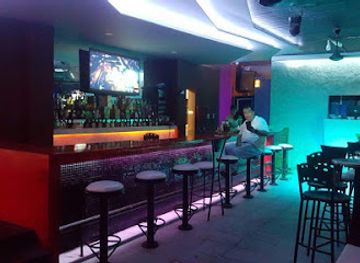
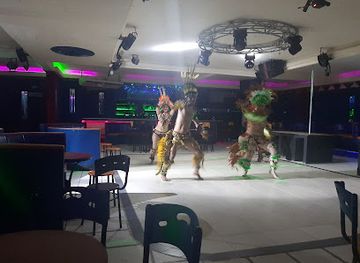
Evening life in Amazonas Department is concentrated in Leticia and is generally more social and informal than club-oriented. Restaurants, neighbourhood bars and establishments around the central area offer beer, rum-based drinks, fruit juices and music, while the waterfront can be pleasant before late-night activity begins. Brazilian influence is apparent in the tri-border nightlife of Leticia and nearby Tabatinga, although crossing the international border requires appropriate identification and attention to local rules. Puerto Nariño has a much quieter evening rhythm, with visitors usually returning from boat or forest excursions to lodge dinners and relaxed conversation rather than seeking nightclubs. Some venues in Leticia offer dancing or live music, but opening arrangements and popularity change, so local advice is more reliable than assuming a permanent nightlife circuit. Respect residents’ privacy and keep noise moderate, particularly near community accommodation and river settlements.
-
Bar
Mossh Bar
Discover the lively nightlife of Leticia at Mossh Bar, where vibrant music and refreshing drinks create unforgettable moments.
-
Disco club
Discoteca Kahlua
Discover the electric nightlife at Discoteca Kahlua, Leticia's top disco club, where music and dance create unforgettable memories in the Amazon.
-
Disco club
Bora Bora
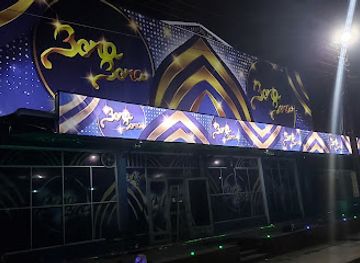
Experience the vibrant nightlife at Bora Bora, Leticia's premier disco club, featuring an electrifying atmosphere and a fantastic dance floor.
Best shops in Amazonas Department
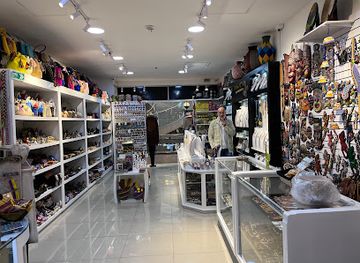
Shopping in Amazonas Department is centred on Leticia’s markets, small high streets and craft outlets rather than large retail complexes. The Mercado de Leticia is useful for observing regional produce, including fruit, cassava products, fish and other foods moving through the local economy, while shops in the urban area sell clothing, practical travel supplies and everyday goods. Community craft centres and Indigenous-led workshops may offer baskets, carved objects, beadwork, textiles and paintings, with designs and materials differing between peoples and communities. Buy directly where possible, ask about the maker and avoid anything made from feathers, skins, teeth, shells or other wildlife materials whose legality and conservation status are uncertain. Coffee, cacao, fruit products and packaged regional foods can make more practical souvenirs than fragile forest materials, though availability varies. Tabatinga across the border adds Brazilian retail influences, but purchases taken between countries may be subject to customs rules. Prices and payment options are less predictable outside Leticia, so carry Colombian pesos and retain receipts for higher-value items.
-
Shopping mall
Andino
Discover Andino, Bogotá's premier shopping mall, where luxury brands meet local culture in a vibrant atmosphere.
-
Shopping mall
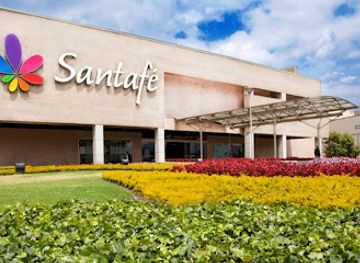
Santafé Mall
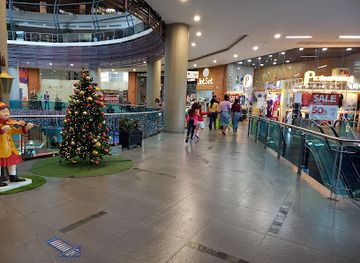
Discover Santafé Mall, Bogotá's ultimate shopping destination with diverse stores, delicious dining, and entertainment options for every tourist.
-
Shopping mall
Centro Comercial Chipichape
Explore Centro Comercial Chipichape in Cali, Colombia - a vibrant shopping mall filled with diverse stores, delectable food, and exciting entertainment options.
-
Shopping mall
Oviedo
Explore Oviedo, a premier shopping mall in Medellín offering a unique blend of retail, dining, and cultural experiences.
Get your free copy of our complete guide to Amazonas Department, delivered straight to you.
Everything on this page, from attractions and restaurants to essentials and local phrases, in one PDF you can read offline, print or share.
Already have an account? Sign in
Your Amazonas Department guide is ready.
We'll send it to · Not you? Sign out

Getting your guide ready…
We are putting together a fresh copy of the Amazonas Department guide. This can take up to a minute.
This can take a few moments. If your browser asks, choose Allow so the download can start. You'll find the guide in your Downloads folder.
Nothing happened? Download it again
Sorry, the guide is taking longer than usual. Please try again in a minute, or get it by email instead.
Amazonas Department essentials
Currency and Payment
Safety
Emergency Situations
Do's and Don'ts
Local Tips
From Eve
Local phrases worth knowing
You don't need to get them perfect. A few words go a long way, and locals appreciate the effort.
Basics
| English | Local | Say it |
|---|---|---|
| Hello | Hola | [Ola] |
| Goodbye | Adiós | [A-dios] |
| Yes | Sí | [Si] |
| No | No | [No] |
| Please/You're welcome | Por favor/De nada | [Por fa-vor/De na-da] |
| Thank you | Gracias | [Gra-thias] |
| Excuse me/Sorry | Disculpe/Lo siento | [Dis-cul-pe/Lo sien-to] |
| How are you? | ¿Cómo estás? | [Ko-mo es-tas] |
| Fine. And you? | Bien. ¿Y tú? | [Bien. ¿I tu?] |
| Do you speak English? | ¿Hablas inglés? | [A-blas in-gle-s] |
| I don't understand | No entiendo | [No en-tien-do] |
Eating & Drinking
| English | Local | Say it |
|---|---|---|
| I'd like to see the menu, please | Quisiera ver el menú, por favor | [Ki-sie-ra ver el me-nu, por fa-vor] |
| I don't eat meat | No como carne | [No ko-mo kar-ne] |
| Cheers! | ¡Salud! | [Sa-lud] |
| I would like to pay, please | Me gustaría pagar, por favor | [Me gus-ta-ria pa-gar, por fa-vor] |
Emergencies
| English | Local | Say it |
|---|---|---|
| Help! | ¡Ayuda! | [A-yu-da] |
| Go away! | ¡Vete! | [Ve-te] |
| Call the Police! | ¡Llama a la policía! | [Ya-ma a la po-li-ci-a] |
| Call a doctor! | ¡Llama a un doctor! | [Ya-ma a un doc-tor] |
| I'm lost | Estoy perdido | [Es-toy per-di-do] |
| I'm ill | Estoy enfermo | [Es-toy en-fer-mo] |
Shopping
| English | Local | Say it |
|---|---|---|
| I'd like to buy... | Me gustaría comprar... | [Me gus-ta-ria kom-prar] |
| I'm just looking | Solo estoy mirando | [So-lo es-toy mi-ran-do] |
| How much is it? | ¿Cuánto cuesta? | [Kuan-to kwes-ta] |
| That's too expensive | Eso es muy caro | [E-so es muy ka-ro] |
| Can you lower the price? | ¿Puedes bajar el precio? | [Pue-des ba-har el pre-cio] |
Time & Numbers
| English | Local | Say it |
|---|---|---|
| What time is it? | ¿Qué hora es? | [Ke o-ra es] |
| It's one o'clock | Es la una | [Es la u-na] |
| Half past (10) | Diez y media | [Diez i me-dia] |
| Morning | Mañana | [Ma-ña-na] |
| Afternoon | Tarde | [Tar-de] |
| Evening | Noche | [No-che] |
| Yesterday | Ayer | [A-yer] |
| Today | Hoy | [Oi] |
| Tomorrow | Mañana | [Ma-ña-na] |
| 1 | Uno | [U-no] |
| 2 | Dos | [Dos] |
| 3 | Tres | [Tres] |
| 4 | Cuatro | [Kua-tro] |
| 5 | Cinco | [Sin-co] |
| 6 | Seis | [Seis] |
| 7 | Siete | [Sye-te] |
| 8 | Ocho | [O-cho] |
| 9 | Nueve | [Nue-ve] |
| 10 | Diez | [Diez] |
Transport & Directions
| English | Local | Say it |
|---|---|---|
| Where's a/the...? | ¿Dónde está...? | [Don-de es-ta] |
| What's the address? | ¿Cuál es la dirección? | [Kual es la di-re-cción] |
| Can you show me (on the map)? | ¿Puedes mostrarme (en el mapa)? | [Pue-des mos-trar-me (en el ma-pa)] |
| When's the next (bus)? | ¿Cuándo es el próximo (bus)? | [Kuan-do es el pro-xi-mo (bus)] |
| A ticket (to ....) | Un boleto (a ....) | [Un bo-le-to (a ....)] |
History of Amazonas Department
Indigenous Amazonian Heritage
Long before Colombia’s modern borders, the forests and rivers of present-day Amazonas were inhabited and managed by Indigenous societies with detailed knowledge of plants, fish, soils, seasons and waterways. Ticuna, Cocama, Yagua and other peoples have shaped the cultural landscape through settlement, agriculture, fishing, hunting, craft traditions and oral histories. Archaeological evidence across the wider Amazon demonstrates long-term human influence rather than an untouched wilderness. Today, Indigenous territories and community organisations remain central to the department’s identity, and visitors encounter living cultures whose authority and knowledge deserve respect.
Colonial Missions and River Networks
Spanish and Portuguese expansion into the Amazon was mediated through rivers, military outposts and Catholic missions rather than dense colonial settlement. The region lay within a contested frontier influenced by the rival imperial spheres of Spain and Portugal, with missionary activity bringing profound changes to Indigenous communities through forced relocation, disease, labour demands and religious conversion. River routes established during this period continued to shape later commerce and administration. The modern border landscape around Leticia reflects this long history of competing colonial claims and the importance of the Amazon as a route of movement.
The Rubber Boom
During the late nineteenth and early twentieth centuries, global demand for natural rubber transformed the Amazon economy. Rubber extraction brought merchants, debt-based labour systems and new commercial connections, but it also produced severe exploitation and violence against Indigenous people. The Putumayo atrocities, associated with the Peruvian Amazon Rubber Company, occurred primarily to the west of present-day Amazonas Department, yet their consequences were felt across the wider region through displacement, labour recruitment and demographic disruption. The boom left a complicated legacy of economic integration and profound human suffering.
The Leticia Conflict, 1932–1933
Leticia became the centre of an international crisis in 1932, when a group of Peruvians seized the settlement, then recognised as Colombian territory under the 1922 Salomón–Lozano Treaty. Colombia organised a military and naval response, while the dispute attracted international attention because of the strategic importance of the Amazon frontier. A League of Nations commission temporarily administered Leticia before it was returned to Colombia in 1933. The episode helped consolidate Colombian state presence in the department and remains an important part of Leticia’s civic and national history.
State Presence and Regional Administration
For much of the twentieth century, Amazonas was administered as a national territory rather than as a fully recognised department. Leticia grew as an administrative, military and commercial centre, while river transport connected scattered settlements more closely to neighbouring Brazil and Peru than to Colombia’s interior. The territory became the Amazonas Department in 1991, following Colombia’s constitutional reorganisation. This change strengthened formal regional institutions, although distance, limited infrastructure and the scale of the rainforest continue to shape public services and governance.
Protected Areas and Conservation
The establishment of protected areas marked a major shift in how the region’s forests and waterways were managed. Amacayacu National Natural Park was created in 1975 to conserve representative Amazonian ecosystems and their wildlife, while other reserves and Indigenous territories contribute to broader conservation efforts. Protection has not removed conflicts over hunting, fishing, extraction, infrastructure or tourism, but it has placed biodiversity and Indigenous participation at the centre of regional planning. Contemporary travel increasingly depends on guides and communities who combine livelihood needs with stewardship of the forest.
Contemporary Indigenous and Community Tourism
In recent decades, communities around Leticia, Puerto Nariño and the Amazon tributaries have developed tourism projects focused on guiding, accommodation, crafts, food and cultural interpretation. The strongest initiatives present the forest through local knowledge rather than treating it merely as scenery. This movement has also encouraged more serious discussion of consent, fair payment, environmental limits and the risks of turning traditions into performances. Tourism remains an evolving part of the department’s economy, alongside fishing, small-scale agriculture, public administration and cross-border trade.
Amazonas Department in Photos
Browse through our photo collection highlighting the charm and character of the destination.
Neighbouring regions of Amazonas Department
The closest regions to Amazonas Department, if you have time for more than one.
-

-

-

-

-


Swipe for more regions
Explore more

Explore more of Colombia
Discover Colombia: A land of diverse beauty, rich heritage, and vibrant culture, offering everything from bustling cities to serene coffee plantations and stunning national parks.
Explore Colombia