

Leticia Travel Guide - Free Web & App
Your ultimate guide to Leticia. Discover top landmarks, proposed trips, and local tips. Free on the web or via the Evendo companion app.


Leticia, Colombia, opens onto the Amazon with river excursions, indigenous communities, tropical wildlife, border culture and rainforest adventures.
River, Rainforest and Borderlands
Leticia lies on the northern bank of the Amazon River in Colombia’s far south, where the country meets Brazil and Peru. There is no road connection to Colombia’s main road network, so the city feels distinctly separate from the Andean and Caribbean worlds. Its airport, river port and position beside the Brazilian city of Tabatinga make it the principal Colombian gateway to the immense forest and waterways of the tri-border region. Beyond the compact urban centre, the landscape quickly becomes one of broad rivers, seasonally flooded forest, oxbow lakes and dense lowland jungle.Read more about Leticia
Exploring the Amazon
Three Countries, One River Culture
When is the best time to visit Leticia?
Best: January–March · 30–31°C| Month | High (°C) |
|---|---|
| January (best) | 30 |
| February (best) | 30 |
| March (best) | 31 |
| April | 31 |
| May | 31 |
| June | 31 |
| July | 31 |
| August | 32 |
| September | 32 |
| October | 32 |
| November | 32 |
| December | 32 |
Getting to and around Leticia
How to get there
Transportation
Best attractions in Leticia
Leticia’s principal attractions extend beyond its streets into the surrounding river and forest. Parque Santander is the city’s central public space and is known for the large gatherings of parakeets and parrots that return to the trees around dusk, a natural spectacle best observed without disturbing the birds. The lakes and flooded forest of Yahuarcaca, close to Leticia, provide a gentler introduction to Amazonian waterways, usually explored by boat or with a local guide. Excursions towards Puerto Nariño combine river scenery with access to nearby forest and community-based experiences, while Isla de los Micos offers a popular setting for guided wildlife encounters; animal contact should never be encouraged. The tri-border area also makes it possible to experience the contrasting urban character of Tabatinga in Brazil. Further journeys may reach Indigenous communities, tributaries and protected forest areas, but their accessibility and visitor arrangements vary with river levels and local permissions.
-
Tourist attraction
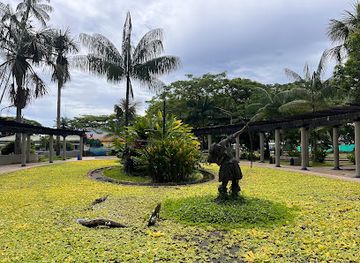
Parque Santander
Discover the lush tranquility of Parque Santander, a green oasis in Leticia that offers relaxation, nature walks, and a taste of local culture.
-
Tourist attraction
Malecón Turístico
Explore the vibrant Malecón Turístico in Leticia, where the Amazon River meets cultural charm and local flavors in a stunning riverside setting.
-
Tourist attraction
Orellana Park
Discover the natural beauty and cultural richness of Orellana Park in Leticia, Amazonas – a perfect escape into the heart of the Amazon rainforest.
-
Tourist attraction
Parque Mundo Amazónico
Immerse yourself in the vibrant biodiversity of Parque Mundo Amazónico, a must-visit attraction in Leticia, Amazonas, showcasing the wonders of the Amazon rainforest.


Best landmarks in Leticia
The Amazon River is Leticia’s defining natural landmark, forming the city’s southern edge and linking Colombia with Brazil and Peru through a constantly changing network of channels, islands and floodplains. Parque Santander is the city’s most recognisable urban reference point, while the Yahuarcaca lakes represent the close relationship between Leticia and the seasonally flooded forest. Puerto Nariño, a settlement on the Colombian Amazon noted for its pedestrian-oriented character and community-based approach to tourism, is an important cultural and river landmark rather than a conventional monument. Across the border, Tabatinga’s adjoining urban landscape illustrates the shared but nationally divided character of the region. The wider forest, Indigenous settlements and river ports are equally significant, because they express the ecological knowledge, transport traditions and cultural history that give Leticia its identity.
-
Park
Parque Santander
Discover the serene beauty of Parque Santander, a lush urban oasis in Leticia, Colombia, perfect for relaxation and cultural experiences.
-
Colombian
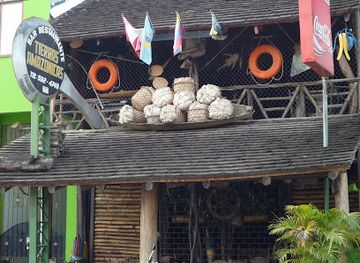
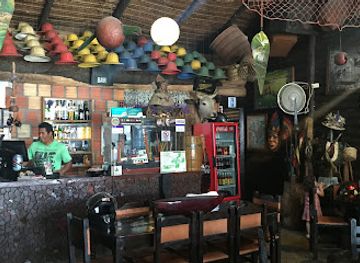
Bar Restaurante Tierras Amazónicas
Experience the authentic taste of Colombian cuisine at Bar Restaurante Tierras Amazónicas in Leticia, where local flavors meet vibrant atmosphere.
-
Tourist attraction
Malecón Turístico
Discover the vibrant Malecón Turístico in Leticia, where Amazonian culture meets breathtaking river views and unforgettable experiences.
-
Market
Plaza de Mercado de Leticia
Experience the vibrant culture and flavors of the Amazon at the Plaza de Mercado de Leticia, a must-visit market for every traveler in Leticia.
Explore Leticia on the map
Plan your trip on one map. See where the top attractions, landmarks, restaurants and hotels are, and book hotels and experiences in a few clicks.
Best hotels in Leticia
Best restaurants in Leticia
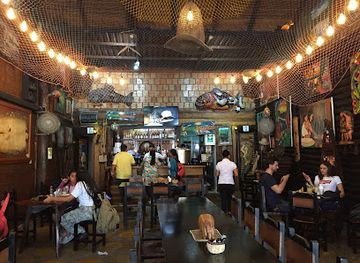
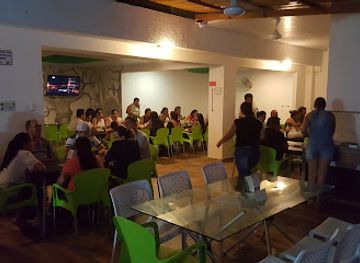
Leticia’s food culture reflects the Amazon River basin and the city’s Colombian, Brazilian and Peruvian connections. Restaurants and market stalls commonly draw on fish such as pirarucú, gamitana and other locally available species, alongside cassava, plantain, rice and maize. Amazonian fruits, including copoazú, arazá and açai, appear in juices, desserts and other preparations, while regional drinks can provide an introduction to ingredients unfamiliar outside the rainforest. Dining is concentrated in Leticia, with additional options in Tabatinga and simpler food services in settlements reached by boat. Visitors should favour responsibly sourced fish and avoid dishes made from protected wildlife. Markets offer a direct view of everyday ingredients, although food hygiene, refrigeration and payment facilities may be more limited than in established city restaurants.
-
Colombian
Bar Restaurante Tierras Amazónicas
Discover the vibrant flavors of Colombian cuisine at Bar Restaurante Tierras Amazónicas in Leticia - where every meal tells a story.
-
Restaurant
Punto Lounge SAS
Experience the vibrant flavors of Amazonas at Punto Lounge SAS in Leticia – where local ingredients meet culinary excellence.
-
Restaurant
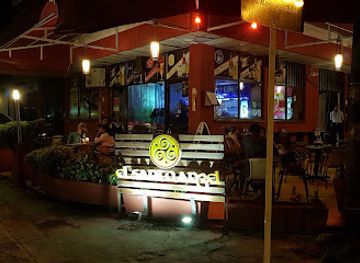
EL SANTO ANGEL
Experience authentic Amazonian flavors at El Santo Angel in Leticia - where culinary tradition meets modern flair.
-
Restaurant
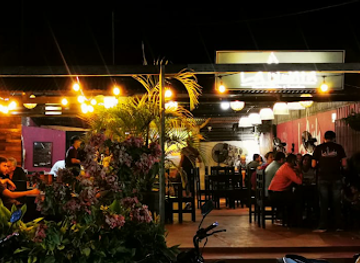
La Quinta Restaurante y Eventos
Experience authentic Colombian flavors at La Quinta Restaurante y Eventos in Leticia - where every meal is a celebration of taste and culture.
Best bars in Leticia
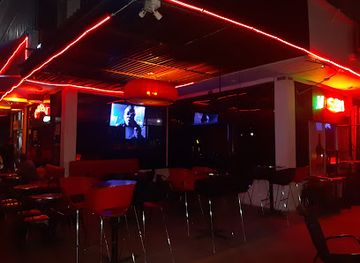
Leticia has a modest evening scene rather than a large nightlife district. Central bars, casual restaurants and neighbourhood venues provide places to drink, listen to music and meet residents, with Brazilian influence especially visible in the border area and across Tabatinga. Evenings are often shaped by the heat, river-oriented routines and the rhythms of a small regional capital, so entertainment is more likely to involve conversation, local music or a relaxed meal than late-night clubbing. Some accommodation providers can advise on current venues and community events, but opening patterns and performances change. Outside Leticia and Tabatinga, evening options are very limited, and forest or river excursions should be undertaken only through arrangements that account for darkness, navigation and local safety guidance.
-
Colombian
Bar Restaurante Tierras Amazónicas
Experience authentic Colombian cuisine in Leticia, Amazonas, at Bar Restaurante Tierras Amazónicas, where every dish tells a story of the rainforest.
-
Bar
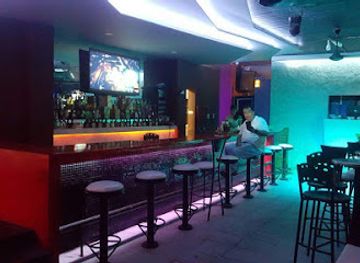
Mossh Bar
Experience Mossh Bar, a vibrant hub in Leticia offering a blend of local flavors and international drinks for an unforgettable nightlife experience.
-
Bar
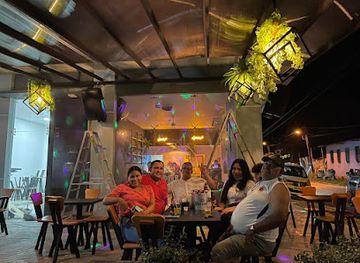
Waira Lounge
Discover the vibrant Waira Lounge in Leticia, Amazonas, where tropical cocktails and live music meet the spirit of the Amazon nightlife.
-
Bar
Pola Beer House
Experience the vibrant atmosphere of Pola Beer House in Leticia, where local beers and friendly vibes create unforgettable moments.
Best nightclubs in Leticia
Leticia has a modest evening scene rather than a large nightlife district. Central bars, casual restaurants and neighbourhood venues provide places to drink, listen to music and meet residents, with Brazilian influence especially visible in the border area and across Tabatinga. Evenings are often shaped by the heat, river-oriented routines and the rhythms of a small regional capital, so entertainment is more likely to involve conversation, local music or a relaxed meal than late-night clubbing. Some accommodation providers can advise on current venues and community events, but opening patterns and performances change. Outside Leticia and Tabatinga, evening options are very limited, and forest or river excursions should be undertaken only through arrangements that account for darkness, navigation and local safety guidance.
-
Bar
Mossh Bar
Discover the vibrant nightlife at Mossh Bar in Leticia, Amazonas, where music, dance, and fantastic cocktails create unforgettable moments.
-
Disco club
Discoteca Kahlua
Discover the vibrant nightlife of Leticia at Discoteca Kahlua, where music, dancing, and a lively atmosphere unite for an unforgettable experience.
-
Disco club
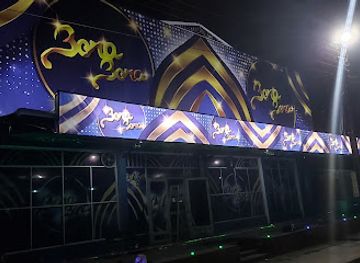
Bora Bora
Dive into the vibrant nightlife of Leticia at Bora Bora Disco Club, where rhythm, dance, and unforgettable memories await.
-
Bar
Waira Lounge
Experience the vibrant nightlife at Waira Lounge in Leticia, Amazonas, featuring refreshing drinks and a lively atmosphere filled with local culture.

Best shops in Leticia
Shopping in Leticia is practical and regional rather than extensive. The city’s markets and small shops offer tropical fruit, cassava products, plantains, fish and other ingredients of Amazonian cooking, while crafts may include baskets, beadwork, carved objects, textiles and items made from responsibly gathered plant fibres such as chambira. Purchases from Indigenous artisans should be made directly or through transparent community-based outlets, with permission sought before photographing makers or their work. Leticia also has everyday Colombian retail and outdoor supplies useful for river and forest excursions, while Tabatinga provides additional Brazilian shops and markets across the border. Product selection changes with seasonal supply and transport connections, and remote communities should not be expected to have permanent retail facilities or a broad range of visitor goods.
-
Supermarket
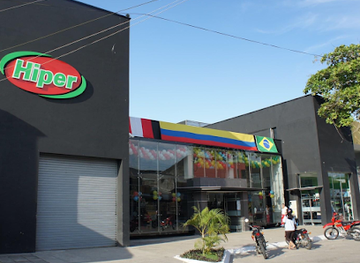
SUPERMERCADOS HIPERKOSTO S.A.S.
Discover the essence of Colombian culture at HiperKosto Supermarket in Leticia, Amazonas, where local flavors and vibrant shopping await.
-
Ice Cream
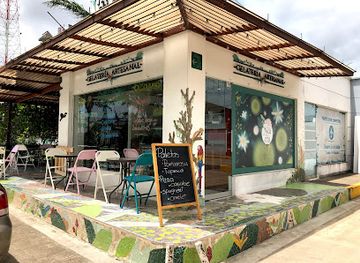
Nàì Chì Gelatería Artesanal
Discover the sweet delights of Nàì Chì Gelatería Artesanal, where artisanal ice cream meets a cozy café experience in Leticia, Amazonas.
-
Home goods store
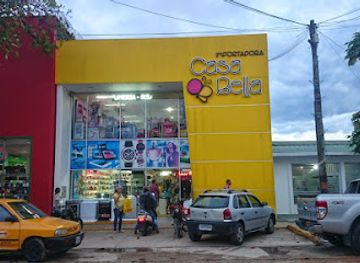
Importadora Casa Bella
Explore Importadora Casa Bella in Leticia for unique home goods and authentic local craftsmanship, enriching your Amazonian experience.
-
Ice Cream
Gelateria Magical World
Discover a world of flavors at Gelateria Magical World, where the essence of the Amazon meets irresistible ice cream creations.
Get your free copy of our complete guide to Leticia, delivered straight to you.
Everything on this page, from attractions and restaurants to essentials and local phrases, in one PDF you can read offline, print or share.
Already have an account? Sign in
Your Leticia guide is ready.
We'll send it to · Not you? Sign out

Getting your guide ready…
We are putting together a fresh copy of the Leticia guide. This can take up to a minute.
This can take a few moments. If your browser asks, choose Allow so the download can start. You'll find the guide in your Downloads folder.
Nothing happened? Download it again
Sorry, the guide is taking longer than usual. Please try again in a minute, or get it by email instead.
Leticia essentials
Currency and Payment
Safety
Emergency Situations
Do's and Don'ts
Local Tips
From Eve
Local phrases worth knowing
You don't need to get them perfect. A few words go a long way, and locals appreciate the effort.
Basics
| English | Local | Say it |
|---|---|---|
| Hello | Hola | [Oh-la] |
| Goodbye | Adiós | [Ah-dee-ohs] |
| Yes | Sí | [See] |
| No | No | [Noh] |
| Please/You're welcome | Por favor/De nada | [Por fah-vor/De nah-dah] |
| Thank you | Gracias | [Grah-see-as] |
| Excuse me/Sorry | Disculpe/Lo siento | [Dees-cool-pe/Lo see-en-to] |
| How are you? | ¿Cómo estás? | [Koh-moh es-tahs] |
| Fine. And you? | Bien. ¿Y tú? | [Byen. Ee too] |
| Do you speak English? | ¿Hablas inglés? | [Ah-blahs een-glays] |
| I don't understand | No entiendo | [Noh en-tee-en-doh] |
Eating & Drinking
| English | Local | Say it |
|---|---|---|
| I'd like to see the menu, please | Me gustaría ver el menú, por favor | [May goo-stah-ree-ah ver el meh-noo, por fah-vor] |
| I don't eat meat | No como carne | [Noh koh-moh kahr-nay] |
| Cheers! | ¡Salud! | [Sah-lood] |
| I would like to pay, please | Me gustaría pagar, por favor | [May goo-stah-ree-ah pah-gar, por fah-vor] |
Emergencies
| English | Local | Say it |
|---|---|---|
| Help! | ¡Ayuda! | [Ah-yoo-dah] |
| Go away! | ¡Vete! | [Veh-teh] |
| Call the Police! | ¡Llama a la policía! | [Yah-mah ah lah po-lee-see-ah] |
| Call a doctor! | ¡Llama a un doctor! | [Yah-mah ah oon dohk-tohr] |
| I'm lost | Estoy perdido/a | [Es-toy pehr-dee-doh/dah] |
| I'm ill | Estoy enfermo/a | [Es-toy en-fehr-moh/ah] |
Shopping
| English | Local | Say it |
|---|---|---|
| I'd like to buy... | Me gustaría comprar... | [May goo-stah-ree-ah kohm-prar] |
| I'm just looking | Solo estoy mirando | [So-loh es-toy mee-ran-doh] |
| How much is it? | ¿Cuánto cuesta? | [Kwan-to kweh-stah] |
| That's too expensive | Eso es demasiado caro | [Eh-so es deh-mah-see-ah-doh kah-roh] |
| Can you lower the price? | ¿Puede bajar el precio? | [Pweh-deh bah-har el pweh-see-oh] |
Time & Numbers
| English | Local | Say it |
|---|---|---|
| What time is it? | ¿Qué hora es? | [Keh oh-rah es] |
| It's one o'clock | Es la una en punto | [Es lah oo-nah en poon-toh] |
| Half past (10) | Las diez y media | [Las dee-ehs ee meh-dee-ah] |
| Morning | Mañana | [Mah-nyah-nah] |
| Afternoon | Tarde | [Tahr-deh] |
| Evening | Noche | [Noh-cheh] |
| Yesterday | Ayer | [Ah-yehr] |
| Today | Hoy | [Oy] |
| Tomorrow | Mañana | [Mah-nyah-nah] |
| 1 | Uno | [Oo-noh] |
| 2 | Dos | [Dohs] |
| 3 | Tres | [Tres] |
| 4 | Cuatro | [Kwah-troh] |
| 5 | Cinco | [Seenkoh] |
| 6 | Seis | [Sehs] |
| 7 | Siete | [See-eh-teh] |
| 8 | Ocho | [Oh-choh] |
| 9 | Nueve | [Nweh-veh] |
| 10 | Diez | [Dee-ehs] |
Transport & Directions
| English | Local | Say it |
|---|---|---|
| Where's a/the...? | ¿Dónde está...? | [Dohn-deh es-tah] |
| What's the address? | ¿Cuál es la dirección? | [Kwahl es lah dee-rek-see-on] |
| Can you show me (on the map)? | ¿Puedes mostrarme (en el mapa)? | [Pweh-dehs mohs-trar-meh (en el mah-pah)] |
| When's the next (bus)? | ¿Cuándo es el próximo (autobús)? | [Kwan-doh es el proh-ksee-moh (ow-toh-boos)] |
| A ticket (to ....) | Un boleto (para ....) | [Oon boh-leh-toh (pah-rah)] |
History of Leticia
River Landscapes Before the City
The Amazon lowlands around Leticia were shaped over geological timescales by the river’s shifting channels, seasonal flooding and the formation of forested islands and lakes. Long before the modern town appeared, Indigenous peoples developed detailed knowledge of these waterways, soils, plants and animals. Tikuna, Yagua and Cocama communities, among others, established settlements and trading relationships adapted to a landscape in which river travel was often more practical than overland movement. Their agricultural systems, fishing practices, oral traditions and material culture remain important to the cultural history of the region.
A Nineteenth-Century Frontier Settlement
The settlement that became Leticia was established during the nineteenth century in a period when Peru, Colombia and Brazil were asserting competing interests in the Amazon basin. It was founded as San Antonio in 1867 and later took the name Leticia. Like other river settlements, its development depended on navigation, commerce and the movement of goods rather than on road connections with the interior. The wider Amazon economy increasingly became linked to rubber extraction, bringing commercial expansion but also severe exploitation and violence against Indigenous populations.
The Colombia–Peru Boundary
The international status of Leticia was settled through the Salomón–Lozano Treaty of 1922, in which Peru recognised the transfer of the Leticia area to Colombia. Colombian administration formally followed in 1930 after the treaty process was implemented. The arrangement gave Colombia its principal access to the Amazon River, while the frontier remained a sensitive zone shaped by commerce, military presence and changing relations between neighbouring states. The city’s present identity still reflects this history: Leticia is Colombian in administration but unmistakably part of a wider Amazonian and tri-border culture.
From Extractive Frontier to Amazon Gateway
During the twentieth century, Leticia developed as an administrative, military and commercial centre for Colombia’s Amazonas department. Air links became especially important because the city has no direct road connection with the rest of Colombia, while river transport continued to connect settlements along the Amazon. Government institutions, research and conservation initiatives gradually joined older extractive activities. Tourism now provides an alternative way of engaging with the forest through guided excursions, community-based visits and protected landscapes, although pressures from urban growth, resource use and environmental change remain part of the region’s contemporary reality.
Leticia in Photos
Browse through our photo collection highlighting the charm and character of the destination.
Neighbouring destination travel guides
The closest destinations to Leticia, if you have time for more than one.
-

-

-

-

-


Swipe for more destinations
Explore more

Explore more of Amazonas Department
Discover the untamed beauty of Amazonas, Colombia – a realm of lush rainforests, winding rivers, and vibrant wildlife, offering an unforgettable adventure into nature's heart.
Explore Amazonas Department
Explore more of Colombia
Discover Colombia: A land of diverse beauty, rich heritage, and vibrant culture, offering everything from bustling cities to serene coffee plantations and stunning national parks.
Explore Colombia