

Free Risaralda Department Travel Guide & Mobile App
Explore Risaralda Department with free travel guides. Discover regional history, expert tips, proposed trips, and audio guides on web or mobile app.


Explore Risaralda’s Colombian coffee farms, Andean forests, thermal springs, birdlife and lively Pereira through varied mountain landscapes.
Read more about Risaralda Department
When is the best time to visit Risaralda Department?
Best: February, August, December · 26–27°C| Month | High (°C) | Rainfall (mm) |
|---|---|---|
| January | 27 | 200 |
| February (best) | 27 | 190 |
| March | 27 | 210 |
| April | 27 | 220 |
| May | 27 | 230 |
| June | 27 | 210 |
| July | 27 | 200 |
| August (best) | 27 | 190 |
| September | 27 | 210 |
| October | 27 | 220 |
| November | 26 | 230 |
| December (best) | 26 | 200 |
Getting to and around Risaralda Department
How to get there
Transportation
Top city travel guides in Risaralda Department
The cities of Risaralda Department, and the easiest places to base yourself.
-

-

-

-


Swipe for more cities
Destinations in Risaralda Department
Resorts, valleys and scenic spots worth a trip of their own.
-

-


Swipe for more destinations
Best attractions in Risaralda Department
Risaralda’s attractions range from urban cultural sites to coffee farms, thermal springs and protected Andean forests. Pereira offers museums, public parks, botanical spaces and the Ukumarí Biopark, whose conservation and educational work makes it more than a conventional animal attraction. Around the capital, the Otún Quimbaya Fauna and Flora Sanctuary provides guided access to humid forest and bird-rich habitats, while coffee estates in the surrounding municipalities demonstrate planting, harvesting, drying and roasting. Santa Rosa de Cabal is the department’s best-known thermal destination, with hot-water facilities set in a mountainous landscape. Smaller towns such as Marsella, Apía, Santuario and Belén de Umbría provide town-square walks, rural views and access to farm country. The western municipalities of Pueblo Rico and Mistrató are important for forest, river and biodiversity experiences, though services are more limited. Treks towards high Andean and páramo environments linked to Los Nevados require advance planning, suitable clothing and attention to restrictions. Across the department, birdwatching, coffee tourism, canyon and river scenery, hiking and scenic road journeys are more characteristic than large-scale resort entertainment.
-
Tourist attraction
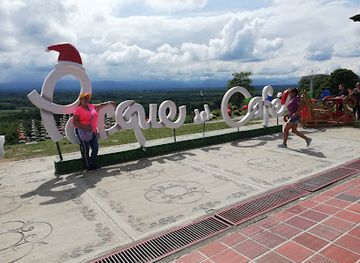
Parque del Café
Experience Colombia's coffee culture with thrilling rides, cultural shows, and coffee traditions at Parque del Café in Quindío.
-
Tourist attraction
Cocora Valley
Hike among the world's tallest palm trees in this iconic Colombian landscape near Salento, offering trails for all levels of adventurers.
-
Zoo
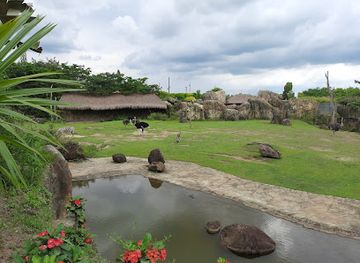
Ukumari Park
Discover Colombia's wildlife at Ukumari Park: conservation, education, and immersive animal experiences in a breathtaking setting.
-
Tourist attraction
Panaca
Discover Colombia's agricultural heartland at Panaca: interactive exhibits, animal encounters, and cultural shows await in Quimbaya, Quindío.


Best landmarks in Risaralda Department
The Otún River valley is one of Risaralda’s defining geographical features, linking Pereira’s urban setting with forests and protected habitats to the east. The Otún Quimbaya Fauna and Flora Sanctuary is an important natural landmark because it protects a remnant of Andean forest close to a major city and provides a setting for conservation and environmental education. Santa Rosa de Cabal’s thermal springs are another recognisable feature, where naturally heated waters emerge in a steep mountain environment. Pereira’s Bolívar Square and the Cathedral of Our Lady of Poverty express the department’s principal urban centre through civic space and modern religious architecture, while the César Gaviria Trujillo Viaduct is a prominent piece of contemporary infrastructure connecting Pereira and Dosquebradas across the valley. In the coffee countryside, painted town squares, hillside farms and traditional houses are part of the wider Coffee Cultural Landscape rather than isolated monuments. The Cauca River lowlands near La Virginia and the forested western slopes towards Pueblo Rico and Mistrató add geographical landmarks that show how sharply the department changes from warm valley to high Andean terrain.
-
National park
Cocora Valley
Explore the enchanting Cocora Valley in Colombia, home to towering wax palms and breathtaking hiking trails amidst stunning natural beauty.
-
Zoo
Ukumari Park
Discover the magic of Ukumari Park, Colombia's premier zoo, home to unique wildlife and immersive experiences for all ages.
-
Park
Bolívar plaza, Pereira
Explore Bolivar Plaza in Pereira, a cultural gem featuring the iconic Simón Bolívar statue, lush green spaces, and vibrant local events.
-
Observation deck
Salento viewpoint
Experience breathtaking views of Cocora Valley from Salento Viewpoint, a serene observation deck surrounded by Colombia's stunning nature.


Explore Risaralda Department on the map
Plan your trip on one map. See where the top cities, national parks and sights are, and book hotels and experiences in a few clicks.
Best hotels in Risaralda Department
Best restaurants in Risaralda Department
Risaralda’s food reflects the wider Colombian Andes while drawing strongly on coffee-country agriculture. Pereira has the department’s broadest choice, from bakeries, cafés and traditional eateries to contemporary restaurants using local vegetables, plantains, beans, trout, meats and tropical fruit. Rural kitchens and roadside stops commonly serve hearty dishes such as sancocho, a substantial soup whose ingredients vary by locality, along with arepas, tamales, rice, beans and fried plantain. Santa Rosa de Cabal is associated with chorizo served with arepa and other casual foods popular with visitors, while the department’s coffee farms offer tastings alongside simple lunches and baked goods. Coffee is central to the experience: look for cafés that explain origin, processing and preparation rather than treating the drink merely as a generic refreshment. Farmers’ markets and town shops are useful for buying fruit, panela, preserves and regional snacks. In warmer areas near the Cauca valley, menus may include different tropical produce and lighter preparations than those found in the cooler highlands.
-
Restaurant
Pastelería Lucerna | Pereira
Experience the rich flavors of Colombia at Pastelería Lucerna in Pereira - a paradise for pastry lovers with delicious local treats.
-
Colombian
Donde laurita en SALENTO
Savor authentic Colombian flavors at Donde Laurita in Salento—where every dish tells a story.
-
Restaurant
El Canasto Campestre
Discover El Canasto Campestre: A delightful restaurant in Pereira offering authentic Colombian cuisine amidst breathtaking landscapes.
-
Argentinian
Leños & Parrilla
Experience authentic Argentinian cuisine at Leños & Parrilla in Pereira – where every meal is a celebration of flavor.


Best bars in Risaralda Department
Pereira has Risaralda’s most developed evening scene, with restaurants, cafés, traditional bars, live-music venues and clubs concentrated in busy commercial and entertainment areas. The city attracts students, office workers and visitors from neighbouring municipalities, so nightlife ranges from informal beer and aguardiente bars to more polished cocktail and music venues. Dosquebradas also has local bars and restaurants, though its evening culture is less oriented towards visitors. In Santa Rosa de Cabal and the smaller coffee towns, nights generally centre on cafés, town-square meeting places, bakeries, pubs and restaurants rather than a large club circuit. Rural districts become quiet early, and many farm stays emphasise birdwatching, conversation and the landscape rather than late entertainment. Check current arrangements locally, travel back to accommodation with recognised transport and remember that a regional evening does not need to revolve around drinking: cafés, food, music and small cultural events are equally characteristic ways to spend the night.
-
Grill
Restaurante Gastro Bar Discoteca en Pereira Night Club | La Cantina
Discover the vibrant culinary and nightlife scene at La Cantina, Pereira's premier gastro bar and dance club.
-
Bar
Restaurante Érase Una Vez
Discover the enchanting flavors and family-friendly atmosphere at Restaurante Érase Una Vez in Pereira, perfect for all occasions.
-
Bar
La Caverna Del Oso
Experience the vibrant nightlife of Pereira at La Caverna Del Oso, where live music and delicious cuisine create unforgettable moments.
-
American
Wribs
Experience the best of American cuisine at Wribs in Manizales, featuring delicious ribs, burgers, and a lively atmosphere perfect for every occasion.


Best nightclubs in Risaralda Department
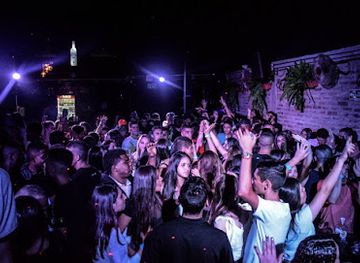
Pereira has Risaralda’s most developed evening scene, with restaurants, cafés, traditional bars, live-music venues and clubs concentrated in busy commercial and entertainment areas. The city attracts students, office workers and visitors from neighbouring municipalities, so nightlife ranges from informal beer and aguardiente bars to more polished cocktail and music venues. Dosquebradas also has local bars and restaurants, though its evening culture is less oriented towards visitors. In Santa Rosa de Cabal and the smaller coffee towns, nights generally centre on cafés, town-square meeting places, bakeries, pubs and restaurants rather than a large club circuit. Rural districts become quiet early, and many farm stays emphasise birdwatching, conversation and the landscape rather than late entertainment. Check current arrangements locally, travel back to accommodation with recognised transport and remember that a regional evening does not need to revolve around drinking: cafés, food, music and small cultural events are equally characteristic ways to spend the night.
-
Gastropub
Mojiteria Resto-bar havana club
Experience the vibrant nightlife of Salento at Mojiteria Resto-bar, where delicious food meets live music and unforgettable moments.
-
Disco club
Helium
Experience the electrifying nightlife of Pereira at Helium Disco Club, where music and dance create unforgettable moments.
-
Disco club
La Chismosa Pereira
Discover the electrifying nightlife of Pereira at La Chismosa, a premier disco club offering exceptional music and a vibrant atmosphere.
-
Bar
El Tejadito De Salento
Discover the charm of Salento at El Tejadito, where vibrant drinks and cozy ambiance meet the beauty of Colombia's heartland.


Best shops in Risaralda Department
Pereira is Risaralda’s main shopping centre, with modern retail complexes, department stores, independent businesses, cafés and traditional commercial streets serving both residents and visitors. For a more local experience, explore markets and food shops for freshly packed coffee, panela, preserves, fruit, arepas and other products from the surrounding agricultural districts. Coffee is the most practical regional purchase, but quality and traceability vary, so ask about origin, roast date and preparation advice rather than buying solely by appearance. Smaller towns such as Marsella, Santa Rosa de Cabal, Apía and Santuario are better for modest independent shops, bakeries, craft objects and produce connected with rural life than for extensive fashion retail. Farm visits often sell beans and locally made goods directly, while galleries and artisan outlets may offer ceramics, woven items, woodwork or jewellery, depending on the town. Pack fragile purchases carefully and compare prices and payment methods in rural areas, where card facilities may be limited.
-
Shopping mall
Parque Arboleda Centro Comercial
Explore the heart of Pereira at Parque Arboleda, a vibrant shopping mall with diverse stores, dining, and entertainment options for all.
-
Zoo
Ukumari Park
Explore Ukumari Park, a unique zoo in Risaralda, Colombia, dedicated to wildlife conservation and immersive educational experiences.
-
Shopping mall
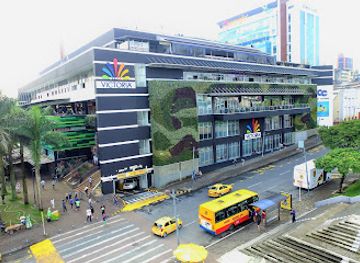
Victoria Mall
Explore Victoria Mall in Pereira, Colombia, where shopping, dining, and entertainment converge for an unforgettable experience.
-
Observation deck
Salento viewpoint
Discover breathtaking views at Salento Viewpoint, an iconic observation deck in Colombia's stunning Coffee Region.



Get your free copy of our complete guide to Risaralda Department, delivered straight to you.
Everything on this page, from attractions and restaurants to essentials and local phrases, in one PDF you can read offline, print or share.
Already have an account? Sign in
Your Risaralda Department guide is ready.
We'll send it to · Not you? Sign out

Getting your guide ready…
We are putting together a fresh copy of the Risaralda Department guide. This can take up to a minute.
This can take a few moments. If your browser asks, choose Allow so the download can start. You'll find the guide in your Downloads folder.
Nothing happened? Download it again
Sorry, the guide is taking longer than usual. Please try again in a minute, or get it by email instead.
Risaralda Department essentials
Currency and Payment
Safety
Emergency Situations
Do's and Don'ts
Local Tips
From Eve
Local phrases worth knowing
You don't need to get them perfect. A few words go a long way, and locals appreciate the effort.
Basics
| English | Local | Say it |
|---|---|---|
| Hello | Hola | [O-la] |
| Goodbye | Adiós | [A-dee-os] |
| Yes | Sí | [See] |
| No | No | [No] |
| Please/You're welcome | Por favor | [Por fa-vor] |
| Thank you | Gracias | [Gra-thias] |
| Excuse me/Sorry | Disculpe | [Dis-cool-pe] |
| How are you? | ¿Cómo estás? | [Co-mo es-tas] |
| Fine. And you? | Bien. ¿Y tú? | [Bee-en. Ee tu] |
| Do you speak English? | ¿Hablas inglés? | [A-blas in-gles] |
| I don't understand | No entiendo | [No en-ti-en-do] |
Eating & Drinking
| English | Local | Say it |
|---|---|---|
| I'd like to see the menu, please | Quisiera ver el menú, por favor | [Kee-see-e-ra ver el me-nu, por fa-vor] |
| I don't eat meat | No como carne | [No co-mo car-ne] |
| Cheers! | ¡Salud! | [Sa-lud] |
| I would like to pay, please | Quisiera pagar, por favor | [Kee-see-e-ra pa-gar, por fa-vor] |
Emergencies
| English | Local | Say it |
|---|---|---|
| Help! | ¡Ayuda! | [A-yu-da] |
| Go away! | ¡Vete! | [Ve-te] |
| Call the Police! | ¡Llame a la policía! | [Ya-me a la po-li-cia] |
| Call a doctor! | ¡Llame a un doctor! | [Ya-me a un doc-tor] |
| I'm lost | Estoy perdido | [Es-toy per-di-do] |
| I'm ill | Estoy enfermo | [Es-toy en-fer-mo] |
Shopping
| English | Local | Say it |
|---|---|---|
| I'd like to buy... | Quisiera comprar... | [Kee-see-e-ra com-prar] |
| I'm just looking | Solo estoy mirando | [So-lo es-toy mi-ran-do] |
| How much is it? | ¿Cuánto cuesta? | [Cuan-to cues-ta] |
| That's too expensive | Eso es muy caro | [E-so es muy ca-ro] |
| Can you lower the price? | ¿Puedes bajar el precio? | [Pwe-des ba-har el pre-cio] |
Time & Numbers
| English | Local | Say it |
|---|---|---|
| What time is it? | ¿Qué hora es? | [Ke o-ra es] |
| It's one o'clock | Es la una | [Es la u-na] |
| Half past (10) | Diez y media | [Dyez ee me-dia] |
| Morning | Mañana | [Ma-nya-na] |
| Afternoon | Tarde | [Tar-de] |
| Evening | Noche | [No-che] |
| Yesterday | Ayer | [A-yer] |
| Today | Hoy | [Oy] |
| Tomorrow | Mañana | [Ma-nya-na] |
| 1 | Uno | [U-no] |
| 2 | Dos | [Dos] |
| 3 | Tres | [Tres] |
| 4 | Cuatro | [Cua-tro] |
| 5 | Cinco | [Sin-co] |
| 6 | Seis | [Seis] |
| 7 | Siete | [Sye-te] |
| 8 | Ocho | [O-cho] |
| 9 | Nueve | [Nwe-ve] |
| 10 | Diez | [Dyez] |
Transport & Directions
| English | Local | Say it |
|---|---|---|
| Where's a/the...? | ¿Dónde está un/una...? | [Don-de es-ta un/u-na] |
| What's the address? | ¿Cuál es la dirección? | [Cual es la di-rec-cion] |
| Can you show me (on the map)? | ¿Me puedes mostrar (en el mapa)? | [Me pwe-des mos-trar (en el ma-pa)] |
| When's the next (bus)? | ¿Cuándo pasa el siguiente (bus)? | [Cuan-do pa-sa el si-guien-te (bus)] |
| A ticket (to ....) | Un billete (a....) | [Un bi-ye-te (a....)] |
History of Risaralda Department
Indigenous Peoples and Pre-Hispanic Landscapes
Before Spanish colonisation, the territory now known as Risaralda was inhabited by Indigenous communities associated with the broader cultural world of the Cauca and central Andean region, including groups identified in historical sources as Quimbaya and Anserma. Their societies cultivated fertile valleys, traded across mountain routes and produced finely worked objects in gold and other materials. Much of the archaeological record was later disrupted by colonial expansion and looting, but Indigenous place names, surviving communities and museum collections remain important reminders that Risaralda’s history began long before coffee.
Spanish Conquest and Colonial Cattle Country
Spanish forces entered the central Andes during the sixteenth century, bringing military conquest, new legal institutions, Catholic missions and diseases that severely affected Indigenous populations. Colonial settlement was concentrated along established routes and productive valleys, while parts of the western mountains remained difficult to control. The Cauca River corridor became a route for movement and exchange, and agriculture and livestock developed alongside colonial estates. Modern Risaralda contains relatively few monumental colonial centres compared with other Colombian regions, because much of its present settlement pattern emerged later.
Antioquian Colonisation and New Settlements
During the nineteenth century, migrants from Antioquia and neighbouring areas moved south and west through the central Andes, clearing land, establishing farms and founding or expanding settlements. This process shaped towns such as Santa Rosa de Cabal, Marsella, Pereira and Santuario, while roads and trails linked isolated communities to regional markets. The small-farm culture, hillside cultivation and distinctive town architecture associated with the coffee region owe much to this period. Colonisation also brought conflict over land and caused extensive transformation of forested landscapes.
Pereira and the Rise of Coffee
Coffee became the defining economic force of Risaralda during the late nineteenth and twentieth centuries. Pereira grew as a commercial centre where beans, agricultural supplies, finance and transport converged, while surrounding municipalities developed networks of small and medium-sized farms. Coffee prospered because of the department’s altitude, rainfall and volcanic-Andean soils, though production depended heavily on family labour and fluctuating international prices. The crop influenced housing, roads, social institutions and migration, leaving a cultural landscape that remains visible in farms, wet mills, town squares and local cafés.
Railways, Roads and Regional Integration
Transport improvements linked Risaralda more closely with the Cauca Valley, Antioquia and Colombia’s wider markets. Railways once connected Pereira and other coffee-producing areas with routes towards the Cauca River and the Pacific trade system, although much of that railway network later declined. Roads became increasingly important for moving coffee and people between steep rural districts and urban centres. Pereira’s position at a junction of Andean routes helped it develop into one of Colombia’s principal inland commercial hubs and encouraged continued urban growth.
Conflict, Conservation and Contemporary Risaralda
Like much of Colombia, Risaralda experienced periods of political violence, displacement and insecurity during the twentieth century, affecting rural communities and patterns of land ownership. Alongside these challenges, the department developed stronger conservation initiatives to protect watersheds, cloud forests and high-elevation ecosystems. The Otún Quimbaya sanctuary and other protected areas reflect growing recognition of the value of biodiversity and environmental services. Today Risaralda combines coffee production, manufacturing, commerce, nature tourism and urban expansion, while the Coffee Cultural Landscape gives international visibility to its rural heritage.
Risaralda Department in Photos
Browse through our photo collection highlighting the charm and character of the destination.
Neighbouring regions of Risaralda Department
The closest regions to Risaralda Department, if you have time for more than one.
-

-

-

-

-


Swipe for more regions
Explore more

Explore more of Colombia
Discover Colombia: A land of diverse beauty, rich heritage, and vibrant culture, offering everything from bustling cities to serene coffee plantations and stunning national parks.
Explore Colombia