

Free Coffee Axis Travel Guide & Mobile App
Explore Coffee Axis with free travel guides. Discover regional history, expert tips, proposed trips, and audio guides on web or mobile app.


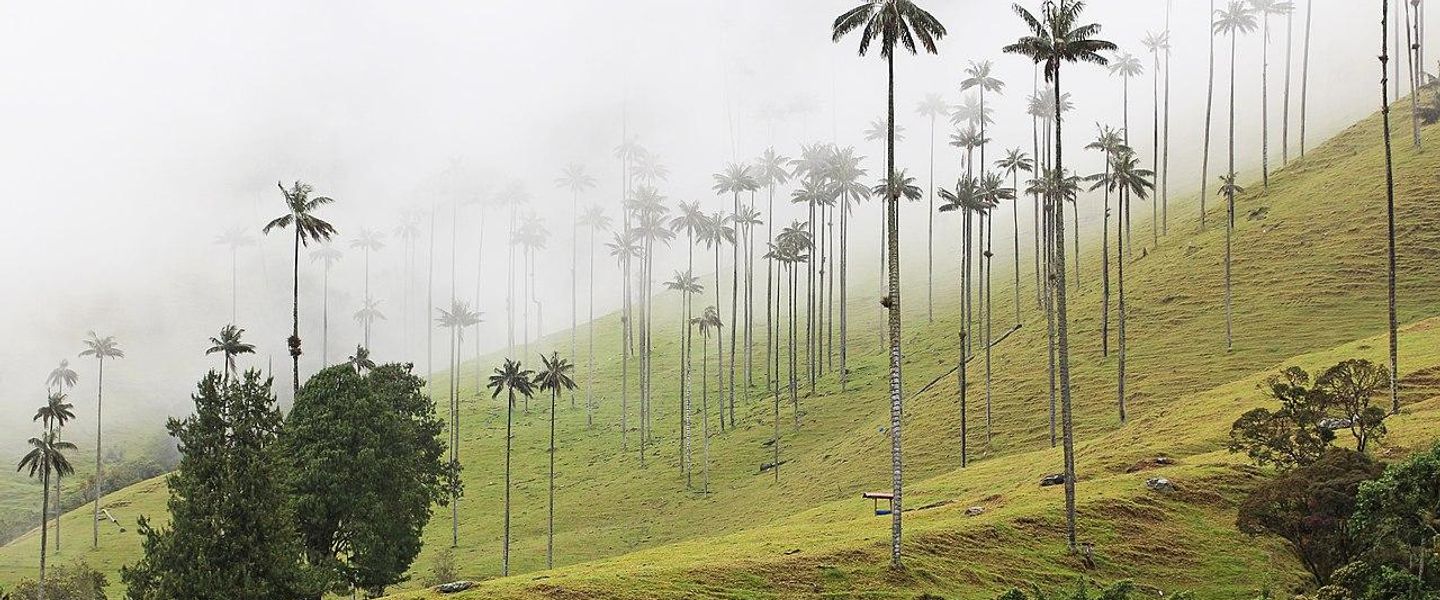


Explore Colombia’s Coffee Axis for plantation tours, Andean towns, wax palms, thermal springs and cloud-forest mountain scenery.
Read more about Coffee Axis
When is the best time to visit Coffee Axis?
Best: January–March · 26°C| Month | High (°C) | Rainfall (mm) |
|---|---|---|
| January (best) | 26 | 150 |
| February (best) | 26 | 140 |
| March (best) | 26 | 160 |
| April | 26 | 170 |
| May | 26 | 180 |
| June | 27 | 190 |
| July | 27 | 200 |
| August | 27 | 210 |
| September | 27 | 220 |
| October | 27 | 230 |
| November | 27 | 240 |
| December | 27 | 250 |
Getting to and around Coffee Axis
How to get there
Transportation
Top city travel guides in Coffee Axis
The cities of Coffee Axis, and the easiest places to base yourself.
-

-

-


Swipe for more cities
Best attractions in Coffee Axis
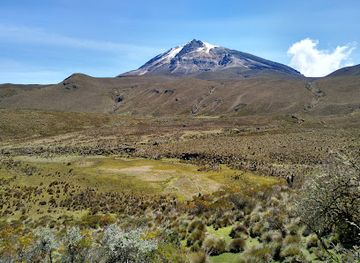
The Coffee Axis offers a varied attraction landscape built around working countryside rather than a single monumental sight. Coffee farms near Armenia, Pereira, Manizales and the smaller towns provide practical introductions to planting, harvesting, washing, drying and roasting, with experiences ranging from short tastings to longer guided walks. In Quindío, the Parque del Café near Montenegro combines coffee interpretation with rides and cultural presentations, while PANACA near Quimbaya focuses on agricultural and farm-based experiences. Salento provides access to the Cocora Valley, where trails pass through grassland and wax palms beneath steep Andean slopes. Filandia, Pijao and other coffee towns add viewpoints, traditional streets and craft workshops. Santa Rosa de Cabal is known for thermal bathing, and Risaralda’s western valleys offer birdwatching, rivers and forest. At higher elevations, Los Nevados National Natural Park presents páramo and volcanic landscapes, though routes, weather and conservation access must be checked locally. The region’s best experiences usually combine a named attraction with time on the road, in a village or on a farm.
-
Amusement park
Parque del Café
Discover the magical blend of adventure and coffee culture at Parque del Café, Colombia's premier amusement park in the heart of Quindío.
-
Amusement park
Mundo Aventura
Experience the thrill of rides and fun for all ages at Mundo Aventura, Bogotá's top amusement park for family adventures.
-
National park
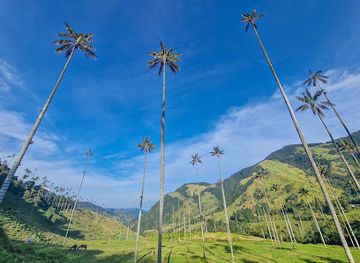
Cocora Valley
Discover the breathtaking beauty of Cocora Valley, a national park in Colombia famous for its towering wax palms and stunning hiking trails.
-
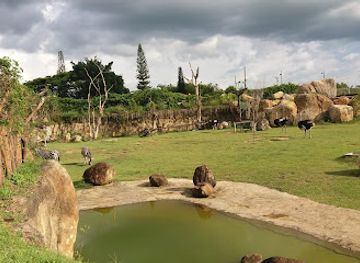
Zoo
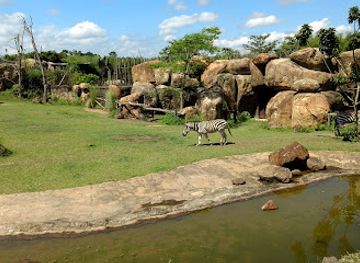
Ukumari Park
Discover the unique wildlife of Colombia at Ukumari Park, home to the country's only giraffe and immersive animal experiences in a breathtaking natural setting.
Best landmarks in Coffee Axis
The Cocora Valley is the region’s most recognisable natural landmark, defined by towering wax palms rising from a steep green valley near Salento; its visual importance is matched by the need to protect fragile highland habitats and manage visitor pressure. Manizales’ position on a mountain ridge beneath the Central Cordillera gives the city a distinctive skyline and makes the surrounding volcanic landscape part of its identity. In the towns of Quindío and Risaralda, brightly painted façades, timber balconies and clay-tiled roofs preserve the architectural language associated with Antioquian settlement and the coffee economy. The Basilica Cathedral of Our Lady of the Rosary in Manizales is a major civic and religious landmark, notable for its prominent position and modern Gothic design. The thermal landscapes around Santa Rosa de Cabal provide a different kind of regional marker, where hot mineral water emerges in a steep Andean setting. At the northern edge of the tourism region, the volcanic peaks, páramo and glacial terrain associated with Los Nevados form a powerful geographical landmark, subject to access and conservation restrictions.
-
Amusement park
Parque del Café
Experience the thrill of rides and the rich culture of coffee at Parque del Café, a unique amusement park in Colombia's stunning coffee region.
-
National park
Cocora Valley
Explore the breathtaking beauty of Cocora Valley, Colombia's majestic national park featuring iconic wax palms and vibrant hiking trails.
-
Zoo
Ukumari Park
Explore Ukumari Park, Colombia's first thematic zoo, featuring diverse wildlife, conservation education, and unforgettable family experiences amidst stunning natural landscapes.
-
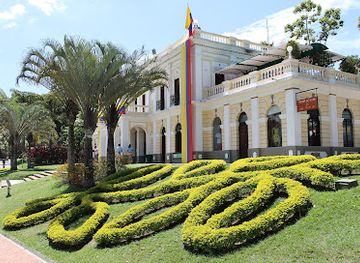
Park
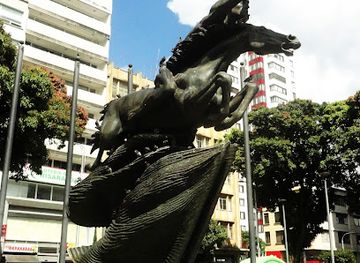
Bolívar plaza, Pereira
Explore the vibrant Bolivar Plaza in Pereira, a historical park symbolizing freedom, culture, and community in the heart of Risaralda.
Explore Coffee Axis on the map
Plan your trip on one map. See where the top cities, national parks and sights are, and book hotels and experiences in a few clicks.
Best hotels in Coffee Axis
Best restaurants in Coffee Axis
Dining in the Coffee Axis reflects both the agricultural landscape and the hearty cooking of Colombia’s Andean interior. Breakfasts and casual meals commonly feature arepas, eggs, cheese, plantain, rice and soups, while trout is associated with mountain and rural dining areas. Fresh fruit juices, bananas, citrus and other produce are widely available, and coffee is served everywhere from simple cafés to specialist tasting rooms. Pereira, Armenia and Manizales offer the widest choice of Colombian, international and contemporary restaurants, while smaller towns are strong on bakeries, cafés, family-run eateries and traditional lunches. Rural fincas may serve set meals using locally sourced ingredients, often with substantial portions suited to walking and farm work. Regional cooking is not identical from one municipality to another, so it is worth trying local preparations rather than looking only for a single signature dish. Coffee tasting is best treated as a guided exploration of roast, altitude and processing, not simply as ordering the strongest drink on the menu.
-
Argentinian
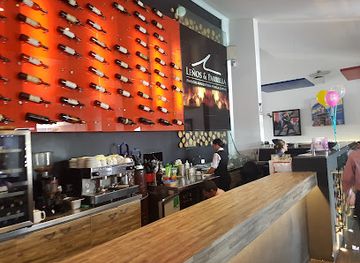
Leños & Parrilla
Experience authentic Argentinian cuisine at Leños & Parrilla in Pereira; indulge in expertly grilled meats and traditional flavors.
-
Latin American
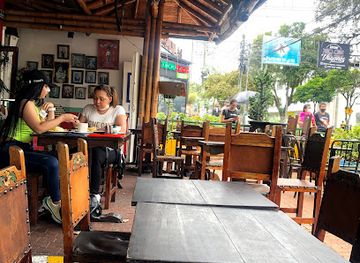
Restaurante La Ruana
Experience the essence of Colombian gastronomy at Restaurante La Ruana – a must-visit destination for food enthusiasts in Pereira.
-
Restaurant
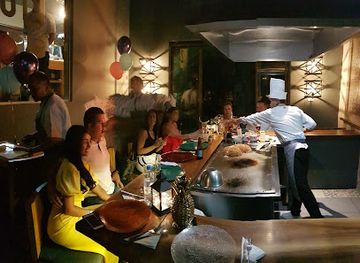
Emilios Restaurante
Discover the culinary delights of Emilios Restaurante in Pereira – where traditional Colombian flavors meet modern cuisine.
-
Argentinian
Gaucho
Experience authentic Argentinian flavors at Gaucho in Pereira—where every meal is a celebration of culinary excellence.
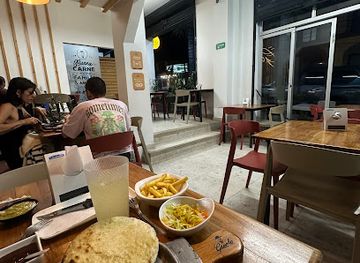
Best bars in Coffee Axis
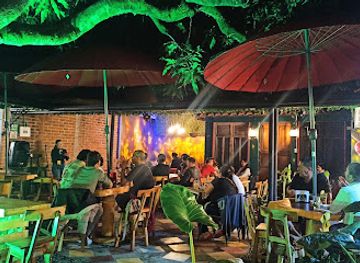
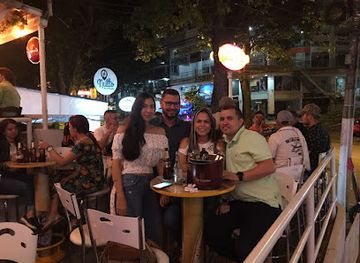
Evening life in the Coffee Axis is concentrated in Pereira, Armenia and Manizales, where bars, restaurants, cafés, live-music venues and late-night establishments serve students, residents and visitors. The larger cities offer more variety, including Colombian music, contemporary bars and social areas, but the atmosphere changes substantially between neighbourhoods and weekdays. In Salento, Filandia and other small towns, evenings generally centre on cafés, restaurants, traditional bars and low-key social spaces rather than a large club scene. Some coffee towns have craft-beer or coffee-focused venues, while rural stays usually offer quiet evenings, views and conversation instead of organised nightlife. Use recognised transport after dark, especially when returning from outlying restaurants or farms, and check current local advice rather than assuming that a venue’s hours or programme remain unchanged.
-
Grill
Café Arakataka.
Discover the vibrant culinary scene of Pereira at Café Arakataka, where delicious grilled dishes and a lively atmosphere await.
-
Bar
Licorera del Piero
Discover the lively nightlife at Licorera del Piero, Pereira's vibrant bar offering a wide selection of drinks and a welcoming atmosphere.
-
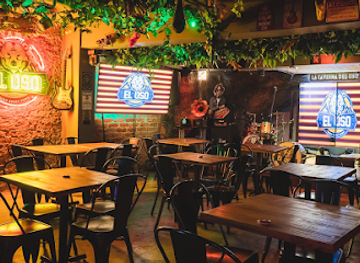
Bar
La Caverna Del Oso
Discover the vibrant nightlife of Pereira at La Caverna Del Oso, a lively bar and restaurant offering live music and delicious cuisine.
-
Bar
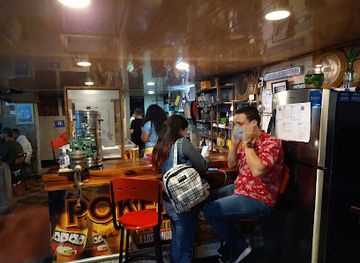
Fuente de Soda El Pavo
Discover the lively nightlife at Fuente de Soda El Pavo, a local bar in Pereira offering an array of drinks and a vibrant atmosphere for all visitors.
Best nightclubs in Coffee Axis
Evening life in the Coffee Axis is concentrated in Pereira, Armenia and Manizales, where bars, restaurants, cafés, live-music venues and late-night establishments serve students, residents and visitors. The larger cities offer more variety, including Colombian music, contemporary bars and social areas, but the atmosphere changes substantially between neighbourhoods and weekdays. In Salento, Filandia and other small towns, evenings generally centre on cafés, restaurants, traditional bars and low-key social spaces rather than a large club scene. Some coffee towns have craft-beer or coffee-focused venues, while rural stays usually offer quiet evenings, views and conversation instead of organised nightlife. Use recognised transport after dark, especially when returning from outlying restaurants or farms, and check current local advice rather than assuming that a venue’s hours or programme remain unchanged.
-
Night club
THEATRON
Discover Bogotá's vibrant nightlife at Theatron, a premier nightclub offering eclectic music, stunning performances, and an unforgettable party atmosphere.
-
Disco club
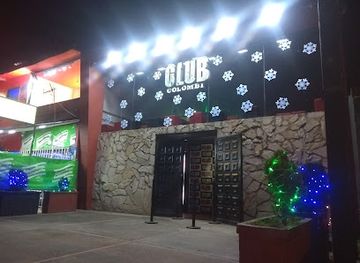
The Club Colombia
Discover the vibrant nightlife at The Club Colombia, a top disco club in Chía, featuring electrifying music and an unforgettable atmosphere.
-
Night club
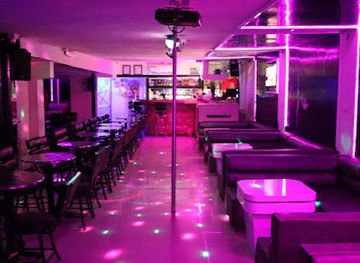
Las Hijas de Eva | Night Club
Experience the vibrant nightlife of Pereira at Las Hijas de Eva, a premier night club with great music and unforgettable experiences.
-
Night club
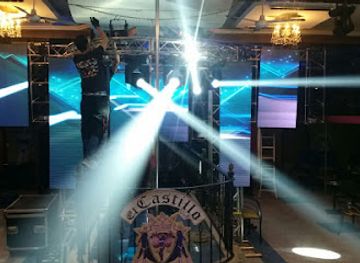
Castillo VIP Night Club
Discover the vibrant nightlife of Bogotá at Castillo VIP Night Club, where music, dance, and fun come together in an unforgettable experience.
Best shops in Coffee Axis
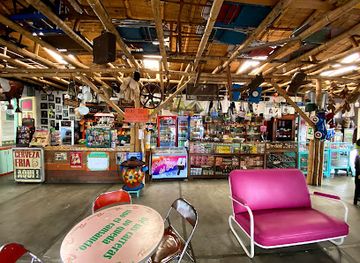
Shopping in the Coffee Axis is strongest in market towns and city centres rather than in one large regional retail district. Pereira, Armenia and Manizales provide department stores, supermarkets, bookshops, cafés and independent retailers, while Salento and Filandia are known for craft shops, homewares, textiles, jewellery and locally made gifts. Coffee is the most obvious purchase, but quality varies; look for clearly labelled origin, roast date and producer information, and buy from a farm or specialist roaster when possible. Other useful regional products include panela, preserves, chocolate, biscuits, fruit preparations and small-batch spirits where legally sold. Guadua bamboo objects and colourful woven or carved items reflect local craft traditions, although buyers should ask about materials and responsible production. Rural markets and town plazas can be more interesting than souvenir-heavy streets, offering fresh produce and everyday goods alongside visitor purchases. Carry cash for smaller vendors and remember that market availability changes by municipality and day.
-
Amusement park
Parque del Café
Experience the exhilarating rides and rich coffee culture at Parque del Café, a must-visit amusement park in Colombia's stunning Quindío region.
-
National park
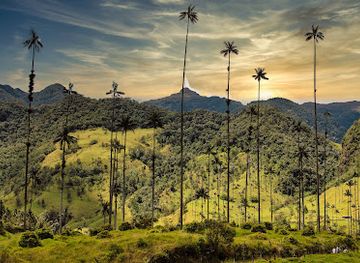
Cocora Valley
Explore the breathtaking beauty of Cocora Valley, Colombia's iconic national park featuring towering wax palms and stunning hiking trails amidst lush landscapes.
-
Theme park
Recuca
Explore the heart of Colombian coffee culture at Recuca, where adventure meets education in the lush landscapes of Quindío.
-
National park
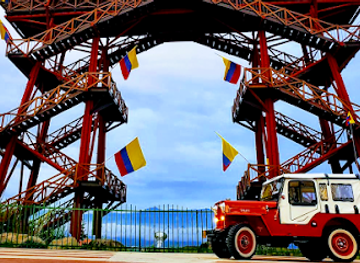
Los Nevados National Park
Explore the breathtaking beauty of Los Nevados National Park, a stunning Colombian gem with majestic landscapes and diverse ecosystems, perfect for adventure seekers.
Get your free copy of our complete guide to Coffee Axis, delivered straight to you.
Everything on this page, from attractions and restaurants to essentials and local phrases, in one PDF you can read offline, print or share.
Already have an account? Sign in
Your Coffee Axis guide is ready.
We'll send it to · Not you? Sign out

Getting your guide ready…
We are putting together a fresh copy of the Coffee Axis guide. This can take up to a minute.
This can take a few moments. If your browser asks, choose Allow so the download can start. You'll find the guide in your Downloads folder.
Nothing happened? Download it again
Sorry, the guide is taking longer than usual. Please try again in a minute, or get it by email instead.
Coffee Axis essentials
Currency and Payment
Safety
Emergency Situations
Do's and Don'ts
Local Tips
From Eve
Local phrases worth knowing
You don't need to get them perfect. A few words go a long way, and locals appreciate the effort.
Basics
| English | Local | Say it |
|---|---|---|
| Hello | Hola | [OH-lah] |
| Goodbye | Adiós | [ah-DYOS] |
| Yes | Sí | [SEE] |
| No | No | [NO] |
| Please/You're welcome | Por favor/De nada | [por fah-VOR/deh NAH-dah] |
| Thank you | Gracias | [GRAH-syahs] |
| Excuse me/Sorry | Perdón | [pehr-DON] |
| How are you? | ¿Cómo estás? | [KOH-moh es-TAS] |
| Fine. And you? | Bien. ¿Y tú? | [BYEN. ee TOO] |
| Do you speak English? | ¿Hablas inglés? | [AH-blas een-GLES] |
| I don't understand | No entiendo | [NO en-TYEN-doh] |
Eating & Drinking
| English | Local | Say it |
|---|---|---|
| I'd like to see the menu, please | Me gustaría ver el menú, por favor | [meh goos-tah-REE-ah BEHR el meh-NOO, por fah-VOR] |
| I don't eat meat | No como carne | [NO KOH-moh KAR-neh] |
| Cheers! | ¡Salud! | [sah-LOOD] |
| I would like to pay, please | Me gustaría pagar, por favor | [meh goos-tah-REE-ah pah-GAR, por fah-VOR] |
Emergencies
| English | Local | Say it |
|---|---|---|
| Help! | ¡Ayuda! | [ah-YOO-dah] |
| Go away! | ¡Vete! | [VEH-teh] |
| Call the Police! | ¡Llame a la policía! | [YAH-meh ah lah poh-lee-SIA] |
| Call a doctor! | ¡Llame a un doctor! | [YAH-meh ah oon dok-TOR] |
| I'm lost | Estoy perdido | [es-TOY pehr-DIDO] |
| I'm ill | Estoy enfermo/a | [es-TOY en-FER-mo/a] |
Shopping
| English | Local | Say it |
|---|---|---|
| I'd like to buy... | Me gustaría comprar... | [meh goos-tah-REE-ah kom-PRAR...] |
| I'm just looking | Solo estoy mirando | [SOH-lo es-TOY mee-RAN-doh] |
| How much is it? | ¿Cuánto cuesta? | [KWAN-to KWEH-stah] |
| That's too expensive | Eso es muy caro | [EH-so es MOO-ee KAH-ro] |
| Can you lower the price? | ¿Puedes bajar el precio? | [PWEH-des bah-HAR el PREH-syo] |
Time & Numbers
| English | Local | Say it |
|---|---|---|
| What time is it? | ¿Qué hora es? | [KEH OH-rah es] |
| It's one o'clock | Es la una | [es lah OO-nah] |
| Half past (10) | Y media (10) | [ee MEH-diah (10)] |
| Morning | Mañana | [mah-NYAH-nah] |
| Afternoon | Tarde | [TAR-deh] |
| Evening | Noche | [NO-cheh] |
| Yesterday | Ayer | [ah-YER] |
| Today | Hoy | [OY] |
| Tomorrow | Mañana | [mah-NYAH-nah] |
| 1 | Uno | [OO-no] |
| 2 | Dos | [DOS] |
| 3 | Tres | [TRES] |
| 4 | Cuatro | [KWAH-tro] |
| 5 | Cinco | [SEEN-ko] |
| 6 | Seis | [SAYS] |
| 7 | Siete | [SYEH-teh] |
| 8 | Ocho | [OH-cho] |
| 9 | Nueve | [NWEH-veh] |
| 10 | Diez | [DYEZ] |
Transport & Directions
| English | Local | Say it |
|---|---|---|
| Where's a/the...? | ¿Dónde hay un/una...? | [DON-deh ai oon/OO-nah...?] |
| What's the address? | ¿Cuál es la dirección? | [KWAL es lah dee-rek-SYON] |
| Can you show me (on the map)? | ¿Puedes mostrarme (en el mapa)? | [PWEH-des mos-TRAR-meh (en el MAH-pah)?] |
| When's the next (bus)? | ¿Cuándo es el próximo (bus)? | [KWAN-do es el PROK-see-mo (boos)?] |
| A ticket (to ....) | Un tiquete (a ....) | [OON tee-KEH-teh (ah ....)] |
History of Coffee Axis
Indigenous societies and the Andean landscape
Before Spanish colonisation, the mountains and valleys of the modern Coffee Axis were inhabited by diverse Indigenous communities, including peoples associated with the Quimbaya cultural tradition in what is now Quindío and neighbouring areas. Their legacy is visible through archaeological finds, goldwork and ceramic traditions, although colonial warfare, disease and forced labour profoundly disrupted Indigenous societies. The Quimbaya name remains strongly associated with regional heritage, particularly in museums and archaeological collections, but it should not be treated as evidence of a single unchanged community extending across the entire area.
Spanish colonisation and frontier settlement
Spanish expeditions entered the central Colombian Andes during the sixteenth century, establishing colonial control over territories that had previously been organised through Indigenous networks. Steep terrain and limited transport kept much of the interior relatively difficult for colonial authorities to administer. Over subsequent centuries, land use combined subsistence farming, cattle raising and small settlements rather than the plantation systems found in some other parts of the Americas. Colonial religious and administrative influence remained visible in settlement patterns, churches and the later development of market towns.
Antioquian colonisation in the nineteenth century
Much of the modern settlement pattern of the Coffee Axis emerged during the nineteenth-century expansion commonly known as Antioquian colonisation. Families and small groups from Antioquia moved southwards into forested mountain territory, clearing land and founding settlements in areas that now include Caldas, Quindío and Risaralda. Towns such as Manizales, Pereira and Armenia developed during this period, connected by difficult trails and mule routes. The settlers shaped a dispersed rural landscape of small and medium-sized holdings rather than a region dominated solely by large estates.
The rise of coffee cultivation
Coffee became the region’s defining commercial crop from the late nineteenth century into the twentieth century, encouraged by suitable elevations, volcanic soils in some areas and expanding national and international demand. Smallholder cultivation spread across the steep slopes, while roads, railways and improved trade links connected farms with processing and export centres. Coffee transformed household economies, town architecture and regional identity. It also created vulnerabilities, because international prices, plant disease, climate variation and production costs could affect rural livelihoods across the three departments.
Railways, cities and regional integration
Transport development helped turn isolated mountain settlements into an interconnected economic region. Railway construction in the early twentieth century, including lines serving the central coffee-producing areas, reduced reliance on mule transport and linked agricultural production with the Magdalena River and wider national markets. Roads later became more important than rail, supporting the growth of Pereira, Armenia and Manizales as commercial and service centres. The region’s steep geography continued to influence urban form, producing dramatic hillsides, winding routes and distinct local centres rather than one continuous metropolitan area.
The 1999 Armenia earthquake and reconstruction
On 25 January 1999, a major earthquake struck the Quindío area, causing extensive loss of life and severe damage in Armenia and surrounding municipalities. The disaster affected homes, public buildings, infrastructure and the wider regional economy, including tourism and coffee production. Reconstruction changed parts of Armenia’s urban landscape while also strengthening public awareness of earthquake-resistant construction and emergency planning. The event remains an important part of modern regional memory and helps explain why some Quindío towns contain a mixture of older surviving structures and more recent buildings.
The Coffee Cultural Landscape and contemporary tourism
In 2011, UNESCO inscribed the Coffee Cultural Landscape of Colombia on the World Heritage List. The property covers selected areas across Caldas, Quindío, Risaralda and parts of Valle del Cauca, recognising the interaction of coffee farming, mountain settlement, architecture and cultural practices. The designation does not mean that every coffee farm or town in the broader Coffee Axis lies within the listed property. Since the late twentieth century, farm stays, coffee education, nature tourism and outdoor activities have diversified the regional economy while coffee remains its central cultural reference.
Coffee Axis in Photos
Browse through our photo collection highlighting the charm and character of the destination.
Neighbouring regions of Coffee Axis
The closest regions to Coffee Axis, if you have time for more than one.
-

-

-

-

-


Swipe for more regions
Explore more

Explore more of Colombia
Discover Colombia: A land of diverse beauty, rich heritage, and vibrant culture, offering everything from bustling cities to serene coffee plantations and stunning national parks.
Explore Colombia