

Free Hartford County Travel Guide & Mobile App
Explore Hartford County with free travel guides. Discover regional history, expert tips, proposed trips, and audio guides on web or mobile app.


Hartford County combines Connecticut history, major museums, river towns, industrial heritage, outdoor trails and diverse dining across central New England.
Read more about Hartford County
Getting to and around Hartford County
How to get there
Transportation
Top city travel guides in Hartford County
The cities of Hartford County, and the easiest places to base yourself.
-

-
-

-
-


Swipe for more cities
Destinations in Hartford County
Resorts, valleys and scenic spots worth a trip of their own.
-

-

-

-

-


Swipe for more destinations
Best attractions in Hartford County
Hartford County's attractions range from major museums and literary houses to aviation, industrial and outdoor sites. In Hartford, the Wadsworth Atheneum Museum of Art offers collections spanning European, American and contemporary art, while the Mark Twain House and Harriet Beecher Stowe Center explore the writers' lives and the social debates of nineteenth-century America. The Connecticut Science Center and the Connecticut State Capitol broaden the city's appeal for families and first-time visitors. Farmington is home to the Hill-Stead Museum, a distinguished Arts and Crafts-era house with a notable collection and designed grounds. Bristol's American Clock & Watch Museum and New England Carousel Museum explain two industries strongly associated with the town. The New England Air Museum in Windsor Locks presents an extensive collection of aircraft and aviation history. For outdoor recreation, Talcott Mountain State Park, the Farmington River corridor, local reservoirs and greenways provide walking, cycling and birdwatching opportunities. Historic Wethersfield, Windsor and Glastonbury add gardens, old houses, farms and river landscapes, while seasonal orchards and farm attractions are concentrated in the county's suburban and rural west.
-
Theme park
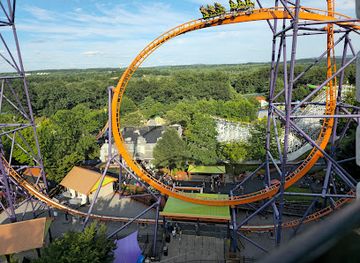
Lake Compounce Amusement & Water Park
Experience the ultimate family fun at Lake Compounce Amusement & Water Park, where thrilling rides and relaxing water attractions await in Bristol, Connecticut.
-
Garden
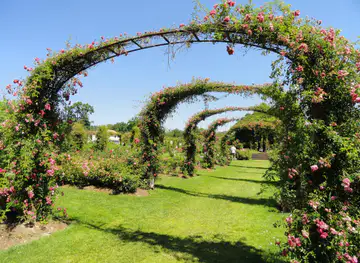
Elizabeth Park Conservancy
Discover the enchanting Elizabeth Park Conservancy, a beautiful garden and historic site in West Hartford, Connecticut, perfect for nature lovers and tourists.
-
State park
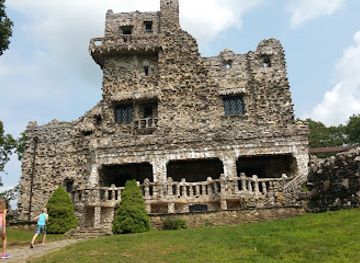
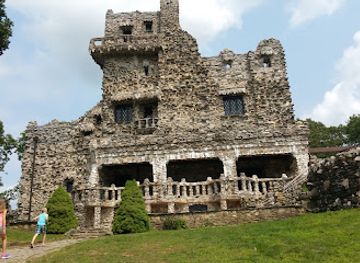
Gillette Castle State Park
Discover the unique charm of Gillette Castle State Park, where history meets nature in a picturesque setting in Connecticut.
-
Historical place museum
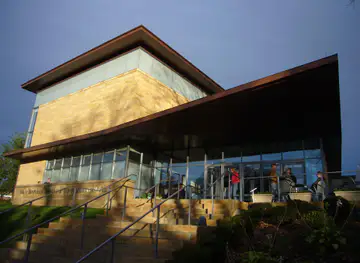
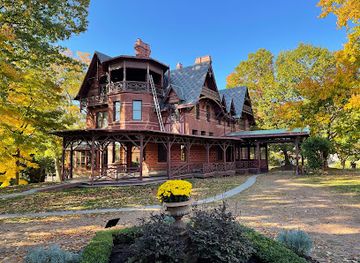
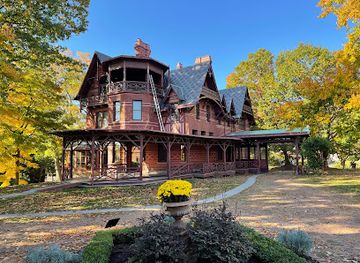
The Mark Twain House & Museum
Step back in time at Mark Twain's Hartford home, a Victorian masterpiece where America's greatest author penned his most beloved works.
Best landmarks in Hartford County
The Connecticut State Capitol is Hartford County's most recognisable civic landmark, its nineteenth-century High Victorian Gothic architecture and gilded dome dominating the western edge of Bushnell Park. Nearby, the Old State House marks an earlier phase of Connecticut government and stands among the city's most significant historic buildings. The Mark Twain House and Harriet Beecher Stowe's former home represent Hartford's literary heritage through their architecture as well as their associations with American writing and reform. The former Colt industrial complex, including the distinctive blue onion dome of the Colt Armory, recalls Hartford's manufacturing power and the city's international industrial reputation. In Wethersfield, a concentration of colonial and early American houses gives the town centre a strong historic identity, while Windsor's old town area preserves another important Connecticut River settlement landscape. Outside the capital, the stone buildings and designed grounds of Hill-Stead in Farmington, the industrial-era streetscapes of New Britain and Bristol, and the wooded ridge of Talcott Mountain provide contrasting architectural, historical and natural landmarks. Together they show how government, literature, manufacturing, agriculture and geology have shaped the county.
-
Garden
Elizabeth Park Conservancy
Discover the enchanting Elizabeth Park Conservancy in West Hartford, CT—where vibrant gardens meet historical charm in a serene park setting.
-
State park
Gillette Castle State Park
Discover the majestic Gillette Castle State Park in Connecticut, where history, architecture, and nature intertwine for an unforgettable experience.
-
Historical place museum
The Mark Twain House & Museum
Discover the life and works of Mark Twain at his beautifully preserved home and engaging museum in Hartford, Connecticut.
-
Garden
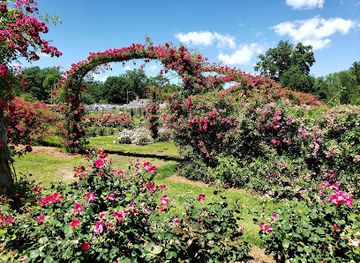
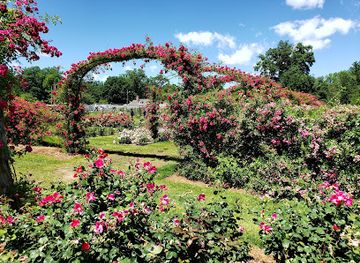
Elizabeth Park Rose Garden
Discover the beauty of the Elizabeth Park Rose Garden, a serene oasis in Hartford, showcasing thousands of vibrant roses in a picturesque setting.

Explore Hartford County on the map
Plan your trip on one map. See where the top cities, national parks and sights are, and book hotels and experiences in a few clicks.
Best hotels in Hartford County
Best restaurants in Hartford County
Dining in Hartford County reflects both Connecticut traditions and the county's diverse urban population. Hartford and West Hartford offer a broad choice of restaurants, from long-established Italian and New England cooking to Puerto Rican, Caribbean, Latin American, South and East Asian cuisines. Seafood, clam chowder, burgers, sandwiches and diner breakfasts are familiar regional choices, while bakeries and independent cafés provide more informal ways to eat. Farm-to-table cooking is supported by the surrounding Connecticut River and Farmington Valley agricultural areas, where seasonal produce, apples, pumpkins, dairy products and prepared goods appear at farm stands and markets. Bristol, New Britain, Wethersfield and the smaller valley towns have their own neighbourhood restaurants, delis, breweries and family-run establishments. Rural inns and suburban dining clusters are useful for visitors travelling by car, while Hartford's cultural district suits a meal before or after a performance. Tipping is customary in table-service restaurants, and menus commonly list prices before sales tax.
-
Barbecue
Bear's Smokehouse Barbecue
Experience authentic Southern barbecue at Bear's Smokehouse Barbecue in Hartford—where smoky flavors meet vibrant atmosphere.
-
Italian
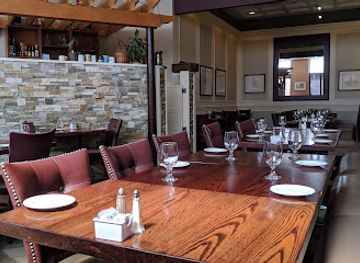
Salute
Discover authentic Italian flavors at Salute in Hartford—where every dish tells a story of culinary excellence.
-
American
The Mill on the River
Discover exquisite American cuisine at The Mill on the River, where every meal is accompanied by breathtaking river views.
-
Barbecue
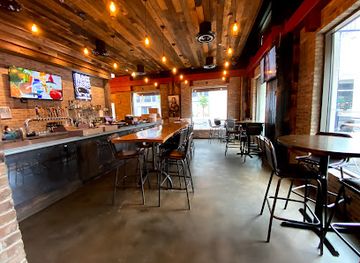
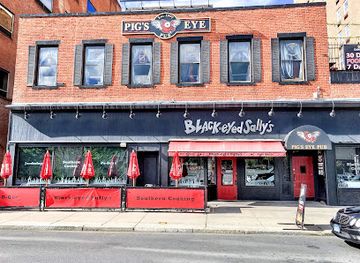
Black-Eyed Sally's Southern Kitchen & Bar
Experience authentic Southern barbecue and vibrant live music at Black-Eyed Sally's in Hartford.
Best bars in Hartford County
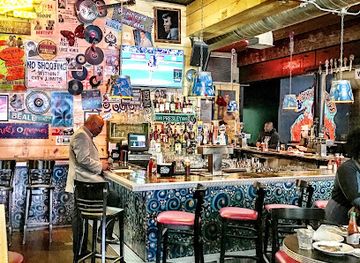
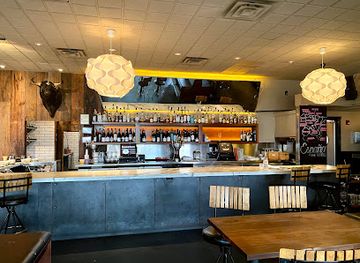
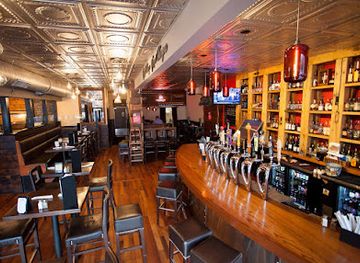
Hartford County's evening life is concentrated in Hartford, West Hartford and a few larger town centres rather than spread across a single nightlife district. Hartford offers pubs, cocktail bars, restaurants, live music, theatre audiences and event-related evenings around downtown and the riverfront, while West Hartford's Centre and Blue Back Square provide a dense cluster of restaurants and bars. New Britain and Bristol have local pubs, breweries, music venues and late-evening restaurants, with activity varying according to performances, university calendars and seasonal events. Outside the urban centres, traditional taverns, brewpubs and restaurant bars are more common than nightclubs. Visitors should check current arrangements for individual venues, since opening patterns and entertainment schedules change. Evening culture is not limited to drinking: theatre, museum programmes, concerts, sporting events and seasonal civic activities are important parts of the county's after-dark options.
-
Barbecue
Black-Eyed Sally's Southern Kitchen & Bar
Experience the best of Southern cuisine and live music at Black-Eyed Sally's Southern Kitchen & Bar in Hartford.
-
Spanish
Barcelona Wine Bar
Experience the vibrant flavors of Spain at Barcelona Wine Bar in West Hartford, where tapas and fine wines create unforgettable moments.
-
Grill
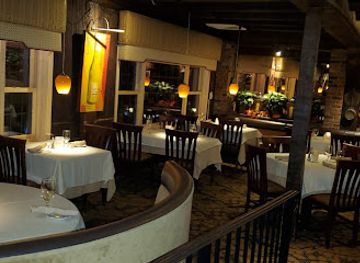
Abigail's Grille and Wine Bar
Discover culinary excellence at Abigail's Grille and Wine Bar, where New American flavors meet an inviting grill atmosphere in Weatogue, Connecticut.
-
American
Plan B Burger Bar - West Hartford
Experience the ultimate burger haven at Plan B Burger Bar in West Hartford, featuring gourmet burgers, craft beers, and a friendly atmosphere.

Best nightclubs in Hartford County
Hartford County's evening life is concentrated in Hartford, West Hartford and a few larger town centres rather than spread across a single nightlife district. Hartford offers pubs, cocktail bars, restaurants, live music, theatre audiences and event-related evenings around downtown and the riverfront, while West Hartford's Centre and Blue Back Square provide a dense cluster of restaurants and bars. New Britain and Bristol have local pubs, breweries, music venues and late-evening restaurants, with activity varying according to performances, university calendars and seasonal events. Outside the urban centres, traditional taverns, brewpubs and restaurant bars are more common than nightclubs. Visitors should check current arrangements for individual venues, since opening patterns and entertainment schedules change. Evening culture is not limited to drinking: theatre, museum programmes, concerts, sporting events and seasonal civic activities are important parts of the county's after-dark options.
-
Bar
The Lady
Discover The Lady in Hartford, where vibrant nightlife meets delicious dining and fun-filled entertainment for an unforgettable evening.
-
Bar
Zen Bar
Experience the vibrant nightlife at Zen Bar in Plainville, Connecticut, where great drinks and karaoke create unforgettable nights.
-
Pub
Red Stone Pub
Experience the warmth of Red Stone Pub, where great food, craft beers, and a unique cigar shop create the perfect atmosphere for relaxation.
-
Bar
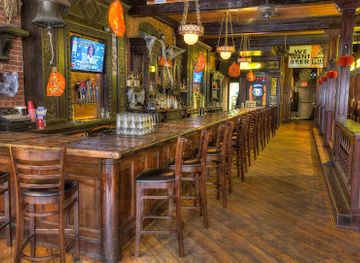
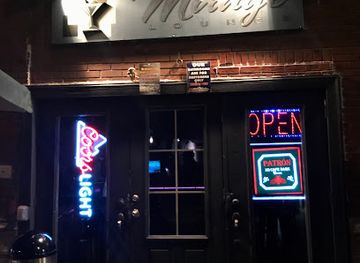
Mirage Lounge
Discover the lively Mirage Lounge, a premier bar in Hartford, CT, where great drinks and vibrant music create unforgettable nightlife experiences.


Best shops in Hartford County
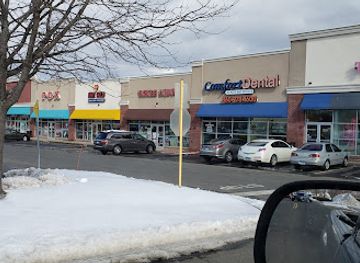
Shopping in Hartford County ranges from urban independent retail to suburban centres, historic main streets and seasonal agricultural stalls. West Hartford's Centre and Blue Back Square provide a concentrated selection of restaurants, boutiques, books, gifts and everyday shops, while Westfarms in Farmington is the county's principal enclosed shopping destination. Hartford's downtown and arts institutions offer books, design items and museum-related gifts, with the retail scene changing according to office activity and cultural events. New Britain, Bristol, Wethersfield and Windsor have independent shops, antique dealers, cafés and locally oriented services, though their main streets differ considerably in size and character. Farmers' markets and farm stands are especially useful for Connecticut products such as apples, pumpkins, baked goods, preserves, maple products and seasonal vegetables. Craft items, artwork and books connected with local museums or historic houses make more distinctive souvenirs than generic merchandise. Retail hours and market schedules are seasonal or changeable, so checking locally before making a special journey is sensible.
-
Shopping mall
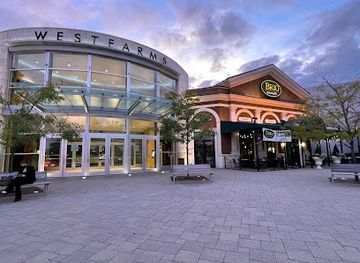
Westfarms
Discover Westfarms, the ultimate shopping haven in Farmington, Connecticut, with diverse stores, dining, and entertainment options for everyone.
-
Shopping mall
Charter Oak Marketplace
Experience the charm of Hartford at Charter Oak Marketplace, where shopping meets culture in a vibrant setting.
-
Shopping mall
Corbin's Corner
Explore Corbin's Corner: A Shopping Paradise in West Hartford, CT with Diverse Dining and Grocery Options.
-
Shopping mall
Blue Back Square
Explore Blue Back Square - a shopper's paradise in West Hartford with diverse stores, dining, and vibrant community events.
Get your free copy of our complete guide to Hartford County, delivered straight to you.
Everything on this page, from attractions and restaurants to essentials and local phrases, in one PDF you can read offline, print or share.
Already have an account? Sign in
Your Hartford County guide is ready.
We'll send it to · Not you? Sign out

Getting your guide ready…
We are putting together a fresh copy of the Hartford County guide. This can take up to a minute.
This can take a few moments. If your browser asks, choose Allow so the download can start. You'll find the guide in your Downloads folder.
Nothing happened? Download it again
Sorry, the guide is taking longer than usual. Please try again in a minute, or get it by email instead.
Hartford County essentials
Currency and Payment
Safety
Emergency Situations
Do's and Don'ts
Local Tips
From Eve
Local phrases worth knowing
You don't need to get them perfect. A few words go a long way, and locals appreciate the effort.
Basics
| English | Local | Say it |
|---|---|---|
| Hello | Howdy | [haʊdi] |
| Goodbye | See ya | [si jə] |
| Yes | Yeah | [jɛ] |
| No | Nope | [noʊp] |
| Please/You’re welcome | Thanks | [θæŋks] |
| Thank you | Thanks a lot | [θæŋks ə lɑt] |
| Excuse me/Sorry | Sorry ’bout that | [sɔri baʊt ðæt] |
| How are you? | How ya doin'? | [haʊ jə ˈduɪn] |
| Fine. And you? | Good. You? | [gʊd. ju?] |
| Do you speak English? | You speakin’ English? | [ju ˈspikɪŋ ˈɪŋɡlɪʃ] |
| I don't understand | I don’t get it | [aɪ doʊnt ɡɛt ɪt] |
Eating & Drinking
| English | Local | Say it |
|---|---|---|
| I’d like to see the menu, please | Can I see the menu, please? | [kæn aɪ si ðə ˈmɛnju pliz] |
| I don't eat meat | I’m a vegetarian | [aɪm ə ˌvɛdʒəˈtɛriən] |
| Cheers! | Cheers! | [ʧɪrz] |
| I would like to pay, please | Can I get the check, please? | [kæn aɪ ɡɛt ðə ʧɛk pliz] |
Emergencies
| English | Local | Say it |
|---|---|---|
| Help! | Help! | [hɛlp] |
| Go away! | Get lost! | [ɡɛt lɔst] |
| Call the Police! | Call 911! | [kɔl ˈnaɪn wʌn wʌn] |
| Call a doctor! | Get a doctor! | [ɡɛt ə ˈdɑktər] |
| I’m lost | I’m lost | [aɪm lɔst] |
| I’m ill | I’m sick | [aɪm sɪk] |
Shopping
| English | Local | Say it |
|---|---|---|
| I’d like to buy... | I wanna buy... | [aɪ ˈwɑnə baɪ] |
| I’m just looking | Just browsing | [dʒʌst ˈbraʊzɪŋ] |
| How much is it? | What’s the price? | [wʌts ðə praɪs] |
| That’s too expensive | That’s a bit pricey | [ðæts ə bɪt ˈpraɪsi] |
| Can you lower the price? | Can you lower the cost? | [kæn ju ˈloʊər ðə kɔst] |
Time & Numbers
| English | Local | Say it |
|---|---|---|
| What time is it? | What time ya got? | [wʌt taɪm jə ɡɑt] |
| It’s one o’clock | It’s one o’clock | [ɪts wʌn əˈklɑk] |
| Half past (10) | Half past ten | [hæf pæst tɛn] |
| Morning | Morning | [ˈmɔrnɪŋ] |
| Afternoon | Afternoon | [ˌæftərˈnun] |
| Evening | Evening | [ˈivnɪŋ] |
| Yesterday | Yesterday | [ˈjɛstərdeɪ] |
| Today | Today | [təˈdeɪ] |
| Tomorrow | Tomorrow | [təˈmɔroʊ] |
| 1 | One | [wʌn] |
| 2 | Two | [tu] |
| 3 | Three | [θri] |
| 4 | Four | [fɔr] |
| 5 | Five | [faɪv] |
| 6 | Six | [sɪks] |
| 7 | Seven | [sɛvən] |
| 8 | Eight | [eɪt] |
| 9 | Nine | [naɪn] |
| 10 | Ten | [tɛn] |
Transport & Directions
| English | Local | Say it |
|---|---|---|
| Where's a/the...? | Where’s the...? | [wɛrz ðə] |
| What’s the address? | What’s the address? | [wʌts ði əˈdrɛs] |
| Can you show me (on the map)? | Can you point it out? | [kæn ju pɔɪnt ɪt aʊt] |
| When's the next (bus)? | When’s the next bus? | [wɛnəz ðə nɛkst bʌs] |
| A ticket (to ....) | A ticket to... | [ə ˈtɪkɪt tə] |
History of Hartford County
Indigenous Homelands and River Communities
Before English settlement, the Connecticut River valley and its tributaries were inhabited and used by Indigenous communities including the Wangunk, Podunk and Tunxis peoples. Rivers, floodplain meadows and upland forests supported fishing, farming, hunting and exchange. Place names and archaeological evidence preserve traces of these earlier landscapes, although much of the visible historic fabric in the county dates from the colonial period. Understanding this longer history places Hartford County within an Indigenous geography that predates the political boundaries of Connecticut and its counties.
Colonial Settlement and the River Towns
English settlement expanded along the Connecticut River during the 1630s. Wethersfield was established in 1634, while Hartford and Windsor developed soon afterwards as agricultural and trading communities. Hartford became an important centre of colonial government, and the Fundamental Orders of 1638–39, adopted by the Connecticut River settlements, are often regarded as an early example of written constitutional government in the English colonies. The surviving historic houses and town plans of Wethersfield, Windsor and Hartford reflect this formative period.
Hartford and the Growth of State Government
Hartford's political importance increased as Connecticut's institutions consolidated around the city. It became the sole capital of Connecticut in 1875, after earlier arrangements had alternated between Hartford and New Haven. The Connecticut State Capitol, completed in the 1870s, symbolises the city's role as the state's administrative centre. Courts, insurance companies, banks, publishers and cultural organisations followed, creating an urban economy that extended well beyond the riverfront and helped shape central Connecticut's modern identity.
Canals, Mills and Industrial Transformation
During the nineteenth century, waterpower, the Farmington Canal and expanding railways connected the county to wider markets. Manufacturing grew in Hartford, New Britain, Bristol and other towns, producing tools, hardware, clocks, firearms and other goods. New Britain became strongly associated with hardware production, Bristol with clockmaking, and Hartford with the Colt industrial complex and related engineering. The region's industrial heritage remains visible in former factory buildings, specialised museums, transport corridors and the planned landscapes created by mill and company growth.
Literary Hartford and Reform Culture
Nineteenth-century Hartford became an important centre of American literary and intellectual life. Samuel Langhorne Clemens, known as Mark Twain, lived and wrote in the city during one of the most productive periods of his career, while Harriet Beecher Stowe lived nearby and continued her work as an author and advocate for abolition and social reform. Their homes and associated institutions offer insight into the national debates, publishing networks and domestic culture of Victorian America, while also showing how wealth generated by commerce supported the city's cultural development.
Twentieth-Century Urban and Economic Change
The twentieth century brought suburbanisation, highway construction, demographic change and the restructuring of traditional manufacturing. Hartford remained a major insurance and government centre, while neighbouring communities absorbed residential growth and new commercial development. New Britain and Bristol adapted to the decline of some older industries, preserving elements of their manufacturing identities through museums and cultural programmes. Immigration and migration diversified the county's neighbourhoods, institutions and food culture, making contemporary Hartford County markedly more varied than its colonial and industrial past.
Hartford County in Photos
Browse through our photo collection highlighting the charm and character of the destination.
Neighbouring regions of Hartford County
The closest regions to Hartford County, if you have time for more than one.
-

-

-

-

-


Swipe for more regions
Explore more

Explore more of Connecticut
Discover Connecticut: A blend of charming coastal towns, rich history, and scenic landscapes, perfect for nature lovers, history buffs, and cultural enthusiasts.
Explore Connecticut