

La Fortuna Waterfall, Costa Rica Travel Guide
Discover the awe-inspiring La Fortuna Waterfall in Costa Rica, where a 70-meter cascade meets lush rainforests and creates a serene, natural paradise.
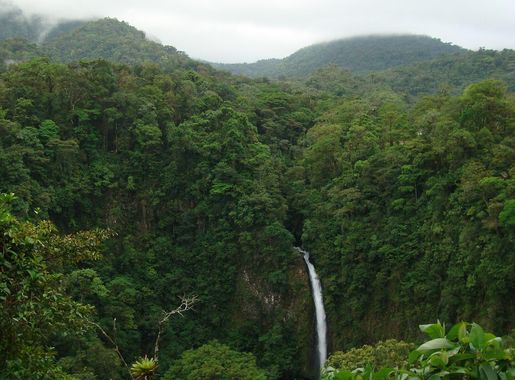
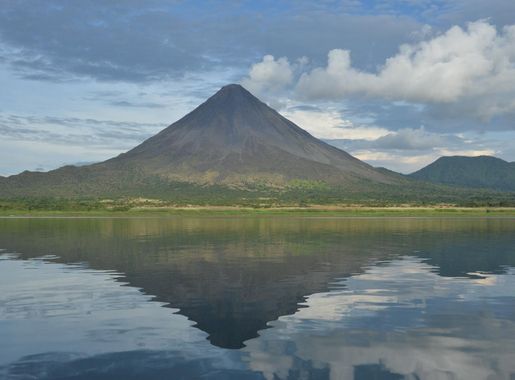
Nestled in the lush rainforests of Costa Rica, La Fortuna Waterfall is a sight to behold. This stunning cascade plunges 70 meters into a crystal-clear pool surrounded by verdant greenery. The waterfall is located near the Arenal Volcano, adding to the dramatic scenery that draws tourists from around the world. Visitors can enjoy a moderately challenging hike down a well-maintained trail to reach the base of the waterfall. The trek is rewarded with breathtaking views and the soothing sounds of rushing water. Along the way, you might spot various flora and fauna, making the journey as captivating as the destination itself. Once at the bottom, you can take a refreshing dip in the natural pool or simply relax on the rocks and take in the serene environment. The area around the waterfall is an excellent spot for photography, so don't forget your camera. Whether you're an adventure seeker or someone looking for a peaceful retreat, La Fortuna Waterfall offers a memorable experience for all.

Know before you go
Hi, I'm Eve. Here are a few practical things to know before exploring La Fortuna Waterfall.
- Wear sturdy shoes for the hike; the trail can be slippery.
- Bring a swimsuit if you plan to swim in the pool at the base.
- Visit early in the morning to avoid crowds and enjoy the tranquility.
- Carry water and snacks, as there are no facilities at the waterfall.
- Consider hiring a guide for a more informative experience.
Explore La Fortuna Waterfall: Things to Do, Places to Eat, Hotels & More
Handpicked recommendations for top attractions, local dining, accommodations, and more

Best attractions in La Fortuna Waterfall
Top-rated picks
Best Attractions

Arenal Water Sports- La Fortuna
Experience thrilling water sports at Arenal Water Sports in La Fortuna, surrounded by the breathtaking beauty of Lake Arenal and volcanoes.

Mundo de Perezosos - Sloth and Monkey Tour
Explore the wonders of Costa Rica at Mundo de Perezosos, where sloths and monkeys come to life in a breathtaking natural setting.

Papa's Place
Explore the beauty of Costa Rica at Papa's Place, a perfect blend of bird watching, hiking, and farmstay experiences in Alajuela Province.

Rainforest Explorers CR
Experience the breathtaking beauty and rich biodiversity of Costa Rica at Rainforest Explorers CR in La Fortuna.

Best landmarks in La Fortuna Waterfall
Top-rated picks
Best Landmarks

Sloth’s Territory
Explore Sloth's Territory in La Fortuna, Costa Rica - a unique wildlife sanctuary dedicated to the fascinating world of sloths, surrounded by lush rainforests.

Ecological Reserve Fortuna Waterfall
Discover the majestic La Fortuna Waterfall in Costa Rica: a natural wonder nestled in lush rainforest near Arenal Volcano.

Fortuna Waterfall
Experience the breathtaking beauty of La Fortuna Waterfall, a natural wonder in the heart of Costa Rica's rainforest.

La Fortuna Waterfall Bungalows
Experience the breathtaking beauty of La Fortuna Waterfall, a natural wonder in the heart of Costa Rica's rainforest.

Best restaurants in La Fortuna Waterfall
Top-rated picks
Best Restaurants

Don Rufino
Experience exquisite Latin American cuisine at Don Rufino in La Fortuna - where fine dining meets local flavors.

Rain Forest
Experience authentic Costa Rican cuisine at Rain Forest Restaurant in La Fortuna – where flavor meets nature's beauty.

Chifa La Familia Feliz
Experience exquisite Peruvian cuisine at Chifa La Familia Feliz in La Fortuna – where flavor meets freshness amidst Costa Rica's stunning landscapes.

Lava Lounge
Discover the vibrant flavors of Costa Rica at Lava Lounge in La Fortuna—where local ingredients meet culinary creativity.

Best bars in La Fortuna Waterfall
Top-rated picks
Best Bars

Lava Lounge
Discover the vibrant flavors of Costa Rica at Lava Lounge in La Fortuna, where delicious cuisine and a lively atmosphere await.

La Fortuna Pub
Discover the vibrant La Fortuna Pub, where local culture meets delicious food and drinks in the heart of Costa Rica's adventure hub.

MAGIC SPORT BAR, Magic Mountain Hotel
Discover La Fortuna's nightlife at Magic Sport Bar, where refreshing drinks and live sports create an unforgettable experience in the heart of Costa Rica.

Cha
Experience the vibrant nightlife of La Fortuna at Cha, a welcoming bar offering affordable drinks and a lively atmosphere.

Best nightclubs in La Fortuna Waterfall
Top-rated picks
Best Nightclubs

Magma Club
Discover the heartbeat of La Fortuna's nightlife at Magma Club, where music, dancing, and unforgettable moments collide.

Cha
Experience the vibrant nightlife of La Fortuna at Cha, a lively bar offering delightful cocktails and a welcoming atmosphere for tourists.

Voodoo Bar & Cocktails
Experience the vibrant nightlife at Voodoo Bar & Cocktails in La Fortuna, where handcrafted cocktails meet an electrifying atmosphere.

Fusion & Club
Experience the vibrant nightlife of La Fortuna at Fusion & Club, where Latin American cuisine meets an electrifying dance floor.

Best shops in La Fortuna Waterfall
Top-rated picks
Best Shops

Original Grand Gallery
Explore the Original Grand Gallery in La Fortuna for unique souvenirs and stunning local artwork that embodies the essence of Costa Rican culture.

American Outlet Fortuna
Explore the vibrant culture of Costa Rica through unique home goods and artisanal crafts at American Outlet Fortuna in La Fortuna.

Everything Adventures
Your ultimate destination for outdoor gear and adventure planning in La Fortuna, Costa Rica.

Neptune's House of Hammocks
Discover the art of relaxation at Neptune's House of Hammocks in La Fortuna, where local craftsmanship meets vibrant culture.

Explore La Fortuna Waterfall on the Map
A handpicked selection of must-see spots in La Fortuna Waterfall, mapped for you.
La Fortuna Waterfall Essentials
-
La Fortuna Waterfall is located just outside the town of La Fortuna in the Alajuela Province of Costa Rica. The nearest international airport is Juan Santamaría International Airport (SJO) in San José, approximately 120 kilometers away. From San José, you can rent a car and drive to La Fortuna, which typically takes around 2.5 to 3 hours. Alternatively, shuttle services and public buses are available for a more cost-effective option. Direct shuttles can be booked in advance and offer a more comfortable ride compared to public buses.
-
In La Fortuna, many attractions, including the La Fortuna Waterfall, are accessible by car or taxi. Renting a car provides the most flexibility for exploring the area. Local taxis are readily available but always agree on a fare before starting the journey. For budget travelers, public buses run regularly between La Fortuna and nearby towns. Biking is another popular option for getting around, and several rental shops in town offer bikes for hire.
-
The official currency in Costa Rica is the Costa Rican Colón (CRC). Credit cards are widely accepted in hotels, restaurants, and shops in La Fortuna, but it's advisable to carry some cash for smaller purchases and tips. ATMs are available in La Fortuna town, and you can withdraw both colones and US dollars. Ensure you inform your bank of your travel plans to avoid any issues with your cards.
-
La Fortuna is generally a safe destination for tourists. However, like any travel destination, it is important to remain vigilant. Avoid walking alone at night in unfamiliar areas and keep your belongings secure. Petty crime, such as pickpocketing, can occur in crowded places, so be mindful of your surroundings. While La Fortuna itself is relatively safe, exercise caution when traveling to more remote areas.
-
In case of emergency, dial 911 for medical, police, or fire assistance. La Fortuna has a small medical clinic for minor health issues, and the nearest hospital is in Ciudad Quesada, approximately 45 minutes away by car. It's recommended to have travel insurance that covers medical emergencies. Pharmacies in La Fortuna can provide over-the-counter medications.
-
Fashion: Do wear comfortable and lightweight clothing suitable for hiking and humid weather. Don't forget to bring a swimsuit if you plan to swim near the waterfall. Religion: Do respect local customs and traditions, although La Fortuna is not particularly conservative. Public Transport: Do be respectful to drivers and other passengers. Don't eat or drink on public buses. Greetings: Do greet people with 'Hola' or 'Buenos días.' A handshake is a common greeting. Eating & Drinking: Do try local dishes like 'casado' and 'gallo pinto.' Don't refuse food or drink offerings as it may be considered impolite.
-
To experience La Fortuna Waterfall like a local, visit early in the morning to avoid crowds and enjoy the serene environment. Bring a packed lunch and have a picnic at the designated picnic areas near the waterfall. Engage with local guides who can provide insights into the flora and fauna of the area. Don’t miss visiting the nearby Arenal Volcano National Park and the hot springs for a full La Fortuna experience.
When is the best time to visit La Fortuna Waterfall?
Useful Local Phrases for La Fortuna Waterfall
You don't need to speak the language perfectly. Even learning a few simple words can make conversations warmer—and locals usually appreciate the effort.
— Eve

Here are the phrases I use most often in La Fortuna Waterfall. Try a few—you'll be surprised how far they go! 😊
❤️
-
- HelloHola
[oh-lah] - GoodbyeAdiós
[ah-dee-ohs] - YesSí
[see] - NoNo
[noh] - Please/You're welcomePor favor/De nada
[pohr fah-bohr/deh nah-dah] - Thank youGracias
[grah-see-ahs] - Excuse me/SorryDisculpe/Lo siento
[dee-skool-peh/loh see-ehn-toh] - How are you?¿Cómo estás?
[koh-moh ehs-tahs] - Fine. And you?Bien. ¿Y tú?
[byen. ee too] - Do you speak English?¿Hablas inglés?
[ah-blahs een-glehs] - I don't understandNo entiendo
[noh ehn-tee-ehn-doh]
- HelloHola
-
- I'd like to see the menu, pleaseMe gustaría ver el menú, por favor
[meh goos-tah-ree-ah vehr ehl meh-noo, pohr fah-bohr] - I don't eat meatNo como carne
[noh koh-moh kahr-neh] - Cheers!¡Salud!
[sah-lood] - I would like to pay, pleaseMe gustaría pagar, por favor
[meh goos-tah-ree-ah pah-gahr, pohr fah-bohr]
- I'd like to see the menu, pleaseMe gustaría ver el menú, por favor
-
- Help!¡Ayuda!
[ah-yoo-dah] - Go away!¡Vete!
[veh-teh] - Call the Police!¡Llama a la Policía!
[yah-mah ah lah poh-lee-see-ah] - Call a doctor!¡Llama a un médico!
[yah-mah ah oon meh-dee-koh] - I'm lostEstoy perdido/a
[ehs-toy pehr-dee-doh/dah] - I'm illEstoy enfermo/a
[ehs-toy ehn-fehr-moh/dah]
- Help!¡Ayuda!
-
- I'd like to buy...Me gustaría comprar...
[meh goos-tah-ree-ah kohm-prahr...] - I'm just lookingSolo estoy mirando
[soh-loh ehs-toy meer-ahn-doh] - How much is it?¿Cuánto cuesta?
[kwan-toh kwehs-tah] - That's too expensiveEsto es demasiado caro
[ehs-toh ehs deh-mah-syah-doh kah-roh] - Can you lower the price?¿Puede rebajar el precio?
[pweh-deh reh-bah-hahr ehl pree-syoh]
- I'd like to buy...Me gustaría comprar...
-
- What time is it?¿Qué hora es?
[keh oh-rah ehs] - It's one o'clockEs la una
[ehs lah oo-nah] - Half past (10)Media (10)
[meh-dee-ah (diez)] - MorningMañana
[mah-nyah-nah] - AfternoonTarde
[tahr-deh] - EveningNoche
[noh-cheh] - YesterdayAyer
[ah-yehr] - TodayHoy
[oy] - TomorrowMañana
[mah-nyah-nah] - 1Uno
[oo-noh] - 2Dos
[dohs] - 3Tres
[trehs] - 4Cuatro
[kwah-troh] - 5Cinco
[seen-koh] - 6Seis
[sehs] - 7Siete
[see-eh-teh] - 8Ocho
[oh-choh] - 9Nueve
[nweh-veh] - 10Diez
[diez]
- What time is it?¿Qué hora es?
-
- Where's a/the...?¿Dónde está...?
[dohn-deh ehs-tah] - What's the address?¿Cuál es la dirección?
[kwal ehs lah dee-rehk-syohn] - Can you show me (on the map)?¿Puede mostrarme (en el mapa)?
[pweh-deh mohs-trar-meh (en ehl mah-pah)] - When's the next (bus)?¿Cuándo es el próximo (autobús)?
[kwan-doh ehs ehl proh-ksee-moh (ow-toh-boos)] - A ticket (to ....)Un boleto (a ....)
[oon boh-leh-toh (ah)]
- Where's a/the...?¿Dónde está...?
History of La Fortuna Waterfall
-
Long before the arrival of Spanish conquistadors, the indigenous Maleku people inhabited the region surrounding La Fortuna Waterfall. The waterfall, known as 'El Salto' in their native language, was considered a sacred site. According to Maleku legends, the waterfall was the dwelling place of nature spirits and ancestral beings. These mystical tales were woven into the fabric of their daily lives, influencing their cultural practices and spiritual ceremonies.
-
In the 16th century, Spanish colonizers arrived in Costa Rica, bringing with them new agricultural practices and introducing crops like coffee and sugarcane. The fertile lands around La Fortuna became ideal for these endeavors. The region's agricultural development contributed significantly to the local economy and shaped the cultural landscape of the area. The waterfall remained a natural wonder, drawing the admiration of settlers and evolving as a symbol of the region's natural beauty.
-
The town of La Fortuna was officially founded in the early 20th century, named 'La Fortuna' for its fertile lands and the good fortune of its settlers. The waterfall continued to play a vital role in the town's identity, becoming a popular destination for locals seeking relaxation and connection with nature. As the town grew, so did the infrastructure around the waterfall, with early trails and viewing points being established to accommodate visitors.
-
In the late 20th century, Costa Rica began to embrace ecotourism as a sustainable way to promote economic growth and environmental conservation. La Fortuna Waterfall became a focal point for these efforts. The establishment of Arenal Volcano National Park in 1991 brought increased attention to the area's natural attractions. Conservation programs were implemented to protect the waterfall and its surrounding ecosystems, ensuring that its beauty could be enjoyed by future generations. The influx of ecotourists transformed La Fortuna into a premier destination for nature lovers and adventure seekers.
-
Today, La Fortuna Waterfall is one of Costa Rica's most iconic natural landmarks. It attracts thousands of visitors each year who come to marvel at its 70-meter drop and the lush rainforest that surrounds it. The site is managed with a strong focus on sustainability, with efforts to minimize environmental impact and promote responsible tourism. The waterfall continues to be a source of local pride, symbolizing the harmonious relationship between the community and the natural world. It stands as a testament to the region's rich history and vibrant culture, inviting travelers to experience its timeless allure.
Neighbouring destination travel guides
Browse our curated selection of top destinations, scenic points, and must-visit spots in the area.


Your all‑in‑one travel companion app
Explore expert travel guides, compare and book tours, experiences, hotels, and more—all from the palm of your hand. Download now for seamless trip planning wherever your wanderlust takes you.


Explore More of Arenal Volcano Area

Looking beyond La Fortuna Waterfall? Discover Arenal Volcano Area for broader travel guides, local hot-spots, and regional highlights.
Explore Arenal Volcano AreaExplore More of Costa Rica

Looking beyond La Fortuna Waterfall? Discover Costa Rica for broader travel guides, local hot-spots, and regional highlights.
Explore Costa RicaLa Fortuna Waterfall in Photos
Browse through our photo collection highlighting the charm and character of the destination.





The Majestic La Fortuna Waterfall: Nature's Hidden Gem in Costa Rica
Nestled in the lush rainforests of Costa Rica, La Fortuna Waterfall is a sight to behold. This stunning cascade plunges 70 meters into a crystal-clear pool surrounded by verdant greenery. The waterfall is located near the Arenal Volcano, adding to the dramatic scenery that draws tourists from around the world. Visitors can enjoy a moderately challenging hike down a well-maintained trail to reach the base of the waterfall. The trek is rewarded with breathtaking views and the soothing sounds of rushing water. Along the way, you might spot various flora and fauna, making the journey as captivating as the destination itself. Once at the bottom, you can take a refreshing dip in the natural pool or simply relax on the rocks and take in the serene environment. The area around the waterfall is an excellent spot for photography, so don't forget your camera. Whether you're an adventure seeker or someone looking for a peaceful retreat, La Fortuna Waterfall offers a memorable experience for all.