
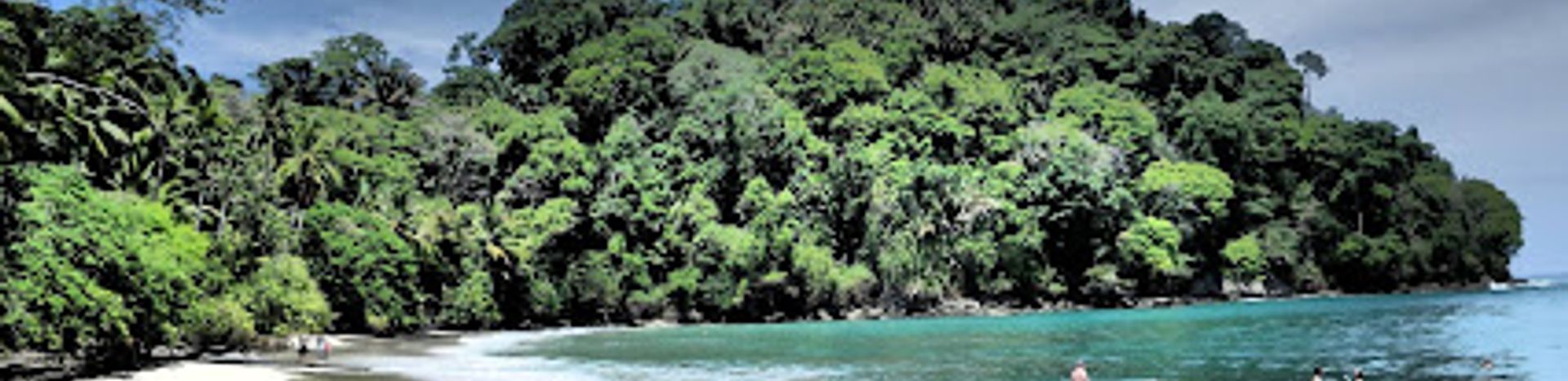
Manuel Antonio National Park: Costa Rica's Coastal Gem
Discover Costa Rica's natural beauty: rainforests, beaches, and wildlife in one stunning park. Open Wed-Mon, tickets online.
Manuel Antonio National Park, established in 1972, is a small yet stunning protected area on Costa Rica's Pacific coast, celebrated for its biodiverse rainforest, pristine beaches, and abundant wildlife. It's a must-see destination for nature lovers and beachgoers alike.
A brief summary to Manuel Antonio
- Park Trail, Quepos, Puntarenas Province, CR
- +50687231892
- Visit website
Local tips
- Purchase tickets online in advance, especially during peak season, as they are not sold at the entrance and can sell out.
- Arrive early in the morning to avoid crowds and increase your chances of spotting wildlife.
- Bring water and wear appropriate clothing and footwear for hiking in a humid environment.
- Be aware of individuals impersonating park staff selling overpriced services; purchase tickets only through official channels.
- The park is closed on Tuesdays for maintenance and wildlife conservation.

Getting There
-
Walking
From hotels or accommodations in Manuel Antonio, the park entrance is typically within walking distance. Follow the main road south; the entrance is clearly marked. Be prepared for a slight uphill walk. Watch out for unofficial vendors offering tours or parking. The walk from the main Manuel Antonio beach area to the park entrance is about 10 minutes.
-
Public Transport
From Quepos, take the local bus that runs frequently (approximately every 30 minutes) to Manuel Antonio. The bus costs approximately 380 colones. Ask the driver to drop you off near the park entrance. From the bus stop, it's a short walk to the entrance. Buses are white and say “Quepos – Manuel Antonio National Park”.
-
Taxi
Taxis are readily available in Quepos and Manuel Antonio. A taxi ride from Quepos to the park entrance typically costs between $5 to $10, depending on your location. Ensure the driver knows you want to go to the entrance of Manuel Antonio National Park. Confirm the price before starting the ride.
-
Parking
If driving, several parking lots are available near the park entrance. Parking costs around 3000-4000 CRC (approximately $6-$8 USD) for the day. Be cautious of unofficial parking attendants who may try to charge higher prices. The main parking lot is called “Manuel Antonio National Park – Official Parking” on Google Maps.
Discover more about Manuel Antonio
Iconic landmarks you can’t miss

Manuel Antonio
0.0 km
Discover Costa Rica's natural beauty: rainforests, beaches, and wildlife in one stunning park. Open Wed-Mon, tickets online.
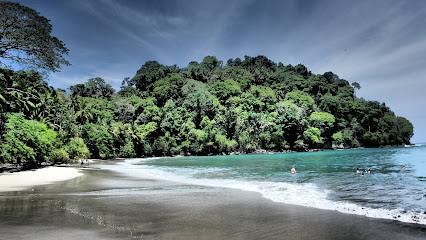
Costa Rica Wáköö Tours Manuel Antonio Park Tour
1.1 km
Discover Manuel Antonio National Park with expert guides, stunning wildlife, and pristine beaches. Personalized tours for unforgettable Costa Rican adventures.
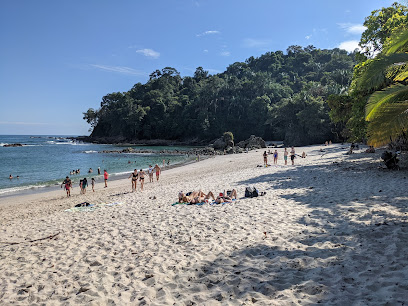
Official Guide Costa Rica
1.1 km
Discover Costa Rica's natural beauty in Manuel Antonio National Park: stunning beaches, lush rainforests, and incredible wildlife encounters.
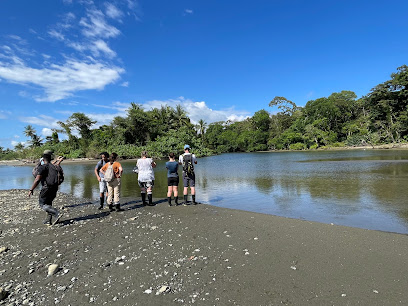
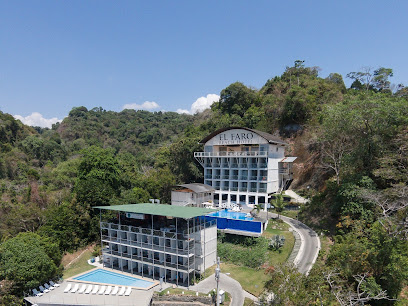
El Faro Beach Hotel
1.2 km
Eco-friendly container hotel in Manuel Antonio, offering stunning ocean views, an infinity pool, and close proximity to the national park.
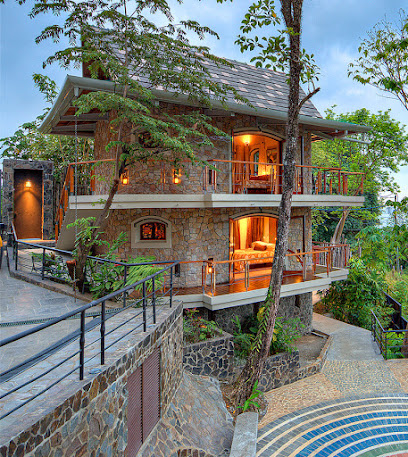
Villa Punto de Vista - Luxury Villa
2.6 km
Experience unparalleled luxury and breathtaking views at Villa Punto de Vista, your private paradise in Manuel Antonio, Costa Rica.
The Falls Resort at Manuel Antonio
2.6 km
Experience comfort and nature at The Falls Resort, your gateway to Manuel Antonio's rainforests, beaches, and Costa Rican charm.

Si Como No Resort, Spa & Wildlife Refuge
2.7 km
Experience eco-luxury in Manuel Antonio at Si Como No Resort: stunning views, diverse wildlife, and sustainable hospitality await!
Vista Hermosa Estate - Luxury Beach Villa
2.7 km
Experience unparalleled luxury at Vista Hermosa Estate in Manuel Antonio: stunning ocean views, private beach access, and world-class service.
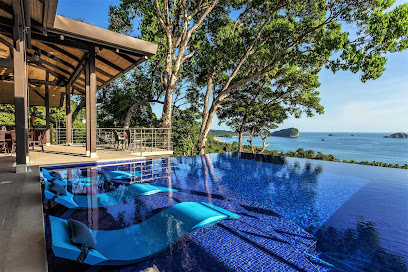
Agua Azul
3.0 km
Experience a fusion of flavors with breathtaking ocean views at this Quepos restaurant, offering fresh seafood and diverse culinary delights.
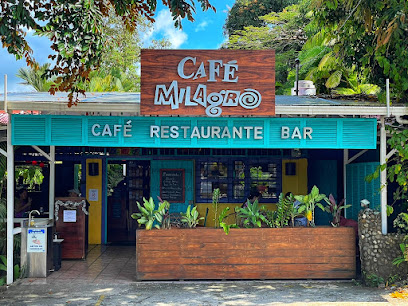
El Patio de Café Milagro
3.0 km
Experience authentic Costa Rican cuisine and coffee at El Patio de Café Milagro in Quepos. A culinary gem you won't want to miss!
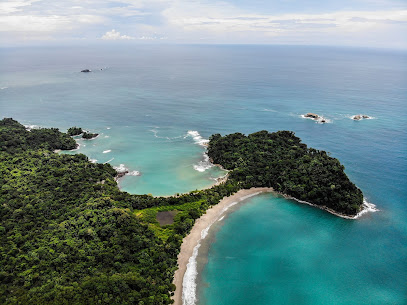
Manuel Antonio The Best
3.1 km
Discover Costa Rica's smallest yet most biodiverse national park: rainforests, beaches, and wildlife await in Manuel Antonio.
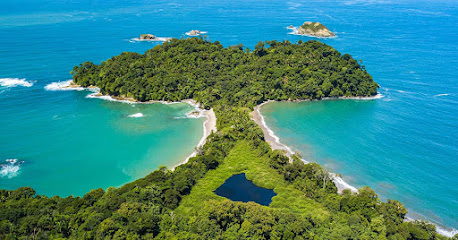
Manuel Antonio Nat. Park Official Tour´s
3.1 km
Discover Costa Rica's paradise: stunning beaches, lush rainforests, and incredible wildlife in Manuel Antonio National Park.
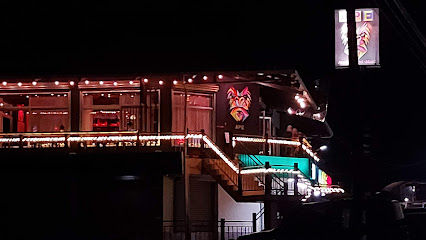
Ape Eclectic Social Bar
3.2 km
Experience Quepos's vibrant nightlife at Ape Eclectic Social Bar, where creative cocktails, lively music, and an eclectic atmosphere await!
Peace of Paradise
3.3 km
Experience tranquility and convenience at Peace of Paradise in Manuel Antonio, your gateway to Costa Rica's natural beauty and adventure.
Manuel Antonio Falafel Bar
3.3 km
Authentic Middle Eastern cuisine in Manuel Antonio, Costa Rica. Enjoy delicious falafel, hummus, shawarma, and refreshing smoothies in a relaxed atmosphere.
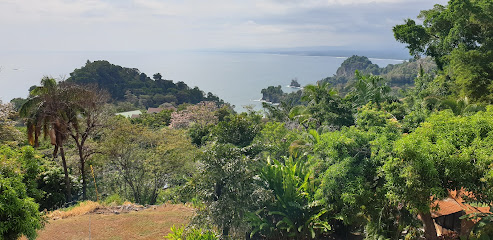
Unmissable attractions to see

Espadilla South Beach
0.3 km
Discover the enchanting beauty of Espadilla South Beach in Quepos, Costa Rica, where adventure meets relaxation along the Pacific coast.
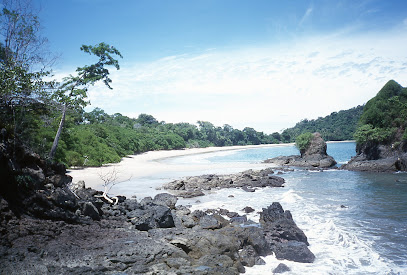
Cathedral Point
0.4 km
Explore Cathedral Point, a stunning peninsula in Quepos, Costa Rica, where breathtaking ocean views and vibrant wildlife await your discovery.
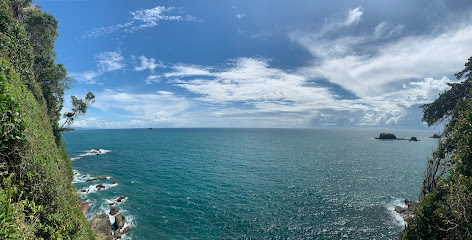
Playa Las Gemelas
0.6 km
Experience the tranquil beauty of Playa Las Gemelas in Quepos, Costa Rica – a serene escape for beach lovers and adventure seekers alike.
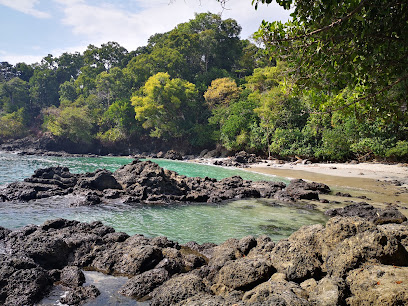
Manuel Antonio Nature Reserve & Wildlife Refuge
1.0 km
Explore Costa Rica's iconic Manuel Antonio National Park: rainforests, beaches, and wildlife in a compact, accessible paradise.
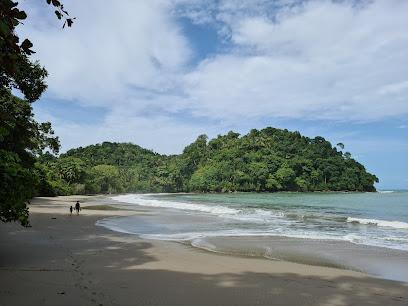
Radames Tours National Park Manuel Antonio
1.0 km
Discover the stunning beaches, rich wildlife, and lush rainforests of Manuel Antonio National Park, a must-visit destination in Costa Rica.
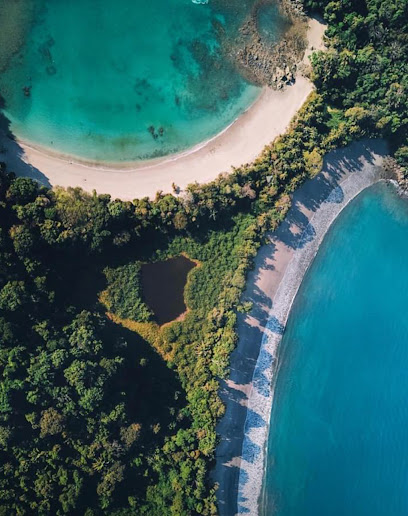
Manuel Antonio Bio Adventure
1.1 km
Discover the natural beauty of Manuel Antonio Bio Adventure, a national park with stunning landscapes, diverse wildlife, and pristine beaches in Costa Rica.
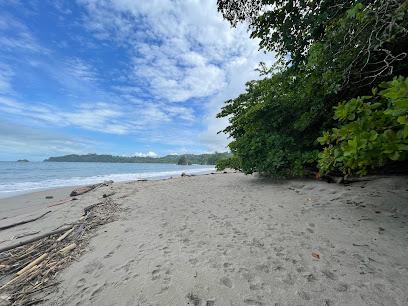
Mulguri Adventure
1.1 km
Experience adventure and natural beauty at Mulguri Adventure in Quepos, Costa Rica. Thrilling outdoor activities await you in paradise.
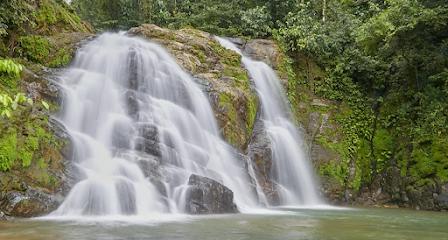
Manuel Antonio National Park
1.1 km
Discover Costa Rica's natural beauty: rainforests, beaches, and wildlife in Manuel Antonio National Park. A must-see destination!
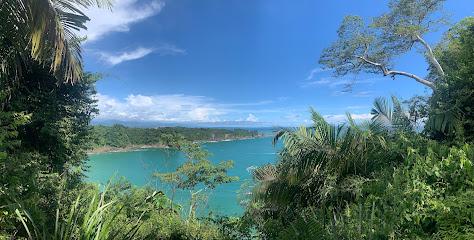
Parque Nacional Manuel Antonio
1.5 km
Explore the stunning biodiversity and breathtaking beaches of Parque Nacional Manuel Antonio, a tropical paradise in Costa Rica's Puntarenas Province.
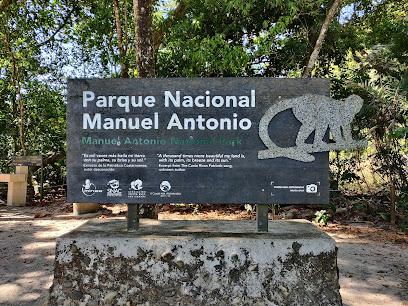
Espadilla Beach
1.8 km
Discover the breathtaking beauty of Espadilla Beach in Quepos, where golden sands meet the Pacific Ocean in a tropical paradise.
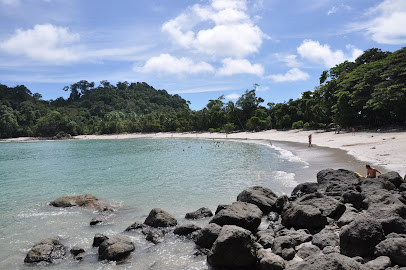
Playa Blanca
2.1 km
Discover Playa Blanca: A hidden gem with white sands and turquoise waters, offering a tranquil escape on Costa Rica's Pacific coast.
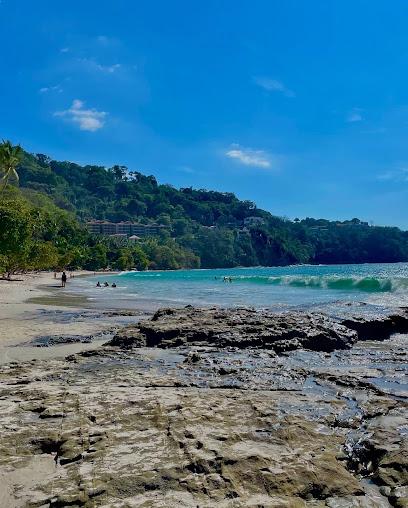
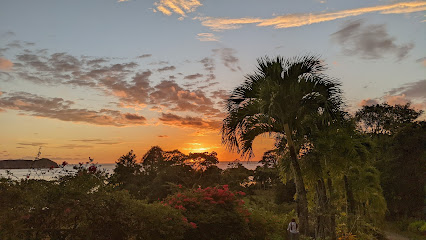
Sunset Viewpoint Manuel Antonio
2.1 km
Experience the stunning sunsets and breathtaking views at Sunset Viewpoint Manuel Antonio, a hidden gem along the picturesque coast of Costa Rica.
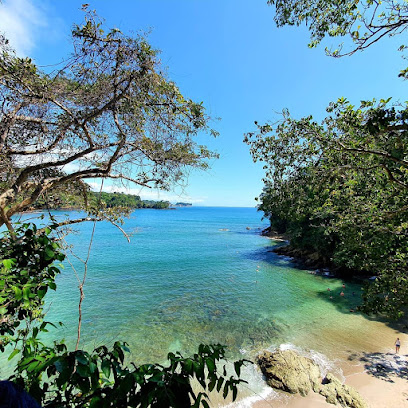
Playa Playitas (Manuel Antonio) - Playitas Beach
2.3 km
Experience the beauty and tranquility of Playa Playitas, a stunning beach destination in Manuel Antonio, Costa Rica, perfect for relaxation and adventure.
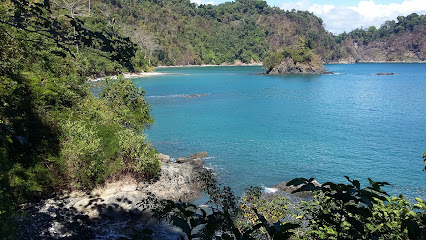
Zip Coaster
2.3 km
Soar through the lush rainforest of Quepos on the thrilling Zip Coaster, an adventure that combines speed with stunning natural beauty in Costa Rica.
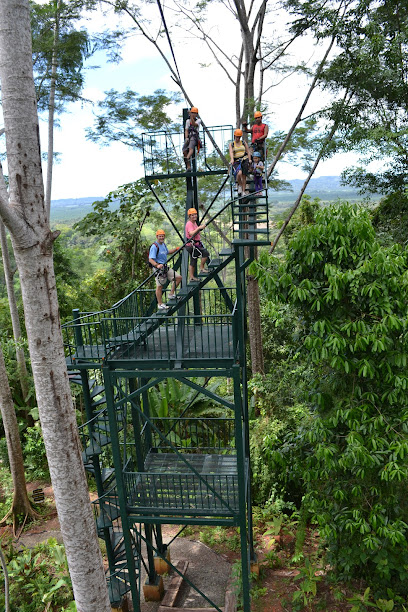
El Santuario Canopy Adventure Tour
2.6 km
Experience the thrill of zip-lining through Costa Rica's breathtaking canopies at El Santuario Canopy Adventure Tour, where adventure meets nature.
Essential places to dine

Restaurante Manuel Antonio
0.9 km
Experience authentic Costa Rican cuisine amidst breathtaking views at Restaurante Manuel Antonio in Parque Nacional.
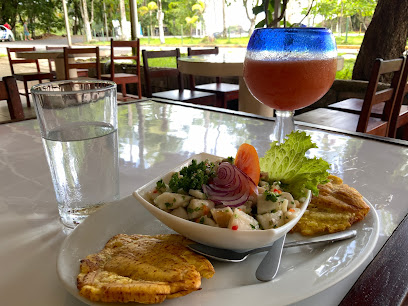
Congo Restaurant at Hotel San Bada
1.0 km
Discover exquisite flavors at Congo Restaurant in Quepos – where local tastes meet international cuisine amidst stunning views.
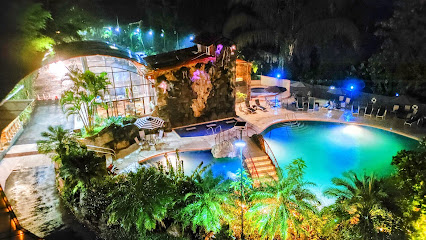
Restaurant Cafe Del Mar
1.0 km
Experience authentic Costa Rican cuisine with stunning ocean views at Café Del Mar in Quepos.
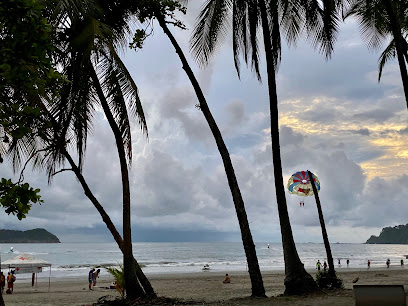
Bar & Restaurant El Chante del Parque
1.1 km
Experience authentic Costa Rican cuisine at Bar & Restaurant El Chante del Parque in Quepos - where local flavors meet warm hospitality.
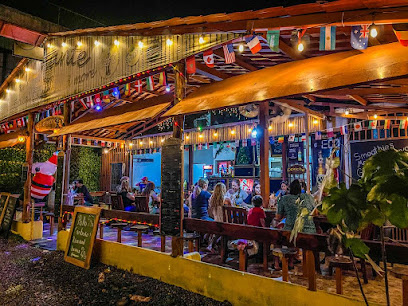
Bar las gemelas
1.1 km
Discover Bar las Gemelas: A culinary haven in Manuel Antonio National Park offering authentic Costa Rican flavors amidst breathtaking nature.
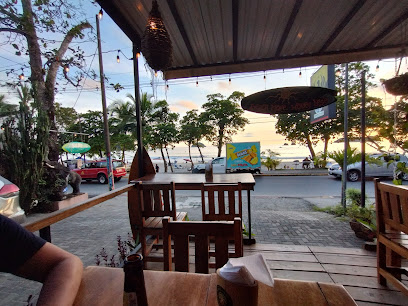
Restaurante Donde Alex
1.1 km
Experience authentic Costa Rican flavors with breathtaking coastal views at Restaurante Donde Alex in Quepos.
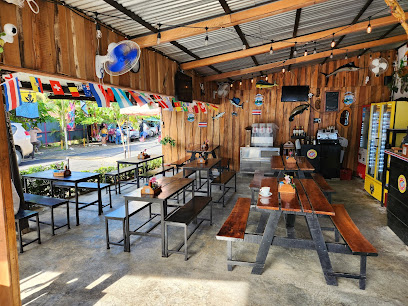
The Hawg 'N' Bi
1.2 km
Experience exquisite beachfront dining at The Hawg 'N' Bi in Quepos - where fresh seafood meets stunning ocean views.
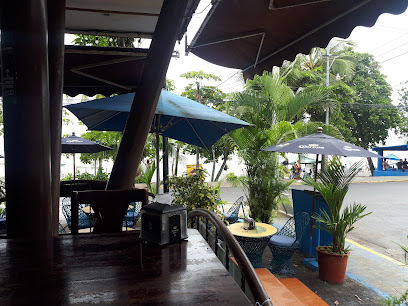
Restaurante Buru Seaside Manuel Antonio
1.2 km
Experience exquisite seafood and vibrant live music at Restaurante Buru Seaside in Manuel Antonio – where coastal charm meets culinary delight.
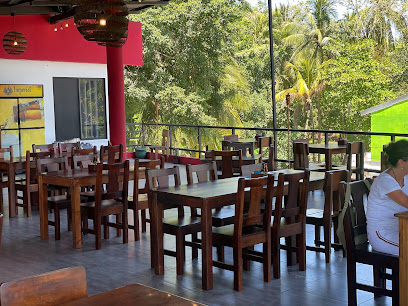
Natural Food
1.2 km
Discover exquisite vegan dining at Natural Food in Quepos, where fresh ingredients meet Costa Rican culinary traditions.
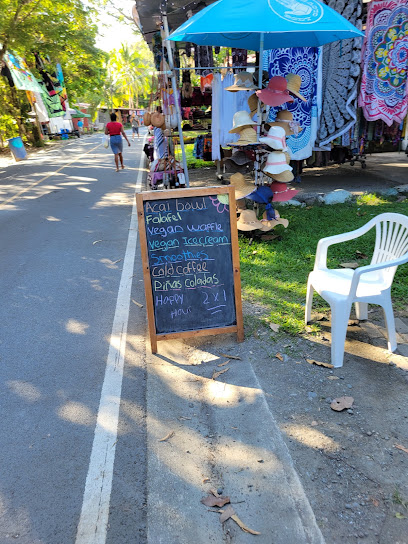
Baldi's Fresh Restaurant
1.2 km
Experience vibrant flavors at Baldi's Fresh Restaurant in Quepos - where fresh ingredients meet exceptional dining in Costa Rica.
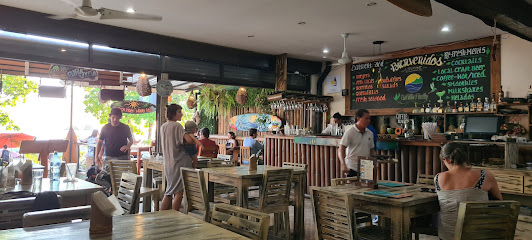
Restaurante Puerto Escondido
1.3 km
Discover the vibrant flavors of Costa Rica at Restaurante Puerto Escondido, where culinary delights meet stunning natural beauty.
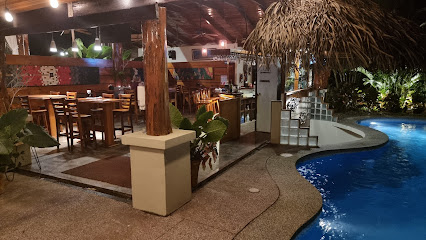
Morpho Beach Bar
1.3 km
Discover Morpho Beach Bar: A tropical paradise where delicious Costa Rican cuisine meets stunning ocean views in Manuel Antonio.
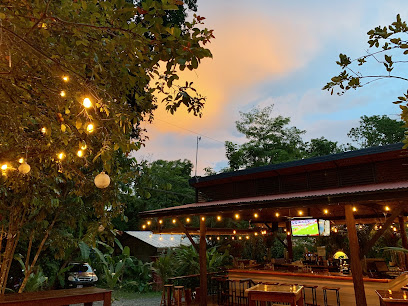
Espadilla Restaurant
1.3 km
Experience authentic Costa Rican cuisine at Espadilla Restaurant in Quepos - where every dish tells a story.
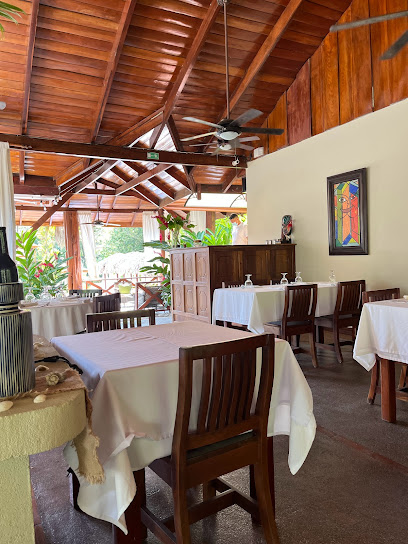
Restaurante Buena Vista Plus
1.7 km
Experience breathtaking ocean views and authentic Costa Rican cuisine at Restaurante Buena Vista Plus on Playa Espadilla.
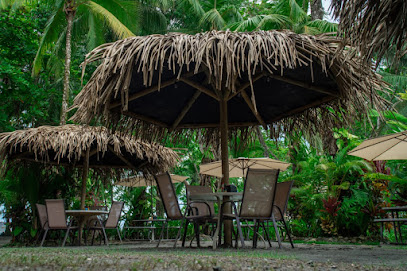
Casa Planta restaurant
1.8 km
Discover diverse culinary delights at Casa Planta in Quepos - where local ingredients meet international cuisine in a vibrant setting.
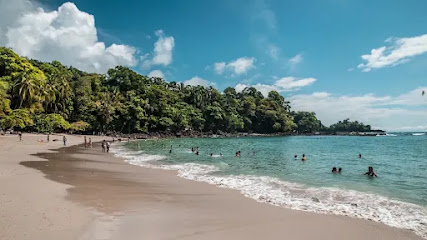
Markets, malls and hidden boutiques

JP Seats & Shade Manuel Antonio Beach
0.9 km
Discover the ultimate beachwear selection at JP Seats & Shade Manuel Antonio Beach, where style meets adventure in a tropical paradise.
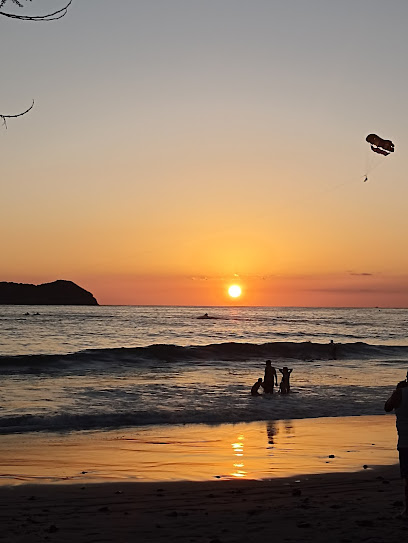
Gelateria El Parque
1.1 km
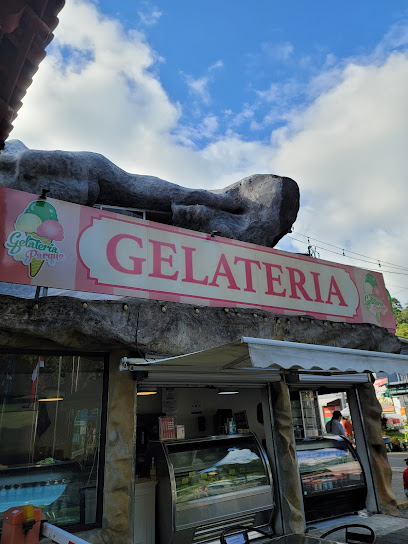
Discover the refreshing taste of Gelateria El Parque, where delicious ice creams meet the stunning backdrop of Parque Nacional Manuel Antonio.
Souvenir Colores de Costa rica (Gift Shop)
1.1 km
Explore Souvenir Colores de Costa Rica for unique, handcrafted treasures that celebrate the vibrant culture and beauty of Costa Rica.
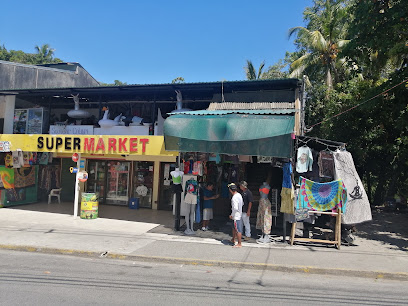
Supermarket Pura Vida
1.1 km
Explore Supermarket Pura Vida in Manuel Antonio for fresh local produce, international snacks, and a taste of Costa Rican culture.
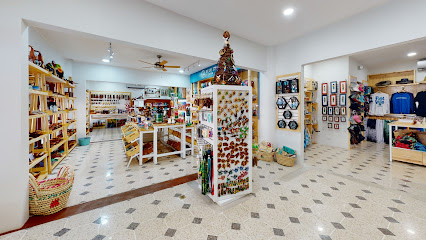
Authentica Gift Shop - Manuel Antonio
2.8 km
Discover unique Costa Rican crafts at Authentic Gift Shop in Manuel Antonio, where every purchase tells a story of local culture and artistry.
Mariposita Gift Shop & Gallery
3.0 km
Explore the vibrant artistry of Costa Rica at Mariposita Gift Shop & Gallery, where every piece tells a story of local craftsmanship.
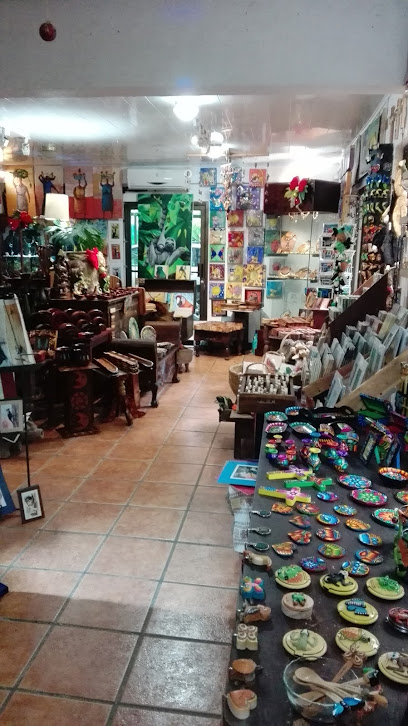
Indigo by Jungle Sol
3.0 km
Indigo by Jungle Sol: Your go-to boutique for authentic Costa Rican crafts and unique souvenirs in Quepos.
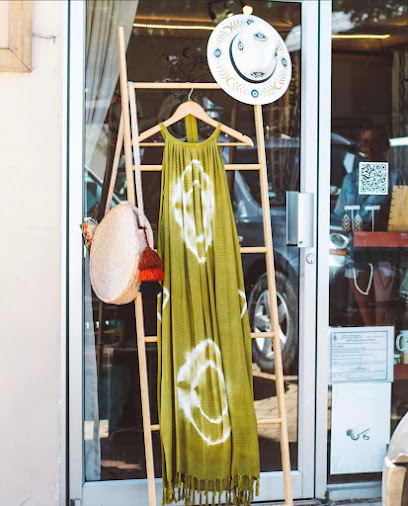
Mot Mot Handcrafted Gallery
3.0 km
Explore the vibrant artistry of Costa Rica at Mot Mot Handcrafted Gallery, a treasure trove of unique, handcrafted gifts and souvenirs.
Jungle Avenue
3.0 km
Jungle Avenue: Your boutique destination in Quepos for unique clothing and exquisite local jewelry, reflecting Costa Rica's vibrant culture.
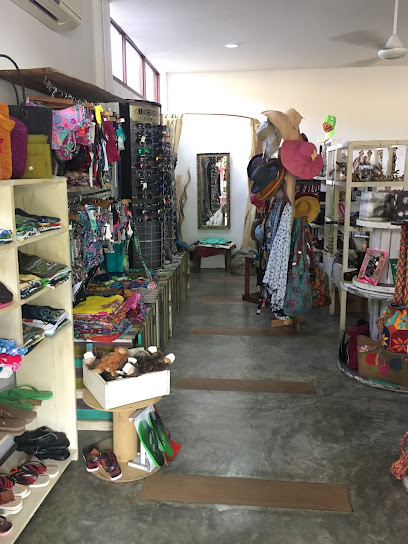
Supermarket
3.0 km
Discover fresh produce and local delicacies at the Supermarket in Quepos, your gateway to authentic Costa Rican flavors.
Plaza vista, Manuel Antonio, Quepos
3.0 km
Discover the vibrant Plaza Vista in Manuel Antonio, a shopping paradise filled with local culture, delightful dining, and unique shopping experiences.
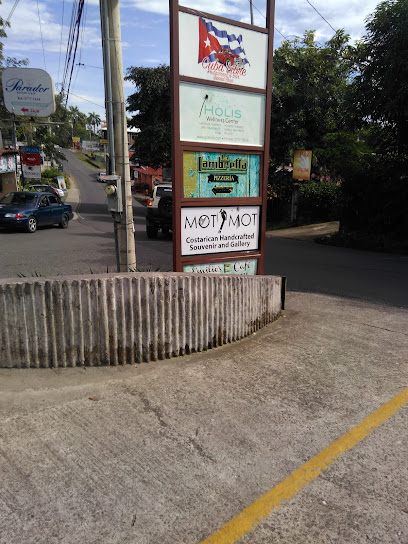
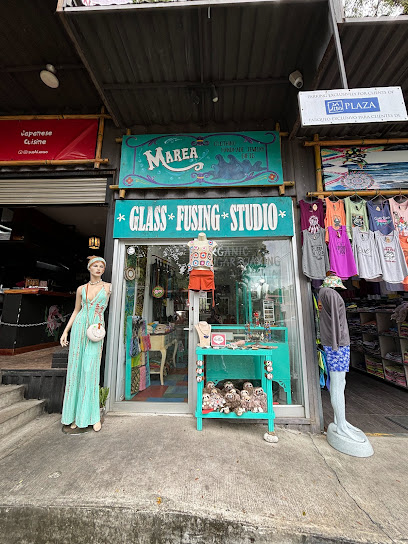
Marea - Mara Cantarella Joyeria
3.0 km
Discover exquisite handcrafted jewelry at Marea - Mara Cantarella Joyeria in Quepos, where local craftsmanship meets elegance.
Souvenir quetzaltico
3.1 km
Explore the vibrant world of handcrafted Costa Rican souvenirs at Souvenir Quetzaltico in Quepos, where local artistry meets unforgettable memories.
Bam Bam Boo
3.1 km
Discover unique Costa Rican fashion at Bam Bam Boo, a vibrant clothing store in Quepos that embodies local culture and style.
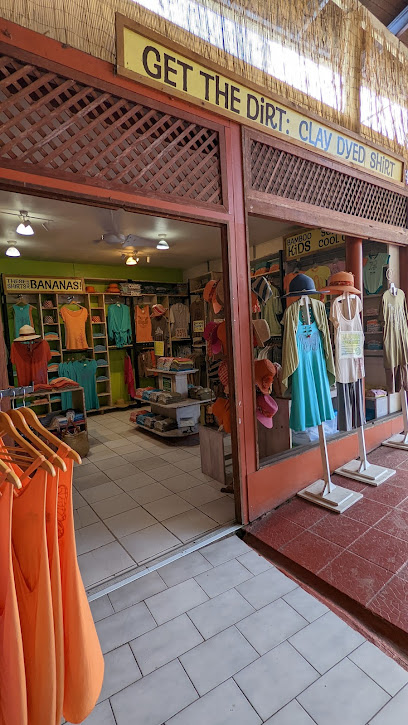
Souvenir Yorusti 3
3.1 km
Discover unique and authentic Costa Rican souvenirs at Souvenir Yorusti 3 in Quepos, a must-visit for every traveler.
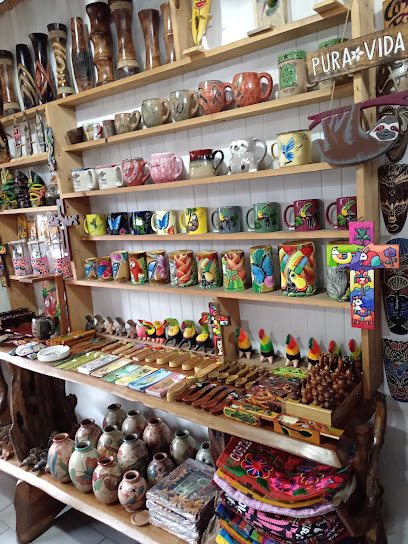
Essential bars & hidden hideouts

B&B Beach and Drinks
1.1 km
Experience the best seafood dining with stunning ocean views at B&B Beach and Drinks, a hidden gem near Manuel Antonio Beach.
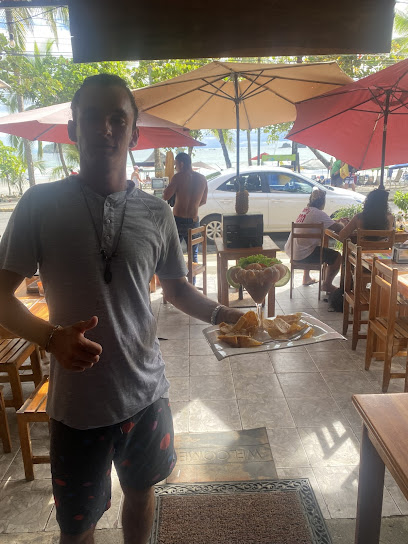
Bar Y Restaurante Relax
1.3 km
Experience the vibrant flavors of Costa Rica at Bar Y Restaurante Relax, a must-visit restaurant in Quepos offering delightful local cuisine and a lively atmosphere.
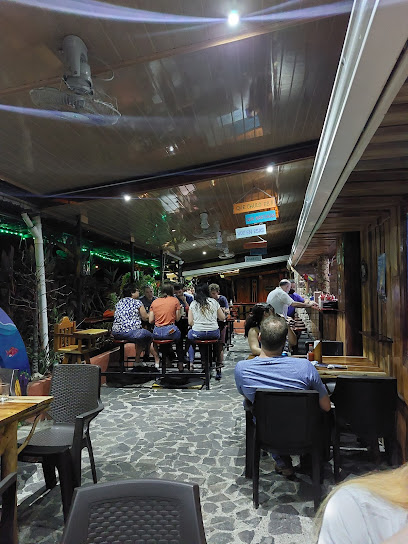
Cocos
1.5 km
Discover the vibrant atmosphere of Cocos, the perfect bar in Quepos for exquisite cocktails and a taste of Costa Rican culture.
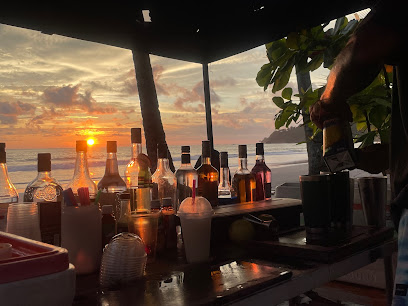
patatus bar
2.8 km
Discover the vibrant flavors of Costa Rica at Patatus Bar, a charming tapas bar in Quepos offering delicious small plates and a cozy atmosphere.
Makanda Pool Lounge
3.1 km
Experience the tropical charm of Makanda Pool Lounge, a serene bar and swimming pool retreat in the heart of Manuel Antonio.
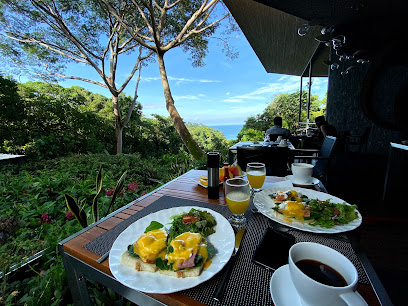
Drunken Monkey
3.2 km
Discover the lively Drunken Monkey bar in Quepos, Costa Rica - a vibrant spot for drinks, music, and a welcoming atmosphere.
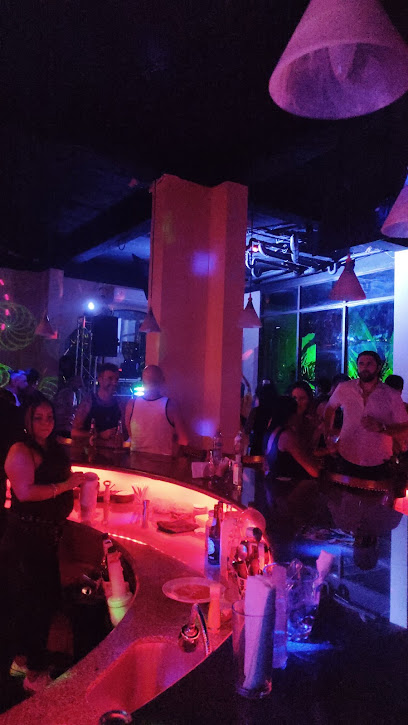
Tropical 32 bar y restaurante
3.5 km
Experience the fusion of breathtaking nature and authentic Costa Rican flavors at Tropical 32 Bar y Restaurante in Manuel Antonio.
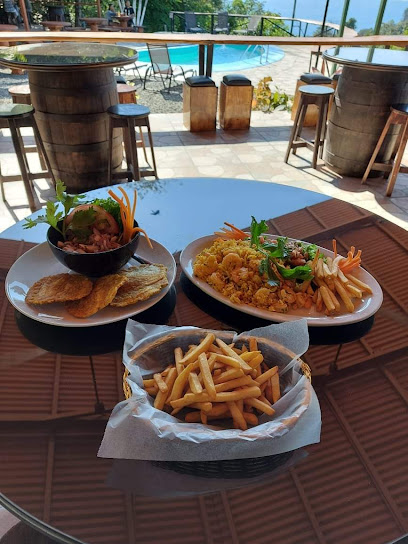
Quepoa by Agua Azul
3.5 km
Discover Quepoa by Agua Azul in Quepos: Family-friendly dining with fresh seafood and a vibrant atmosphere, perfect for all ages.
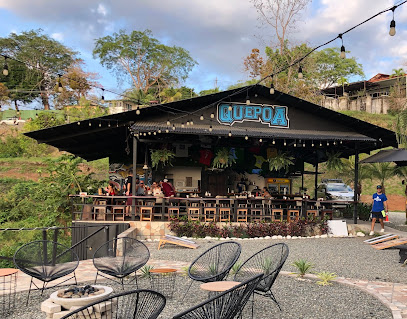
Rasta Bar y Restaurante
4.7 km
Experience the vibrant flavors of Costa Rica at Rasta Bar y Restaurante, where local cuisine meets a lively atmosphere in Quepos.
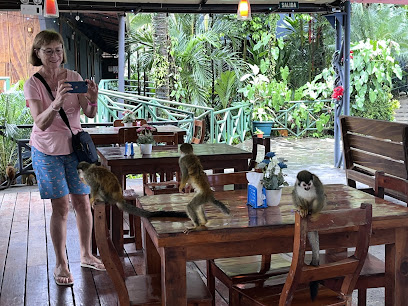
Restaurante Blue's Bar
4.7 km
Discover the vibrant nightlife at Restaurante Blue's Bar in Quepos, Costa Rica, where refreshing drinks and live music create unforgettable evenings.
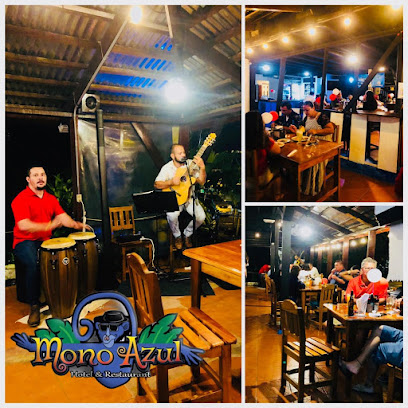
Bambu Jam
4.8 km
Experience the vibrant flavors of Costa Rica at Bambu Jam, a grill offering delicious cuisine in a serene setting with an inviting outdoor pool.
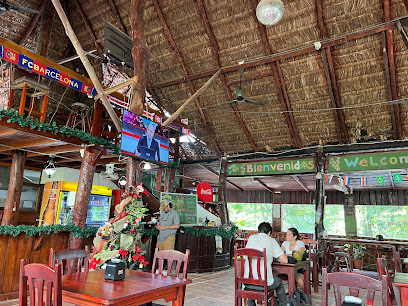
Double Hook Sports Bar
5.5 km
Experience the thrill of sports in Quepos at Double Hook Sports Bar, where delicious food and vibrant energy meet.
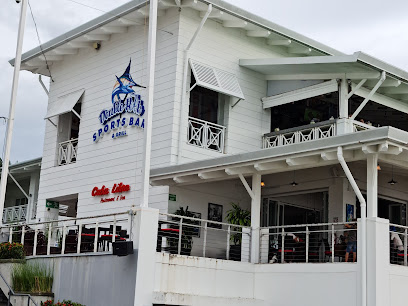
Cuban Republik Disco Lounge
6.0 km
Unleash your spirit at Cuban Republik Disco Lounge, Quepos' top destination for unforgettable nightlife experiences filled with dance, music, and vibrant energy.
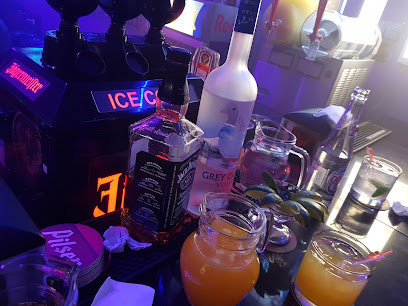
Bar y restaurante El Valle de Tarrazú
32.3 km
Experience authentic Costa Rican dining at El Valle de Tarrazú, where flavorful dishes and a vibrant atmosphere await every visitor.
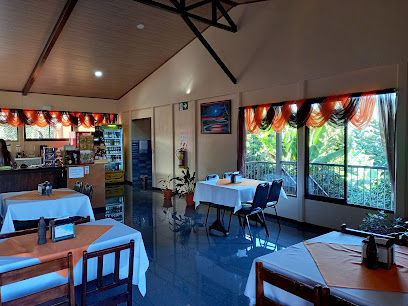
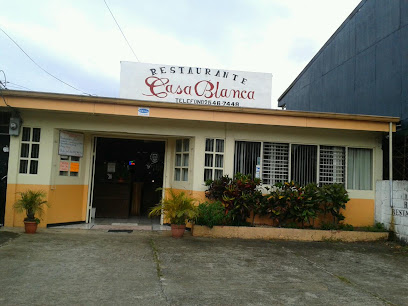
Restaurante Kasa Blanca
33.4 km
Discover the authentic flavors of Costa Rica at Restaurante Kasa Blanca, a culinary gem in San Marcos, perfect for tourists seeking a delightful dining experience.
Nightclubs & after hour spots

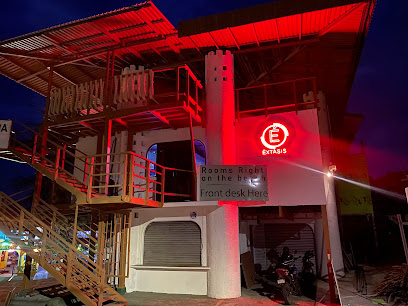
Éxtasis Discoclub
2.2 km
Experience the vibrant nightlife at Éxtasis Discoclub in Quepos, where music, dance, and unforgettable memories await you in Costa Rica.
D'Todos
5.9 km
Experience the vibrant nightlife of Quepos at D'Todos, where expertly crafted cocktails and a lively atmosphere await.
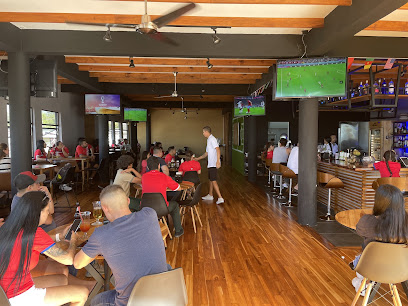
Salón Comunal de Quepos, DINADECO
5.9 km
Experience the heart of Quepos at Salón Comunal, a vibrant lounge showcasing Costa Rican culture and community spirit.
Republik Sport Bar
6.0 km
Discover the vibrant Republik Sport Bar in Quepos, a hotspot for sports fans and night owls, offering great drinks and lively entertainment.
malecon de quepos de noche
6.0 km
Discover the exhilarating nightlife at Malecon de Quepos, where vibrant music and a lively atmosphere create an unforgettable experience in Costa Rica.
Ericka Centro de Uñas
6.2 km
Experience tranquility and beauty at Ericka Centro de Uñas in Quepos, the ideal lounge for pampering during your Costa Rican getaway.

Barrio ZUKO
7.7 km
Experience the energetic nightlife of Quepos at Barrio ZUKO, where lively music and vibrant atmosphere create unforgettable moments.
Genesys Striptease Club VIP
56.3 km
Explore the electrifying atmosphere and captivating performances at Genesys Striptease Club VIP, the premier nightlife destination in Patarra.
Twin Fin Resto
58.6 km
Discover the electrifying nightlife at Twin Fin Resto in Jaco, Costa Rica, where music, dance, and fun come together for an unforgettable experience.
The Loft Nightlife
58.8 km
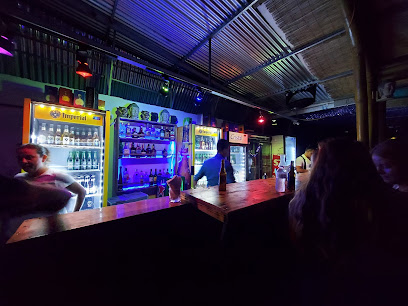
Experience the vibrant nightlife of Costa Rica at The Loft Nightlife, a premier dance club with electrifying music and a welcoming atmosphere.
CLUB LAS VEGAS SPORTA BAR COCTEL LOUNGE
58.9 km
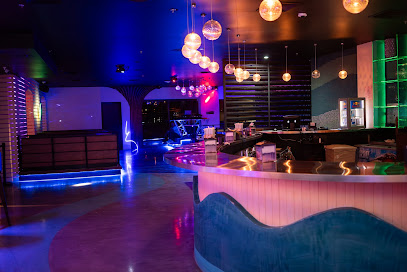
Discover the electrifying nightlife at Club Las Vegas Sporta Bar in Jaco, Costa Rica - a must-visit destination for fun and unforgettable memories.
The Back Room
59.1 km
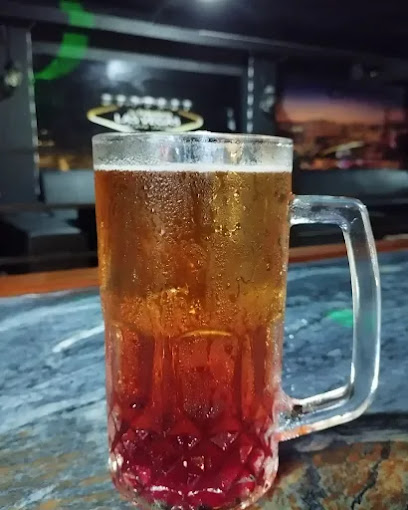
Discover the electrifying nightlife at The Back Room in Jaco, where unforgettable music and vibrant energy await every night.

XTC DISCO BAR
59.1 km
Experience the electrifying nightlife of Jacó at XTC Disco Bar, where the music is endless and the fun never stops.

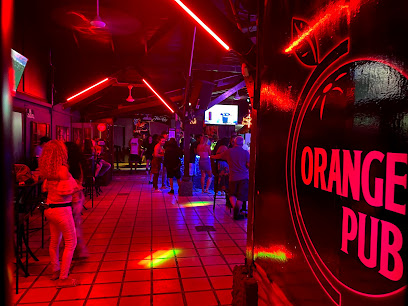
Orange Pub
59.1 km
Discover the vibrant nightlife at Orange Pub in Jaco, Costa Rica—a lively bar serving up cocktails and fun for all visitors.
Rancho el atardecer
59.3 km
Dive into the energetic nightlife of Tausito at Rancho el Atardecer, where music and dance create unforgettable moments in Cartago Province.


