

Barrio Amón (San Jose) Travel Guide - Free
Explore Barrio Amón in San Jose with Evendo's free guide. Find the best shops, historic streets, restaurants, and gems on web or mobile.


Barrio Amón in San José, Costa Rica, combines historic coffee-era villas, Casa Amarilla, cafés, galleries and easy walks near Parque Morazán.
Historic Streets and Grand Villas
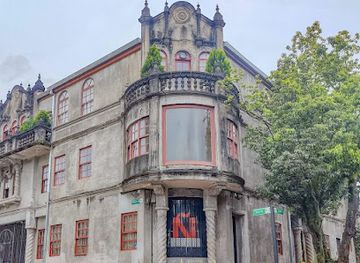
Barrio Amón occupies a compact area immediately north of central San José, where tree-lined streets and late-nineteenth- and early-twentieth-century villas preserve a more residential chapter of the capital’s history. The neighbourhood developed as an affluent quarter during the coffee-export era, and its name recalls the French coffee entrepreneur Amón Fasileau-Duplantier, who owned land in the area. Ornamental façades, steep roofs, balconies and restored houses now sit alongside small hotels, cafés, galleries, offices and cultural institutions.Read more about Barrio Amón
Culture Beside the City Centre
A Walkable Pocket of San José
Best landmarks in Barrio Amón
The architectural significance of Barrio Amón lies in its collection of domestic buildings rather than a single monumental ensemble. Former coffee-era villas, with varied façades, galleries, balconies, high openings and decorative details, record the tastes and prosperity of San José’s late-nineteenth- and early-twentieth-century urban elite. Casa Amarilla is the neighbourhood’s most recognisable institutional landmark and remains closely associated with Costa Rica’s diplomatic life. At the southern edge, Parque Morazán and the Templo de la Música form a major civic reference point, although the public space is also understood as part of the adjacent Otoya area. The Museo del Jade, nearby on Avenida Central, represents a later cultural layer and gives the district an important archaeological institution. Together these places show how residences, public architecture and cultural reuse have shaped Amón’s identity.
-
Park
Parque España
Discover Parque España in San José: a serene urban oasis with gardens, art, and historical landmarks, perfect for relaxation and cultural immersion.
5 min walk · 0.4 km from neighbourhood centre
-
Art gallery
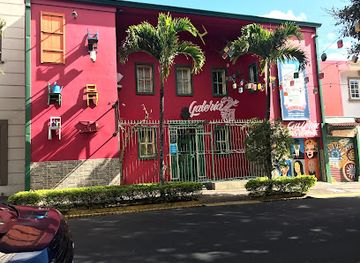
Galería Talentum
Discover Costa Rica's vibrant art scene in a beautifully restored Victorian mansion. Galería Talentum: Where history meets contemporary art.
4 min walk · 0.3 km from neighbourhood centre
-
Historical landmark
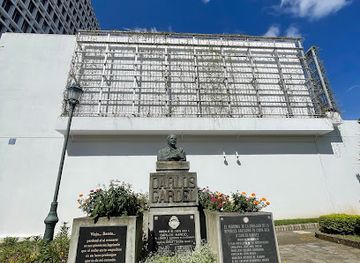
Monumento a Carlos Gardel
A tribute to the legendary tango singer Carlos Gardel, reflecting Argentina's cultural influence in the heart of San José, Costa Rica.
4 min walk · 0.3 km from neighbourhood centre

Explore Barrio Amón on the map
A handpicked selection of must-see spots in Barrio Amón, mapped for you.
Best hotels in Barrio Amón
Best restaurants in Barrio Amón
Dining in Barrio Amón reflects the neighbourhood’s conversion from an elite residential quarter into a small cultural and hospitality district. Historic houses and contemporary premises accommodate cafés, casual restaurants and intimate dining rooms, while the streets leading towards Avenida Central offer further choices in the wider centre. Menus commonly draw on Costa Rican ingredients alongside international cooking, reflecting San José’s cosmopolitan urban population rather than a single neighbourhood cuisine. Coffee is a natural part of the experience, and a pause in a restored villa or a modest café can reveal how domestic architecture has been adapted for public use. The selection is more compact than in the capital’s dedicated restaurant districts, and individual businesses change over time, so current local information is useful. Visitors should distinguish Amón’s cafés and restaurants from those in nearby Otoya and the broader central city, where the dining offer becomes considerably larger.
-
Restaurant
La Criollita
Experience authentic Costa Rican cuisine at La Criollita in San José – where every dish tells a story!
5 min walk · 0.4 km from neighbourhood centre
-
Restaurant
Café Mundo
Experience authentic Costa Rican flavors at Café Mundo in San José - where delicious food meets vibrant ambiance.
2 min walk · 0.1 km from neighbourhood centre
-
Restaurant
October Six Café Bistró
Experience the vibrant culinary scene at October Six Café Bistró in San José, where local flavors meet international cuisine in a cozy setting.
5 min walk · 0.4 km from neighbourhood centre
-
Restaurant
HOWM
Discover HOWM in San José: A fusion of Costa Rican flavors awaits you at this vibrant dining destination.
2 min walk · 0.2 km from neighbourhood centre
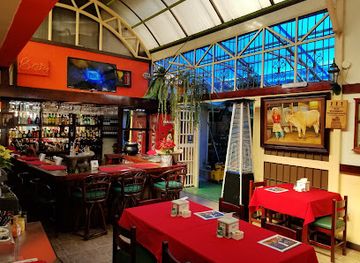



Best bars in Barrio Amón
Barrio Amón is not one of San José’s main nightclub districts, and its evening identity is comparatively restrained. A handful of restaurants, hotel bars and small venues may provide places for conversation or a drink in buildings with historic character, while cultural events around nearby institutions can extend the area’s life after dark. More concentrated nightlife is found elsewhere in San José, particularly in districts known for late bars and clubs, so Amón suits visitors seeking an atmospheric dinner or a quieter evening walk rather than a club-to-club itinerary. Streets can become calm once offices and daytime businesses close, making awareness of surroundings and a planned route sensible. Check current event details directly with venues, as live music, exhibitions and opening arrangements are subject to change.
-
Grill
Stiefel Pub Otoya
Discover the vibrant Stiefel Pub Otoya in San José, where delicious grilled dishes and a lively atmosphere await every visitor.
4 min walk · 0.3 km from neighbourhood centre
-
Restaurant
October Six Café Bistró
Experience the vibrant flavors of Costa Rica at October Six Café Bistró in San José's artistic Barrio Amón, a haven for food lovers and cultural enthusiasts.
5 min walk · 0.4 km from neighbourhood centre
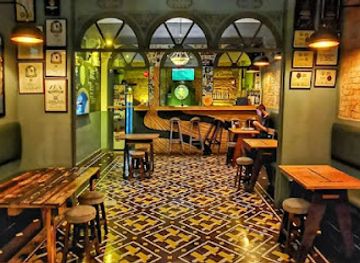

Best nightclubs in Barrio Amón
Barrio Amón is not one of San José’s main nightclub districts, and its evening identity is comparatively restrained. A handful of restaurants, hotel bars and small venues may provide places for conversation or a drink in buildings with historic character, while cultural events around nearby institutions can extend the area’s life after dark. More concentrated nightlife is found elsewhere in San José, particularly in districts known for late bars and clubs, so Amón suits visitors seeking an atmospheric dinner or a quieter evening walk rather than a club-to-club itinerary. Streets can become calm once offices and daytime businesses close, making awareness of surroundings and a planned route sensible. Check current event details directly with venues, as live music, exhibitions and opening arrangements are subject to change.
-
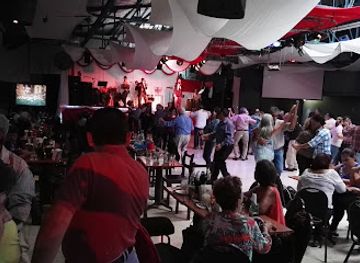
Night club
Fiesta Latina
Experience the vibrant rhythms and lively atmosphere of Fiesta Latina, San José's top destination for unforgettable Latin nightlife.
5 min walk · 0.4 km from neighbourhood centre
Best shops in Barrio Amón
Shopping in Barrio Amón is modest and specialised rather than centred on a large market or continuous retail street. Visitors will find small galleries, design-oriented businesses, cafés and independent premises occupying some of the neighbourhood’s adapted historic houses, with additional bookshops, crafts and everyday retail in the surrounding central San José streets. The wider Avenida Central area is the practical place for more extensive city-centre shopping, while the Museo del Jade and nearby cultural institutions offer context for Costa Rican craft and pre-Columbian heritage without turning the neighbourhood into a souvenir market. Retail businesses can change, so current local listings are more reliable than assuming every former villa remains commercially occupied. The pleasure of shopping in Amón is often connected to the setting: browsing a small independent business while noticing the architectural details preserved around it.
-
Clothing store
Tienda Eñe
Explore Tienda Eñe, the boutique in San José for unique local clothing and artisan accessories that embody Costa Rican culture.
4 min walk · 0.3 km from neighbourhood centre
Barrio Amón essentials
Getting There
Getting Around
Safety
Emergency Situations
Do's and Don'ts
Local Tips

From Eve
Local phrases worth knowing
You don't need to get them perfect. A few words go a long way, and locals appreciate the effort.
Basics
| English | Local | Say it |
|---|---|---|
| Hello | Hola | [oh-lah] |
| Goodbye | Adiós | [ah-dyohs] |
| Yes | Sí | [see] |
| No | No | [noh] |
| Please/You're welcome | Por favor/De nada | [por fah-vohr/de nah-dah] |
| Thank you | Gracias | [grah-seeahs] |
| Excuse me/Sorry | Perdón/Lo siento | [pehr-dohn/loh see-ehn-toh] |
| How are you? | ¿Cómo estás? | [koh-moh ehs-tahs] |
| Fine. And you? | Bien. ¿Y tú? | [byehn. ee too] |
| Do you speak English? | ¿Hablas inglés? | [ah-blahs een-glehs] |
| I don't understand | No entiendo | [noh ehn-tyen-doh] |
Eating & Drinking
| English | Local | Say it |
|---|---|---|
| I'd like to see the menu, please | Me gustaría ver el menú, por favor | [meh goos-tah-reeah vehr ehl meh-noo, por fah-vohr] |
| I don't eat meat | No como carne | [noh koh-moh kahr-neh] |
| Cheers! | ¡Salud! | [sah-lood] |
| I would like to pay, please | Me gustaría pagar, por favor | [meh goos-tah-reeah pah-gahr, por fah-vohr] |
Emergencies
| English | Local | Say it |
|---|---|---|
| Help! | ¡Ayuda! | [ah-yoo-dah] |
| Go away! | ¡Vete! | [veh-teh] |
| Call the Police! | ¡Llame a la policía! | [yah-meh ah lah poh-lee-seeah] |
| Call a doctor! | ¡Llame a un médico! | [yah-meh ah oon meh-dee-koh] |
| I'm lost | Estoy perdido | [ehs-toy pehr-dee-doh] |
| I'm ill | Estoy enfermo | [ehs-toy ehn-fehr-moh] |
Shopping
| English | Local | Say it |
|---|---|---|
| I'd like to buy... | Me gustaría comprar... | [meh goos-tah-reeah kohm-prahr...] |
| I'm just looking | Solo estoy mirando | [soh-loh ehs-toy meer-ahn-doh] |
| How much is it? | ¿Cuánto cuesta? | [kwahn-toh kwehs-tah] |
| That's too expensive | Esto es muy caro | [ehs-toh ehs moo-ee kah-roh] |
| Can you lower the price? | ¿Puede bajar el precio? | [pweh-deh bah-hahr ehl pree-seeoh] |
Time & Numbers
| English | Local | Say it |
|---|---|---|
| What time is it? | ¿Qué hora es? | [keh oh-rah ehs] |
| It's one o'clock | Es la una | [ehs lah oo-nah] |
| Half past (10) | Media (10) | [meh-dyah (deez ee-ehs)] |
| Morning | Mañana | [mah-nyah-nah] |
| Afternoon | Tarde | [tahr-deh] |
| Evening | Noche | [noh-cheh] |
| Yesterday | Ayer | [ah-yehr] |
| Today | Hoy | [oy] |
| Tomorrow | Mañana | [mah-nyah-nah] |
| 1 | Uno | [oo-noh] |
| 2 | Dos | [dohs] |
| 3 | Tres | [trehs] |
| 4 | Cuatro | [kwah-troh] |
| 5 | Cinco | [seen-koh] |
| 6 | Seis | [seys] |
| 7 | Siete | [syeh-teh] |
| 8 | Ocho | [oh-choh] |
| 9 | Nueve | [nweh-veh] |
| 10 | Diez | [dyehs] |
Transport & Directions
| English | Local | Say it |
|---|---|---|
| Where's a/the...? | ¿Dónde está...? | [dohn-deh ehs-tah] |
| What's the address? | ¿Cuál es la dirección? | [kwahl ehs lah dee-rehk-syohn] |
| Can you show me (on the map)? | ¿Puede mostrarme (en el mapa)? | [pweh-deh mohs-trar-meh (ehn ehl mah-pah)] |
| When's the next (bus)? | ¿Cuándo es el próximo (autobús)? | [kwan-doh ehs ehl proh-ksee-moh (ow-toh-boos)] |
| A ticket (to ....) | Un boleto (para ...) | [oon boh-leh-toh (pah-rah)] |
History of Barrio Amón
Coffee Wealth and Early Development
Barrio Amón emerged during the period when coffee exports transformed San José from a modest colonial town into Costa Rica’s administrative and commercial capital. Land north of the older centre was gradually subdivided for residences, and the area became associated with affluent families, foreign entrepreneurs and professionals. Its name is linked to Amón Fasileau-Duplantier, a French coffee figure who owned property in the district during the late nineteenth century. The neighbourhood’s location close to the developing civic centre and important roads helped make it attractive for substantial private houses rather than workshops or factories.
The Villa Quarter Takes Shape
Around the turn of the twentieth century, Barrio Amón acquired the architectural character that still distinguishes it. Houses were built in forms influenced by European taste, local adaptation and the climate, with projecting galleries, decorative façades, high ceilings and generous openings. Some residences used masonry while others incorporated timber and corrugated roofing, creating a varied streetscape rather than a single formal style. The district’s villas expressed the prosperity of the coffee economy and the ambitions of families seeking a more spacious setting beyond the older central grid.
Changing Central-City Neighbourhood
As San José expanded, the social geography of Barrio Amón changed. Larger homes were divided, repurposed or replaced, while commercial growth and new traffic patterns altered the relationship between the historic quarter and the city centre. Nearby civic spaces, including Parque Morazán, became important elements of the surrounding urban landscape, and buildings such as Casa Amarilla reflected the district’s continuing connection with national institutions. The neighbourhood retained a residential presence even as offices, schools, cultural organisations and small businesses moved into former domestic properties.
Conservation and Cultural Reuse
In the late twentieth and early twenty-first centuries, interest in San José’s architectural heritage encouraged the repair and cultural reuse of historic buildings in Amón and adjacent Otoya. Former houses became cafés, galleries, guesthouses and creative workplaces, bringing new activity without erasing every trace of the residential quarter. The process has also exposed the tensions common to central historic districts: preservation, commercial adaptation, traffic and changing property values do not always point in the same direction. Today Amón remains significant as one of the capital’s most legible concentrations of historic domestic architecture.
Barrio Amón in Photos
Browse through our photo collection highlighting the charm and character of the destination.
Neighbourhoods near Barrio Amón
The closest neighbourhoods to Barrio Amón, if you have time for more than one stop.
-

-

-

-


Swipe for more neighbourhoods
Explore more

Explore more of San Jose
San José, Costa Rica, pairs coffee-country history with museums, theatres, markets and lively neighbourhoods at the gateway to the Central Valley.
Explore San Jose