

Free Boquete Travel Guide & Mobile App
Plan your Boquete trip with Evendo. Get free guides to top attractions, restaurants, hotels, and bars. Web access or download the mobile app.


Boquete, Panama blends cool mountain air, renowned highland coffee, cloud-forest trails and Volcán Barú adventures in Chiriquí’s scenic valley.
A Cooler Corner of Panama
Boquete lies in the green highlands of western Panama, in Chiriquí Province, where the Caldera River runs through a fertile valley beneath the slopes of Volcán Barú. At roughly 1,000 metres above sea level, its climate is markedly cooler than the lowlands, with misty mornings, frequent rain and comfortable temperatures that have made the area a favoured retreat for visitors and residents from abroad. The main settlement, Bajo Boquete, has a relaxed small-town rhythm, with cafés, bakeries, tour offices and local shops gathered around a central park.Read more about Boquete
Coffee, Forest and Mountain Trails
Town Life in the Caldera Valley
When is the best time to visit Boquete?
Best: August–October · 24–25°C| Month | High (°C) | Rainfall (mm) |
|---|---|---|
| January | 24 | 56 |
| February | 24 | 34 |
| March | 24 | 21 |
| April | 25 | 7 |
| May | 25 | 2 |
| June | 24 | 1 |
| July | 24 | 0 |
| August (best) | 24 | 0 |
| September (best) | 25 | 0 |
| October (best) | 25 | 1 |
| November | 24 | 6 |
| December | 24 | 24 |
Getting to and around Boquete
How to get there
Transportation
Best attractions in Boquete
Boquete’s attractions are shaped by its mountain environment rather than by a dense collection of monuments. In Bajo Boquete, the central park and surrounding streets provide an easy introduction to the town’s cafés, small shops and relaxed highland atmosphere. Coffee farms and processing estates in the district reveal how altitude, volcanic soil and careful cultivation produce Chiriquí’s celebrated beans, often through guided tastings and plantation walks. The trails of Volcán Barú National Park lead into cool cloud forest, while the Sendero Los Quetzales is associated with some of the region’s finest birdwatching and the possibility of seeing a resplendent quetzal. Waterfalls, rivers and forest paths offer shorter outdoor excursions, although many require local transport or a guide. Nearby Caldera and Gualaca broaden the range of river and canyon experiences, but they are surrounding destinations rather than attractions in central Boquete.
-
Tourist attraction
Los Ladrillos
Explore the stunning landscapes and rich biodiversity of Los Ladrillos, a captivating tourist attraction in Panama's Bajo Mono region.
19 min drive · 6.4 km from city centre
-
Tourist attraction
San Ramón Waterfall
Experience the breathtaking beauty of San Ramón Waterfall, a hidden gem in Boquete, Panama, surrounded by lush landscapes and serene nature.
26 min drive · 8.6 km from city centre
-
Ecological park
Parque Biblioteca Boquete
Experience the serene beauty and ecological wonders of Parque Biblioteca Boquete in the heart of Panama's lush landscapes.
6 min drive · 2.1 km from city centre
-
Ecological park
Parque Biblioteca Boquete
Explore the serene beauty of Parque Biblioteca Boquete, an ecological paradise in the heart of Panama offering lush landscapes and vibrant wildlife.
6 min drive · 2.1 km from city centre


Best landmarks in Boquete
Boquete’s most meaningful landmarks are modest and closely connected to its rural setting. The church of San Juan Bautista and the central park in Bajo Boquete form a recognisable civic and social centre, reflecting the town’s development as a settled highland community rather than a colonial city with a grand historic core. The Caldera River is an important natural landmark, tracing the valley that supports farms, settlements and outdoor activities. Beyond the town, the forested slopes of Volcán Barú National Park define Boquete’s wider identity and connect the district to Panama’s volcanic highland landscape. Coffee estates and their processing buildings are working landmarks of the local economy, showing how agriculture shaped the area’s growth. Trails associated with the Sendero Los Quetzales provide another form of cultural landscape, where cloud forest, birdlife and mountain routes explain why Boquete became known internationally as a nature and coffee destination.
-
 Resort hotel
Boquete Tree Trek Mountain Resort
Discover the adventure and tranquility of Boquete Tree Trek Mountain Resort in Panama's stunning Chiriquí Province, a perfect getaway for nature lovers.
19 min drive · 6.4 km from city centre
-
Bakery
Sugar and Spice Boquete
Discover Sugar and Spice Boquete, a bakery paradise offering fresh pastries and a delightful breakfast experience in the heart of Panama's beautiful Chiriquí Province.
8 min drive · 2.5 km from city centre
-
Hotel
Valle Escondido Resort Golf & Spa
Experience luxury and tranquility at Valle Escondido Resort Golf & Spa in Boquete, where nature and wellness blend seamlessly.
12 min drive · 3.9 km from city centre
-
Italian
RetroGusto Restaurant & Bar
Experience authentic Italian and Mediterranean cuisine in the heart of Bajo Boquete, where every dish is crafted with health and flavor in mind.
9 min drive · 3.1 km from city centre


Explore Boquete on the map
Plan your Boquete trip on one map. See where the top attractions, landmarks, restaurants, bars and hotels are, find what's near where you're staying, and book hotels and experiences in a few clicks.
Best hotels in Boquete
Best restaurants in Boquete
Boquete’s dining scene combines Panamanian home cooking with the produce and international influences of a highland agricultural district. Menus may feature dishes such as sancocho, a restorative chicken soup, rice and beans, fried plantain, fresh trout and locally grown vegetables, while bakeries and cafés reflect the presence of long-established international residents and visitors. Coffee is central to the experience: specialist cafés and plantation tastings showcase beans grown on the surrounding slopes, often with attention to roast, altitude and preparation. In Bajo Boquete, visitors find casual fondas, pizzerias, cafés and restaurants serving international food alongside local fare, while rural farms and roadside establishments offer a more agricultural setting. Seasonal produce from Chiriquí, including vegetables and fruit, frequently shapes the menus. Dining is generally informal, with the greatest concentration of choice around the town centre rather than in the outlying valleys.
-
Argentinian
La Posada Boqueteña
Experience authentic Argentinian cuisine at La Posada Boqueteña in Bajo Boquete – where flavor meets tradition.
10 min drive · 3.2 km from city centre
-
Restaurant
The Rock
Discover culinary excellence at The Rock in Boquete - where local flavors meet international cuisine amidst stunning natural beauty.
12 min drive · 4.2 km from city centre
-
Restaurant
El Sabrosón #1
Discover authentic Panamanian flavors at El Sabrosón #1 in Boquete—where delicious meals meet warm hospitality.
9 min drive · 2.9 km from city centre
-
Italian
RetroGusto Restaurant & Bar
Experience authentic Italian and Mediterranean cuisine at RetroGusto Restaurant & Bar in Boquete—where flavor meets health-conscious dining.
9 min drive · 3.1 km from city centre


Best bars in Boquete
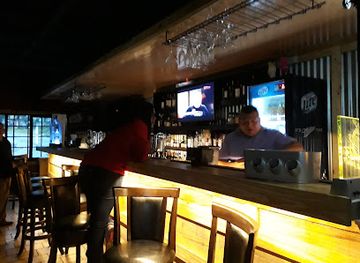
Boquete’s evenings are generally quiet and sociable rather than centred on large nightclubs. Bajo Boquete has a modest selection of bars, cafés and restaurants where visitors gather for local beer, cocktails, wine or coffee, with activity concentrated around the central streets and accommodation areas. Some venues offer live music or informal entertainment, while hotel and guesthouse terraces provide a relaxed way to spend the cooler evening hours. The international character of the town is reflected in its range of conversational bars and small dining venues, but the atmosphere remains more suited to an early dinner or low-key drink than to all-night dancing. Outside the centre, darkness comes quickly and rural roads may be poorly lit, so arranging a taxi or returning before late hours is sensible. Evening cultural activity is more likely to involve music, food or community events than a formal club circuit.
-
Italian
RetroGusto Restaurant & Bar
Discover the flavors of Italy and the Mediterranean at RetroGusto Restaurant & Bar in the heart of Bajo Boquete, Chiriquí Province.
9 min drive · 3.1 km from city centre
-
Restaurant
Big Daddy's Grill
Discover the vibrant flavors of Big Daddy's Grill in Boquete, where local and international cuisines meet in a stunning atmosphere.
8 min drive · 2.7 km from city centre
-
Brewery
Boquete Brewing Company
Experience the best of local craft beer at Boquete Brewing Company, where traditions meet flavorful innovation in a stunning Panamanian setting.
10 min drive · 3.2 km from city centre
-
Restaurant
Bamboo Restaurant & Bar
Discover the vibrant flavors of Panama at Bamboo Restaurant & Bar in scenic Boquete, where local ingredients meet international cuisine.
8 min drive · 2.7 km from city centre


Best nightclubs in Boquete
Boquete’s evenings are generally quiet and sociable rather than centred on large nightclubs. Bajo Boquete has a modest selection of bars, cafés and restaurants where visitors gather for local beer, cocktails, wine or coffee, with activity concentrated around the central streets and accommodation areas. Some venues offer live music or informal entertainment, while hotel and guesthouse terraces provide a relaxed way to spend the cooler evening hours. The international character of the town is reflected in its range of conversational bars and small dining venues, but the atmosphere remains more suited to an early dinner or low-key drink than to all-night dancing. Outside the centre, darkness comes quickly and rural roads may be poorly lit, so arranging a taxi or returning before late hours is sensible. Evening cultural activity is more likely to involve music, food or community events than a formal club circuit.
-
Brewery
Boquete Brewing Company
Discover the vibrant flavors of Panama at Boquete Brewing Company, where local craftsmanship meets breathtaking mountain views.
10 min drive · 3.2 km from city centre
-
Grill
TapOut
Discover TapOut in Bajo Boquete: A lively grill restaurant serving delicious local flavors in a vibrant atmosphere, perfect for all travelers.
8 min drive · 2.6 km from city centre
-
Bar
Taboo
Experience the vibrant nightlife at Taboo, Boquete's premier bar for reggaeton music and unforgettable evenings.
9 min drive · 3.1 km from city centre
-
Bar
Mike's Global Grill
Experience the vibrant flavors and lively atmosphere at Mike's Global Grill in Boquete, where global cuisine meets local charm.
8 min drive · 2.5 km from city centre



Best shops in Boquete
Shopping in Boquete is concentrated in Bajo Boquete, where small shops, cafés, galleries, food businesses and market stalls serve both residents and visitors. Coffee is the most characteristic purchase, with beans from the surrounding highlands available through plantations, specialist cafés and local retailers; tasting before buying helps distinguish roast styles and origins. Chiriquí produce, preserves, chocolate, baked goods and other farm products may also appear in local markets and independent shops. Handicrafts associated with Panama, including woven goods and Indigenous designs, should be purchased respectfully and with attention to provenance, particularly where Ngäbe-Buglé communities are represented. The town is not a major fashion or luxury-shopping centre, and retail choice becomes more limited outside the central area. A small amount of cash is useful for market stalls and informal vendors, which may not offer card payment.
-
Grocery store
Mini Super Alto Dorado
Discover local flavors and essentials at Mini Super Alto Dorado, the go-to grocery store in Alto Boquete, Chiriquí Province.
5 min drive · 1.8 km from city centre
-
General store
Novedades La Reyna
Discover the local charm of Novedades La Reyna, a vibrant general store in Bajo Boquete, where unique treasures and Panamanian culture await.
9 min drive · 2.9 km from city centre
-
Supermarket
Orgánica Store Boquete Chiriqui
Explore healthy living at Orgánica Store in Boquete, a paradise for organic food lovers with fresh produce, vitamins, and natural goods.
8 min drive · 2.6 km from city centre
-
Shopping mall
Plaza San Francisco
Explore Plaza San Francisco in Alto Boquete, a vibrant shopping mall offering delightful eateries, local shops, and a unique cultural experience in Panama.
8 min drive · 2.7 km from city centre


Get your free copy of our complete guide to Boquete, delivered straight to you.
Everything on this page, from attractions and restaurants to essentials and local phrases, in one PDF you can read offline, print or share.
Already have an account? Sign in
Your Boquete guide is ready.
We'll send it to · Not you? Sign out

Getting your guide ready…
We are putting together a fresh copy of the Boquete guide. This can take up to a minute.
This can take a few moments. If your browser asks, choose Allow so the download can start. You'll find the guide in your Downloads folder.
Nothing happened? Download it again
Sorry, the guide is taking longer than usual. Please try again in a minute, or get it by email instead.
Boquete essentials
Currency and Payment
Safety
Emergency Situations
Do's and Don'ts
Local Tips
From Eve
Local phrases worth knowing
You don't need to get them perfect. A few words go a long way, and locals appreciate the effort.
Basics
| English | Local | Say it |
|---|---|---|
| Hello | Hola | [oh-lah] |
| Goodbye | Adiós | [ah-dyohs] |
| Yes | Sí | [see] |
| No | No | [noh] |
| Please/You're welcome | Por favor/De nada | [pohr fah-vohr/deh nah-dah] |
| Thank you | Gracias | [grah-syahs] |
| Excuse me/Sorry | Disculpe/Lo siento | [dees-kool-peh/loh syen-toh] |
| How are you? | ¿Cómo estás? | [koh-moh ehs-tahs] |
| Fine. And you? | Bien. ¿Y tú? | [byen. ee too] |
| Do you speak English? | ¿Hablas inglés? | [ah-blahs een-glehs] |
| I don't understand | No entiendo | [noh ehn-tyen-doh] |
Eating & Drinking
| English | Local | Say it |
|---|---|---|
| I'd like to see the menu, please | Me gustaría ver el menú, por favor | [meh goos-tah-ree-ah behr ehl meh-noo, pohr fah-vohr] |
| I don't eat meat | No como carne | [noh koh-moh kahr-neh] |
| Cheers! | ¡Salud! | [sah-lood] |
| I would like to pay, please | Me gustaría pagar, por favor | [meh goos-tah-ree-ah pah-gahr, pohr fah-vohr] |
Emergencies
| English | Local | Say it |
|---|---|---|
| Help! | ¡Ayuda! | [ah-yoo-dah] |
| Go away! | ¡Vete! | [veh-teh] |
| Call the Police! | ¡Llama a la policía! | [yah-mah ah lah poh-lee-see-ah] |
| Call a doctor! | ¡Llama a un doctor! | [yah-mah ah oon dohk-tohr] |
| I'm lost | Estoy perdido | [ehs-toy pehr-dee-doh] |
| I'm ill | Estoy enfermo | [ehs-toy ehn-fehr-moh] |
Shopping
| English | Local | Say it |
|---|---|---|
| I'd like to buy... | Me gustaría comprar... | [meh goos-tah-ree-ah kohm-prahr] |
| I'm just looking | Solo estoy mirando | [soh-loh ehs-toy meer-ahn-doh] |
| How much is it? | ¿Cuánto cuesta? | [kwan-toh kwehs-tah] |
| That's too expensive | Esto es demasiado caro | [ehs-toh ehs deh-mah-syah-doh kah-roh] |
| Can you lower the price? | ¿Puede bajar el precio? | [pweh-deh bah-hahr ehl pree-syoh] |
Time & Numbers
| English | Local | Say it |
|---|---|---|
| What time is it? | ¿Qué hora es? | [keh oh-rah ehs] |
| It's one o'clock | Es la una | [ehs lah oo-nah] |
| Half past (10) | Las diez y media | [lahs dyehs ee meh-dee-ah] |
| Morning | Mañana | [mah-nyah-nah] |
| Afternoon | Tarde | [tahr-deh] |
| Evening | Noche | [noh-cheh] |
| Yesterday | Ayer | [ah-yehr] |
| Today | Hoy | [oy] |
| Tomorrow | Mañana | [mah-nyah-nah] |
| 1 | Uno | [oo-noh] |
| 2 | Dos | [dohs] |
| 3 | Tres | [trehs] |
| 4 | Cuatro | [kwah-troh] |
| 5 | Cinco | [seen-koh] |
| 6 | Seis | [says] |
| 7 | Siete | [syeh-teh] |
| 8 | Ocho | [oh-choh] |
| 9 | Nueve | [nweh-veh] |
| 10 | Diez | [dyehs] |
Transport & Directions
| English | Local | Say it |
|---|---|---|
| Where's a/the...? | ¿Dónde está...? | [dohn-deh ehs-tah] |
| What's the address? | ¿Cuál es la dirección? | [kwal ehs lah dee-rek-syohn] |
| Can you show me (on the map)? | ¿Puede mostrarme (en el mapa)? | [pweh-deh mohs-trar-meh (ehn ehl mah-pah)] |
| When's the next (bus)? | ¿Cuándo es el próximo (autobús)? | [kwan-doh ehs ehl proh-ksee-moh (ow-toh-boos)] |
| A ticket (to ....) | Un boleto (para ....) | [oon boh-leh-toh (pah-rah)] |
History of Boquete
Indigenous Chiriquí Landscapes
Long before modern Boquete developed, the highlands of western Panama formed part of the wider cultural landscape of Indigenous peoples, including communities now associated with the Ngäbe-Buglé population. The mountains, rivers and fertile volcanic soils supported movement, cultivation and exchange across Chiriquí. Archaeological evidence from the province, including the celebrated traditions of the broader Chiriquí region, demonstrates that western Panama had complex societies before European colonisation. The specific modern settlement of Boquete emerged much later, but its agricultural foundations were shaped by the valley’s elevation, water and productive land. Today, Ngäbe-Buglé workers and communities remain an important part of the social and farming life of the highlands, particularly during seasonal agricultural work.
Spanish Rule in Western Panama
Spanish expansion into western Panama during the sixteenth century brought new political, religious and economic structures to Chiriquí, although the remote mountain valleys were less intensively urbanised than the Pacific lowlands. Colonial administration centred on settlements and routes outside the present-day Boquete town, while the highlands remained comparatively dispersed and agricultural. Over time, cattle raising, subsistence farming and movement between the coast and interior connected the mountain valleys to the developing regional economy. The landscape visible around Boquete therefore reflects a long transition from Indigenous land use to a mixed rural economy rather than the survival of a large colonial town centre.
The Formation of Modern Boquete
Modern Boquete took shape in the early twentieth century as settlers established farms and permanent communities in the Caldera Valley. The district of Boquete was created in 1911, a period when Panama was consolidating local administration after independence from Colombia and the construction of the Panama Canal was accelerating national change. Immigrants from Europe and North America joined Panamanian and Indigenous residents in developing small farms, roads and commercial connections, encouraged by the highland climate and fertile soils. Bajo Boquete became the principal settlement, while neighbouring communities such as Alto Boquete, Caldera and Palmira developed distinct rural identities within the district.
Coffee and Agricultural Development
Coffee became one of Boquete’s defining agricultural products during the twentieth century, benefiting from volcanic soils, elevated plantations, abundant rainfall and cool conditions. Small farms and larger estates cultivated arabica varieties, gradually building the reputation of Chiriquí’s highland coffee in domestic and international markets. The industry also created seasonal employment for Ngäbe-Buglé workers, whose labour remains central to harvesting. Alongside coffee, the region produced vegetables, flowers and other crops suited to its climate. Agricultural roads and improved links with David helped move produce from the mountain valleys to wider markets, while the coffee landscape became an increasingly important part of Boquete’s cultural identity.
Tourism in the Highland Valley
From the late twentieth century onwards, Boquete developed beyond its agricultural base as visitors discovered its cooler climate, birdlife, rivers, trails and coffee farms. Retirement migration and international settlement also altered the town’s commercial landscape, adding new cafés, restaurants, accommodation and services while leaving the surrounding farming communities active. Nature tourism grew around the forests of Volcán Barú National Park and the search for the resplendent quetzal, while coffee tours offered a more accessible introduction to local agriculture. Boquete remains a small highland district rather than a major city, and its contemporary character reflects the sometimes-complex meeting of Panamanian traditions, Indigenous labour, rural production and international tourism.
Boquete in Photos
Browse through our photo collection highlighting the charm and character of the destination.
Cities near Boquete
The closest cities to Boquete, if you have time for more than one stop.
-
-
-

-

-


Swipe for more cities
Explore more

Explore more of Panama
Discover Panama: A vibrant blend of modernity and nature, where historic charm, tropical rainforests, and pristine beaches come together in the heart of Central America.
Explore Panama