

Free Dubrovnik Travel Guide & Mobile App
Plan your Dubrovnik trip with Evendo. Get free guides to top attractions, restaurants, hotels, and bars. Web access or download the mobile app.


Dubrovnik blends a UNESCO-listed medieval Old Town, Adriatic views, island-hopping, seafood cuisine and centuries of Croatian maritime history.
Stone Walls and Adriatic Light
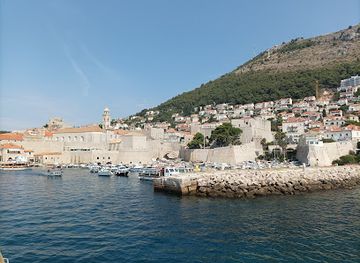
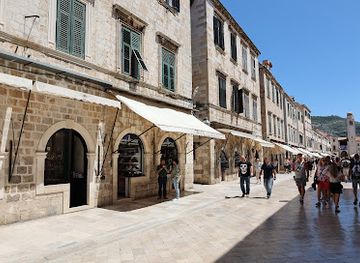
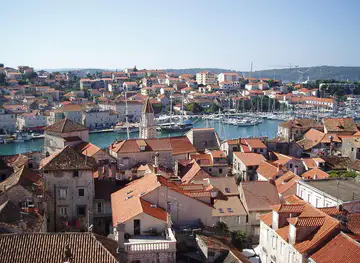
Dubrovnik occupies a dramatic stretch of Croatia’s southern Adriatic coast, where pale limestone walls enclose a compact historic city and steep hills rise behind the harbour. Within the Old Town, polished Stradun leads between Gothic, Renaissance and Baroque buildings, while narrow lanes climb towards churches, courtyards and small squares. The city’s famous fortifications trace the shoreline and offer changing views across terracotta roofs, the blue sea and the forested island of Lokrum.Read more about Dubrovnik
A Republic Written in Architecture
Life Beyond the Walls
When is the best time to visit Dubrovnik?
Best: June–July, September · 27–30°C| Month | High (°C) | Rainfall (mm) |
|---|---|---|
| January | 12 | 88 |
| February | 13 | 81 |
| March | 14 | 82 |
| April | 19 | 78 |
| May | 23 | 71 |
| June (best) | 28 | 55 |
| July (best) | 30 | 37 |
| August | 30 | 44 |
| September (best) | 27 | 73 |
| October | 23 | 108 |
| November | 18 | 148 |
| December | 15 | 127 |
Getting to and around Dubrovnik
How to get there
Transportation
Best attractions in Dubrovnik
Dubrovnik’s principal sightseeing begins inside the medieval Old Town, where Stradun runs from the Pile Gate to the old harbour between churches, palaces and limestone lanes. Walking the city walls reveals the harbour, terracotta roofs and Adriatic horizon from a defensive structure built and enlarged over centuries. The Rector’s Palace combines political history with elegant courtyards and museum displays, while the Franciscan Monastery preserves a historic pharmacy and cloister. The Maritime Museum in St John’s Fortress explores the seafaring tradition that sustained the Republic of Ragusa. Outside the walls, Lokrum offers wooded paths, botanical planting and swimming coves, reached by seasonal boat connections, and Mount Srđ provides a high viewpoint over the city and coast. In Gruž, the harbour and market offer a less monumental glimpse of Dubrovnik’s contemporary rhythm, while the Dubrovnik Summer Festival brings music, theatre and dance into historic courtyards and squares.
-
Tourist attraction
Fort Lovrijenac
Explore the historic Fort Lovrijenac in Dubrovnik, a stunning fortress offering breathtaking views and a glimpse into the city's rich history.
5 min walk · 0.4 km from city centre
-
Mountain cable car
Dubrovnik Cable Car
Explore breathtaking views of Dubrovnik and the Adriatic Sea from the heights of Mount Srđ on the Dubrovnik Cable Car.
4 min walk · 0.3 km from city centre
-
Porat Dubrovnik
Experience the breathtaking views and vibrant culture of Porat Dubrovnik, a must-visit tourist attraction in the heart of Croatia's stunning coastline.
-
Sightseeing tour agency
Dubrovnik Walking Tours
Experience the historical beauty of Big Onofrio's Fountain, a central landmark of Dubrovnik's Old Town, rich in culture and architectural splendor.
2 min walk · 0.2 km from city centre


Best landmarks in Dubrovnik
Dubrovnik’s defensive walls are its defining landmark, encircling the Old Town with towers, gates and sea-facing fortifications that reveal how the former republic protected its harbour and civic centre. The Pile Gate forms the ceremonial western entrance, while the massive Lovrijenac Fortress stands on a rocky promontory outside the walls and is closely associated with the city’s military history and theatrical tradition. Inside, the Rector’s Palace expresses the authority of Ragusa’s elected rector through a restrained Gothic-Renaissance exterior and formal courtyard. The Church of St Blaise, dedicated to Dubrovnik’s patron saint, occupies a prominent position on Lučarica Square, and the Cathedral marks the religious centre of the old city. Sponza Palace, with its arcaded Renaissance façade, served commercial and administrative purposes. Together these buildings show how religious life, government, trade and defence shaped Dubrovnik’s urban form.
-
Tourism
Dubrovnik City Walls
Explore Dubrovnik's iconic City Walls: a UNESCO World Heritage Site offering stunning views and a journey through centuries of history.
5 min drive · 1.6 km from city centre
-
Tourist attraction
Fort Lovrijenac
Explore Dubrovnik's historic Fort Lovrijenac, a majestic fortress offering stunning views and a glimpse into the city's rich past and Game of Thrones fame.
5 min walk · 0.4 km from city centre
-
Mountain cable car
Dubrovnik Cable Car
Experience Dubrovnik from above: ride the iconic cable car for breathtaking panoramic views of the Old Town and Adriatic coastline.
4 min walk · 0.3 km from city centre
-
Tourist attraction
Porat Dubrovnik
Discover Dubrovnik's maritime heart at the Old Port, a scenic gateway to Lokrum Island with centuries of history and stunning views.
3 min walk · 0.2 km from city centre


Explore Dubrovnik on the map
Plan your Dubrovnik trip on one map. See where the top attractions, landmarks, restaurants, bars and hotels are, find what's near where you're staying, and book hotels and experiences in a few clicks.
Neighbourhoods in Dubrovnik
-
-

-


Swipe for more neighbourhoods
Best hotels in Dubrovnik
Best restaurants in Dubrovnik
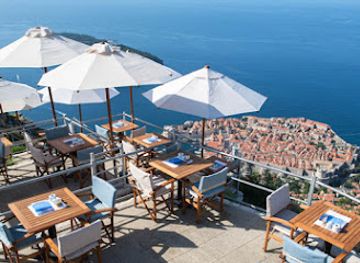
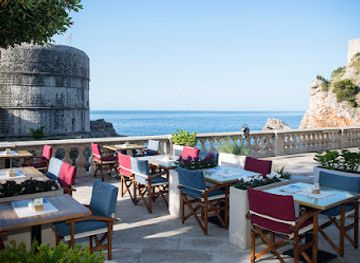
Dubrovnik’s cuisine reflects the seafood, olive oil, herbs and wine of the southern Dalmatian coast, with menus commonly featuring grilled fish, prawns, mussels, octopus and black risotto coloured with cuttlefish ink. Local specialities include rožata, a Dubrovnik-style caramel custard, and zelena menestra, a substantial dish associated with the wider Dubrovnik region. Restaurants in the Old Town occupy atmospheric stone interiors and lanes, while Gruž offers a more working-harbour setting and access to the city’s fish market. Konobas, the traditional Dalmatian taverns, are associated with straightforward cooking, seasonal produce and local wines such as Plavac Mali and Pošip. Cafés serve strong coffee and pastries through the day, and contemporary kitchens increasingly combine regional ingredients with modern presentation. Menus and opening patterns can be seasonal, particularly outside the main visitor months.
-
Restaurant
Restaurant Panorama
Experience exquisite Mediterranean cuisine with breathtaking views at Restaurant Panorama in Dubrovnik.
11 min walk · 0.9 km from city centre
-
Restaurant
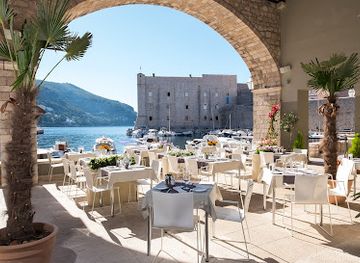
Dubravka 1836 Restaurant & Cafe
Experience authentic Mediterranean dining at Dubravka 1836 Restaurant & Cafe in Dubrovnik – where stunning views meet exquisite flavors.
3 min walk · 0.2 km from city centre
-
Croatian
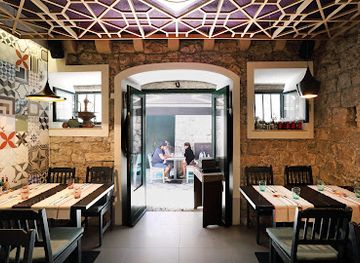
Gradska kavana Arsenal Restaurant
Experience the best of Croatian and Mediterranean cuisine at Gradska kavana Arsenal in the heart of Dubrovnik.
2 min walk · 0.2 km from city centre
-
Eastern European
Taj Mahal Old Town
Discover authentic Eastern European flavors at Taj Mahal Old Town in Dubrovnik – a delightful spot for brunch or dinner.
1 min walk · 0.1 km from city centre
Best bars in Dubrovnik
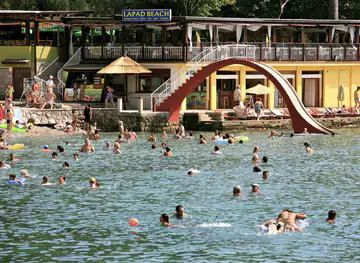
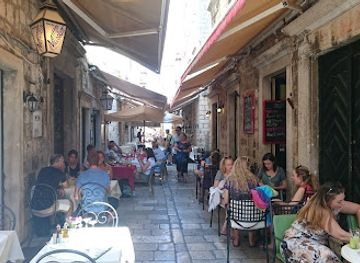
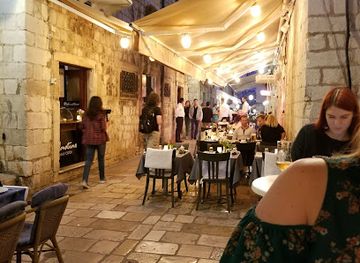
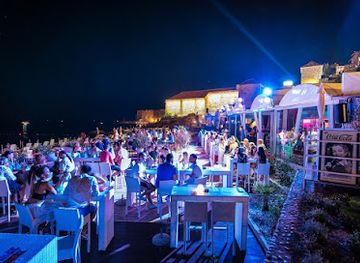
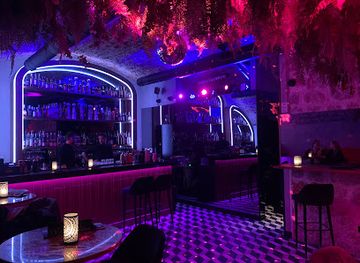
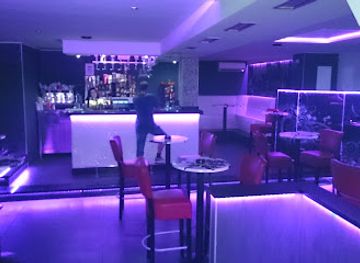
Dubrovnik’s evenings are shaped more by wine bars, cafés, open-air performances and late walks than by a large club scene. Within the Old Town, small bars occupy stone lanes and courtyards, while the streets around Stradun and the old harbour provide an atmospheric setting for a drink after sightseeing. Buža, a group of cliffside drinking spots reached through openings in the walls, is associated with sea views and informal summer evenings, though the rocky setting requires care. Lapad has a concentration of bars and relaxed nightlife near the promenade, and Gruž offers a quieter local atmosphere. The Dubrovnik Summer Festival adds concerts, theatre and dance to historic venues, while live music and seasonal events create much of the city’s evening character. Nightlife becomes noticeably quieter outside summer.
-
Bar
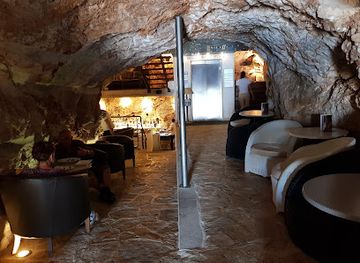
Cave Bar More
Experience the unique charm of Cave Bar More in Dubrovnik, a breathtaking bar set within a natural cave overlooking the stunning Adriatic Sea.
12 min drive · 4.0 km from city centre
-
Irish pub
The Gaffe
Experience the vibrant charm of an Irish pub nestled in the heart of Dubrovnik, where good food and great drinks await every traveler.
1 min walk · 0.1 km from city centre
-
Bar
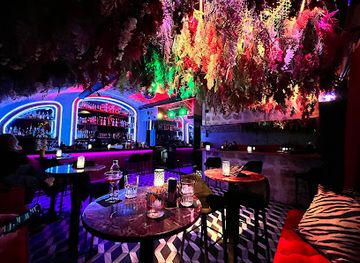
MILK fun area & cocktails
Discover the ultimate nightlife experience at MILK Fun Area & Cocktails in Dubrovnik, where vibrant atmosphere meets expertly crafted cocktails.
1 min walk · 0.1 km from city centre
-
Bar
Buzz bar
Discover the lively Buzz Bar in Dubrovnik, where local charm meets vibrant nightlife, perfect for an unforgettable evening.
1 min walk · 0.1 km from city centre
Best nightclubs in Dubrovnik
Dubrovnik’s evenings are shaped more by wine bars, cafés, open-air performances and late walks than by a large club scene. Within the Old Town, small bars occupy stone lanes and courtyards, while the streets around Stradun and the old harbour provide an atmospheric setting for a drink after sightseeing. Buža, a group of cliffside drinking spots reached through openings in the walls, is associated with sea views and informal summer evenings, though the rocky setting requires care. Lapad has a concentration of bars and relaxed nightlife near the promenade, and Gruž offers a quieter local atmosphere. The Dubrovnik Summer Festival adds concerts, theatre and dance to historic venues, while live music and seasonal events create much of the city’s evening character. Nightlife becomes noticeably quieter outside summer.
-
Night club
Banje Beach Restaurant and Night Club
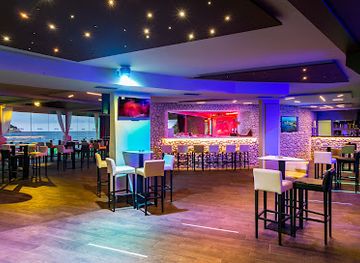
Discover the enchanting Banje Beach Restaurant and Night Club in Dubrovnik, where Mediterranean flavors meet vibrant nightlife by the sea.
7 min walk · 0.6 km from city centre
-
Disco club
Culture Club Revelin
Discover the electrifying nightlife of Dubrovnik at Culture Club Revelin, where history meets contemporary beats in a stunning fortress setting.
3 min walk · 0.3 km from city centre
-
Gay night club
MILK fun area & cocktails
Discover the vibrant nightlife at MILK Fun Area & Cocktails in Dubrovnik, a premier gay night club offering an inclusive and lively atmosphere for all.
1 min walk · 0.1 km from city centre
-
Night club
Caffe & Night Bar AMOR
Discover the vibrant atmosphere of Caffe & Night Bar AMOR in Dubrovnik, where coffee meets nightlife and music brings people together.
8 min drive · 2.6 km from city centre
Best shops in Dubrovnik
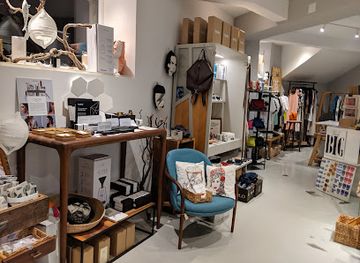
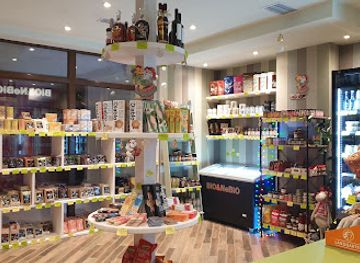
Shopping in Dubrovnik centres on the Old Town’s independent shops, galleries and craft outlets, with narrow streets leading to jewellers, art studios, bookshops and stores selling regional food products. The main market on Gundulić Square is associated with seasonal fruit, vegetables, preserves and other Dalmatian produce, while the morning market in Gruž gives a more local view of food trading near the harbour. Visitors will find handmade ceramics, embroidered goods, lavender products, olive oil, local wines and traditional sweets, although provenance and quality vary between sellers. Stradun has a mixture of established retail names and visitor-oriented shops, whereas side streets tend to offer smaller galleries and artisan work. Croatian-made lace, jewellery and maritime-themed objects can provide more meaningful souvenirs than generic merchandise. Shops and markets may follow shorter schedules outside the high season.
-
Department store
Dubrovnik Shopping Minčeta
Discover a delightful shopping experience at Dubrovnik Shopping Minčeta, where local charm meets international brands in the heart of Croatia.
6 min drive · 2.2 km from city centre
-
Coffee shop
Life According to KAWA
Discover the perfect blend of coffee, creativity, and local charm at Life According to KAWA in Dubrovnik.
4 min walk · 0.4 km from city centre
-
Shopping mall
DOC DUBROVNIK Shopping Center
Explore diverse shopping and dining at DOC DUBROVNIK Shopping Center, the ultimate destination for tourists seeking local and international treasures.
9 min drive · 3.1 km from city centre
-
Souvenir store
Dubrovnik City shop - IRON THRONE
Discover a world of unique souvenirs and local treasures at Iron Throne Souvenir Shop in Dubrovnik, where memories are crafted and stories unfold.
1 min walk · 0.1 km from city centre
Get your free copy of our complete guide to Dubrovnik, delivered straight to you.
Everything on this page, from attractions and restaurants to essentials and local phrases, in one PDF you can read offline, print or share.
Already have an account? Sign in
Your Dubrovnik guide is ready.
We'll send it to · Not you? Sign out

Getting your guide ready…
We are putting together a fresh copy of the Dubrovnik guide. This can take up to a minute.
This can take a few moments. If your browser asks, choose Allow so the download can start. You'll find the guide in your Downloads folder.
Nothing happened? Download it again
Sorry, the guide is taking longer than usual. Please try again in a minute, or get it by email instead.
Dubrovnik essentials
Currency and Payment
Safety
Emergency Situations
Do's and Don'ts
Local Tips
From Eve
Local phrases worth knowing
You don't need to get them perfect. A few words go a long way, and locals appreciate the effort.
Basics
| English | Local | Say it |
|---|---|---|
| Hello | Bok | [bohk] |
| Goodbye | Doviđenja | [doh-vee-jen-ya] |
| Yes | Da | [dah] |
| No | Ne | [neh] |
| Please/You're welcome | Molim/ Nema na čemu | [moh-leem/ ne-mah nah cheh-moo] |
| Thank you | Hvala | [hvah-lah] |
| Excuse me/Sorry | Oprosti/Izvini | [oh-proh-stee/eez-vee-nee] |
| How are you? | Kako si? | [kah-koh see] |
| Fine. And you? | Dobro. A ti? | [doh-broh. ah tee] |
| Do you speak English? | Govoriš li engleski? | [goh-voh-reesh lee ehn-gleh-skee] |
| I don't understand | Ne razumijem | [neh rah-zoo-mee-yem] |
Eating & Drinking
| English | Local | Say it |
|---|---|---|
| I'd like to see the menu, please | Mogu li vidjeti jelovnik, molim | [moh-goo lee vee-dyeh-tee yeh-lohv-neek, moh-leem] |
| I don't eat meat | Ne jedem meso | [neh yeh-dehm meh-soh] |
| Cheers! | Živjeli! | [zhee-vee-yeh-lee] |
| I would like to pay, please | Želim platiti, molim | [zheh-leem plah-tee-tee, moh-leem] |
Emergencies
| English | Local | Say it |
|---|---|---|
| Help! | Upomoć! | [oo-poh-mohtch] |
| Go away! | Idi odavde! | [ee-dee oh-dahv-deh] |
| Call the Police! | Pozovite policiju! | [poh-zoh-vee-teh poh-lee-tsee-yoo] |
| Call a doctor! | Pozovite doktora! | [poh-zoh-vee-teh dohk-toh-rah] |
| I'm lost | Izgubio/la sam se | [eez-goo-byoh/lah sahm sehh] |
| I'm ill | Bolesno mi je | [boh-lehs-noh mee yeh] |
Shopping
| English | Local | Say it |
|---|---|---|
| I'd like to buy... | Želim kupiti... | [zheh-leem koo-pee-tee] |
| I'm just looking | Samo gledam | [sah-moh gleh-dahm] |
| How much is it? | Koliko košta? | [koh-lee-koh koh-shta] |
| That's too expensive | To je pre skupo | [toh yeh preh skoo-poh] |
| Can you lower the price? | Možete li spustiti cijenu? | [moh-zheh-teh lee spoos-tee-tee tsee-yeh-noo] |
Time & Numbers
| English | Local | Say it |
|---|---|---|
| What time is it? | Koliko je sati? | [koh-lee-koh yeh sah-tee] |
| It's one o'clock | Jedan je sat | [yeh-dahn yeh saht] |
| Half past (10) | Pola (deset) | [poh-lah (deh-set)] |
| Morning | Jutro | [yoo-troh] |
| Afternoon | Popodne | [poh-pohd-neh] |
| Evening | Večer | [veh-chehr] |
| Yesterday | Jučer | [yoo-chehr] |
| Today | Danas | [dah-nahs] |
| Tomorrow | Sutra | [soo-trah] |
| 1 | Jedan | [yeh-dahn] |
| 2 | Dva | [dvah] |
| 3 | Tri | [tree] |
| 4 | Četiri | [cheh-tee-ree] |
| 5 | Pet | [peht] |
| 6 | Šest | [shehst] |
| 7 | Sedam | [seh-dahm] |
| 8 | Osam | [oh-sahm] |
| 9 | Devet | [deh-veht] |
| 10 | Deset | [deh-set] |
Transport & Directions
| English | Local | Say it |
|---|---|---|
| Where's a/the...? | Gdje je... | [gdyeh yeh] |
| What's the address? | Koja je adresa? | [koh-ya yeh ah-deh-sra] |
| Can you show me (on the map)? | Možete li mi pokazati (na karti)? | [moh-zheh-teh lee mee poh-kah-zah-tee (nah kahr-tee)] |
| When's the next (bus)? | Kada je sljedeći (autobus)? | [kah-dah yeh slyeh-deh-chee (ow-toh-boos)] |
| A ticket (to ....) | Jednu kartu (do ....) | [yehd-noo kahr-too (doh ....)] |
History of Dubrovnik
Ragusa and Early Settlement
Dubrovnik developed from two settlements: a Byzantine-influenced settlement on the rocky island of Laus, known as Ragusa, and a Slavic settlement on the mainland called Dubrava. Over time, the channel between them was filled and the communities grew together, producing the urban core that became Dubrovnik. The town’s position on the eastern Adriatic gave it access to maritime routes linking the Balkans, the Italian peninsula and the eastern Mediterranean. Byzantine authority was followed by periods of Venetian influence and other regional overlordship, but local institutions gradually gained strength. Fortifications, churches and trading facilities established during the medieval period laid the foundations for the city’s later political independence and its distinctive architectural character.
The Republic of Ragusa Emerges
By the late Middle Ages, Dubrovnik had become the centre of the Republic of Ragusa, a maritime republic governed by elected officials and a powerful patrician class. Its economy rested on shipping, brokerage, salt production, trade and diplomatic negotiation rather than territorial conquest alone. The republic maintained a network of commercial relationships across the Adriatic and the Balkans, while its government developed legal and administrative institutions that shaped civic life. Dubrovnik’s walls, harbour, churches and palaces were expanded as the city prospered. The republic also used diplomacy to preserve its autonomy between Venice, the Ottoman Empire and other regional powers, creating a political tradition still central to the city’s historical identity.
Maritime Trade and Civic Culture
During the sixteenth and seventeenth centuries, Ragusa was an important trading and seafaring centre. Its merchants operated across the Mediterranean and inland Balkan routes, and its ships carried goods, people and information between different political worlds. Wealth funded public buildings, religious foundations and educational life, while the city’s governing elite cultivated Latin and Slavic literary traditions. Dubrovnik’s diplomacy included early restrictions on some forms of human bondage, and the republic developed a reputation for negotiating rather than relying solely on military power. The period’s legacy survives in the Rector’s Palace, customs buildings, monasteries and urban streets, although the social order remained unequal and political authority was concentrated among noble families.
The Earthquake of 1667
On 6 April 1667, a devastating earthquake struck Dubrovnik, followed by fires and destruction across the city. Thousands of people died, many buildings collapsed and the republic’s economic strength was severely weakened. Reconstruction transformed the appearance of the historic centre: new Baroque elements were introduced, streets were regularised in places and damaged medieval structures were rebuilt or replaced. The Cathedral, the Sponza area and many palaces reflect this post-earthquake phase, even where earlier foundations survived. Dubrovnik recovered sufficiently to continue trading and governing, but the disaster marked a major break between the medieval city and the more restrained architectural environment visible in much of the Old Town today.
Napoleonic Rule and the End of Ragusa
The Republic of Ragusa came to an end during the Napoleonic Wars. French forces entered Dubrovnik in 1806, and Napoleon’s administration abolished the republic in 1808. French rule was followed by Austrian authority after the Congress of Vienna in 1815, bringing the city into the Habsburg imperial system. Dubrovnik’s political role diminished, while changes in regional trade and transport reduced the relative importance of its older maritime economy. The walls, palaces and churches remained, however, preserving the physical evidence of the former republic. During the nineteenth century, the city became increasingly connected to wider Dalmatia and to the developing political and cultural movements of the Adriatic coast.
Twentieth-Century Transformations
Dubrovnik passed through the Kingdom of Yugoslavia, the Second World War and socialist Yugoslavia before becoming part of independent Croatia in 1991. Tourism expanded during the twentieth century, encouraged by the city’s heritage, coastal setting and maritime connections. In 1991 and 1992, during the Croatian War of Independence, Dubrovnik and its surroundings were shelled, damaging buildings in the Old Town and nearby areas. International and Croatian conservation efforts repaired much of the historic fabric, while damaged roofs and structures were carefully restored. The city’s heritage status and cultural institutions supported this work, but the conflict remains an important part of modern local memory.
Heritage City in Contemporary Croatia
Since Croatia’s independence, Dubrovnik has become one of the country’s most prominent cultural and tourism centres. The Old Town’s designation as a UNESCO World Heritage Site in 1979, later extended to include additional fortifications, reflects its exceptional concentration of historic urban fabric and defensive architecture. Contemporary Dubrovnik balances conservation with the pressures of seasonal visitors, cruise tourism, traffic and residential change. Festivals, museums and restoration projects keep the city’s cultural life active, while neighbourhoods such as Gruž and Lapad show its modern coastal character. The result is a city where the institutions of the former republic, twentieth-century memory and present-day tourism remain closely interwoven.
Travel experiences inspired by this city
-
 8 Day Trip
Adventurous Escape to Mljet Island with Friends
Explore the natural beauty and tranquility of Mljet Island with friends on an adventurous 8-day getaway.
8 Day Trip
Adventurous Escape to Mljet Island with Friends
Explore the natural beauty and tranquility of Mljet Island with friends on an adventurous 8-day getaway.
 10 May 2026
By Marcin Lewandowski -
 8 Day Trip
Solo Escape to the Tranquil Mljet Island
Embark on a serene solo journey to Mljet Island, Croatia, where lush forests and crystal-clear waters await. Discover hidden gems and cultural insights.
8 Day Trip
Solo Escape to the Tranquil Mljet Island
Embark on a serene solo journey to Mljet Island, Croatia, where lush forests and crystal-clear waters await. Discover hidden gems and cultural insights.
 8 Apr 2026
By Maria Oliveira
Swipe for more travel diaries
Dubrovnik in Photos
Browse through our photo collection highlighting the charm and character of the destination.
Cities near Dubrovnik
The closest cities to Dubrovnik, if you have time for more than one stop.
-

-

-

-
-


Swipe for more cities
Explore more

Explore more of Croatia
Discover Croatia: A Mediterranean paradise with stunning coastlines, ancient cities, and rich cultural heritage. Perfect for beach lovers, history buffs, and nature enthusiasts.
Explore Croatia