

Gorski Kotar, Croatia Travel Guide
Discover Gorski Kotar: Croatia's Green Heart, where pristine nature meets rich cultural heritage, offering a sanctuary for both adventure and relaxation.
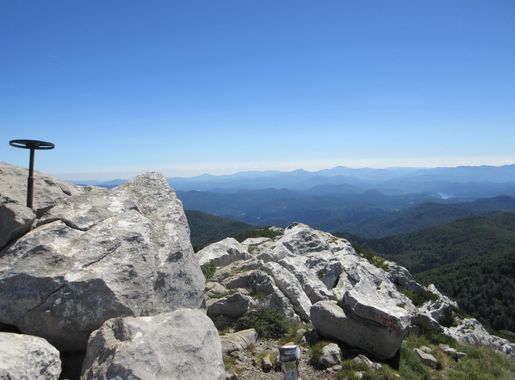
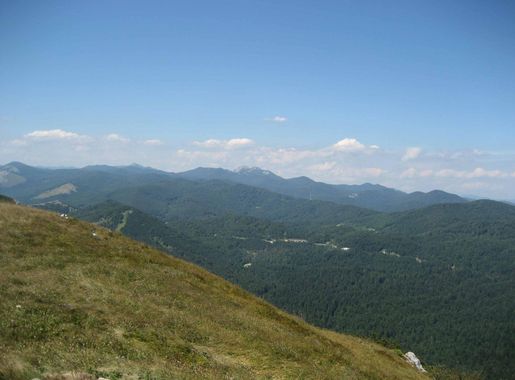
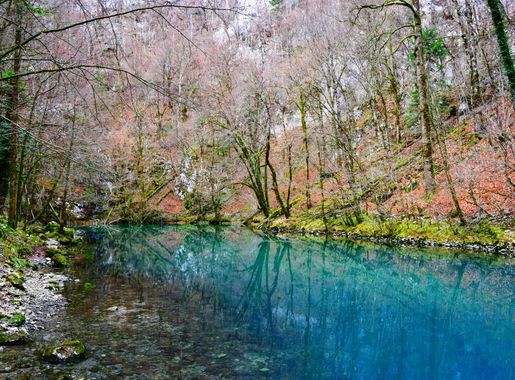
Nestled in the heart of Croatia, Gorski Kotar is a hidden gem that offers a unique blend of natural beauty and cultural heritage. Known as the 'Green Heart of Croatia,' this region is covered in dense forests, rolling hills, and crystal-clear rivers that provide a perfect escape for nature lovers and adventure seekers alike. The area is home to Risnjak National Park, a haven for hikers and wildlife enthusiasts. Here, you can explore pristine trails and perhaps spot rare animals like lynxes and bears. The region's lush landscapes are perfect for outdoor activities such as biking, fishing, and even skiing in the winter months. Gorski Kotar is also rich in cultural experiences. Visit charming villages where traditional wooden houses and local crafts transport you back in time. Don't miss the chance to taste local delicacies like wild game dishes and forest fruits, which reflect the area's deep connection with nature. Whether you're looking for a peaceful retreat or an adventurous getaway, Gorski Kotar offers something for every traveler. Its unspoiled beauty and welcoming local culture make it an unforgettable destination.

Know before you go
Hi, I'm Eve. Here are a few practical things to know before exploring Gorski Kotar.
- Visit during the shoulder seasons (spring and autumn) for pleasant weather and fewer crowds.
- Pack sturdy hiking boots and outdoor gear to fully enjoy the natural trails and parks.
- Try local dishes at family-run restaurants for an authentic taste of the region.
- Rent a car to explore the area at your own pace, as public transport options are limited.
- Don't forget to bring a camera to capture the stunning landscapes and wildlife.
Top City Travel Guides in Gorski Kotar
The cities of Gorski Kotar, and the easiest places to base yourself.

Explore Gorski Kotar: Things to Do, Places to Eat, Hotels & More
Handpicked recommendations for top attractions, local dining, accommodations, and more

Top Attractions & Sightseeing in Gorski Kotar
Top-rated picks
Best Attractions

Nature Park Učka
Explore the stunning Nature Park Učka, where adventure meets tranquility amidst breathtaking landscapes and rich biodiversity.

Maiden with the Seagull
Discover Opatija's iconic Maiden with the Seagull, a stunning seaside attraction that captures the beauty of Croatia's Adriatic coast.

Risnjak National Park
Explore the stunning landscapes and diverse wildlife of Risnjak National Park – a true Croatian natural wonder.

Church of Mary of God of Trsat
Discover the tranquility and beauty of the Church of Mary of God of Trsat, a historical Catholic church offering breathtaking views and a peaceful atmosphere in Rijeka.

Best landmarks in Gorski Kotar
Top-rated picks
Best Landmarks

Diocletian's Palace
Explore Split's ancient Roman heart, a UNESCO World Heritage site where history thrives in a vibrant, living city.

Sea Organ
Experience the enchanting melodies of the Adriatic Sea at Zadar's Sea Organ, where nature composes a symphony on the Dalmatian Coast.

Trsat Castle
Explore Trsat Castle in Rijeka: a historic fortress with stunning views, cultural events, and a glimpse into Croatia's past.

Klis Fortress
Explore Klis Fortress: a historic Croatian stronghold with stunning views and a Game of Thrones legacy, guarding Dalmatia for over two millennia.

Best restaurants in Gorski Kotar
Top-rated picks
Best Restaurants

Guesthouse Putniku
Experience authentic Croatian cuisine at Guesthouse Putniku - where every dish tells a story of tradition and flavor.

Bosiljevo
Discover the flavors of Croatia at Restaurant Bosiljevo - where tradition meets taste in a cozy atmosphere.

Konoba Volta & Sobe Ela
Experience authentic Croatian cuisine at Konoba Volta & Sobe Ela, where traditional flavors meet modern culinary artistry in Fužine.

Restoran Tron
Experience authentic Croatian flavors at Restoran Tron in Delnice - renowned for its delectable pizzas and local dishes.

Best bars in Gorski Kotar
Top-rated picks
Best Bars

Konoba Volta & Sobe Ela
Experience authentic Croatian cuisine at Konoba Volta & Sobe Ela, where traditional flavors meet a cozy atmosphere in the heart of Fužine.

King’s Caffe food pub
Experience the vibrant flavors of Rijeka at King’s Caffe, where culinary excellence meets a cozy pub atmosphere.

Restoran Eva
Discover the flavors of Croatia at Restoran Eva, a charming restaurant in Lokve that offers authentic country food and exquisite local wines.

River
Experience the lively atmosphere at River Pub in Rijeka, where great drinks, food, and unforgettable moments await in a vibrant setting.

Best nightclubs in Gorski Kotar
Top-rated picks
Best Nightclubs

Noa Beach Club
Discover the ultimate beach experience at Noa Beach Club, where sun, music, and vibrant nightlife meet in the heart of Kolan, Croatia.

Cocomo Club
Experience the vibrant nightlife at Cocomo Club in Novalja, Croatia, where music, dancing, and delicious dining converge for an unforgettable evening.

Night club Indigo
Experience the electrifying nightlife at Night Club Indigo in Rijeka, a top disco club known for its vibrant atmosphere and unforgettable dance parties.

Diamond Nightclub
Discover the electric nightlife of Žgombići at Diamond Nightclub, where every night is a celebration of music, dance, and unforgettable memories.

Best shops in Gorski Kotar
Top-rated picks
Best Shops

Tower Center Rijeka
Discover the ultimate shopping experience at Tower Center Rijeka, where fashion meets local flavor in a vibrant atmosphere.

Bauhaus
Explore Bauhaus in Bakar for all your home improvement needs, from tools to garden supplies, and elevate your DIY projects with expert guidance.

Petehovac, Mountaineering Center
Experience the beauty of nature and thrilling adventures at Petehovac, your ultimate mountaineering and recreational destination in Delnice.

Konzum
Explore Kukuljanovo's finest general store, Konzum, featuring fresh produce, local specials, and unbeatable discounts for all your shopping needs.

Explore Gorski Kotar on the Map
A handpicked selection of must-see spots in Gorski Kotar, mapped for you.
Gorski Kotar Essentials
-
Gorski Kotar is accessible by several means of transportation. The nearest international airport is Rijeka Airport, approximately 50 kilometers away. Alternatively, Zagreb Airport is about 130 kilometers away. From either airport, you can rent a car or take a taxi to reach Gorski Kotar. Public transportation options include buses from major cities like Rijeka and Zagreb, offering scenic routes through the mountainous region.
-
Within Gorski Kotar, the most convenient way to explore the region is by car. Renting a car gives you the flexibility to visit various attractions at your own pace. Local buses are available but may be infrequent, especially in smaller villages. Taxis can be found in larger towns but are less common in rural areas. Cycling is another popular option for getting around, given the region's picturesque landscapes and well-marked trails.
-
The official currency in Croatia is the Croatian Kuna (HRK). Credit cards are widely accepted in hotels, restaurants, and larger shops, but it is advisable to carry cash for smaller establishments and rural areas. ATMs are available in larger towns like Delnice and Fužine. It's a good idea to withdraw sufficient cash before heading into more remote areas to ensure you have enough funds.
-
Gorski Kotar is generally a safe destination for tourists. Violent crime is rare, but petty theft can occur, particularly in crowded places. It is advisable to keep an eye on your belongings and avoid leaving valuables in your car. There are no specific high-crime areas targeting tourists, but as always, staying vigilant and aware of your surroundings is recommended.
-
In case of emergency, dial 112 for immediate assistance. This number connects you to emergency services including police, fire, and medical help. There are medical facilities in larger towns such as Delnice and Vrbovsko. Pharmacies are also available for minor health issues. It is recommended to have travel insurance that covers medical emergencies.
-
Fashion: Do dress in layers, as the weather can be unpredictable. Sturdy footwear is recommended for hiking. Avoid overly casual attire in formal settings. Religion: Do respect local religious customs. When visiting churches, dress modestly and remove hats. Public Transport: Do be courteous and offer your seat to elderly passengers. Don’t eat or drink on public transport. Greetings: Do greet people with a friendly 'Dobar dan' (Good day) or a handshake. Eating & Drinking: Do try local dishes and accept food and drink offerings graciously. Don't refuse hospitality, as it is considered impolite.
-
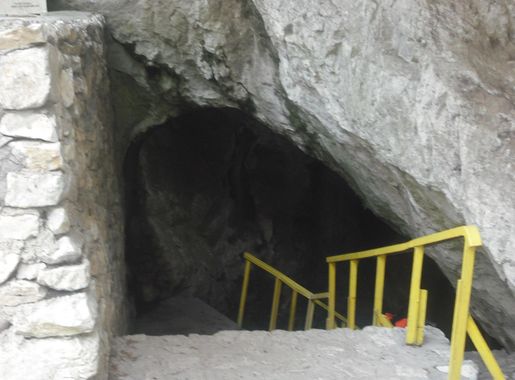
To experience Gorski Kotar like a local, visit the traditional markets where you can buy fresh produce and handmade goods. Engage with locals, who are often friendly and eager to share stories about the region's history and culture. Don’t miss the chance to hike the Risnjak National Park or explore the caves in Lokvarka. For a unique experience, participate in local festivals and try the regional cuisine, such as venison stew or homemade cheese.
When is the best time to visit Gorski Kotar?
Useful Local Phrases for Gorski Kotar
You don't need to speak the language perfectly. Even learning a few simple words can make conversations warmer—and locals usually appreciate the effort.
— Eve

Here are the phrases I use most often in Gorski Kotar. Try a few—you'll be surprised how far they go! 😊
❤️
-
- HelloBok
[Bok] - GoodbyeDoviđenja
[Doviđenja] - YesDa
[Da] - NoNe
[Ne] - Please/You're welcomeMolim
[Moleem] - Thank youHvala
[Hvala] - Excuse me/SorryOprostite
[Oprosteetay] - How are you?Kako si?
[Kahko see?] - Fine. And you?Dobro. A ti?
[Dobro. Ah tee?] - Do you speak English?Govoriš li engleski?
[Gohvoreesh lee engleskee?] - I don't understandNe razumijem
[Neh razoomeeem]
- HelloBok
-
- I'd like to see the menu, pleaseŽelio bih vidjeti jelovnik, molim
[Zhelio beekh veedeti yelovnik, moleem] - I don't eat meatNe jedem meso
[Neh yedem meso] - Cheers!Živjeli!
[Zheevyeli!] - I would like to pay, pleaseŽelio bih platiti, molim
[Zhelio beekh plateeetee, moleem]
- I'd like to see the menu, pleaseŽelio bih vidjeti jelovnik, molim
-
- Help!Upomoć!
[Oopomotch!] - Go away!Odlazi!
[Odlazee!] - Call the Police!Pozovite policiju!
[Pozoveete politsiyoo!] - Call a doctor!Pozovite doktora!
[Pozoveete doktora!] - I'm lostIzgubio sam se
[Izgoobeeo sam se] - I'm illBolestan sam
[Boleestan sam]
- Help!Upomoć!
-
- I'd like to buy...Želio bih kupiti...
[Zhelio beekh koopitee...] - I'm just lookingSamo gledam
[Samo gledam] - How much is it?Koliko košta?
[Koleeko koshta?] - That's too expensiveTo je preskupo
[To yeh preskoopo] - Can you lower the price?Možeš li spustiti cijenu?
[Mozhesh lee spoo-stee tee tsee-enoo?]
- I'd like to buy...Želio bih kupiti...
-
- What time is it?Koliko je sati?
[Koleeko yeh saatee?] - It's one o'clockJedan je sat
[Yedan yeh saht] - Half past (10)Pola (10)
[Pola (10)] - MorningJutro
[Yootro] - AfternoonPoslijepodne
[Posleeepodne] - EveningVečer
[Vecher] - YesterdayJučer
[Yoocher] - TodayDanas
[Danas] - TomorrowSutra
[Sootra] - 1Jedan
[Yedan] - 2Dva
[Dva] - 3Tri
[Tree] - 4Četiri
[Chetiri] - 5Pet
[Pet] - 6Šest
[Shest] - 7Sedam
[Sedam] - 8Osam
[Osam] - 9Devet
[Devet] - 10Deset
[Deset]
- What time is it?Koliko je sati?
-
- Where's a/the...?Gdje je...?
[Gdye yeh...?] - What's the address?Koja je adresa?
[Koyah yeh adresa?] - Can you show me (on the map)?Možeš li mi pokazati (na karti)?
[Mozhesh lee mee pokazatee (na kartee)?] - When's the next (bus)?Kada je sljedeći (autobus)?
[Kahda yeh sledeechi (autobus)?] - A ticket (to ....)Jedna karta (za ...)
[Yedna karta (za ...)]
- Where's a/the...?Gdje je...?
History of Gorski Kotar
-
The history of Gorski Kotar dates back to ancient times with evidence of early human settlements. Archaeological findings suggest that the Illyrians, an ancient Indo-European people, were among the first inhabitants of the region. Their influence is seen in various artifacts and remnants of settlements scattered across the area.
-
During the medieval period, Gorski Kotar came under the influence of the powerful Frankopan family, one of Croatia's most influential noble families. They played a crucial role in the region's development, building fortresses and castles that served both as defensive structures and administrative centers. The Frankopans were instrumental in shaping the political and economic landscape of Gorski Kotar.
-
In the 15th and 16th centuries, Gorski Kotar faced the looming threat of Ottoman invasions. The region's strategic location made it a key defensive area against Ottoman expansion into Europe. Local communities, aided by the Habsburg Monarchy, constructed a network of defensive fortifications and watchtowers to protect the area from Ottoman incursions. These efforts were pivotal in preserving the region's autonomy and cultural identity.
-
The 17th and 18th centuries saw Gorski Kotar under the rule of the Habsburg Monarchy. This period marked significant economic development, with the establishment of trade routes and the growth of forestry and agriculture. The Habsburgs invested in infrastructure, including roads and bridges, facilitating better connectivity and economic prosperity for the region.
-
Gorski Kotar experienced significant upheaval during the 20th century, particularly during the two World Wars. The region was a site of strategic importance, witnessing intense military activities and suffering from the broader impacts of the conflicts. In the aftermath of World War II, Gorski Kotar became part of the Socialist Federal Republic of Yugoslavia. The latter half of the 20th century saw efforts towards rebuilding and modernization, leading to the development of tourism and the preservation of natural and cultural heritage.
-
Gorski Kotar is renowned for its rich cultural heritage, deeply rooted in its historical past. Traditional customs, folklore, and crafts have been preserved and are celebrated through various festivals and events. The region is known for its wooden architecture, traditional costumes, and unique culinary traditions, which reflect the blend of influences from its diverse historical background.
-
The pristine natural landscapes of Gorski Kotar are a testament to its ecological significance. The region is home to dense forests, clear rivers, and diverse wildlife, making it a haven for nature enthusiasts. National parks and protected areas ensure the conservation of its unique flora and fauna, contributing to its reputation as the 'Green Heart of Croatia'.
Neighbouring Regions of Gorski Kotar
The closest regions to Gorski Kotar, if you have time for more than one.


Your all‑in‑one travel companion app
Explore expert travel guides, compare and book tours, experiences, hotels, and more—all from the palm of your hand. Download now for seamless trip planning wherever your wanderlust takes you.


Explore More of Croatia

Looking beyond Gorski Kotar? Discover Croatia for broader travel guides, local hot-spots, and regional highlights.
Explore CroatiaGorski Kotar in Photos
Browse through our photo collection highlighting the charm and character of the destination.






The Enchanting Wilderness of Gorski Kotar
Nestled in the heart of Croatia, Gorski Kotar is a hidden gem that offers a unique blend of natural beauty and cultural heritage. Known as the 'Green Heart of Croatia,' this region is covered in dense forests, rolling hills, and crystal-clear rivers that provide a perfect escape for nature lovers and adventure seekers alike. The area is home to Risnjak National Park, a haven for hikers and wildlife enthusiasts. Here, you can explore pristine trails and perhaps spot rare animals like lynxes and bears. The region's lush landscapes are perfect for outdoor activities such as biking, fishing, and even skiing in the winter months. Gorski Kotar is also rich in cultural experiences. Visit charming villages where traditional wooden houses and local crafts transport you back in time. Don't miss the chance to taste local delicacies like wild game dishes and forest fruits, which reflect the area's deep connection with nature. Whether you're looking for a peaceful retreat or an adventurous getaway, Gorski Kotar offers something for every traveler. Its unspoiled beauty and welcoming local culture make it an unforgettable destination.