

Free Kvarner Travel Guide & Mobile App
Explore Kvarner with free travel guides. Discover regional history, expert tips, proposed trips, and audio guides on web or mobile app.


Explore Kvarner’s Croatian coast through Rijeka, historic Opatija, distinctive Adriatic islands, seafood traditions and the forests of Gorski Kotar.
Read more about Kvarner
When is the best time to visit Kvarner?
Best: June–July, September · 24–29°C| Month | High (°C) | Rainfall (mm) |
|---|---|---|
| January | 10 | 80 |
| February | 11 | 71 |
| March | 14 | 81 |
| April | 17 | 90 |
| May | 22 | 81 |
| June (best) | 26 | 71 |
| July (best) | 29 | 61 |
| August | 29 | 71 |
| September (best) | 24 | 91 |
| October | 20 | 121 |
| November | 15 | 131 |
| December | 11 | 111 |
Getting to and around Kvarner
How to get there
Transportation
Top city travel guides in Kvarner
The cities of Kvarner, and the easiest places to base yourself.
-

-


Swipe for more cities
Destinations in Kvarner
Resorts, valleys and scenic spots worth a trip of their own.
-

-

-


Swipe for more destinations
Best attractions in Kvarner
Kvarner’s attractions range from urban culture to island landscapes and mountain recreation. Rijeka offers museums, galleries, the central market and maritime-industrial heritage, while Opatija is best explored through its parks, historic villas and seafront promenade. On Krk, visitors can combine old settlements, coastal bathing and vineyard visits; Cres and Lošinj provide quieter coves, walking routes and opportunities to learn about the marine environment. Rab brings medieval streets and sandy coastal scenery, with boat excursions and swimming areas adding a seasonal dimension. Gorski Kotar changes the pace entirely, offering forest trails, karst landscapes, caves, reservoirs and outdoor activities around places such as Fužine and Lokve. The region also suits cycling, kayaking, sailing and wildlife observation, although conditions and access differ sharply between exposed islands, developed resorts and remote woodland. Historic churches, fortifications and small local museums add depth to itineraries that might otherwise focus only on the sea.
-
Tourist attraction
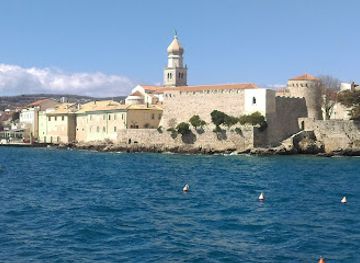
Frankopan Castle
Discover the historical charm of Frankopan Castle in Krk, a stunning medieval fortress with breathtaking views and rich cultural heritage.
-
Tourist attraction
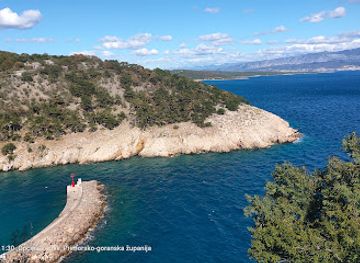
Oprna Bay
Discover the serene beauty of Oprna Bay, a stunning public beach in Stara Baška, ideal for relaxation and adventure in Croatia.
-
Catholic church
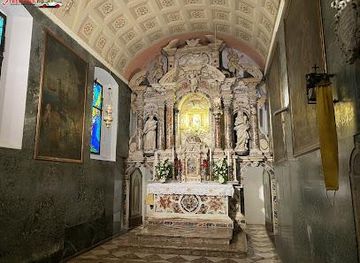
Church of Mary of God of Trsat
Discover the Church of Mary of God of Trsat: A Historic Catholic Sanctuary Offering Breathtaking Views and Peaceful Reflections in Rijeka.
-
Tourist attraction
Narrowest street
Explore the enchanting narrowest street in Vrbnik, Croatia, where history, culture, and breathtaking views meet in a uniquely intimate setting.

Best landmarks in Kvarner
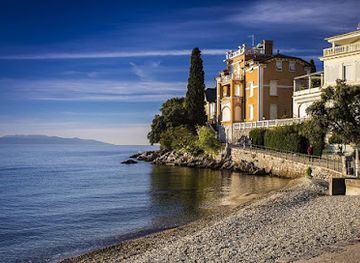
Rijeka’s historic centre and port landscape express the city’s role as a major Adriatic gateway, while Trsat Castle rises above the urban core on a hill with broad views across the Kvarner Gulf. Opatija’s villas, parks and Lungomare promenade form one of Croatia’s clearest surviving nineteenth-century resort landscapes. On Krk, the old town of Krk preserves medieval streets and ecclesiastical architecture, and Vrbnik occupies a dramatic limestone position above the sea. Rab Town is distinguished by its medieval walls, narrow lanes and four prominent bell towers, a recognisable silhouette from the water. Cres Town retains a compact historic harbour setting, while Mali Lošinj’s sheltered bay reflects the island’s maritime history. Beyond built heritage, the forested slopes of Gorski Kotar and the open, rocky forms of the larger islands are important geographical landmarks in their own right. The Krk Bridge, at the region’s eastern island gateway, is a major piece of transport infrastructure and a memorable introduction to Kvarner’s island landscape.
-
National park
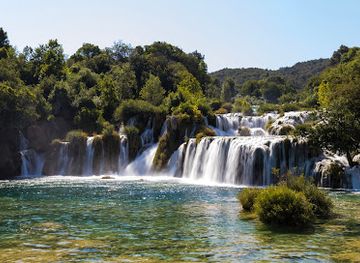
Krka National Park
Explore the breathtaking waterfalls and rich biodiversity of Krka National Park, a natural wonder in Croatia perfect for adventure and relaxation.
-
Heritage building
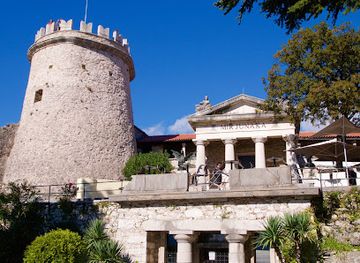
Trsat Castle
Explore a medieval fortress with breathtaking views of Rijeka and the Kvarner Bay. History, culture, and stunning scenery await!
-
Historical landmark
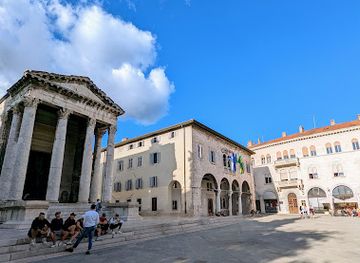
Forum Square
Explore Pula's Forum Square: where ancient Roman history meets modern Croatian culture in a vibrant city center.
-
Sightseeing tour agency
Lungomare Guided Tour Opatija
Discover the beauty of the Opatija Riviera on the Lungomare, a historic coastal promenade offering stunning views and a blend of relaxation and exploration.
Explore Kvarner on the map
Plan your trip on one map. See where the top cities, national parks and sights are, and book hotels and experiences in a few clicks.
Best hotels in Kvarner
Best restaurants in Kvarner
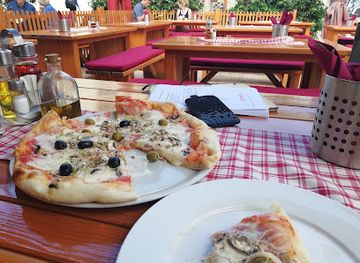
Kvarner’s food reflects the meeting of Adriatic and continental Croatia. Along the coast and on the islands, menus commonly feature grilled or baked fish, squid, octopus, mussels and Kvarner scampi, often accompanied by vegetables, local olive oil and simple seasonal salads. Krk is associated with Žlahtina white wine from the Vrbnik area, while island producers also supply olive oil, honey and cheeses; Cres is particularly known for lamb and olive-growing traditions. In Gorski Kotar, forest mushrooms, game, potatoes, stews and mountain cheeses are more characteristic than seafood. Rijeka provides the widest choice, from traditional taverns and market stalls to contemporary restaurants, while Opatija combines long-established hotel dining with modern coastal cuisine. Rab cake, a delicate almond-based sweet associated with Rab, is a notable edible gift. Farmers’ markets and small family producers are useful places to compare the region’s coastal and inland food traditions.
-
Restaurant
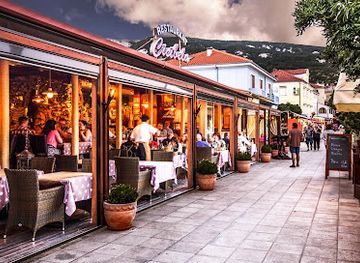
Zrinski
Experience authentic Croatian cuisine at Zrinski in Krk - where tradition meets flavor in every dish.
-
Restaurant
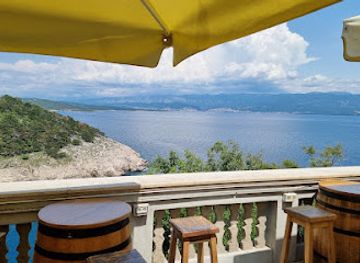
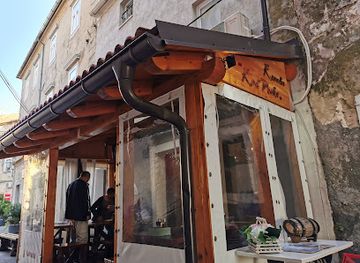
Restaurant Konoba Nada, Vrbnik
Experience authentic Croatian cuisine and stunning sea views at Restaurant Konoba Nada in Vrbnik.
-
Restaurant
Restoran Cicibela
Discover the heart of Croatian cuisine at Restoran Cicibela in Baška - where every dish tells a story.
-
Restaurant
Tavern Kod Veska
Discover authentic Croatian cuisine at Tavern Kod Veska in Senj—where fresh seafood meets traditional recipes in a cozy setting.
Best bars in Kvarner
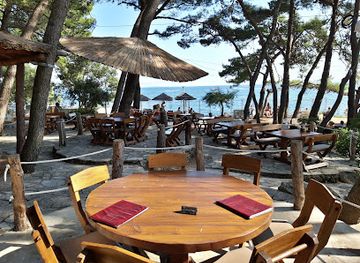
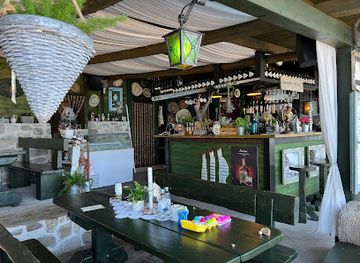
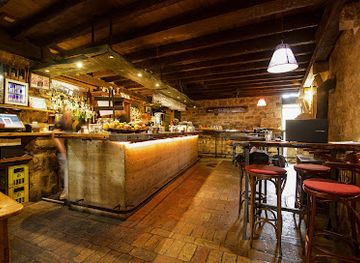
Evening life in Kvarner varies considerably by town and season. Rijeka has the region’s broadest choice of bars, cafés, live-music spaces and late-night venues, with student and cultural life adding energy outside the main summer period. Opatija favours polished hotel bars, cocktail terraces and restaurants in historic resort surroundings, while Crikvenica and other coastal towns become busier with seasonal cafés, beach bars and entertainment during summer. On Krk, Rab, Cres and Lošinj, nightlife is generally concentrated around harbour promenades and old-town streets, combining wine bars, casual pubs and occasional live music rather than a continuous club scene. Gorski Kotar is quieter, with evenings centred on inns, restaurants and local gatherings. Opening patterns and programmes are highly seasonal, so visitors should expect a more subdued atmosphere outside July and August.
-
Cocktail bar
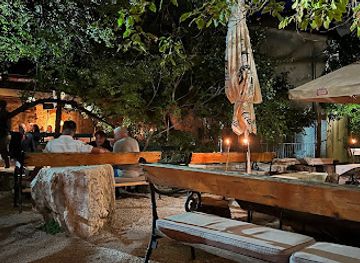
The Secret Garden
Experience the enchanting atmosphere and creative cocktails at The Secret Garden, a hidden gem in Krk, Croatia perfect for any traveler.
-
Bar
Punta di Galetto Restaurant & Lounge
Experience the culinary delights of Punta di Galetto Restaurant & Lounge, where local flavors meet stunning Adriatic views on the beautiful island of Krk.
-
Bar
Banova Villa Beach Bar
Experience the enchanting atmosphere of Banova Villa Beach Bar, where refreshing cocktails and stunning sea views come together for a perfect beachside getaway.
-
Bar
Volsonis
Discover the lively charm of Volsonis in Krk, where delicious food, refreshing drinks, and vibrant nightlife create unforgettable experiences.
Best nightclubs in Kvarner
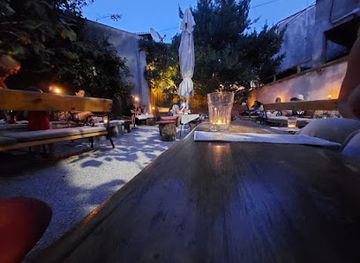
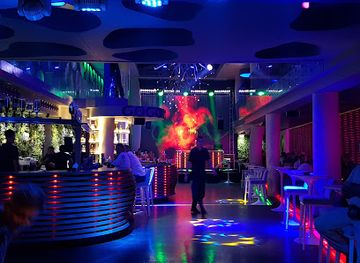
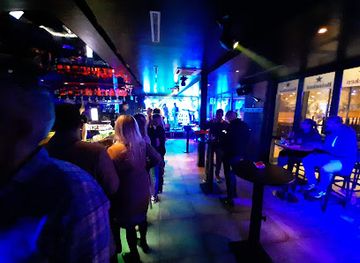
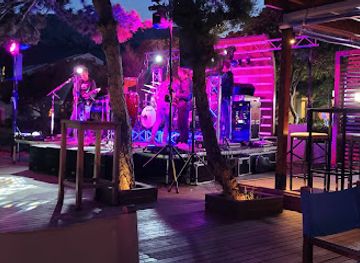
Evening life in Kvarner varies considerably by town and season. Rijeka has the region’s broadest choice of bars, cafés, live-music spaces and late-night venues, with student and cultural life adding energy outside the main summer period. Opatija favours polished hotel bars, cocktail terraces and restaurants in historic resort surroundings, while Crikvenica and other coastal towns become busier with seasonal cafés, beach bars and entertainment during summer. On Krk, Rab, Cres and Lošinj, nightlife is generally concentrated around harbour promenades and old-town streets, combining wine bars, casual pubs and occasional live music rather than a continuous club scene. Gorski Kotar is quieter, with evenings centred on inns, restaurants and local gatherings. Opening patterns and programmes are highly seasonal, so visitors should expect a more subdued atmosphere outside July and August.
-
Cocktail bar
The Secret Garden
Discover The Secret Garden in Krk, a cocktail bar that blends lush surroundings with exceptional drinks for an unforgettable experience.
-
Disco club
Cocomo Club
Experience the vibrant nightlife at Cocomo Club, Novalja's premier disco club offering a mix of bars, lounges, and unforgettable music.
-
Night club
Stella Club
Experience the electric nightlife at Stella Club, Pula’s premier destination for dancing, drinks, and unforgettable memories.
-
Bar
Porto Club Baška
Join the vibrant nightlife scene at Porto Club Baška, the top destination for unforgettable evenings of music, dance, and stunning sea views.
Best shops in Kvarner
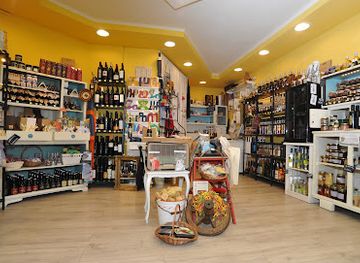
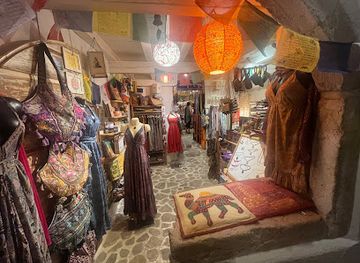
Shopping in Kvarner is strongest in Rijeka, where the central market, established high streets and independent shops provide a more substantial urban offer than the islands. Opatija focuses on boutiques, galleries, delicatessens and resort-oriented retail, while the old towns and harbour areas of Krk, Rab, Cres and Lošinj contain small shops selling jewellery, ceramics, textiles, artworks and maritime-themed goods. Market stalls and farm shops are often the best places to find regional olive oil, honey, herbs, wine, cheese and other food products, although availability follows the season. Rab cake travels well as a gift when properly packaged, and Krk’s Žlahtina wine is a distinctive regional purchase. In rural Gorski Kotar, look for forest products, preserves, honey and locally made crafts rather than extensive retail centres. Compare labels and producers carefully, as souvenirs described as local may simply be nationally distributed Croatian products.
-
Gift shop
Kredenca Opatija
Discover unique souvenirs and gourmet delights at Kredenca Opatija, your ultimate destination for local treasures in Croatia.
-
Gift shop
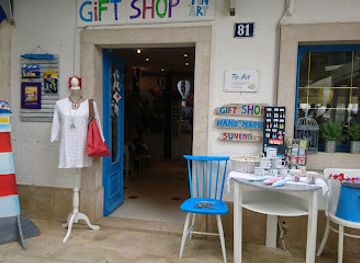
TIN ART GIFT SHOP PUNAT, OTOK KRK
Explore TIN ART GIFT SHOP in Punat for unique Croatian souvenirs, handcrafted jewelry, and exquisite pottery that capture the island's artistry.
-
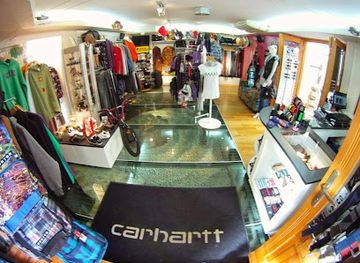
Clothing store
Lila trgovacki obrt
Explore Lila Trgovacki Obrt in Krk for unique clothing and exquisite jewelry that showcases the charm of Croatian craftsmanship.
-
Clothing store
T.O. Memento
Discover stylish clothing and great deals at T.O. Memento in Krk, Croatia – a must-visit for every fashion enthusiast.
Get your free copy of our complete guide to Kvarner, delivered straight to you.
Everything on this page, from attractions and restaurants to essentials and local phrases, in one PDF you can read offline, print or share.
Already have an account? Sign in
Your Kvarner guide is ready.
We'll send it to · Not you? Sign out

Getting your guide ready…
We are putting together a fresh copy of the Kvarner guide. This can take up to a minute.
This can take a few moments. If your browser asks, choose Allow so the download can start. You'll find the guide in your Downloads folder.
Nothing happened? Download it again
Sorry, the guide is taking longer than usual. Please try again in a minute, or get it by email instead.
Kvarner essentials
Currency and Payment
Safety
Emergency Situations
Do's and Don'ts
Local Tips
From Eve
Local phrases worth knowing
You don't need to get them perfect. A few words go a long way, and locals appreciate the effort.
Basics
| English | Local | Say it |
|---|---|---|
| Hello | Bok | [Bok] |
| Goodbye | Doviđenja | [Doh-vee-jen-ya] |
| Yes | Da | [Dah] |
| No | Ne | [Neh] |
| Please/You're welcome | Molim | [Moh-leem] |
| Thank you | Hvala | [Hvah-lah] |
| Excuse me/Sorry | Ispričavam se | [Ee-spree-chah-vam seh] |
| How are you? | Kako si? | [Kah-koh see] |
| Fine. And you? | Dobro. A ti? | [Doh-broh. Ah tee] |
| Do you speak English? | Govoriš li engleski? | [Goh-voh-reesh lee en-gles-kee] |
| I don't understand | Ne razumijem | [Neh rah-zoo-mee-em] |
Eating & Drinking
| English | Local | Say it |
|---|---|---|
| I'd like to see the menu, please | Želim vidjeti jelovnik, molim | [Zheh-leem veed-yeh-tee yeh-lohv-neek, moh-leem] |
| I don't eat meat | Ne jedem meso | [Neh yeh-dem meh-so] |
| Cheers! | Živjeli! | [Zhee-yeh-lee] |
| I would like to pay, please | Želim platiti, molim | [Zheh-leem plah-tee-tee, moh-leem] |
Emergencies
| English | Local | Say it |
|---|---|---|
| Help! | Pomoć! | [Poh-mohch] |
| Go away! | Ode! | [Oh-deh] |
| Call the Police! | Pozovite policiju! | [Poh-zoh-vee-teh poh-lee-tsee-yoo] |
| Call a doctor! | Pozovite doktora! | [Poh-zoh-vee-teh doh-kto-rah] |
| I'm lost | Izgubio sam se | [Eez-goo-bee-oh sahm seh] |
| I'm ill | Bolestan sam | [Boh-leh-stahn sahm] |
Shopping
| English | Local | Say it |
|---|---|---|
| I'd like to buy... | Želim kupiti... | [Zheh-leem koo-pee-tee] |
| I'm just looking | Samo gledam | [Sah-moh gled-am] |
| How much is it? | Koliko košta? | [Koh-lee-koh koh-shtah] |
| That's too expensive | To je preskupo | [Toh yeh preh-skoo-poh] |
| Can you lower the price? | Možeš li sniziti cijenu? | [Moh-zhehsh lee sneez-ee-tee tsee-eh-noo] |
Time & Numbers
| English | Local | Say it |
|---|---|---|
| What time is it? | Koliko je sati? | [Koh-lee-koh yeh sah-tee] |
| It's one o'clock | Jedan je sat | [Yeh-dahn yeh saht] |
| Half past (10) | Pola (10) | [Poh-lah] |
| Morning | Jutro | [Yoot-roh] |
| Afternoon | Poslijepodne | [Poh-slee-eh-poh-dneh] |
| Evening | Večer | [Veh-cher] |
| Yesterday | Jučer | [Yoo-cher] |
| Today | Danas | [Dah-nahs] |
| Tomorrow | Sutra | [Soo-trah] |
| 1 | 1 | [1] |
| 2 | 2 | [2] |
| 3 | 3 | [3] |
| 4 | 4 | [4] |
| 5 | 5 | [5] |
| 6 | 6 | [6] |
| 7 | 7 | [7] |
| 8 | 8 | [8] |
| 9 | 9 | [9] |
| 10 | 10 | [10] |
Transport & Directions
| English | Local | Say it |
|---|---|---|
| Where's a/the...? | Gdje je ...? | [Gdye yeh ...?] |
| What's the address? | Koja je adresa? | [Koh-yah yeh ah-dreh-sah] |
| Can you show me (on the map)? | Možeš li mi pokazati (na karti)? | [Moh-zhehsh lee mee poh-kah-zah-tee (nah kahr-tee)?] |
| When's the next (bus)? | Kada je sljedeći (autobus)? | [Kah-dah yeh sleh-dyeh-chee (ow-toh-boos)?] |
| A ticket (to ....) | Jedna karta (za ...) | [Yeh-dnah kahr-tah (zah ...)] |
History of Kvarner
Liburnian Seafaring and Roman Tarsatica
Before Roman rule, the northern Adriatic coast and islands were inhabited by Liburnian communities known for maritime activity and regional trade. Rome later incorporated the area into its provincial system, developing roads, ports and settlements. Tarsatica, associated with the site of modern Rijeka, became an important point in the coastal communications network, while Roman remains are also visible in parts of the wider Kvarner area. The ancient foundations of transport and trade helped establish the region’s enduring role as a link between the Adriatic and the inland routes leading towards the Pannonian basin.
Medieval Island Towns and the Frankopan Family
During the medieval period, Kvarner’s islands and mainland settlements were shaped by local noble powers, maritime commerce and the influence of Venice, Croatia and the Holy Roman Empire. The Frankopan family became one of the most important aristocratic dynasties in the region, controlling territories and fortifications across the northern Croatian coast. Their legacy remains visible in castles, churches and urban fabric, particularly around Krk and the mainland Vinodol area. Medieval towns such as Rab developed behind defensive walls and expanded through trade, religious foundations and their position on Adriatic sailing routes.
Venetian, Habsburg and Maritime Influences
Kvarner occupied a strategic position between Venetian maritime interests and Habsburg lands. Political control shifted across different parts of the region, and the rivalry left a layered architectural and cultural inheritance. Coastal towns were connected to shipping, fishing and trade, while the mountainous hinterland supplied timber and other resources. From the eighteenth century onward, Habsburg administration and investment strengthened the value of ports and roads linking the coast with the interior. The result was a region in which Mediterranean townscapes coexist with Central European civic and architectural influences.
Rijeka’s Port and Industrial Growth
Rijeka expanded dramatically in the nineteenth century as the Habsburg Empire developed it as a major seaport connected to the inland railway system. Warehouses, shipyards, rail infrastructure and administrative buildings transformed the city and attracted workers, merchants and communities from across the empire. The port connected Central European markets with the Adriatic and encouraged manufacturing as well as maritime trade. Much of Rijeka’s modern identity still derives from this period, when its urban form, industrial character and cosmopolitan population developed around the practical demands of a major harbour.
Opatija and the Rise of Adriatic Health Tourism
Opatija grew from a small coastal settlement into one of the Adriatic’s earliest organised resort destinations during the late nineteenth century. The Austrian Southern Railway made the coast more accessible, and the mild climate, sheltered setting and landscaped parks attracted visitors seeking rest and medical treatments. Grand hotels, villas and promenades followed, creating an architectural style distinct from the older fishing settlements nearby. Opatija’s resort heritage helped establish northern Adriatic tourism before the era of mass beach holidays and remains central to its character today.
The Twentieth Century: Borders, War and Yugoslav Adriatic Life
The twentieth century brought repeated changes of administration and national border to the northern Adriatic. Rijeka and nearby areas were affected by the dissolution of Austria-Hungary, Italian and Yugoslav claims, the Second World War and the post-war reorganisation of the region. The border between Italy and Yugoslavia was especially significant for movement and identity in the hinterland around Rijeka. Under socialist Yugoslavia, ports, shipbuilding and tourism expanded, while island communities experienced both new infrastructure and substantial emigration. These political and economic changes still inform the region’s multilingual and layered cultural landscape.
Croatian Independence and Contemporary Kvarner
Kvarner became part of the independent Republic of Croatia in 1991. Since then, the region has combined the continuing importance of Rijeka’s port and industry with investment in tourism, heritage conservation and transport infrastructure. Island destinations have developed distinct visitor economies, while Gorski Kotar has increasingly promoted outdoor recreation and nature-based travel. Rijeka’s designation as European Capital of Culture in 2020 drew renewed attention to its industrial heritage and cultural institutions. Contemporary Kvarner is therefore shaped by both maritime commerce and a tourism economy built on historic towns, islands, landscapes and regional food.
Kvarner in Photos
Browse through our photo collection highlighting the charm and character of the destination.
Neighbouring regions of Kvarner
The closest regions to Kvarner, if you have time for more than one.
-

-

-

-

-


Swipe for more regions
Explore more

Explore more of Croatia
Discover Croatia: A Mediterranean paradise with stunning coastlines, ancient cities, and rich cultural heritage. Perfect for beach lovers, history buffs, and nature enthusiasts.
Explore Croatia