Diocletian's Palace: A Living Roman Ruin
Explore the ancient Roman palace in Split, Croatia, where history comes alive amidst bustling streets, shops, and cultural landmarks.
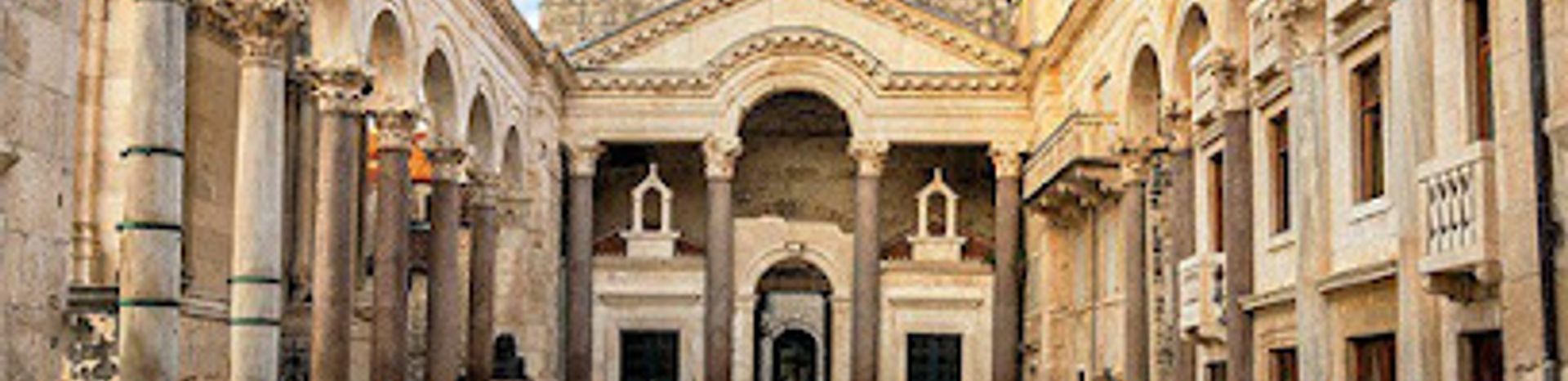
Diocletian's Palace, a UNESCO World Heritage site in Split, Croatia, is more than just a historical landmark; it's a living, breathing part of the city. Built by Roman Emperor Diocletian in the 4th century AD as his retirement residence, the palace complex has evolved into the heart of Split, with shops, restaurants, and homes integrated within its ancient walls.
A brief summary to Diocletian's Palace
- Split, Grad, 21000, HR
Local tips
- Explore the Palace early in the morning to avoid the crowds and experience the historical site more peacefully.
- Wear comfortable shoes, as you'll be walking on ancient stone streets and uneven surfaces.
- Visit the cellars of Diocletian's Palace to see well-preserved Roman substructures.
- Take a guided walking tour to learn about the palace's history and hidden gems.
- Enjoy a coffee or meal at one of the cafes or restaurants within the palace walls for a unique dining experience.

Getting There
-
Walking
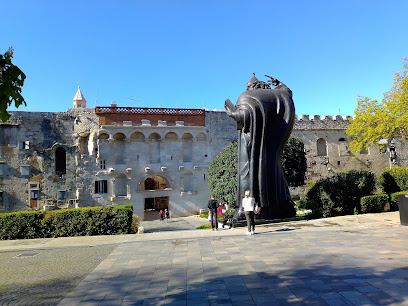
Diocletian's Palace is located in the heart of Split's Old Town, easily accessible on foot from most central locations. From the Riva (waterfront promenade), enter through the Bronze Gate (also known as the Southern Gate). Alternatively, you can approach from the Golden Gate (northern entrance) near the Gregory of Nin statue. Once inside the city walls, follow the signs or simply wander through the narrow streets to explore the palace. There are no entrance fees to walk around the palace, but some individual sites like the Cathedral and cellars require tickets.
-
Public Transport
If arriving by public transport (bus or train), the main bus and train stations are located next to each other, a short walk from the palace. From the stations, walk along the Riva towards the Old Town and enter through the Bronze Gate. Local buses also stop near the palace; check the Promet Split website for routes and schedules. A single bus fare within the city costs around €1.00-€2.00.
-
Taxi/Ride-Share
Taxis and ride-sharing services like Uber are readily available in Split. A short taxi ride from outside the city center to Diocletian's Palace will typically cost between €5-€10. Note that the palace is located in a pedestrian zone, so taxis cannot drive directly to the entrance. The closest drop-off points are near the Riva or the Golden Gate, from where you can easily walk to the palace.
-
Parking
Parking within the Old Town is not possible as it is a pedestrian zone. Several parking lots are located within walking distance, including Stari Plac Parking Lot (€1.50 per hour) and the Train Station Parking Lot. Riva Parking, located adjacent to Diocletian's Palace, charges €4 per hour. For longer stays, consider the Firule parking garage (€25 per day), a 10-minute walk from the Old Town. Be aware that parking spaces can be scarce, especially during peak season.
Discover more about Diocletian's Palace
Iconic landmarks you can’t miss

Vestibul
0.0 km
Explore the historical marvel of Vestibul in Split, a UNESCO World Heritage site showcasing the grandeur of Roman architecture and vibrant local culture.
Antique Split Luxury Rooms
0.0 km
Experience luxury in the heart of Split's Diocletian's Palace. Enjoy modern amenities, historical views, and personalized service in this boutique hotel.

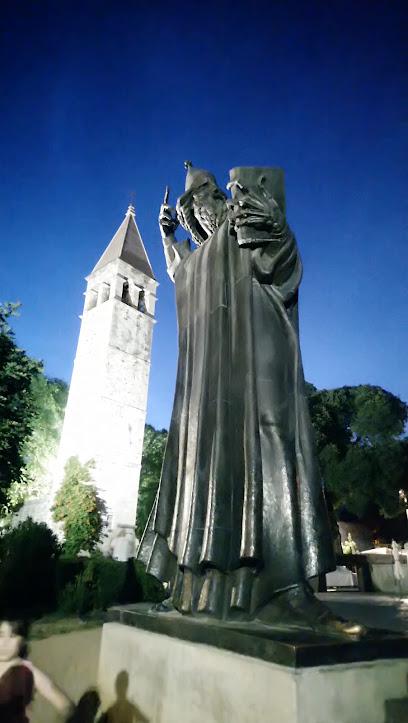
Poljana Grgura Ninskog
0.1 km
Explore the historic Poljana Grgura Ninskog in Split, where culture, history, and local life converge in a picturesque setting.
Split Ethnographic Museum
0.1 km
Explore the cultural heritage of Split at the Ethnographic Museum, showcasing traditional life through unique artifacts and engaging exhibits.
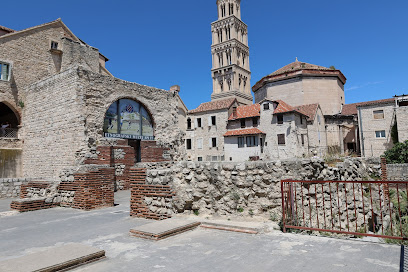
The Iron Gate Palace Marker
0.1 km
Explore the Iron Gate Palace Marker, a historical gem in Split that reveals the city's rich heritage and stunning architectural beauty.
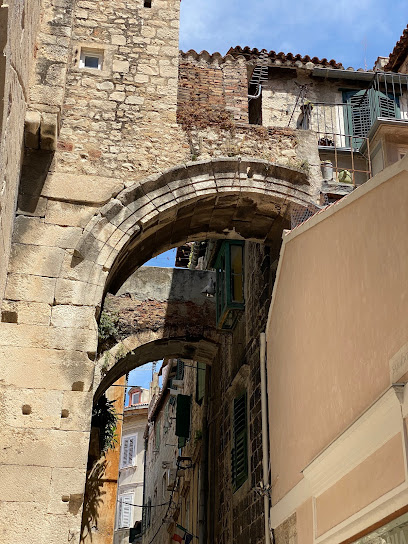
Palača Marulić
0.1 km
Discover the enchanting Palača Marulić in Split, Croatia, where history and culture come alive in a stunning architectural setting.
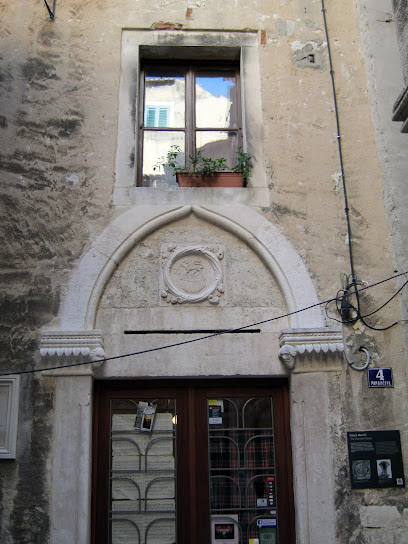
Aroma Dalmatia (Suverninica A Roma Dalmatia)
0.1 km
Discover authentic Croatian souvenirs and local delicacies at Aroma Dalmatia, nestled in the heart of Split's historic Diocletian's Palace.
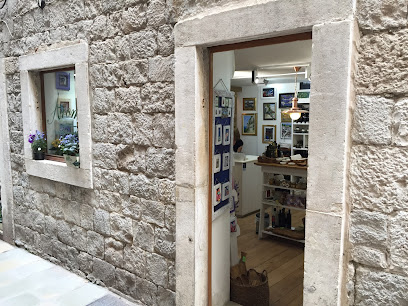
Cyprian's Palace
0.1 km
Explore the rich history and stunning architecture of Cyprian's Palace, a must-see historical landmark in the heart of Split, Croatia.
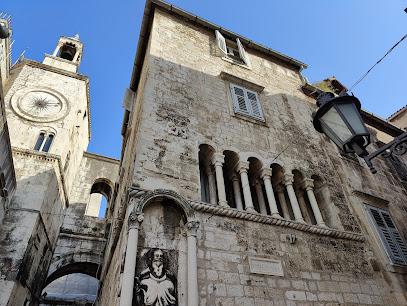
Brass Gate
0.1 km
Enter Diocletian's Palace through this unassuming gate, once a direct sea passage, now a vibrant path from Split's Riva.
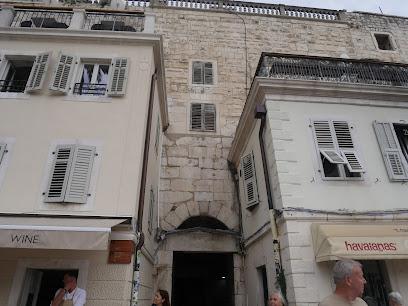
Split Synagogue
0.1 km
Explore the cultural heritage and historical significance of the Split Synagogue, a peaceful escape in the heart of Split, Croatia.
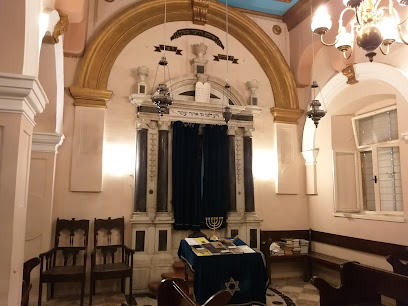
Karepic Palace
0.1 km
Explore the historical marvel of Karepic Palace in Split, Croatia - a captivating journey through time and architecture.
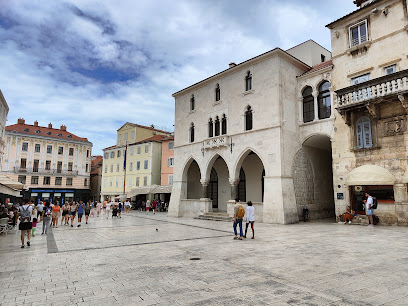
Marko Marulic Statue
0.1 km
Explore the rich literary heritage of Croatia at the iconic Marko Marulic Statue, a cultural gem in the heart of Split.
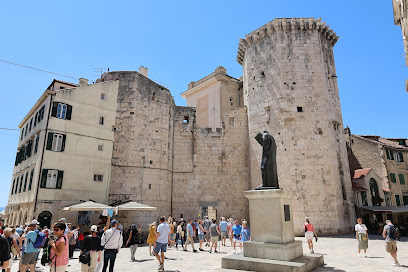
Jugoistočni toranj Dioklecijanove palače
0.1 km
Discover the rich history and breathtaking views at the Eastern Tower of Diocletian's Palace in Split, a must-see historical landmark.
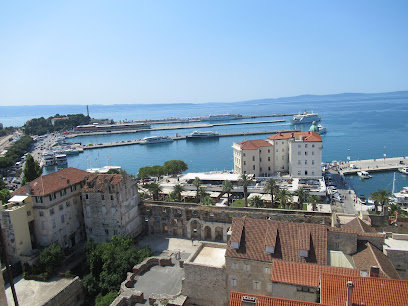
Palača Milesi
0.1 km
Discover Palača Milesi in Split: A stunning Baroque palace with a rich history on the vibrant Trg Braće Radić.
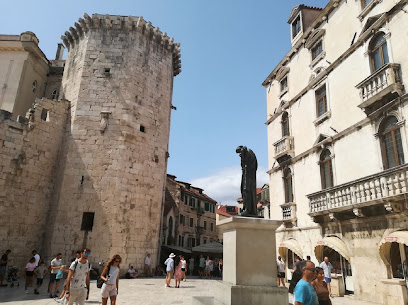
People's Square
0.1 km
Discover the vibrant heart of Split at People's Square, a historical landmark filled with culture, cafes, and captivating architecture.
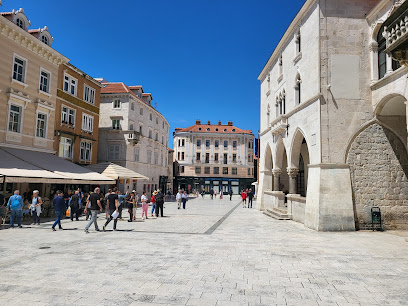
Unmissable attractions to see

Ancient Split
0.0 km
Explore Ancient Split, a UNESCO World Heritage site filled with Roman history, stunning architecture, and vibrant local culture along Croatia's beautiful coast.
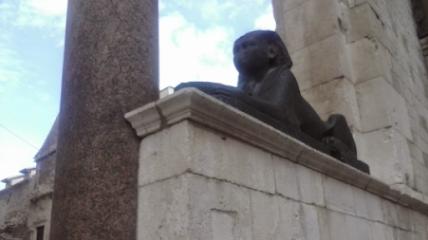
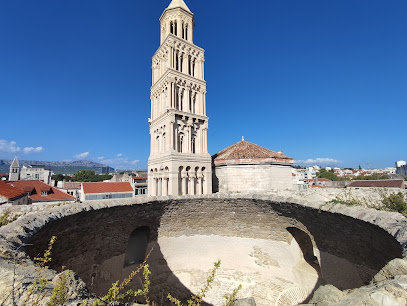
Saint Domnius Bell Tower
0.0 km
Discover the breathtaking views and rich history at the Saint Domnius Bell Tower, a must-visit landmark in Split's ancient heart.
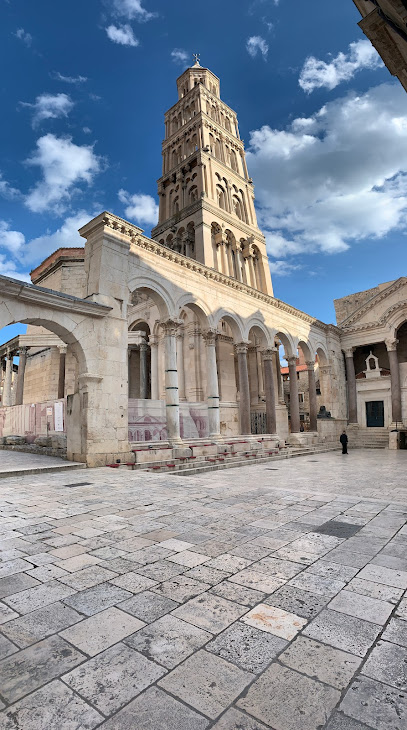
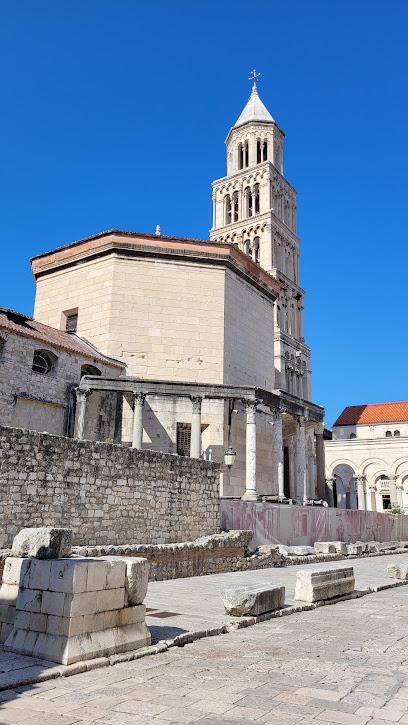
Saint Domnius Cathedral
0.0 km
Explore the historic Saint Domnius Cathedral, a remarkable blend of ancient architecture and spiritual significance in the heart of Split, Croatia.
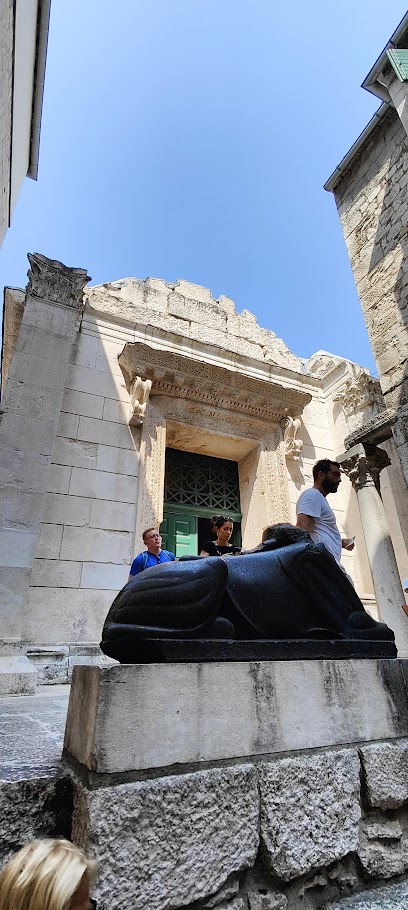
Sphinx
0.0 km
Explore the Sphinx in Split, a captivating tourist attraction that embodies the rich history and architectural beauty of this enchanting Croatian city.
Street Let Me Pass
0.0 km
Explore the enchanting Street Let Me Pass in Split, where history meets modern charm amidst vibrant local culture.
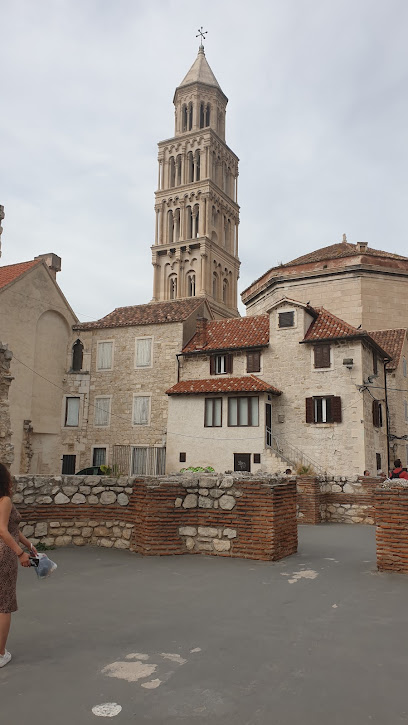
Palača Cindro
0.0 km
Explore the cultural treasures of Palaca Cindro in Split, a stunning museum showcasing the rich heritage and architectural beauty of Croatia.
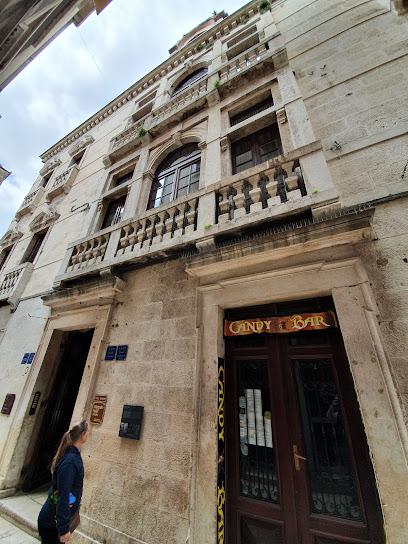
Jupiter's Temple
0.0 km
Explore Jupiter's Temple in Split, a stunning remnant of Roman architecture and a must-visit historical landmark in Croatia's vibrant cultural landscape.
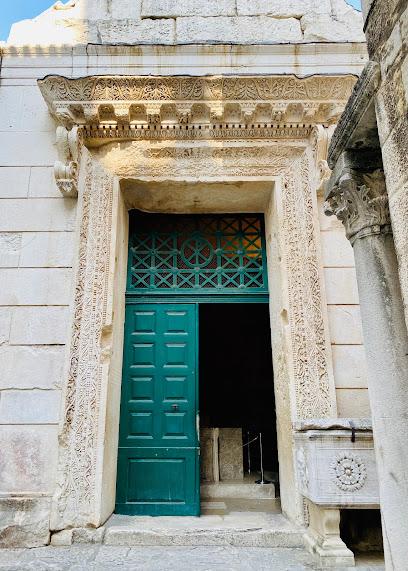
Church of St. Philip
0.0 km
Explore the historical and architectural wonders of the Church of St. Philip, a serene sanctuary in the heart of Split, Croatia.
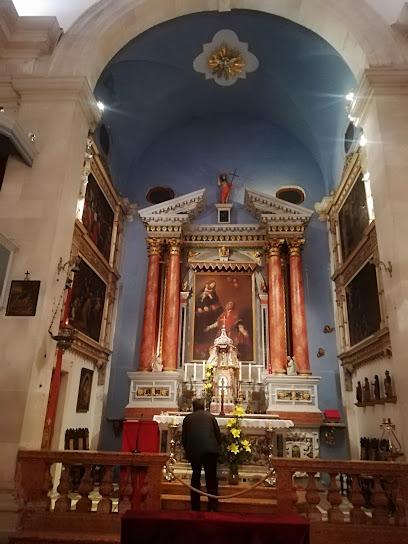
Game of Thrones - GoT - Rebellion of Slaves in Meereen - S04S04
0.1 km
Discover the enchanting Game of Thrones filming site in Meereen, Split, where history and fantasy intertwine amidst stunning architecture.
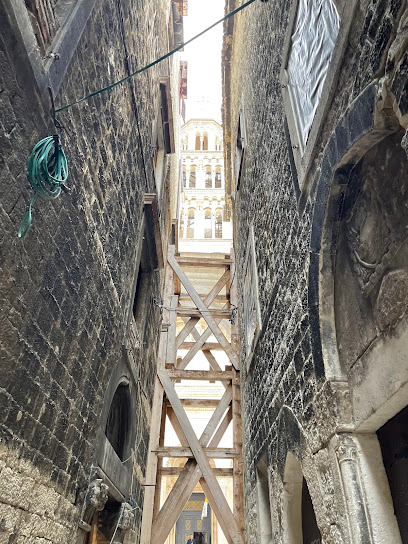
Split City Museum
0.1 km
Explore the fascinating history of Split at the Split City Museum, showcasing ancient artifacts and the vibrant culture of Croatia.
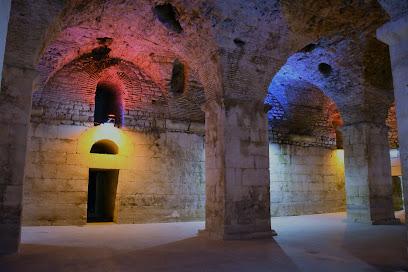
Split walking tour
0.1 km
Discover the enchanting streets of Split on a captivating walking tour that melds history, culture, and local charm in Croatia's coastal gem.
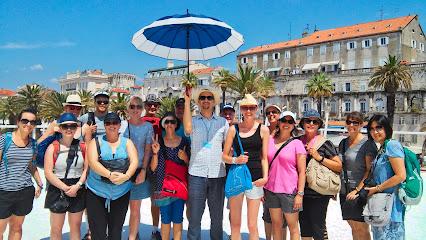
Silver Gate
0.1 km
Discover the historic charm of the Silver Gate in Split, a gateway to the ancient wonders of Diocletian's Palace and the vibrant life of the city.
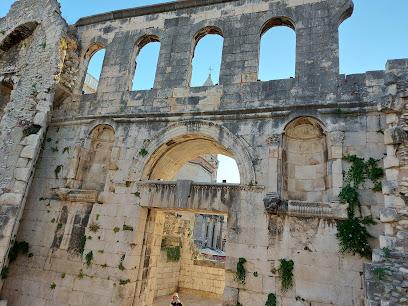
Iron Gate
0.1 km
Discover the Iron Gate, a historical landmark in Split, Croatia, and immerse yourself in the rich culture and history of this ancient city.
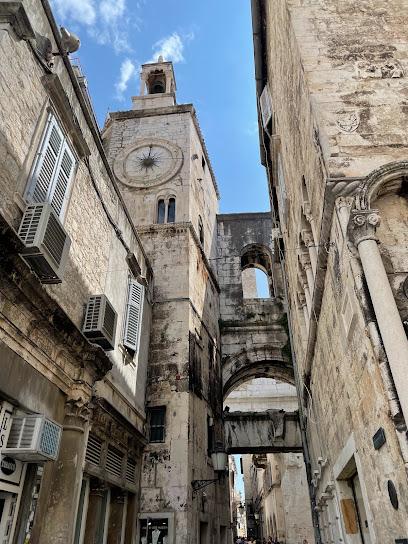
Diocletian's Cellars
0.1 km
Discover the awe-inspiring Diocletian's Cellars in Split, Croatia, a historical landmark revealing the grandeur of Roman architecture and culture.
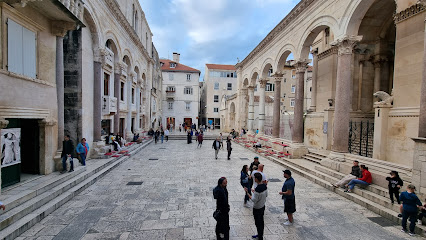
Split Adventure
0.1 km
Discover the stunning outdoor adventures that Split has to offer, from thrilling water sports to scenic hiking tours in Croatia's breathtaking landscapes.

Essential places to dine

Café & Restaurant Lvxor Split
0.0 km
Experience vibrant dining at Café & Restaurant Lvxor in Split - where culinary delights meet live music and lively atmosphere.
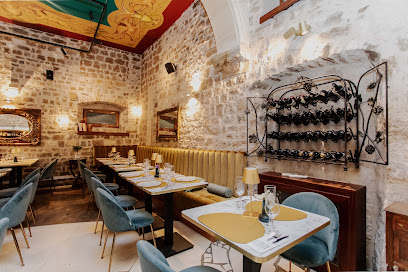
Konoba Laganini
0.0 km
Experience authentic Croatian cuisine at Konoba Laganini in Split - where local flavors meet inviting ambiance.
To Je Tako Mexican Restaurant
0.0 km
Experience authentic Mexican cuisine at To Je Tako in Split – where vibrant flavors meet warm hospitality.
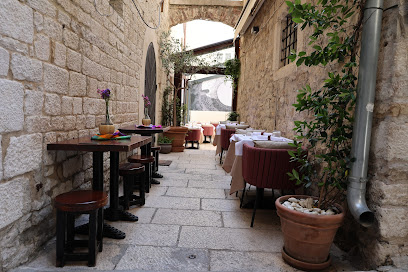
Fig Split
0.0 km
Experience modern Croatian cuisine at Fig Split – where local flavors meet innovative culinary artistry in an inviting atmosphere.
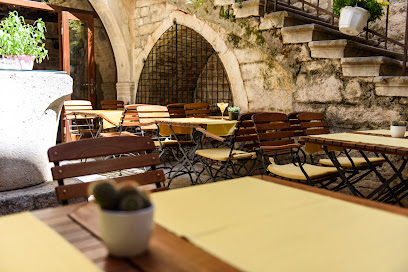
Temple Kitchen seafood & steak
0.0 km
Experience exquisite seafood and steak at Temple Kitchen in Split - where Mediterranean flavors meet Croatian hospitality.
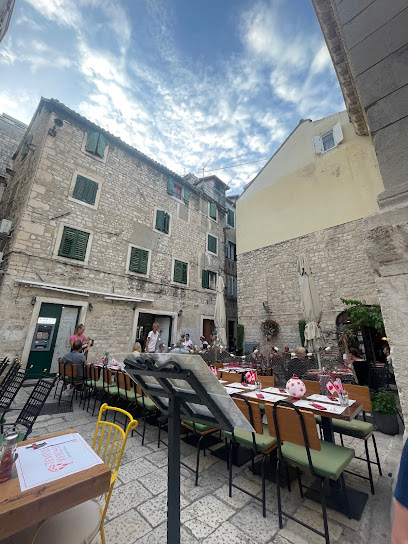
Konoba Korta
0.1 km
Discover health-conscious dining at Konoba Korta in Split, offering fresh seafood and meat dishes that celebrate local flavors.
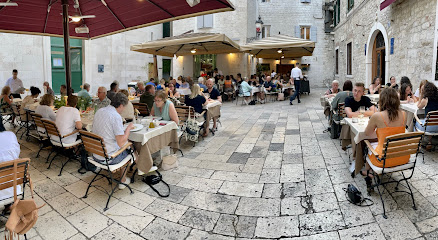
Portofino
0.1 km
Discover Portofino in Split - where Mediterranean flavors meet exceptional service in a picturesque setting.
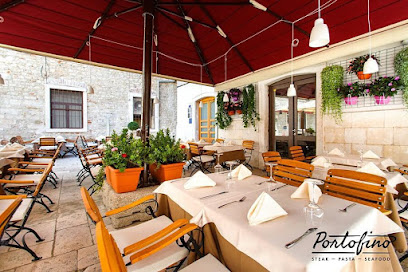
Mazzgoon
0.1 km
Discover Mazzgoon: A culinary haven in Split offering exquisite seafood, gourmet burgers, and delightful brunch options for all food lovers.
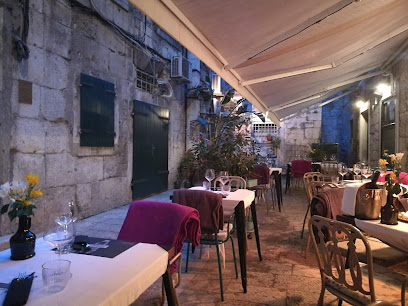
Restoran Para di šoto, Split
0.1 km
Discover exquisite Mediterranean dining at Restoran Para di šoto in Split - a true culinary gem offering fresh ingredients and vibrant flavors.
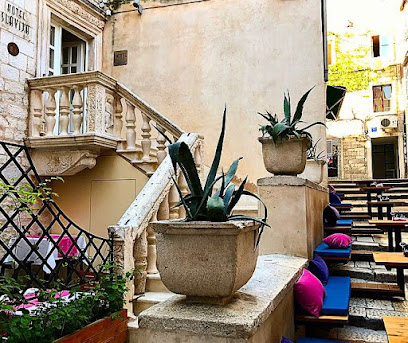
Konoba "Kod sfinge vaneuropske zviri"
0.1 km
Experience authentic Dalmatian cuisine at Konoba 'Kod sfinge vaneuropske zviri', perfect for families seeking delicious meals in Split.
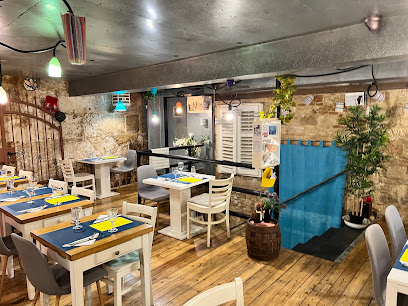
Galerija Bar Food
0.1 km
Savor authentic Croatian cuisine at Galerija Bar Food in Split - a culinary gem offering fresh flavors and a vibrant atmosphere.
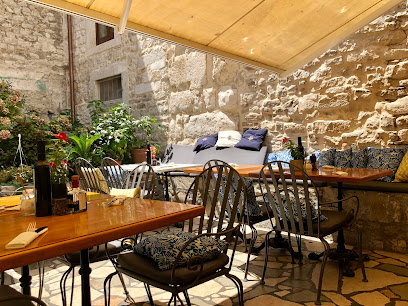
Uje Restaurant
0.1 km
Experience authentic Croatian cuisine at Uje Restaurant in Split—savor fresh seafood and local flavors in a charming setting.
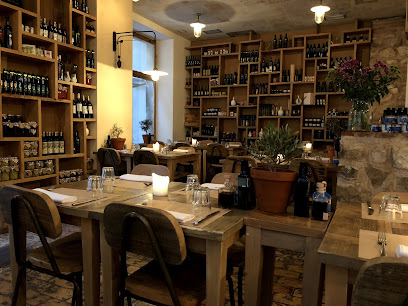
Mosquito Grill & Wine house
0.1 km
Discover authentic Croatian flavors at Mosquito Grill & Wine House in Split – a perfect blend of fresh seafood and succulent meats.
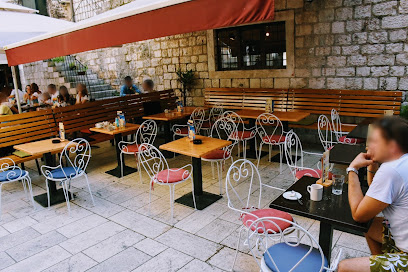
Zinfandel Food & Wine bar
0.1 km
Discover Zinfandel Food & Wine Bar: Where exquisite wines meet gourmet cuisine in the heart of Split.
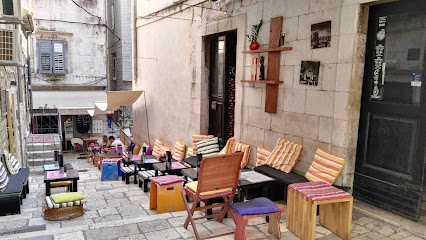
Kinoteka - Restaurant & Bar
0.1 km
Discover Kinoteka in Split: A Mediterranean dining experience blending elegance with local flavors in a vibrant atmosphere.
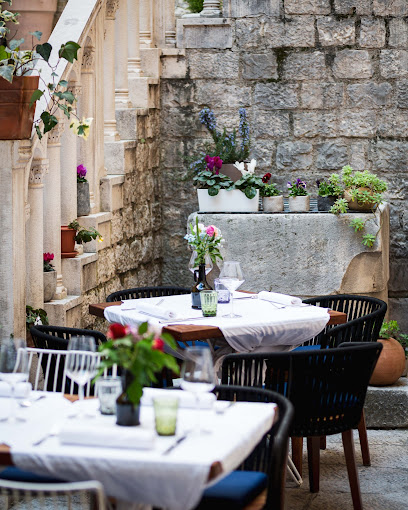
Markets, malls and hidden boutiques

GET MORE artisan craft souvenir shop
0.0 km
Discover handcrafted souvenirs that embody Croatian culture at GET MORE artisan craft shop in Split, where every piece tells a story.
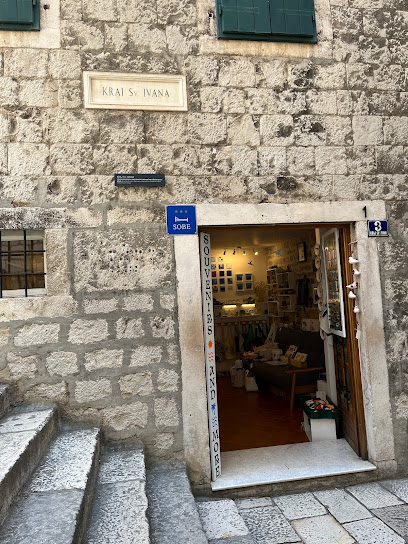
ForGas Butiga
0.0 km
Discover the artistic heartbeat of Split at ForGas Butiga, where local creativity meets unique souvenirs in a vibrant gallery setting.
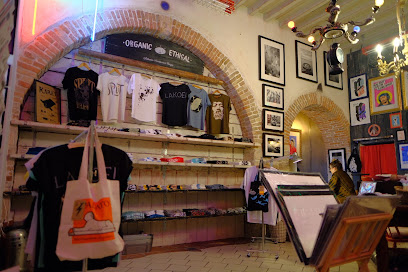
Duck Boutique
0.1 km
Discover unique gifts and local crafts at Duck Boutique in Split, the perfect stop for souvenirs that capture the essence of Croatia.
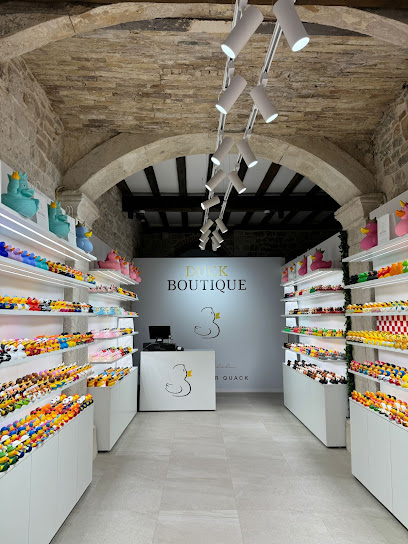
Shop Souvenir
0.1 km
Discover the essence of Croatia at Shop Souvenir in Split, where local craftsmanship meets unique keepsakes for every traveler.
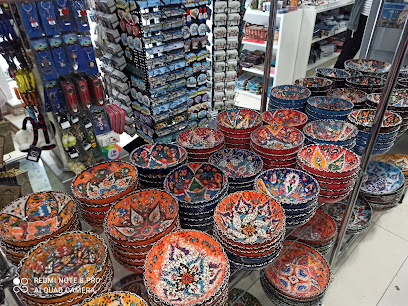
Designer Store KRUG
0.1 km
Explore luxury fashion at Designer Store KRUG in Split, where unique designs meet impeccable quality for an unforgettable shopping experience.
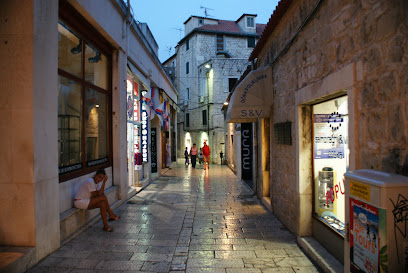
Dream Factory Shop
0.1 km
Explore unique clothing and accessories at Dream Factory Shop, a must-visit fashion destination in the heart of Split, Croatia.
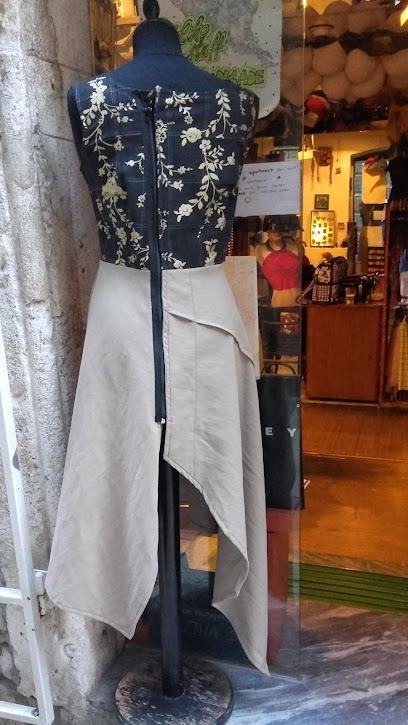
MORE Eco Souvenir Shop
0.1 km
Discover eco-friendly treasures at MORE Eco Souvenir Shop in Split, where every purchase supports local artisans and sustainable practices.
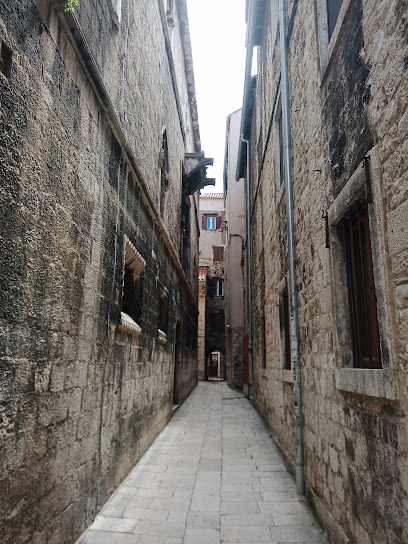
CRO Corner
0.1 km
Discover unique Croatian souvenirs at CRO Corner, a charming gift shop in Split offering handcrafted treasures that capture the essence of Croatia.
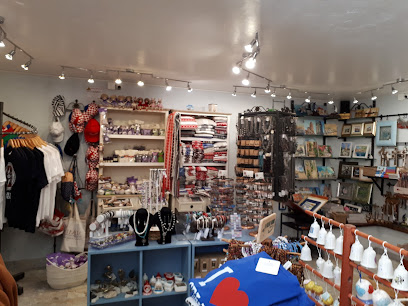
EIE VINTAGE
0.1 km
Explore EIE Vintage in Split for unique, eco-friendly clothing that captures the essence of timeless fashion and sustainable style.
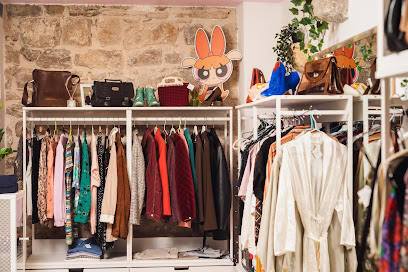
Arteria artis d.o.o
0.1 km
Discover unique fashion and handcrafted jewelry at Arteria in Split, Croatia - a perfect blend of style and local craftsmanship.
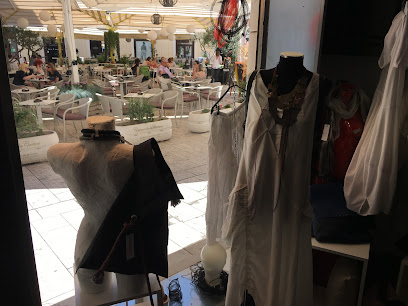
Souvenir Store Papi - Split
0.1 km
Explore authentic Croatian souvenirs and local art at Souvenir Store Papi in the heart of Split, a perfect blend of culture and craftsmanship.
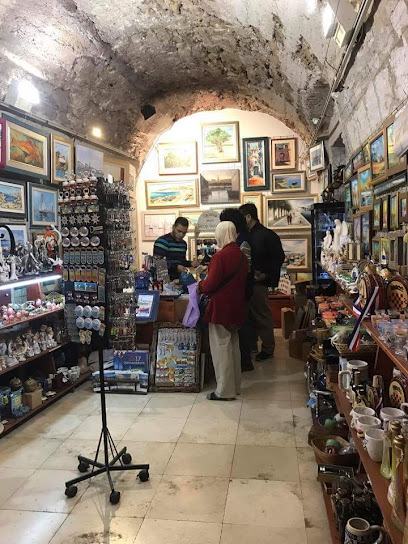
Magnet joli
0.1 km
Explore Magnet Joli in Split for unique gifts and authentic Croatian souvenirs that reflect the rich culture and artistry of the region.
BAG by Ana Gjivoje
0.1 km
Explore the beauty of Croatian craftsmanship at BAG by Ana Gjivoje, your go-to gift shop in Split for unique souvenirs and local artistry.
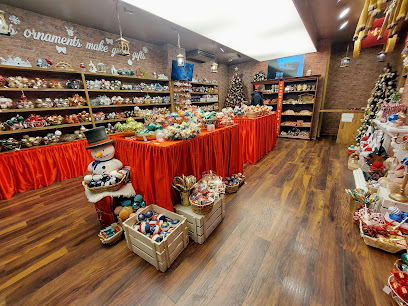
Christmas Shop Split
0.1 km
Explore the enchanting Christmas Shop in Split, where festive decorations and unique gifts create a magical holiday experience.
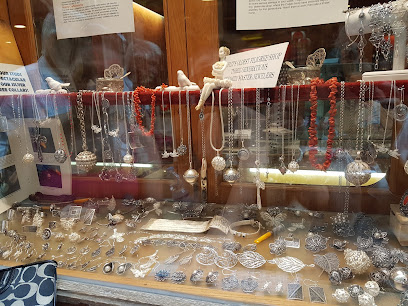
Filigran Split
0.1 km
Experience the exquisite craftsmanship of handmade jewelry at Filigran Split, a must-visit destination for tourists exploring the vibrant city of Split, Croatia.
Essential bars & hidden hideouts

Pun Kufer Cocktail Bar
0.0 km
Experience the vibrant nightlife of Split at Pun Kufer Cocktail Bar - where quirky decor meets expertly crafted cocktails for an unforgettable evening.
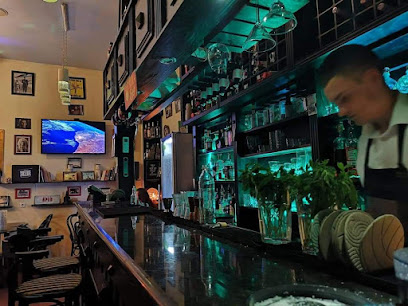
NOOR Fine Spirits & Cocktails
0.1 km
Experience the finest cocktails and vibrant nightlife at NOOR Fine Spirits & Cocktails in Split, Croatia.
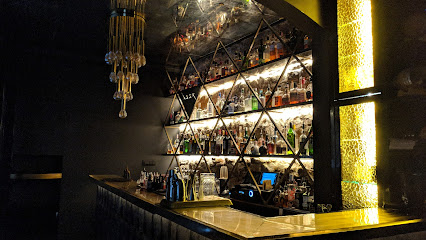
Marvlvs Library Jazz Bar
0.1 km
Experience the magic of live jazz and fine wines at Marvlvs Library Jazz Bar in the heart of Split, Croatia.
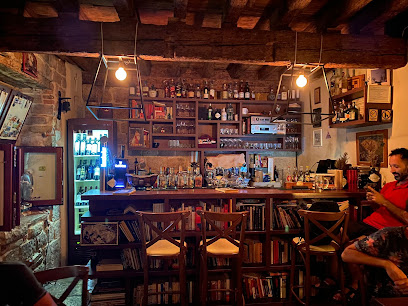
Leopold's Delicatessen Bar
0.1 km
Discover the vibrant flavors of Croatia at Leopold's Delicatessen Bar, a perfect blend of tradition and modernity in the heart of Split.
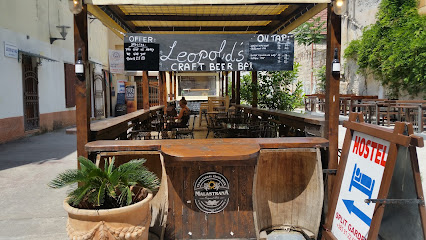
The Daltonist
0.1 km
Experience the vibrant culinary scene at The Daltonist, a bar and restaurant in Split offering breakfast, brunch, and exquisite tapas in a lively atmosphere.
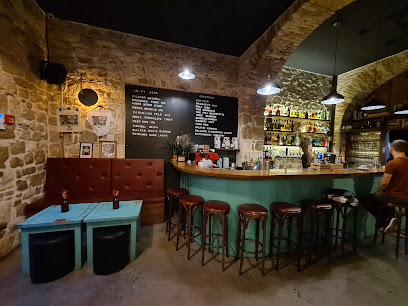
ShotGun Shooters Bar
0.1 km
Dive into the energetic nightlife of Split at ShotGun Shooters Bar, where cocktails and camaraderie meet in a lively atmosphere.
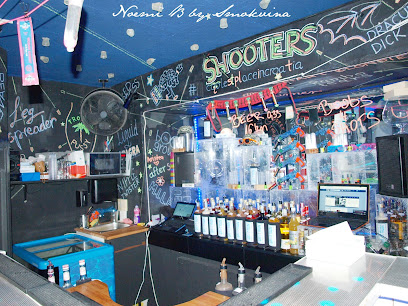
Rodrigo
0.1 km
Discover Rodrigo, a cozy bar in Split offering an extensive drink selection and a vibrant atmosphere perfect for relaxation and socializing.
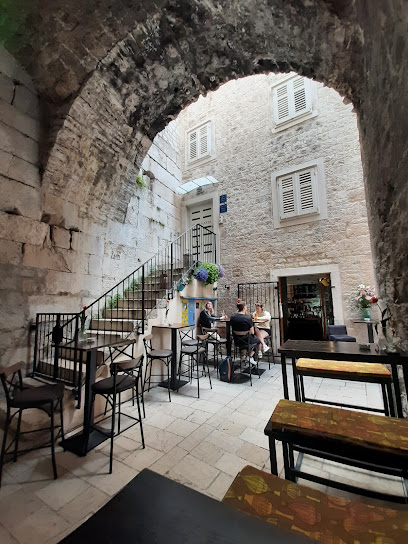
Caffe bar La Linea
0.1 km
Experience the charm of Split at Caffe Bar La Linea, where delightful drinks and a cozy atmosphere await every traveler.
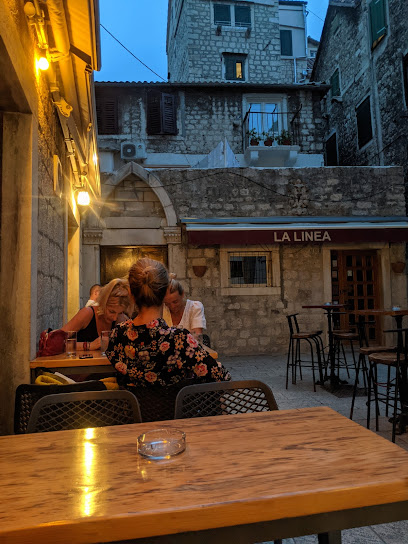
Charlie's Bar
0.2 km
Experience the local charm and vibrant atmosphere at Charlie's Bar in Split, where great drinks and friendly faces await.
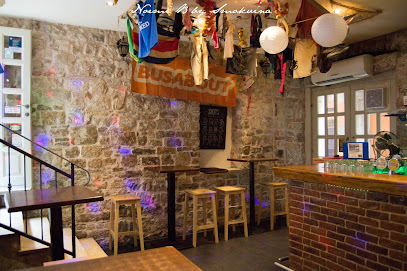
Caffe bar Drama
0.2 km
Experience the vibrant nightlife of Split at Caffe Bar Drama, where delicious drinks and a lively atmosphere await every visitor.
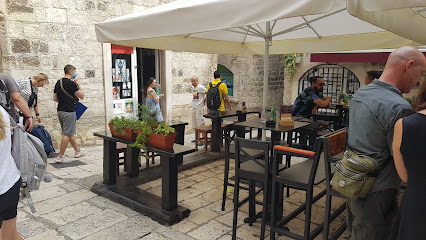
Art Gallery Cafe Music Bar Split
0.2 km
Discover the vibrant fusion of art, grill cuisine, and live music at the Art Gallery Cafe Music Bar in Split, a cultural gem for every traveler.
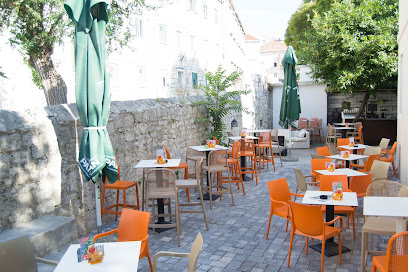
STRING’S BAR
0.2 km
Discover the vibrant atmosphere and unique cocktails at String’s Bar, the ultimate cocktail destination in the heart of Split.
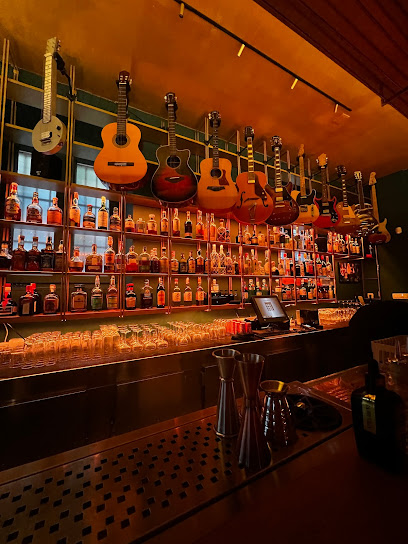
Antique Bar
0.3 km
Discover the charm of Antique Bar in Split, where vintage ambiance meets a vibrant selection of drinks and local culture.
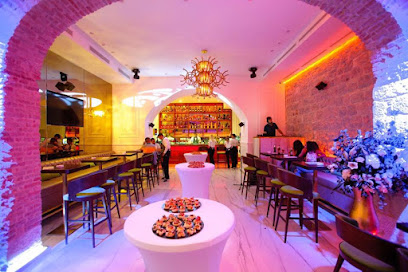
Paradiso cocktail bar
0.3 km
Discover the vibrant nightlife of Split at Paradiso Cocktail Bar, where expertly crafted cocktails and a lively atmosphere await every visitor.
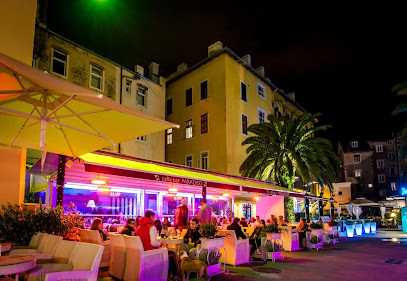
Bar Sistema
0.3 km
Discover the vibrant cocktail culture at Bar Sistema, Split's premier cocktail bar offering unique flavors and an unforgettable atmosphere.
Nightclubs & after hour spots

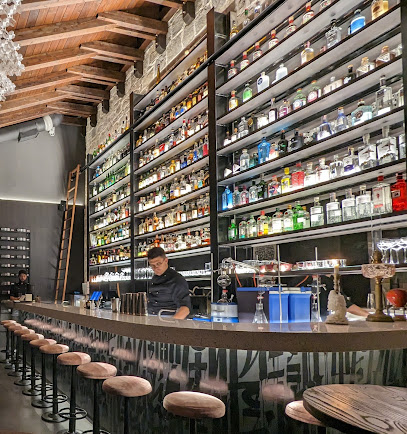
Academia Club Ghetto
0.1 km
Discover the vibrant artistry at Academia Club Ghetto, a unique art café and gallery in Split, perfect for coffee lovers and art enthusiasts.
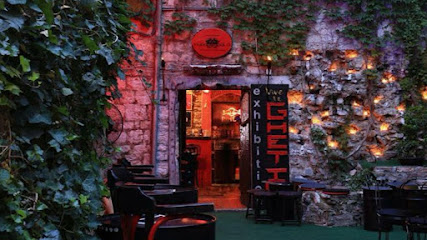
Striptease club Vixen Exclusive
0.2 km
Discover the captivating nightlife at Vixen Exclusive, Split's premier girl bar, featuring dazzling performances and an unforgettable atmosphere.
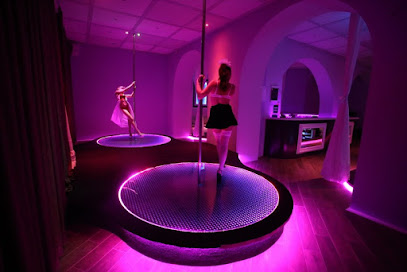
Split It Out - Split Night Out
0.2 km
Dive into the vibrant nightlife at Split It Out Night Club, where music and dance create unforgettable experiences in Split, Croatia.
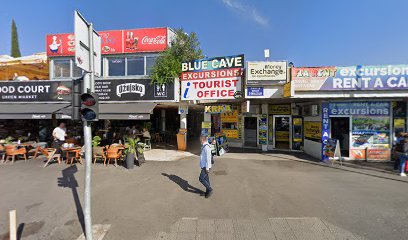
X Club
0.3 km
Experience the vibrant nightlife at X Club, Split's premier gay nightclub where music, dance, and inclusivity come together for an unforgettable night.

Disco Club 305 A.D.
0.3 km
Experience the vibrant nightlife of Split at Disco Club 305 A.D., where electrifying music and unforgettable memories await.
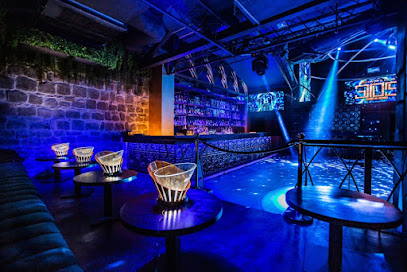
schreckliches Restaurant ohne Namen
0.3 km
Discover the quirky nightlife at Schreckliches Restaurant Ohne Namen in Split, where disco meets whimsical charm for an unforgettable experience.
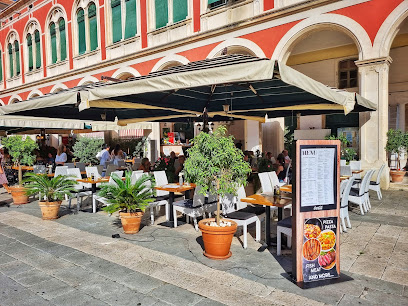
Central the Club
0.3 km
Experience the vibrant nightlife of Split at Central the Club, where electrifying beats and lively crowds create unforgettable nights.
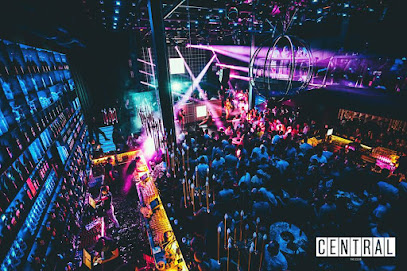
BOILER Club & Dining
0.3 km
Discover the ultimate nightlife experience at BOILER Club & Dining in Split, where exquisite cuisine meets vibrant energy in an unforgettable setting.
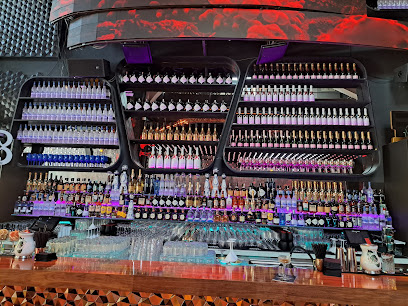
Caffe - Disco bar Treće Poluvrijeme Kuka
0.5 km
Experience the vibrant nightlife of Split at Caffe - Disco Bar Treće Poluvrijeme Kuka, where music, drinks, and fun come together in perfect harmony.
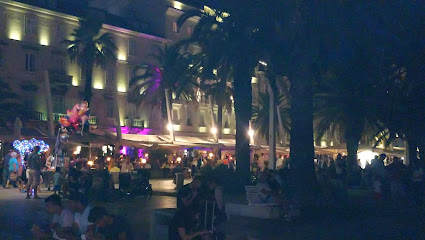
STORY CLUB
0.6 km
Discover the vibrant nightlife at STORY CLUB in Split, where unforgettable parties and electrifying music await every night.
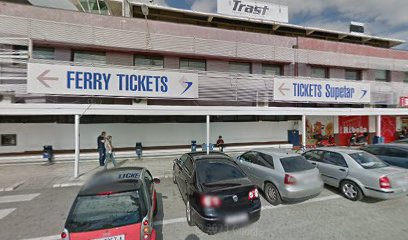
STINA Ltd.
0.7 km
Immerse yourself in Split's vibrant nightlife at STINA Ltd., where music, energy, and fun come together for an unforgettable experience.
Residence Kovic Marjan Hils
0.9 km
Discover the thrilling nightlife of Split at Residence Kovic Marjan Hils, where music, dance, and vibrant energy come together for an unforgettable night.
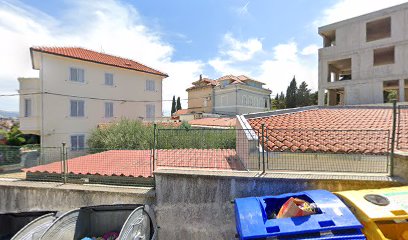
Kocka
0.9 km
Experience the eclectic energy of Kocka in Split, where nightlife meets art in a vibrant community setting.
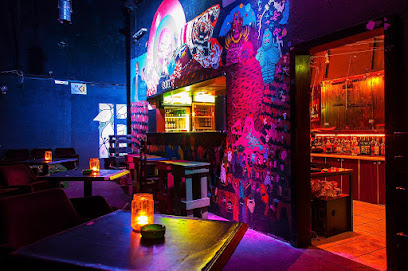
The boss Club
1.0 km
Experience the electrifying nightlife at The Boss Club in Split, Croatia, where premium entertainment meets vibrant atmosphere for unforgettable nights out.
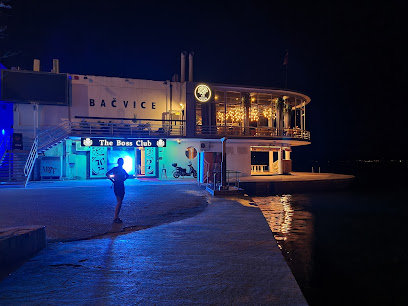
Club Otium
1.0 km
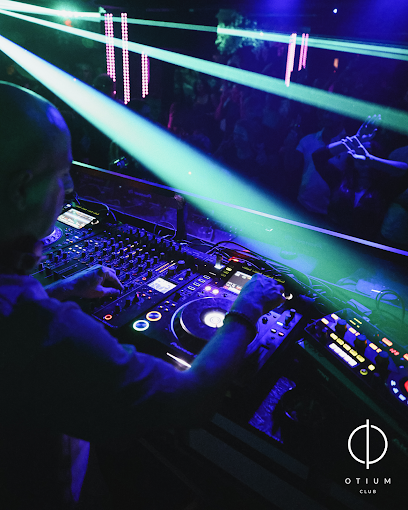
Experience the heartbeat of Split's nightlife at Club Otium, where electrifying techno beats and vibrant ambiance come together for unforgettable nights.