

Akamas Peninsula National Park Travel Guide - Free Web & App
Your ultimate guide to Akamas Peninsula National Park. Discover top landmarks, proposed trips, and local tips. Free on the web or via the Evendo companion app.


Akamas Peninsula National Park, Cyprus offers wild coastlines, turtle beaches, cedar hills, gorges, boat trips and the Baths of Aphrodite.
Coast, Forest and Limestone
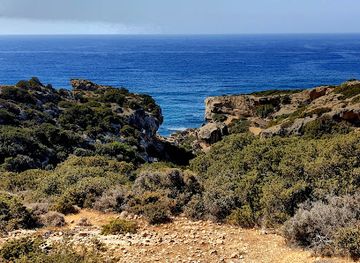
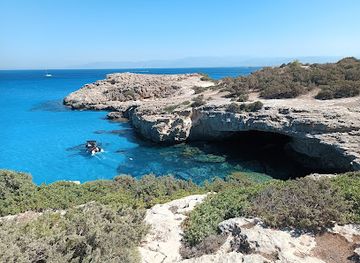
At the north-western tip of Cyprus, the Akamas Peninsula forms a rugged expanse of limestone hills, coastal cliffs, sandy bays, rocky coves and valleys descending towards the Mediterranean. Much of the peninsula remains sparsely developed, giving it a markedly different character from the island’s larger beach resorts. The terrain is dry and sunlit in summer, while spring brings carpets of flowers, aromatic shrubs and fresh green growth to the hillsides. Cape Arnaoutis, the peninsula’s western extremity, looks across open water, and the coast is punctuated by places such as Lara Bay, the Blue Lagoon and Fontana Amorosa.Read more about Akamas Peninsula National Park
Myths, Villages and Conservation
Exploring the Peninsula
When is the best time to visit Akamas Peninsula National Park?
Best: May–June, October · 26–31°C| Month | High (°C) | Rainfall (mm) |
|---|---|---|
| January | 18 | 60 |
| February | 18 | 50 |
| March | 19 | 50 |
| April | 22 | 40 |
| May (best) | 26 | 20 |
| June (best) | 31 | 0 |
| July | 33 | 0 |
| August | 34 | 0 |
| September | 31 | 20 |
| October (best) | 27 | 40 |
| November | 22 | 50 |
| December | 19 | 60 |
Getting to and around Akamas Peninsula National Park
How to get there
Transportation
Best attractions in Akamas Peninsula National Park
The Baths of Aphrodite provide one of Akamas’s best-known cultural and natural stops: a shaded grotto and spring associated by legend with Aphrodite and Adonis, near paths leading into the hills. On the western and northern coast, the Blue Lagoon, Fontana Amorosa and the waters around Cape Arnaoutis are often explored by boat, although access and sea conditions vary. Lara Bay is valued for its broad sands and importance as a nesting area for loggerhead and green turtles, while the Avakas Gorge cuts through pale limestone on the peninsula’s south-eastern side. Inland trails cross dry hills, juniper and pine-covered slopes, aromatic scrub and seasonal flower habitats, with wide views towards the coast. The villages and harbour of Polis and Latchi lie around the peninsula rather than within its wild core, but provide the main bases for reaching these landscapes and understanding the relationship between protected countryside and local life.
-
Tourist attraction
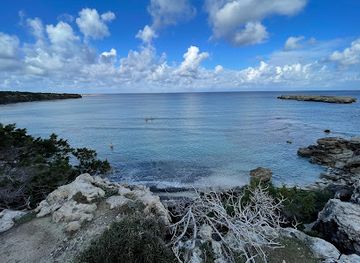
Blue Lagoon
Discover Cyprus's hidden paradise: the Blue Lagoon, a mesmerizing cove with crystal-clear waters and stunning natural beauty, perfect for swimming, snorkeling, and unforgettable moments.
-
Tourist attraction
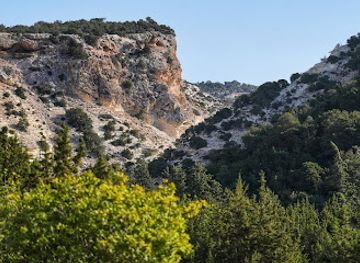
Avakas Gorge Canyon
Hike through a breathtaking limestone canyon carved by the Avgas River on Cyprus's Akamas Peninsula, a haven for unique flora, fauna, and geological wonders near Paphos.
-
National park
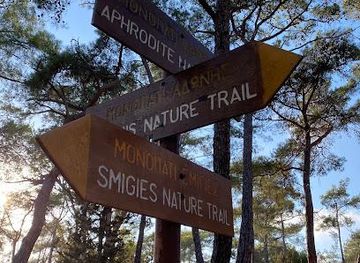
Smigies Nature Trail
Discover the breathtaking beauty of Cyprus on the Smigies Nature Trail, offering panoramic coastal views, diverse ecosystems, and a tranquil escape into the heart of the Akamas Peninsula.
-
Hiking area
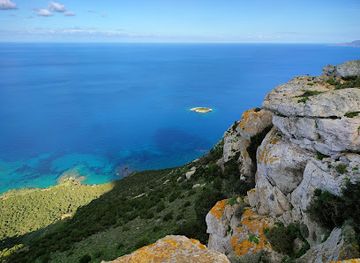
Moutti tis Sotiras
Hike to Moutti tis Sotiras in Akamas Peninsula for panoramic coastal views, diverse trails, and a serene escape into Cyprus's natural beauty, perfect for all skill levels.
Best landmarks in Akamas Peninsula National Park
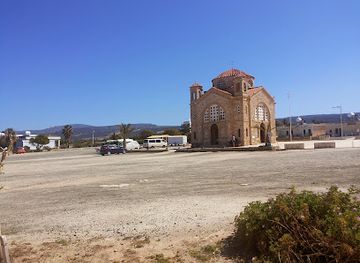
The peninsula’s defining natural landmark is Cape Arnaoutis, the western promontory where the terrain falls towards open Mediterranean waters. Lara Bay is both a coastal landmark and an important turtle-nesting environment, while the Blue Lagoon and Fontana Amorosa are recognisable coastal features shaped by clear water, rocky shores and secluded coves. Inland, the Avakas Gorge exposes layered limestone in a narrow ravine whose scale contrasts with the open uplands above it. The Baths of Aphrodite are significant less for monumental architecture than for the meeting of spring, grotto, woodland and enduring myth. Together these places express Akamas’s identity as a largely undeveloped peninsula in which geology, coastal ecology and classical tradition remain closely connected, with neighbouring Polis and Latchi providing the settled cultural landscape around its edges.
-
Nature preserve
Akamas National Forest Park
Explore the stunning Akamas National Forest Park in Cyprus, a nature lover's paradise filled with breathtaking landscapes and diverse wildlife.
-
Tourist attraction
Manolis Bay
Discover the natural beauty and tranquility of Manolis Bay in Cyprus, a perfect retreat for relaxation and adventure amidst stunning coastal views.
Explore Akamas Peninsula National Park on the map
Plan your trip on one map. See where the top attractions, landmarks, restaurants and hotels are, and book hotels and experiences in a few clicks.
Best hotels in Akamas Peninsula National Park
Best restaurants in Akamas Peninsula National Park
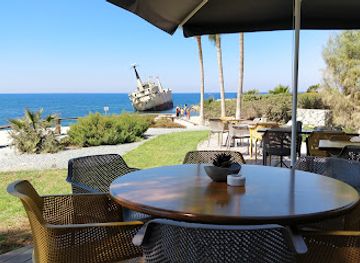
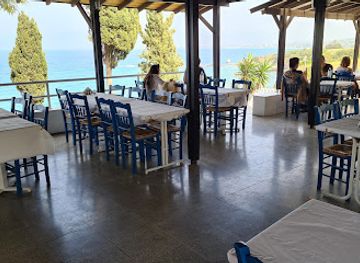
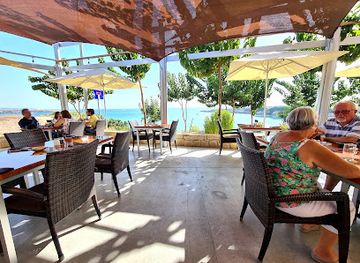
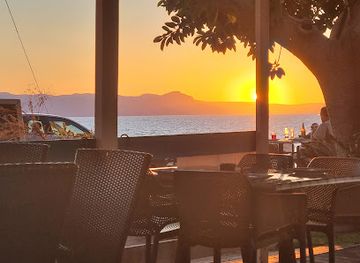
Dining associated with Akamas is concentrated in the surrounding settlements rather than inside the remote peninsula. Polis and nearby villages offer tavernas, cafés and family-run restaurants where visitors can encounter Cypriot dishes such as meze, grilled meats, halloumi, village salads, legumes and seasonal vegetables, alongside regional wines and other local drinks. Latchi adds a strong harbour-side seafood tradition, with fish and other marine dishes available in restaurants serving visitors and local residents. Rural tavernas around the Polis basin may offer a slower, more traditional setting, while small shops and bakeries are useful for provisions before a day among the trails and beaches. Within Akamas itself, food and drink facilities are limited, so visitors should not expect regular cafés, restaurants or shops at isolated attractions and should carry suitable supplies.
-
Restaurant
Oniro By The Sea
Experience exquisite dining at Oniro By The Sea with breathtaking Mediterranean views and delightful Cypriot flavors in Peyia.
-
Restaurant
Baths Of Aphrodite Restaurant
Discover authentic Cypriot flavors amidst stunning natural beauty at Baths Of Aphrodite Restaurant in Neo Chorio.
-
Restaurant
PORTO ANTICO RESTAURANT
Discover culinary excellence at Porto Antico Restaurant - where Mediterranean flavors meet stunning sea views in Coral Bay.
-
Restaurant
Santa Barbara Resto & Beach Bar
Experience authentic Greek flavors at Santa Barbara Resto & Beach Bar in Cyprus with stunning seaside views.
Best bars in Akamas Peninsula National Park
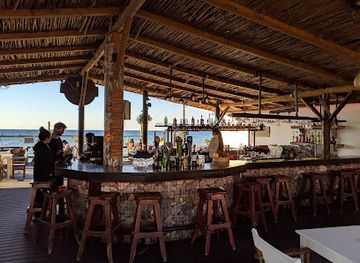
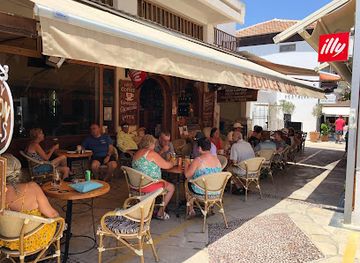
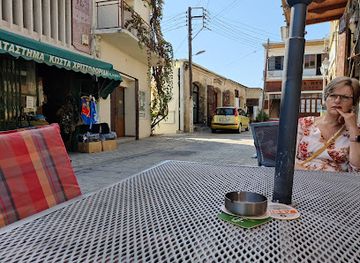
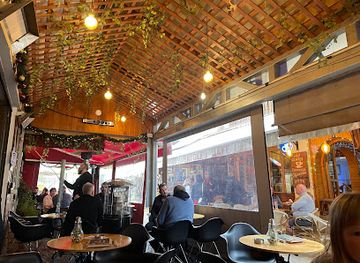
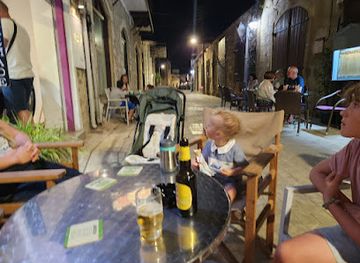
Akamas is not a nightlife destination, and the peninsula has no established club district or concentration of late-night venues. Evening activity is centred on the gateway settlements, particularly Polis and Latchi, where tavernas, cafés, hotel bars and harbour-side establishments provide places for a relaxed drink after walking or a boat excursion. The atmosphere is generally conversational and unhurried rather than party-oriented, with activity varying according to the season and individual venue. Some villages around the Polis area also have traditional coffeehouses and local tavernas where evenings reflect everyday Cypriot social life. Within the protected landscape, nights are quiet and facilities are sparse; visitors should return from remote beaches and trails prepared, rather than expecting illuminated promenades, regular public transport or entertainment infrastructure.
-
Restaurant
Island Beach Bar and Restaurant
Experience the vibrant flavors of Cyprus at Island Beach Bar and Restaurant, where Mediterranean cuisine meets stunning seaside views.
-
Bar
Saddles Café & Bar
Experience the charm of Saddles Café & Bar in Poli Crysochous, where delicious food meets refreshing drinks in a cozy atmosphere.
-
Pub
Costas Corner Cafe Bar
Discover the charming Costas Corner Cafe Bar in Poli Crysochous, where local flavors and a warm atmosphere create the perfect retreat for tourists.
-
Bar
La Terrasse 4 U
Discover La Terrasse 4 U in Poli Crysochous, a vibrant bar and café offering stunning views, delicious food, and a relaxing atmosphere.
Best nightclubs in Akamas Peninsula National Park
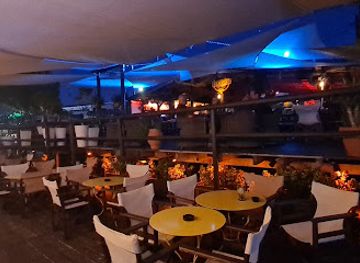
Akamas is not a nightlife destination, and the peninsula has no established club district or concentration of late-night venues. Evening activity is centred on the gateway settlements, particularly Polis and Latchi, where tavernas, cafés, hotel bars and harbour-side establishments provide places for a relaxed drink after walking or a boat excursion. The atmosphere is generally conversational and unhurried rather than party-oriented, with activity varying according to the season and individual venue. Some villages around the Polis area also have traditional coffeehouses and local tavernas where evenings reflect everyday Cypriot social life. Within the protected landscape, nights are quiet and facilities are sparse; visitors should return from remote beaches and trails prepared, rather than expecting illuminated promenades, regular public transport or entertainment infrastructure.
-
Restaurant
Island Beach Bar and Restaurant
Discover Island Beach Bar and Restaurant, where vibrant dining meets stunning coastal views in the heart of Cyprus.
-
Pub
Costas Corner Cafe Bar
Experience authentic Cypriot hospitality at Costas Corner Cafe Bar, where delicious food and lively atmosphere await in Poli Crysochous.
-
Lounge
La Terrasse
Experience the charm of La Terrasse, a cozy lounge in Poli Crysochous, Cyprus, offering delicious cuisine and a vibrant atmosphere for all travelers.
-
Bar
The Village Pub
Discover the charm of The Village Pub in Poli Crysochous, where local drinks and warm hospitality await every visitor.

Best shops in Akamas Peninsula National Park
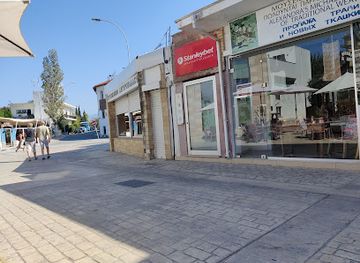
Shopping in and around Akamas is modest and practical rather than extensive. Polis has the widest choice of everyday shops, small food retailers, cafés and businesses serving visitors, while Latchi is useful for provisions and items associated with coastal excursions. In villages around the peninsula, visitors may find locally produced foods, including olive oil, honey, wine, preserves and seasonal agricultural products, although availability varies between businesses and seasons. Traditional Cypriot goods such as woven textiles, pottery and handmade souvenirs are more likely to be found in established settlements than at isolated natural attractions. There are no substantial shopping streets within the protected peninsula, so walkers and boat passengers should purchase water, food, sun protection and other essentials before leaving the gateway towns.
-
Nature preserve
Akamas National Forest Park
Discover the breathtaking landscapes and rich biodiversity of Akamas National Forest Park in Cyprus, a must-visit destination for nature lovers and adventure seekers.
-
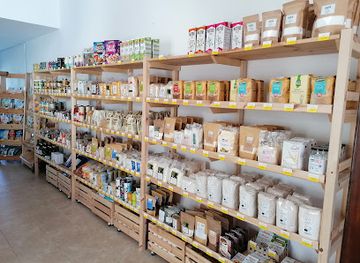
Organic food store
TCs plant-based grocery
Explore TCs Plant-Based Grocery in Polis Chrysochous for fresh organic produce and a wide selection of plant-based essentials in a cozy, sustainable setting.
-
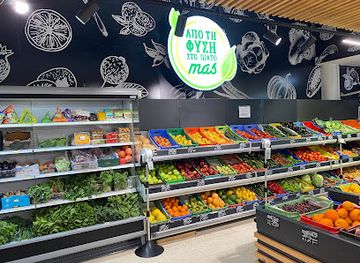
Grocery store
Mas supermarket
Experience the best of Cypriot grocery shopping at Mas Supermarket, where quality meets friendly service in Poli Crysochous.
-
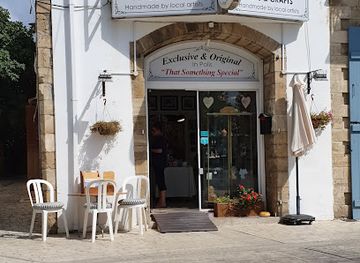
Gift shop
That Nice Shop
Explore That Nice Shop for unique gifts and artistic handicrafts in the heart of Poli Crysochous, Cyprus, a treasure trove for souvenir seekers.
Get your free copy of our complete guide to Akamas Peninsula National Park, delivered straight to you.
Everything on this page, from attractions and restaurants to essentials and local phrases, in one PDF you can read offline, print or share.
Already have an account? Sign in
Your Akamas Peninsula National Park guide is ready.
We'll send it to · Not you? Sign out

Getting your guide ready…
We are putting together a fresh copy of the Akamas Peninsula National Park guide. This can take up to a minute.
This can take a few moments. If your browser asks, choose Allow so the download can start. You'll find the guide in your Downloads folder.
Nothing happened? Download it again
Sorry, the guide is taking longer than usual. Please try again in a minute, or get it by email instead.
Akamas Peninsula National Park essentials
Currency and Payment
Safety
Emergency Situations
Do's and Don'ts
Local Tips
From Eve
Local phrases worth knowing
You don't need to get them perfect. A few words go a long way, and locals appreciate the effort.
Basics
| English | Local | Say it |
|---|---|---|
| Hello | Γεια σας | [Ya sas] |
| Goodbye | Αντίο | [Antío] |
| Yes | Ναι | [Ne] |
| No | Όχι | [Óchi] |
| Please/You're welcome | Παρακαλώ | [Parakaló] |
| Thank you | Ευχαριστώ | [Efcharistó] |
| Excuse me/Sorry | Συγγνώμη | [Signómi] |
| How are you? | Πώς είστε; | [Pos íste?] |
| Fine. And you? | Καλά. Εσείς; | [Kalá. Esís?] |
| Do you speak English? | Μιλάτε Αγγλικά; | [Miláte Angliká?] |
| I don't understand | Δεν καταλαβαίνω | [Den katalavéno] |
Eating & Drinking
| English | Local | Say it |
|---|---|---|
| I'd like to see the menu, please | Θα ήθελα να δω το μενού, παρακαλώ | [Tha íthela na do to menú, parakaló] |
| I don't eat meat | Δεν τρώω κρέας | [Den tróo kréas] |
| Cheers! | ΥΓΕΙΑ! | [Yia] |
| I would like to pay, please | Θα ήθελα να πληρώσω, παρακαλώ | [Tha íthela na pliróso, parakaló] |
Emergencies
| English | Local | Say it |
|---|---|---|
| Help! | Βοήθεια! | [Voítheia!] |
| Go away! | Πήγαινε μακριά! | [Píyene makriá!] |
| Call the Police! | Καλέστε την Αστυνομία! | [Kaléste tin Astynomía!] |
| Call a doctor! | Καλέστε γιατρό! | [Kaléste giatró!] |
| I'm lost | Έχω χαθεί | [Ého hathí] |
| I'm ill | Είμαι άρρωστος | [Íme árrostos] |
Shopping
| English | Local | Say it |
|---|---|---|
| I'd like to buy... | Θα ήθελα να αγοράσω... | [Tha íthela na agoráso...] |
| I'm just looking | Απλά κοιτάω | [Aplá kitáo] |
| How much is it? | Πόσο κοστίζει; | [Póso kostízi?] |
| That's too expensive | Αυτό είναι πολύ ακριβό | [Aftó íne polí akrivó] |
| Can you lower the price? | Μπορείτε να μειώσετε την τιμή; | [Boríte na miósete tin timí?] |
Time & Numbers
| English | Local | Say it |
|---|---|---|
| What time is it? | Τι ώρα είναι; | [Ti óra íne?] |
| It's one o'clock | Είναι μία ώρα | [Íne mía óra] |
| Half past (10) | Μισή (10) | [Misí (10)] |
| Morning | Πρωί | [Proí] |
| Afternoon | Απόγευμα | [Apóyevma] |
| Evening | Βράδυ | [Vrádi] |
| Yesterday | Χθες | [Hthes] |
| Today | Σήμερα | [Símera] |
| Tomorrow | Αύριο | [Ávrio] |
| 1 | Ένα | [Éna] |
| 2 | Δύο | [Dío] |
| 3 | Τρία | [Tría] |
| 4 | Τέσσερα | [Téssera] |
| 5 | Πέντε | [Pénte] |
| 6 | Έξι | [Éxi] |
| 7 | Επτά | [Eptá] |
| 8 | Οχτώ | [Ochtó] |
| 9 | Εννιά | [Enniá] |
| 10 | Δέκα | [Déka] |
Transport & Directions
| English | Local | Say it |
|---|---|---|
| Where's a/the...? | Πού είναι ένα/το...; | [Pou íne éna/to...?] |
| What's the address? | Ποια είναι η διεύθυνση; | [Pia íne i diefthynsi?] |
| Can you show me (on the map)? | Μπορείτε να μου δείξετε (στο χάρτη); | [Boríte na mou díxete (sto chárte)?] |
| When's the next (bus)? | Πότε είναι το επόμενο (λεωφορείο); | [Póte íne to epómeno (leoforío)?] |
| A ticket (to ....) | Ένα εισιτήριο (για το...); | [Éna isitírio (ya to...)?] |
History of Akamas Peninsula National Park
A Limestone Peninsula Shaped by Nature
Akamas is a geological landscape of limestone hills, ridges, ravines and marine terraces shaped over long periods by uplift, erosion and the action of water. Its varied rock formations helped produce the steep-sided valleys and narrow gorges visible today, while the peninsula’s position between land and open sea created a mosaic of coastal, woodland and shrub habitats. The dry Mediterranean climate has favoured plants adapted to seasonal drought, and the relative absence of dense modern development has allowed much of the peninsula’s natural character to endure.
Early Settlement and Coastal Use
The wider Akamas and Polis area has been occupied since antiquity, with communities making use of fertile valleys, springs, coastal resources and routes across north-western Cyprus. Akamas itself was never transformed into a large urban centre, and its difficult terrain limited intensive settlement. Instead, pastoral activity, small-scale agriculture, fishing and the use of natural resources shaped the relationship between people and the peninsula. The nearby ancient city of Marion, later Arsinoe, helped give the region a wider commercial and cultural setting, although its principal remains lie outside the peninsula.
Aphrodite and the Cultural Landscape
The peninsula’s cultural identity is closely connected with Aphrodite, the ancient Greek goddess associated with love and fertility. The Baths of Aphrodite, a natural grotto near the coast above Polis, became linked by tradition with the goddess and her lover Adonis. The story belongs to the peninsula’s long mythological inheritance rather than to a documented historical event, but it has influenced the way visitors and residents understand the landscape. Nearby springs, wooded slopes and sea views helped sustain the association between water, fertility and divine presence.
Rural Land Use and Limited Development
For centuries, Akamas remained a largely rural margin of north-western Cyprus. Herding, cultivation and the gathering of useful plants coexisted with the peninsula’s steep terrain and seasonal water supply. Its relative remoteness later helped prevent the intensive resort construction seen elsewhere on the island. Roads and recreational access increased during the modern period, but the absence of extensive urban development remains one of the defining features of the area. Settlements such as Polis and Latchi developed as the main service centres around the peninsula rather than within its most remote interior.
Conservation and the Modern National Park
During the twentieth and early twenty-first centuries, greater attention focused on Akamas as a refuge for Mediterranean habitats and turtle-nesting beaches. The peninsula and adjacent coastal areas are covered by European Natura 2000 protections, reflecting the importance of their habitats and species. Cyprus has also moved towards national forest park management for Akamas, alongside measures intended to regulate roads, vehicles, recreation and sensitive coastal use. Contemporary conservation is particularly concerned with balancing visitor access, local livelihoods and tourism with the protection of nesting turtles, plant communities and fragile landscapes.
Akamas Peninsula National Park in Photos
Browse through our photo collection highlighting the charm and character of the destination.
Cities in Akamas Peninsula National Park
The towns and cities of Akamas Peninsula National Park, and the easiest places to base yourself.

Swipe for more cities
Neighbouring destination travel guides
The closest destinations to Akamas Peninsula National Park, if you have time for more than one.
-

-

-

-

-


Swipe for more destinations
Explore more
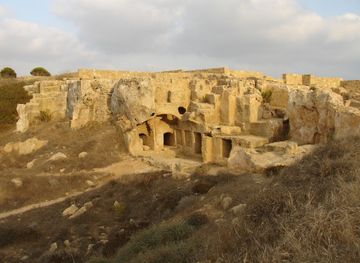
Explore more of Paphos District
Discover Paphos District: Ancient ruins, stunning beaches, and charming villages await in this captivating region of Cyprus.
Explore Paphos District
Explore more of Cyprus
Discover Cyprus: A Mediterranean paradise with a rich tapestry of history, culture, and breathtaking landscapes, offering a perfect blend of relaxation and adventure.
Explore Cyprus