

Moravian Karst Travel Guide - Free Web & App
Your ultimate guide to Moravian Karst. Discover top landmarks, proposed trips, and local tips. Free on the web or via the Evendo companion app.


Discover the Moravian Karst in Czechia: An underground world of stunning caves, gorges, and a rich natural landscape perfect for adventure and relaxation.
Read more about Moravian Karst
When is the best time to visit Moravian Karst?
Best: June–August · 23–25°C| Month | High (°C) | Rainfall (mm) |
|---|---|---|
| January | 3 | 25 |
| February | 3 | 21 |
| March | 8 | 24 |
| April | 14 | 29 |
| May | 19 | 36 |
| June (best) | 23 | 42 |
| July (best) | 25 | 45 |
| August (best) | 24 | 43 |
| September | 19 | 38 |
| October | 14 | 31 |
| November | 7 | 26 |
| December | 3 | 24 |
Getting to and around Moravian Karst
How to get there
Transportation
Best attractions in Moravian Karst
Moravian Karst in Czechia offers visitors a unique experience of exploring underground caves, majestic gorges, and lush forests. Visitors can marvel at the stunning stalactites and stalagmites in the Punkva Caves, cruise through the underground river in the Macocha Abyss, and hike along the scenic trails of the surrounding area. With its rich history and breathtaking natural beauty, Moravian Karst is a must-visit destination for any travel enthusiast.
-
Tourist attraction
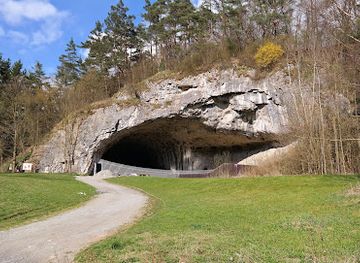
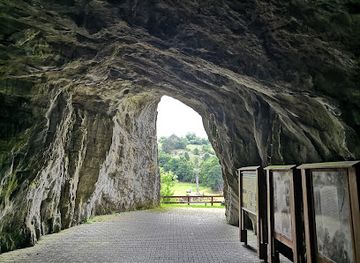
Sloupsko-šošůvské jeskyně
Discover the enchanting Sloupsko-šošůvské Caves, a natural wonder filled with stunning formations and rich history in the Czech Republic.
-
Tourist attraction
Balcarka cave
Discover the breathtaking beauty of Balcarka Cave, a stunning natural attraction filled with unique geological formations and rich history.
-
Catholic church
Kostel sv. Jakuba
Discover the architectural beauty and historical significance of St. James Church, a must-see attraction in Brno's vibrant city center.
-
Tourist attraction
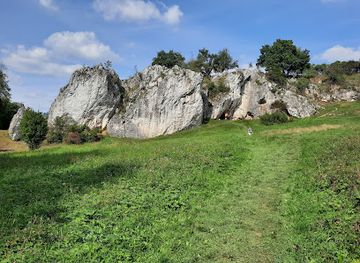
Rudické propadání (ponor Jedovnického potoka)
Explore the breathtaking Rudické Propadání, a stunning natural sinkhole in the Czech Republic, perfect for nature lovers and adventure seekers.

Explore Moravian Karst on the map
Plan your trip on one map. See where the top attractions, landmarks, restaurants and hotels are, and book hotels and experiences in a few clicks.
Best hotels in Moravian Karst
Best restaurants in Moravian Karst
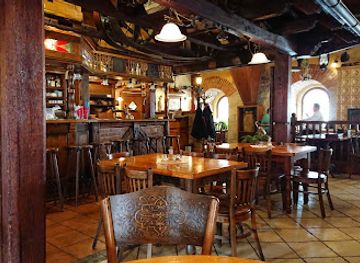
The dining scene in Moravian Karst offers a delightful mix of traditional Czech cuisine and international flavors, catering to a diverse range of tastes. From cozy local pubs serving up hearty goulash and dumplings to upscale restaurants showcasing modern interpretations of Moravian dishes, visitors can expect a culinary adventure that reflects the rich history and cultural influences of the region. Don't miss the opportunity to sample local wines and spirits, as well as freshly baked pastries and desserts that are sure to satisfy any sweet tooth. Whether you're looking for a casual meal or a fine dining experience, Moravian Karst has something to offer every palate.
-
Restaurant
Lhotecký mlýn
Experience authentic Czech cuisine at Lhotecký mlýn in Dolní Lhota, where every dish tells a story.
-
Restaurant
S.M.K. a.s.
Experience the best of Czech cuisine at S.M.K. a.s., where tradition meets modern culinary excellence in Blansko.
Best nightclubs in Moravian Karst
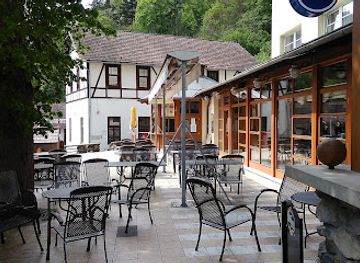
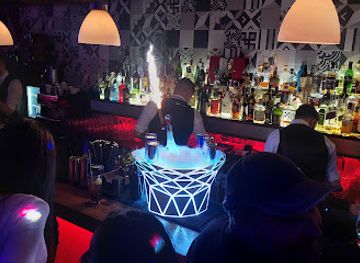
The nightlife scene of Moravian Karst offers a unique blend of traditional Czech pubs and modern cocktail bars, providing visitors with a diverse range of options to enjoy after a day of exploring the natural wonders of the area. From cozy underground taverns serving local brews to trendy rooftop bars with panoramic views, there is something for everyone to experience. Live music performances, themed parties, and cultural events add to the vibrant atmosphere, making it a must-visit destination for those looking to unwind and socialize in a picturesque setting.
-
Night club
Pitkin music bar
Discover the exhilarating ambiance of Pitkin Music Bar, Brno's hotspot for nightlife with live music and vibrant dance floors.
-
Night club
Red Devil Night Club
Dive into Brno's nightlife at Red Devil Night Club, where electrifying music and unforgettable experiences await every night.
-
Night club
Lady Marion
Discover the vibrant nightlife at Lady Marion, a top night club in Brno-Královo Pole that promises unforgettable entertainment and exhilarating experiences.
-
Disco club
Music Club BASS
Experience the vibrant nightlife of Blansko at Music Club BASS, where electrifying beats and a lively atmosphere await every visitor.

Best shops in Moravian Karst
Visitors to Moravian Karst can expect a unique shopping experience, with a variety of local shops offering traditional handicrafts, souvenirs, and local products. From intricate lacework to delicious wines and cheeses, the shopping scene in Moravian Karst showcases the rich cultural heritage of the region. Tourists can explore charming boutiques and markets, where they can find one-of-a-kind items to take home as mementos of their trip to this picturesque destination.
-
Nature preserve
Moravian Karst
Explore the breathtaking Moravian Karst, a UNESCO World Heritage site with stunning caves, lush trails, and diverse wildlife in the heart of the Czech Republic.

Get your free copy of our complete guide to Moravian Karst, delivered straight to you.
Everything on this page, from attractions and restaurants to essentials and local phrases, in one PDF you can read offline, print or share.
Already have an account? Sign in
Your Moravian Karst guide is ready.
We'll send it to · Not you? Sign out

Getting your guide ready…
We are putting together a fresh copy of the Moravian Karst guide. This can take up to a minute.
This can take a few moments. If your browser asks, choose Allow so the download can start. You'll find the guide in your Downloads folder.
Nothing happened? Download it again
Sorry, the guide is taking longer than usual. Please try again in a minute, or get it by email instead.
Moravian Karst essentials
Currency and Payment
Safety
Emergency Situations
Do's and Don'ts
Local Tips
From Eve
Local phrases worth knowing
You don't need to get them perfect. A few words go a long way, and locals appreciate the effort.
Basics
| English | Local | Say it |
|---|---|---|
| Hello | Ahoj | [ahoy] |
| Goodbye | Na shledanou | [nah shledanou] |
| Yes | Ano | [ah-no] |
| No | Ne | [neh] |
| Please/You're welcome | Prosím | [pro-seem] |
| Thank you | Děkuji | [dyeh-koo-yi] |
| Excuse me/Sorry | Promiňte | [proh-meen-teh] |
| How are you? | Jak se máš? | [yak seh mahsh] |
| Fine. And you? | Dobře. A ty? | [dob-zhe. ah tee] |
| Do you speak English? | Mluvíte anglicky? | [mloo-vee-teh ahn-gleet-skee] |
| I don't understand | Nerozumím | [neh-roh-zoo-meem] |
Eating & Drinking
| English | Local | Say it |
|---|---|---|
| I'd like to see the menu, please | Rád bych viděl/již měnů, prosím | [rahd bikh vee-dyel/yeezh mye-noo, pro-seem] |
| I don't eat meat | Já nejím maso | [yah nehyeem mah-soh] |
| Cheers! | Na zdraví! | [nah zdrah-vee] |
| I would like to pay, please | Chtěl bych zaplatit, prosím | [khtyel bikh zap-la-teet, pro-seem] |
Emergencies
| English | Local | Say it |
|---|---|---|
| Help! | Pomoc! | [poh-mohts] |
| Go away! | Jdi pryč! | [ydee preetch] |
| Call the Police! | Zavolejte policii! | [zah-vo-lay-teh poh-lee-tsee] |
| Call a doctor! | Zavolejte doktora! | [zah-vo-lay-teh dohk-toh-rah] |
| I'm lost | Ztratil jsem se | [ztrah-teel yehm seh] |
| I'm ill | Jsem nemocný | [yehm neh-mohts-nee] |
Shopping
| English | Local | Say it |
|---|---|---|
| I'd like to buy... | Rád bych koupit... | [rahd bikh koh-peeht] |
| I'm just looking | Jen se dívám | [yehn seh dee-vahm] |
| How much is it? | Kolik to stojí? | [koh-leek toh stoh-yee] |
| That's too expensive | To je příliš drahé | [toh yeh preel-ish dhrah-heh] |
| Can you lower the price? | Můžete snížit cenu? | [moo-zheh-teh snee-zheeth tseh-noo] |
Time & Numbers
| English | Local | Say it |
|---|---|---|
| What time is it? | Kolik je hodin? | [koh-leek yeh hoh-deen] |
| It's one o'clock | Je jedna hodina | [yeh yed-nah hoh-dee-nah] |
| Half past (10) | Půl jedenácté | [pool yed-nyant-seh] |
| Morning | Ráno | [rah-noh] |
| Afternoon | Odpoledne | [ohd-poh-led-neh] |
| Evening | Večer | [veh-chair] |
| Yesterday | Včera | [v-cheh-rah] |
| Today | Dnes | [dnes] |
| Tomorrow | Zítra | [zee-tra] |
| 1 | Jedna | [yed-nah] |
| 2 | Dva | [dvah] |
| 3 | Tři | [tree] |
| 4 | Čtyři | [cht-yer-zhee] |
| 5 | Pět | [pyet] |
| 6 | Šest | [shest] |
| 7 | Sedm | [sedm] |
| 8 | Osma | [ohs-mah] |
| 9 | Devět | [deh-vyet] |
| 10 | Deset | [deh-set] |
Transport & Directions
| English | Local | Say it |
|---|---|---|
| Where's a/the...? | Kde je... | [kde yeh] |
| What's the address? | Jaká je adresa? | [yah-kah yeh ah-dreh-sah] |
| Can you show me (on the map)? | Můžete mi to ukázat (na mapě)? | [moo-zheh-teh mee toh oo-kah-zaht (nah mah-peh)] |
| When's the next (bus)? | Kdy jede další (autobus)? | [kdee yeh-deh dah-lyee (ow-toh-boos)] |
| A ticket (to ....) | Jedno jízdenka (do ...) | [yed-noh yeez-dehn-kah (doh)] |
History of Moravian Karst
Prehistoric Beginnings
The Moravian Karst has been inhabited since the Paleolithic era, with evidence of human activity dating back over 100,000 years. Archaeological findings, such as stone tools and remnants of ancient campsites, suggest that early humans were drawn to this area for its natural shelters and abundant resources.
Neolithic and Bronze Age
During the Neolithic period, the Moravian Karst saw the establishment of the first agricultural communities. The discovery of pottery shards and farming tools indicates a shift from nomadic lifestyles to settled farming. By the Bronze Age, the region had developed significant trade networks, evidenced by the unearthing of bronze artifacts and imported goods.
Celtic and Roman Influence
The Celts inhabited the Moravian Karst around the 4th century BCE, leaving behind a legacy of fortified settlements known as oppida. These structures served as hubs of trade and defense. The Roman influence in the region is marked by the discovery of coins, pottery, and other artifacts, suggesting that the area was part of broader Roman trade routes.
Medieval Developments
In the medieval period, the Moravian Karst became a focal point for mining and mineral extraction, particularly for iron and silver. The remnants of medieval mining operations can still be seen in the form of old shafts and tunnels. Additionally, several castles and fortresses were built to protect these valuable resources and strategic points.
17th and 18th Century Exploration
The 17th and 18th centuries marked the beginning of systematic exploration of the Moravian Karst’s cave systems. Naturalists and adventurers documented their findings, leading to the first scientific studies of the region’s geology and biospeleology. This period also saw the first maps and descriptions of the extensive cave networks.
Modern Conservation Efforts
In the 20th century, efforts to preserve the unique geological and biological features of the Moravian Karst gained momentum. The region was designated a protected landscape area in 1956, ensuring the conservation of its caves, karst formations, and endemic species. Today, the Moravian Karst is a popular destination for tourists and researchers alike, offering a glimpse into both natural history and human heritage.
Moravian Karst in Photos
Browse through our photo collection highlighting the charm and character of the destination.
Cities in Moravian Karst
The towns and cities of Moravian Karst, and the easiest places to base yourself.

Swipe for more cities
Neighbouring destination travel guides
The closest destinations to Moravian Karst, if you have time for more than one.
-

-

-


Swipe for more destinations
Explore more

Explore more of South Moravia
Discover South Moravia: A blend of exquisite wines, historic towns, and breathtaking landscapes in the heart of Czechia.
Explore South Moravia
Explore more of Czechia
Discover Czechia: A European gem with historic towns, stunning landscapes, and cultural delights. Perfect for travelers seeking charm, history, and adventure.
Explore Czechia