

Free North Bohemia Travel Guide & Mobile App
Explore North Bohemia with free travel guides. Discover regional history, expert tips, proposed trips, and audio guides on web or mobile app.


Explore North Bohemia’s sandstone landscapes, mountain trails, historic towns, castles, glassmaking heritage and Elbe Valley vineyards in Czechia.
Read more about North Bohemia
When is the best time to visit North Bohemia?
Best: June–August · 23–25°C| Month | High (°C) | Rainfall (mm) |
|---|---|---|
| January | 3 | 25 |
| February | 4 | 22 |
| March | 10 | 30 |
| April | 14 | 35 |
| May | 19 | 45 |
| June (best) | 23 | 55 |
| July (best) | 25 | 65 |
| August (best) | 24 | 60 |
| September | 20 | 50 |
| October | 14 | 40 |
| November | 6 | 35 |
| December | 4 | 30 |
Getting to and around North Bohemia
How to get there
Transportation
Top city travel guides in North Bohemia
The cities of North Bohemia, and the easiest places to base yourself.
-

-


Swipe for more cities
Destinations in North Bohemia
Resorts, valleys and scenic spots worth a trip of their own.
-

-

-
-

-


Swipe for more destinations
Best attractions in North Bohemia
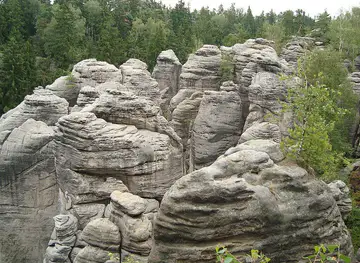
North Bohemia’s attractions range from protected landscapes to industrial and aristocratic heritage. České Švýcarsko offers sandstone formations, forest ravines and viewpoints around the northern border, although access to individual trails and gorges can change. The Jizera Mountains provide walking, cycling and winter routes across wooded uplands, while Ještěd gives Liberec a distinctive mountain focus. At the eastern edge, the Bohemian Paradise is known for the Prachov Rocks, castles and narrow paths between sandstone towers. The Elbe Valley brings a warmer landscape of vineyards, historic towns and river scenery around Litoměřice, while Děčín combines urban heritage with access to surrounding cliffs and valleys. Castles, manor houses and ruins such as Trosky, Bezděz, Grabštejn and Kost reveal the region’s medieval and aristocratic past. Museums in Liberec, Ústí nad Labem and other towns explore natural science, glass, textiles, regional history and industrial change. Families can combine museums, zoos and accessible viewpoints with outdoor days, while more experienced walkers and climbers will find demanding terrain in mountain and sandstone districts. The strongest itineraries balance nature with the region’s craft, mining and architectural history.
-
Fortress
Vyšehrad
Explore Vyšehrad, a historic fortress in Prague offering breathtaking views, lush parks, and a rich tapestry of Czech history and culture.
-
Tourist attraction
Kamieńczyk Waterfall
Experience the breathtaking beauty of Kamieńczyk Waterfall, the highest waterfall in the Polish Sudetes, surrounded by lush nature and stunning landscapes.
-
National park
Karkonosze National Park
Experience the breathtaking beauty of Karkonosze National Park, a stunning natural wonder in Poland, perfect for adventure seekers and nature lovers alike.
-
Museum
Sex Machines Museum
Visit the Sex Machines Museum in Prague for a unique blend of history, humor, and the evolution of sexual devices in a captivating setting.

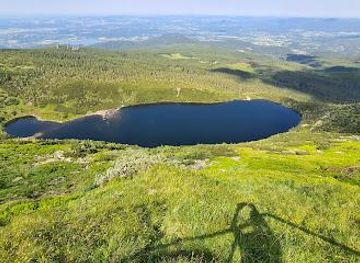

Best landmarks in North Bohemia
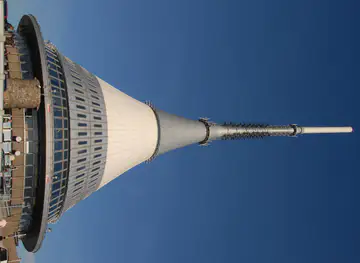
Ještěd is North Bohemia’s most recognisable modern landmark: its mountain-top tower and hotel, designed by Karel Hubáček and completed in the 1970s, combine a transmitter with a distinctive hyperboloid form above Liberec. In the Elbe valley, Děčín Castle stands on a rocky spur above the river and reflects the town’s role as a historic gateway, while Château Litomyšl is outside the region and should not be confused with the Baroque and Renaissance heritage found in North Bohemia itself. Litoměřice’s cathedral and historic square express the town’s ecclesiastical and commercial importance. The volcanic cone of Milešovka, the highest peak of the České středohoří, is a major natural landmark with broad views when conditions are clear. Farther north, the Pravčická brána sandstone arch near Hřensko is an emblem of České Švýcarsko, though visitors must observe current access rules. The castle ruins of Trosky, with twin basalt towers, dominate the Bohemian Paradise skyline, while Bezděz rises above the surrounding landscape as a powerful medieval silhouette. Together these places show the region’s unusual combination of engineered, historic and geological landmarks.
-
Bridge
Charles Bridge
Experience the enchanting beauty and rich history of Charles Bridge, a must-see landmark connecting Prague's iconic districts.
-
Castle
Prague Castle
Discover the rich history and breathtaking architecture of Prague Castle, a true gem in the heart of Europe, offering stunning views and cultural treasures.
-
Tourist attraction
Prague Astronomical Clock
Discover the magic of the Prague Astronomical Clock, a medieval masterpiece that brings the history of timekeeping to life in the heart of Prague.
-
Fortress
Vyšehrad
Explore Vyšehrad, a historic fortress in Prague with stunning views, rich history, and beautiful gardens, perfect for a peaceful getaway.


Explore North Bohemia on the map
Plan your trip on one map. See where the top cities, national parks and sights are, and book hotels and experiences in a few clicks.
Best hotels in North Bohemia
Best restaurants in North Bohemia
North Bohemian dining reflects the meeting of fertile lowlands, mountain districts and industrial towns. Traditional restaurants and pubs serve Czech staples such as soups, roast meats, dumplings, sauces and freshwater fish, while bakeries and cafés provide cakes, sweet pastries and coffee for walkers exploring historic centres. Around Litoměřice and the Elbe Valley, local wines are an important regional feature, supported by the area’s relatively warm climate and volcanic soils. Mountain and foothill communities have stronger associations with preserved foods, mushrooms, potatoes and dairy produce, although menus vary widely between establishments. Liberec and Ústí nad Labem offer the broadest choice of contemporary Czech, international and vegetarian cooking, while rural inns often focus on hearty portions and local beer. Farmers’ markets and seasonal food events can be useful places to find regional cheeses, fruit, preserves and baked goods, but dates and locations vary. Visitors should distinguish genuinely local products from items marketed simply as Bohemian souvenirs, particularly when buying spirits, sweets or glass-related gifts.
-
Meat
Kantýna
Discover Kantýna in New Town: A top-notch Czech restaurant serving exquisite meat dishes in a vibrant atmosphere.
-
Czech
Středověká krčma
Experience authentic medieval dining at Středověká krčma in Dětenice, where traditional Czech cuisine meets historical charm.
-
Restaurant
Pivovarský dům Benedict
Experience authentic Czech cuisine paired with house-brewed beers at Pivovarský dům Benedict in New Town, Prague.
-
Restaurant
Restaurant Mlýnec
Experience modern European cuisine with breathtaking views at Restaurant Mlýnec in Prague's historic Old Town.
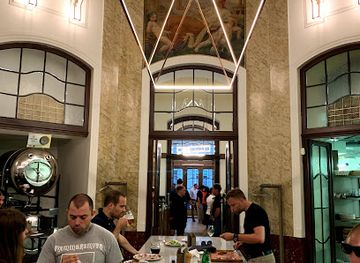


Best bars in North Bohemia
Evening life in North Bohemia is concentrated in Liberec, Ústí nad Labem, Děčín and the larger spa and university-associated towns rather than spread evenly across the countryside. In Liberec, visitors can find traditional pubs, cafés, beer-focused venues, cocktail bars, live music and occasional club nights, while Ústí nad Labem has a more urban student and cultural scene. Děčín combines riverside and town-centre restaurants with established pubs and smaller music venues. Outside these centres, evening entertainment usually means a local pub, a restaurant, a brewery taproom or a cultural performance rather than a large nightclub programme. Mountain villages may become quiet early, especially outside the main summer and winter seasons. Czech beer is central to many social settings, but wine from the Elbe Valley, non-alcoholic drinks and modern cafés are also part of the region’s contemporary evening culture. Check current opening arrangements for smaller venues and do not rely on late public transport in rural districts.
-
Bar
Hemingway Bar
Discover Hemingway Bar in Old Town, where creative cocktails meet a sophisticated atmosphere inspired by the literary legacy of Ernest Hemingway.
-
Tour operator
Drunken Monkey Pub Crawl & Boat Party
Dive into the vibrant nightlife of Prague with Drunken Monkey Pub Crawl & Boat Party, where unforgettable experiences and scenic views await.
-
Live music bar
My People Bar
Discover the vibrant blend of live music and delicious gastropub cuisine at My People Bar in Old Town, the perfect spot to unwind and enjoy local culture.
-
Cocktail bar
Anonymous Bar
Discover the art of mixology at Anonymous Bar in Old Town, Prague, where creative cocktails and a stylish atmosphere await every visitor.


Best nightclubs in North Bohemia
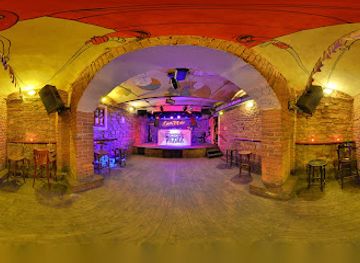
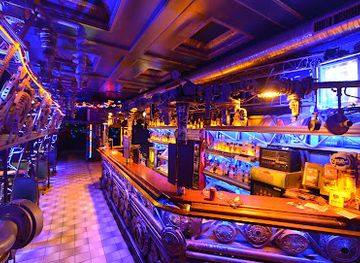
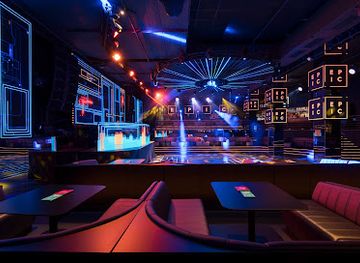
Evening life in North Bohemia is concentrated in Liberec, Ústí nad Labem, Děčín and the larger spa and university-associated towns rather than spread evenly across the countryside. In Liberec, visitors can find traditional pubs, cafés, beer-focused venues, cocktail bars, live music and occasional club nights, while Ústí nad Labem has a more urban student and cultural scene. Děčín combines riverside and town-centre restaurants with established pubs and smaller music venues. Outside these centres, evening entertainment usually means a local pub, a restaurant, a brewery taproom or a cultural performance rather than a large nightclub programme. Mountain villages may become quiet early, especially outside the main summer and winter seasons. Czech beer is central to many social settings, but wine from the Elbe Valley, non-alcoholic drinks and modern cafés are also part of the region’s contemporary evening culture. Check current opening arrangements for smaller venues and do not rely on late public transport in rural districts.
-
Night club
Karlovy Lazne - Nightclub
Discover the electrifying nightlife at Karlovy Lazne, Prague's largest nightclub, where music, dance, and fun collide in a vibrant setting.
-
Night club
Chapeau Rouge
Experience the vibrant nightlife of Prague at Chapeau Rouge, a dynamic night club known for its eclectic music, lively atmosphere, and local talent.
-
Night club
Cross Club
Experience the vibrant nightlife at Cross Club, a unique fusion of art, music, and culture in the heart of Prague.
-
Disco club
Epic Prague
Discover the heart of Prague's nightlife at Epic Prague, where unforgettable music and vibrant energy create the ultimate dance party experience.

Best shops in North Bohemia
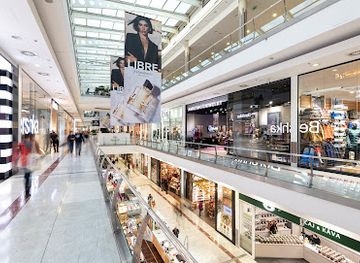
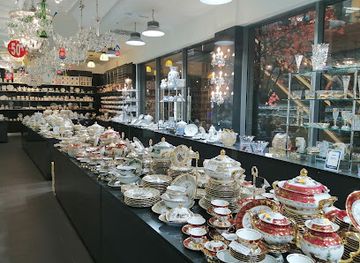
Shopping in North Bohemia is strongest in the historic centres of Liberec, Ústí nad Labem, Děčín and Litoměřice, where ordinary high-street retail sits alongside cafés, bookshops, galleries and independent businesses. Liberec is particularly associated with the region’s textile and glassmaking history, and specialist shops or museum stores can provide better-quality glass, jewellery and design objects than generic souvenir stalls. In rural and mountain districts, small producers sell preserves, honey, herbal products, baked goods and other foods, although availability is often seasonal. Litoměřice and nearby towns are useful for Elbe Valley wines, while local markets may offer fruit and vegetables from the surrounding agricultural districts. Antique shops, craft studios and galleries appear in several historic towns, but opening arrangements can be limited outside the main season. When buying Bohemian glass, ask about its origin and care rather than assuming every item was made locally. Regional products make more meaningful souvenirs than mass-produced objects labelled only with a broad Czech or Bohemian identity.
-
Shopping mall
PALLADIUM
Discover PALLADIUM, Prague's premier shopping mall with over 200 stores, diverse dining options, and exciting entertainment in a vibrant atmosphere.
-
Shopping mall
Nový Smíchov Shopping Centre
Explore the Nový Smíchov Shopping Centre in Prague for a diverse shopping, dining, and entertainment experience that captures the essence of the city.
-
Outlet mall
Fashion Arena Prague Outlet
Discover unbeatable deals at Fashion Arena Prague Outlet, a premier shopping destination with top designer brands at discounted prices.
-
Shopping mall
Excalibur City
Discover the magic of shopping and amusement at Excalibur City, a unique destination blending medieval charm with modern fun.


Get your free copy of our complete guide to North Bohemia, delivered straight to you.
Everything on this page, from attractions and restaurants to essentials and local phrases, in one PDF you can read offline, print or share.
Already have an account? Sign in
Your North Bohemia guide is ready.
We'll send it to · Not you? Sign out

Getting your guide ready…
We are putting together a fresh copy of the North Bohemia guide. This can take up to a minute.
This can take a few moments. If your browser asks, choose Allow so the download can start. You'll find the guide in your Downloads folder.
Nothing happened? Download it again
Sorry, the guide is taking longer than usual. Please try again in a minute, or get it by email instead.
North Bohemia essentials
Currency and Payment
Safety
Emergency Situations
Do's and Don'ts
Local Tips
From Eve
Local phrases worth knowing
You don't need to get them perfect. A few words go a long way, and locals appreciate the effort.
Basics
| English | Local | Say it |
|---|---|---|
| Hello | Ahoj | [ahoy] |
| Goodbye | Sbohem | [sbohem] |
| Yes | Ano | [ah-no] |
| No | Ne | [neh] |
| Please/You're welcome | Prosím | [pro-seem] |
| Thank you | Děkuji | [dyeh-kwee] |
| Excuse me/Sorry | Omlouvám se | [om-loh-vahm seh] |
| How are you? | Jak se máš? | [yak seh mahsh] |
| Fine. And you? | Dobře. A ty? | [dob-zheh. ah tee] |
| Do you speak English? | Mluvíš anglicky? | [mloo-veesh ahn-glits-kee] |
| I don't understand | Nerozumím | [neh-roh-zoo-meem] |
Eating & Drinking
| English | Local | Say it |
|---|---|---|
| I'd like to see the menu, please | Chtěl bych vidět menu, prosím | [khtyel beekh veed-yet meh-noo, pro-seem] |
| I don't eat meat | Nejím maso | [ney-eem mah-so] |
| Cheers! | Na zdraví! | [nah zdrav-ee] |
| I would like to pay, please | Chtěl bych zaplatit, prosím | [khtyel beekh zap-lah-teet, pro-seem] |
Emergencies
| English | Local | Say it |
|---|---|---|
| Help! | Pomoc! | [poh-mots] |
| Go away! | Jdi pryč! | [yee preech] |
| Call the Police! | Zavolejte policii! | [zah-voh-leh-teh poh-li-tsee-ee] |
| Call a doctor! | Zavolejte doktora! | [zah-voh-leh-teh dok-toh-rah] |
| I'm lost | Ztratil jsem se | [ztrah-teel ysem seh] |
| I'm ill | Jsem nemocný | [ysem neh-mots-nee] |
Shopping
| English | Local | Say it |
|---|---|---|
| I'd like to buy... | Chtěl bych koupit... | [khtyel beekh koh-pee-t...] |
| I'm just looking | Jen se dívám | [yen seh dee-vahm] |
| How much is it? | Kolik to stojí? | [koh-leek toh stoy-ee] |
| That's too expensive | To je příliš drahé | [toh yeh pree-leesh dra-heh] |
| Can you lower the price? | Můžeš zlevnit cenu? | [moo-zesh zlev-neet tseh-noo] |
Time & Numbers
| English | Local | Say it |
|---|---|---|
| What time is it? | Kolik je hodin? | [koh-leek yeh ho-deen] |
| It's one o'clock | Je jedna hodina | [yeh yed-nah ho-dee-nah] |
| Half past (10) | Půl (10) | [pool (10)] |
| Morning | Ráno | [rah-no] |
| Afternoon | Odpoledne | [od-po-leh-dneh] |
| Evening | Večer | [veh-cher] |
| Yesterday | Včera | [v-cheh-rah] |
| Today | Dnes | [dnes] |
| Tomorrow | Zítra | [zee-trah] |
| 1 | 1 | [1] |
| 2 | 2 | [2] |
| 3 | 3 | [3] |
| 4 | 4 | [4] |
| 5 | 5 | [5] |
| 6 | 6 | [6] |
| 7 | 7 | [7] |
| 8 | 8 | [8] |
| 9 | 9 | [9] |
| 10 | 10 | [10] |
Transport & Directions
| English | Local | Say it |
|---|---|---|
| Where's a/the...? | Kde je...? | [kde yeh...?] |
| What's the address? | Jaká je adresa? | [yah-kah yeh ah-dreh-sah?] |
| Can you show me (on the map)? | Můžeš mi ukázat (na mapě)? | [moo-zesh mee oo-kah-zat (nah mah-peh)?] |
| When's the next (bus)? | Kdy jede další (autobus)? | [kdee yeh-deh dal-shee (ow-toh-boos)?] |
| A ticket (to ....) | Jeden lístek (do ...) | [yeh-den lee-stek (doh ...)] |
History of North Bohemia
Prehistoric Settlement and the Elbe Corridor
North Bohemia has long been shaped by the Elbe and its tributaries, which provided routes through otherwise difficult terrain. Archaeological evidence from river terraces, caves and upland settlements records human activity from prehistoric periods, while fertile districts around Litoměřice supported agriculture at an early date. The region’s volcanic hills, forests and sandstone formations created both natural resources and obstacles, encouraging settlement to concentrate along valleys and trade routes. The Elbe corridor later connected inland Bohemia with Saxony and northern Europe, giving northern towns a strategic and commercial importance that endured through successive political periods.
Medieval Castles, Towns and Religious Foundations
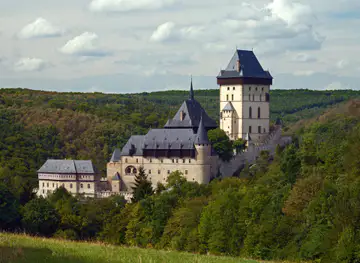
During the medieval period, North Bohemia became a landscape of market towns, fortified strongholds, monasteries and aristocratic estates. Litoměřice, Děčín, Liberec and many smaller settlements developed along trade routes linking Prague with Lusatia and Saxony. Castles such as Bezděz, Kost and Grabštejn, together with the ruins scattered through the northern borderlands, reflect the power of noble families and the need to control roads and river crossings. Gothic churches, town walls and later Renaissance houses remain visible in several historic centres, although the region’s urban fabric has also been repeatedly altered by war, industrialisation and twentieth-century redevelopment.
The Hussite Era and Religious Change
North Bohemia was drawn into the religious and political conflicts that followed the preaching and death of Jan Hus in the early fifteenth century. Hussite forces and royal armies contested towns, castles and routes across northern Bohemia, while later generations experienced the Reformation, the Habsburg restoration of Catholicism and the growth of new religious institutions. The region’s churches and pilgrimage sites consequently contain layers of medieval, Baroque and modern history. Religious change was not simply a matter of doctrine: it affected landownership, education, local administration and the appearance of towns and estates.
Habsburg Borderlands and German-Bohemian Culture
From the sixteenth century until the end of the Habsburg monarchy, much of North Bohemia formed a culturally mixed borderland with strong links to Saxony and Lusatia. German-speaking and Czech-speaking communities lived in the same wider region, with patterns varying between towns, estates and mountain districts. Aristocratic families expanded manor houses, churches and gardens, while commerce connected local producers with markets beyond Bohemia. This shared but sometimes contested cultural history helps explain the architectural variety of northern towns and the importance of bilingual place names and border museums. The population landscape changed profoundly after 1945, when most ethnic Germans were expelled and new inhabitants arrived from other parts of Czechoslovakia.
Glassmaking, Textiles and Industrialisation
From the eighteenth and nineteenth centuries, North Bohemia became one of the major industrial regions of the Czech lands. The Jizera and Lusatian foothills developed renowned glassmaking traditions, while Liberec and surrounding districts became important textile centres. Coal mining expanded around the Most Basin, and chemical, engineering and ceramic industries grew in the Elbe and industrial valleys. Railways connected factories, mines and towns with Prague, Saxony and wider European markets. Industrial prosperity left behind factories, workers’ housing, technical buildings and skilled craft traditions; it also introduced pollution, landscape disruption and social inequalities that remain important to the region’s modern identity.
War, Occupation and the Post-war Transformation
The Munich Agreement of 1938 transferred the predominantly German-speaking border districts of Czechoslovakia to Nazi Germany, and the remaining region was occupied after the German invasion in 1939. North Bohemia experienced wartime production, forced labour and persecution, followed after 1945 by the expulsion of most German inhabitants and extensive population replacement. Under state socialism, heavy industry, coal extraction and large housing developments reshaped towns and countryside. Some historic settlements were damaged or demolished, while others survived. The post-war transformation explains much of the region’s social complexity and the sharp contrast between preserved heritage areas and industrial landscapes.
Environmental Recovery and Heritage Renewal
Since the late twentieth century, North Bohemia has faced the difficult legacy of mining, industrial pollution and changing employment. Coal extraction has transformed parts of the Most Basin, while former industrial districts have sought new roles through culture, education, manufacturing and tourism. Air quality and forest conditions have improved substantially in many areas, although environmental restoration continues. Historic town centres, glassmaking traditions, castles and protected landscapes have gained renewed attention, and cross-border cooperation with Germany and Poland has become increasingly important. Today the region presents industrial heritage and dramatic natural scenery not as separate stories, but as connected parts of its contemporary character.
North Bohemia in Photos
Browse through our photo collection highlighting the charm and character of the destination.
Neighbouring regions of North Bohemia
The closest regions to North Bohemia, if you have time for more than one.
-

-

-
-

-


Swipe for more regions
Explore more

Explore more of Czechia
Discover Czechia: A European gem with historic towns, stunning landscapes, and cultural delights. Perfect for travelers seeking charm, history, and adventure.
Explore Czechia