

Mala Strana (Prague) Travel Guide - Free
Explore Mala Strana in Prague with Evendo's free guide. Find the best shops, historic streets, restaurants, and gems on web or mobile.


Mala Strana in Prague: baroque palaces, Charles Bridge views, Kampa Island, riverside walks and historic lanes beneath Prague Castle for art and culture.
A Historic Riverside Quarter
Mala Strana, meaning “Lesser Town”, occupies the western bank of the Vltava below Prague Castle, linked to the Old Town by Charles Bridge. Its steep lanes, palatial gardens and carefully composed squares create a markedly different atmosphere from the busier streets across the river. The district is compact but layered: Kampa Island and the riverfront offer open views, while Nerudova climbs towards the castle through a sequence of historic façades, gateways and former aristocratic residences.Read more about Mala Strana
Baroque Architecture and Sacred Spaces
Gardens, Art and Everyday Life
Best attractions in Mala Strana
Mala Strana’s attractions are concentrated within a walkable historic landscape beneath Prague Castle. Begin at Malostranské náměstí, where St Nicholas Church provides one of the city’s great Baroque interiors, then follow Nerudova uphill towards the castle, pausing for views and the distinctive historic house signs. Kampa Island offers a gentler experience beside the Vltava, with riverside paths, lawns, mill-related surroundings and Museum Kampa, whose collection focuses on modern Central European art. The Lennon Wall, on a canal-side section near Velkopřevorský náměstí, reflects the district’s more recent cultural symbolism, while Wallenstein Garden introduces sculpture, arcades and formal landscaping. Charles Bridge is the neighbourhood’s best-known approach and viewpoint, although its eastern half lies in the Old Town; from Mala Strana, its towers and river panoramas provide a memorable way to understand the district’s position within Prague.
-
Tourist attraction
Petrin Tower
Climb Prague's 'Eiffel Tower' for breathtaking panoramic views of the city from atop Petřín Hill. A historic landmark since 1891.
12 min walk · 1.0 km from neighbourhood centre
-
Tourist attraction
Lennon Wall
A vibrant symbol of peace and freedom in Prague, the Lennon Wall is a constantly evolving canvas of art, messages, and history.
3 min walk · 0.2 km from neighbourhood centre
-
Tourist attraction
Waldstein Garden
Discover tranquility in Prague's enchanting Waldstein Garden: Baroque architecture, mythological statues, and serene landscapes await your visit.
3 min walk · 0.3 km from neighbourhood centre
-
Tourist attraction
The Vrtba Garden
Discover Prague's hidden treasure: a stunning Baroque garden with breathtaking views and a tranquil atmosphere. A UNESCO World Heritage Site.
4 min walk · 0.3 km from neighbourhood centre


Best landmarks in Mala Strana
Mala Strana’s landmarks reveal how closely the district’s identity is tied to royal power, religious institutions and aristocratic rebuilding. St Nicholas Church anchors Malostranské náměstí with its monumental dome and bell tower, while the former Wallenstein Palace and its garden represent the political ambition of seventeenth-century noble Prague. Nerudova is significant as a surviving route towards Prague Castle, lined with palaces and historic houses whose signs predate modern street numbering. The Maltese Order’s presence around Maltese Square adds another layer of religious and diplomatic history, and the Charles Bridge approach preserves the neighbourhood’s historic connection across the Vltava. On Kampa, the watercourses, mill remnants and river edge recall an older working landscape beneath the formal façades. Together these places make Mala Strana more than a collection of picturesque views: they document the district’s changing civic, spiritual and social roles.
-
Monument
Lennon Wall
Explore the vibrant Lennon Wall in Prague, a dynamic tribute to peace, creativity, and the enduring spirit of John Lennon.
3 min walk · 0.2 km from neighbourhood centre
-
Historical landmark
The Golden Lane
Explore The Golden Lane in Prague Castle, a historical jewel filled with colorful houses and unique artisan shops that showcase the city’s rich heritage.
6 min walk · 0.5 km from neighbourhood centre
-
Historical landmark
Memorial to the Victims of Communism
Explore the Memorial to the Victims of Communism in Prague, a poignant site honoring resilience and reflection on a tumultuous past.
10 min walk · 0.8 km from neighbourhood centre
-
Garden
Gardens below Prague Castle
Explore the breathtaking Gardens below Prague Castle, where nature meets history in a serene escape amidst the beauty of Prague.
3 min walk · 0.3 km from neighbourhood centre


Explore Mala Strana on the map
A handpicked selection of must-see spots in Mala Strana, mapped for you.
Best hotels in Mala Strana
Best restaurants in Mala Strana
Dining in Mala Strana ranges from polished restaurants in historic buildings to cafés, wine bars and traditional Czech kitchens along the routes between Charles Bridge, Malostranské náměstí and Újezd. The setting is a major part of the experience: vaulted interiors, former palace spaces, garden courtyards and terraces overlooking the river often accompany menus that move between Czech classics and broader European cooking. Visitors can find hearty dishes such as goulash, roast meats and dumplings, alongside lighter café fare, pastries and contemporary plates. The area around Kampa and the Maltese Square is particularly suited to slower meals, while the upper end of Nerudova is convenient for a break during a castle visit. Because the busiest streets serve a large visitor trade, it is worth reading menus carefully and exploring a lane or courtyard away from the main pedestrian flow.
-
Restaurant
U Glaubiců
Discover authentic Czech cuisine at U Glaubiců in Malá Strana – a must-visit culinary gem for every traveler exploring Prague.
3 min walk · 0.2 km from neighbourhood centre
-
Restaurant
St.Martin
Experience authentic Czech cuisine with a modern twist at St. Martin Bistro in Malá Strana – where tradition meets creativity.
6 min walk · 0.5 km from neighbourhood centre
-
Restaurant
Kampa Park Restaurant
Experience exquisite dining at Kampa Park Restaurant, offering stunning river views and a blend of Czech and international cuisine.
3 min walk · 0.2 km from neighbourhood centre
-
Czech
Restaurant Pod Věží
Experience authentic Czech cuisine at Restaurant Pod Věží in Malá Strana – where tradition meets flavor in a cozy setting.
1 min walk · 0.1 km from neighbourhood centre


Best bars in Mala Strana
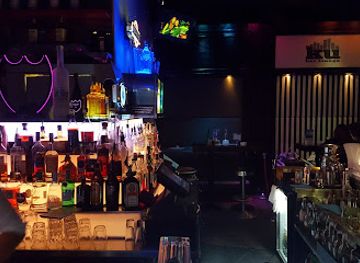
Mala Strana is not Prague’s primary late-night club district, but its evenings have a quieter, more atmospheric character. Traditional pubs, wine bars and cocktail-oriented venues occupy historic premises around Malostranské náměstí, Kampa, Maltese Square and the streets leading towards Újezd. Some establishments emphasise Czech beer and straightforward local dishes, while others make use of vaulted rooms, small courtyards or old cellar spaces for a more intimate setting. The neighbourhood’s cultural venues and concert churches can add music to an evening, although performances and access vary. After the main sightseeing hours, the illuminated façades and riverfront paths are attractions in their own right; visitors should remember that many surrounding streets are residential and avoid loud departures or outdoor drinking near doorways.
-
Bar
NIGHTMARE Prague Horror Bar
Experience the thrill of horror cocktails at NIGHTMARE Prague Horror Bar, where every drink tells a chilling story.
12 min walk · 0.9 km from neighbourhood centre
-
Irish pub
J.J. Murphy's Irish Pub
Discover authentic Irish culture at J.J. Murphy's Pub in Prague, offering a vibrant atmosphere, hearty food, and a diverse selection of beers.
3 min walk · 0.3 km from neighbourhood centre
-
Bar
NAPA bar and gallery
Explore NAPA Bar and Gallery in Malá Strana, where art, culture, and nightlife converge for an unforgettable experience.
3 min walk · 0.2 km from neighbourhood centre
-
Bar
Bar Bluelight
Discover the lively ambiance and creative cocktails at Bar Bluelight in Malá Strana, a nightlife gem in the heart of Prague.
1 min walk · 0.1 km from neighbourhood centre


Best nightclubs in Mala Strana
Mala Strana is not Prague’s primary late-night club district, but its evenings have a quieter, more atmospheric character. Traditional pubs, wine bars and cocktail-oriented venues occupy historic premises around Malostranské náměstí, Kampa, Maltese Square and the streets leading towards Újezd. Some establishments emphasise Czech beer and straightforward local dishes, while others make use of vaulted rooms, small courtyards or old cellar spaces for a more intimate setting. The neighbourhood’s cultural venues and concert churches can add music to an evening, although performances and access vary. After the main sightseeing hours, the illuminated façades and riverfront paths are attractions in their own right; visitors should remember that many surrounding streets are residential and avoid loud departures or outdoor drinking near doorways.
-
Night club
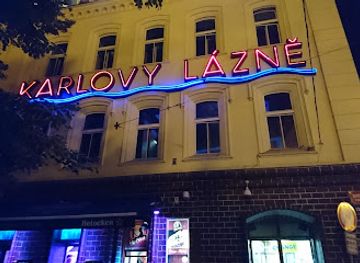
Karlovy Lazne - Nightclub
Discover the vibrant nightlife of Prague at Karlovy Lazne, a historic nightclub where music, dance, and unforgettable experiences await.
7 min walk · 0.6 km from neighbourhood centre
-
Bar
NIGHTMARE Prague Horror Bar
Explore the thrilling ambiance of NIGHTMARE Prague Horror Bar, a unique cocktail bar that brings horror to life in the heart of Malá Strana.
12 min walk · 0.9 km from neighbourhood centre
-
Bar
Klub Újezd
Experience the vibrant nightlife of Prague at Klub Újezd, a lively bar and club in the heart of Malá Strana.
9 min walk · 0.7 km from neighbourhood centre
-
Bar
KU Club & Bar
Discover the lively KU Club & Bar in Old Town, a perfect blend of cocktails and club culture for an unforgettable night out.
14 min walk · 1.1 km from neighbourhood centre


Best shops in Mala Strana
Shopping in Mala Strana is shaped more by small specialist businesses, galleries, design shops and visitor-oriented stores than by large commercial streets. The lanes around Nerudova, Mostecká, Kampa and Maltese Square contain places selling prints, jewellery, ceramics, art books, crafts and Prague-themed objects, although stock and individual businesses change over time. Kampa’s artistic associations and Museum Kampa give the area a natural connection with modern art, while antique and decorative goods appear in historic premises alongside cafés and restaurants. The neighbourhood is not the place to seek a major department store or extensive everyday retail; its appeal lies in browsing compact shops within an architectural setting. Visitors should distinguish genuinely local or Czech-made work from generic souvenirs and handle independent galleries and displays with the same care expected in museums.
-
Used clothing store
ALMO Vintage Prague
Explore the charm of vintage fashion at ALMO Vintage Prague, where every piece has a story waiting to be discovered.
4 min walk · 0.3 km from neighbourhood centre
-
Gift shop
Karmelitská 26
Discover a unique gift shop in Malá Strana, offering handmade crafts and traditional Czech souvenirs perfect for any traveler.
3 min walk · 0.2 km from neighbourhood centre
-
Gift shop
Smaltum
Explore the heart of Czech craftsmanship at Smaltum, the perfect gift shop for unique souvenirs and authentic local creations in Malá Strana.
3 min walk · 0.2 km from neighbourhood centre
-
Christmas store
Christmas shop PRAGUE
Explore the enchanting Christmas shop in Prague, a festive wonderland filled with unique ornaments, gifts, and holiday cheer.
6 min walk · 0.4 km from neighbourhood centre


Mala Strana essentials
Getting There
Getting Around
Safety
Emergency Situations
Do's and Don'ts
Local Tips

From Eve
Local phrases worth knowing
You don't need to get them perfect. A few words go a long way, and locals appreciate the effort.
Basics
| English | Local | Say it |
|---|---|---|
| Hello | Ahoj | [ahoy] |
| Goodbye | Nashledanou | [nas-hle-dah-noh] |
| Yes | Ano | [ah-noh] |
| No | Ne | [neh] |
| Please/You're welcome | Prosim | [pro-seem] |
| Thank you | Dekuji | [deh-koo-yi] |
| Excuse me/Sorry | Prominte | [proh-meen-teh] |
| How are you? | Jak se mas? | [yahk seh mahs] |
| Fine. And you? | Dobre. A vy? | [doh-breh. ah vee] |
| Do you speak English? | Mluvite anglicky? | [mloo-vee-teh ahn-gleet-skee] |
| I don't understand | Nerozumim | [neh-roh-zoo-meem] |
Eating & Drinking
| English | Local | Say it |
|---|---|---|
| I'd like to see the menu, please | Radeji si prohlednu menu, prosim | [rah-deh-yee see proh-led-noo meh-noo pro-seem] |
| I don't eat meat | Nemam maso | [neh-mam mah-so] |
| Cheers! | Na zdravi! | [nah zdrah-vee] |
| I would like to pay, please | Chci zaplatit, prosim | [kh-tsee zah-plah-teet pro-seem] |
Emergencies
| English | Local | Say it |
|---|---|---|
| Help! | Pomoc! | [poh-mohts] |
| Go away! | Jdete prec! | [yeh-deh-teh prehts] |
| Call the Police! | Zavolejte policii! | [zah-vo-leh-yeh poh-lee-tsee] |
| Call a doctor! | Zavolejte doktora! | [zah-vo-leh-yeh dohk-toh-rah] |
| I'm lost | Ztratil/a jsem se | [ztra-teel/ah yehm seh] |
| I'm ill | Jsem nemocny/nemocna | [yehm neh-mohts-nee/neh-mohts-nah] |
Shopping
| English | Local | Say it |
|---|---|---|
| I'd like to buy... | Radeji bych koupil/koupila... | [rah-deh-yee beek ko-pee-l/ko-pee-lah] |
| I'm just looking | Jen se divam | [yehn seh dee-vahm] |
| How much is it? | Kolik to stoji? | [ko-leek toh stoy-ee] |
| That's too expensive | To je prilis drahe | [toh yeh pril-is drah-heh] |
| Can you lower the price? | Muzete snizit cenu? | [moo-ze-teh snee-zit tseh-noo] |
Time & Numbers
| English | Local | Say it |
|---|---|---|
| What time is it? | Kolik je hodin? | [ko-leek yeh hoh-deen] |
| It's one o'clock | Je jedna hodina | [yeh yed-nah hoh-dee-nah] |
| Half past (10) | Pul desate | [pool deh-sah-teh] |
| Morning | Rano | [rah-noh] |
| Afternoon | Odpoledne | [ohd-poh-led-neh] |
| Evening | Vecer | [veh-tsehr] |
| Yesterday | Vcera | [v-cheh-rah] |
| Today | Dnes | [dnes] |
| Tomorrow | Zitra | [zi-trah] |
| 1 | Jedna | [yed-nah] |
| 2 | Dva | [dvah] |
| 3 | Tri | [tree] |
| 4 | Ctyri | [tseh-tee-ree] |
| 5 | Pet | [peht] |
| 6 | Sest | [sehst] |
| 7 | Sedm | [sedm] |
| 8 | Osm | [oh-sm] |
| 9 | Deve | [deh-veh] |
| 10 | Deset | [deh-seht] |
Transport & Directions
| English | Local | Say it |
|---|---|---|
| Where's a/the...? | Kde je... | [kdeh yeh] |
| What's the address? | Jaka je adresa? | [yah-kah yeh ah-deh-srah] |
| Can you show me (on the map)? | Muzete mi to ukazat (na mape)? | [moo-ze-teh mee toh oo-kah-zaht nah mah-peh] |
| When's the next (bus)? | Kdy je dalsi (autobus)? | [kdih yeh dahl-see ow-toh-boos] |
| A ticket (to ....) | Jedno jizdenka (do ...) | [yed-noh yiz-dehn-kah doh] |
History of Mala Strana
Medieval Settlement Below the Castle
The area now known as Mala Strana developed on the western bank of the Vltava beneath Prague Castle, at a strategically important crossing and approach to the royal seat. A settlement was formally established here in the thirteenth century under King Přemysl Otakar II, giving the district the German name Prager Kleine Seite, or Prague’s Lesser Side. Its position connected the castle with the river crossing and roads westwards, while the surrounding slopes and waterways shaped its compact form. Merchants, craftspeople and officials lived among churches and defensive structures, creating the urban foundation on which the later aristocratic and ecclesiastical quarter would be built.
Fire and Baroque Reconstruction
A major fire in 1541 transformed the settlement below Prague Castle, destroying large parts of Mala Strana and Hradčany. Reconstruction unfolded over subsequent decades, accelerating after the seventeenth-century political changes that strengthened Habsburg control in Bohemia. Noble families and religious orders acquired land for palaces, monasteries and churches, replacing much of the earlier medieval fabric with the grander architecture associated with the Baroque period. St Nicholas Church, the Wallenstein complex and the palaces lining the main streets express this transformation. The rebuilding gave Mala Strana the architectural unity that still distinguishes it from many other parts of Prague.
Palaces, Gardens and Public Institutions
During the eighteenth and nineteenth centuries, Mala Strana remained closely connected with the monarchy, aristocracy and diplomatic life of Prague. Palaces were adapted, subdivided or assigned new public uses as political circumstances changed, while monasteries and churches continued to shape the district’s institutions and daily rhythms. Formal gardens, including Wallenstein Garden, added cultivated green spaces to the dense urban quarter. The neighbourhood also attracted artists, writers and visitors drawn to its picturesque streets and views. Its proximity to Prague Castle ensured that ceremonial, administrative and religious functions remained visible within an area that was also increasingly residential.
Preservation and Contemporary Mala Strana
The twentieth century brought political change, new state institutions and shifts in property use, but Mala Strana retained an unusually coherent historic streetscape. Restoration of palaces, churches and façades helped establish the wider historic centre’s international cultural importance, while museums and galleries introduced new uses to former religious or industrial buildings. Kampa Island, once associated with mills and working riverside activity, became an important public and cultural space, including Museum Kampa. Today, tourism is central to the local economy, particularly around Charles Bridge and Malostranské náměstí, yet the district remains a lived-in quarter of residences, embassies, gardens and long-established institutions.
Mala Strana in Photos
Browse through our photo collection highlighting the charm and character of the destination.
Neighbourhoods near Mala Strana
The closest neighbourhoods to Mala Strana, if you have time for more than one stop.
-

-
-

-

-


Swipe for more neighbourhoods
Explore more

Explore more of Prague
Prague, Czechia: explore medieval streets, Gothic landmarks, riverside views, world-class museums, Czech beer culture and lively neighbourhoods.
Explore Prague