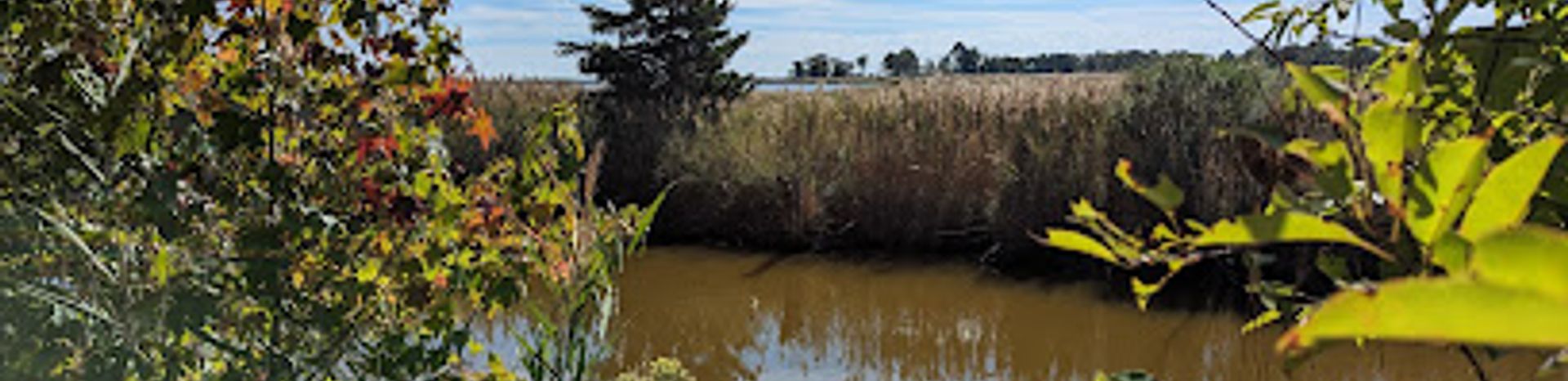
Prime Hook National Wildlife Refuge: A Coastal Haven
Explore diverse habitats, observe migratory birds, and connect with nature at Prime Hook National Wildlife Refuge in Milton, Delaware.
Prime Hook National Wildlife Refuge, established in 1963, is a 10,000-acre sanctuary for migratory birds and endangered species along the Delaware Bay. It features diverse habitats like marshes, woodlands, and grasslands, offering trails, wildlife observation, and a visitor center.
A brief summary to Prime Hook National Wildlife Refuge
- 11978 Turkle Pond Rd, Milton, Delaware, 19968, US
- +1302-684-8419
- Visit website
Local tips
- Visit the Visitor Center for trail maps, wildlife information, and to learn about refuge programs.
- Bring binoculars for optimal birdwatching and wildlife observation.
- Wear appropriate footwear and insect repellent, especially during the warmer months.
- Check the refuge website for seasonal closures and hunting schedules.
- Fowler Beach is closed for shorebird nesting from March 1st to October 1st; dogs are not allowed on the beach at any time.

Getting There
-
Driving
From Route 1 (Coastal Highway), take Route 16 East towards Milton. Follow Route 16 for approximately 8 miles, then turn left onto Turkle Pond Road. The entrance to Prime Hook National Wildlife Refuge will be on your right. Parking is available at the visitor center and trailheads. There are no entrance fees.
-
Public Transport
Take a bus to Milton, DE. Check with the Delaware Transit Corporation (DTC) for schedules from Wilmington or nearby towns. From Milton, use a rideshare service (Uber/Lyft) or a local taxi to reach the refuge, approximately 3 miles away. Bus fare to Milton varies depending on the origin, typically costing between $2 and $50.
Discover more about Prime Hook National Wildlife Refuge
Iconic landmarks you can’t miss

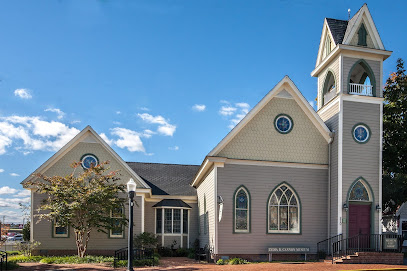
Milton Historical Society
7.9 km
Explore the Milton Historical Society and immerse yourself in the rich history and culture of Milton, Delaware, a true hidden gem for history lovers.
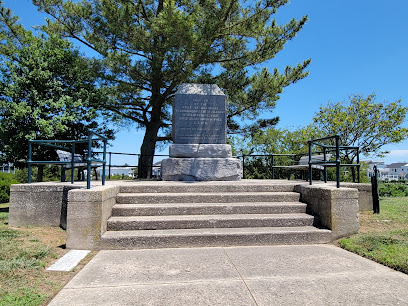
First Dutch Colony Memorial
9.2 km
Discover the First Dutch Colony Memorial in Lewes, Delaware—a captivating historical landmark that celebrates early Dutch settlements in America.
The Virden Retreat Center
9.3 km
Escape to tranquility at The Virden Retreat Center in Lewes, Delaware, where nature and serenity come together for a rejuvenating experience.
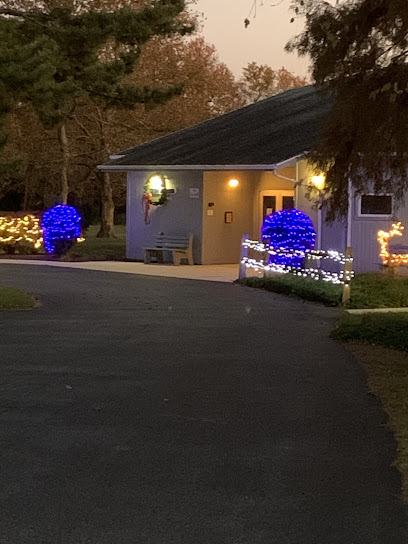
K. Hovnanian Homes Tower Hill
9.8 km
Explore modern living at K. Hovnanian Homes Tower Hill, a vibrant housing development in Lewes, Delaware, blending luxury and coastal charm.
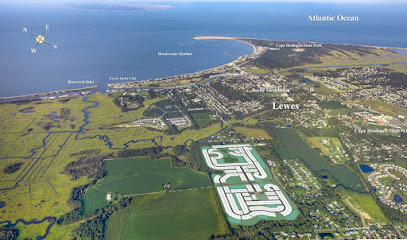
Maull House
9.8 km
Discover the historic charm of Maull House in Lewes, Delaware, a captivating landmark showcasing the region's rich heritage and architectural beauty.
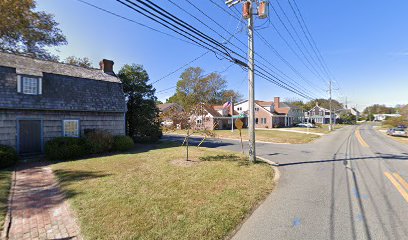
Pagan Creek Dyke
9.8 km
Experience the rich history and natural beauty of Pagan Creek Dyke, a serene landmark in Lewes, Delaware, perfect for history lovers and nature enthusiasts.
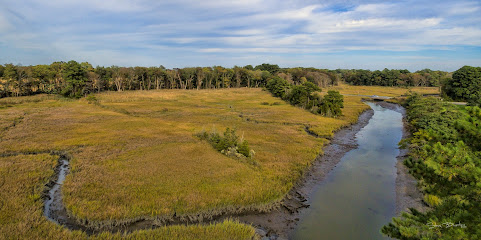
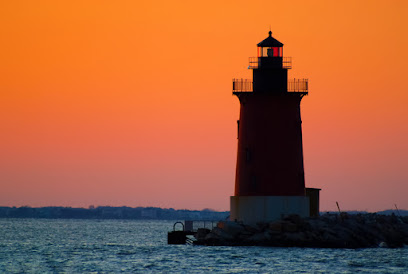
Nat'l Harbor of Refuge and Delaware Breakwater Harbor Historic District
10.0 km
Discover the rich maritime history and serene beauty at Nat'l Harbor of Refuge and Delaware Breakwater Harbor in Delaware.
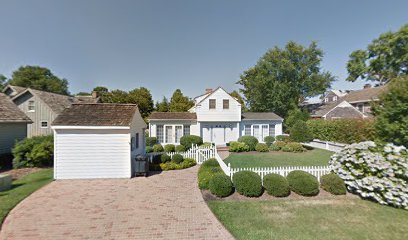
Shipcarpenter Square
10.8 km
Explore the historical beauty and tranquility of Shipcarpenter Square in Lewes, Delaware, where charming architecture meets serene landscapes.
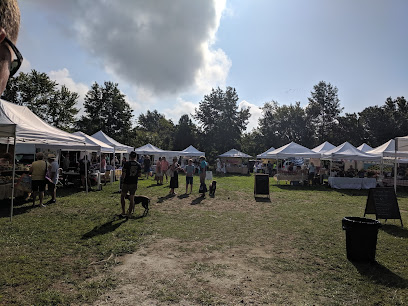
Historic Lewes Farmers Market
10.9 km
Discover the vibrant tastes and local culture at the Historic Lewes Farmers Market, a weekly celebration of fresh produce and artisanal goods in Delaware.
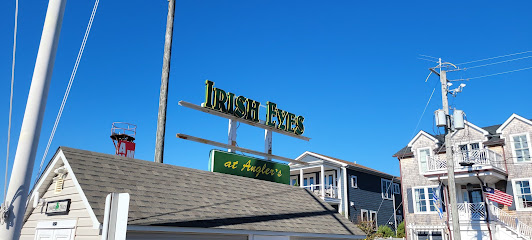
Irish Eyes Pub & Restaurant
11.0 km
Experience authentic Irish hospitality and delightful cuisine at Irish Eyes Pub & Restaurant in Lewes, Delaware, a must-visit for every traveler.
biblion: used books & rare finds
11.1 km
Explore Biblion in Lewes, DE – a charming used book store offering rare finds, local art, and unique gifts for every literary enthusiast.
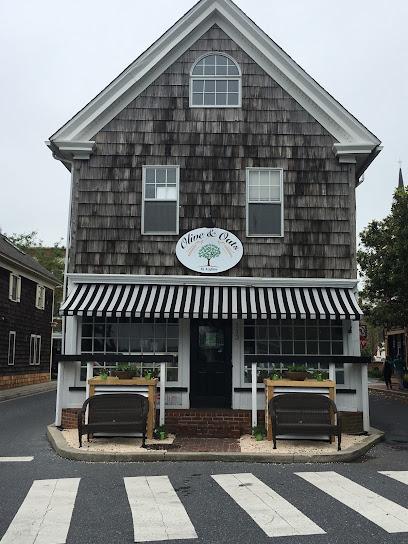
Olive and Oats Lewes
11.2 km
Experience the delightful flavors and cozy atmosphere at Olive and Oats Lewes, a beloved cafe in the heart of Delaware's historic district, perfect for breakfast and brunch.
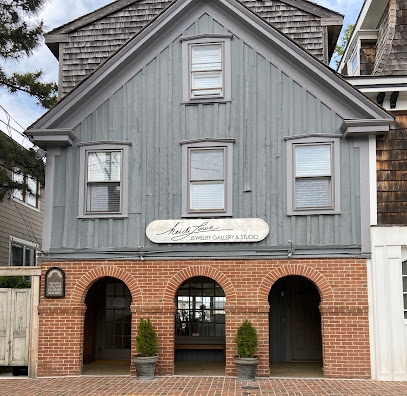
Heidi Lowe Gallery and Lovely Rings by Hand
11.2 km
Explore the unique artistry at Heidi Lowe Gallery in Lewes, Delaware, where every handcrafted piece tells a story of creativity and passion.
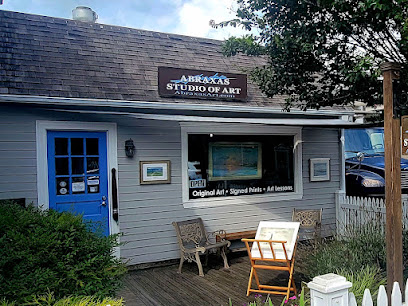
Abraxas Studio of Art
11.2 km
Discover creativity at Abraxas Studio of Art, where local talent meets artistic exploration in the heart of Lewes, Delaware.
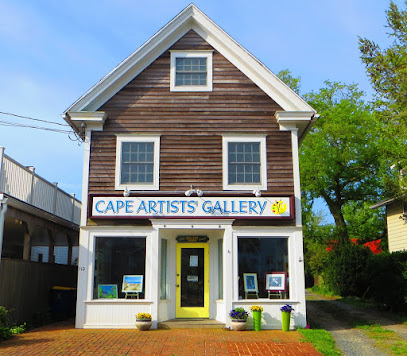
Cape Artists Gallery
11.2 km
Discover local artistry at Cape Artists Gallery in Lewes, Delaware - a vibrant hub of creativity and cultural expression.
Unmissable attractions to see

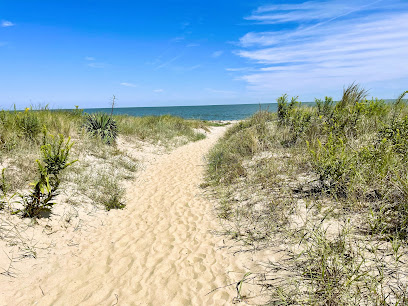
Beach Plum Island Nature Preserve
5.6 km
Discover Delaware's wild side at Beach Plum Island Nature Preserve: a coastal haven for wildlife and tranquil exploration.
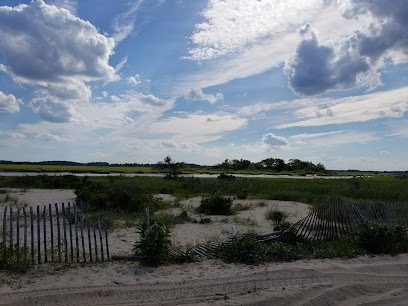
Great Marsh Preserve
7.5 km
Discover scenic trails, diverse wildlife, and tranquil beauty at Great Marsh Preserve, a coastal haven in Lewes, Delaware.
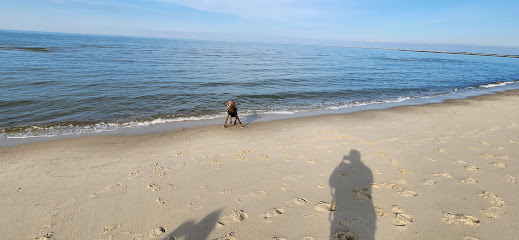
Lewes Public Beach
8.9 km
A serene Delaware Bay beach perfect for families, offering calm waters, convenient amenities, and a charming historic town nearby.
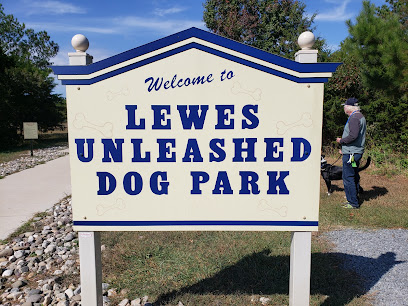
Lewes Unleashed Dog Park Private Park
9.5 km
A private, members-only dog park in Lewes, DE, offering separate play areas and agility courses for a fun and safe off-leash experience.
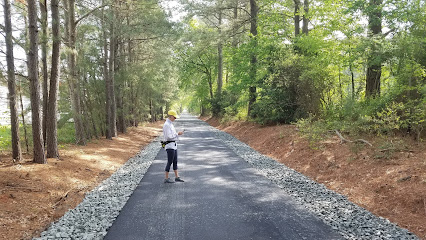
Georgetown-Lewes Trail
10.1 km
Explore Delaware's beauty on the Georgetown-Lewes Trail: a scenic path through history and nature, perfect for biking, walking, and outdoor adventures.
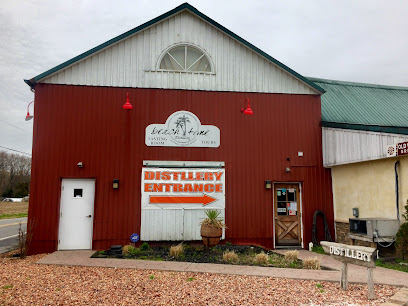
Beach Time Distilling
10.1 km
Experience handcrafted, small-batch spirits at Beach Time Distilling, Lewes, DE. Taste the beach life in every sip of rum, vodka, gin, and whiskey.
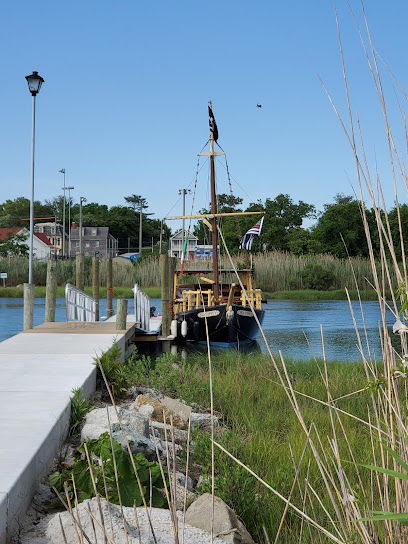
Pirates of Lewes
10.5 km
Set sail on a swashbuckling adventure with Pirates of Lewes! Treasure hunts, water battles, and pirate fun await on the historic Lewes Canal.
Nassau Valley Vineyards-Winery
10.5 km
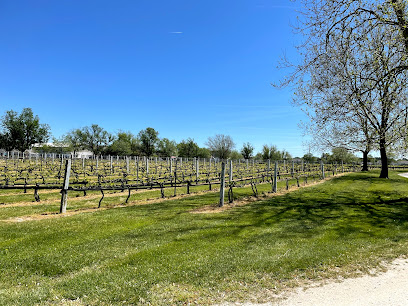
Discover Delaware's wine heritage at Nassau Valley Vineyards, the state's first winery, offering tastings, tours, and events near Lewes.
The Lewes Historical Society Main Campus
10.9 km
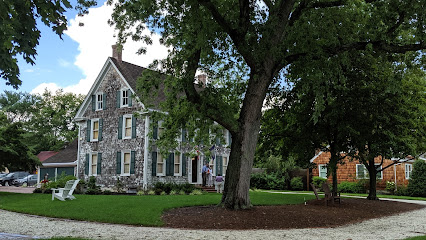
Discover Lewes, DE's captivating history at the Historical Society Main Campus: preserved buildings, engaging exhibits, and maritime heritage await!
Lewes Life Saving Station
10.9 km
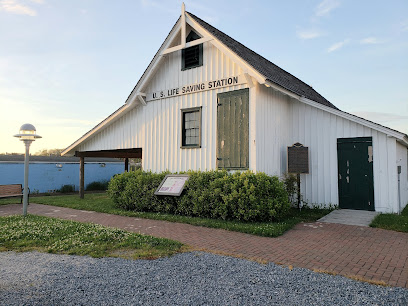
Explore the heroic maritime history of Delaware at the Lewes Life Saving Station, a tribute to the U.S. Life-Saving Service.
Cape Water Tours and Taxi
10.9 km
Explore Lewes, Delaware's waterways with scenic tours, eco-adventures, and maritime history cruises. Discover the beauty from a unique perspective.
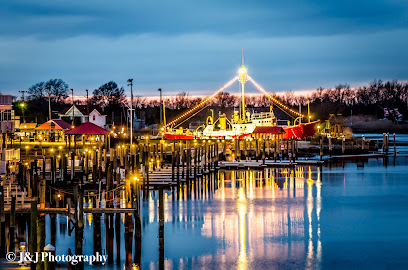
Lightship Overfalls LV-118
10.9 km
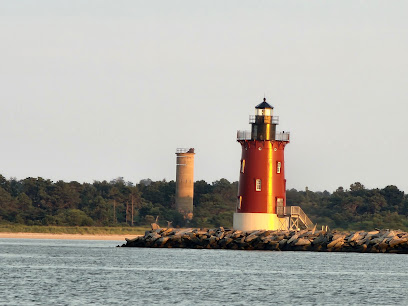
Explore a floating lighthouse! The Lightship Overfalls LV-118 in Lewes, Delaware, offers a unique journey into maritime history and navigation.
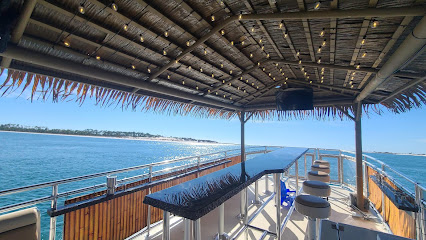
Island Tiki Tour
11.0 km
Discover the vibrant Island Tiki Tour in Lewes, Delaware, offering unforgettable boat adventures amidst stunning coastal views and lively atmospheres.
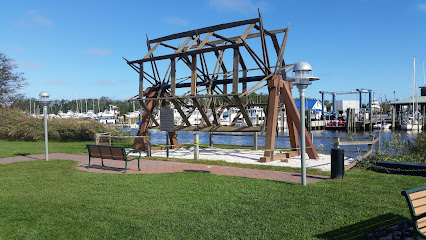
Lewes CanalFront Park
11.0 km
Discover waterfront beauty and maritime history at Lewes CanalFront Park, a vibrant community space in historic Lewes, Delaware.
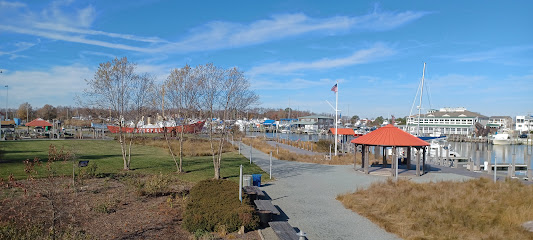
Ryves Holt House
11.1 km
Explore Delaware's oldest house, a window into colonial life and maritime history in the heart of Lewes' historic district.
Essential places to dine

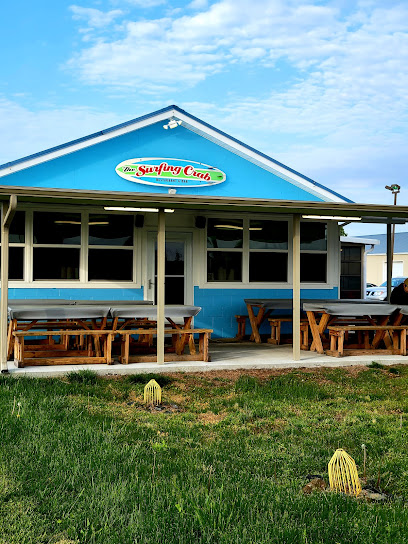
The Surfing Crab Restaurant and Bar
9.3 km
Experience the best of Delaware's coastal cuisine at The Surfing Crab Restaurant and Bar - where fresh seafood meets vibrant flavors.
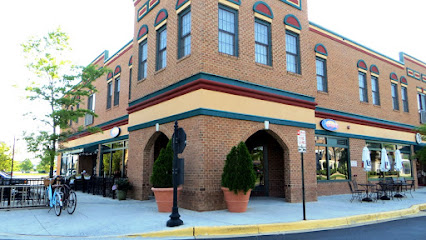
Arena's Five Points
10.9 km
Experience delicious American cuisine at Arena's Five Points in Lewes—your go-to spot for breakfast, lunch, and great coffee!
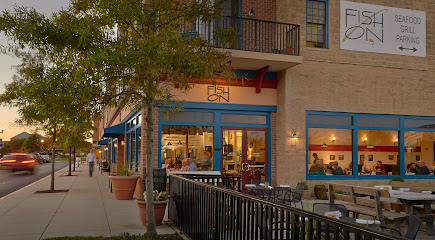
Fish On
10.9 km
Experience unparalleled seafood dining at Fish On in Lewes; where freshness meets flavor in every delightful bite.
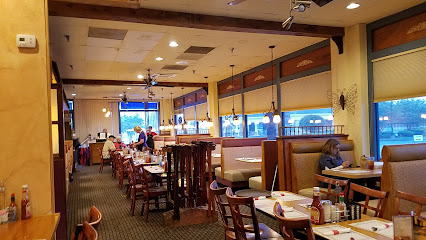
Ocean Grill
11.1 km
Experience delicious American cuisine at Ocean Grill in Lewes—your go-to breakfast diner by the coast.
Harbour Restaurant at Canal Square
11.1 km
Discover exquisite seafood and local flavors at Harbour Restaurant in Lewes, DE—where every meal is complemented by stunning canal views.
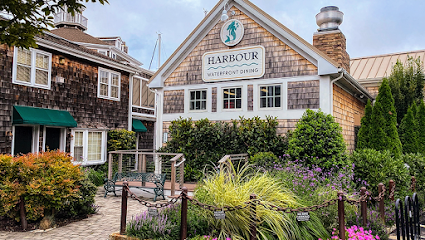
Rose & Crown
11.2 km
Experience delightful dining at Rose & Crown in Lewes - where culinary excellence meets charming ambiance in Delaware's historic district.
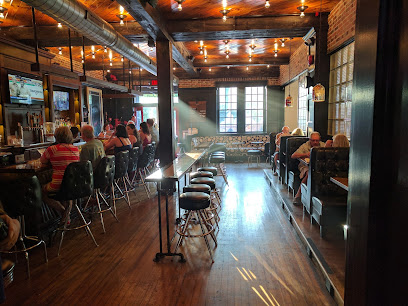
Eggcellent
11.2 km
Discover Eggcellent in Lewes - where breakfast dreams come true with innovative dishes and local flavors.
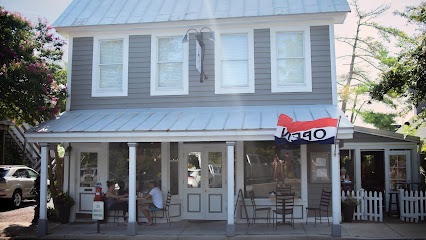
Agave Mexican Restaurant
11.2 km
Experience vibrant flavors and warm hospitality at Agave Mexican Restaurant in Lewes, DE – your destination for authentic Mexican cuisine.
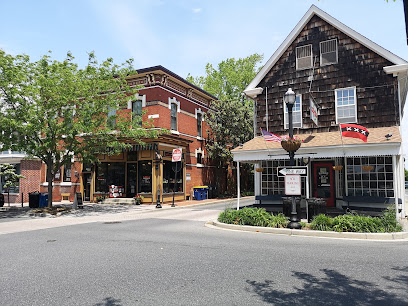
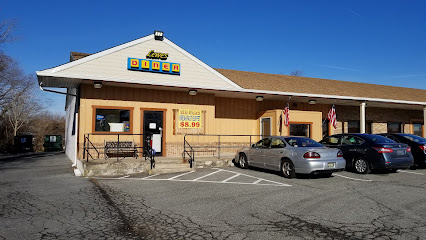
Lewes Diner & Family Restaurant
11.2 km
Discover the heartwarming flavors of classic American cuisine at Lewes Diner & Family Restaurant in charming Lewes, Delaware.
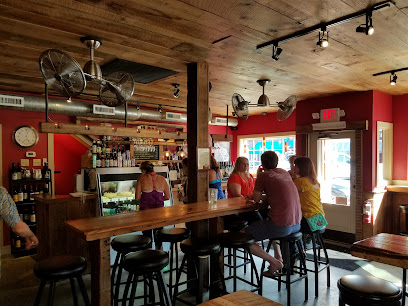
Half Full
11.2 km
Discover Half Full in Lewes: A charming pizza restaurant serving unique flavor combinations in a cozy atmosphere.
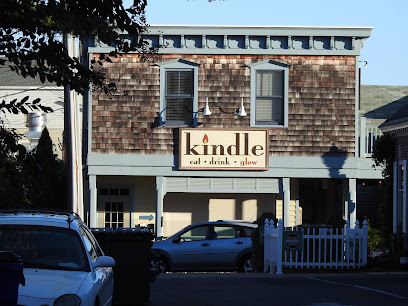
Kindle
11.2 km
Discover Kindle in Lewes: A premier American restaurant offering fresh flavors and warm hospitality in Delaware's historic district.
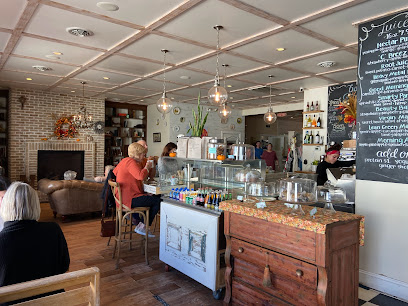
Nectar Cafe & Juice Bar
11.2 km
Discover healthful delights at Nectar Cafe & Juice Bar in Lewes—your go-to spot for fresh juices and delicious breakfasts!
Patty's
11.3 km
Discover deliciously crafted sandwiches at Patty's Deli in Lewes - where fresh ingredients meet flavor in every bite!
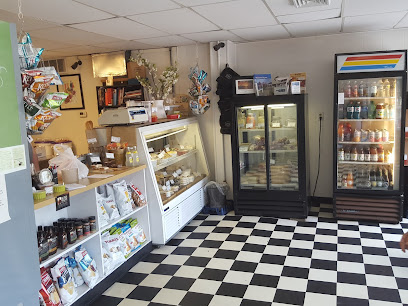
Wheelhouse
11.3 km
Savor the best of coastal cuisine at Wheelhouse in Lewes, DE—your destination for grilled delights and fresh seafood.
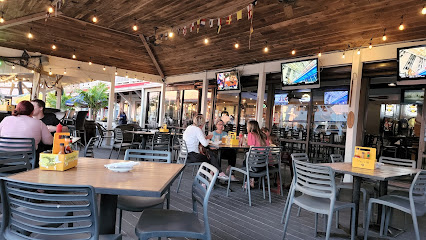
Raas
11.3 km
Experience authentic Indian cuisine at Raas in Lewes - where every dish tells a story through vibrant flavors.
Markets, malls and hidden boutiques

Farmhouse 302
6.8 km
Discover unique antiques and artistic handicrafts at Farmhouse 302, a charming gift shop in Milford, Delaware, perfect for memorable souvenirs.
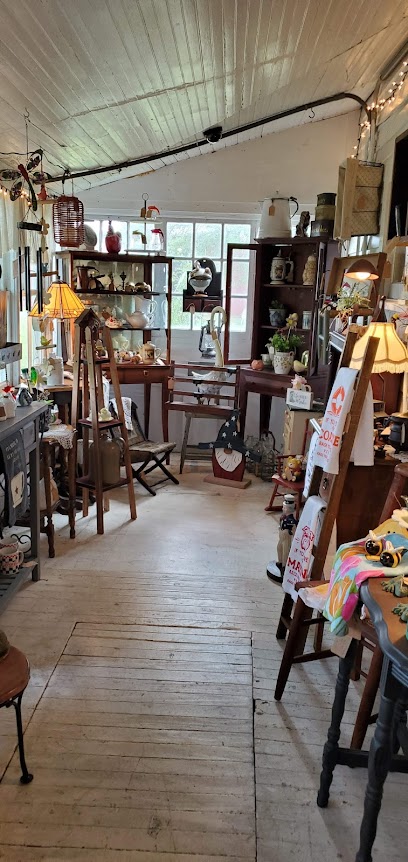
A Walk Thru Time Inc
7.5 km
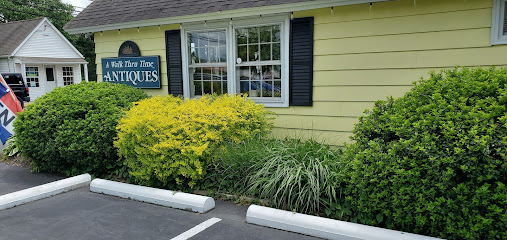
Explore a unique selection of high-quality home goods at A Walk Thru Time, Milton's charming store filled with character and creativity.
Heritage Antiques Market
7.8 km
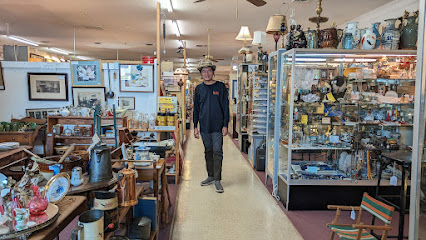
Heritage Antiques Market: A charming destination in Lewes, Delaware, where history comes alive through unique vintage treasures and collectibles.
The Mercantile at Milton
7.9 km
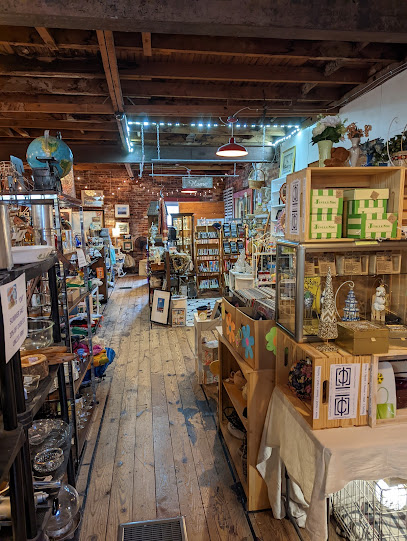
Explore The Mercantile at Milton, a delightful gift shop and antique haven in Delaware, offering unique treasures and a warm atmosphere.
War Relics Shop
9.8 km
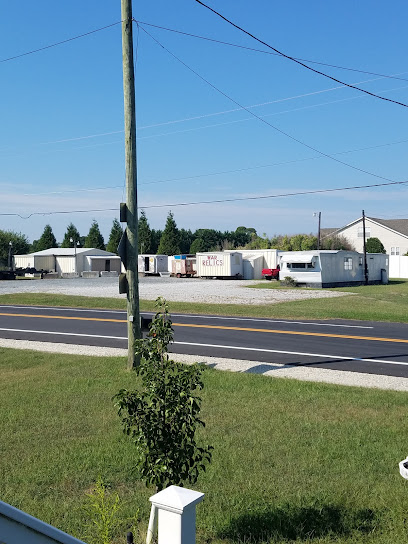
Explore authentic military memorabilia and immerse yourself in history at the War Relics Shop in Milford, Delaware.
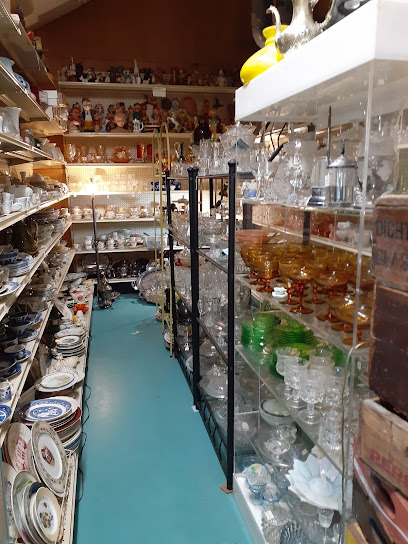
Beaman's Old & Gnu Antiques
10.6 km
Unearth the charm of yesteryears at Beaman's Old & Gnu Antiques in Lewes, DE – a haven for antique lovers and treasure seekers.
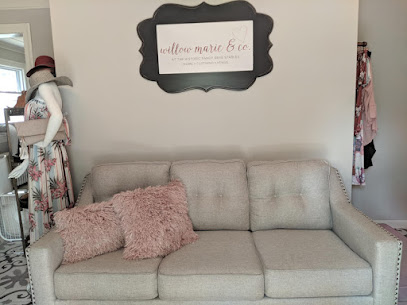
Willow Marie
10.9 km
Discover unique women's fashion at Willow Marie, Lewes' charming boutique offering trendy clothing and personalized service.
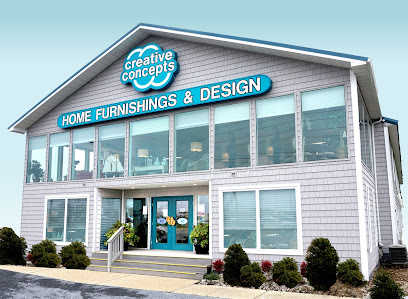
Creative Concepts
11.1 km
Explore Creative Concepts in Lewes, Delaware for unique furniture, stylish blinds, and expert interior design services that elevate your home decor.
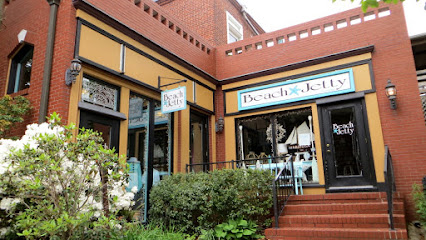
Beach Jetty
11.1 km
Explore Beach Jetty in Lewes - A Boutique Experience Featuring Local Treasures and Unique Finds.
The Vintage Underground
11.1 km
Explore a treasure trove of vinyl at The Vintage Underground in Lewes, DE—where music lovers find their next great albums.
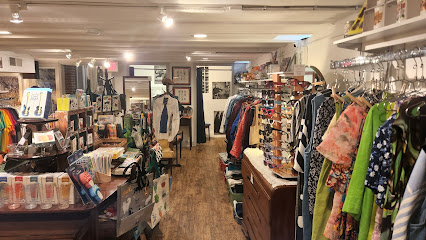
King's Homemade Ice Cream
11.1 km
Discover the delightful flavors of homemade ice cream at King's Homemade Ice Cream in Lewes, Delaware, where every scoop is a sweet experience.
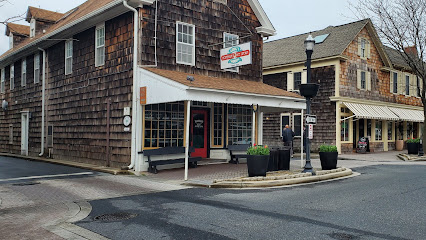
The Bungalow On 2nd
11.2 km
Experience the essence of Lewes at The Bungalow On 2nd, a boutique celebrating local artistry and coastal charm.
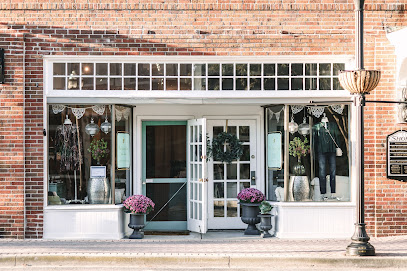
Stepping Stone
11.2 km
Discover unique handcrafted gifts and local pottery at Stepping Stone, a must-visit shop in Lewes, Delaware.
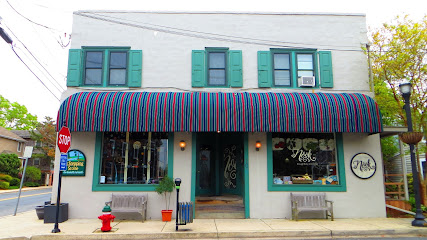
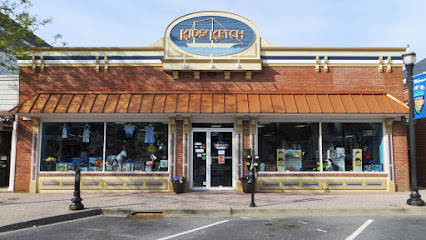
Kids' Ketch
11.2 km
Explore the enchanting Kids' Ketch in Lewes, where imagination comes alive with a delightful array of toys and children's clothing.
Coral Cove
11.2 km
Explore Coral Cove Boutique in Lewes for unique fashion and coastal-inspired treasures, perfect for souvenirs or gifts during your Delaware getaway.
Essential bars & hidden hideouts

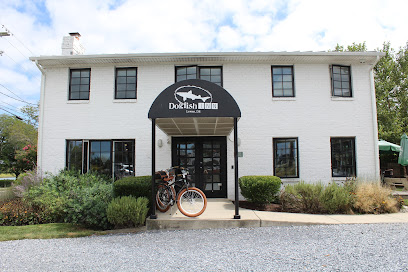
Dogfish Inn
11.3 km
Discover the ultimate blend of comfort and craft beer at Dogfish Inn in Lewes, Delaware, your perfect retreat for relaxation and adventure.
Bay Crossing Club House
13.2 km
Discover the Bay Crossing Club House, a charming bar in Lewes, DE, offering a relaxed atmosphere and stunning coastal views for an unforgettable experience.
The Hideout Arcade Bar & Grille
14.2 km
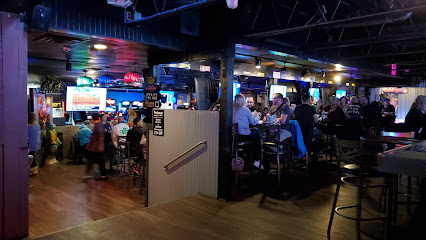
Discover The Hideout Arcade Bar & Grille, where classic gaming meets delicious grill cuisine in Rehoboth Beach.
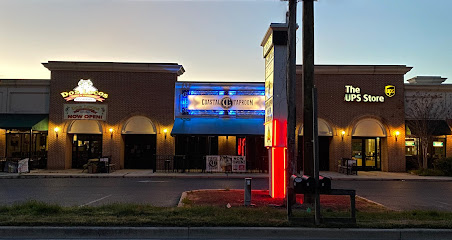
Coastal Taproom
14.7 km
Discover the Coastal Taproom in Rehoboth Beach, where local craft beers and a vibrant atmosphere combine for an unforgettable experience.
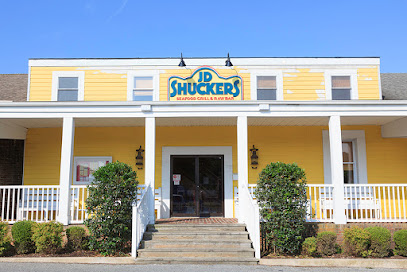
J D Shuckers
16.0 km
Experience the best of Delaware’s seafood at J D Shuckers, where fresh flavors and casual dining come together in perfect harmony.
Big Chill Surf Cantina
16.3 km
Experience the vibrant beachside atmosphere and delicious offerings at Big Chill Surf Cantina in Rehoboth Beach, the perfect spot for relaxation and fun.
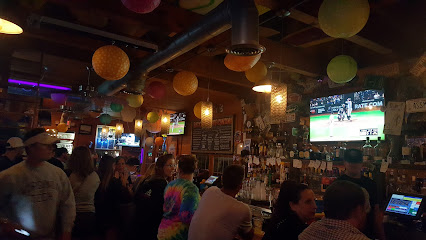
The Getaway Lounge and Liquors
16.6 km
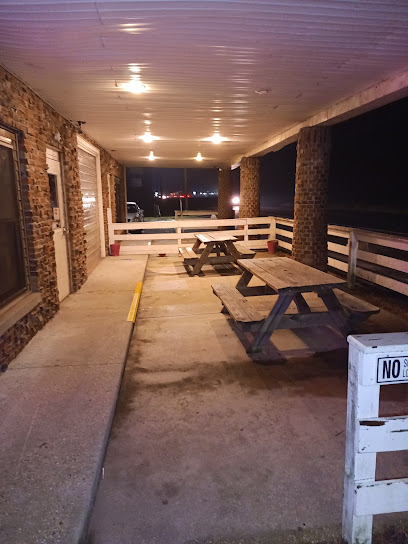
Experience the vibrant nightlife at The Getaway Lounge and Liquors in Ellendale, where great drinks and lively music await.
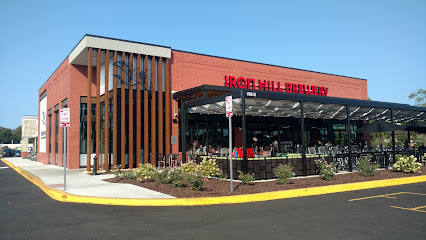
Iron Hill Brewery & Restaurant
17.5 km
Experience the best of craft brewing and delicious pub fare at Iron Hill Brewery & Restaurant in Rehoboth Beach, where flavor meets community.
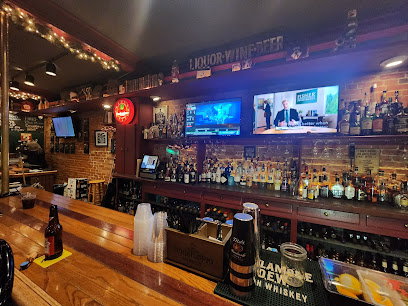
Milford Tavern
18.1 km
Discover the inviting ambiance and delightful drinks at Milford Tavern, a top bar destination in Delaware perfect for relaxation and socializing.
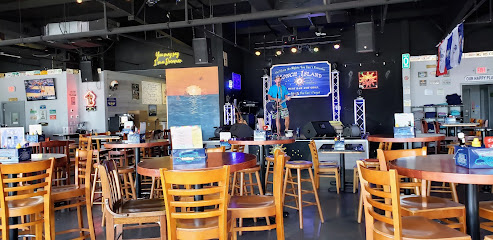
Conch Island Key West Bar and Grill
18.3 km
Discover the lively spirit of Conch Island Key West Bar and Grill, where tropical flavors meet a vibrant atmosphere in Rehoboth Beach.
Arena's at the Airport
18.4 km
Discover Arena's at the Airport, where American cuisine meets the thrill of aviation in a family-friendly atmosphere with craft beers and sports.
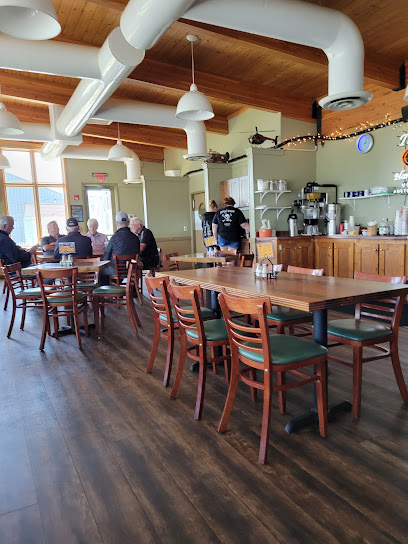
Diego's Bar Nightclub, Rehoboth Avenue Extension, Rehoboth Beach, DE
18.5 km
Discover the vibrant nightlife at Diego's Bar Nightclub, a premier LGBTQ+ venue in Rehoboth Beach, DE, known for its energetic atmosphere and inclusive community.
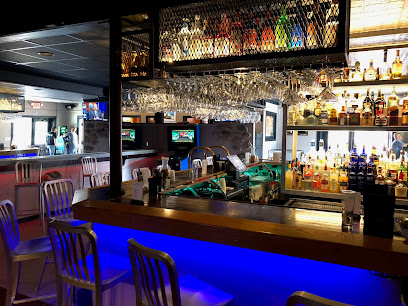
Arena's Cafe
18.6 km
Experience family-friendly dining at Arena's Cafe in Rehoboth Beach, featuring delicious meals and a lively sports atmosphere.
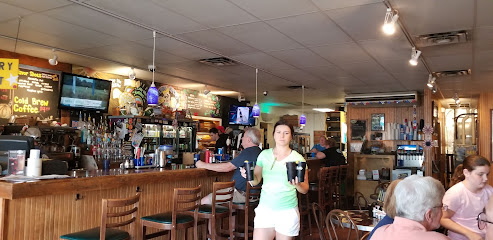
Rigby's Bar & Grill
18.8 km
Experience the best of American dining with live music and karaoke at Rigby's Bar & Grill in Rehoboth Beach.
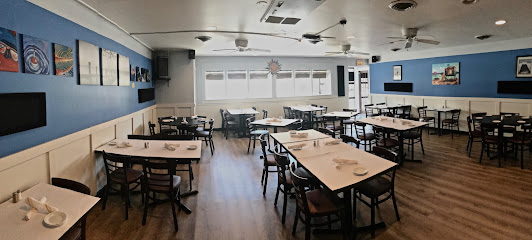
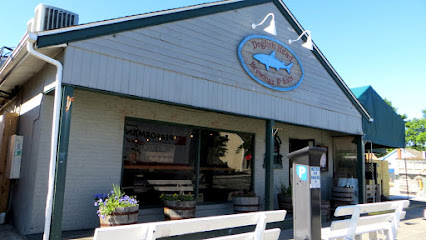
Dogfish Head Brewings & Eats
18.9 km
Discover the perfect blend of craft beer and gourmet cuisine at Dogfish Head Brewings & Eats in Rehoboth Beach, DE.
Nightclubs & after hour spots

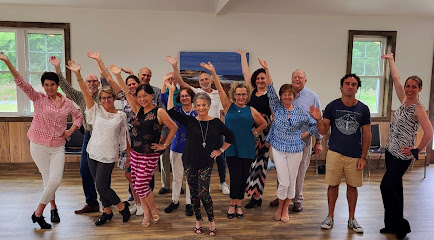
Tango by the beach.com
10.2 km
Discover the vibrant world of tango dancing at Tango by the Beach, a dance club and school in picturesque Lewes, DE.
Outer Delaware Breakwater
12.0 km
Outer Delaware Breakwater: Dive into Lewes' vibrant nightlife with energetic music, dancing, and a welcoming atmosphere for all.
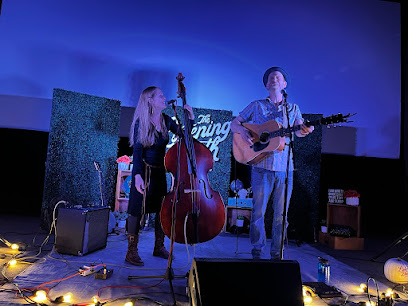
The Listening Booth
13.3 km
Experience the vibrant music scene and delicious cuisine at The Listening Booth, a unique bar and live music venue in Lewes, Delaware.
Officers Club at CHSP
14.3 km
Discover the scenic beauty and rich history of Officers Club at Cape Henlopen State Park, a perfect escape for nature lovers and families in Delaware.
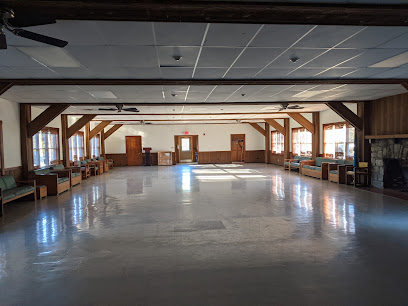
Milford Billiards
18.0 km
Discover the best pool hall in Milford, Delaware, where great drinks and friendly competition await every night of the week.
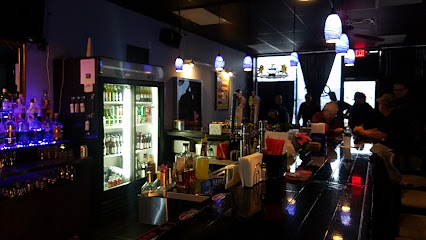
Henlopen Acres Beach Club
18.3 km
Discover the vibrant Henlopen Acres Beach Club, where relaxation meets entertainment in Rehoboth Beach, Delaware's stunning coastal paradise.
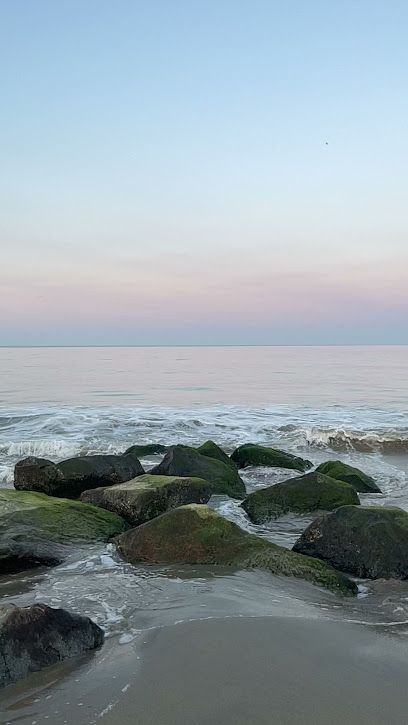
MIlford Post 3
19.2 km
Discover Milford Post 3, a vibrant social club in Delaware, blending delicious dining with lively entertainment in a welcoming atmosphere.
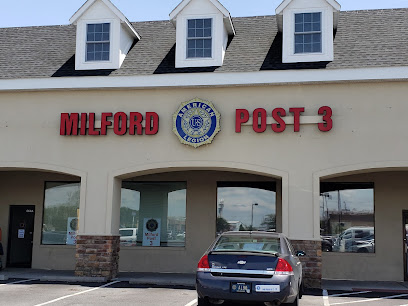
American Legion
19.2 km
Experience the heart of Milford at the American Legion, where community, delicious food, and veteran appreciation come together.
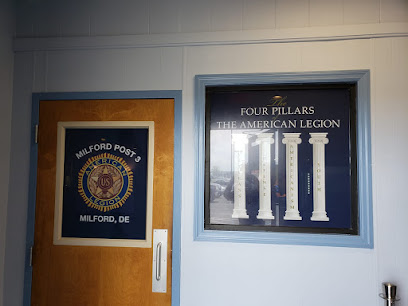
Red Square Caviar Bar
19.3 km
Experience the rich flavors of Eastern Europe at Red Square Caviar Bar in Rehoboth Beach, where caviar and cocktails meet in an elegant setting.
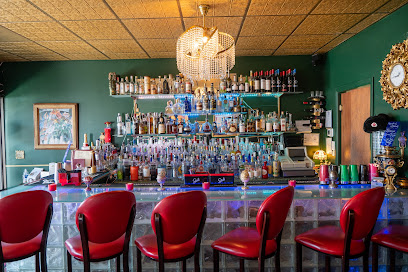
Applebee's Grill + Bar
19.3 km
Discover hearty American meals and a welcoming atmosphere at Applebee's Grill + Bar in Milford, perfect for families and friends.
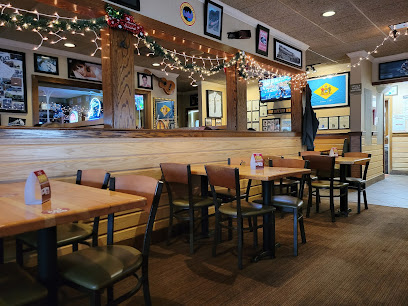
Purple Parrot Grill Beach Haus & Biergarten
19.3 km
Discover the vibrant charm of Purple Parrot Grill Beach Haus & Biergarten, where delicious grilled food meets a welcoming atmosphere in Rehoboth Beach.
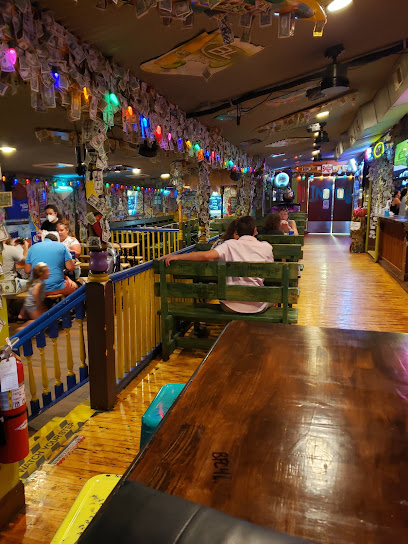
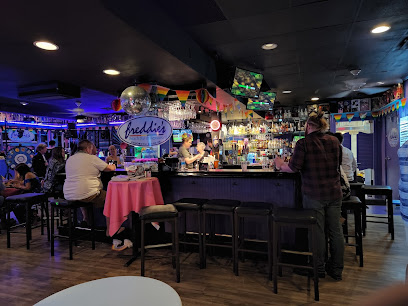
Freddies Beach Bar - Rehoboth Beach
19.4 km
Experience the vibrant nightlife and delicious brunch at Freddie's Beach Bar, Rehoboth Beach's ultimate gay bar and entertainment hub.
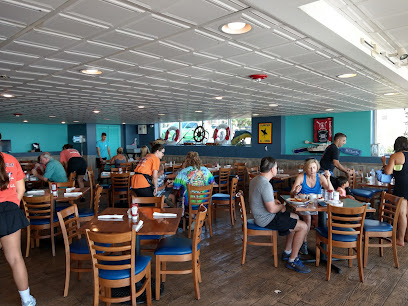
Sandcrab Beach Bar
19.4 km
Experience the vibrant atmosphere and stunning ocean views at Sandcrab Beach Bar in Rehoboth Beach, the perfect spot for relaxation and local flavors.
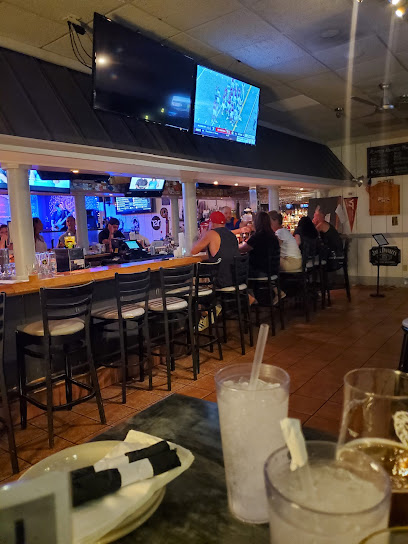
Rehoboth Ale House Downtown
19.5 km
Enjoy craft beers, delicious food, and live music at Rehoboth Ale House Downtown – the heartbeat of nightlife in Rehoboth Beach.
Easy Speak Spirits
20.4 km
Discover the perfect blend of craft beers and artisanal spirits at Easy Speak Spirits in Milford, Delaware, where great taste meets a welcoming atmosphere.