House of Music, Aalborg Travel Guide
A sculptural waterfront concert house where cutting‑edge architecture, world‑class acoustics and daily musical life come together on Aalborg’s Limfjord.
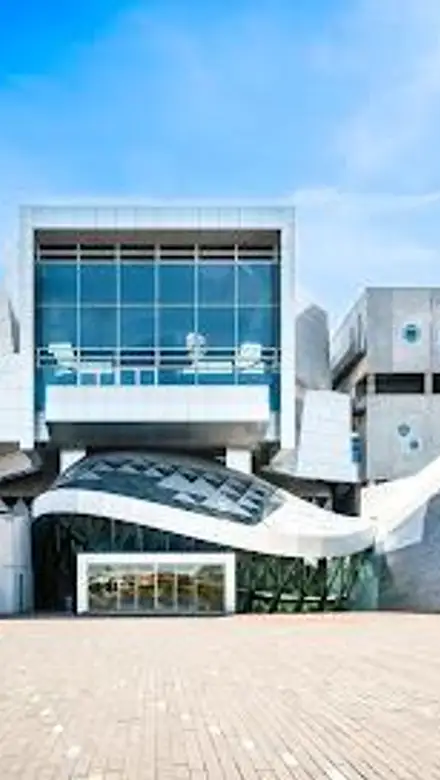
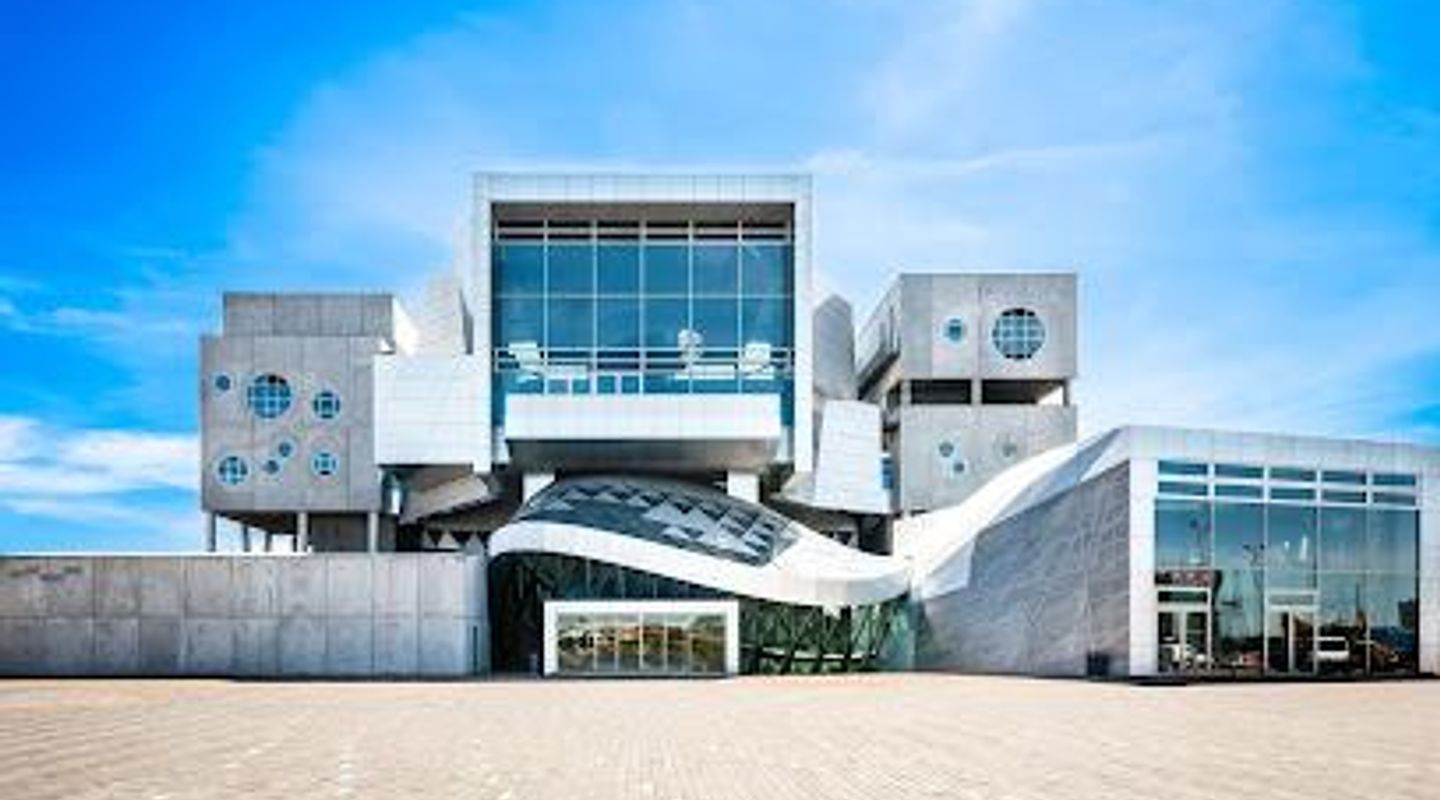
Rising from Aalborg’s Limfjord waterfront, the House of Music (Musikkens Hus) is a striking modern concert hall and cultural hub that pairs bold deconstructivist architecture with world‑class acoustics. Opened in 2014, the complex brings together four diverse halls, a celebrated main auditorium seating nearly 1,300, music education institutions and a fjord‑facing restaurant, creating a lively meeting point for performances, rehearsals and everyday student life in one sculptural, light‑filled building.
A brief summary to House of Music
- Musikkens Pl. 1, Aalborg, Aalborg Centrum, 9000, DK
- Click to display
- Click to display
- Duration: 1 to 4 hours
- Mid ranged
-
 Mixed
Mixed
- Mobile reception: 5 out of 5

Know before you go
Hi, I'm Eve. Here are a few practical things to know before exploring House of Music.
- Check the events calendar in advance and consider pairing a main‑hall evening concert with an earlier dinner at the fjord‑facing restaurant to enjoy the waterfront setting.
- Arrive at least 30 minutes before performances to explore the multi‑level foyer, take in the Limfjord views and find your seat without rushing.
- If you are sensitive to sound, bring ear protection for amplified shows; the halls are designed for high acoustic precision, which can feel intense at louder events.
- Photography is easiest from the waterfront promenade outside, where you can capture the building’s sharp geometry and reflections in the water.
Do you manage this location?
Take control to get all the benefits, like improved information, better appearance, and stronger visibility across AI-powered discovery. Learn more about listing your business on Evendo
Activate your presenceOther nearby places you may find interesting
The closest places of the same kind, if this one is not quite what you had in mind.



Explore House of Music on the Map
A handpicked selection of must-see spots near House of Music, mapped for you.
Unlock the Best of House of Music
Buy tickets
-
No tickets available
Book tours with entry
-
No tours available
Book tours without entry

Getting There
-
City bus from central Aalborg
From central Aalborg, use one of the city bus lines serving the waterfront cultural district; the ride typically takes 5–15 minutes depending on the starting point and traffic. Buses run frequently throughout the day and early evening, and a single adult ticket within the city zone usually costs around 20–30 DKK. Low‑floor vehicles make this option suitable for most mobility levels, though services are less frequent late at night and on some holidays.
-
Walking from Aalborg city centre
If you are staying in Aalborg’s compact centre, you can walk to the House of Music in roughly 10–20 minutes, depending on your exact location. The route leads through level, paved streets and the waterfront promenade, making it straightforward for most visitors and suitable for wheelchairs and strollers in dry weather. In winter, allow extra time and take care, as surfaces near the fjord can become slippery in frost or snow.
-
Taxi within Aalborg
Taxis are widely available in central Aalborg and at the train and bus stations, offering a direct trip to the House of Music in about 5–10 minutes. Fares within the city typically start with a base charge and come to around 80–150 DKK for a short urban journey, depending on distance, time of day and traffic. Vehicles usually accept major cards, but it is wise to confirm payment options when boarding, and demand can be higher around large evening events.
-
From Aalborg Airport by public transport
From Aalborg Airport, take a bus or regional train toward the city, with typical travel times of 15–25 minutes to reach central Aalborg and ticket prices around 25–40 DKK for an adult single. From there, transfer to a city bus or taxi for the short onward journey to the House of Music. Services operate regularly during daytime and early evening, but late‑night options are more limited, so check the return schedule if you plan to travel after a performance.
For the on-the-go comforts that matter to you
-
 Restrooms
-
 Drink Options
-
 Drinking Water
-
 Food Options
-
 Seating Areas
-
 Sheltered Areas
-
 Trash Bins
-
 Information Boards
-
 Visitor Center
Discover more about House of Music
A waterfront landmark tuned for sound
The House of Music, or Musikkens Hus, anchors Aalborg’s revitalised waterfront with a powerful geometric silhouette of glass, concrete and steel set directly beside the Limfjord. Completed in 2014, it was designed by Viennese studio Coop Himmelb(l)au as both cultural showpiece and everyday working home for musicians, students and researchers. From a distance, its stacked, cubic volumes and sharp angles read like a sculptural cliff face; close up, you start to notice the careful layering of terraces, bridges and glazing that invite you inside.Step through the doors and the mood shifts from fortress‑like exterior to a soaring, five‑storey foyer flooded with daylight. A vast curtain wall opens the building toward the fjord, framing ships, changing skies and the urban promenade. Stairs and balconies criss‑cross overhead, giving constantly changing vantage points on both the water and the life of the house itself.Architecture where music shapes the space
The entire complex is organised around the idea that a school can literally embrace a concert hall. At the core sits the main auditorium, wrapped in a U‑shaped bar of rehearsal rooms, classrooms and offices belonging to the Aalborg Symphony Orchestra, the Royal Academy of Music, Aalborg University and Orkester Norden. This arrangement keeps performers, students and audiences within earshot of each other and turns circulation spaces into informal meeting grounds.Inside the main hall, the design switches from strict external geometry to flowing curves. Balcony fronts billow out in soft waves, and sculpted plaster walls create an almost cave‑like texture. Every surface is tuned for sound: height‑adjustable acoustic elements in the ceiling, precisely modelled wall forms and a seating plan for about 1,300 listeners all work together to create the near‑silence and clarity demanded by symphonic music. It is a purpose‑built instrument on an urban scale, designed with specialist acousticians to rank among Europe’s finest listening rooms.Four distinct halls and a working musical campus
Below the grand foyer, three smaller halls provide contrasting atmospheres. The Intimate Hall pulls audiences close to the stage for chamber concerts, talks and smaller amplified events. The Classical and Rhythmic halls support teaching, ensemble work and performances across genres, from jazz to contemporary experiments. Around them, a warren of practice rooms, studios and teaching spaces keeps the building buzzing throughout the day.Because the education facilities share the same roof as the flagship concert hall, you may pass students clustered over scores, hear a saxophone scale drifting from a practice room or glimpse a rehearsal in progress through interior viewing windows. This is not a venue that wakes only at showtime; it functions as a full‑scale campus where learning, rehearsing and performing overlap.Life between foyer, fjord and restaurant
The public foyer is much more than a circulation space. With its grand staircases, side galleries and open sightlines into parts of the hall, it acts as the social heart of the building. On performance evenings, it fills with a gentle pre‑concert murmur as visitors gather under the high ceiling, pausing at the glass to watch the light fade across the Limfjord before finding their seats.On the fjord side, the in‑house restaurant extends over two levels, making the most of water views. Here, the culinary focus leans toward a modern Nordic sensibility that matches the building’s crisp lines: seasonal ingredients, clean flavours and a relaxed but polished atmosphere. Even on non‑concert days, locals drop in for lunch or dinner, using the House of Music as a casual meeting place anchored by architecture and landscape.Sustainability, light and the Nordic climate
Behind its dramatic appearance, the House of Music also functions as a careful response to Denmark’s climate and sustainability ambitions. A solar‑passive approach guided the orientation and glazing, with generous windows to the north over the fjord and more solid southern facades to manage sun and heat. Solar panels integrated into the building fabric support its energy needs, and efficient mechanical systems work quietly in the background.These environmental efforts have earned the complex a high‑level sustainability certification, a rarity for major concert halls. Combined with its role as cultural catalyst on a once‑industrial shoreline, the building stands as a statement about how contemporary architecture in northern Europe can be both visually daring and environmentally responsible.Experiencing the House of Music as a visitor
For visitors, the experience can be tailored to mood and time. A short stop might involve wandering the foyer, studying architectural details and watching the interplay between city, fjord and interior terraces. With more time, you might book a guided tour to explore the acoustic features and backstage routes, or plan around a concert to feel how the main hall comes alive when the lights dim and the first notes rise out of near‑total silence.Whether you come for a symphony, a jazz set, a lecture or simply a meal with a view, the House of Music reveals different layers over repeat visits. It functions simultaneously as landmark, school, workplace and everyday living room for Aalborg’s cultural life, all finely tuned to the rhythms of the city and the lapping water just beyond its glass wall.












Your all‑in‑one travel companion app
Explore expert travel guides, compare and book tours, experiences, hotels, and more—all from the palm of your hand. Download now for seamless trip planning wherever your wanderlust takes you.


Explore More of Aalborg

Looking beyond House of Music? Discover Aalborg for broader travel guides, local hot-spots, and regional highlights.
Explore Aalborg
An easygoing fjordfront viewpoint where Aalborg’s working harbour, bold waterfront architecture and wide promenades come together in one relaxed, scenic panorama.
Industrial heritage transformed into Aalborg's beating cultural heart—where experimental theatre, cinema, and community converge.