Hulbjerg Passage Grave: A Journey into the Neolithic Past
Explore Hulbjerg Passage Grave on Langeland, a fascinating Neolithic burial site offering a unique glimpse into Denmark's prehistoric past and the lives of the Funnelbeaker culture.
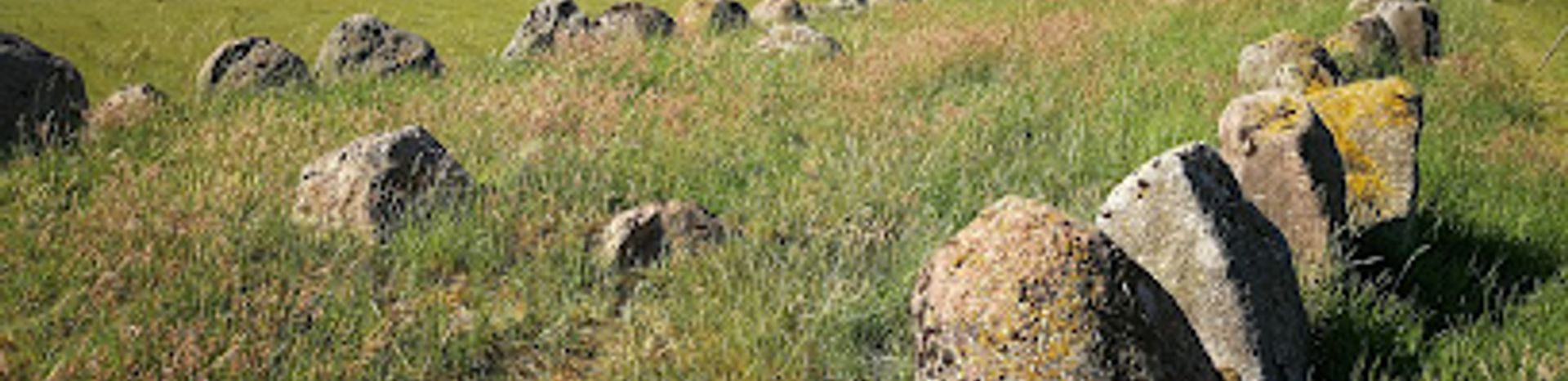
Step back in time at Hulbjerg, a remarkably well-preserved Neolithic passage grave on the island of Langeland. Dating back to 3300-3200 BCE, this ancient burial site offers a fascinating glimpse into the lives and beliefs of the Funnelbeaker culture. Explore the large burial chamber, constructed with impressive stonework, and imagine the rituals and ceremonies that once took place here. Discover the history of the site, where archaeologists unearthed numerous artifacts and human remains, including a skull with evidence of early dental work. Surrounded by a serene landscape of rolling hills and lush greenery, Hulbjerg provides a unique opportunity to connect with Denmark's prehistoric past and appreciate the ingenuity of its early inhabitants. The site is accessible year-round, inviting visitors to explore this captivating piece of history at their own pace. Don't miss the chance to experience the tranquility and historical significance of Hulbjerg, a testament to the enduring legacy of Neolithic cultures in Scandinavia.
A brief summary to Hulbjerg | Burial site from the Peasant Stone Age
- Søgårdsvej 10, Bagenkop, 5935, DK
- +4563516300
- Visit website
Local tips
- Bring a flashlight, as the interior of the passage grave is dark.
- Wear comfortable shoes suitable for walking on uneven ground.
- Combine your visit with a trip to the Langeland Museum in Rudkøbing to see the artifacts excavated from the site.
- Visit during the off-season for a more peaceful and solitary experience.
- Check the weather forecast before your visit, as the site is exposed to the elements.

Getting There
-
Public Transport
From Rudkøbing, take bus line 912 towards Bagenkop. The bus ride takes approximately 55 minutes. Get off at the 'Bagenkop Rtb.' bus stop. From there, walk approximately 1.5 kilometers south on Søgårdsvej to reach Hulbjerg. Check the FYNBUS website or app for current schedules and potential delays. A single bus ticket costs approximately 25 DKK.
-
Driving
From Rudkøbing, follow Route 9 south towards Bagenkop. As you approach Bagenkop, turn onto Søgårdsvej. Continue on Søgårdsvej, and you will find the Hulbjerg Burial Site located at Søgårdsvej 10. Parking is available near the site. Be aware that parking might be limited during peak season. Driving time from Rudkøbing is approximately 30-40 minutes.
-
Walking
From Bagenkop harbor, it's a pleasant walk of approximately 3 kilometers to Hulbjerg. Head south on Søgårdsvej, following the road out of town. The site will be on your left, situated on a small hill. The walk takes around 45 minutes to an hour, offering scenic views of the surrounding countryside.
Discover more about Hulbjerg | Burial site from the Peasant Stone Age
Iconic landmarks you can’t miss

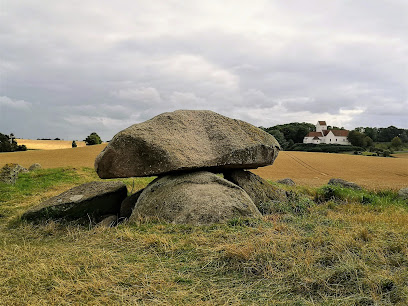
Langdyssen "Kong Humbles Grav"
11.4 km
A 55‑metre Stone Age long dolmen in the fields north of Humble, where legend, prehistoric engineering and soft Langeland landscapes meet in quiet simplicity.
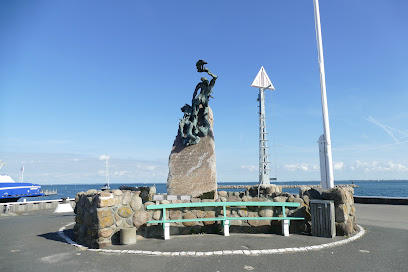
Monument for Danske Sømænd
17.0 km
A modest harbourfront memorial in Marstal that quietly honours generations of Danish sailors who left this island port and never returned from the sea.
Rise Kirke
22.6 km
A quietly beautiful 12th‑century countryside church on Ærø, where whitewashed walls, historic graves and open fields tell the island’s rural and seafaring story.
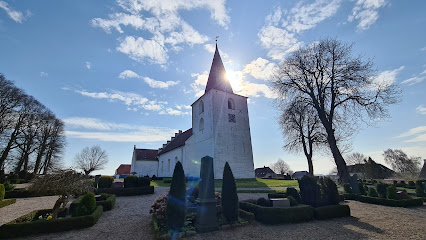
Andelen Guesthouse
24.3 km
Discover the charm of Ærøskøbing at Andelen Guesthouse, your cozy retreat in the heart of Denmark's picturesque island.
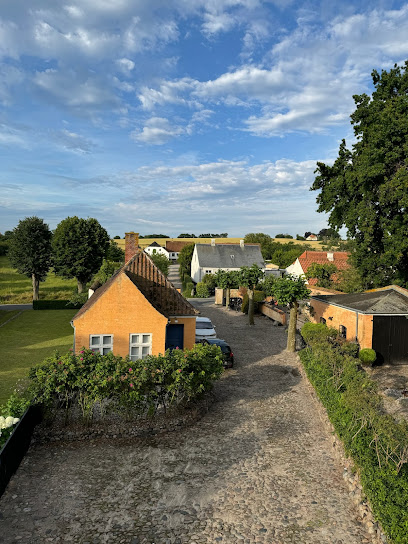
På Torvet
24.4 km
Experience the unique charm of På Torvet in Ærøskøbing, where historic beauty meets modern comfort in the heart of Denmark.
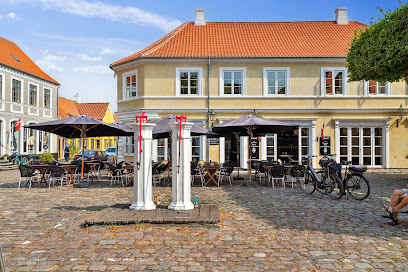
Danish Island Weddings
24.5 km
Experience the magic of weddings on the enchanting Danish island of Ærø, where love meets scenic beauty and unforgettable memories are made.
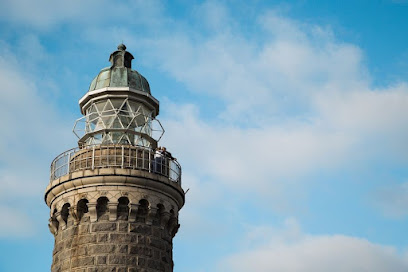
Ærø Turist & Erhverv
24.6 km
Explore the beautiful island of Ærø with expert insights and resources from Ærø Turist & Erhverv, your local tourist information center.
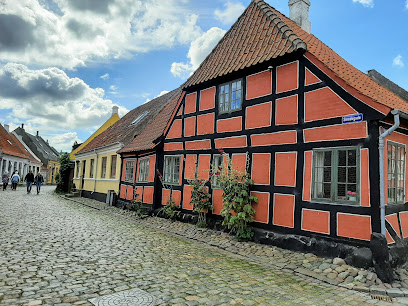
Ærøfærgerne
24.6 km
Experience the scenic ferry ride to Ærø Island via Ærøfærgerne, where Danish charm meets breathtaking coastal views.
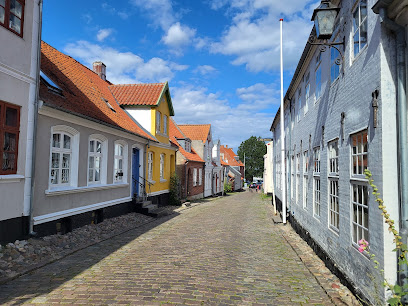
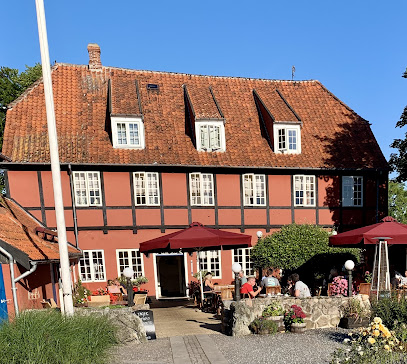
Hotel Ærøhus
24.7 km
Historic hotel in the heart of Ærøskøbing known for its authentic Danish charm, lush gardens, and local island cuisine—a perfect base for exploring Ærø.
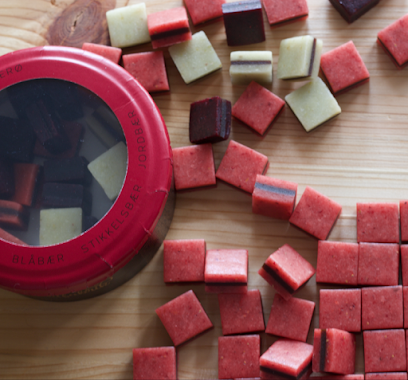
Hattesens Konfektfabrik Aps
24.7 km
Discover the sweet artistry of traditional Danish liquorice at Hattesens Konfektfabrik Aps in scenic Ærøskøbing.
Forladt skorsten
28.3 km
A haunting brick ruin marking Ærø's vanished industrial era, standing silent on the island's edge.
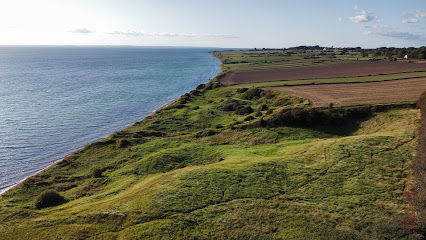
Bregninge Kirke
29.9 km
Medieval island church on a gentle Ærø hillside, where whitewashed stone, quiet fields and seafaring stories meet in a calm, contemplative setting.
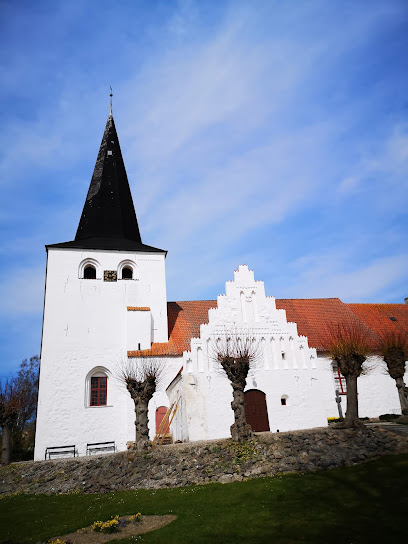
Tranekær Castle
31.5 km
A red-plastered island fortress turned noble family home, Tranekær Castle crowns a hat-shaped hill on Langeland, blending medieval power, romance and working estate life.
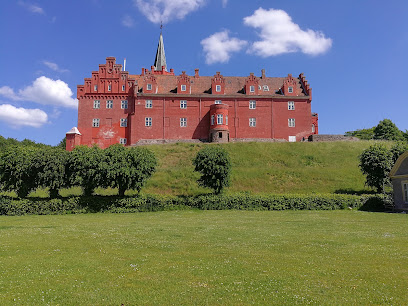
Søbygård
33.0 km
Discover Søbygaard: Ærø's historic manor offering cultural exhibitions, concerts, and family-friendly activities in a picturesque setting.
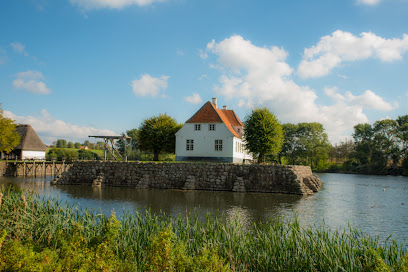
Ærø Museum
33.0 km
Explore Ærø Museum: A captivating journey through the unique history and culture of Ærø Island, Denmark.
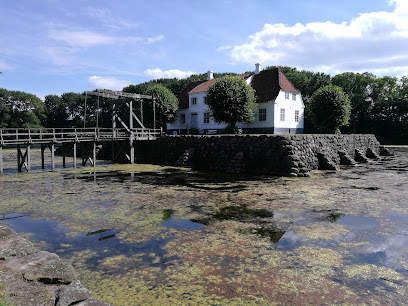
Unmissable attractions to see

Vilde heste
1.3 km
A free‑roaming herd of hardy Exmoor ponies shaping a wild coastal landscape of grassland, marsh and cliffs at the southern tip of Langeland.
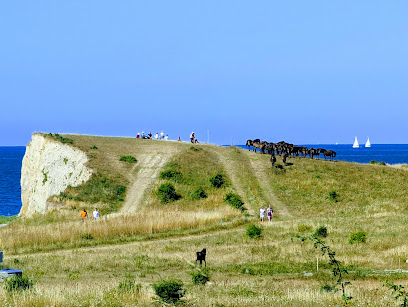
Dovns Klint
1.6 km
Wind-shaped cliffs, big Baltic skies and quiet pebble shores at the southernmost tip of Langeland, where Ice Age geology meets tranquil Danish coastal life.
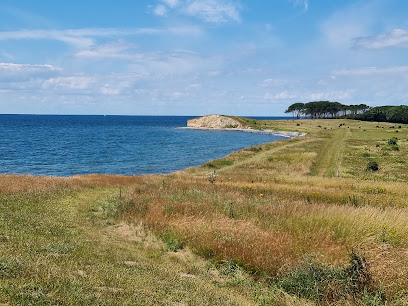
Sydligste Punkt på Langeland
1.6 km
Wind‑sculpted cliffs, pebble shores and wide Baltic horizons at the southernmost point of Langeland, where Ice Age hills meet open sea and endless sky.
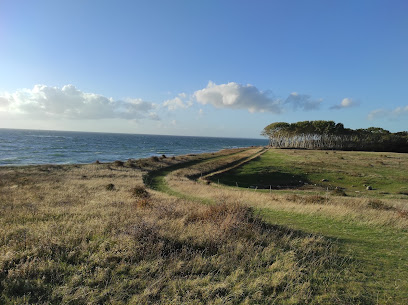
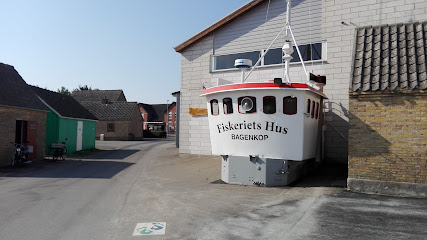
Fiskeriets Hus
1.8 km
Intimate harbor-side museum where Bagenkop’s fishing past comes alive through artifacts, stories, and an immersive ship simulator on southern Langeland.
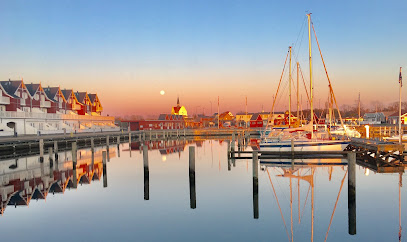
Bagenkop Kunsthal
2.0 km
Harbor-front contemporary art in a former rescue station, where changing exhibitions and coastal light meet at the southern tip of Langeland.
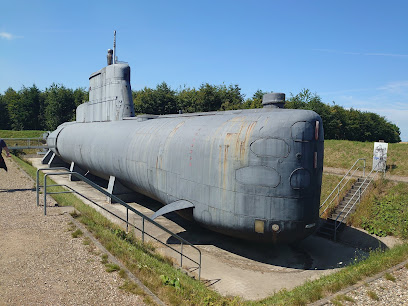
Langelandsfort
2.6 km
A former coastal stronghold on Langeland’s southern tip where bunkers, ships and Cold War stories meet sea air, open skies and hands-on family exploration.
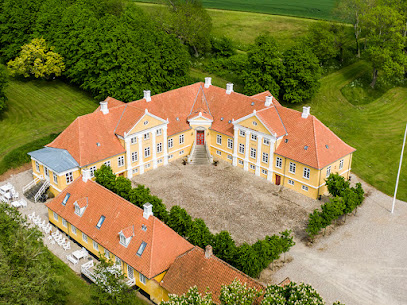
Broløkke
4.3 km
Historic Langeland manor reborn as a stylish countryside retreat with on-site dining, brewery, spa comforts, and spacious grounds for romantic stays and events.
Langdysse i Ormstrup
6.1 km
Experience Langeland’s ancient past inside Hulbjerg, a stunning Neolithic passage grave where Stone Age architecture, rituals, and landscape come vividly to life.
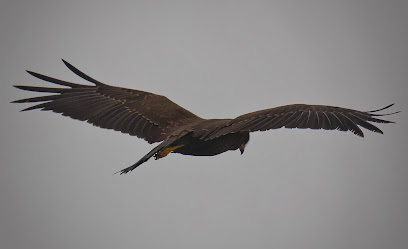
Tryggelev Nor bird sanctuary
6.4 km
Denmark's premier wetland sanctuary for vulnerable breeding birds and migratory raptors.
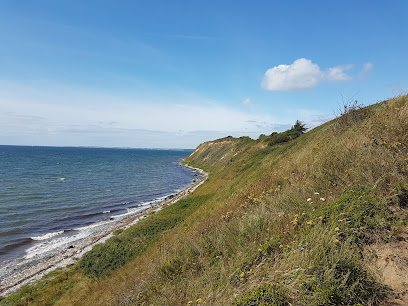
Tryggelev Kirke
7.6 km
A humble 12th‑century village church on South Langeland, with a rare medieval stone barn and a tranquil churchyard steeped in rural Danish history.
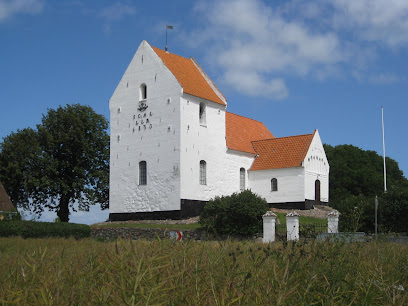
Ristinge Klint
11.4 km
Dramatic ice‑age cliffs, sweeping Baltic views and simple coastal trails make Ristinge Klint a quietly spectacular corner of southern Langeland.
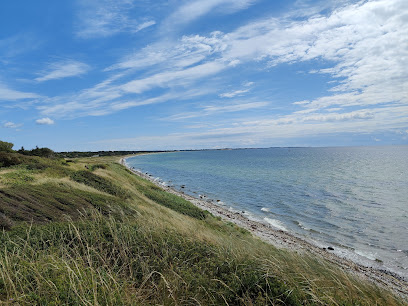
Naturdestination Skovsgaard
12.8 km
Organic estate, wild-grazing herds and slow island living come together at this Langeland nature destination of trails, learning spaces and cosy stays.
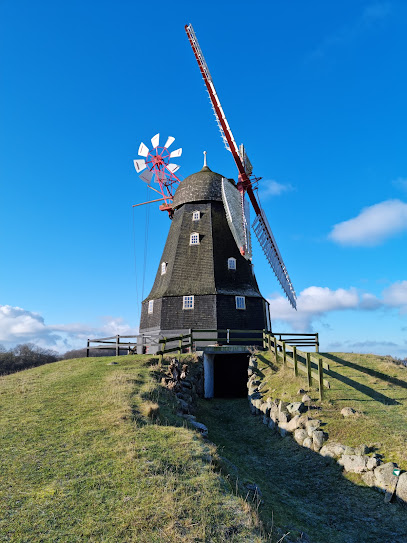
Lindelse Kirke
14.6 km
Experience Hulbjerg Passage Grave on Langeland, a Neolithic burial monument where prehistoric engineering and ancient stories come together amid stunning natural views.
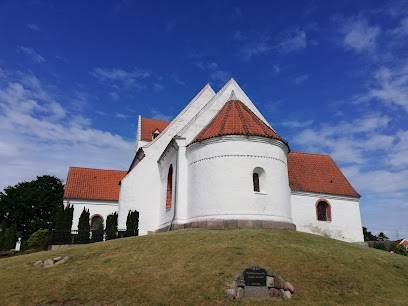
Lindelse Mølle
15.0 km
Historic hilltop windmill and former mill farm on Langeland, blending rural views, traditional architecture and emerging community life in a compact village setting.
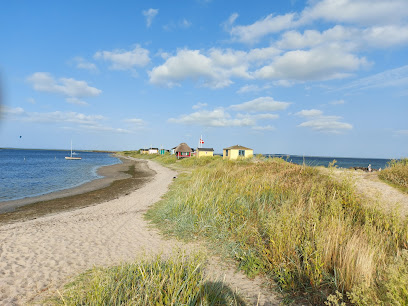
Badehusene i Marstal
16.0 km
A slender sand spit lined with vividly painted wooden bathing huts, Badehusene i Marstal capture Ærø’s gentle island spirit, maritime heritage and slow seaside living.
Essential places to dine

Spisestedet Havnen,Langeland, Bagenkop
1.9 km
Relaxed harbour-side brasserie in Bagenkop serving hearty Danish comfort food and fresh local fish just a few steps from the boats on Langeland’s southern tip.
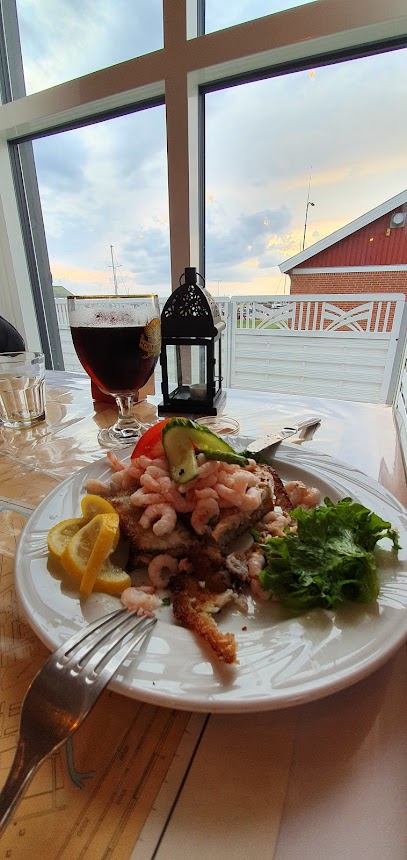
Humble Pizza & Grill
10.0 km
Casual pizzeria, grill and café in the village of Humble, serving hearty pizzas, burgers and Bosnian-style grills for easy dine-in or takeaway on Langeland.
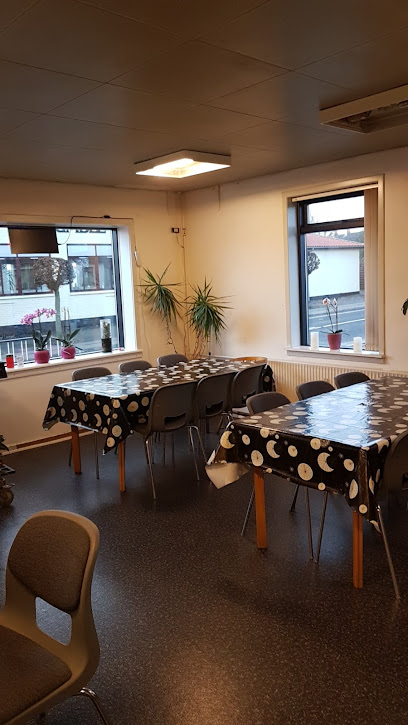
Humble Kro Hotel
10.1 km
Traditional Danish roadside inn in the village of Humble, serving classic kro food with simple, budget‑friendly rooms close to Langeland’s beaches and countryside.

Bistro Bredo
10.3 km
Casual roadside bistro in Humble on Langeland, serving American-inspired homemade burgers and classic sides in a relaxed, family-friendly village setting.
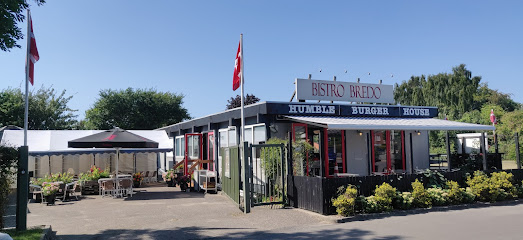
Restaurant Kædeby Cafeen
11.8 km
Hearty Danish classics in a former station house on south Langeland, where generous portions, cosy surroundings and a family-friendly feel anchor any island stay.
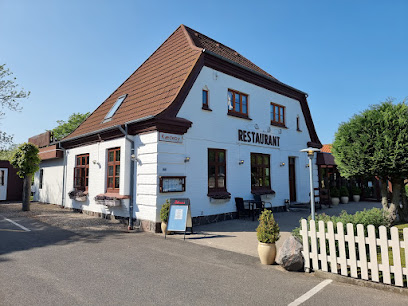
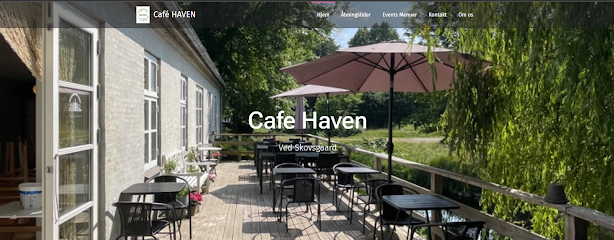
Café Haven
12.8 km
Danish brasserie with outdoor seating and local charm in central Rudkøbing.
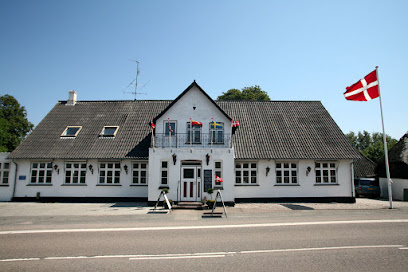
Landevejskroen Lindelse (tidl. Lindelse Kro)
14.3 km
Classic Danish roadside inn on Langeland serving hearty kromad, hosting village gatherings and offering simple rooms in a warm, traditional kro setting.
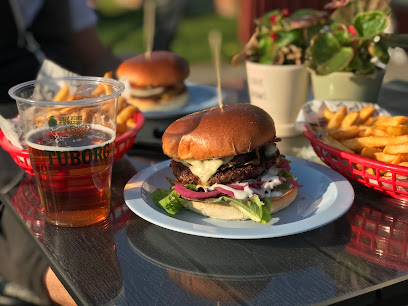
Pizzeria Siciliana v/ Marcello Antonio
16.4 km
Harbor-close, no-nonsense pizzeria in Marstal serving crisp, generous Italian-style pies and takeaway boxes ideal for salty-haired sailors and island wanderers.

Sønderrendens Perle/Burger House Marstal
16.6 km
Casual harbourfront burger joint in Marstal serving hearty comfort food and ice cream just steps from the water, ideal for an easy seaside meal on Ærø.
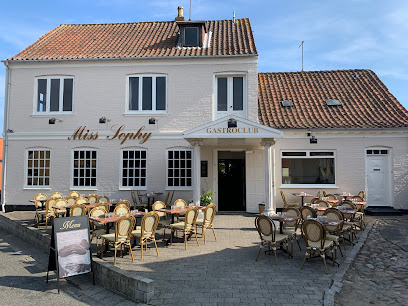
Miss Sophy Gastroclub
16.7 km
Relaxed island bistro and wine bar in central Marstal, serving seasonal comfort dishes, creative burgers and cocktails in an intimate, hygge-filled setting.
Femmasteren Hotel & Vandrerhjem
16.7 km
Character-packed hotel and hostel in central Marstal, blending Ærø’s seafaring history, cozy communal living, and easy access to harbor-side attractions.
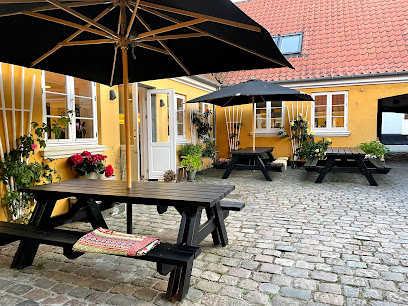
Prinsebroen
16.9 km
Harbour-side smokehouse and café in Marstal, serving Ærø’s signature smoked fish and open sandwiches with wide sea views and an easy-going island atmosphere.
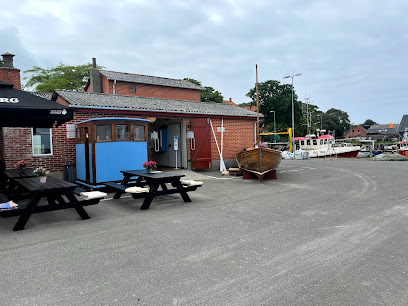
Webers café og restaurant
16.9 km
A warmly lit former sailors’ pub in Marstal, serving compact Danish–French bistro dishes, local Ærø beers and well-chosen wines in a cosy brown-café setting.
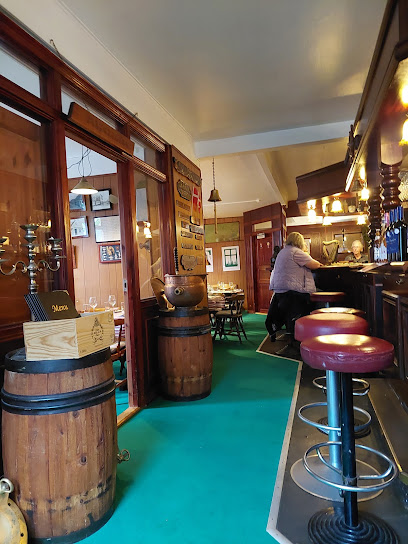
Den Gamle Vingaard
16.9 km
Mediterranean-Nordic cuisine in a historic maritime setting with a tranquil garden courtyard.
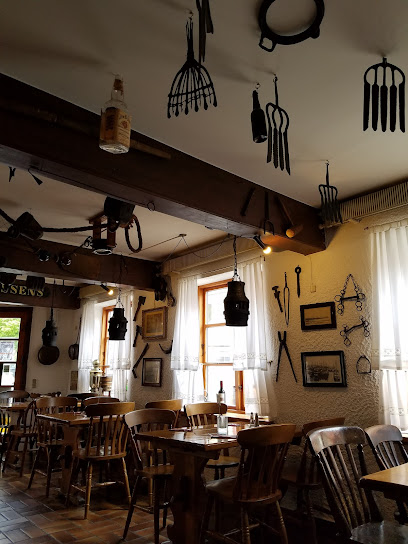
MARSTANG café
17.0 km
Island café where sourdough bread bowls and natural wine capture Ærø's seasonal soul
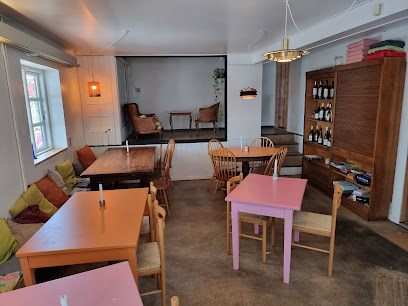
Markets, malls and hidden boutiques

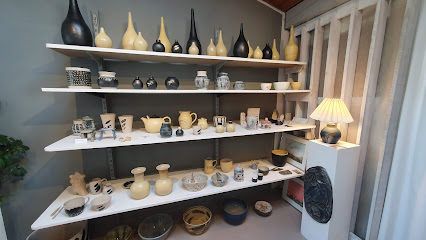
Ulla - Keramik
1.6 km
Handcrafted Danish ceramics with playful surprises, shaped by five decades of island inspiration.
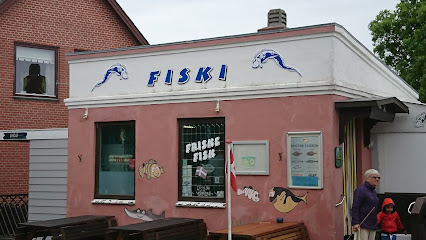
Fiski
1.8 km
Fresh-caught Danish seafood and artisanal delicacies in a harbor town gem.
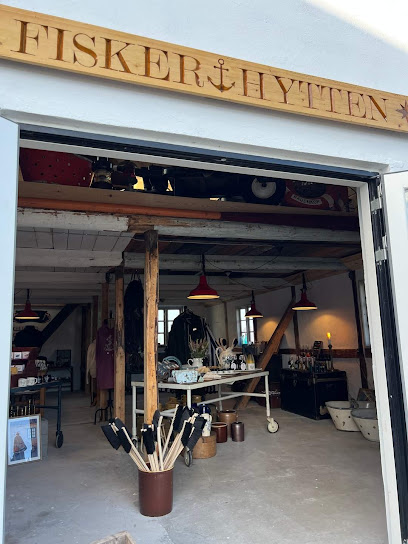
Den Gamle Fiskehytte
1.9 km
Polar explorer's gallery celebrating Arctic adventures, artisan crafts, and sustainable luxury by the sea.
Den Gamle Told
1.9 km
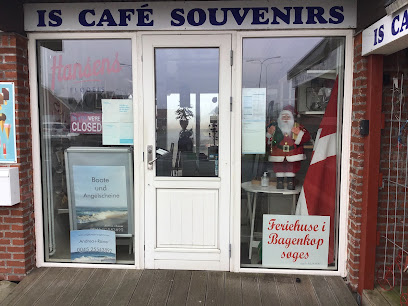
Cosy harbourside coffee and souvenirs in Bagenkop’s old customs-house setting, a relaxed stop for ice cream, drinks and a breather by the southern Langeland sea.
Humble Loppehaller
11.8 km
Langeland's most eclectic indoor flea market, where vintage treasures and Danish nostalgia await discovery.
Kræmmerne i Kædeby
11.8 km
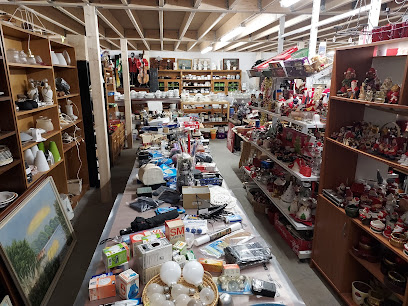
Eccentric island flea-market on Langeland, where farm buildings brim with kitsch, curios and second-hand treasures in a relaxed rural setting.
Antikhjørnet
17.0 km
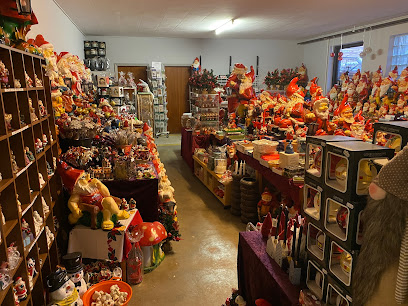
Curated vintage treasures and 4,000 Christmas ornaments in a charming Ærø antique shop.
Ærøpigen
17.1 km
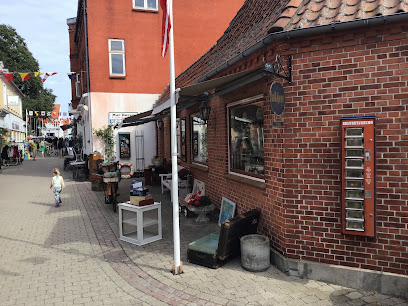
Cozy island shop in central Marstal, blending woolly comforts, local delicacies and everyday essentials in a snug Kirkestræde setting on Ærø.
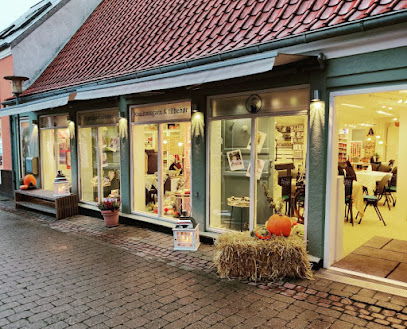
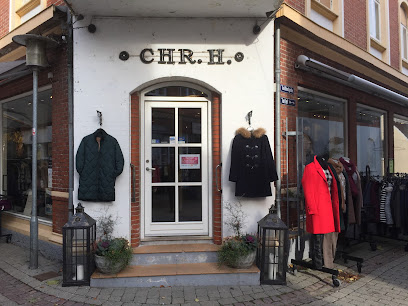
Chr. H v/Hanne Kromann
17.1 km
Locally anchored clothing shop in Marstal’s old town, offering classic Scandinavian styles for men and women with a subtle, maritime Ærø touch.
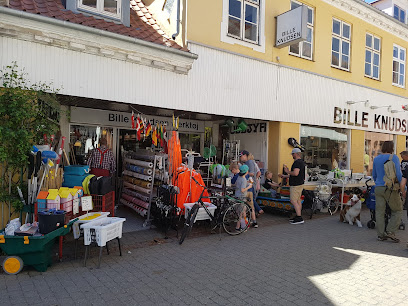
Bille Knudsen Isenkram
17.1 km
A densely stocked island hardware and homeware store in Marstal’s pedestrian street, supplying sailors, locals and holidaymakers with practical Danish everyday goods.
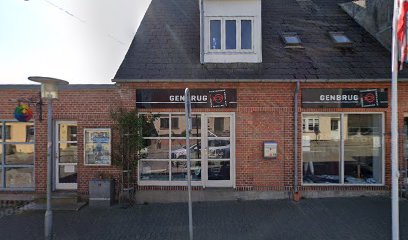
DCA Op Shop
17.1 km
Small island thrift shop in Marstal where second-hand treasures, community spirit and global charity work come together in a cozy, slow-paced setting.
Galleri Strandesen
21.5 km
Intimate island gallery in Ærøskøbing where sea light, harbour life and quiet streets are transformed into contemporary paintings you can linger over—and take home.
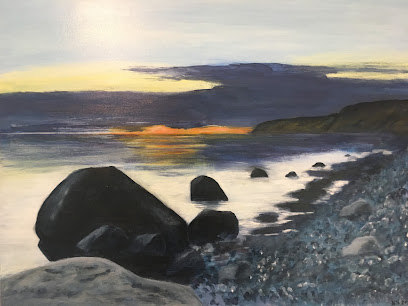
Pigekammeret v/Birgitte Nygaard Jensen
22.2 km
A cosy Rudkøbing boutique where Scandinavian-style gifts, home comforts and gourmet treats come together in one lovingly curated island shop.
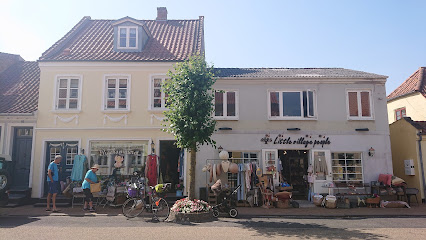
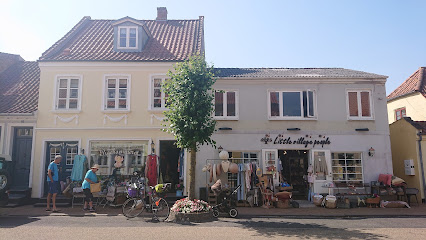
Littlevillagepeople.dk
22.2 km
A small, carefully curated design shop in Rudkøbing, blending children’s wear, toys, interiors, ceramics and yarn into one cozy slice of Scandinavian everyday style.
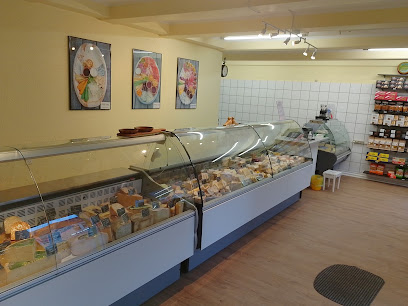
Ostehuset Rudkøbing
22.2 km
Artisanal cheese and wine shop celebrating Danish heritage and international flavors in historic Rudkøbing.
Essential bars & hidden hideouts

Bar & Café MF Egeskov
16.8 km
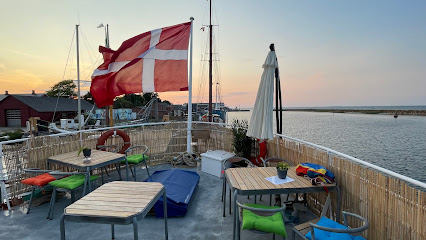
Cozy harborfront bar and café on Marstal’s working quay, blending maritime atmosphere, dockside views, and relaxed drinks in the spirit of Ærø’s seafaring life.
Foley's Pub
17.0 km
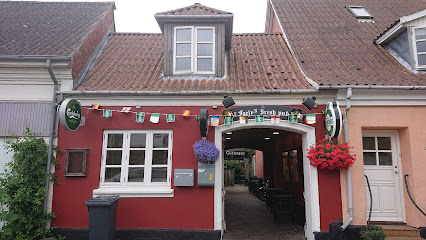
Marstal's maritime pub where live music, local brews, and seafaring tales create authentic island nightlife.
BALLAST BAR BUTIK
17.0 km
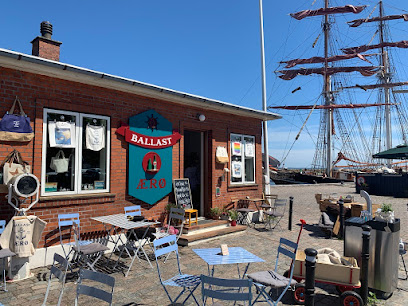
Cozy harborfront cocktail bar and woolly boutique in Marstal’s old ferry waiting room, blending inventive drinks, Nordic knitwear and intimate island atmosphere.
Skipperkroen
17.1 km
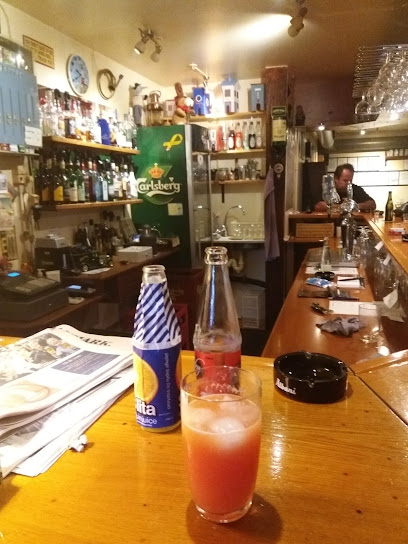
Cosy skipper’s bar in central Marstal, serving inexpensive drinks and simple fare in a relaxed, maritime small‑town atmosphere close to the harbour.
Marstal cafe Den Glade Gris
17.3 km
Cozy island bar in Marstal where locals and visitors share beers, stories and a relaxed slice of Ærø everyday life.
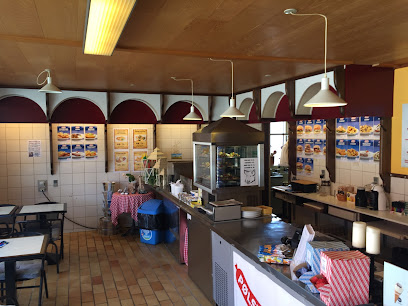
Langelands Jazzklub
22.0 km
Tiny island jazz hub in Rudkøbing, blending close-up concerts, seasonal outdoor gigs and decades of Danish jazz heritage in a warm, community-run setting.
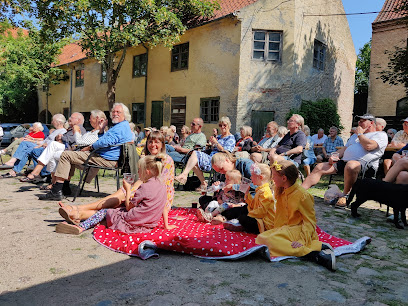
Basicbigband
22.0 km
Local big band headquarters in a quiet Rudkøbing neighbourhood, where brass, reeds and rhythm bring Langeland’s intimate jazz scene to life on select evenings.
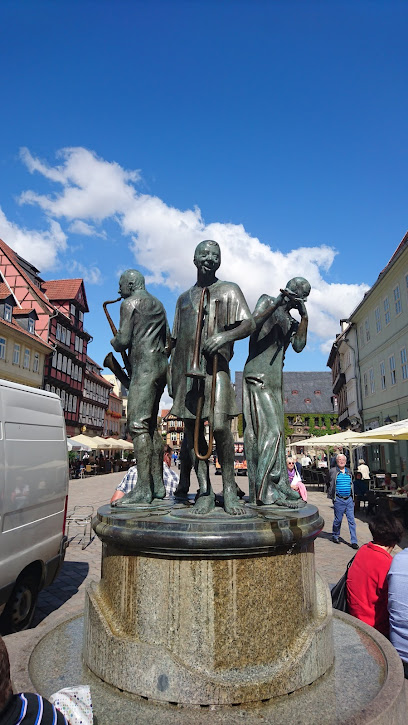
Dybendal
22.3 km
Easygoing local bar on Rudkøbing’s main square, blending billiards, darts and drinks with small‑town atmosphere and summer concerts on the cobbled Torvet.
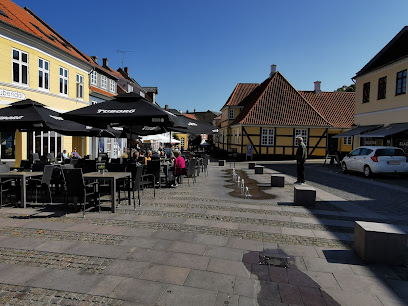
Kasket karl
22.3 km
A classic Rudkøbing bodega where locals gather for cold beer, warm conversation, and an authentic slice of island everyday life from morning to late evening.
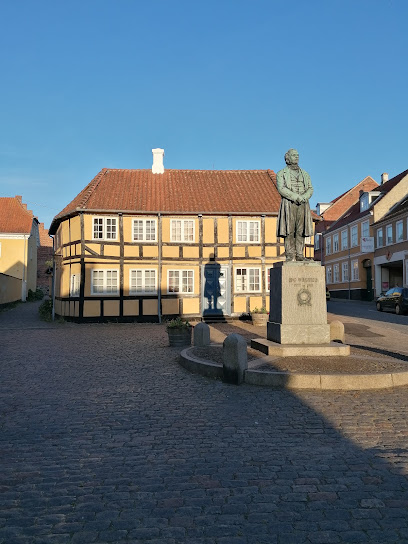
Sukker
22.4 km
Intimate wine bar where Danish heritage meets Nordic sophistication in historic Rudkøbing.
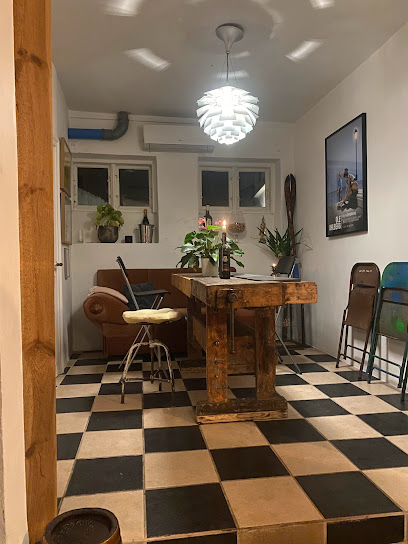
Paa Drejet Beach Bar
22.4 km
Laid-back beach bar and grill by Drejet Beach on Langeland, pairing sea air, sand and simple comfort food in the heart of Spodsbjerg’s holiday‑home area.
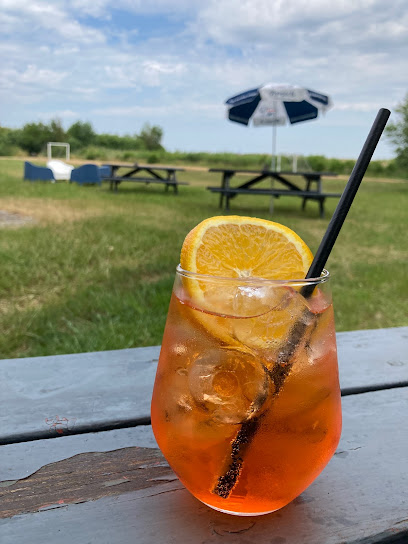
No. 10
22.5 km
Cozy, adults‑only lounge bar in a former butcher’s shop, serving Champagne, craft beer and cocktails with island hygge and a colourful courtyard in central Rudkøbing.
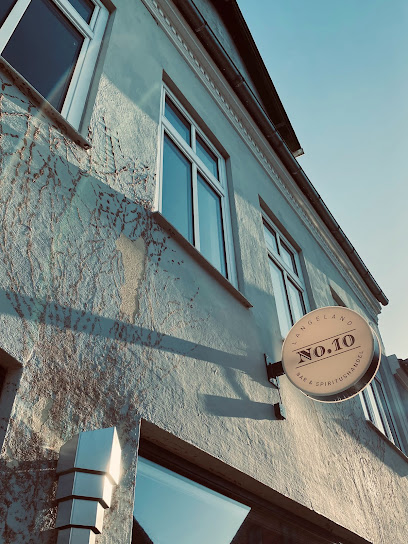
Havnekiosken v/Ole Damgaard Hansen
22.5 km
A tiny historic kiosk-bar on Rudkøbing’s harbor front, serving simple drinks and snacks with big maritime views and the easy rhythm of island harbor life.
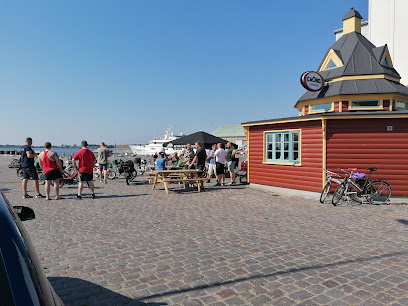
Havnekiosken 6kanten
22.5 km
Quirky octagonal harbour kiosk turned cosy café-bar, serving simple Danish fare and cold beer with front-row views of Rudkøbing’s boats and Langelandsbroen.
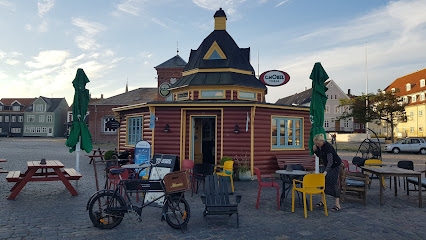
Arrebo
24.6 km
Island pub where locals and visitors gather for live music, cold drinks, and authentic Ærø atmosphere.
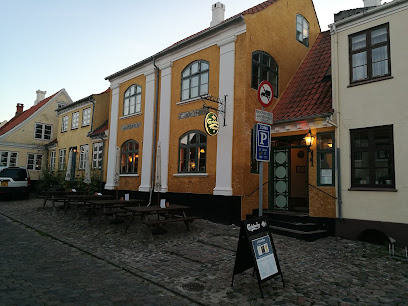
Nightclubs & after hour spots

Ommel
19.8 km
A small, sociable island nightspot near Marstal where locals and travelers share quiet drinks, simple music and the easygoing charm of Ærø after dark.
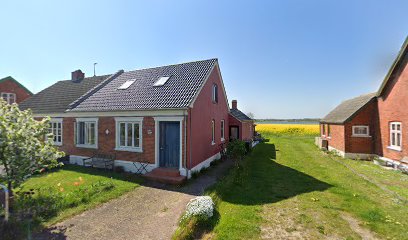
CLUB ZANZI
30.5 km
High‑energy waterfront nightclub bringing big‑city beats, flashing lights and late‑night dancing to the heart of coastal Nakskov.
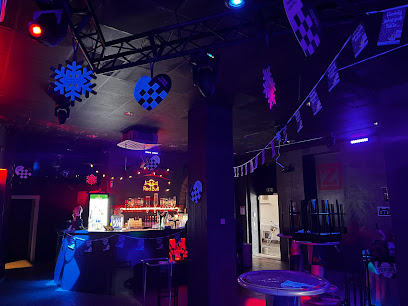
Crazy Daisy Svendborg
36.2 km
Compact, high-energy weekend nightclub in central Svendborg, serving mainstream beats, drinks and a sociable dance floor until the early hours.
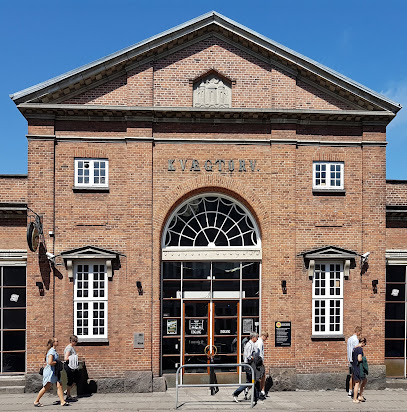
Ærø Golf Klub
40.2 km
Distinctive links course on Ærø’s northwest cape, blending historic lighthouse views, Nordic coastlines, and a classic Danish golfing challenge.
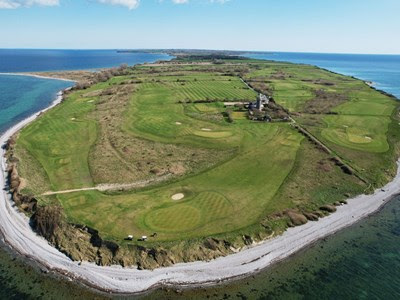
Luna Club
57.7 km
Experience the vibrant nightlife at Luna Club in Kiel, where electrifying music, exquisite cocktails, and unforgettable events await you.
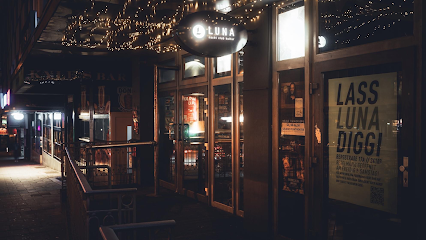
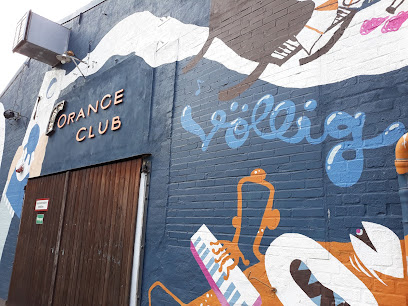
Orange Club
57.8 km
Discover the vibrant nightlife of Kiel at Orange Club, where the music is pumping and the dance floor is waiting.
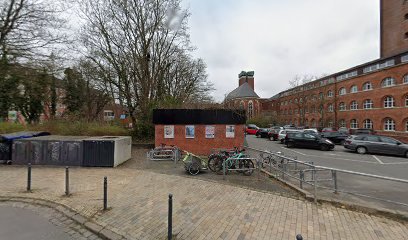
Rathausbunker Kiel
58.3 km
Experience the underground nightlife of Kiel at Rathausbunker, where music and energy collide for unforgettable nights.
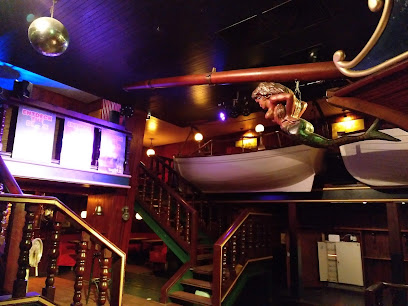
Ben Briggs
58.5 km
Discover the heart of Kiel's nightlife at Ben Briggs, a lively disco club and bar where you can dance the night away in an electrifying atmosphere.
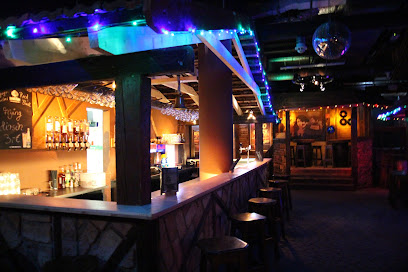
Anna Club & Discostadl
59.0 km
Discover the vibrant nightlife of Kiel at Anna Club & Discostadl, a premier disco club where rhythm and excitement meet.
Old Danish Pub
60.7 km
Central Sønderborg institution blending classic Danish pub ambiance, affordable drinks, and lively atmosphere—perfect for experiencing Southern Denmark’s warmth and social life.
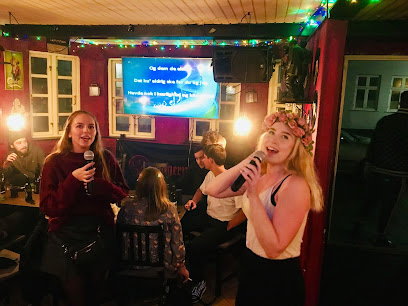
Kaizen ApS
60.7 km
Compact disco-style nightclub in central Sønderborg, pulsing with late-night beats, colourful lights and a straightforward bar for an unpretentious night out.
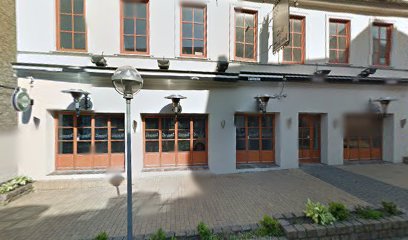
New Orleans Jazz I Sønderborg
61.0 km
Authentic New Orleans jazz experience in the heart of Sønderborg.
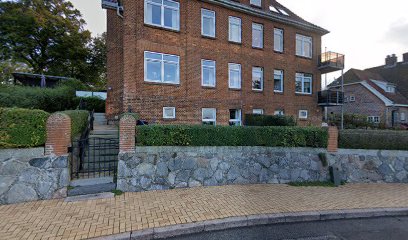
Muzirkus
63.7 km
Nyborg's independent music sanctuary where local bands rehearse, collaborate, and perform since 1974.
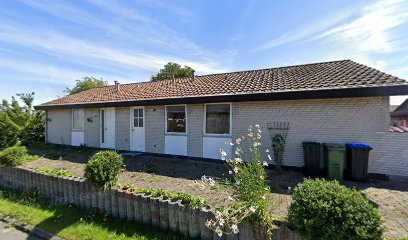
KJ's bodel
64.5 km
Laid‑back local nightspot on Nyborg’s main square, mixing simple drinks, sociable bar chatter and a compact dance floor in an unpretentious setting.
Dance All Over
67.1 km
Sønderborg’s sociable dance hub, where fitness, swing and party-ready moves come together in energetic, community-driven classes across the city.