
Ærø, Aero Travel Guide
Storybook streets, gentle Baltic seascapes and a quietly ambitious island community make Ærø a slow-travel haven in Denmark’s South Funen Archipelago.
Ærø is a small, storybook Danish island in the South Funen Archipelago, known for its cobbled-town charm, bright beach huts, and gently rolling farmland framed by the Baltic Sea. Three compact towns—maritime Marstal, fairytale Ærøskøbing and working harbour Søby—anchor a landscape of cliffs, cycling lanes, beaches and centuries-old churches. With big skies, long light evenings and a relaxed, lived-in feel, it is as much a thriving island community as it is a holiday escape.
A brief summary to Ærø
- Ærø Municipality, DK
- Duration: 4 to 72 hours
- Mid ranged
-
 Mixed
Mixed
- Mobile reception: 4 out of 5

Know before you go
Hi, I'm Eve. Here are a few practical things to know before exploring Ærø.
- Rent a bicycle for at least a day: the island’s gentle hills, quiet roads and short distances are ideal for slow exploration between towns, beaches and viewpoints.
- Pack for changeable coastal weather, even in summer; layers, a light waterproof and windproof jacket make walks and bike rides more comfortable.
- Aim for early morning or late evening in Ærøskøbing’s old streets to enjoy softer light and emptier lanes for photos without harsh midday contrasts.
- Bring swimwear and a quick-drying towel in your daypack; inviting beaches and bathing jetties appear unexpectedly along coastal walks and cycle routes.
- If you are sensitive to sun or wind, carry sunscreen and sunglasses; the island’s big, open skies and reflective sea can intensify both glare and exposure.
Do you manage this location?
Take control to get all the benefits, like improved information, better appearance, and stronger visibility across AI-powered discovery. Learn more about listing your business on Evendo
Activate your presenceOther nearby places you may find interesting
The closest places of the same kind, if this one is not quite what you had in mind.
Explore Ærø on the Map
A handpicked selection of must-see spots near Ærø, mapped for you.
Getting There
-
Ferry from Svendborg (to Ærøskøbing)
From the town of Svendborg on Funen, car and passenger ferries sail to Ærøskøbing several times a day. The crossing usually takes around 1 hour 10–20 minutes. Tickets for a foot passenger typically cost in the range of 80–130 DKK one way, with higher prices for cars and bicycles. Services run year-round but may have fewer departures in winter and on some public holidays, so it is wise to check schedules in advance.
-
Ferry from Fynshav (to Søby)
If you are coming from Southern Jutland, ferries run between Fynshav on Als and the harbour town of Søby on Ærø. The sailing time is generally about 1 hour. A one-way ticket for a foot passenger is usually around 80–120 DKK, with supplements for vehicles. This route is convenient for travellers arriving by car from mainland Denmark or Germany. Services can be busier in summer and may require advance booking for vehicles.
-
Ferry from Faaborg (to Søby)
From Faaborg on Funen, a smaller ferry service connects to Søby. The crossing typically takes 1 hour 15–30 minutes. Passenger fares are broadly similar to other regional ferries, often around 80–130 DKK one way, plus additional charges for bicycles or cars. Sailings are more frequent in the main holiday months and may be reduced in the shoulder seasons or during severe weather, so checking the timetable before you travel is recommended.
-
On-island transport by bus, bicycle and on foot
Once on Ærø, three main towns—Ærøskøbing, Marstal and Søby—are linked by local buses, cycling routes and walkable stretches. Public buses generally coordinate with ferry arrivals and can be used without a car; check current timetables for operating hours and any seasonal changes. Hiring a bicycle is a popular way to move between towns, with journeys of 30–60 minutes common on relatively gentle terrain. Walking between smaller villages and beaches is straightforward but can be exposed in windy or wet weather.
For the on-the-go comforts that matter to you
-
 Restrooms
-
 Drink Options
-
 Drinking Water
-
 Food Options
-
 Seating Areas
-
 Sheltered Areas
-
 Picnic Areas
-
 Trash Bins
-
 Information Boards
-
 Visitor Center
Discover more about Ærø
An island of big skies and small-scale charm
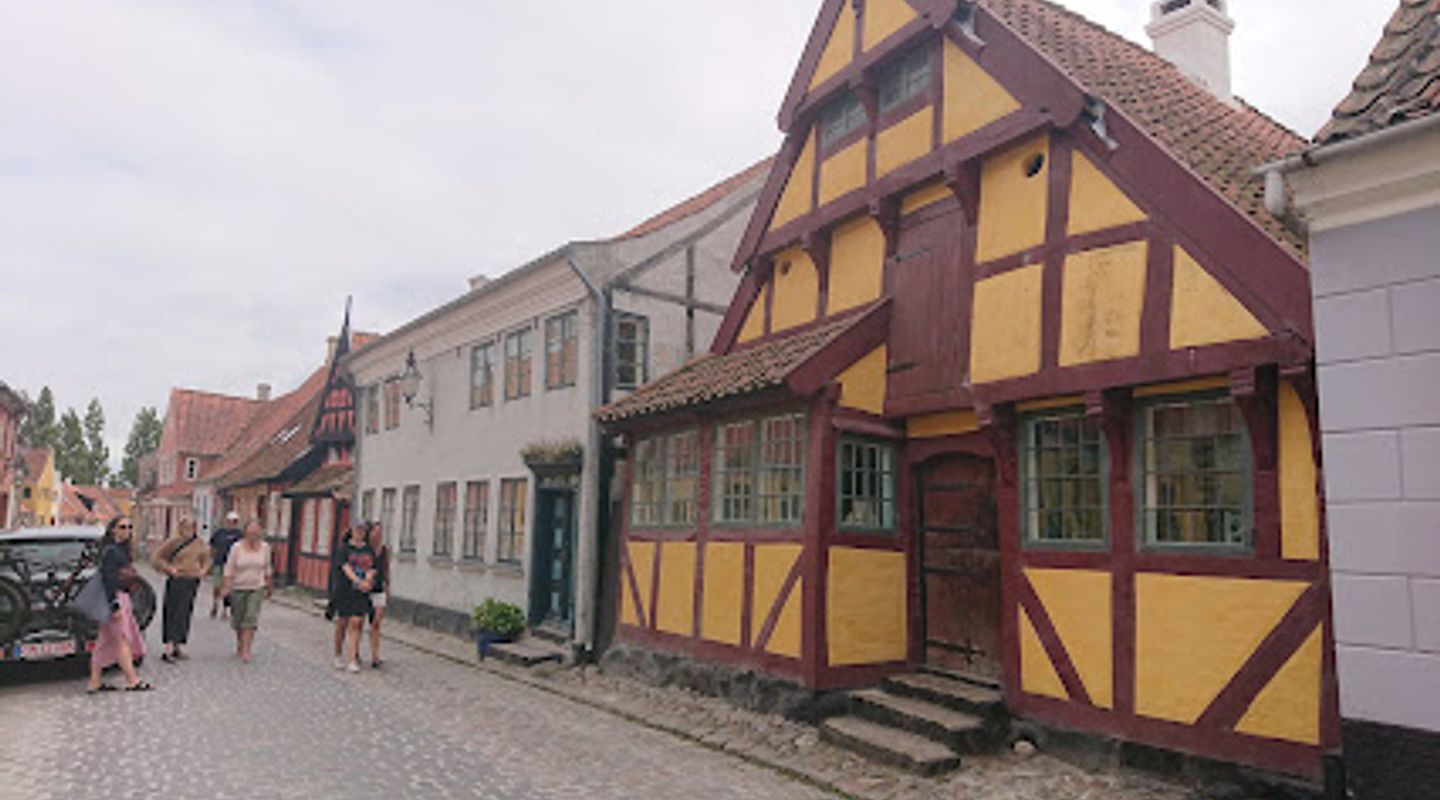
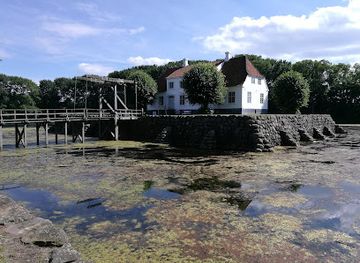
Ærø sits in the South Funen Archipelago, a narrow, 20km-long strip of green land surrounded by the soft blues of the Baltic Sea. Fields, hedgerows and wind-shaped trees roll gently towards 167km of coastline, where pebble beaches, shallow bays and low cliffs alternate in quick succession. The light feels expansive here, with long Northern evenings in summer and wide, cloud-brushed skies at any time of year.Despite its modest size, the island feels self-contained and complete: you pass from open countryside to village to harbour within minutes, yet the views out over scattered islets and passing ferries make it feel surprisingly vast. This is classic Danish island scenery—orderly, cultivated, but never over-manicured.Fairytale streets and a skipper’s harbour
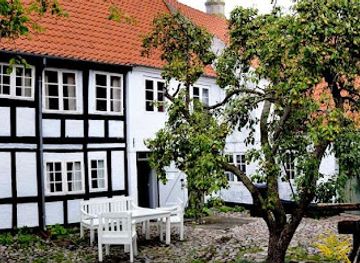
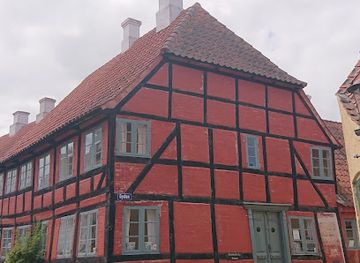
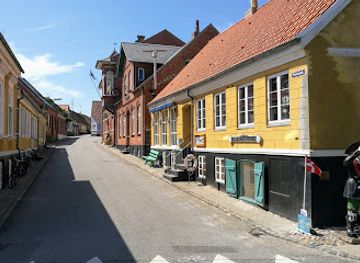
Ærøskøbing, on the island’s north coast, is its postcard face: a lattice of cobbled lanes lined with 18th-century houses painted in mustard, rose and soft green, many with half-timbering, low doorways and hollyhocks climbing around crooked windows. Church towers, small squares and tiny courtyards break the pattern just enough to invite aimless wandering and quiet photography.Across the island, Marstal has a different character: a historic seafaring town where shipowners’ houses, maritime memorabilia and a busy harbour tell of centuries of trade, fishing and long voyages. You still sense the working rhythm of boats coming and going, from small yachts to island ferries. Søby, to the northwest, is more compact, dominated by its harbour and boatyard; from here rural roads pull quickly back into farmland and open seascapes.Coastal paths, cliffs and countryside lanes
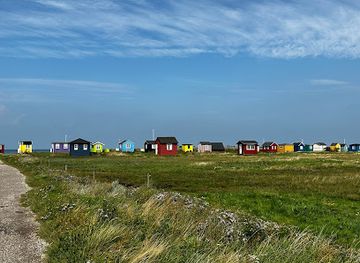
Away from the towns, Ærø is ideal for slow travel under your own steam. Quiet country roads and signposted cycling routes knit together villages, farms and stretches of open coast, with relatively gentle gradients that suit most fitness levels. Walkers can trace clifftop paths, particularly near Voderup Klint, where layered coastal bluffs rise around 30m above the sea and long views unfold across the archipelago.Along the shores near Marstal and Ærøskøbing, colourful wooden beach huts stand in neat lines, reflecting in the shallow water on calm days. In summer, swimmers share the sea with kayakers, paddleboarders and small sailing boats, while anglers work the rocks and groynes in quieter coves. In cooler seasons the same spots feel windswept and peaceful, good for bracing walks and birdwatching.Layers of history in churches and manors
Ærø’s rural churches reveal much of the island’s past prosperity and piety. Interiors often hold richly carved altarpieces and ship models suspended from the ceiling, reminders of the local bond with the sea. At Bregninge, the church stands on higher ground, surrounded by views and memorials that connect maritime stories, faith and family histories.Scattered across the countryside are old manors and farmsteads, some linked to noble families and local dukes who once ruled the island as a patchwork of small estates. Their silhouettes—tile roofs, barns, tree-lined drives—add a touch of aristocratic history to what is otherwise a very human-scale landscape of fields and villages.Living island culture and everyday life
Ærø is not only a holiday escape but a year-round community of just under 6,000 people, with its own schools, services and cultural calendar. Traditional festivals, local music events and seasonal markets bring residents together in town squares and harbours. Island produce, from small-scale farms and artisans, appears in shops and eateries, reflecting the surrounding fields and waters.In recent years, the municipality has also become known for its focus on renewable energy and sustainable living, experimenting with green ferries, local energy initiatives and climate-conscious planning. That modern mindset sits easily alongside the heritage architecture and slow rhythms of island life, giving Ærø a distinctive mix of nostalgia and new ideas.A gentle place to slow down and stay a while
Days on Ærø tend to stretch rather than rush. You might linger over a harbourfront coffee, then cycle a loop through villages and shoreline, stopping to swim or sit above the cliffs with a thermos. Long evenings encourage lingering on jetties and beaches as the light softens over the Baltic.Whether you base yourself in cobbled Ærøskøbing, maritime Marstal or a farmhouse in the interior, the island’s scale keeps everything within easy reach. Yet there is enough variety in townscapes, coastline and weather to make longer stays rewarding, especially for those who enjoy unhurried exploration, subtle scenery and the feeling of being part of a small, well-knit community.












Your all‑in‑one travel companion app
Explore expert travel guides, compare and book tours, experiences, hotels, and more—all from the palm of your hand. Download now for seamless trip planning wherever your wanderlust takes you.


Explore More of Aero

Looking beyond Ærø? Discover Aero for broader travel guides, local hot-spots, and regional highlights.
Explore Aero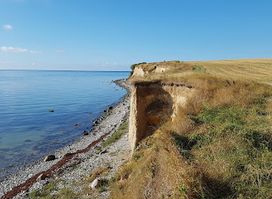
Grassy earthworks on a windswept headland mark where a Viking fort and medieval church once watched over Ærø’s coast, their story now held in turf and sea air.
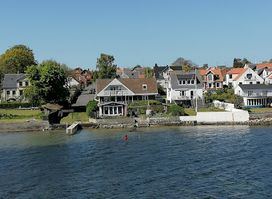
A gentle Danish Baltic island of cobbled lanes, colourful harbours and long, low horizons made for cycling, sea air and unhurried Scandinavian island life.
