

Monument for Danske Sømænd Travel Guide
Free Guide: A modest harbourfront memorial in Marstal that quietly honours generations of Danish sailors who left this island port and never returned from the sea.


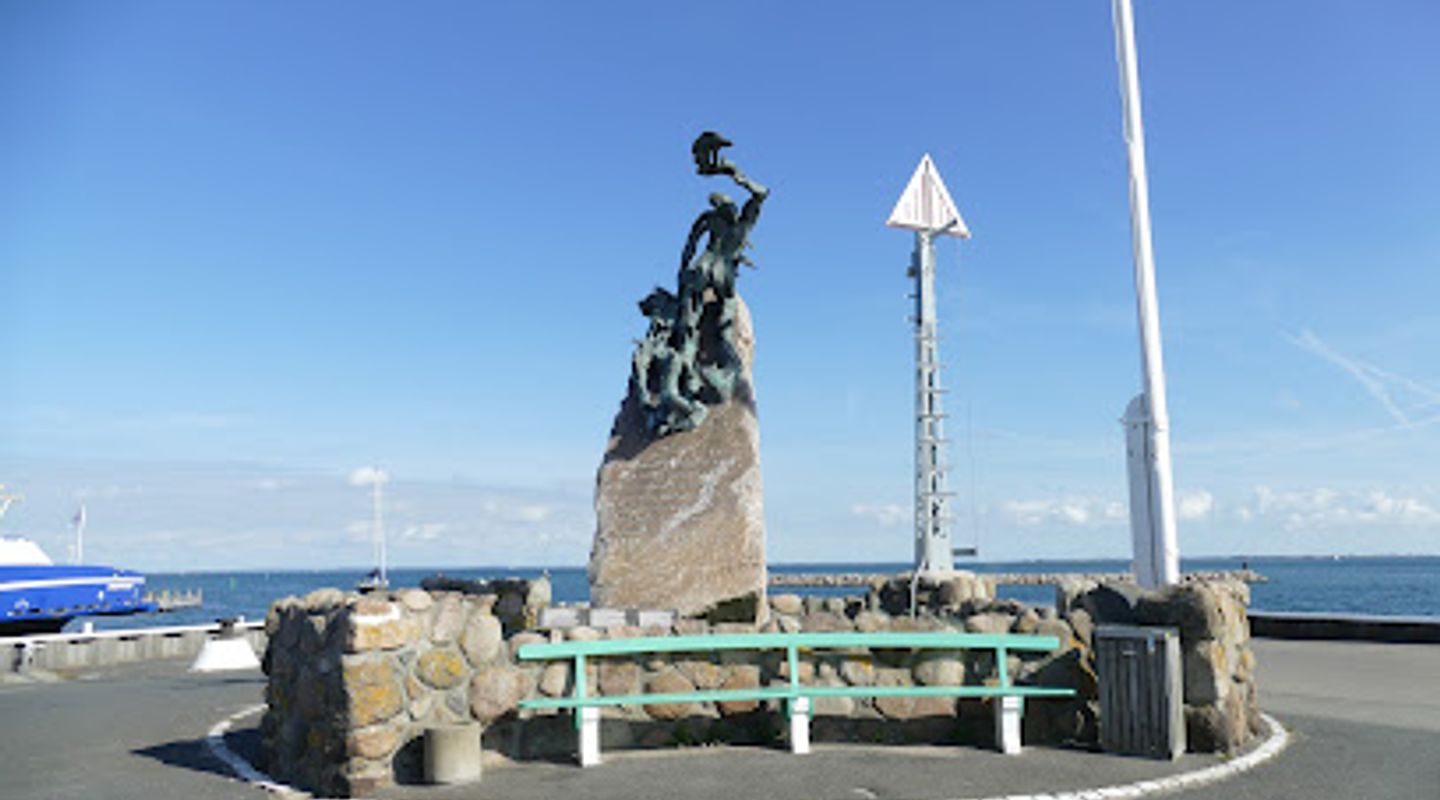
A brief summary of Monument for Danske Sømænd
A modest harbourfront memorial in Marstal that quietly honours generations of Danish sailors who left this island port and never returned from the sea.
Set on the harbourfront in Marstal on the island of Ærø, the Monument for Danske Sømænd is a modest yet deeply moving memorial to Danish seafarers. Overlooking the water that shaped the town’s fortunes, the monument connects Marstal’s long maritime tradition with the sacrifices of merchant and naval sailors lost at sea. It’s a quiet, contemplative corner amid a working harbour, where flags, plaques and the constant movement of boats underscore the bond between the town and the sea.
On-site amenities
 Restrooms
 Drink options
 Food options
 Seating areas
 Trash bins
 Information boards
Opening hours
- Every dayOpen 24 hours
Opening hours as listed on the venue’s Google Business Profile. Hours can change for services and special events, so check with the venue before you go.
- Address
- Havnepladsen 8, 5960 Marstal
Getting there
Ferry and walk from Ærøskøbing
On foot from central Marstal
Bicycle from across Ærø
Discover more about Monument for Danske Sømænd
Harbourfront memorial in a town of sailors
Marstal has lived from the sea for centuries, and the Monument for Danske Sømænd stands right where that story is most tangible: on the edge of the harbour, surrounded by masts, boatyards and the smell of saltwater. Here, a sculpted memorial and commemorative plaques form a small enclave between the town and the open water, a reminder that seafaring prosperity always carried a human cost.The monument’s position is no coincidence. The harbour is still lined with ships, workshops and maritime businesses, and the nearby maritime museum and navigation school reflect how deeply seafaring is woven into local identity. Standing at the memorial, you see not an isolated statue but a piece of a wider maritime landscape that has shaped generations of Danish sailors.
Remembering Danish lives lost at sea
The Monument for Danske Sømænd honours Danish seafarers who never returned from their voyages, whether in wartime convoys, merchant shipping or naval service. Rather than listing names from a single conflict, it evokes a broader, enduring sacrifice: the men who sailed from Danish ports like Marstal and whose graves lie scattered across oceans.Engraved text and maritime symbols highlight the courage and resilience required to work the sea, while the surrounding harbour provides a living backdrop. The memorial bridges national commemoration and local history, reflecting both Denmark’s wider seafaring story and the specific role of Marstal as one of the country’s great shipping towns.
A quiet pause amid working harbour life
Despite its solemn purpose, the memorial is not isolated or fenced off. It blends into a small, open space on the waterfront, where locals stroll, cyclists roll past and yachts glide in and out of the harbour. This everyday movement around the monument reinforces its meaning: remembrance is part of daily life here, not separated from it.Visitors typically spend a short time at the memorial itself, using it as a reflective pause during a broader walk around the harbour and old town. Benches and low walls nearby offer spots to sit, watch the play of light on the water and listen to the creak of rigging and the distant knock of tools in the boatyards.
Stories carried on the wind and waves
What makes this small site compelling is the way it invites you to imagine the journeys that began here. Many Marstal ships sailed far beyond Danish waters, carrying cargo and crews to every corner of the globe. The monument hints at those routes and at the dangers of storms, mines and wartime blockades that claimed so many lives.On blustery days, wind whips through the rigging around you and waves slap against the quay, underlining the harsh conditions sailors faced. In calm weather the scene feels almost serene, but the monument’s inscriptions and symbols keep the vulnerability of life at sea clearly in view.
Part of a wider exploration of Ærø’s maritime heritage
The monument is best appreciated as one stop on a wider exploration of Marstal and Ærø’s maritime culture. A short walk away, the maritime museum delves into shipbuilding, navigation and life on board, adding depth to the stories hinted at by the memorial. The colourful beach huts at Eriks Hale and the slender tongue of land stretching into the sea show the gentler side of this island’s relationship with the water.Taken together, these places reveal why a town like Marstal chose to honour its sailors so prominently. The Monument for Danske Sømænd may be small in scale, but it expresses a powerful truth: that the town’s prosperity, identity and very existence are tied to those who faced the open sea and did not come home.
Evendo Review Centre
 Google
Guest reviews
Best time to go
Quietest: Jan, Feb & Nov · before 7am or at 8pm or at 9pm
Busy times are Evendo estimates for a typical year, to help you plan. Actual crowds vary with events, school holidays and the weather.
Explore Monument for Danske Sømænd on the map
A handpicked selection of must-see spots near Monument for Danske Sømænd, mapped for you.
Get your free copy of our complete guide to Monument for Danske Sømænd, delivered straight to you.
Everything on this page, from opening hours and how to get there to Eve’s tips and the best time to go, in one PDF you can read offline, print or share.
Already have an account? Sign in
Your Monument for Danske Sømænd guide is ready.
We'll send it to · Not you? Sign out

Getting your guide ready…
We are putting together a fresh copy of the Monument for Danske Sømænd guide. This can take up to a minute.
This can take a few moments. If your browser asks, choose Allow so the download can start. You'll find the guide in your Downloads folder.
Nothing happened? Download it again
Sorry, the guide is taking longer than usual. Please try again in a minute, or get it by email instead.
Other nearby places you may find interesting
The closest places of the same kind, if this one is not quite what you had in mind.
-
-
-
-
-


Swipe for more places
More to explore near Monument for Danske Sømænd
-
 Best experiences near Monument for Danske Sømænd
-
 Best hotels near Monument for Danske Sømænd
-
 Best landmarks near Monument for Danske Sømænd
-
 Best attractions near Monument for Danske Sømænd
-
 Best shops near Monument for Danske Sømænd
-
 Best restaurants near Monument for Danske Sømænd
-
 Best bars near Monument for Danske Sømænd


Do you manage this location?
Take control to get all the benefits, like improved information, better appearance, and stronger visibility across AI-powered discovery.
Explore more

Explore more of Ærø
Discover the enchanting island of Ærø in Denmark, where fairy-tale towns, scenic landscapes, and rich maritime history await to captivate your senses.
Explore Ærø
Explore more of Denmark
Discover Denmark: A perfect blend of history, modern design, and the cozy concept of hygge. Explore vibrant cities, serene landscapes, and world-class cuisine.
Explore Denmark
