Badehusene i Marstal Travel Guide
Free Guide: A slender sand spit lined with vividly painted wooden bathing huts, Badehusene i Marstal capture Ærø’s gentle island spirit, maritime heritage and slow seaside living.


A brief summary of Badehusene i Marstal
A slender sand spit lined with vividly painted wooden bathing huts, Badehusene i Marstal capture Ærø’s gentle island spirit, maritime heritage and slow seaside living.
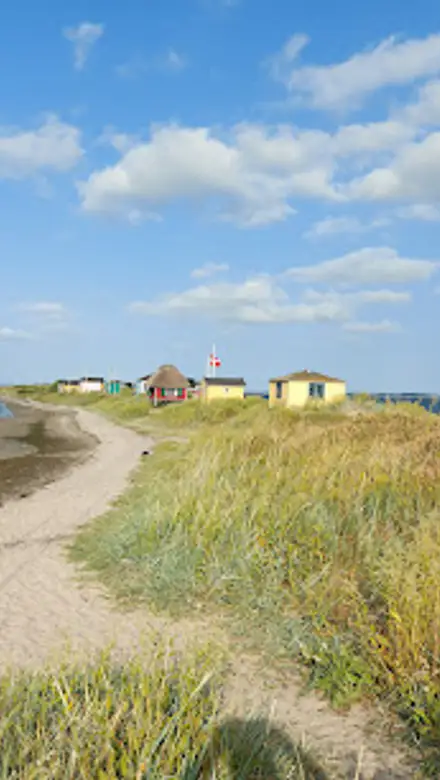
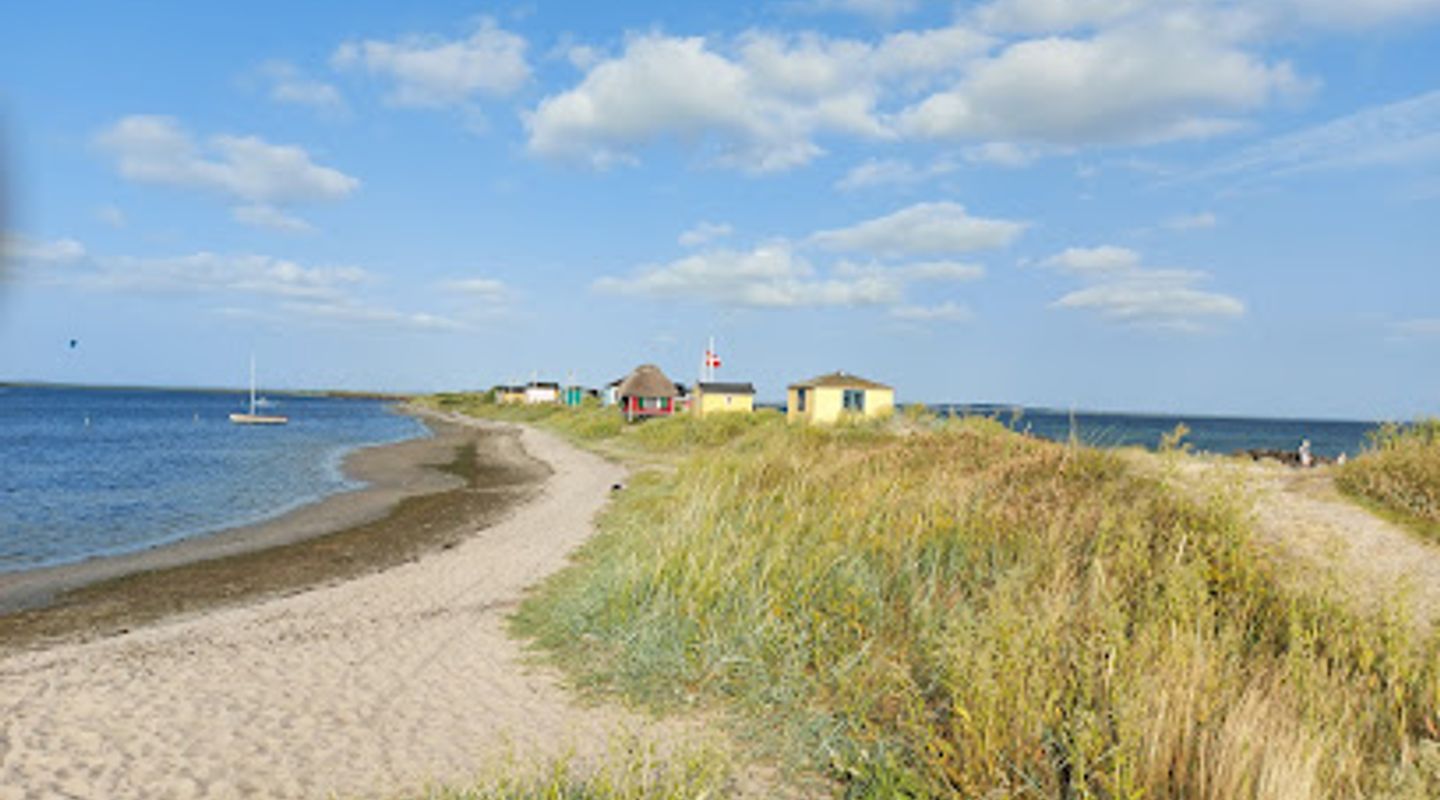
Strung out along the narrow sand spit of Eriks Hale just outside Marstal, the colourful Badehusene i Marstal are a beloved icon of the island of Ærø. These small, privately owned wooden bathing huts, including the famous little red one with a thatched roof, line the lagoon and open sea in a picture-perfect row. Without electricity or running water, they preserve a simple seaside way of life and a living piece of Ærø’s coastal heritage, ideal for a leisurely stroll, swim and photos in soft Nordic light.
On-site amenities
 Trash bins
 Information boards
 Seating areas
 Restrooms
- Address
- Kalkovns stien, 5960 Marstal
Getting there
Walking from central Marstal
Bicycle from Marstal and nearby villages
Car or taxi within eastern Ærø
Bus and walk from other parts of Ærø
Discover more about Badehusene i Marstal
Colourful cabins on Eriks Hale sand spit
Eriks Hale is a narrow tongue of sand curving out from Marstal, with calm lagoon waters on one side and the open Baltic Sea on the other. Along this slim strip you encounter the Badehusene i Marstal: a charming row of small, brightly painted wooden bathing houses, some perched almost directly above the water on low stilts. Their reflections ripple in the shallows, making the whole scene feel like a Nordic seaside painting brought to life.Each hut is modest in size, often just a single room with a tiny terrace, but their personalities are huge. Painted in rich reds, deep blues, sunshine yellows and soft pastels, they form a cheerful ribbon of colour that contrasts beautifully with the pale sand, seagrass and the often steel-blue sea. Walking the shoreline, you can trace how the line of houses follows the curve of the spit, with constantly shifting angles for photographs and quiet contemplation.
Living fragments of Ærø’s coastal heritage
The bathing houses are woven into Ærø’s maritime culture. Originally built as simple shelters for changing and storing beach gear, they became summer living rooms for local families, who would spend long light evenings here swimming, boiling coffee on small stoves and watching ships pass offshore. Many huts have been handed down through generations, their colours and details carefully maintained as part of a shared local identity.You notice how simple they remain: no electricity, no running water, just wooden steps down to the beach and doors opening straight to the view. This lack of modern fittings is part of their protection; the houses are regarded as cultural heritage rather than holiday cottages, preserved to keep the shoreline intimate and human in scale. Standing here, it is easy to imagine scenes from decades ago that look almost identical to today.
The famous red house and stories in the details
Among the many cabins, one in particular draws the eye: a small, deep-red bathing house topped with a thatched roof. This hut has become an unofficial symbol of Marstal’s shoreline, often appearing in photographs and artwork celebrating the island. Its warm colour and traditional roofing give it the feel of a miniature farmhouse transplanted to the beach.Look closer at the other houses and you will see small personal touches that hint at individual stories: hand-painted names, weathered ladders, faded buoys hanging from hooks and tiny flags fluttering above rooflines. Some huts are set slightly higher, with railings framing elevated decks, while others crouch low by the tideline, their steps occasionally lapped by waves on windier days. Together they form a patchwork of private histories visible from the public beach.
Storms, damage and careful reconstruction
The beauty of Eriks Hale is also fragile. In October 2023 a powerful storm surge swept over this part of Ærø and severely damaged most of the bathing houses, leaving only a handful intact. For locals, it was a painful reminder that the same sea that shapes the island’s character can also threaten its most cherished places. In the aftermath, damaged cabins were salvaged, and plans were set in motion to rebuild them in keeping with traditional designs.As you walk here now, you may notice a blend of original structures and carefully reconstructed ones, all following strict guidelines to preserve their familiar forms, modest size and vibrant colours. The aim is not to modernise but to restore the atmosphere that has defined Eriks Hale for generations, ensuring that the bathing houses remain a living part of the coast rather than a museum piece.
A shoreline for slow moments and sea air
Visiting Badehusene i Marstal is less about activities and more about allowing time to stretch. The shallow lagoon invites a gentle swim, while the open-sea side can feel wilder, with waves and a stronger breeze. On calm days, the water is clear enough to see ripples of sand beneath your feet, and the low, wide sky makes sunsets particularly memorable, with the cabins glowing in golden light.Families still gather here for seasonal traditions, summer dips and informal picnics on the beach, echoing the customs of a century ago. Even on quieter days outside peak season, the area offers space for a reflective walk, the crunch of sand underfoot and the soft rattle of rigging from boats in the distance. The bathing houses set the rhythm: unhurried, close to nature and gently colourful against the elements.
Practical considerations by the sea
The huts themselves are private, so you experience them from the beach and path rather than from inside. Facilities nearby are simple, matching the understated character of the place, and it is wise to bring water, snacks and appropriate clothing for wind or sudden changes in weather. Mobile reception is generally reliable, though the atmosphere here often encourages putting devices away and simply watching the light shift across the water.Allow yourself enough time not just for photographs but for small observations: the way seagrass bends in the wind, the creak of timber, the changing colours between sun and cloud. Badehusene i Marstal reward this slower attention, offering a quietly distinctive slice of Danish island life where sea, sand and tradition meet along a slender strip of shore.
Evendo Review Centre
 Google
Guest reviews
Best time to go
Quietest: Jan, Feb & Dec · before 6am or from 10pm
Busy times are Evendo estimates for a typical year, to help you plan. Actual crowds vary with events, school holidays and the weather.
Explore Badehusene i Marstal on the map
A handpicked selection of must-see spots near Badehusene i Marstal, mapped for you.
Get your free copy of our complete guide to Badehusene i Marstal, delivered straight to you.
Everything on this page, from opening hours and how to get there to Eve’s tips and the best time to go, in one PDF you can read offline, print or share.
Already have an account? Sign in
Your Badehusene i Marstal guide is ready.
We'll send it to · Not you? Sign out

Getting your guide ready…
We are putting together a fresh copy of the Badehusene i Marstal guide. This can take up to a minute.
This can take a few moments. If your browser asks, choose Allow so the download can start. You'll find the guide in your Downloads folder.
Nothing happened? Download it again
Sorry, the guide is taking longer than usual. Please try again in a minute, or get it by email instead.
Other nearby places you may find interesting
The closest places of the same kind, if this one is not quite what you had in mind.
-
-
-
-
-


Swipe for more places
More to explore near Badehusene i Marstal

 Best experiences near Badehusene i Marstal
 Best hotels near Badehusene i Marstal
 Best landmarks near Badehusene i Marstal
 Best attractions near Badehusene i Marstal
 Best shops near Badehusene i Marstal
 Best restaurants near Badehusene i Marstal
 Best bars near Badehusene i Marstal
Do you manage this location?
Take control to get all the benefits, like improved information, better appearance, and stronger visibility across AI-powered discovery.
Explore more

Explore more of Ærø
Discover the enchanting island of Ærø in Denmark, where fairy-tale towns, scenic landscapes, and rich maritime history await to captivate your senses.
Explore Ærø
Explore more of Denmark
Discover Denmark: A perfect blend of history, modern design, and the cozy concept of hygge. Explore vibrant cities, serene landscapes, and world-class cuisine.
Explore Denmark