Lyngvig Lighthouse Travel Guide
Free Guide: A dune-top lighthouse between North Sea and fjord, Lyngvig Fyr blends maritime history, sweeping coastal views, family-friendly play and classic Danish west coast atmosphere.


A brief summary of Lyngvig Lighthouse
A dune-top lighthouse between North Sea and fjord, Lyngvig Fyr blends maritime history, sweeping coastal views, family-friendly play and classic Danish west coast atmosphere.
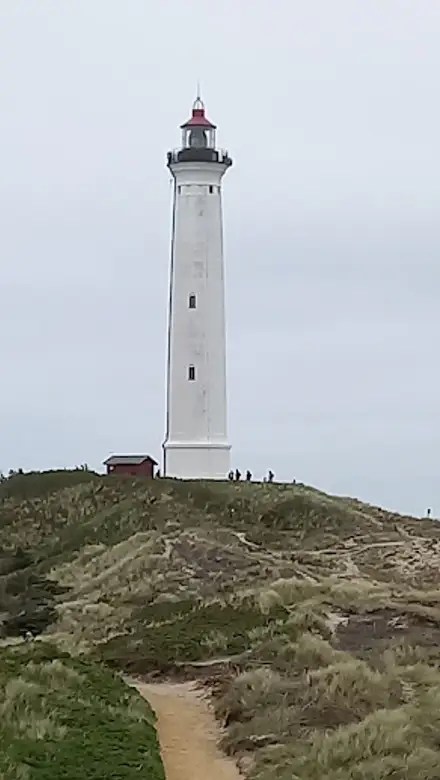
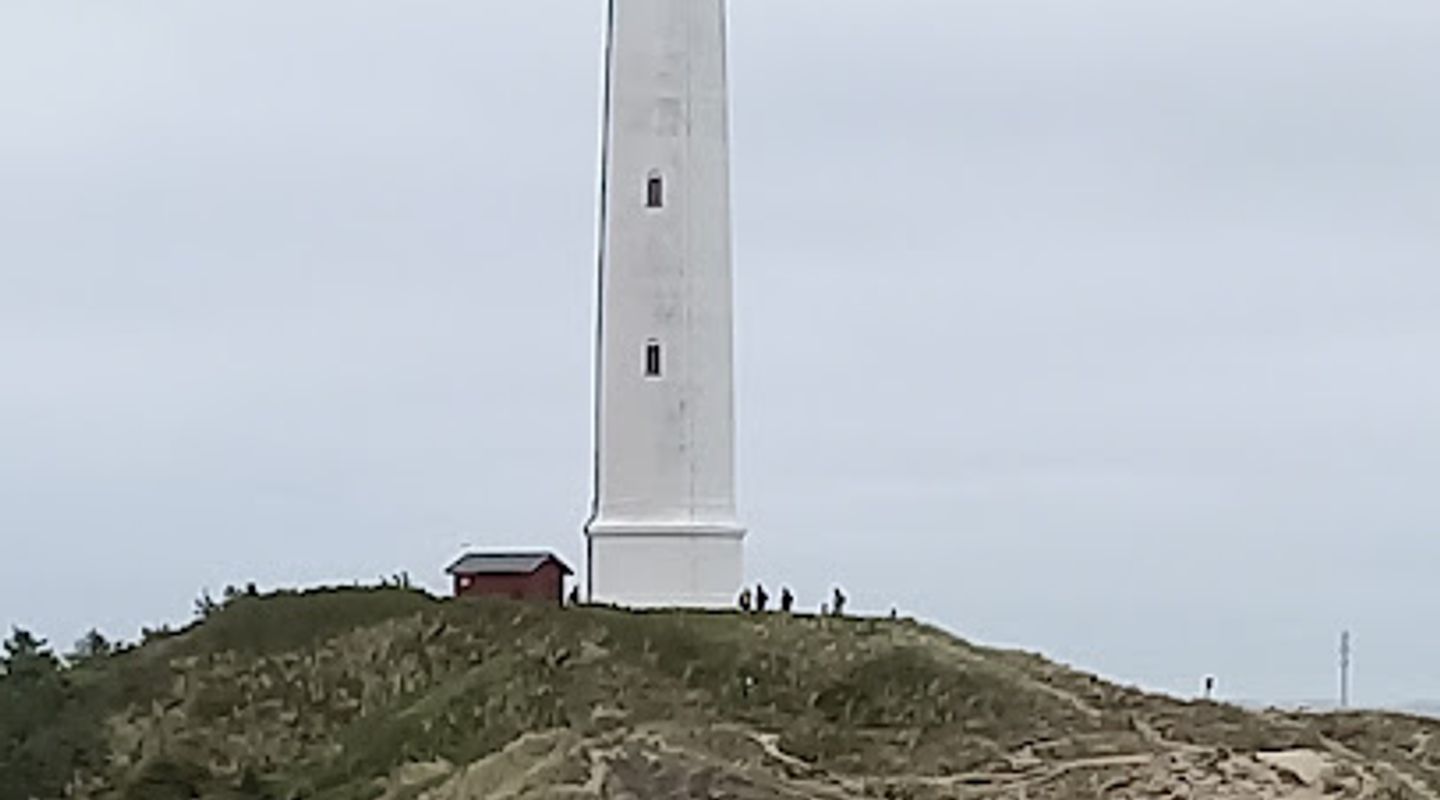
Rising from a 17-metre dune between the North Sea and Ringkøbing Fjord, Lyngvig Lighthouse is Denmark’s youngest major lighthouse and one of the striking landmarks of Jutland’s west coast. Built in 1906 after a tragic shipwreck, the 38‑metre tower now welcomes visitors with sweeping dune-and-sea panoramas, a spiral climb of 228 steps, a cosy café in the former keeper’s house and a natural playground nestled in the coastal landscape.
On-site amenities
 Restrooms
 Drink options
 Drinking water
 Food options
 Seating areas
 Sheltered areas
 Picnic areas
 Trash bins
 Information boards
 Visitor centre
Opening hours
- Mon10 am–6 pm
- Tue10 am–6 pm
- Wed10 am–10 pm
- Thu10 am–6 pm
- Fri10 am–6 pm
- Sat10 am–6 pm
- Sun10 am–6 pm
Opening hours as listed on the venue’s Google Business Profile. Hours can change for services and special events, so check with the venue before you go.
- Address
- Holmsland Klitvej 109, 6960 Hvide Sande
- Phone
- Website
Getting there
Car from Hvide Sande
Bicycle from Hvide Sande
Bus from Ringkøbing area
Discover more about Lyngvig Lighthouse
Beacon Between Sea and Fjord
Lyngvig Lighthouse stands dramatically on Holmsland Klit, the narrow spit of land that separates the roaring North Sea from the calmer waters of Ringkøbing Fjord. Perched on a 17‑metre sand dune and rising a further 38 metres, the white tower reaches a flame height of more than 50 metres above sea level, giving it one of the most commanding views on Denmark’s west coast.From the top, the coastline unfolds in both directions: long, wind-brushed beaches, rolling dunes patterned with marram grass and clusters of holiday houses sheltered in the hollows. The sense of being “between sea and fjord” is especially strong here; you can trace the slender peninsula curving away while watching weather fronts sweep in from the Atlantic.
Born from Maritime Tragedy
The lighthouse was built in response to a shipwreck in 1903, when the Norwegian steamer SS Avona ran aground on this treacherous stretch, costing 24 sailors their lives. In the wake of the disaster, Norway urged Denmark to plug the dark gap between existing lighthouses further north and south, leading to the construction of Lyngvig Fyr in 1905–1906.First lit on 3 November 1906, it became the last of Denmark’s major lighthouses and a vital part of navigation along the so‑called Iron Coast, where countless vessels had previously come to grief. During the Second World War, its prominent white tower and the inlet at Hvide Sande reportedly served as landmarks for Allied pilots, and there were even plans to demolish it – plans that, fortunately, were never carried out.
Engineering, Light and Daily Life
Architect Aage V. Petersen designed the slender tower, the keeper’s house and the small gas plant that once powered the light. Originally, a rotating lens driven by a clockwork mechanism produced a powerful flash visible tens of kilometres out at sea. The weights of the clockwork dropped through the stairwell and had to be wound up every few hours, demanding constant attention.Over time, acetylene gas gave way to kerosene and later to electric light, and today the lighthouse character is recreated with modern technology while preserving the historic look and rhythm of the beam. For decades, three keepers and their families lived on site, maintaining the optics, machinery and buildings in an isolated world of dunes, storms and sea mists, long before Hvide Sande grew into a town.
Climbing the 228 Steps
Visiting Lyngvig Fyr is as much about the ascent as the destination. From the base of the dune, 69 outdoor steps lead up through the sandy slope, followed by 159 steps of a tight spiral staircase inside the tower. Halfway up, the walls narrow and a small, almost Hobbit-like doorway leads you out to the viewing gallery encircling the lantern.The climb requires a moderate level of fitness and a head for heights, but the reward is a 360‑degree panorama: white surf lines, sandbars shifting with the tide, the mirror-like fjord on calm days and vast skies that change by the minute. On clear evenings, the sweeping beam still feels like a living connection to the lighthouse’s working past.
Café, Dunes and Playful Details
At the foot of the tower, the former keeper’s residence now hosts a café and small shop, where you can warm up with hot drinks, simple lunches and sweet treats while looking out at the dunes. The decor nods to the maritime heritage with nautical touches and historic photographs.Outside, a natural-style playground blends into the dune landscape with sand, wood and rope structures for climbing and sliding, making this an easy stop for families. The surrounding paths invite short walks through heather and grass to viewpoints over the beach and fjord, and there are plenty of quiet spots to sit in the sand and listen to the wind.
A Living Landmark on the Iron Coast
Although modern navigation no longer depends on lighthouses, Lyngvig Fyr remains an active symbol of safety, resilience and coastal identity. Local efforts have ensured that its characteristic sweeping light continues to turn after an early‑2000s switch to a fixed beam briefly dimmed its magic. Today, it functions as both a museum site and a daily presence in the landscape, its flashes visible far inland on dark nights.Whether you come to trace maritime history, photograph dramatic skies, let children run wild in the dunes or simply stand on the gallery and fill your lungs with salt air, Lyngvig Lighthouse offers an intimate encounter with Denmark’s North Sea coast in all its restless beauty.
Evendo Review Centre
 Google
Guest reviews
Best time to go
Quietest: Jan, Feb & Mar · before 8am or from 10pm
Busy times are Evendo estimates for a typical year, to help you plan. Actual crowds vary with events, school holidays and the weather.
Explore Lyngvig Lighthouse on the map
A handpicked selection of must-see spots near Lyngvig Lighthouse, mapped for you.
Get your free copy of our complete guide to Lyngvig Lighthouse, delivered straight to you.
Everything on this page, from opening hours and how to get there to Eve’s tips and the best time to go, in one PDF you can read offline, print or share.
Already have an account? Sign in
Your Lyngvig Lighthouse guide is ready.
We'll send it to · Not you? Sign out

Getting your guide ready…
We are putting together a fresh copy of the Lyngvig Lighthouse guide. This can take up to a minute.
This can take a few moments. If your browser asks, choose Allow so the download can start. You'll find the guide in your Downloads folder.
Nothing happened? Download it again
Sorry, the guide is taking longer than usual. Please try again in a minute, or get it by email instead.
Other nearby places you may find interesting
The closest places of the same kind, if this one is not quite what you had in mind.
-
-
-
-
-


Swipe for more places
More to explore near Lyngvig Lighthouse

 Best experiences near Lyngvig Lighthouse
 Best hotels near Lyngvig Lighthouse
 Best landmarks near Lyngvig Lighthouse
 Best attractions near Lyngvig Lighthouse
 Best shops near Lyngvig Lighthouse
 Best restaurants near Lyngvig Lighthouse
 Best bars near Lyngvig Lighthouse
Do you manage this location?
Take control to get all the benefits, like improved information, better appearance, and stronger visibility across AI-powered discovery.
Explore more

Explore more of Central Jutland
Explore Central Jutland in Denmark: A perfect blend of natural beauty, cultural heritage, and family-friendly attractions.
Explore Central Jutland
Explore more of Denmark
Discover Denmark: A perfect blend of history, modern design, and the cozy concept of hygge. Explore vibrant cities, serene landscapes, and world-class cuisine.
Explore Denmark