Fiskeriets Hus Travel Guide
Free Guide: Compact maritime museum and aquarium on the fjord in Hvide Sande, bringing the town’s fishing heritage, rescue stories and local sea life together under one red roof.


A brief summary of Fiskeriets Hus
Compact maritime museum and aquarium on the fjord in Hvide Sande, bringing the town’s fishing heritage, rescue stories and local sea life together under one red roof.
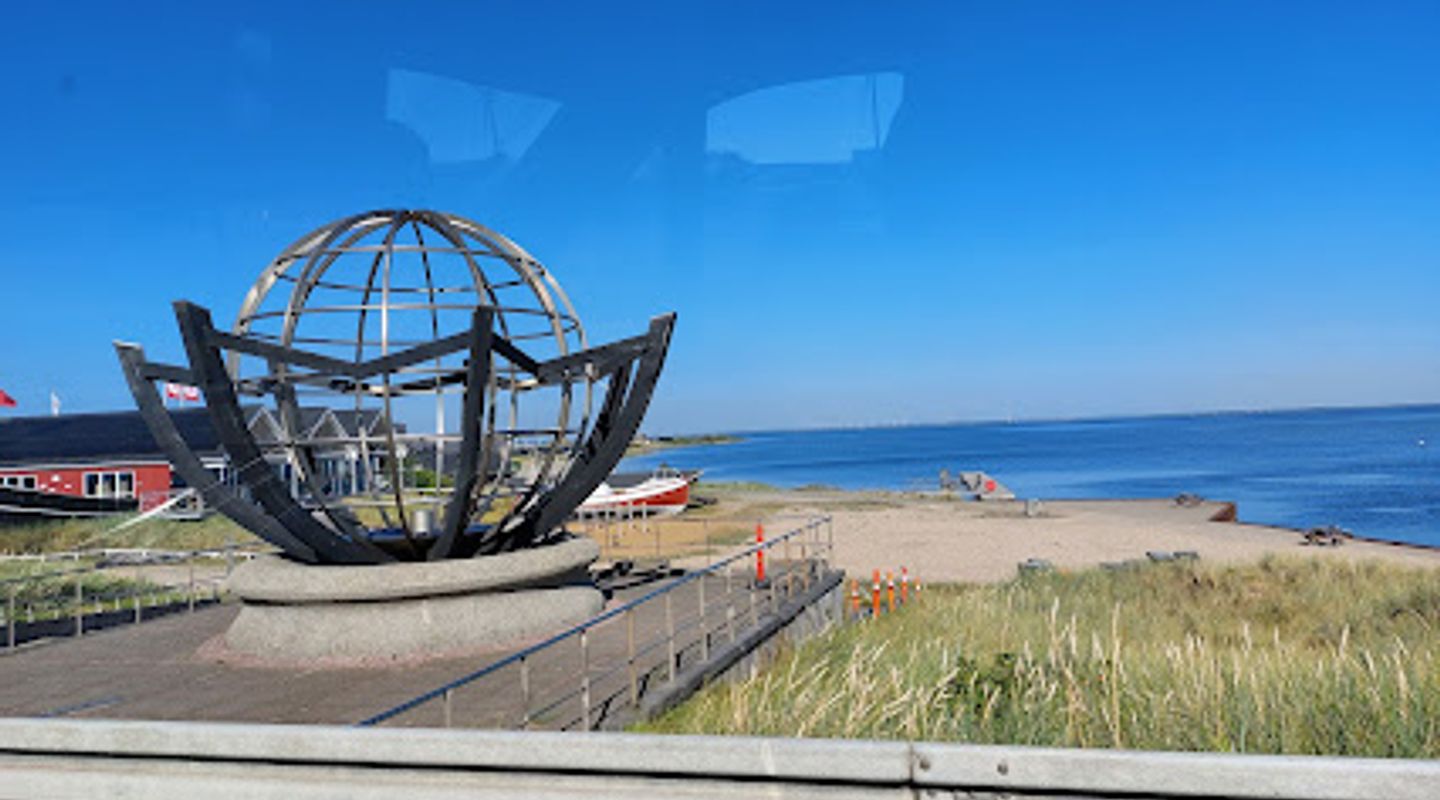
Fiskeriets Hus is a compact maritime museum and aquarium on the fjord side of Hvide Sande, housed in a distinctive red wooden building by the sluice. Inside, exhibits trace the story of local sea and fjord fishing, daring rescue operations and the creation of the town itself. Large saltwater and freshwater tanks, a petting pool and life-size fishing boat displays bring the North Sea environment to life, making it an engaging stop for families and anyone curious about West Jutland’s coastal culture.
On-site amenities
 Restrooms
 Drink options
 Food options
 Seating areas
 Trash bins
 Information boards
 Visitor centre
Opening hours
- Every day10 am–5 pm
Opening hours as listed on the venue’s Google Business Profile. Hours can change for services and special events, so check with the venue before you go.
- Address
- Nørregade 2B, 6960 Hvide Sande
- Phone
- Website
Getting there
Car from Ringkøbing
Bus from Ringkøbing and Søndervig
Cycling along Ringkøbing Fjord
Discover more about Fiskeriets Hus
Life on the Edge of Sea and Fjord
Fiskeriets Hus sits right where the North Sea meets Ringkøbing Fjord, mirroring Hvide Sande’s own story as a town built around the sluice and the constant rhythm of fishing boats. Opened in 1992, the red timber building echoes the traditional gear sheds that once lined the harbor, giving the museum an immediate sense of place before you even step inside. From its windows you look directly across the sluice and calm fjord waters, a reminder that everything here revolves around water, weather and work at sea.The museum focuses on how draining the fjord and constructing the sluice reshaped both the landscape and local livelihoods. Displays explain how the town grew up around this engineering project, gradually transforming a windswept stretch of dunes into one of Denmark’s most important fishing ports on the west coast.
Stories of Fishermen and Rescue Crews
Inside, the main exhibition follows the everyday life of fjord and sea fishermen, from small inshore boats to larger vessels heading into the rough North Sea. Photographs, tools, nets and model boats show how techniques and technology have changed over time, but also how the basic risks remain the same whenever people set out over the bar and into open water.One section is devoted to the local rescue service and their dramatic missions during storms. A particularly striking story is the sinking that occurred off Hvide Sande in the early 1950s, used here to explain both the dangers of the coastline and the determination to improve safety at sea. Step into the small wheelhouse, or explore the last example of a traditional sea-going boat once launched directly from the beach, and you get a tactile sense of how exposed these crews really were.
Under the Surface in the Aquariums
The aquarium area invites you below the waterline into the ecosystems of both the North Sea and the brackish fjord. Large saltwater and freshwater tanks recreate rocky seabeds and sandy shallows, where you can watch local species such as gurnards, cod, eels, crabs and lobsters going about their slow routines. The setting gives a quiet, almost hypnotic feel as fish drift through filtered light and currents.A highlight for many visitors is the petting pool, where children can gently touch selected fish and crustaceans under staff guidance. Feeding sessions are held on set days, turning the usually calm tanks into lively scenes as fish dart for food. Alongside the tanks, panels explain how each species is adapted to this coastline and what role it plays in both the marine environment and the local fishing industry.
The Tale of the Eel and Other Local Legends
Among the most intriguing displays is the focus on eels, a species that has long been economically and culturally important around Ringkøbing Fjord. Here you can learn how eels pass through the area on their long, mysterious migrations and how generations of fishers have developed ways to catch and process them. The exhibition places this local story within the broader picture of changing fish stocks, regulation and conservation.Other themed sections look at the small harbor known as Tyskerhavnen, tourism on the dunes and the gradual shift from a purely working harbor to a place where holiday homes, leisure boats and visitors now share space with trawlers. Together, these stories show how Hvide Sande continues to balance work, nature and recreation along a constantly shifting coast.
A Compact Stop in the Heart of Hvide Sande
Fiskeriets Hus is deliberately intimate in scale, making it an easy addition to a day spent exploring the town, walking the dunes or watching the sluice in action. Families often combine time in the museum galleries with a relaxed visit to the aquarium and a pause by the windows overlooking the water. A small café and shop round out the experience with simple refreshments and maritime souvenirs.As part of the Ringkøbing Fjord Museums network, Fiskeriets Hus connects with other sites around the fjord that explore different aspects of West Jutland’s history. Here, though, the focus stays firmly on Hvide Sande: on its origins, its fishermen and rescue crews, and the unique meeting of sea, sand and sluice that continues to define this coastal community.
Evendo Review Centre
 Google
Guest reviews
Best time to go
Quietest: Jan, Feb & Mar · before 8am or at 8pm
Busy times are Evendo estimates for a typical year, to help you plan. Actual crowds vary with events, school holidays and the weather.
Explore Fiskeriets Hus on the map
A handpicked selection of must-see spots near Fiskeriets Hus, mapped for you.
Get your free copy of our complete guide to Fiskeriets Hus, delivered straight to you.
Everything on this page, from opening hours and how to get there to Eve’s tips and the best time to go, in one PDF you can read offline, print or share.
Already have an account? Sign in
Your Fiskeriets Hus guide is ready.
We'll send it to · Not you? Sign out

Getting your guide ready…
We are putting together a fresh copy of the Fiskeriets Hus guide. This can take up to a minute.
This can take a few moments. If your browser asks, choose Allow so the download can start. You'll find the guide in your Downloads folder.
Nothing happened? Download it again
Sorry, the guide is taking longer than usual. Please try again in a minute, or get it by email instead.
Other nearby places you may find interesting
The closest places of the same kind, if this one is not quite what you had in mind.
-
-
-
-
-


Swipe for more places
More to explore near Fiskeriets Hus

 Best experiences near Fiskeriets Hus
 Best hotels near Fiskeriets Hus
 Best landmarks near Fiskeriets Hus
 Best attractions near Fiskeriets Hus
 Best shops near Fiskeriets Hus
 Best restaurants near Fiskeriets Hus
 Best bars near Fiskeriets Hus
Do you manage this location?
Take control to get all the benefits, like improved information, better appearance, and stronger visibility across AI-powered discovery.
Explore more
Explore more of West Jutland
Discover West Jutland: Denmark's scenic coastal region with vast beaches, historic towns, and rich cultural heritage, perfect for nature lovers and history enthusiasts.
Explore West Jutland
Explore more of Denmark
Discover Denmark: A perfect blend of history, modern design, and the cozy concept of hygge. Explore vibrant cities, serene landscapes, and world-class cuisine.
Explore Denmark