Bork Vikingehavn Travel Guide
Free Guide: Step through the gates of Bork Vikingehavn and into a vivid Viking harbour, where longhouses, ships and sagas create an immersive journey into West Jutland’s past.


A brief summary of Bork Vikingehavn
Step through the gates of Bork Vikingehavn and into a vivid Viking harbour, where longhouses, ships and sagas create an immersive journey into West Jutland’s past.
Bork Vikingehavn on the shores of Ringkøbing Fjord is a meticulously reconstructed Viking harbour settlement where history feels vividly alive. Longhouses, workshops, a stave church, sacrificial grove, watermill and jetty recreate life in West Jutland around 1000 years ago. Costumed interpreters, hands-on crafts, flatbread baking, archery, Viking ships and a large hall set for feasts make this an engaging, family-friendly open‑air museum that blends archaeological accuracy with immersive storytelling.
On-site amenities
 Restrooms
 Drink options
 Drinking water
 Food options
 Seating areas
 Sheltered areas
 Trash bins
 Information boards
 Visitor centre
Opening hours
- Every day10 am–5 pm
Opening hours as listed on the venue’s Google Business Profile. Hours can change for services and special events, so check with the venue before you go.
- Address
- Vikingevej 7, 6893 Hemmet
- Phone
- Website
Getting there
Car from Ringkøbing
Car from Esbjerg
Public bus from Nørre Nebel
Cycling from Bork Havn
Discover more about Bork Vikingehavn
A Viking harbour reborn on Ringkøbing Fjord
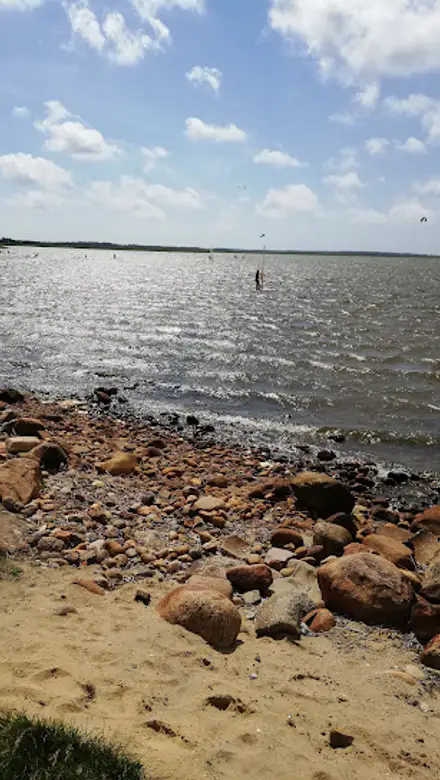
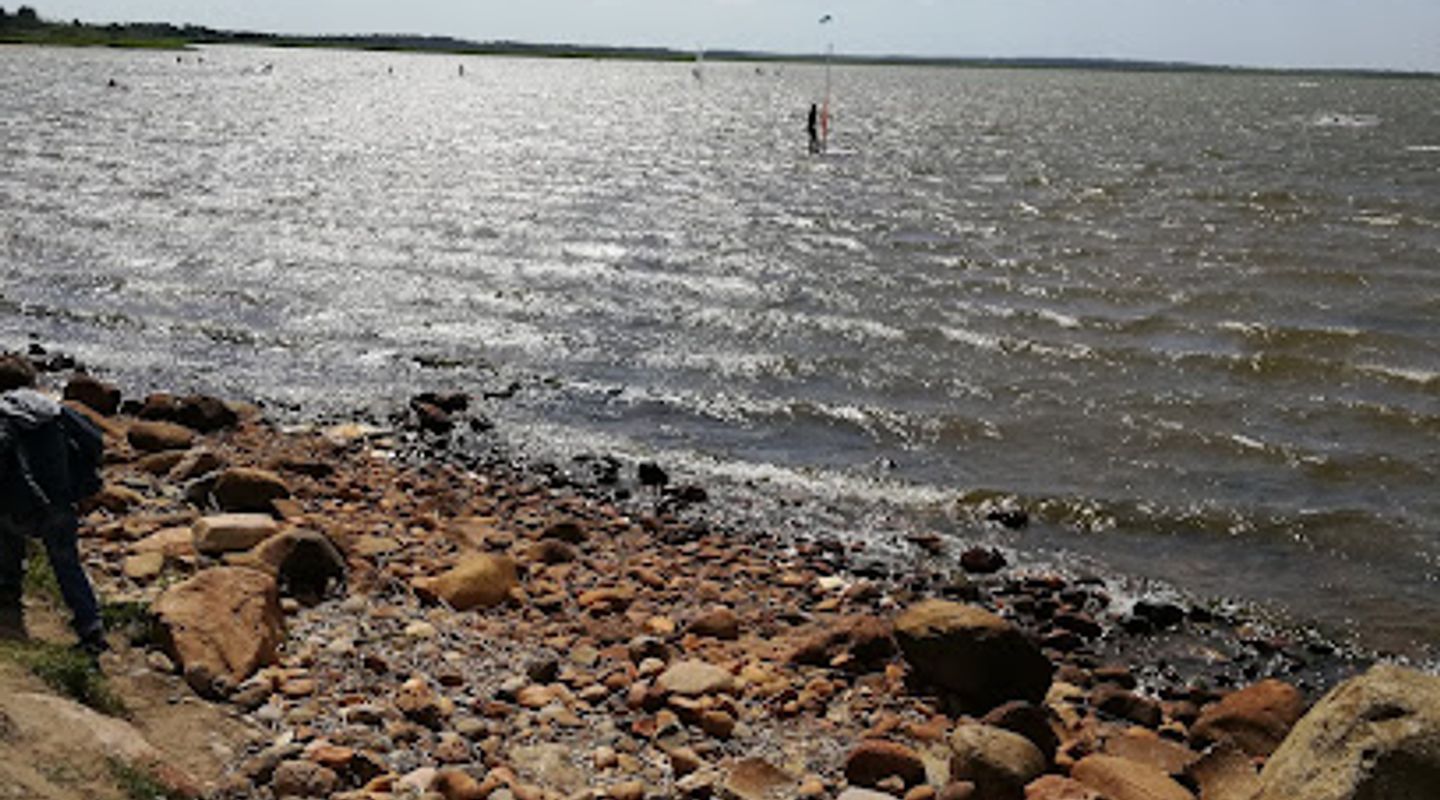
Bork Vikingehavn is an open-air museum built on the edge of Ringkøbing Fjord, where a Viking harbour once connected West Jutland to trade routes stretching across the North Sea. Passing through the wooden gate, you step into a fenced settlement of timber buildings, ships and boardwalks laid out as a compact fjordside village. Everything here, from the placement of the jetty to the form of the farmsteads, has been reconstructed from archaeological finds in the surrounding region.The result is a rare chance to walk not just through exhibits, but through a whole environment conceived as a working harbour. The water, reed beds and big West Jutland sky frame the site, giving a real sense of how exposed, yet connected, this coastline once was for the seafaring farmers we now call Vikings.
Houses, hall and church drawn from the soil
Many of the buildings at Bork Vikingehavn are based on specific excavations in West Jutland. The impressive chieftain’s longhouse echoes a structure unearthed near Tarm, its sweeping roofline supported by heavy timber posts and its interior organised around the central hearth. Benches, carved high seat and domestic tools suggest a home that was also a centre of power.Nearby stands a wooden church inspired by early Christian remains found beneath a stone church north of Skjern. Its simple planked walls and small windows hint at the transition from Norse gods to the new faith, while outside a sacrificial grove recalls the older religious landscape. Together they make the tension between pagan rituals and Christianity something you can read in wood and earth rather than textbooks.
Workshops, watermill and everyday skills
Scattered around the harbour are working spaces where traditional crafts are demonstrated in season. Forge, weaving room and woodworking areas show how iron, wool and timber were transformed into tools, sails and shelter. In some periods you may see bread baked over open fires or jewellery shaped at the anvil, with smoke, sparks and the smell of fresh flatbread adding to the atmosphere.A reconstructed watermill, inspired by local archaeological finds, stands as one of the site’s most distinctive structures. Its simple mechanism links running water to grain and flour, making it easy to picture the labour that fed a community reliant on both fields and fjord.
Ships, jetty and the pull of the sea
By the shoreline, the harbour comes into focus. A boathouse shelters clinker-built vessels, while a wooden jetty stretches into the shallow water, based on finds from nearby Nybro. The curve of the hulls, the creak of mooring ropes and the view across the fjord tell the story of a society defined as much by journeys as by fields.Children can board a Viking ship or play at being sailors and traders, while interpretive details explain how ships were built, maintained and loaded for travel. Standing here, it is easy to imagine the anxiety and excitement of departures, and the goods and news that would have arrived from distant shores.
Immersive activities for all ages
Bork Vikingehavn places strong emphasis on participation, especially in spring and summer when seasonal programmes bring extra activity to the settlement. Archery ranges, traditional games, costume dress-up and storytelling sessions invite younger visitors to engage through play. Simple tasks like carrying firewood, grinding grain or trying a game from the sagas help make unfamiliar history tangible.Inside the great Viking Hall, long tables are laid as if for a feast. Visitors can rest, enjoy refreshments from the on-site café or test strategy games known from the era. The hall’s dim light and timber smell, together with shields and banners overhead, provide an evocative pause between exploring the outdoor spaces.
Café, shop and quiet corners
At the edge of the reconstructed village, a modern but sympathetically designed café serves light meals, drinks and snacks, making it easy to spend several hours on site without leaving for supplies. Nearby, a well-stocked museum shop focuses on Viking-inspired toys, jewellery, textiles, books and regional delicacies that reflect the themes of the museum rather than generic souvenirs.Even on calmer days without scheduled demonstrations, the site rewards slow wandering. Small gardens, animal paddocks in season, and tucked-away benches offer places to sit and watch the settlement, the changing light over the fjord and the movement of visitors who briefly share the role of harbour community. It is this blend of reconstructed detail, lived-in atmosphere and surrounding landscape that gives Bork Vikingehavn its distinctive character.
Evendo Review Centre
 Google
Guest reviews
Best time to go
Quietest: Jan, Feb & Nov · before 8am or from 6pm
Busy times are Evendo estimates for a typical year, to help you plan. Actual crowds vary with events, school holidays and the weather.
Explore Bork Vikingehavn on the map
A handpicked selection of must-see spots near Bork Vikingehavn, mapped for you.
Get your free copy of our complete guide to Bork Vikingehavn, delivered straight to you.
Everything on this page, from opening hours and how to get there to Eve’s tips and the best time to go, in one PDF you can read offline, print or share.
Already have an account? Sign in
Your Bork Vikingehavn guide is ready.
We'll send it to · Not you? Sign out

Getting your guide ready…
We are putting together a fresh copy of the Bork Vikingehavn guide. This can take up to a minute.
This can take a few moments. If your browser asks, choose Allow so the download can start. You'll find the guide in your Downloads folder.
Nothing happened? Download it again
Sorry, the guide is taking longer than usual. Please try again in a minute, or get it by email instead.
Other nearby places you may find interesting
The closest places of the same kind, if this one is not quite what you had in mind.
-
-
-
-
-


Swipe for more places
More to explore near Bork Vikingehavn

 Best experiences near Bork Vikingehavn
 Best hotels near Bork Vikingehavn
 Best landmarks near Bork Vikingehavn
 Best attractions near Bork Vikingehavn
 Best shops near Bork Vikingehavn
 Best restaurants near Bork Vikingehavn
 Best bars near Bork Vikingehavn
Do you manage this location?
Take control to get all the benefits, like improved information, better appearance, and stronger visibility across AI-powered discovery.
Explore more
Explore more of West Jutland
Discover West Jutland: Denmark's scenic coastal region with vast beaches, historic towns, and rich cultural heritage, perfect for nature lovers and history enthusiasts.
Explore West Jutland
Explore more of Denmark
Discover Denmark: A perfect blend of history, modern design, and the cozy concept of hygge. Explore vibrant cities, serene landscapes, and world-class cuisine.
Explore Denmark