
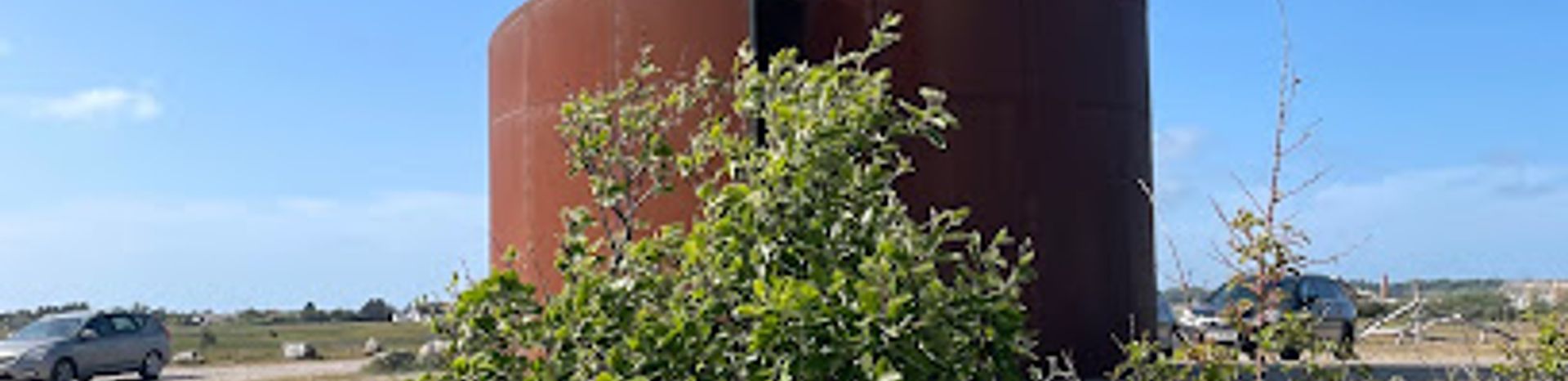
Oddesundtårnet
A slender viewing tower by the Oddesund Bridge, offering accessible exhibits and sweeping Limfjord panoramas where coastal nature, wartime relics and modern infrastructure meet.
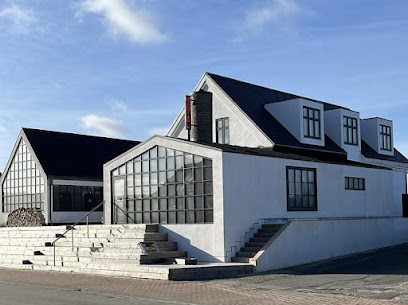
Oddesundtårnet is a 12.5‑metre viewing and exhibition tower standing by the Oddesund Bridge on the Thyholm peninsula, where Limfjord narrows between Jutland and Thy. Inside, simple exhibitions tell the story of the bridge, the wartime bunkers and the surrounding coastal landscape, while large windows frame sweeping views of water, salt marsh and low islands. With an elevator, accessible facilities and free access at all hours, it offers an easy yet atmospheric stop on a journey through West Jutland.
A brief summary to Oddesundtårnet
- Thyholm, 7790, DK
- Duration: 0.5 to 1.5 hours
- Free
-
 Mixed
Mixed
- Mobile reception: 4 out of 5
- Monday 12 am-12 am
- Tuesday 12 am-12 am
- Wednesday 12 am-12 am
- Thursday 12 am-12 am
- Friday 12 am-12 am
- Saturday 12 am-12 am
- Sunday 12 am-12 am
Local tips
- Plan your visit around sunrise or sunset for the most atmospheric light over the Limfjord and the clearest sense of how the bridge and landscape fit together.
- Bring a windproof layer, as the upper platform can feel significantly cooler and breezier than ground level, even on seemingly mild days.
- Allow extra time to explore the nearby wartime bunkers and coastal paths, which help put the tower’s historical exhibitions into a wider context.
- If you prefer quieter moments, aim for a weekday outside school holidays, when the tower and surrounding area tend to feel especially tranquil.

For the on-the-go comforts that matter to you
- Restrooms
- Seating Areas
- Trash Bins
- Information Boards
Getting There
-
Train and short walk from Struer
From Struer, regional trains on the line toward Thyborøn and Thisted typically stop at Oddesund Nord, with a journey time of about 15–20 minutes. Trains usually run at least once every hour during the day, with reduced frequency in the evening and on weekends. A standard adult single ticket costs roughly 40–70 DKK depending on discounts and time of purchase. From Oddesund Nord station, expect a level, exposed walk of around 10–20 minutes to the tower. The route is paved but can feel very windy, so bring suitable clothing; it is generally manageable for most visitors, including those using mobility aids.
-
Car from Struer and wider West Jutland
Driving from Struer to Oddesundtårnet typically takes 20–30 minutes, depending on traffic and weather, using the main route across the Oddesund Bridge. The roads are paved and straightforward, but strong crosswinds are common on the exposed bridge, so drivers of high-sided vehicles should take extra care. Parking near the tower is usually free, though spaces can be limited in peak holiday periods and on fine summer weekends. In winter, occasional snow or ice may affect driving conditions, and it is wise to allow additional travel time.
-
Bicycle along the Limfjord coast
For cyclists based on Thyholm or in the Struer area, combining Oddesundtårnet with a coastal ride is a rewarding option. Typical cycling times are 45–75 minutes from Struer and 20–45 minutes from central Thyholm, using a mix of local roads and signposted routes. Many stretches are relatively flat but exposed to wind, which can significantly affect the effort required. There is no specific entry fee for the tower, and bringing a bicycle incurs no extra cost, though you should use common sense when locking your bike near the site, as there are limited dedicated stands. In stormy or very icy conditions, coastal cycling here is not advisable.
Oddesundtårnet location weather suitability
-
 Clear Skies
-
 Windy Conditions
-
 Mild Temperatures
-
 Cold Weather
-
 Any Weather
Discover more about Oddesundtårnet
A tower above the meeting of land and fjord
Oddesundtårnet rises modestly beside the Oddesund Bridge, but its 12.5 metres are enough to lift you above the shoreline and out over the Limfjord’s shifting waters. From here, the Thyholm peninsula stretches north, flat and green, while to the south Jutland’s coast dissolves into sandbanks and shallows. The bridge carries trains and cars between these two stretches of land, and the tower feels like a quiet balcony overlooking this constant movement. Clad in simple, contemporary materials, the structure looks deliberately understated beside the utilitarian bridge. Its slender frame and generous glazing make it feel more like a lantern than a fortress, allowing daylight to pour in and the view to remain the main attraction. The moment you step inside, you sense that the tower has been designed to frame the landscape rather than compete with it.Stories of bridges, bunkers and a working waterway
The interior doubles as a compact exhibition space, with panels and displays describing Oddesund’s strategic importance. The narrow sound has long been a key crossing point between north and south, first by ferry and later by the bridge. Inside the tower, you encounter explanations of how the bridge was planned and built, and how it reshaped daily life on Thyholm by tying the peninsula more closely to the rest of Jutland. Oddesund’s role in the Second World War also appears in the stories told here. Around the sound, some 30 concrete bunkers were constructed as part of a coastal defence line, a stark contrast to today’s peaceful shoreline. Several of those bunkers now host art installations and interpretation points, and the tower’s displays help you place them in context, linking military history with the present‑day cultural landscape and the broader Geopark West Jutland.Views that change with every tide and season
Climbing toward the upper platform, the horizon widens step by step. From the top level, broad windows and an outdoor deck reveal the geometry of the bridge, the slipways and small harbours, and the bands of sand and eelgrass that fringe the Limfjord. On bright days, the water glitters silver and blue; in mist and low cloud, the scene becomes muted and almost monochrome, with only the red of a passing train or the lights of a ship punctuating the grey. Because the Limfjord is tidal, the scene under you is never the same twice. At low water, mudflats and sandbars invite wading birds, while at high water the channels fill and the sound feels deeper and more expansive. This combination of infrastructure and wildness is at the heart of Oddesundtårnet’s appeal: a vantage point where engineering, navigation and nature are closely interwoven.Designed for quiet reflection and easy access
Unlike many lookout towers, Oddesundtårnet is intentionally inclusive. An elevator runs through the core, and accessible restrooms are integrated into the base, making it practical for wheelchair users, visitors with limited mobility and families with small children. The layout encourages you to pause rather than rush upward: landings double as small viewing spots, with benches or ledges to lean against while you read the wall texts or simply watch the light shifting across the water. The atmosphere is calm and unhurried. There is no soundtrack or flashing media; interpretation is delivered through text, images and simple installations, leaving space for your own impressions. Even when trains cross the bridge or lorries rumble past, the tower feels like a sheltered bubble from which to observe the energy of the crossing without being overwhelmed by it.A natural pause on a wider Limfjord journey
Oddesundtårnet rarely stands alone in an itinerary. It acts as a gateway to the wider cultural landscape around the sound: coastal paths trace the shoreline, bunkers have been transformed into art halls and information points, and nearby villages such as Tambohus and Søndbjerg offer beaches, birdlife and traditional inns. Seen from the tower, these places appear as small markers along the coast; once you descend, they become tempting next steps for further exploration. Because access is free and the site is open around the clock, the tower suits many travel rhythms. Some visitors pause briefly to stretch their legs on a long drive across Jutland; others linger to watch a sunset sink behind distant dunes or to study clouds rolling over the flat farmland of Thyholm. Whether you spend ten minutes or an hour, the experience is shaped less by what you do inside the tower and more by the particular light, tide and weather you encounter on the day you come.Iconic landmarks you can’t miss

Museum Salling
24.2 km
Dive into Denmark's past at Museum Salling, where Limfjord's heritage comes alive through interactive exhibits, ancient artifacts, and engaging storytelling in scenic Skive.
SOLTEGNET af billedhugger og professor Bjørn Nørgaard
27.9 km
A radiant sculpture of oyster shells celebrating art, sustainability, and fjord culture.
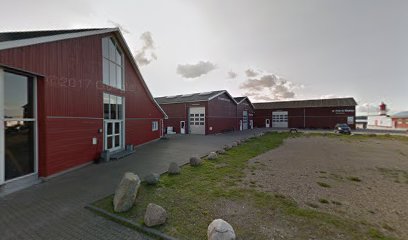
Nationalpark Thy, visitor centre Stenbjerg Landingsplads
41.2 km
Discover the charm of Stenbjerg Landingsplads in Thy National Park: a historic fishing village with picturesque houses, a visitor center, and access to stunning coastal landscapes.
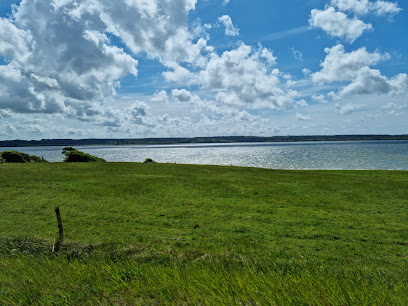
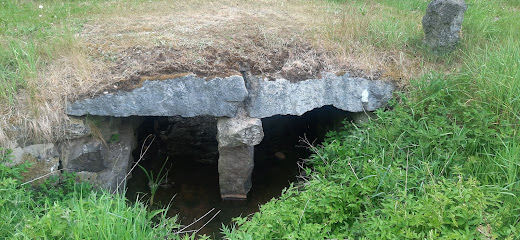
Kampestensbroen ved Ørre
42.1 km
A historic stone bridge marking the transformed course of Sunds Nørreå in Denmark's rural heartland.
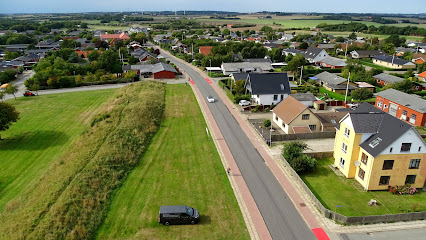
Thisted Vandtårn
42.9 km
A glowing beacon of Thisted's industrial heritage, this iconic 1939 water tower illuminates the night sky.
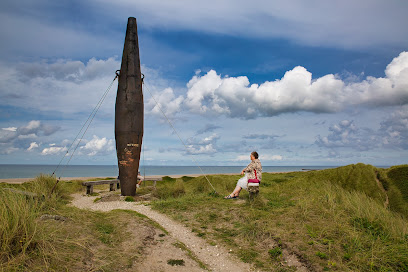
Vorupør-cigaren - udsigtspunkt og skulptur
43.2 km
A striking cigar-shaped sculpture offering panoramic North Sea views from Thy's windswept cliffs.
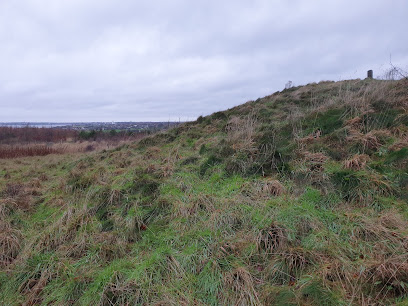
Eshøj gravhøj
43.4 km
A Bronze Age burial mound preserving 3,000 years of Danish prehistoric heritage on a windswept Jutland plateau.
National Park Center Thy
43.7 km
Discover Denmark's first National Park: Explore unique landscapes, diverse wildlife, and rich history at the gateway to Thy's coastal wilderness in Vorupør.
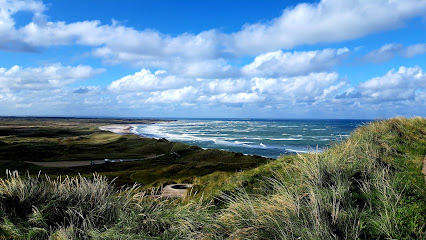
Havbad
43.9 km
Experience the invigorating waters of the North Sea in a safe and accessible environment at Havbad in Thisted, Denmark, a coastal gem offering year-round enjoyment and community spirit.
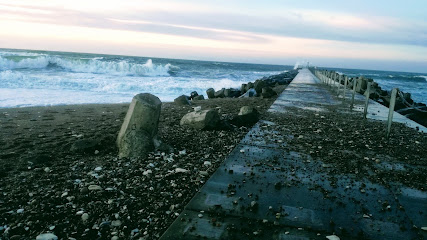
The beach in Vorupør
43.9 km
Discover Vorupør: Where coastal charm meets North Sea beauty in Denmark's first National Park, offering surfing, history, and stunning landscapes.
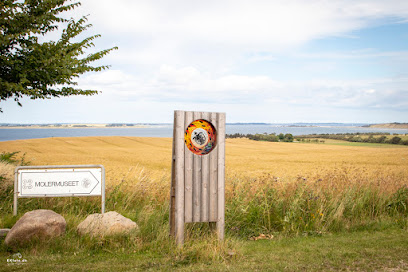
Tørreladen ved Moler Museet
45.3 km
Denmark's longest industrial barn, restored and reimagined as a monument to Mors's moler brick heritage.
Thagaards Plantage
45.6 km
Discover the enchanting Thagaards Plantage in National Park Thy, where windswept, centuries-old trees tell a story of resilience and Denmark's battle against the sands.
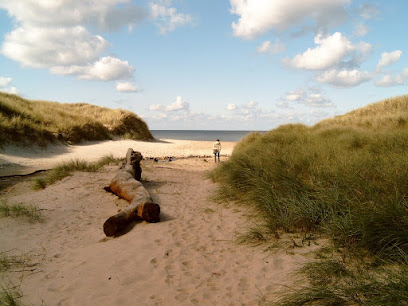
Befrielsessten i Ravnstrup
46.6 km
A modest countryside liberation stone near Viborg, quietly commemorating Denmark’s freedom in 1945 amid open fields and a peaceful village setting.
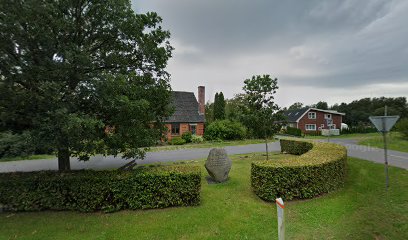
Mindesten for Jens Vejmand
49.5 km
A windbreak memorial to a stoneworker whose life inspired Denmark's most beloved folk song.
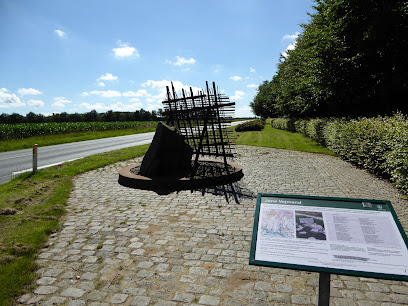
Løvbakkerne
51.0 km
Experience panoramic views of Vejle's natural landscapes from the Udsigtstårn in Østengård.
Unmissable attractions to see

Grisetå Odde Fyr
0.8 km
A modest white lighthouse on the Limfjord that turns wind, water and wide skies into a quietly unforgettable stop north of Struer.
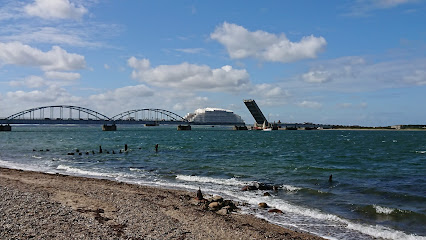
Thyholm Egnsmuseum
4.2 km
A characterful farmstead museum where furnished rooms, workshops, schoolhouse and baroque garden trace centuries of everyday life on Thyholm by the Limfjord.
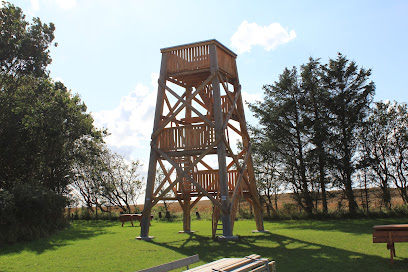
The Holy source
6.4 km
A modest but timeless spring on the Thyholm peninsula, where clear water, countryside calm and centuries of quiet devotion meet beside a simple rural path.
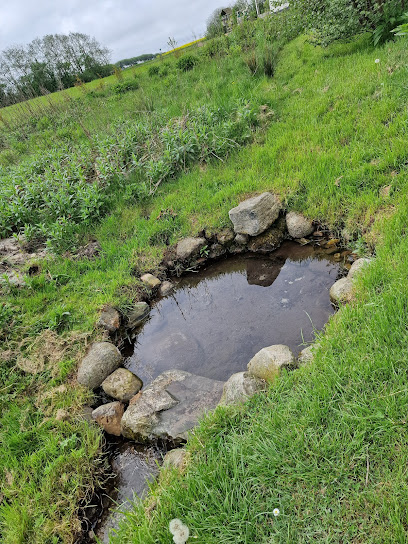
Jegindø
8.6 km
Low-lying Limfjord island-peninsula with a working harbour, quiet beaches and wide skies, ideal for slow walks, cycling and everyday Danish coastal life.
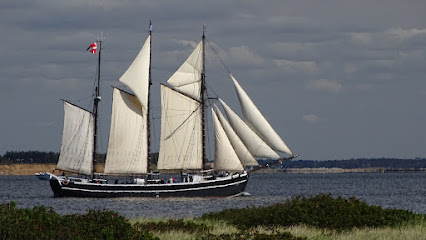
Æ Fywerhus
9.7 km
A humble 1911 fjord house at Jegindø Harbour, where tools, photos and film quietly tell the story of traditional fishing on the Limfjord’s sheltered waters.
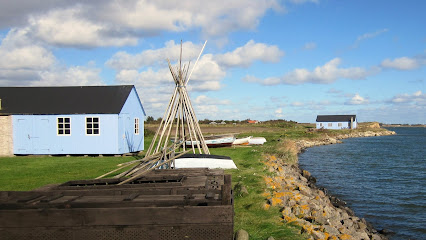
Mid and West Jutland Railway Museum
10.0 km
A compact railway museum in Struer’s former freight office, where locomotives, archives and an old command post reveal how the rails transformed Mid and West Jutland.
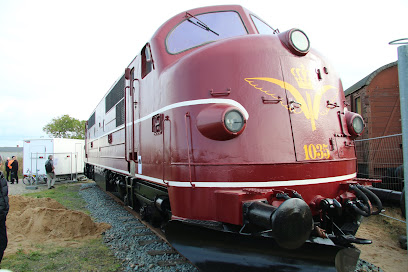
Limfjords Camping & Vandland I/S
11.9 km
Family-friendly fjordside campground with indoor waterpark, playgrounds and cabins on the tranquil shores of the Limfjord near Spøttrup in Central Jutland.
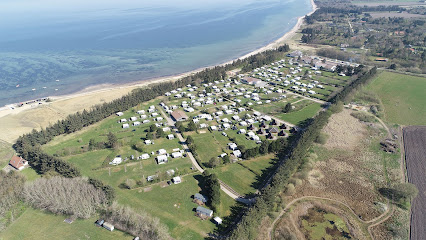
Agerø
15.1 km
A small Limfjord island of open skies, bird-rich shores and quiet farmland, where causeway access leads to a softly spoken slice of rural Denmark.
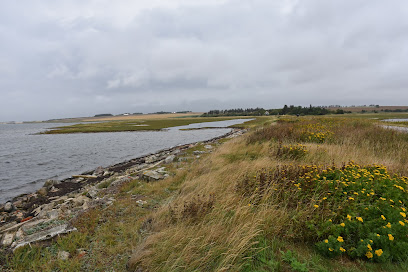
Spøttrup Borg Velkomstcenter
15.7 km
Modern welcome hub, compact museum and comfort stop at the edge of Denmark’s best‑preserved medieval castle in the West Jutland countryside.
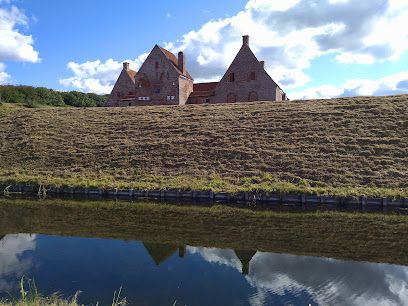
Vittrup Strøm
21.2 km
A tranquil Danish stream amid rural Jutland's timeless farmland and ancient heritage.
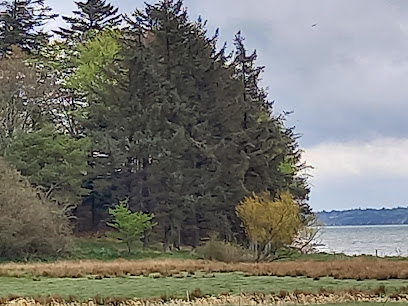
Jættestuen Lundehøj
21.7 km
Step inside a Neolithic stone chamber hidden beneath a grassy mound in Thy’s quiet countryside and glimpse the burial traditions of Denmark’s first farmers.
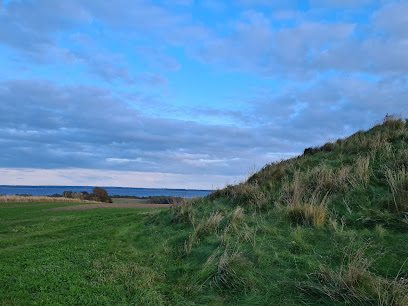
Hjerl Hede Open Air Museum
22.0 km
Step into a living Jutland village where farms, mills, gardens, animals and a steam train bring 150 years of Danish rural life to life on the heath.
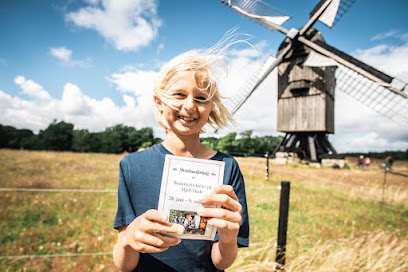
Trolden Ask fra Ashøj
22.0 km
Hidden in a forest clearing on Thy’s highest hill, the giant wooden troll Ask fra Ashøj blends playful sculpture, folk tale magic and wide Danish landscapes.
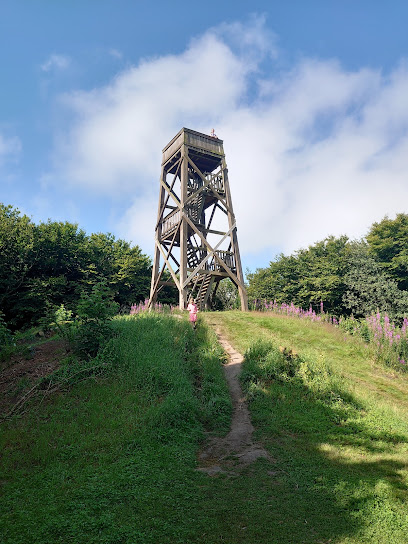
Udsigtstårnet i Ashøj Plantage
22.3 km
Simple metal steps to the highest point in Thy, where forest gives way to far horizons over North Sea, Limfjord and the church-dotted plains of South Thy.
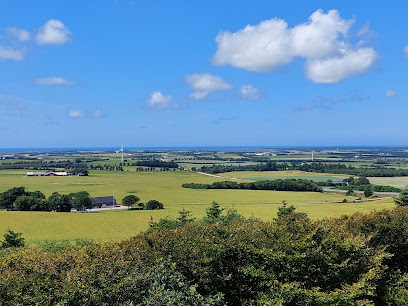
Gråkjær Arena
23.4 km
Compact, modern and atmospheric, Gråkjær Arena is Holstebro’s handball hot spot and multi-purpose indoor stage for sport, community events and live entertainment.
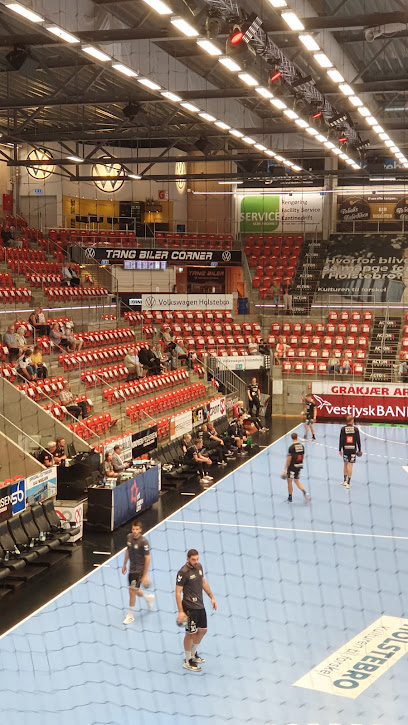
Essential places to dine

Venø Kro
4.8 km
Fjord-facing island inn on Venø, serving Limfjord seafood, classic Danish dishes and the famous Venøbøf steak with unforgettable sunsets over the water.
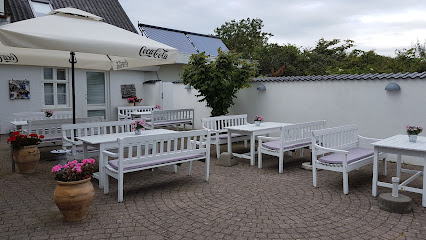
HOTEL Tambohus Inn - By Limfjorden in Jutland
6.8 km
Waterfront Danish inn with celebrated restaurant and fjord views in peaceful Jutland countryside.

Restaurant Ved Fjorden
9.7 km
Harborfront dining in Struer where local seafood, fjord views and a modern Danish setting come together at one of Limfjorden’s most atmospheric culinary addresses.
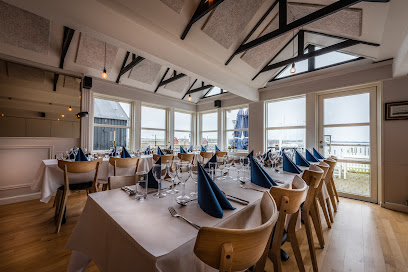
Restaurant Pavillonen
15.0 km
Relaxed marina-front restaurant on the Limfjord, pairing light Scandinavian interiors and broad sea views with seasonal Danish comfort dishes.
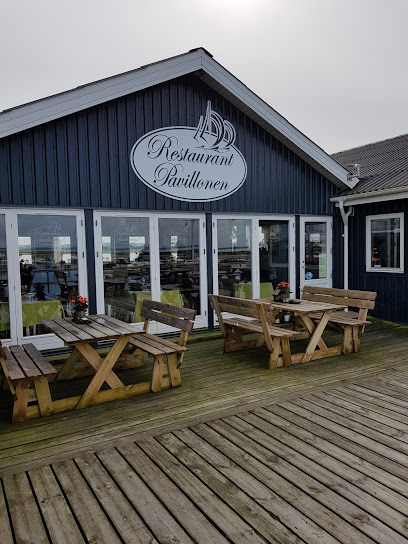
Restaurant Luna
15.3 km
Sunlit harbourfront restaurant in Lemvig pairing fresh local fish, generous Danish classics and Limfjord panoramas from floor‑to‑ceiling windows and a broad quay‑side terrace.
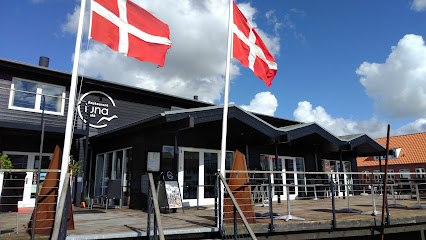
Bjarnes Fisk og Fisketeria
15.6 km
Harborfront fish shop and casual seafood eatery in Lemvig, serving fresh catch from Thyborøn, smoked specialties and Danish classics with a Limfjord view.
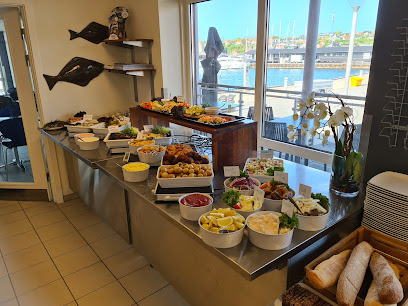
Hotel Thinggaard
20.9 km
Charming three-star hotel in Hurup Thy with fine dining, spa, and easy access to the wilderness of Thy National Park and the scenic Limfjord region.
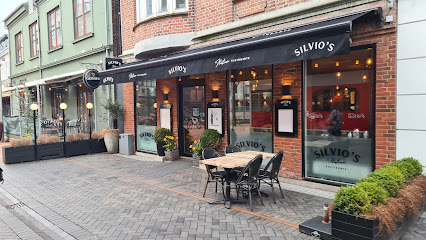
Silvio's Ristorante
25.0 km
Authentic Italian cooking with Danish hygge in the heart of Holstebro, pairing thin-crust pizzas, handmade pastas and a welcoming, relaxed neighbourhood atmosphere.
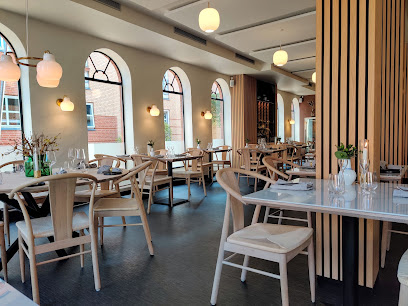
Restaurant JA
25.1 km
Industrial heritage meets modern Nordic cooking in Holstebro’s former iron foundry, where seasonal West Jutland produce and a walk‑in wine cellar shape relaxed, refined evenings.
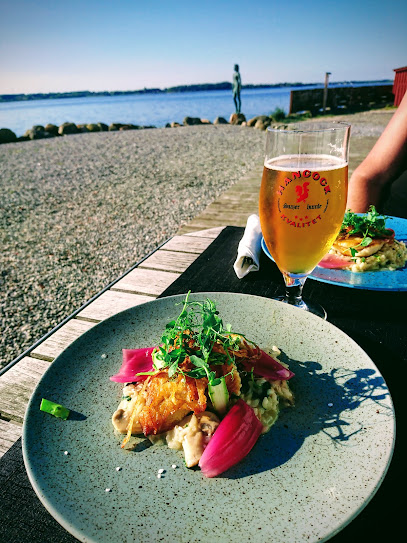
Limfjordens hus
28.0 km
Modern Nordic coastal dining on the very tip of Glyngøre, where Limfjordens Hus pairs local seafood and fjord produce with sweeping views of water, sky and Mors.
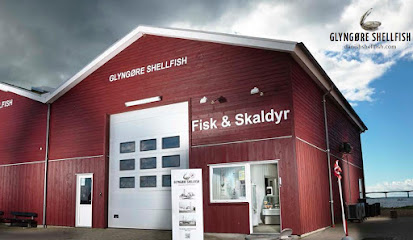
Danish Oyster Bar - Østersbar & Glyngøre Shellfish
28.0 km
A tiny Limfjord-side oyster bar where wild Danish shellfish, working harbour life and fjord views come together in a quietly memorable tasting experience.
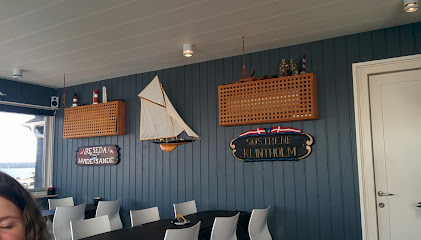
Limfjordens Pizzaria og Grill
28.0 km
Authentic waterfront pizzeria with harbor views and warm Danish hospitality in charming Glyngøre.
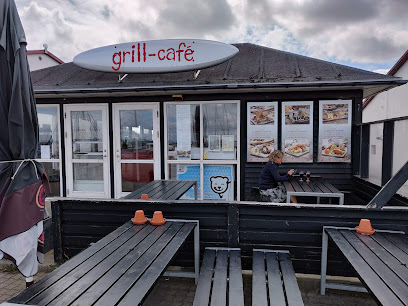
Kjøwenhavner Kokken
28.0 km
Casual harborfront barbecue and Danish comfort food with generous portions, sea air and Limfjord views in the small coastal town of Glyngøre.
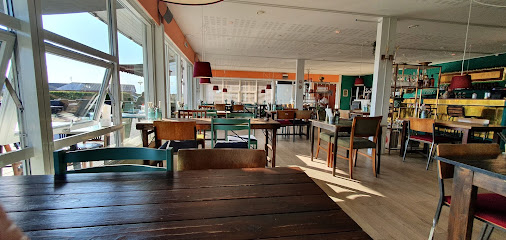
Agger Darling
28.8 km
Coastal dining where passion meets local produce, between sea and forest in Thy National Park.
Restaurant TRI
29.9 km
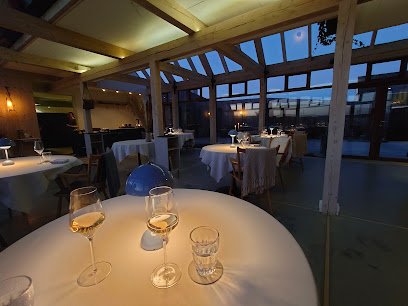
Michelin-starred fine dining celebrating Northern Jutland's seasonal bounty in a luminous glass sanctuary.
Markets, malls and hidden boutiques

Sinnerup ApS
24.7 km
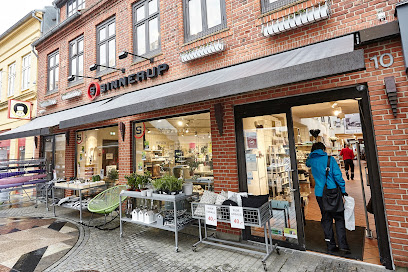
A bright Nordic lifestyle universe in downtown Holstebro, where design, furniture, kitchenware and women’s fashion come together as one inspiring home-focused store.
ONLY
24.8 km
Central Holstebro’s go-to women’s fashion stop, mixing Danish denim heritage with trend-led everyday styles in a compact, easy-to-browse high-street boutique.
Nørhå Antik og Retro
36.2 km
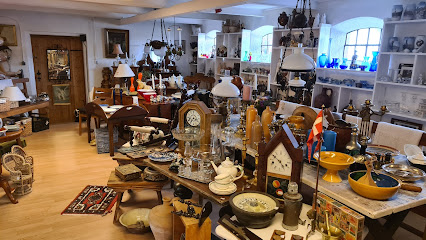
A sprawling countryside antiques and retro design haven with orangery, garden pavilions and a cozy café overlooking fields and Nørhå Lake in Thy.
Køkkencenter Mors-Thy ApS
38.3 km
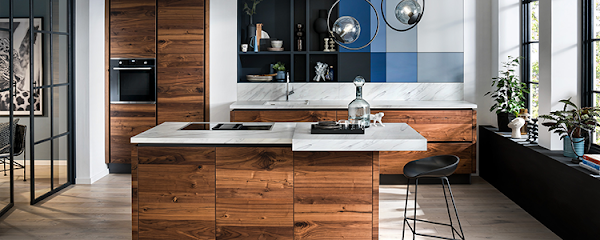
Compact Danish kitchen showroom in rural Mors, offering quiet inspiration, personal design advice and a glimpse of everyday Scandinavian home life.
Ayoe Vintage
39.7 km
Intimate vintage showroom in dune-fringed Stenbjerg, pairing handpicked quality garments with the calm, coastal atmosphere of Thy National Park.

Alt for Hunden - Hundeklipning, Hundesalon, Hundetrimming, Negleklip og Hundefrisering i Thisted.
41.2 km
Professional dog grooming by a certified cynologist in Thisted's trusted pet care salon.
MIN KØBMAND
42.7 km
A small but essential village supermarket on Mors, Min Købmand Sejerslev keeps locals and visitors supplied with everyday groceries and a glimpse of rural Danish life.
Meny
42.7 km
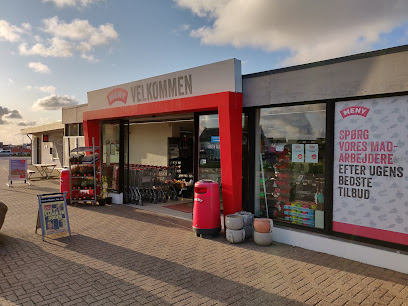
A welcoming supermarket where quality, service, and local character converge in coastal Vorupør.
Glass4U
42.8 km
Discover the art of glassmaking at Glass4U in Nykøbing Mors, where creativity meets craftsmanship.
Vorupør Slagterforetning v/Søren Odder Jensen
42.9 km
Three generations of Danish butchery craft, sourcing local meats with personal expertise and regional pride.
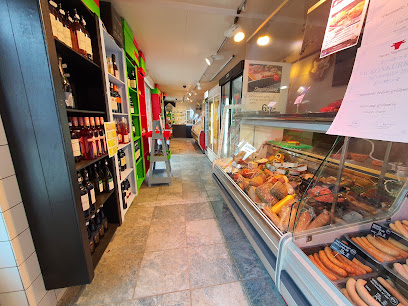
VØ Skateshop I Jibe Longboards
43.2 km
Coastal skateshop blending surf culture with longboarding lifestyle in northern Denmark.
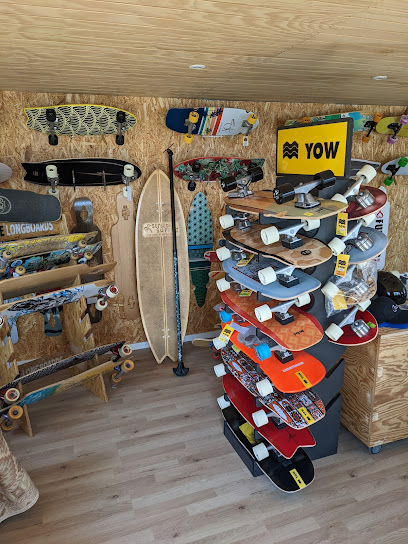
Shaped by the Tides
43.2 km
A calm, design-led coastal boutique in Vorupør, where Nordic minimalism meets North Sea surf culture in a carefully curated selection of ocean-inspired goods.

Den Gamle Butik I/S
43.4 km
A cosy, nostalgia-filled shop in coastal Vorupør where Nordic design, year-round Christmas magic and the scent of freshly ground coffee create a timeless hygge retreat.
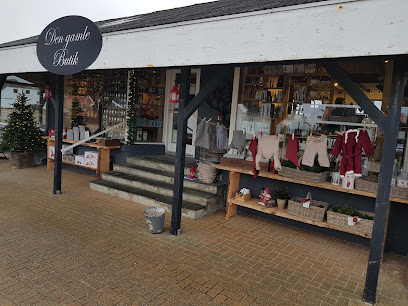
Danmission Op Shop
43.7 km
Cosy coastal thrift store in Vorupør where second-hand finds, from warm knitwear to well-loved books and furniture, support Danmission’s wider charitable work.
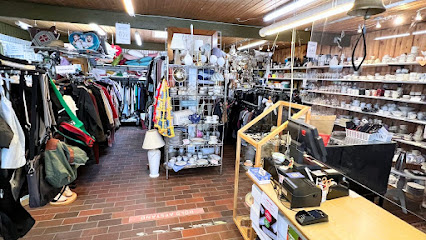
Vorupør Badehotel
43.7 km
Historic seaside hotel in the heart of Vorupør, offering surf lessons, fresh North Sea cuisine, and classic Danish hospitality on the wild Thy coast.
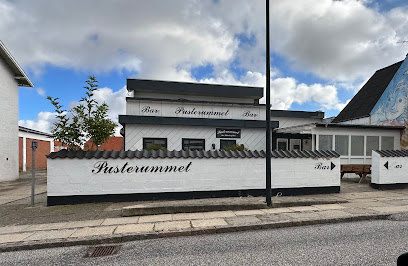
Essential bars & hidden hideouts

Pusterummet
20.6 km
A relaxed local bar and eatery in the heart of Hurup Thy, where billiards, cold beer and simple comfort food create an easygoing small-town social hub.
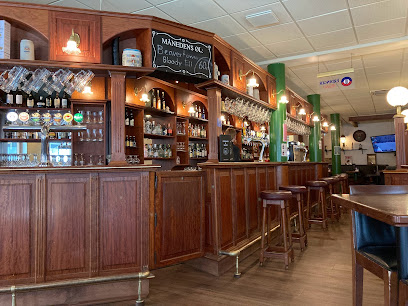
Fox and Hounds
24.6 km
Original Scottish-style pub of Holstebro, pouring quality beers and whiskies in a cozy, wood-lined bar at the heart of this cultural Jutland town.
Lagunen
26.9 km
A cozy village bar in Bedsted Thy, Lagunen offers simple drinks, local company and a warm slice of North Jutland everyday life in a relaxed, no-frills setting.
Nabo
30.3 km
Cozy neighbourhood wine bar on Nykøbing Mors’ Lilletorv, pouring characterful wines, easygoing drinks and relaxed hygge in an intimate, candlelit setting.
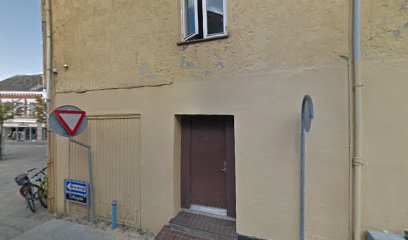
Farmors Bodega
30.6 km
Authentic Danish bodega where locals gather for beers, aquavit, and genuine Limfjord hospitality.
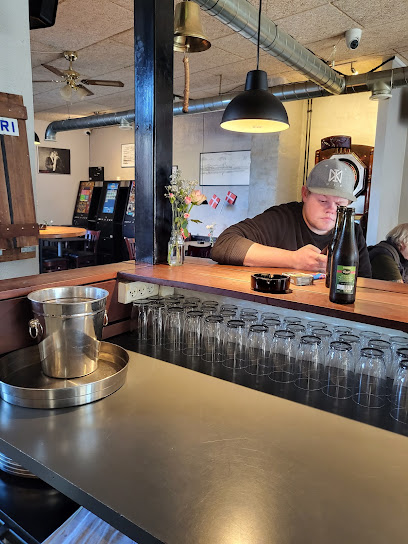
Don Muss
30.6 km
Cozy harborfront bar in Nykøbing Mors, blending everyday beers, late-night live music and local Limfjord charm in one unpretentious hangout.
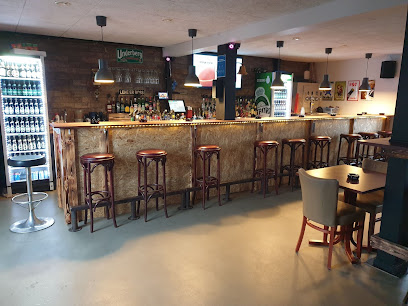
FJORD Bryggeri og Destilleri
30.6 km
Harbourfront microbrewery and distillery in Nykøbing Mors, serving small-batch beer and gin that capture the flavour of Mors in a cosy historic setting.
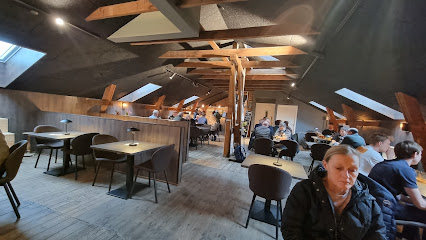
SwagHouse
37.6 km
Casual nightlife hub in the heart of Nykøbing Mors, where locals and travelers gather for drinks and social connection.
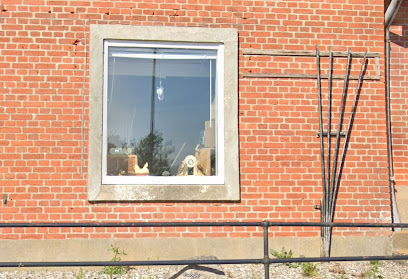
Jazz I Thy
41.9 km
Volunteer-driven jazz association in Thisted bringing intimate live concerts, coastal small-town warmth and a wide spectrum of Danish and Nordic jazz to the heart of Thy.
Harmonien
42.7 km
Thisted's welcoming bar and restaurant serving generous brunches and curated drinks in the town centre.
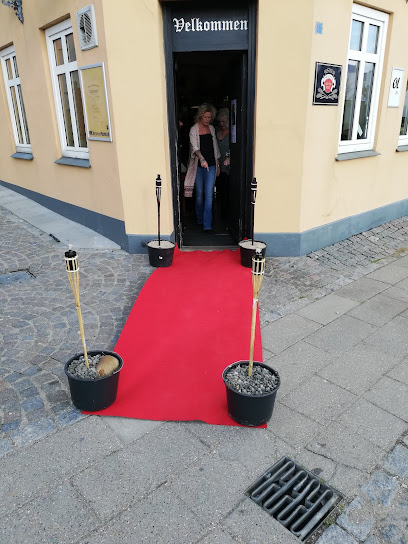
Cafe Nytorv v/ John Nielsen
42.8 km
Unpretentious bodega-style bar on Thisted’s central square, serving cold beers, simple drinks and everyday hygge from late morning to late night.
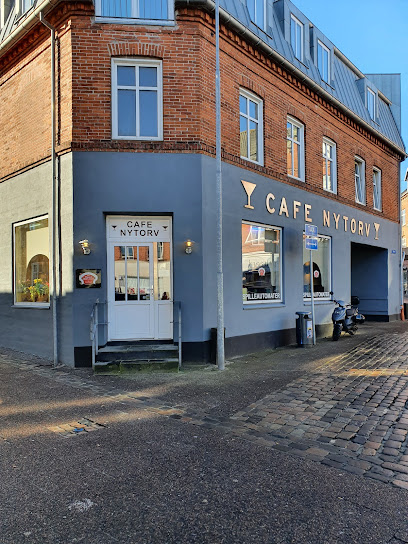
Café Børsen
42.8 km
Casual harbor-side café where locals gather for drinks and genuine Danish social warmth.
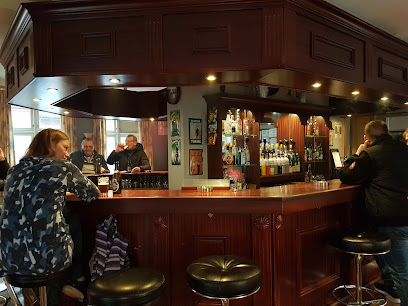
Heidi's Bier Bar
42.9 km
Loud, lively and drenched in Tyrolean après‑ski flair, Heidi’s Bier Bar Thisted turns coastal North Jutland nights into all‑season Oktoberfest parties.
Kapias bodega
49.5 km
Cosy Gedsted neighborhood bodega offering cold beers, local company and unpretentious Danish hygge from quiet afternoons to lively weekend nights.
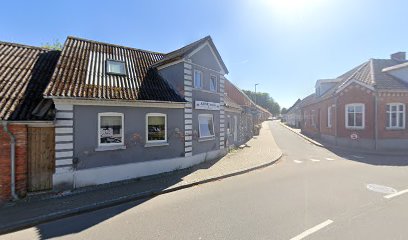
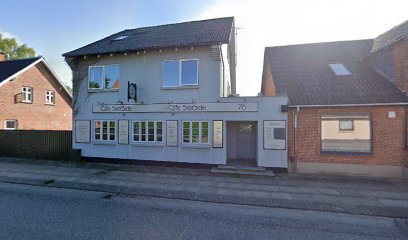
Seaside v/Thomas rohde
50.2 km
Unpretentious neighborhood bar in Sunds offering cold beers, simple drinks and a relaxed slice of everyday Danish nightlife in Central Jutland.
For the vibe & atmosphere seeker
- Tranquil
- Scenic
- Unique
- Casual
For the design and aesthetic lover
- Minimalist Designs
- Modern Designs
For the architecture buff
- Modern
- Landmarks
- Viewpoints
For the view chaser and sunset hunter
- Iconic Views
- Panoramas
- Sunrise Spots
- Sunset Spots
For the social media creator & influencer
- Instagrammable
- Photo Spots
- Selfie Spots
- Architectural Shots
For the eco-conscious traveler
- Low Impact
- Public-Transport Accessible
- Leave-No-Trace Critical
- Locally Managed
For the kind of experience you’re after
- Mindfulness
- Photowalk
- Adventure Photo Shoot
- Nature Escape
- Roadtrip Stop
- Day Trip
For how adventurous you want the journey to be
- Easy Access
Location Audience
- Family Friendly
- Senior Friendly
- Child Friendly
- Teen Friendly
- Wheelchair Access
- Solo Friendly
- Couple Friendly
- Solo Female Friendly


