
Skovgaard Museum in Viborg, Central Jutland Travel Guide
Intimate art museum in Viborg’s former town hall, showcasing the Skovgaard family’s Danish Golden Age landscapes, symbolism and church art beside the cathedral.
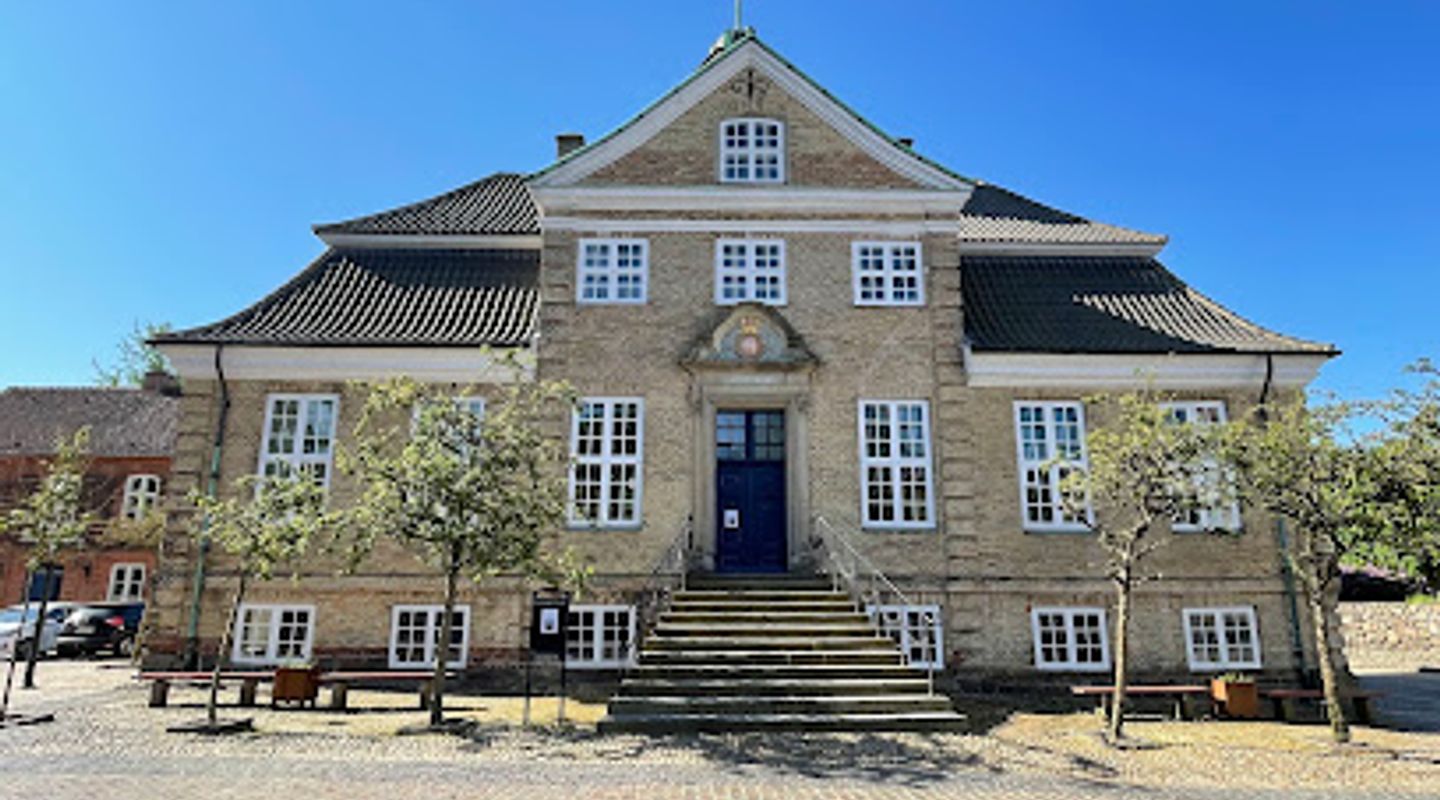
Housed in Viborg’s former 18th‑century town hall beside the cathedral, Skovgaard Museum is a compact yet richly layered art museum dedicated to the Skovgaard family. Inside, Golden Age landscapes, symbolist church art and contemporary works trace four generations of Danish creativity. Baroque interiors, traces of the building’s past as a courtroom and prison, and a tranquil garden with a fountain and summer café create an intimate setting for exploring both national art history and the family drama behind it.
A brief summary to Skovgaard Museum in Viborg
- Domkirkestræde 2, 4, Viborg, 8800, DK
- Click to display
- Click to display
- Duration: 1 to 2 hours
- Budget
-
 Indoor
- Mobile reception: 4 out of 5
- Tuesday 10 am-5 pm
- Wednesday 10 am-5 pm
- Thursday 10 am-5 pm
- Friday 10 am-5 pm
- Saturday 10 am-5 pm
- Sunday 10 am-5 pm

Know before you go
Hi, I'm Eve. Here are a few practical things to know before exploring Skovgaard Museum in Viborg.
- Allow at least 1–2 hours so you can explore both the permanent Skovgaard family collection and any current temporary exhibition without rushing.
- Combine your visit with Viborg Cathedral next door to fully appreciate Joakim Skovgaard’s monumental church decoration after seeing his sketches and paintings.
- If visiting in summer, plan a short break in the museum garden and check whether the small café is open for coffee, ice cream or cake.
- In December, look for the Angel Garden in the courtyard and any seasonal exhibitions or creative workshops linked to light, remembrance and angels.
- Check current opening hours in advance; the museum is typically closed on Mondays and has slightly longer hours in the summer season.
Do you manage this location?
Take control to get all the benefits, like improved information, better appearance, and stronger visibility across AI-powered discovery. Learn more about listing your business on Evendo
Activate your presenceOther nearby places you may find interesting
The closest places of the same kind, if this one is not quite what you had in mind.
Explore Skovgaard Museum in Viborg on the Map
A handpicked selection of must-see spots near Skovgaard Museum in Viborg, mapped for you.
Getting There
-
Regional train and short walk
From larger Danish cities such as Aarhus or Aalborg, take a regional train to Viborg Station; journeys typically take 1–1.5 hours. Standard adult fares usually range from around 80–140 DKK one way, depending on distance and time of booking. Trains generally run at least once an hour during the day. From Viborg Station, allow about 15–20 minutes on foot through the town centre on mostly level pavements to reach the cathedral quarter where the museum is located.
-
Local bus within Viborg
If you are already in Viborg but prefer not to walk from the station, use a local city bus heading toward the cathedral area or the central square; the ride is usually 5–10 minutes. Single tickets within the city generally cost in the range of 20–30 DKK and can often be bought from the driver or via regional ticket apps. Services are more frequent on weekdays and daytime hours, with reduced frequency evenings and Sundays, so check timetables in advance.
-
Car or rental car
Arriving by car, plan for a 5–10 minute drive from most parts of Viborg and around 1–1.5 hours from Aarhus or Aalborg via main regional roads. Fuel and rental costs vary, but expect basic rentals from roughly 350–600 DKK per day, excluding fuel. Public car parks are available within walking distance of the cathedral quarter; some offer paid parking with time limits, and central spaces can fill up quickly on busy days or during events.
-
Bicycle within Viborg
For visitors staying in Viborg, cycling to the museum typically takes about 10–20 minutes from most residential districts. The town has a compact layout with a mixture of dedicated cycle lanes and shared streets, though the streets around the cathedral quarter can be slightly hilly and cobbled. Many accommodations offer bicycle rental in the range of 75–150 DKK per day. Bicycles are usually parked in designated stands near the historic centre; remember to lock your bike securely.
For the on-the-go comforts that matter to you
-
 Restrooms
-
 Drink Options
-
 Food Options
-
 Seating Areas
-
 Picnic Areas
-
 Trash Bins
-
 Information Boards
Discover more about Skovgaard Museum in Viborg
Artistic dynasty at the heart of Danish painting
The Skovgaard Museum is devoted to one remarkable Danish artist family whose work runs like a thread through the nation’s art history. At its core is P.C. Skovgaard, a key landscape painter of the Danish Golden Age, whose luminous scenes of beech forests and cultivated fields helped define a romantic, national vision of the countryside. His works, presented on the upper floor, give a vivid sense of 19th‑century Denmark and its emerging self‑image.On the lower levels, you encounter the next generation: Joakim and Niels Skovgaard, who pushed beyond naturalism into symbolism, biblical narratives and Nordic mythology. Their paintings and decorative works reveal a shift toward spiritual and psychological themes, echoing wider European movements while remaining distinctly Danish in mood and motif. Their sister Susette adds another dimension with ceramics and painting, and later descendants continue the lineage into modern times.From town hall to museum landmark
The museum occupies Viborg’s old town hall, a baroque building completed in 1728 by architect Claus Stallknecht, who also rebuilt the nearby cathedral after a devastating fire. Its classical façade faces the cobbled cathedral quarter, but the interiors tell a more utilitarian story. Over the centuries, the building has hosted balls, a bank, courtrooms and a military hospital, before finally becoming home to the museum.Subtle traces of these past lives are still visible. Where visitors now find restrooms, prisoners once awaited trial with iron rings fixed in the masonry. The heavy front door retains its original 18th‑century lock, and the oversized key is sometimes brought out as a tangible link to the town hall’s more austere days. Together, art and architecture create a layered experience that merges civic history with family biography.Permanent treasures and changing perspectives
The permanent collection is arranged to tell both a chronological and a personal story. You move from Golden Age landscapes through symbolist experiments to more intimate portraits and decorative works, gaining a sense of the Skovgaards as parents, siblings and collaborators as much as professional artists. Letters, sketches and smaller objects help flesh out their ideals, conflicts and ambitions.Alongside this, a lively programme of temporary exhibitions brings in works from the 19th century to contemporary art. These shows often enter into dialogue with the Skovgaard legacy, using themes such as spirituality, nature, remembrance or myth to link past and present. Installations, video pieces and experimental media are sometimes juxtaposed with older canvases, inviting you to reconsider familiar subjects through new visual languages.Garden sanctuary and seasonal traditions
Behind the museum lies a small walled garden, a quiet pocket of greenery a few steps from the cathedral square. A fountain, flower beds and shaded seating make it an inviting place to pause between galleries. In summer, a modest café operates from here, serving ice cream, coffee and cakes that can be enjoyed at simple tables beneath the trees.In winter, the garden often takes on a more contemplative role. During December, it is transformed into an Angel Garden, with trees hung with paper angels inscribed with names and messages of remembrance. Inspired by Joakim Skovgaard’s cathedral angels, the installation turns the space into a gentle ritual of light and memory, echoed by creative workshops and displays inside the museum.A compact museum made for close looking
Though not large, the museum is designed for unhurried, detailed viewing rather than rushing between highlights. You can trace recurring motifs—trees, clouds, biblical figures, mythic beasts—across generations, noticing how each artist reshapes inherited themes. Occasional workshops, talks and family‑friendly activities encourage more active engagement, from drawing sessions to playful explorations of light and shadow.The setting in Viborg’s cathedral quarter makes it easy to combine a visit here with the cathedral itself, whose richly decorated interior Joakim Skovgaard painted over more than a decade. Seen together, the museum and cathedral offer an unusually complete portrait of an artist’s world: the intimate spaces where ideas developed, and the monumental commission where they reached their most public form.More to explore near Skovgaard Museum in Viborg













Your all‑in‑one travel companion app
Explore expert travel guides, compare and book tours, experiences, hotels, and more—all from the palm of your hand. Download now for seamless trip planning wherever your wanderlust takes you.


Explore More of Central Jutland
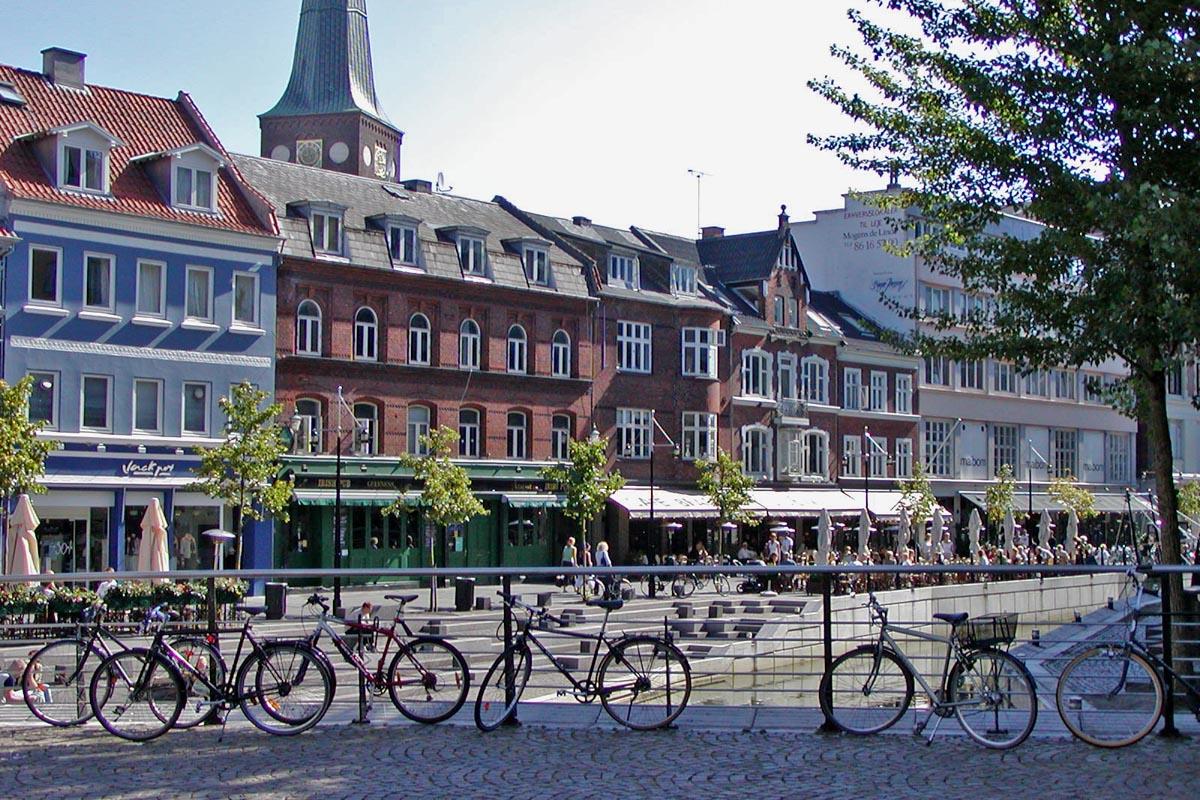
Looking beyond Skovgaard Museum in Viborg? Discover Central Jutland for broader travel guides, local hot-spots, and regional highlights.
Explore Central Jutland
Sleek Scandinavian design hotel on the edge of historic Viborg, blending functional comfort, social lobby life and easy access to central Jutland sights.

An intimate art museum in Viborg’s former baroque town hall, celebrating the Skovgaard family’s Golden Age landscapes, church art and living artistic legacy.
