Operaen Travel Guide
Free Guide: A striking harbourfront opera house where bold Danish architecture, gleaming materials and world-class performance spaces meet Copenhagen’s historic skyline.


A brief summary of Operaen
A striking harbourfront opera house where bold Danish architecture, gleaming materials and world-class performance spaces meet Copenhagen’s historic skyline.
Operaen, the Royal Danish Opera House, rises on the waterfront opposite Amalienborg Palace as one of Copenhagen’s most striking contemporary landmarks. Completed in 2004 as a gift to the Danish people, this vast, light-filled complex combines bold architecture, world-class acoustics and harbour views. Even without a performance ticket, visitors can admire its monumental canopy, stone and glass facades, and the calm, maritime setting that frames the city’s modern cultural heart.
On-site amenities
 Restrooms
 Drink options
 Drinking water
 Food options
 Seating areas
 Sheltered areas
 Trash bins
 Information boards
 Visitor centre
- Address
- Psyak 61C, 1440 København
Getting there
Harbour bus
City bus
Metro and walking
Taxi or rideshare
Discover more about Operaen
A modern icon on Copenhagen’s harbour
Perched on the edge of the inner harbour, Operaen feels both monumental and surprisingly close to the water. The long, horizontal roof canopy projects far beyond the building, creating a dramatic overhang that seems to float above the quay. Beneath it, glass walls open the foyer to views back towards Amalienborg Palace and the city skyline, turning the building into a giant lantern when it is illuminated at night.The opera house covers around 41,000 square metres spread over fourteen floors, five of them below ground. Approaching from the waterfront, you sense its scale in the wide forecourt and broad steps, yet the lines remain clean and restrained. Cladding in warm Jura limestone and pale metals softens the structure so it never feels cold or purely industrial.
Architecture, materials and artistic details
Operaen was designed by Danish architect Henning Larsen, and the building is as much an exploration of materials as of form. The foyer’s Sicilian marble floors and sweeping staircases create a luminous, almost nautical interior, while maple wood clads the curved wall of the main auditorium facing the harbour, adding warmth and intimacy.Inside the main hall, more than one hundred thousand sheets of gold leaf shimmer across the ceiling, lending the space a rich glow when the lights dim. Danish artists contributed key elements, from large bronze reliefs to sculptural lighting installations. Even if you only visit the public areas on a guided tour, you get a clear sense of how carefully the visual and acoustic design has been choreographed.
Stages, technology and performance spaces
Behind the serene exterior lies a surprisingly complex machine for making opera and ballet. The complex incorporates a main stage seating about 1,400 spectators, several side and rear stages for rapid scene changes, and a series of rehearsal stages that mirror the main auditorium’s dimensions. These spaces are largely hidden from casual view, but tours often reveal glimpses of the vast backstage volumes.The stage machinery includes lifts, turntables and movable floors that can transform the set within minutes. Above, sophisticated rigging and lighting systems allow highly detailed control over atmosphere and focus. Even without attending a performance, learning how these spaces interlock helps you appreciate what it takes to stage large productions on a nightly basis.
Harbour setting and surrounding landscape
The building’s position was chosen as much for its urban role as for its views. From the quayside terraces you can watch harbour buses glide past, see the dome of Frederik’s Church above the royal palaces, and follow the play of light on the water. The relatively low-lying shoreline means the opera house never dominates the city, but instead forms part of a chain of cultural sites along the harbour.Immediately around the opera house you find open plazas, seating and landscaped areas, often breezy but invigorating in all seasons. Nearby green spaces, including the contemporary Opera Park, add sheltered garden rooms, a greenhouse café and walking paths that contrast with the hard surfaces of the quays.
Visitor experience and guided insights
Visitors can experience Operaen in several ways. On performance days, the building comes alive with evening light, bustling foyers and elegantly dressed audiences moving between bars and balconies. At other times, guided tours offer a quieter way to discover the auditoriums, backstage corridors and technical zones that remain closed during shows.Time inside can be as brief as a contemplative look at the foyer and views, or as in-depth as a tour paired with a performance. Either way, the combination of architecture, harbour landscape and cultural purpose makes Operaen a highlight for anyone interested in contemporary design and the performing arts.
A contemporary gift with enduring significance
Operaen was donated to the Danish state by a private foundation, intended as a long-term cultural investment. Its construction sparked debates about cost, aesthetics and location, yet over time it has become an established part of Copenhagen’s identity. The building acts as a physical and symbolic bridge between royal history on one shore and creative experimentation on the other.For visitors, that story adds depth to the experience of simply standing beneath the huge cantilevered roof, feeling the wind from the harbour and looking back towards the historic city. Operaen manages to be both a working theatre and a public landmark, rewarding attention whether you come for grand opera, a behind-the-scenes glimpse, or a quiet moment by the water.
Evendo Review Centre
 Google
Guest reviews
Best time to go
Quietest: Jan, Feb & Mar · before 8am
Busy times are Evendo estimates for a typical year, to help you plan. Actual crowds vary with events, school holidays and the weather.
Explore Operaen on the map
A handpicked selection of must-see spots near Operaen, mapped for you.
Get your free copy of our complete guide to Operaen, delivered straight to you.
Everything on this page, from opening hours and how to get there to Eve’s tips and the best time to go, in one PDF you can read offline, print or share.
Already have an account? Sign in
Your Operaen guide is ready.
We'll send it to · Not you? Sign out

Getting your guide ready…
We are putting together a fresh copy of the Operaen guide. This can take up to a minute.
This can take a few moments. If your browser asks, choose Allow so the download can start. You'll find the guide in your Downloads folder.
Nothing happened? Download it again
Sorry, the guide is taking longer than usual. Please try again in a minute, or get it by email instead.
Unlock the best of Operaen
Skip-the-line tickets, guided tours with entry, and walking tours of the area, booked in a few clicks.

Other nearby places you may find interesting
The closest places of the same kind, if this one is not quite what you had in mind.
-
-
-
-
-


Swipe for more places
More to explore near Operaen

 Best experiences near Operaen
 Best hotels near Operaen
 Best landmarks near Operaen
 Best attractions near Operaen
 Best shops near Operaen
 Best restaurants near Operaen
 Best bars near Operaen
Do you manage this location?
Take control to get all the benefits, like improved information, better appearance, and stronger visibility across AI-powered discovery.
Explore more
Explore more of Copenhagen Region
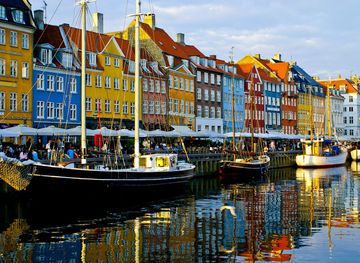
Discover the Copenhagen Region: A perfect mix of historic charm and modern vibrancy, offering scenic beauty, cultural landmarks, and a high quality of life.
Explore Copenhagen Region
Explore more of Denmark
Discover Denmark: A perfect blend of history, modern design, and the cozy concept of hygge. Explore vibrant cities, serene landscapes, and world-class cuisine.
Explore Denmark