
Nyhavn, Copenhagen Region Travel Guide
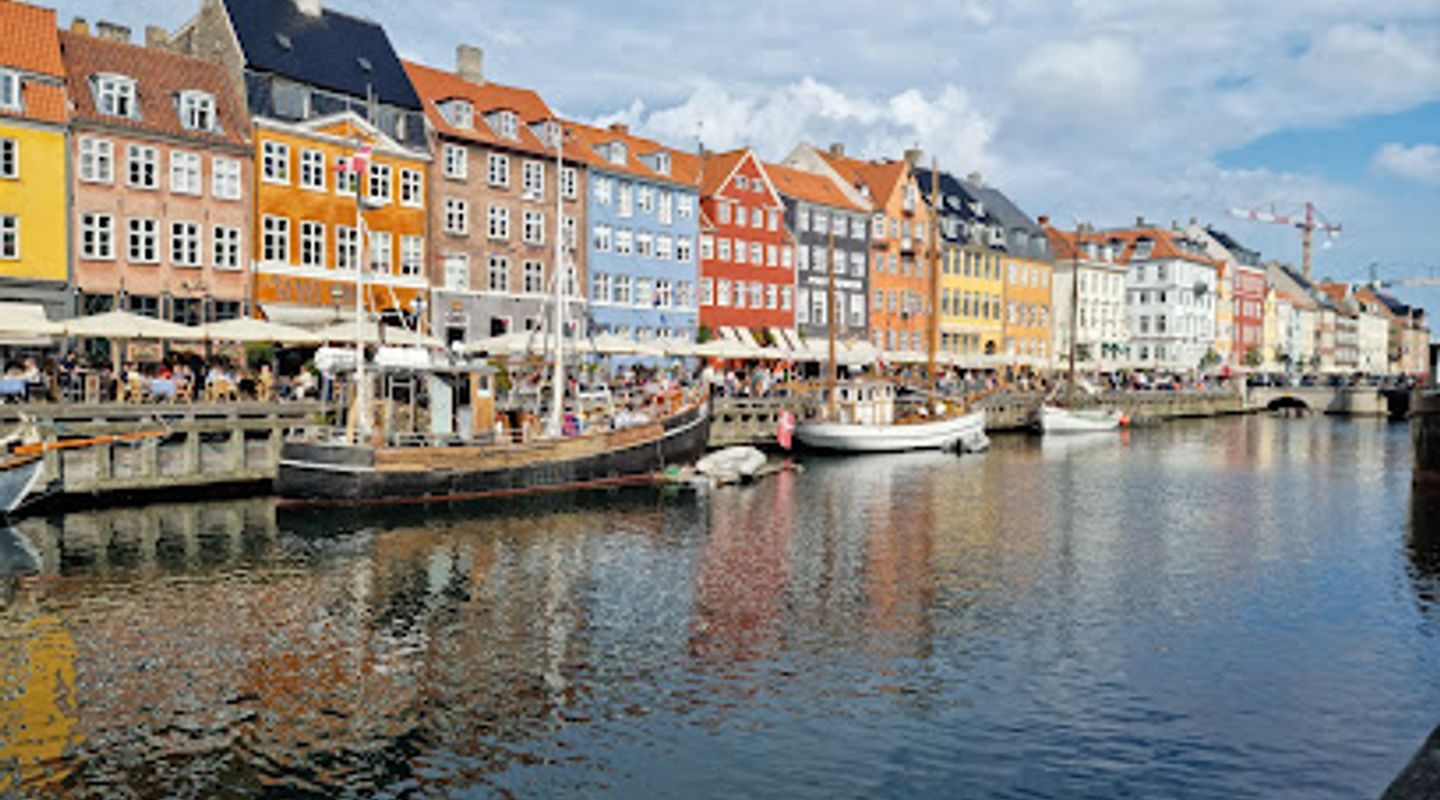
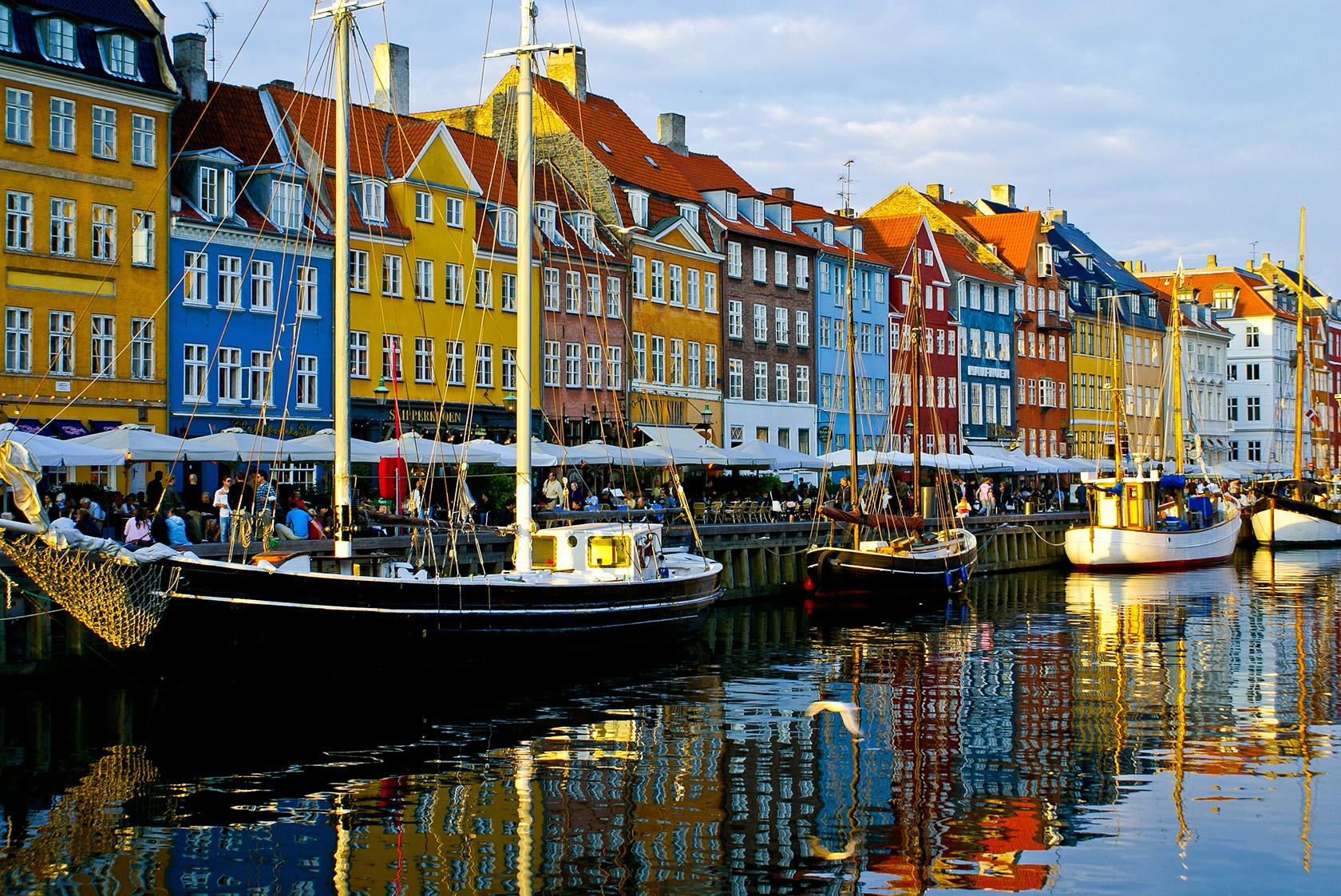
Copenhagen’s classic harbour postcard: colourful 17th‑century houses, wooden ships and waterside cafés where maritime history meets modern hygge.
Nyhavn is Copenhagen’s most iconic waterfront: a 17th‑century canal lined with brightly painted townhouses, bobbing wooden ships and buzzing terraces. Once a rough sailors’ quarter of taverns and brothels, it is now a lively promenade of cafés, bars and restaurants, and the main departure point for classic canal cruises. From summer jazz and people‑watching in the sun to cosy Christmas markets and twinkling lights in winter, Nyhavn distils the city’s maritime history and modern hygge into one unforgettable harbour scene.
A brief summary to Nyhavn
- K, Nyhavn, Copenhagen, Indre By, 1051, DK
- Click to display
- Duration: 0.5 to 3 hours
- Free
-
 Outdoor
- Mobile reception: 5 out of 5

Know before you go
Hi, I'm Eve. Here are a few practical things to know before exploring Nyhavn.
- Arrive early in the morning for quieter quays and softer light if you want photos of the colourful houses without dense crowds.
- Canal tours depart from several piers along Nyhavn; consider a weekday departure outside midday to avoid the busiest sailings.
- Dining directly on the canal is atmospheric but can be pricey; check lunch specials or explore nearby side streets for better value.
- In colder months, choose a café with outdoor heaters and blankets so you can still enjoy the waterfront without getting chilled.
- Keep an eye on bikes and traffic when crossing between the sunny and shady sides of the canal, as cycle lanes run close to the quay.
Do you manage this location?
Take control to get all the benefits, like improved information, better appearance, and stronger visibility across AI-powered discovery. Learn more about listing your business on Evendo
Activate your presenceOther nearby places you may find interesting
The closest places of the same kind, if this one is not quite what you had in mind.

Explore Nyhavn on the Map
A handpicked selection of must-see spots near Nyhavn, mapped for you.
Unlock the Best of Nyhavn
Buy tickets
-
No tickets available
Book tours with entry

Book tours without entry

Getting There
-
Metro from central Copenhagen
From central Copenhagen, the most straightforward route is by metro to Kongens Nytorv station, which is a short walk from Nyhavn. Trains on lines M1–M4 run every few minutes throughout the day, and the journey from major hubs such as Nørreport or Copenhagen Central typically takes 3–8 minutes. A standard single ticket within the central zones usually costs around 20–30 DKK, and elevators and escalators make this option accessible for most travelers.
-
City bus to the harbour area
Several city bus routes serve the streets around Kongens Nytorv and the inner harbour, placing you within roughly 5–10 minutes’ walk of Nyhavn. Travel times from nearby districts such as Vesterbro or Østerbro range from 10–25 minutes depending on traffic. Expect fares similar to the metro, typically 20–30 DKK for a central journey. Buses run frequently during the day and evening, but late‑night services may be reduced, so check the timetable if returning late.
-
Harbour bus by water
For a scenic arrival, use Copenhagen’s harbour bus services, which stop near the Royal Danish Playhouse at the mouth of Nyhavn. Boats connect various points along the harbour, with typical journey times of 10–30 minutes depending on your starting pier. Tickets are integrated with the city’s public transport system, so prices align with standard fares in the 20–30 DKK range. Services can be less frequent outside peak hours and in poor weather, so allow extra time if you choose this route.
For the on-the-go comforts that matter to you
-
 Restrooms
-
 Drink Options
-
 Food Options
-
 Seating Areas
-
 Sheltered Areas
-
 Trash Bins
-
 Information Boards
Discover more about Nyhavn
From Working Port to Postcard Harbour
Nyhavn began life in the 1670s, when King Christian V ordered a new canal to link the open sea with Kongens Nytorv at the edge of the old city. Dug by soldiers and prisoners of war, this "New Harbour" quickly became a commercial artery where small ships unloaded cargo and fishermen brought in their daily catch. For centuries it was a rough‑edged world of taverns, sailors and fleeting shore leave, more practical than picturesque.That working‑harbour past has not vanished; it lingers in the proportions of the canal, the cobbles underfoot and the way boats still lie close together along the quays. What has changed is the mood. From the late 20th century, careful restoration turned crumbling warehouses into coveted addresses, and Nyhavn emerged as a showpiece of Copenhagen’s waterfront renewal—one where history and leisure now share the same narrow strip of quay.Colours, Gables and Stories in the Brickwork
The immediate charm of Nyhavn lies in its tight row of gabled houses, painted in sherbet yellows, deep reds, sea greens and sky blues. Most date from the late 17th and early 18th centuries, built in wood, brick and plaster with steep roofs and narrow facades that step rhythmically along the canal. Among them, No. 9 is the oldest surviving house, largely unchanged since 1681, offering a rare glimpse of the harbour’s earliest streetscape.Several addresses bear discreet plaques linking them to Hans Christian Andersen, who lived here at different times in the 1800s. In upstairs rooms overlooking the water he drafted some of his best‑known tales, blending the everyday bustle of the harbour with the inner worlds of his imagination. Today, souvenir shops, restaurants and apartments occupy those same walls, but the buildings’ modest scale and detailing keep the historic character firmly in view.Life Along the Quays Today
Modern Nyhavn is first and foremost a place to linger. Outdoor tables spill across the cobbles in good weather, facing the water so you can watch boats, bicycles and pedestrians drift past in an easy, continuous flow. Menus lean heavily on Danish favourites: open‑faced smørrebrød, platters of herring or prawns, and cold local beers enjoyed in the long northern light of summer evenings.Across the canal, restored wooden ships are moored in a curated heritage fleet, their masts and rigging giving the harbour a distinctly maritime skyline. Street musicians often add a soundtrack of jazz or acoustic covers, especially on warm days, enhancing the promenade feel. Yet it is just as common to see locals perched on the edge of the quay with takeaway coffee or ice cream, using Nyhavn as an informal living room by the water.Canal Cruises and Waterside Perspectives
Nyhavn is also one of Copenhagen’s classic starting points for exploring the city by boat. Low, glass‑topped vessels slide in and out from the end of the canal, threading under bridges toward the wider harbour and the inner waterways. From here, passengers can tour major sights—from royal palaces to modern opera houses—while seeing Nyhavn itself recede into a colourful band of facades.Even if you stay on land, there is a sense of constant movement. Harbour buses and private craft pass the canal mouth, cyclists cross the nearby pedestrian bridges, and the skyline shifts as you walk from the broad opening at the harbour end toward the more intimate stretch near Kongens Nytorv. Each viewpoint slightly rearranges the familiar coloured houses, which is why so many photographs never quite look the same.Seasonal Atmosphere and Hygge by the Water
Nyhavn’s character changes with the seasons. In summer, long days and mild temperatures turn the quays into an open‑air salon. Parasols, clinking glasses and the smell of grilled fish mingle with creaking rigging and the soft slap of water on hulls. The light lingers late, and the reflections of the houses ripple in the canal until well into the evening.Winter brings a different charm. As the air cools, blankets, heat lamps and mugs of spiced gløgg appear on tabletops, and festive stalls line parts of the quay during the Christmas market period. Strings of lights trace rooflines and rigging, transforming the harbour into a cosy vignette against the early dusk. Whether you visit on a bright, crisp day or under low clouds and drizzle, there is always a sheltered corner, a warm drink and a view that anchors you firmly in Copenhagen’s maritime heart.












Your all‑in‑one travel companion app
Explore expert travel guides, compare and book tours, experiences, hotels, and more—all from the palm of your hand. Download now for seamless trip planning wherever your wanderlust takes you.


Explore More of Copenhagen Region
Looking beyond Nyhavn? Discover Copenhagen Region for broader travel guides, local hot-spots, and regional highlights.
Explore Copenhagen Region
A dramatic bronze fountain at the heart of Amaliehaven, where modern sculpture, royal views and harbor breezes meet in a tranquil geometric garden.
Historic palace turned contemporary art powerhouse, where bold exhibitions meet Nyhavn's iconic waterfront views.
