

Culture Tower on Knippels Bridge (Kulturtårnet på Knippelsbro)
A tiny teal bridge tower above Copenhagen’s harbour, where a 1930s control room was reinvented as an intimate cultural venue with sweeping urban and waterfront views.
Perched above Copenhagen’s inner harbour on one of Knippelsbro’s iconic copper-clad bridge towers, the Culture Tower on Knippels Bridge reimagines a 1930s functionalist control tower as an intimate cultural space. Though now closed, this tiny teal landmark once hosted art, food and wine events, all framed by wraparound views of the city’s skyline, canals and constant flow of cyclists and ships below. Its story remains a fascinating example of how industrial infrastructure can be transformed into a miniature cultural institution.
A brief summary to Culture Tower on Knippels Bridge
- Knippelsbro 2, Indre By, Indre By, 1400, DK
- +4528712815
- Visit website
- Duration: 0.5 to 1.5 hours
- Free
-
 Mixed
Mixed
- Mobile reception: 5 out of 5
Local tips
- Treat the tower primarily as an architectural and historical landmark, as the cultural venue itself is now closed; focus on appreciating its role in Knippelsbro’s silhouette.
- Walk across Knippelsbro slowly to enjoy changing angles of the teal tower, the harbour and cyclists; the best photo perspectives are from mid-bridge and the Christianshavn side.
- Pair a visit with time in Christianshavn and the Inner Harbour promenades to better understand how this working bascule bridge connects historic neighbourhoods.
- Come at dusk or in soft evening light for atmospheric views of illuminated spires and reflections on the water around the tower.

For the on-the-go comforts that matter to you
- Seating Areas
- Trash Bins
- Information Boards
- Drink Options
- Food Options
Getting There
-
Public transport from central Copenhagen
From central Copenhagen hubs such as Rådhuspladsen or Nørreport, take an M1 or M2 metro line to Christianshavn Station, which typically takes 3–6 minutes of travel time with departures every few minutes. A standard single-zone ticket usually costs around 20–25 DKK. From the station, expect roughly a 10-minute urban walk on paved surfaces to reach Knippelsbro and the tower, generally manageable for most visitors with basic mobility.
-
Cycling through the inner city
Copenhagen’s dense network of segregated bike lanes makes cycling one of the most practical ways to reach Knippelsbro from areas like Vesterbro, Nørrebro or Østerbro. Depending on your starting district, typical journey times range from 10 to 25 minutes. City bike schemes and rental shops commonly charge from about 50–150 DKK for a day’s use. Be prepared for heavy bike traffic on the bridge at rush hours and moderate wind exposure over the harbour.
-
Harbour bus connection
Seasonal harbour buses running along Copenhagen’s inner harbour offer a scenic way to travel between major waterfront stops such as Nordre Toldbod, Nyhavn and Islands Brygge. Typical journeys to stops near Knippelsbro take 10–25 minutes, with services generally operating at intervals of 15–30 minutes. Tickets are integrated with the city’s public transport system and cost in the range of 20–30 DKK per trip. Boarding involves short ramps and can be affected by rough weather or high winds.
-
On foot from the historic centre
From the historic core of Indre By, many travellers simply walk towards the harbour and cross Knippelsbro to experience the bridge and tower at a slower pace. Depending on your starting point near major streets and squares, walking times typically range from 10 to 25 minutes along mostly level, paved routes with frequent crossings and cycle lanes. Surfaces can be slippery in rain or winter conditions, and the bridge deck is exposed to wind, so dress accordingly.
Culture Tower on Knippels Bridge location weather suitability
-
 Clear Skies
-
 Mild Temperatures
-
 Cold Weather
-
 Any Weather
Discover more about Culture Tower on Knippels Bridge
From working bridge tower to tiny cultural institution
The Culture Tower occupies the southern tower of Knippelsbro, the 1937 bascule bridge that links Copenhagen’s historic centre with Christianshavn. Originally, this copper-sheathed structure was a purely functional control tower, housing bridge officers, machinery rooms and a wraparound observation level used to manage harbour traffic. Decades later, as bridge operations were modernised and automated, the tower stood largely empty, an industrial relic rising above the water. In the 2010s the tower was carefully renovated and opened to the public for the first time in more than 80 years. The result was Kulturtårnet – often described as Copenhagen’s smallest cultural institution – a compact venue where the original maritime character was preserved but reinterpreted for exhibitions, intimate concerts and gastronomic evenings. The transformation symbolised a broader shift in the harbour from working port to urban living room, where historic infrastructure gained new life as cultural meeting places.Functionalist architecture and a teal beacon over the harbour
The tower’s design reflects the functionalist ideals of the 1930s: clean lines, minimal ornament and an almost machine-like presence. Built in iron and clad in wood and copper, the structure has weathered to a distinctive teal patina that makes it instantly recognisable from a distance. Its silhouette, paired with the twin tower on the opposite side of Knippelsbro, has become one of Copenhagen’s harbour signatures and even features on Denmark’s 200-kroner banknote. Inside, the renovation kept the rooms compact and ship-like, with narrow staircases, porthole-inspired windows and low ceilings that recall an engine room or wheelhouse. Simple furnishings and a restrained palette let the raw materials and views take centre stage. Stepping from the roar of bikes and buses on the bridge into the hushed interior once felt like entering a secret cabin suspended between city and sea.Harbour panoramas and close-up city life
What drew many visitors here were the views. From the tower’s windows and small outdoor deck, the harbour unfolds in every direction: the spires of the old town, the warehouses of Christianshavn, ferries and working boats gliding below, and the endless stream of cyclists surging across Knippelsbro. Because the tower stands in the middle of the water, the perspective feels unusually immersive, as if you are hovering just above the traffic of both road and canal. The tower’s modest height – around 13.5 metres above the water – keeps you close enough to observe the choreography of the bascule bridge. On days when the span lifted for passing ships, you could watch the bridge leaves tilt and the city’s bike rhythm briefly pause. Evening and winter visits offered a different mood: reflections of streetlights in the harbour, illuminated façades along the quays and the muffled sound of traffic carried over the water.Cultural programming in a space the size of a living room
Kulturtårnet was never about grand halls or large crowds. Instead, its strength lay in intimacy. The tower’s two compact dining and event rooms hosted small-scale art installations, listening sessions, readings and themed dinners, often centred on local producers and experimental gastronomy. With only a handful of guests at a time, events felt more like gatherings in a private cabin than formal performances. The space also functioned as a micro-laboratory for sound and radio projects, playing with the tower’s acoustics and harbour surroundings. On quieter days, it operated as a café and wine bar, where a coffee, glass of wine or piece of chocolate could be enjoyed alongside the shifting weather over the water. The combination of industrial heritage, contemporary culture and everyday harbour life created a layered experience that was distinctly Copenhagen.Legacy of a closed but not forgotten harbour landmark
Although the Culture Tower is now permanently closed, its legacy endures in the way Copenhagen thinks about its waterfront. The project demonstrated how even the smallest pieces of infrastructure can be repurposed as cultural platforms, inviting people to engage with the city from unexpected vantage points. The southern tower remains part of Knippelsbro’s unmistakable profile, still catching the light and framing views for those crossing between Indre By and Christianshavn. For travellers interested in architecture and urban transformation, the story of the Culture Tower adds an extra layer of meaning to a walk across Knippelsbro. Knowing that the teal tower once housed both bridge masters and cultural experiments turns a simple harbour crossing into a quiet reflection on how cities reuse their past while watching the water, traffic and wind continue their ceaseless movement around this compact landmark.Iconic landmarks you can’t miss

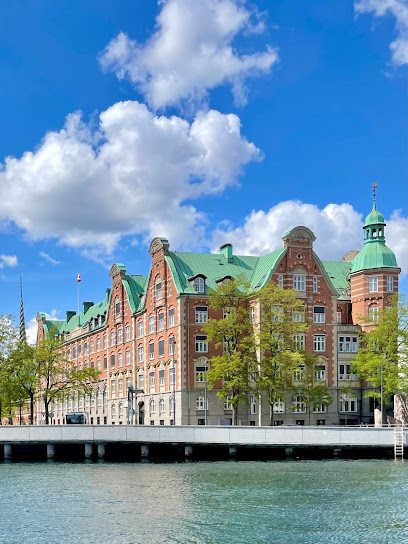
C.F. Tietgens Hus
0.1 km
A Neoclassical monument to Danish banking heritage and industrial vision, built for one of history's most influential entrepreneurs.
Copenhagen By Mie & Friends
0.2 km
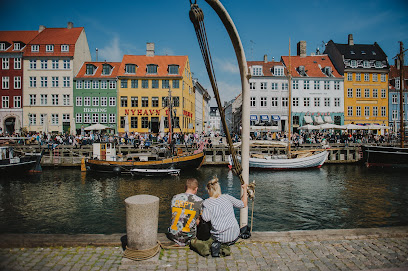
Discover Copenhagen’s historic Botanical Garden, a serene oasis with Victorian glasshouses, winding paths, and thousands of rare plant species in the city’s heart.
Circle Bridge
0.3 km
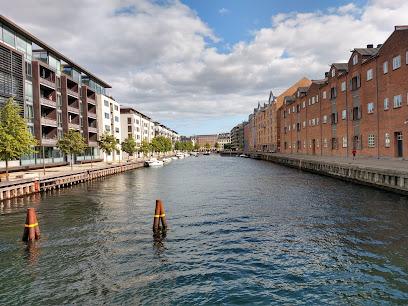
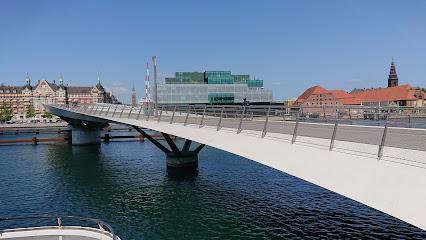
A five-masted circle of light and steel where art, everyday crossings and Copenhagen’s maritime history meet above the waters of Christianshavn Canal.
Holmens Bro
0.4 km
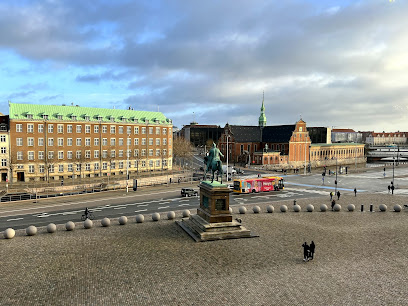
A modest granite arch in central Copenhagen that quietly connects Slotsholmen’s palaces with the city’s streets, offering classic harbour views and everyday urban life.

Frederik VII
0.4 km
Bronze monument in central Copenhagen commemorating King Frederik VII and Denmark’s 19th-century transition to constitutional monarchy, steps from political landmarks.
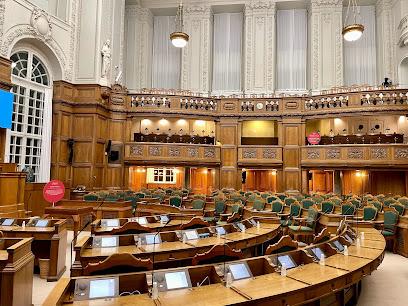
The Danish Parliament
0.5 km
Where copper spires, royal salons and granite façades frame the working heart of Danish democracy on Copenhagen’s historic Island of Power.
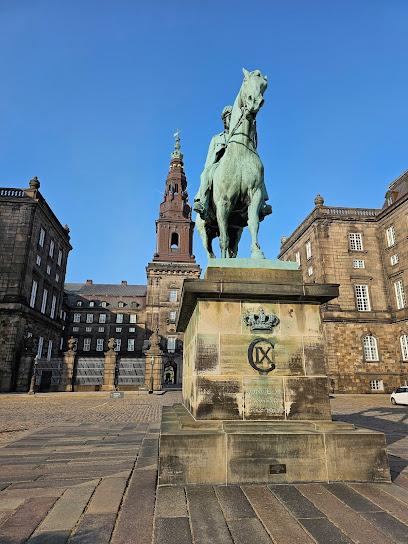
Equestrian statue of Christian IX
0.5 km
A quiet yet powerful royal monument in Christiansborg’s riding ground, uniting a pivotal Danish king with the groundbreaking sculptor who cast him in bronze.
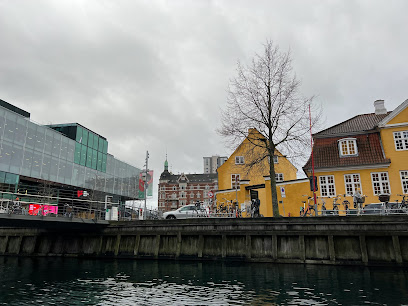
The Stable Boy's House
0.6 km
A modest former service house on Frederiksholms Kanal, quietly recalling the working lives behind Copenhagen’s royal stables and the grandeur of nearby Christiansborg.
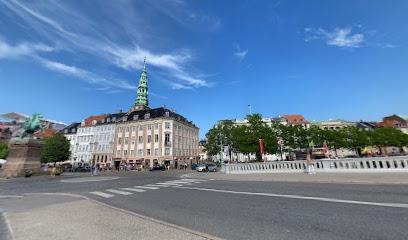
Højbro
0.6 km
A historic iron arch bridging Copenhagen’s lively city centre and stately Slotsholmen, with hidden folklore sculptures stirring beneath its calm canal waters.
Lille Langebro
0.6 km
Explore Kronborg Castle, the iconic setting of Shakespeare's 'Hamlet,' and delve into Denmark's Renaissance history.
Bishop Absalon
0.6 km
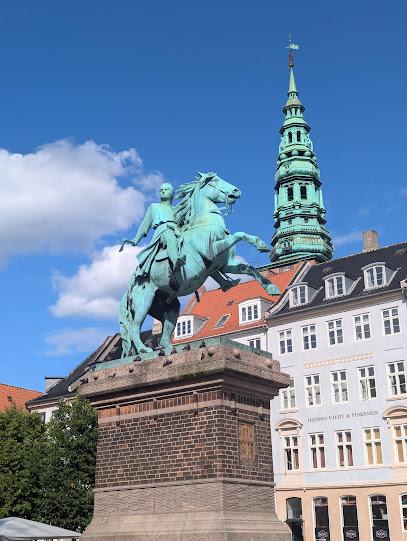
Dynamic equestrian monument to Copenhagen’s warrior-bishop founder, rising over central Højbro Plads with rich maritime symbolism and a direct visual link to Christiansborg.
Christiania
0.6 km
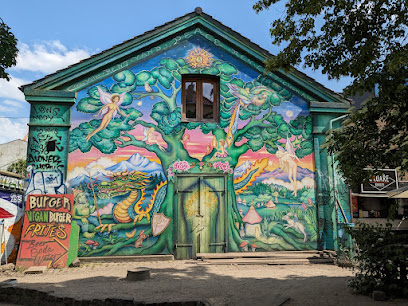
Explore Christiania, Copenhagen's alternative lifestyle hub, filled with vibrant street art, unique shops, and a rich cultural experience.
Kongens Nytorv
0.6 km
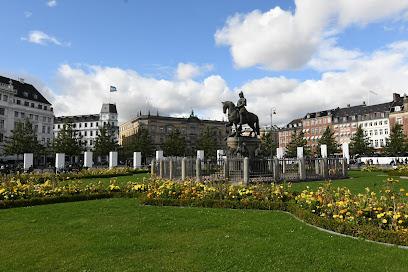
Historic observatory in Aarhus combining hands-on stargazing, interactive astronomy exhibits, and tranquil parkland with panoramic city views.
Thorvaldsens Museum
0.6 km
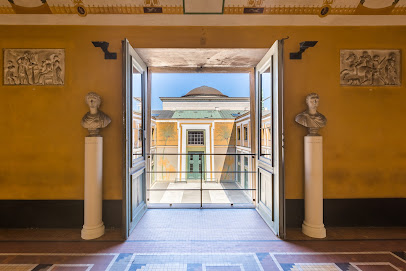
Explore the world of neoclassical sculpture at Thorvaldsens Museum in Copenhagen, home to the works of Bertel Thorvaldsen and a treasure trove of art and architectural inspiration.
Højbro Plads
0.6 km
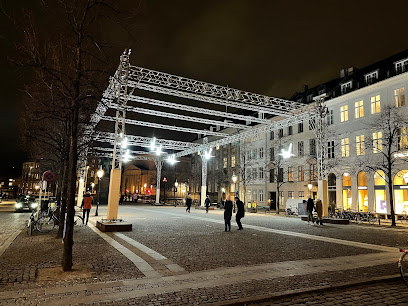
Explore Højbro Plads, a vibrant square in Copenhagen that beautifully blends history, culture, and lively atmosphere, perfect for tourists seeking adventure.
Unmissable attractions to see

Knippelsbro
0.0 km
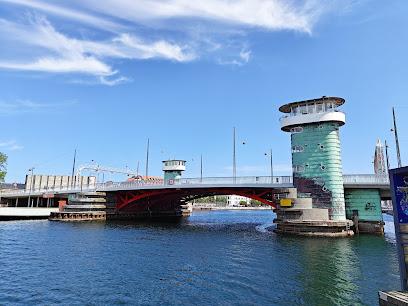
Copenhagen’s copper-towered bascule bridge, where four centuries of harbour crossings, functionalist design and everyday city life meet above the Inner Harbour.
Christianshavn
0.2 km
Experience the lively heart of Helsingborg at Sundstorget, a vibrant square near the Northern Harbour.
Børsen
0.2 km
Explore Copenhagen’s Ripley’s Believe It or Not!—an imaginative museum of fascinating oddities, curiosities, and interactive wonders at City Hall Square.
Havnegade Promenaden
0.3 km
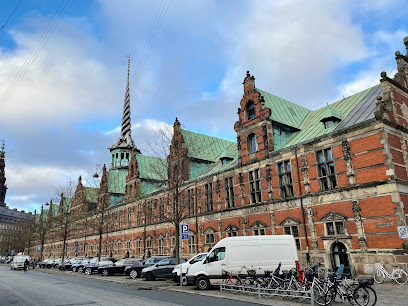
Slottsträdgården is Malmö’s central organic garden retreat, blending vibrant themed gardens, historic castle views, and lively year-round events in a lush urban oasis.
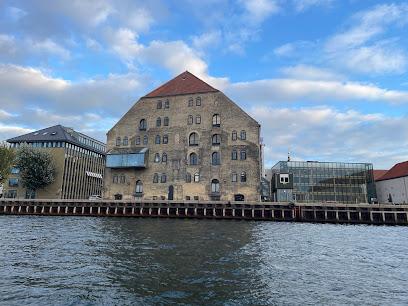
Black Diamond
0.3 km
Fredensborg Palace is a magnificent 18th-century royal residence on Lake Esrum, famed for its baroque architecture, exquisite gardens, and regal Danish history.
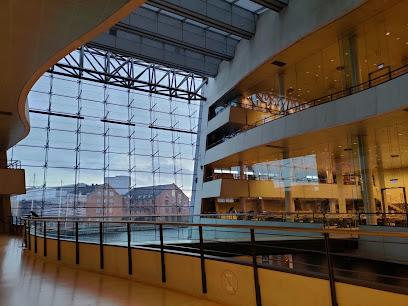
Det Kgl. Bibliotek, The Royal Library
0.3 km
Copenhagen’s Black Diamond blends a centuries‑old national library with bold harbourfront architecture, quiet reading rooms, exhibitions, concerts and a hidden garden oasis.
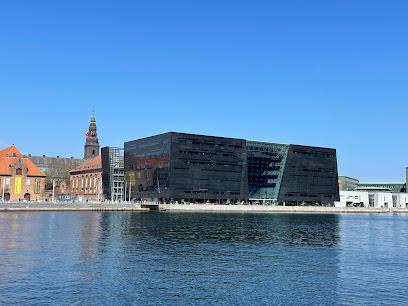
Danish Jewish Museum
0.3 km
An intimate museum in a 17th‑century boathouse where Daniel Libeskind’s Mitzvah‑shaped architecture tells 400 years of Danish Jewish history and rescue.
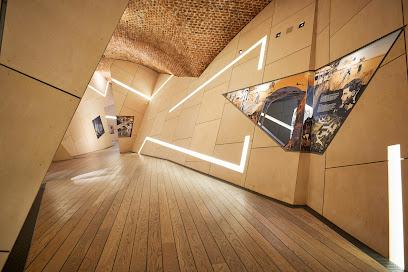
Church of Holmen
0.3 km
Experience the vibrant blend of history and modernity at Roskilde's central square, Stændertorvet.
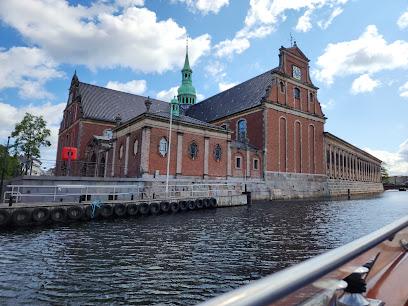
Christianshavns Kanal
0.4 km
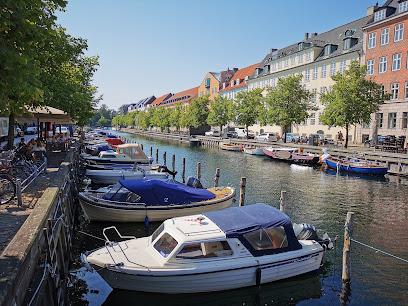
A 17th‑century canal of cobbles, gables and sailboats, Christianshavns Kanal is Copenhagen’s quietly cinematic waterway at the heart of island life.
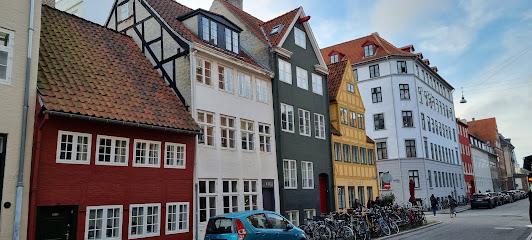
Sankt Annæ Gade
0.4 km
A narrow Christianshavn street where warehouses became homes, church bells echo over cobblestones, and Copenhagen’s maritime past meets everyday neighborhood life.
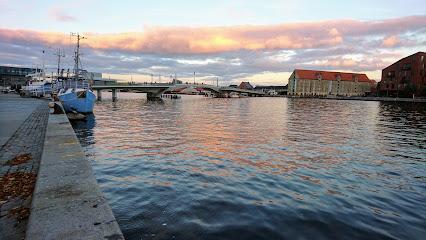
Havnepromenade
0.4 km
Discover Copenhagen’s Garden of the Royal Library: an elegant and tranquil retreat bridging royal heritage and modern design in the heart of the Danish capital.
Garden of the Royal Library
0.4 km
A serene 1920s garden on a former naval harbor, where maritime heritage and artistic beauty create Copenhagen's most peaceful urban retreat.
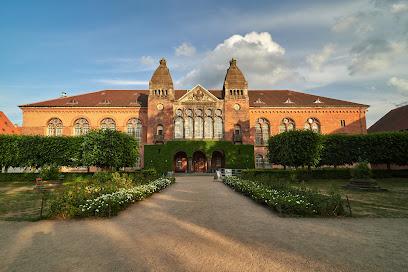
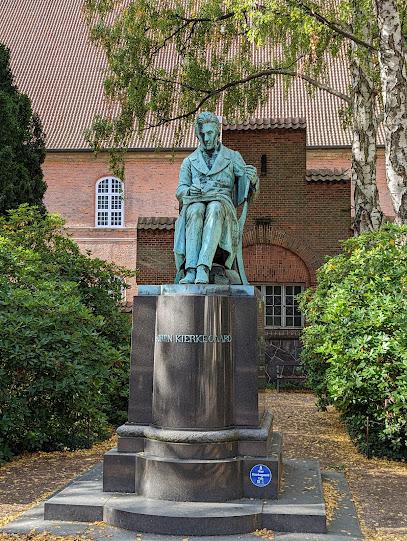
Søren Aabye Kierkegaard by Louis Hasselriis
0.4 km
A quiet bronze of Denmark’s great existential thinker, seated with manuscripts in a hidden garden behind the Royal Library in the heart of Copenhagen.
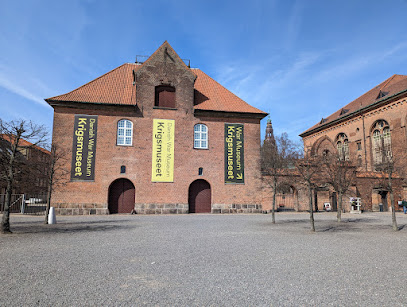
The War Museum
0.4 km
Five centuries of Danish warfare and resilience housed in King Christian IV's historic arsenal.
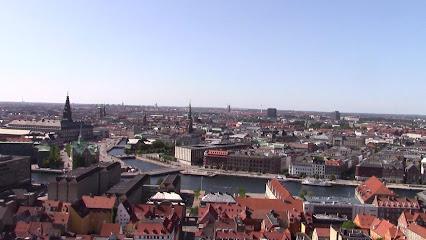
Slotsholmen
0.5 km
A compact canal island where medieval fortresses, royal palaces and modern democracy meet at the very heart of Copenhagen’s harbour.
Essential places to dine

Kadeau
0.3 km
Bornholm’s wild pantry, refined in a serene Christianshavn dining room, where a seasonal New Nordic tasting menu and two-star precision define an intimate evening.
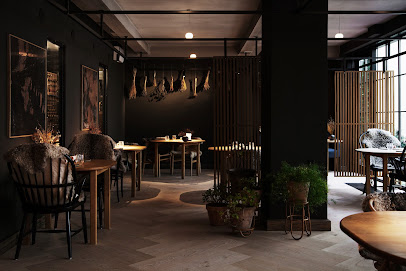
Cafe Wilder
0.3 km
A cherished French bistro where Parisian charm meets Copenhagen authenticity on the historic streets of Christianshavn.
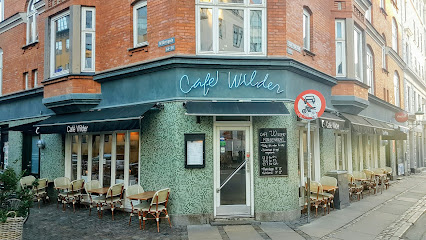
No. 2
0.3 km
Relaxed Nordic brasserie by the Copenhagen waterfront, pairing Michelin‑level know‑how with harbour views, seasonal Danish produce and polished yet informal service.
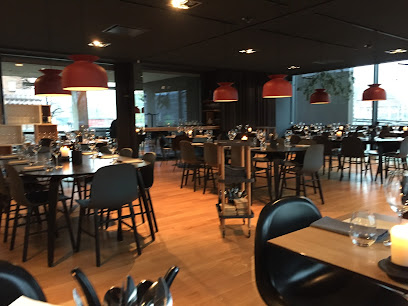
Restaurant Kanalen
0.4 km
Seasonal Danish cooking and relaxed Nordic elegance in a historic canalside house on Christianshavn, where boats glide past your table and the water sets the mood.
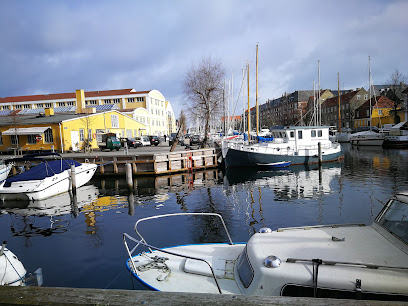
à terre
0.5 km
à terre brings French fine dining infused with Nordic creativity to central Copenhagen, offering an intimate, innovative tasting menu experience near Copenhagen’s key attractions.
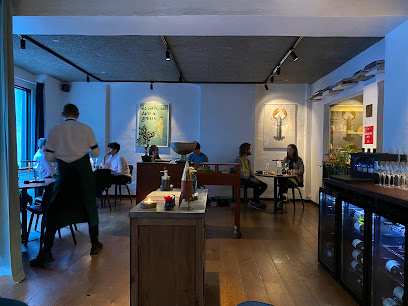
King Hans Cellar
0.5 km
Historic vaulted cellars, cutting-edge Nordic cuisine, and centuries-old royal ambiance converge at Copenhagen’s legendary King Hans Cellar fine dining restaurant.
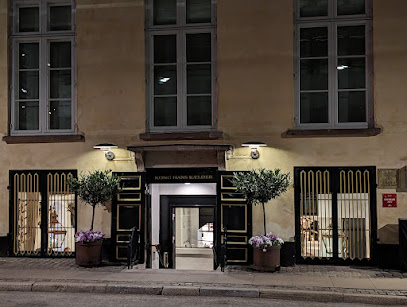
Restaurant Maven
0.6 km
Distinctive Scandinavian dining in the soaring nave of a former church, Restaurant Maven offers inventive cuisine and fine wine in Copenhagen's historic Indre By.
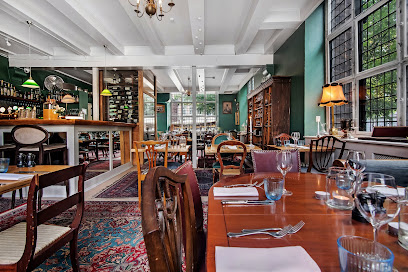
Llama
0.6 km
Latin American flavors, bold cocktails and patterned-tile design bring Peruvian and Mexican energy to a lively, late-night restaurant just off Kongens Nytorv.
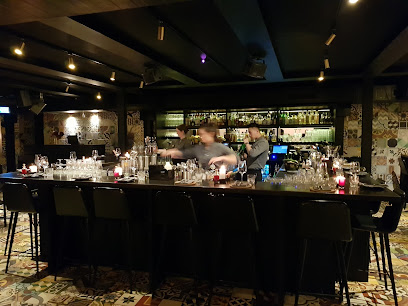
Restaurant Lola
0.6 km
Bold, travel-inspired cooking and inventive smørrebrød served in a sunny 17th‑century house with a leafy garden hideaway on Christianshavn’s historic ramparts.
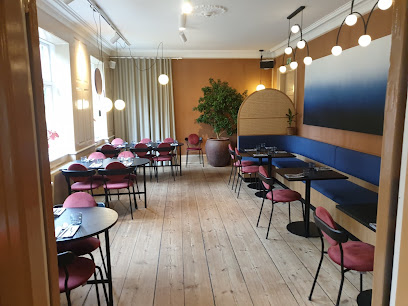
Kanal-Caféen
0.7 km
Historic canal-side lunch restaurant from 1852, serving classic Danish smørrebrød and platters in cosy wood-panelled rooms beside Frederiksholms Kanal.
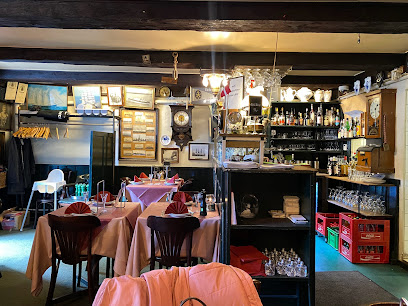
Skipperkroen
0.7 km
Harbourfront smørrebrød and seafood in an 18th‑century Nyhavn house, pairing classic Danish flavours with canal views from cosy rooms and a lively terrace.
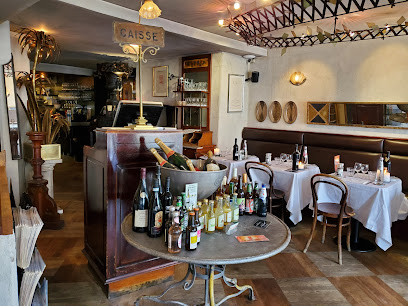
Cap Horn
0.7 km
Candlelit Nordic bistro in a historic Nyhavn townhouse, blending classic Danish seafood, canal views and cosy hygge from late morning to late evening.
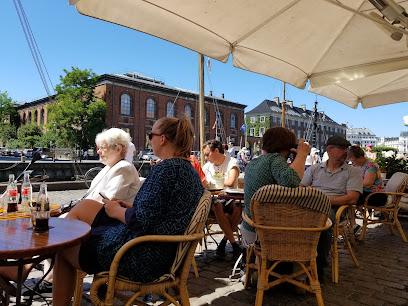
Restaurant Barr
0.7 km
Modern North Sea cuisine, serious beer and warm Nordic design meet in a historic harbor-front warehouse in the heart of Copenhagen’s Christianshavn.
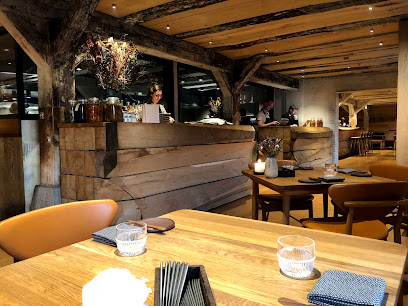
Khun Juk
0.7 km
Refined Thai dining tucked into Copenhagen’s iconic Nyhavn, where candlelit tables, fresh flowers and layered flavors turn dinner into an intimate evening event.
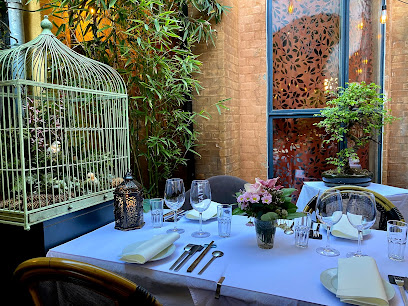
Marchal
0.7 km
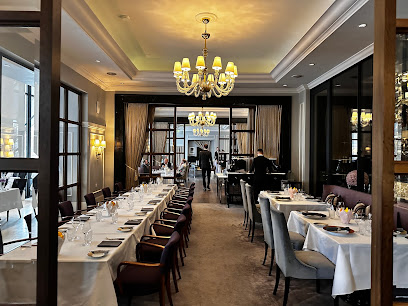
Michelin-starred Nordic–French fine dining in the historic elegance of Hotel d’Angleterre on Copenhagen’s grand Kongens Nytorv.
Markets, malls and hidden boutiques

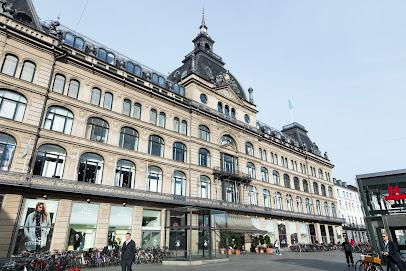
Magasin du Nord
0.6 km
Copenhagen’s classic department store: historic architecture, Nordic style, gourmet treats and relaxed cafés gathered under one elegant roof on Kongens Nytorv.
Danish Souvenirs
0.6 km
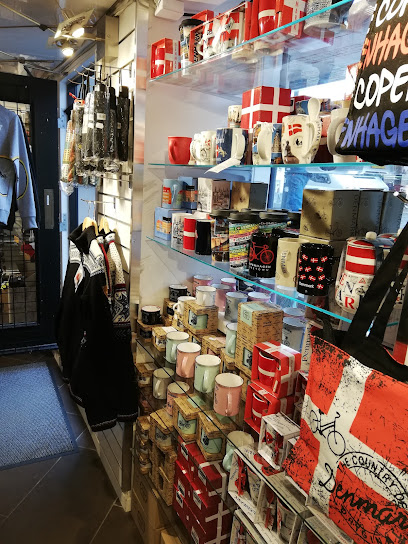
Central Copenhagen souvenir hub on Højbro Plads, packed with Danish icons, practical travel extras and long opening hours just steps from Strøget.
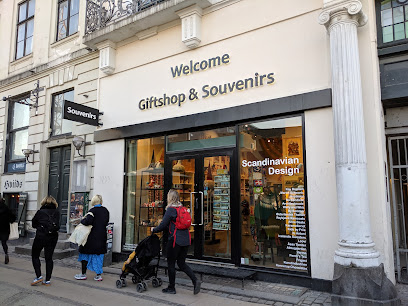
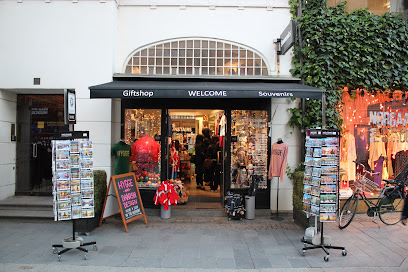
Welcome Giftshop & Souvenirs
0.6 km
Central Copenhagen’s cosy hygge boutique for Danish design, classic souvenirs, and easy last-minute gifts just off bustling Kongens Nytorv square.
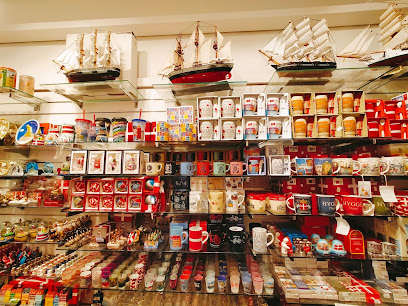
Viking Souvenirs
0.6 km
Authentic Danish and Viking-themed souvenirs in Copenhagen's historic city center.
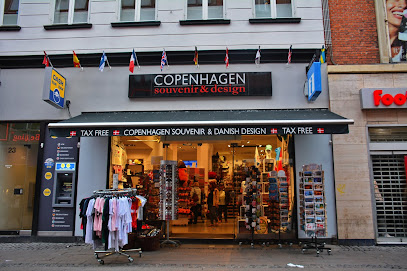
Copenhagen Souvenir & Design
0.6 km
Denmark's premier souvenir destination offering authentic Danish heritage, contemporary design, and quality gifts across seven city-center locations.
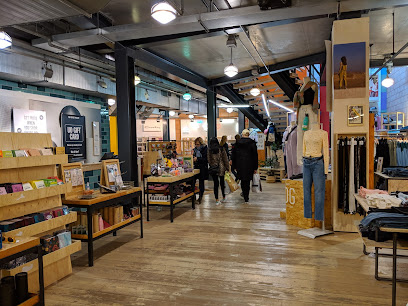
Urban Outfitters
0.7 km
Trendy multi-level fashion and lifestyle store bringing Urban Outfitters’ eclectic clothing, homeware and vinyl mix to the heart of Copenhagen’s Østergade.
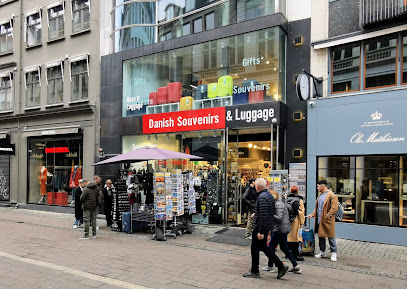
Danish Souvenirs & luggages
0.7 km
Central Strøget souvenir and luggage shop combining classic Danish mementos with practical travel gear, open long hours for convenient, last‑minute Copenhagen gifts.
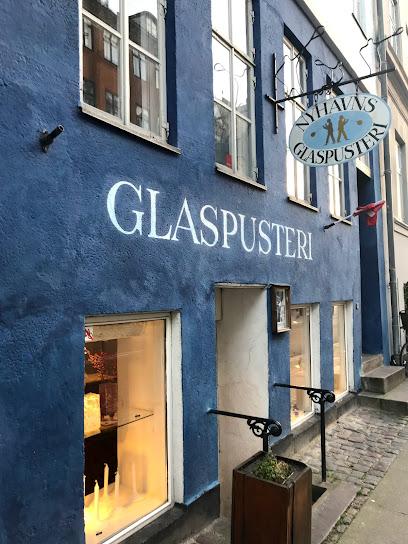
Copenhagenglass
0.7 km
Intimate glassblowing studio and shop near Nyhavn, where Danish maritime-inspired designs and hands-on sessions turn molten glass into memorable Copenhagen souvenirs.
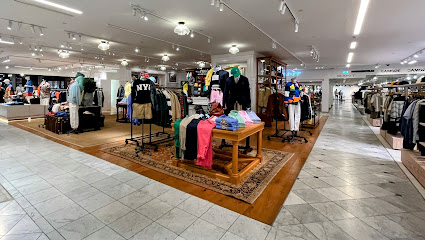
ILLUM
0.7 km
ILLUM is Copenhagen’s iconic department store, combining world-class fashion, Danish design, gourmet food, and rooftop views in historic Indre By.
Læderstræde
0.7 km
Læderstræde is a historic pedestrian street in central Copenhagen, offering a blend of independent boutiques, cozy cafés, and authentic Danish ambiance year-round.
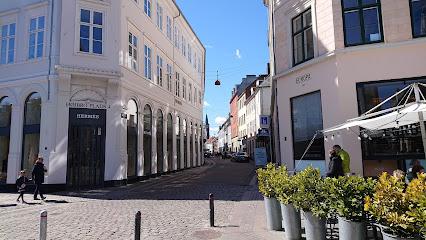
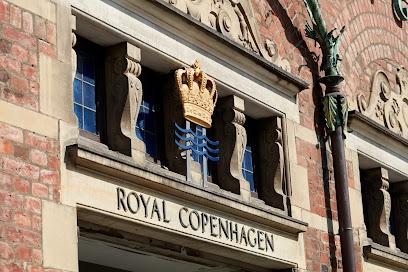
Royal Copenhagen Flagship Store
0.7 km
Historic Renaissance townhouse on Strøget where hand‑painted Royal Copenhagen porcelain, royal history and Danish design culture meet across three atmospheric floors.
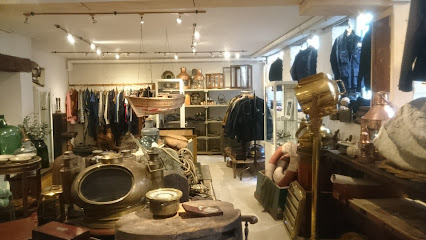
Maritime Antiques &
0.7 km
Atmospheric basement shop near Nyhavn where genuine maritime antiques share space with heritage-inspired clothing and rugged knitwear in a cosy, ship-like setting.
Hygge Original
0.7 km
A cozy Danish design shop on Amagertorv, offering hygge-inspired clothing, textiles and gifts in a calm, Scandinavian setting amid Copenhagen’s busiest streets.
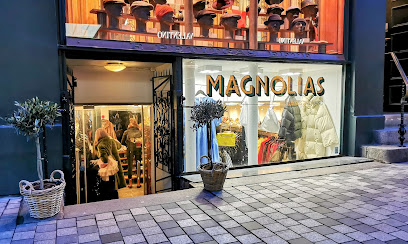
Magnolias
0.7 km
A compact, upscale secondhand boutique on Købmagergade, Magnolias blends Copenhagen chic with curated pre-loved designer fashion in the city’s historic shopping heart.
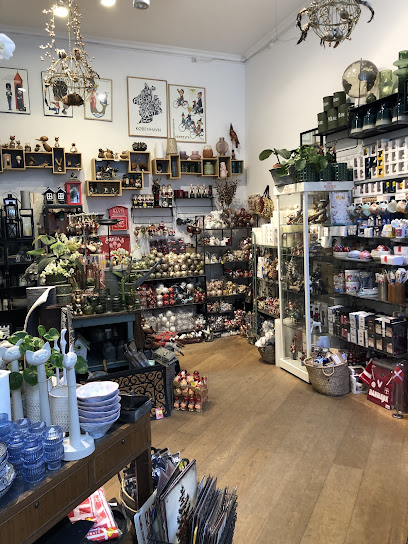
Zane
0.7 km
Intimate Copenhagen florist and design boutique on stylish Bredgade, blending seasonal blooms, Nordic homeware and thoughtful gifts in a cosy, lived-in space.
Essential bars & hidden hideouts

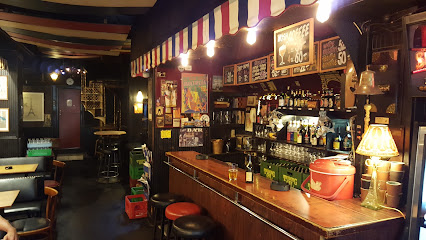
Eiffel bar
0.3 km
Experience the cozy atmosphere of Eiffel Bar in Copenhagen, where friendly service meets affordable drinks in a charming setting.
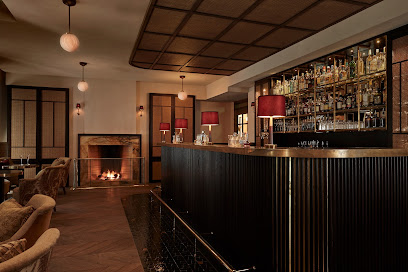
TATA Cocktail Bar
0.4 km
A velvet-draped, fireplace-warmed cocktail hideaway inside Hotel Sanders, where classic mixology, Danish design and theatre-inspired charm blend seamlessly.
K-Bar
0.6 km
Intimate harbourfront cocktail den in central Copenhagen, known for monochrome style, inventive infusions and quietly confident classics poured with real care.
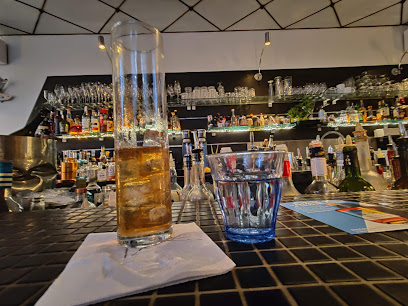
Brønnum
0.6 km
An opulent, multi‑room cocktail bar steps from Kongens Nytorv, where historic townhouse elegance meets contemporary mixology and candlelit late‑night conversation.
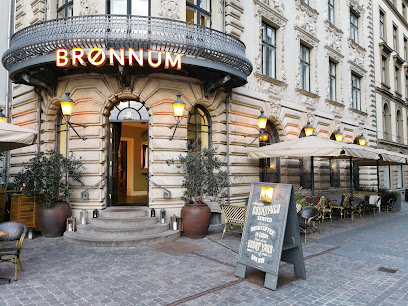
The Bird and The Churchkey
0.7 km
Discover the vibrant atmosphere of The Bird and The Churchkey, a must-visit bar in Copenhagen for craft beer and creative cocktails.
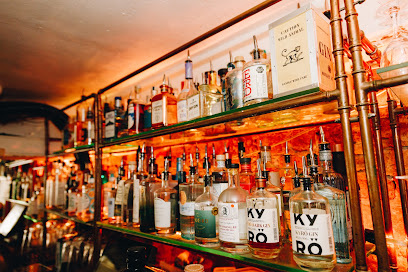
The Dubliner
0.7 km
Lively Irish pub energy on Copenhagen’s Amagertorv, serving hearty pub classics, well-poured pints, live music and big-screen sport in a cosy, wood-lined setting.
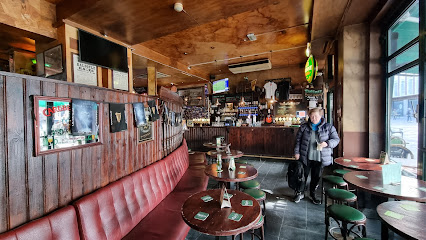
Ruby
0.7 km
An unmarked 18th‑century townhouse on Nybrogade hides Ruby, a quietly glamorous cocktail institution where inventive drinks meet candlelit canal-side charm.
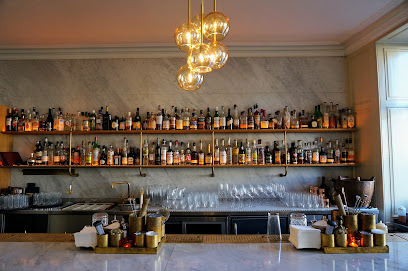
Balthazar
0.7 km
A luxurious Champagne bar at Hotel d’Angleterre, pairing an extensive bubbles list and crafted cocktails with velvet-luxe interiors and a lively DJ-backed ambience.
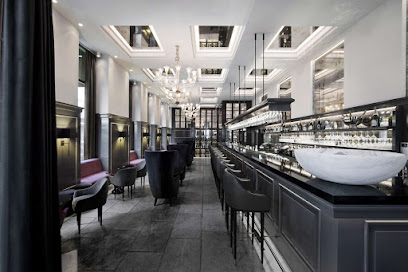
1105
0.7 km
Intimate, dimly lit cocktail bar in Copenhagen’s 1105 postcode, pairing dark, elegant interiors with carefully crafted Nordic-inspired drinks and classic mixes.
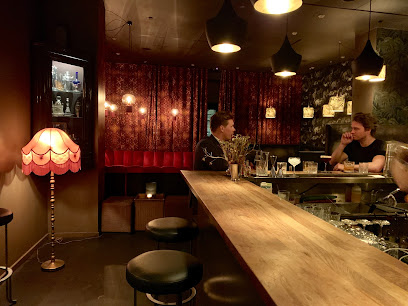
Godt Øl
0.7 km
Cosy basement craft beer bar in Copenhagen’s old town, pouring 12 rotating taps in a low-key, conversation-friendly setting from mid-afternoon until late night.
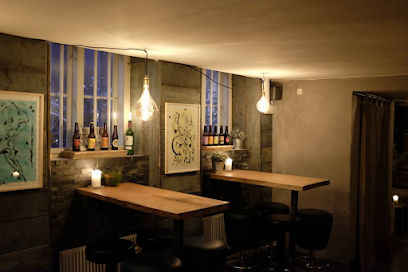
Lord Nelson Bar
0.8 km
Experience the vibrant nightlife and craft cocktails at Lord Nelson Bar, a historic gem in the heart of Copenhagen's bustling streets.
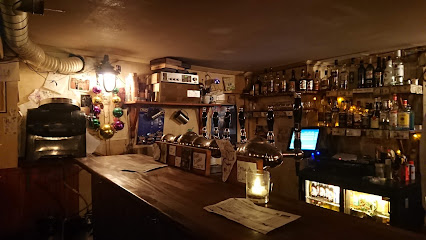
Bar Deco
0.8 km
Intimate Art Deco–inspired cocktail bar near Kongens Nytorv, pairing crafted drinks with moody lighting and a relaxed, grown‑up Copenhagen atmosphere.
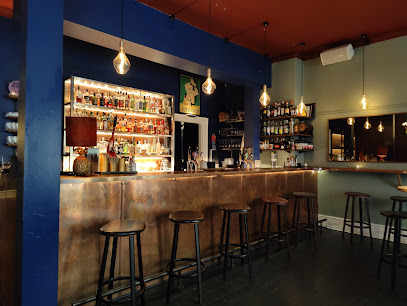
Zefside
0.8 km
Underground cocktail bar by night, pulsing nightclub by dawn—Copenhagen's shape-shifting social hub.
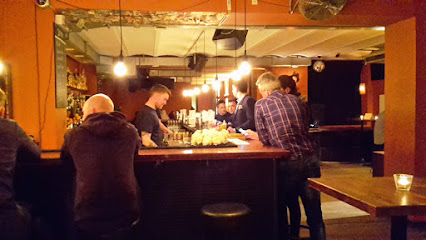
Aloha Beach Bar
0.8 km
Island-inspired cocktails, neon glow and late-night party vibes packed into a compact tropical bar just off Gothersgade in central Copenhagen.
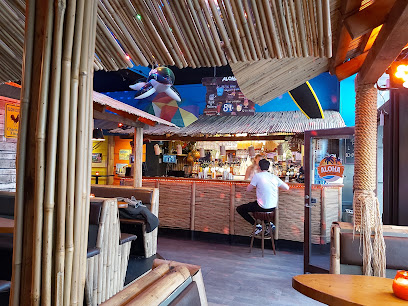
Charlie's Bar
0.8 km
Discover the enchanting atmosphere of Charlie's Bar, a cozy haven in Copenhagen offering a diverse drink selection and a vibrant local vibe.
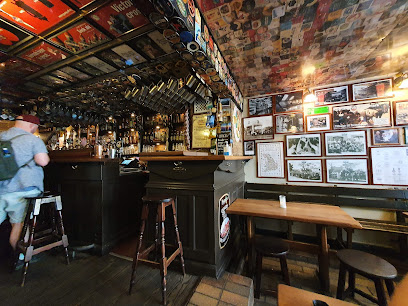
Nightclubs & after hour spots

Lusso
0.7 km
A compact, high-end Copenhagen nightclub with champagne-forward table service, dim lighting and a stylish late-night crowd just steps from Kongens Nytorv.
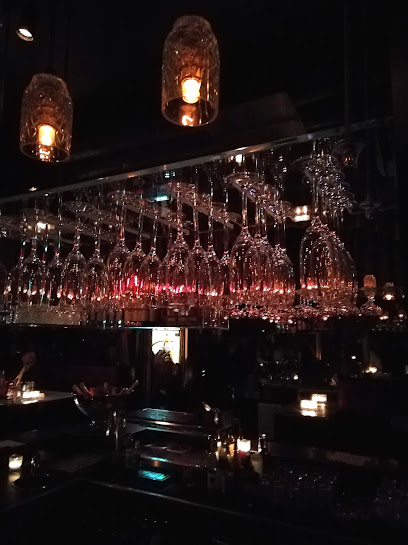
Operaen
0.8 km
Compact harbourfront nightclub near Copenhagen’s modern opera house, mixing DJ-driven beats, local crowds and late-night energy by the inner-city waterfront.
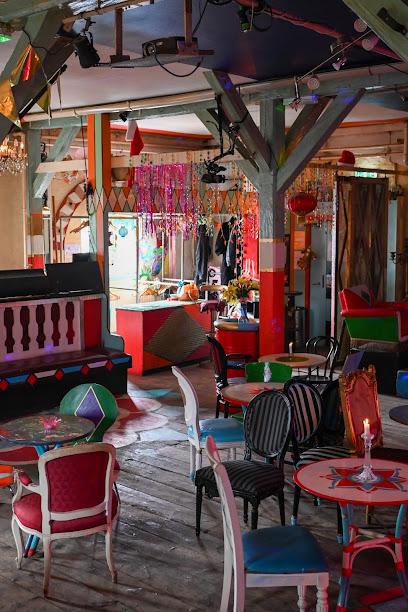
The Zoo
0.8 km
Intimate late-night nightclub on Sværtegade in Copenhagen’s historic center, blending a compact dance floor, DJ-driven beats and a casual, social bar atmosphere.
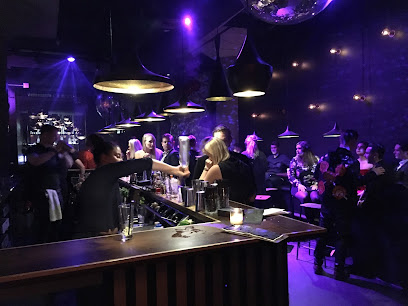
Chateau Motel
0.9 km
Discover the lively nightlife of Copenhagen at Chateau Motel, a top destination for cocktails and dancing in a vibrant atmosphere.
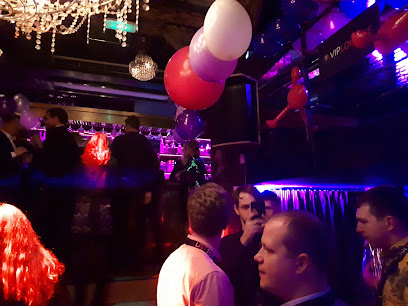
Mini Bar
0.9 km
Discover the vibrant nightlife of Copenhagen at Mini Bar, a premier night club offering eclectic tunes and a lively atmosphere for unforgettable nights.
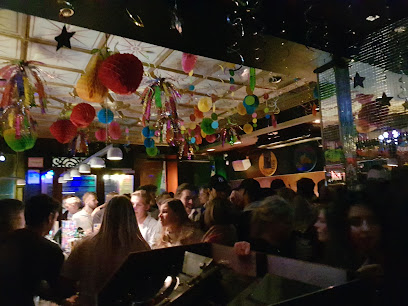
Club Mambo
0.9 km
Experience the energetic nightlife of Copenhagen at Club Mambo, a vibrant night club offering salsa dancing, cocktails, and delicious dining.
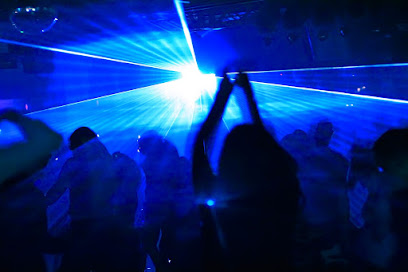
Hive
1.0 km
Copenhagen's premier high-end nightclub with cutting-edge design, VIP service, and immersive themed experiences.
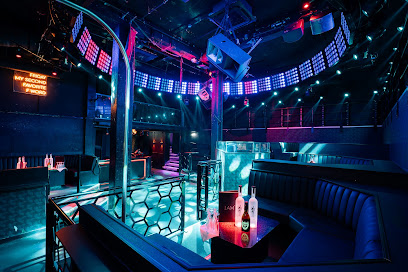
Mirror
1.1 km
Dive into the heart of Copenhagen's nightlife at Mirror, where the rhythm never stops and unforgettable memories are made.
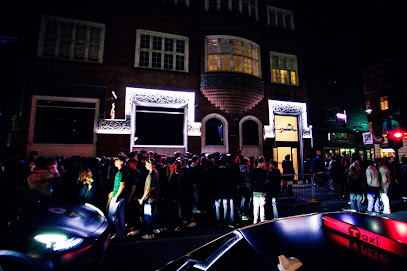
Rumors
1.1 km
Discover the heart of Copenhagen's nightlife at Rumors, where energetic vibes and unforgettable nights await you.
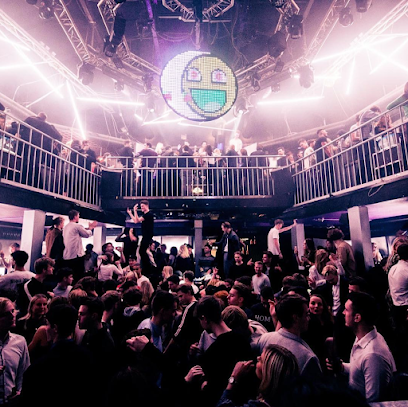
Miami Bar
1.1 km
Discover Copenhagen's nightlife at Miami Bar, where cocktails and dancing create unforgettable nights in a vibrant atmosphere.
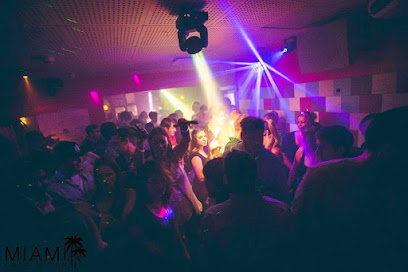
Dorsia
1.1 km
Central Copenhagen nightclub with late‑night DJs, cocktails and an image‑conscious crowd packed into a dark, modern interior off busy Kattesundet.
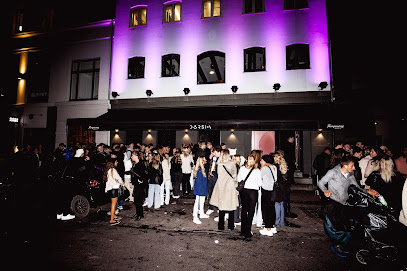
La Terraza
1.1 km
Compact nightclub on Studiestræde in Copenhagen’s old town, offering loud beats, straightforward drinks and an unpretentious late-night dance floor.
Cosy Bar
1.2 km
Discover the lively atmosphere of Cosy Bar, a top gay nightclub in Copenhagen offering fantastic music, vibrant crowds, and unforgettable nights.
G*A*Y Copenhagen Nightclub
1.3 km
Experience the heart of LGBTQ+ nightlife at G*A*Y Copenhagen Nightclub, where vibrant energy and inclusive atmosphere await every visitor.
Arch
1.3 km
Discover the vibrant nightlife of Copenhagen at Arch, a premier night club offering electrifying music and an unforgettable atmosphere.
For the vibe & atmosphere seeker
- Scenic
- Unique
- Quirky
- Casual
For the design and aesthetic lover
- Minimalist Designs
- Vintage Styles
- Industrial Designs
For the architecture buff
- Historic
- Landmarks
- Viewpoints
For the view chaser and sunset hunter
- Iconic Views
- Panoramas
- Waterfront
- Skyline
- Sunset Spots
For the social media creator & influencer
- Instagrammable
- Photo Spots
- Selfie Spots
- Architectural Shots
For the eco-conscious traveler
- Low Impact
- Public-Transport Accessible
- Locally Managed
For the kind of experience you’re after
- Cultural Heritage
- Photowalk
- Adventure Photo Shoot
- Day Trip
- Roadtrip Stop
For how adventurous you want the journey to be
- Easy Access
Location Audience
- Family Friendly
- Senior Friendly
- Teen Friendly
- Solo Friendly
- Couple Friendly
- Solo Female Friendly
- Business Friendly


